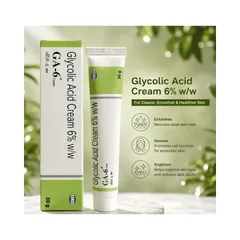


Bestseller
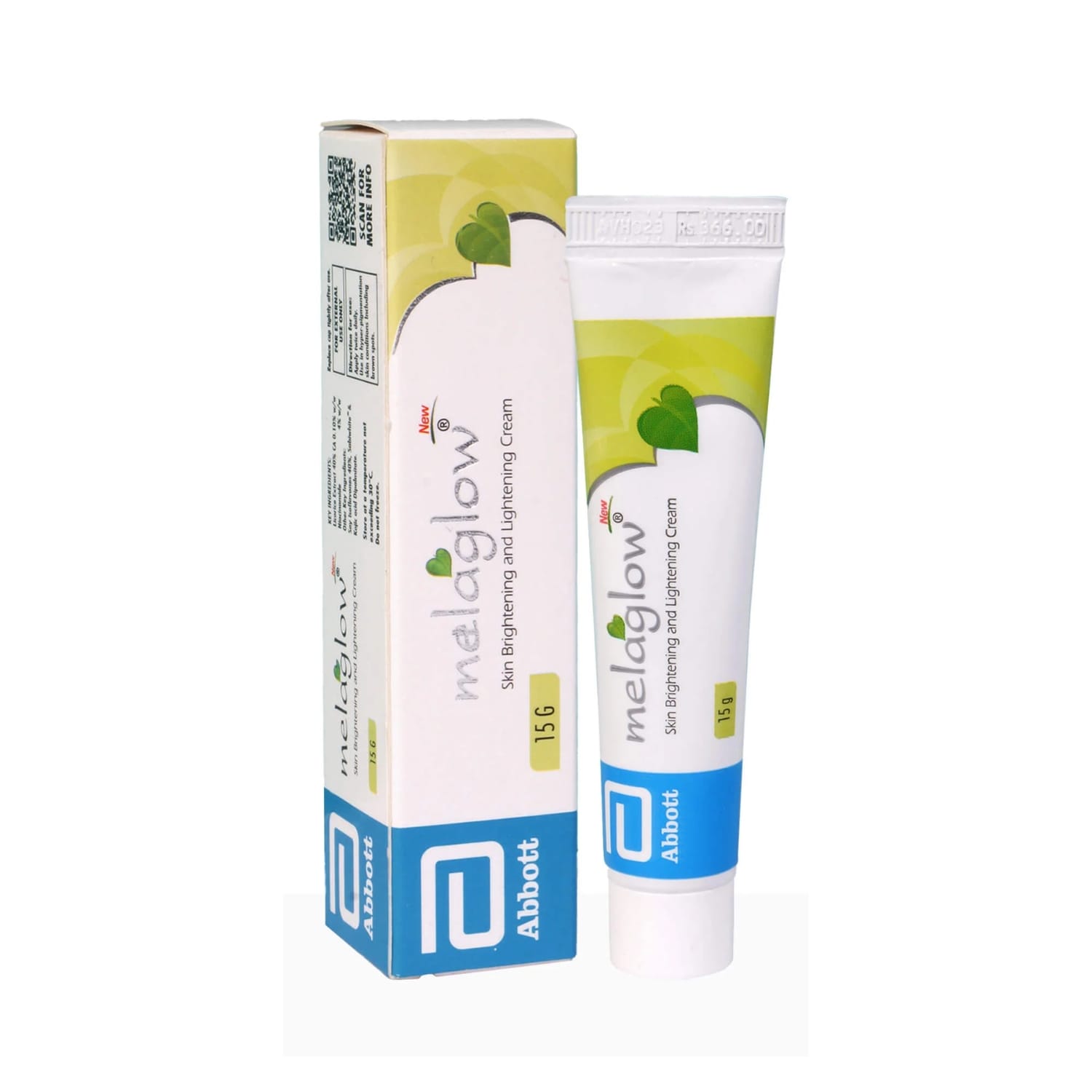
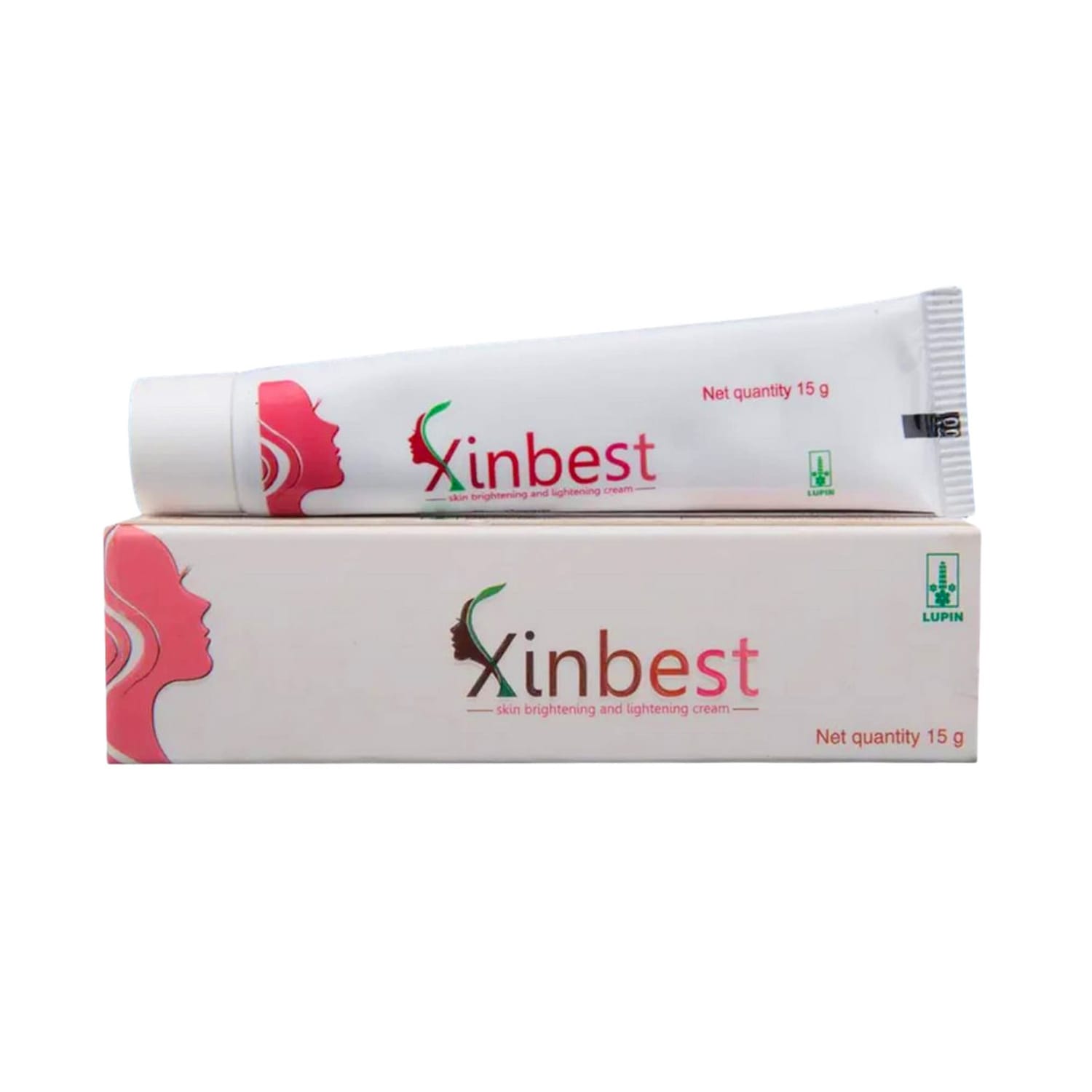
Melaglow Skin Brightening And Lightening Cream 15g
Abbott
₹4576% off₹486
Dark patches, also known as pigmentation or hyperpigmentation, occur when excess melanin is produced in certain areas of the skin. This results in uneven skin tone, dark spots, or patches that may appear on the face, neck, hands, or other sun-exposed areas. Pigmentation can affect all skin types and is often triggered by sun exposure, hormonal changes, inflammation, or skin injury. Hormonal conditions such as melasma, menopause-related changes, autoimmune disorders, and age-related inflammation (inflammaging) can also contribute. Early care helps prevent deep and long-lasting discoloration.
Excess Sun Exposure:
UV rays stimulate excess melanin production, leading to tanning and sunspots.
Hormonal Changes:
Melasma during pregnancy, menopause-related hormonal changes in women, or age-related hormonal decline in men, leading to conditions such as melasma and diffuse facial pigmentation.
Post-Inflammatory Pigmentation:
After acne, wounds, burns, eczema, or skin irritation.
Ageing:
Reduced skin cell turnover leading to uneven tone and age-related pigmentation such as solar lentigines (age spots).
Inflammaging:
Chronic low-grade inflammation associated with ageing that worsens hyperpigmentation.
Autoimmune Diseases:
Conditions such as lupus or thyroid-related disorders that alter melanin regulation and cause pigmentation changes.
Vitamin Deficiencies:
Especially vitamin B12, folic acid, and vitamin D.
Genetic Factors:
Family history of pigmentation disorders.
Use of Harsh Products:
Over-exfoliation, steroid misuse, or irritating skincare.
Medical Conditions or Medications:
Certain drugs, hormonal therapies, or systemic illnesses increasing skin sensitivity and pigmentation.
Symptoms of Dark Patches / Pigmentation
Dark spots or patches on face or body
Uneven or blotchy skin tone
Pigmentation on cheeks, forehead, upper lip, or neck
Dark marks left after acne or injury
Worsening of patches with sun exposure or ageing
Clinical Skin Examination:
Visual assessment of pigmentation depth and pattern.
Medical History:
Hormonal status (including menopause), sun exposure, autoimmune conditions, ageing-related changes, and product use.
Wood’s Lamp Examination:
To assess epidermal or dermal pigmentation.
Blood Tests:
To check vitamin deficiencies, thyroid or autoimmune markers, or hormonal imbalance.
Dermatoscopy:
For detailed evaluation of dark spots such as melasma or solar lentigines.
Sun Protection:
Daily broad-spectrum sunscreen is essential.
Topical Treatments:
Vitamin C, niacinamide, azelaic acid, retinoids (as prescribed).
Skin Barrier Repair:
Gentle moisturisers to prevent further irritation and inflammation.
Chemical Peels:
For superficial pigmentation including melasma and sun-induced spots.
Laser or Light Therapy:
For deeper or stubborn pigmentation.
Correction of Deficiencies:
Vitamin supplementation if required.
Management of Underlying Conditions:
Treatment of menopause-related hormonal changes, autoimmune disease, or chronic inflammation.
Lifestyle Changes:
Limiting sun exposure and avoiding harsh skincare.
Preventing Dark Patches / Pigmentation
Use sunscreen daily, even indoors
Avoid picking acne or scabs
Use gentle skincare suitable for your skin type and age
Reapply sunscreen when outdoors
Wear protective clothing and hats
Maintain balanced nutrition with essential vitamins
Manage hormonal health and chronic inflammation with medical guidance
Darkening and spreading of patches
Persistent uneven skin tone
Emotional distress or reduced confidence
Difficulty treating deeper pigmentation over time
Dermatologist:
For diagnosis and targeted treatment.
Endocrinologist:
If hormonal imbalance, menopause-related changes, or thyroid disorders are suspected.
1. How to reverse hyperpigmentation for adults?
Hyperpigmentation can be improved by consistent sun protection, dermatologist-recommended topical treatments, correcting vitamin deficiencies, and managing melasma, menopause-related hormonal changes, or autoimmune causes.
2. Which vitamin deficiency causes dark patches?
Vitamin B12 deficiency is commonly associated with dark patches. Deficiencies in folic acid and vitamin D may also contribute.
3. Can dark pigmentation be removed?
Yes, dark pigmentation can be significantly reduced or removed depending on its cause, such as melasma, age-related pigmentation, depth, and timely treatment.
4. Can vitamin C remove pigmentation?
Vitamin C helps reduce pigmentation by inhibiting excess melanin production and improving skin brightness when used consistently along with sunscreen.
5. How does a dermatologist remove dark spots?
A dermatologist may use topical medications, chemical peels, laser therapy, or combination treatments based on the type and depth of pigmentation, such as melasma or solar lentigines.
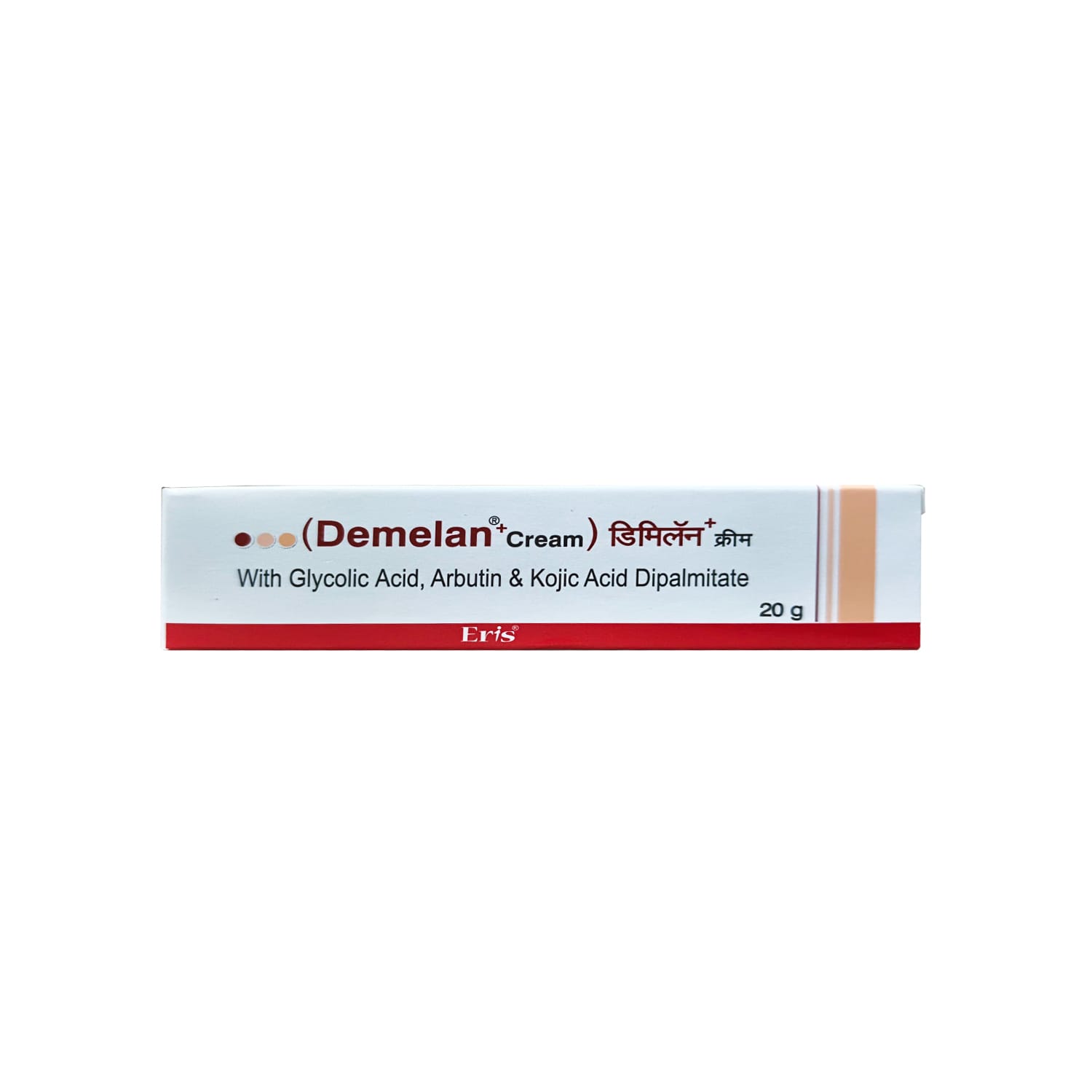
Glenmark
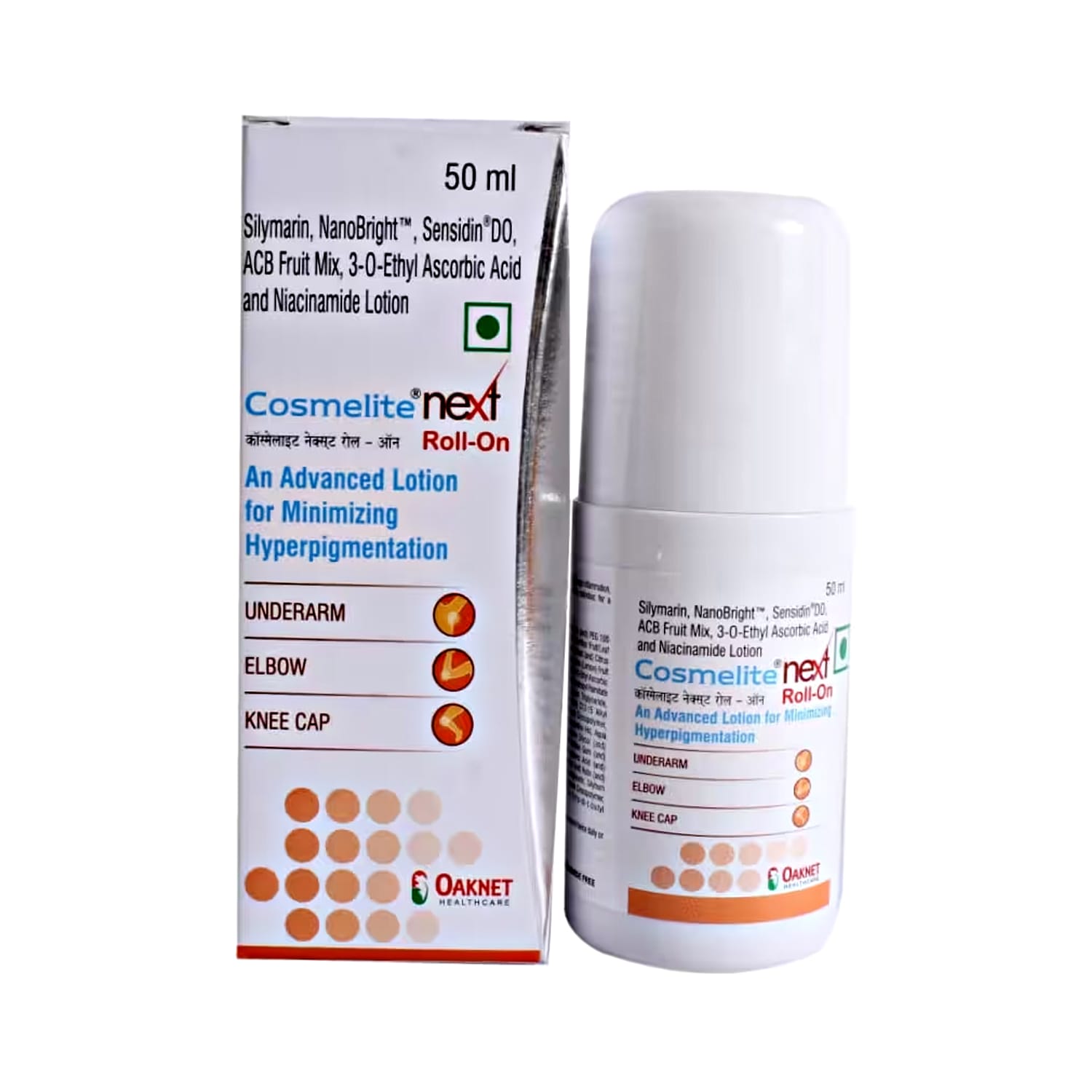
OAKNET