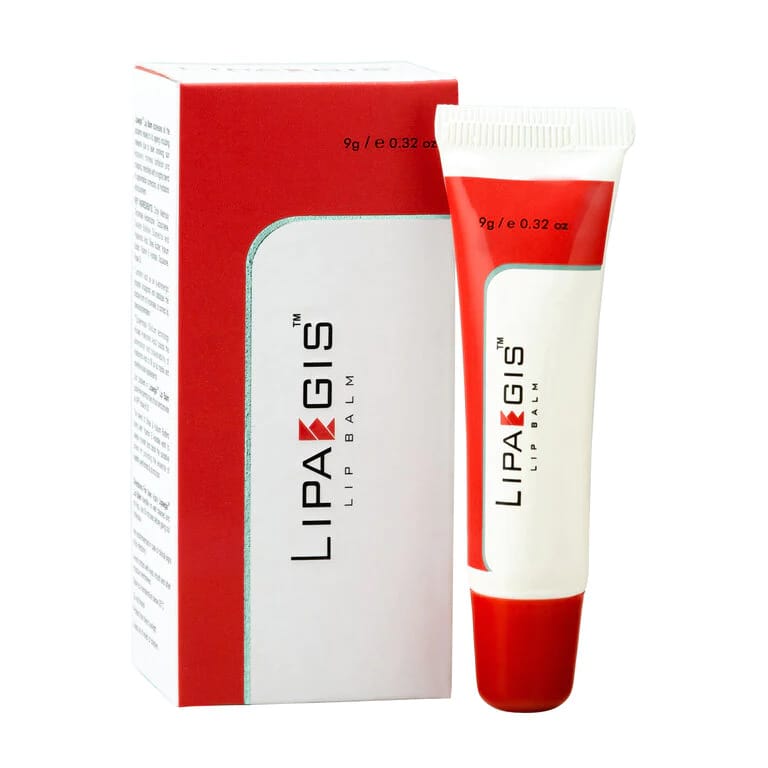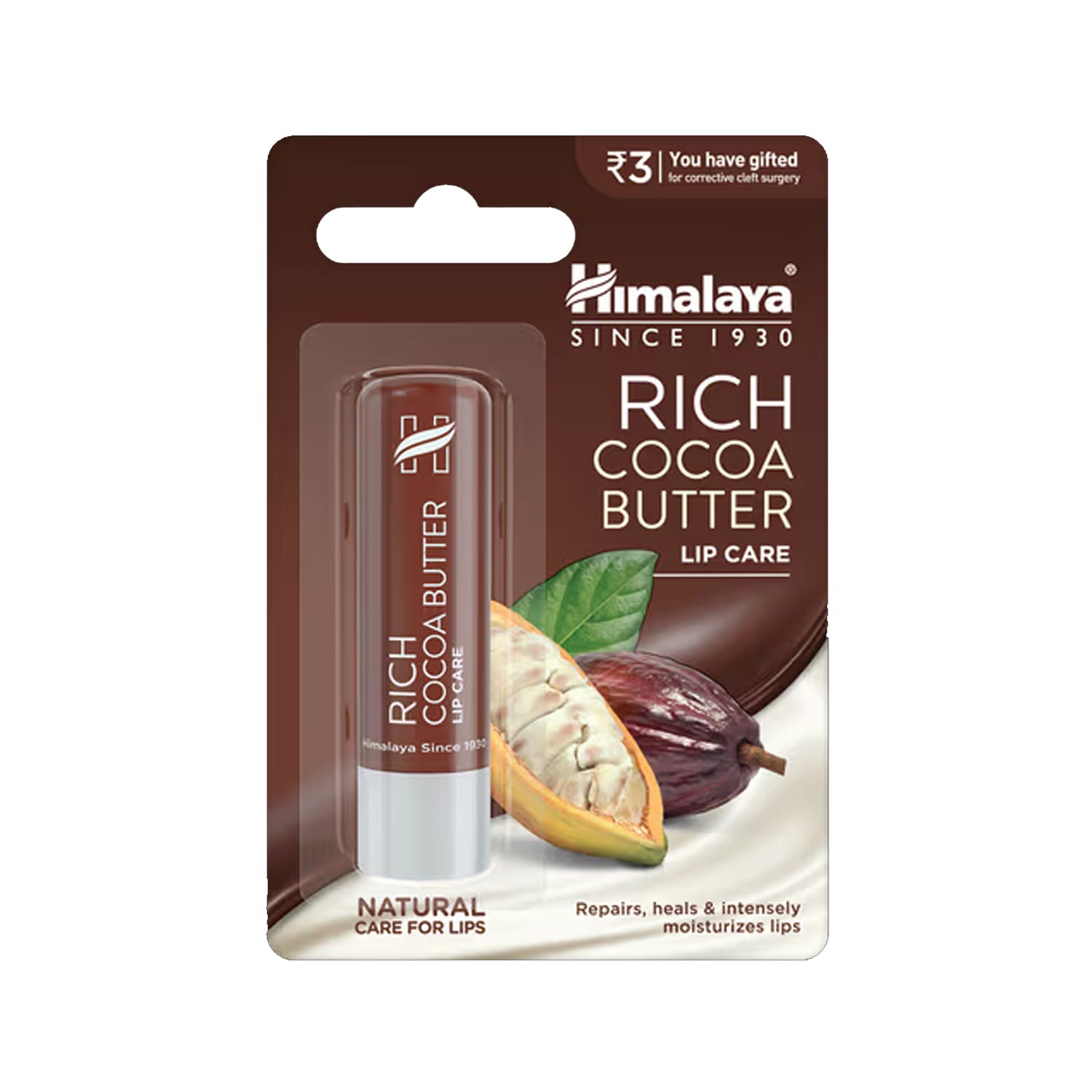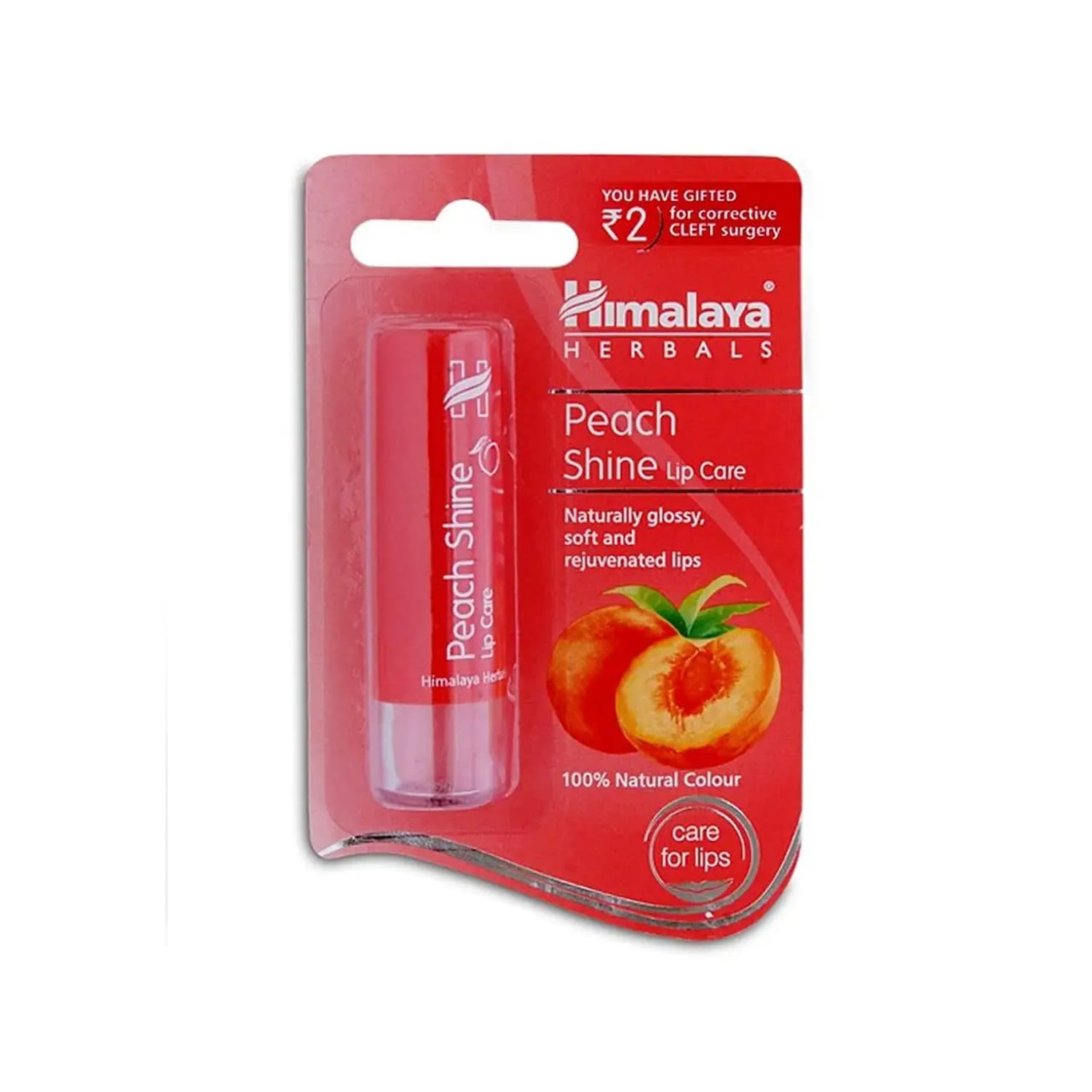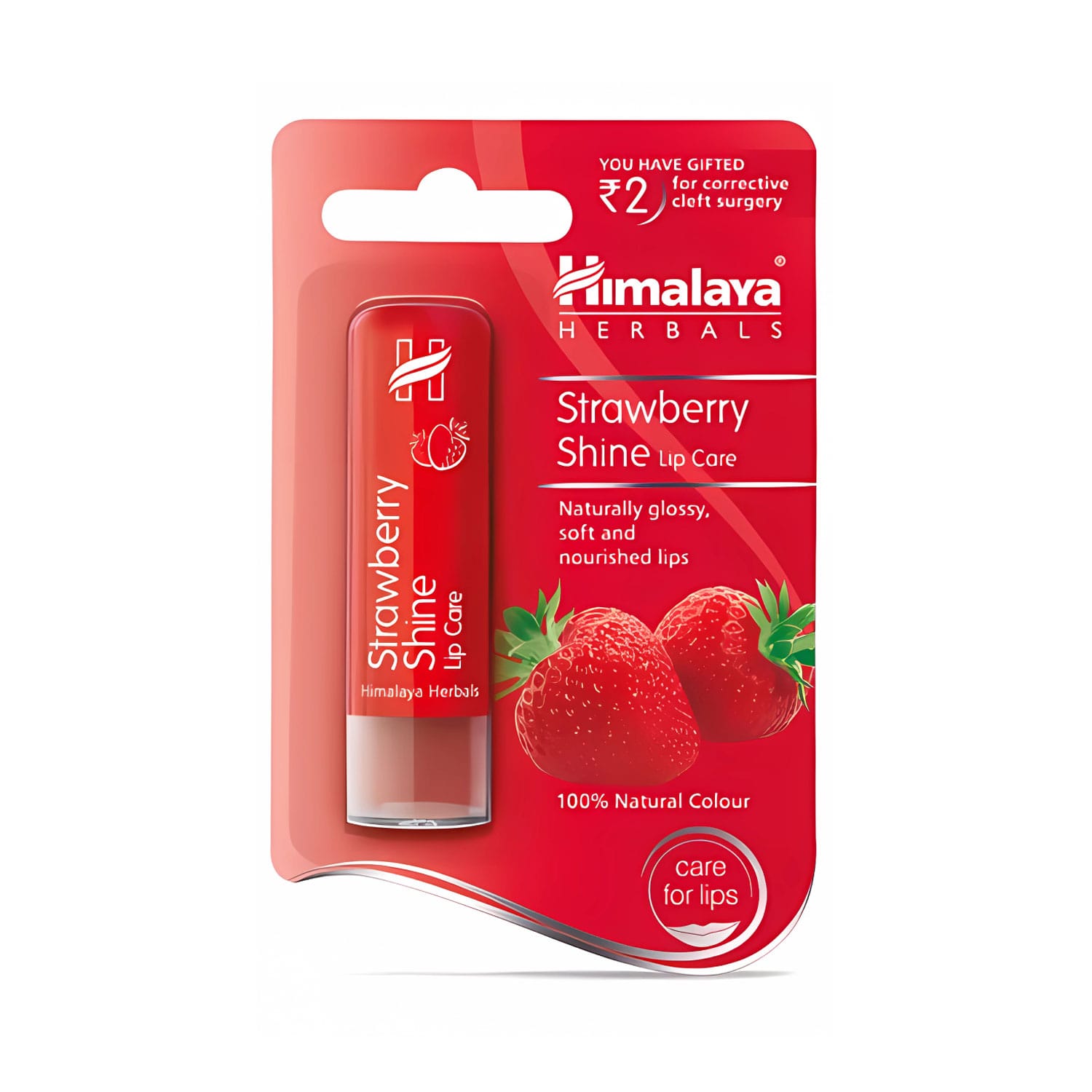


Bestseller
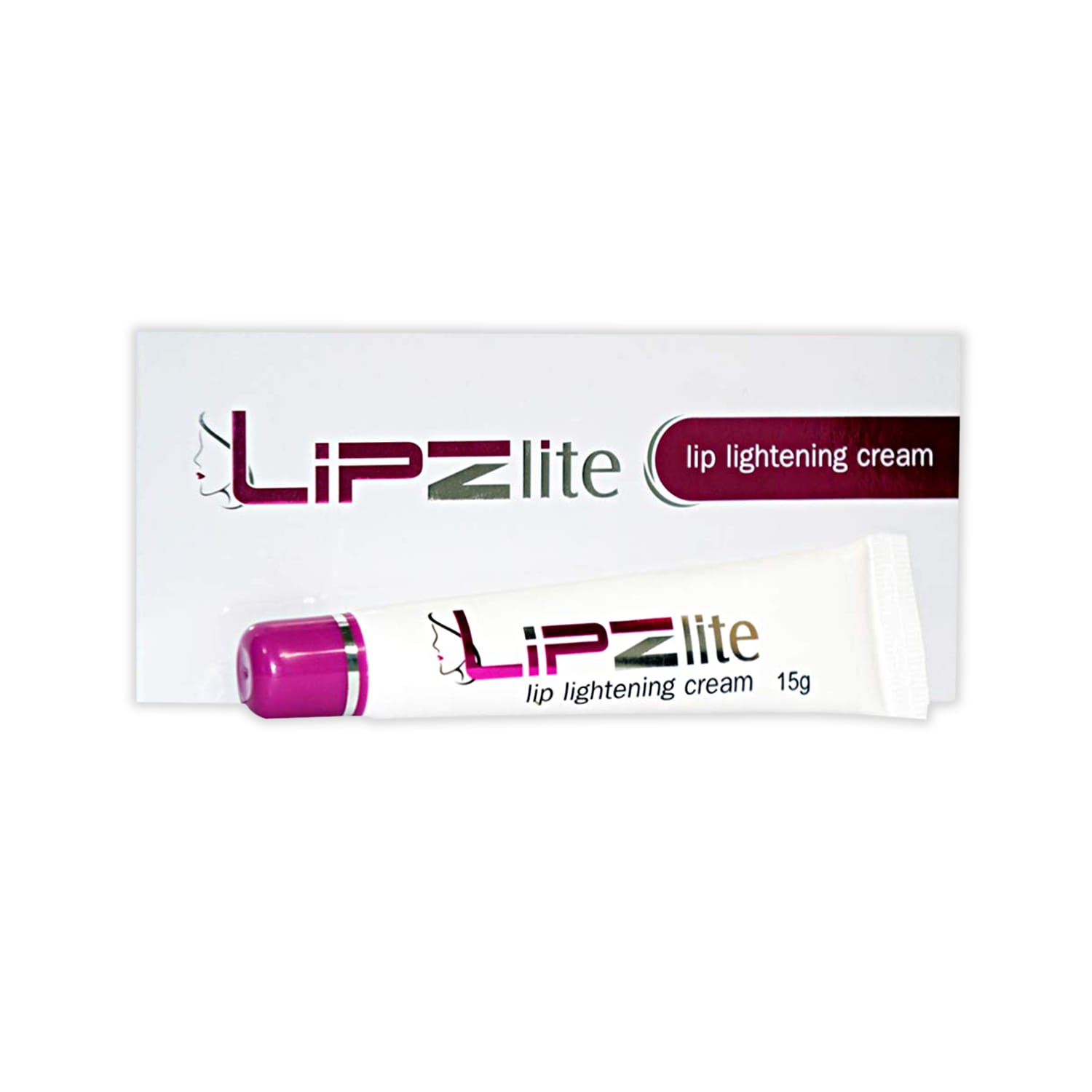
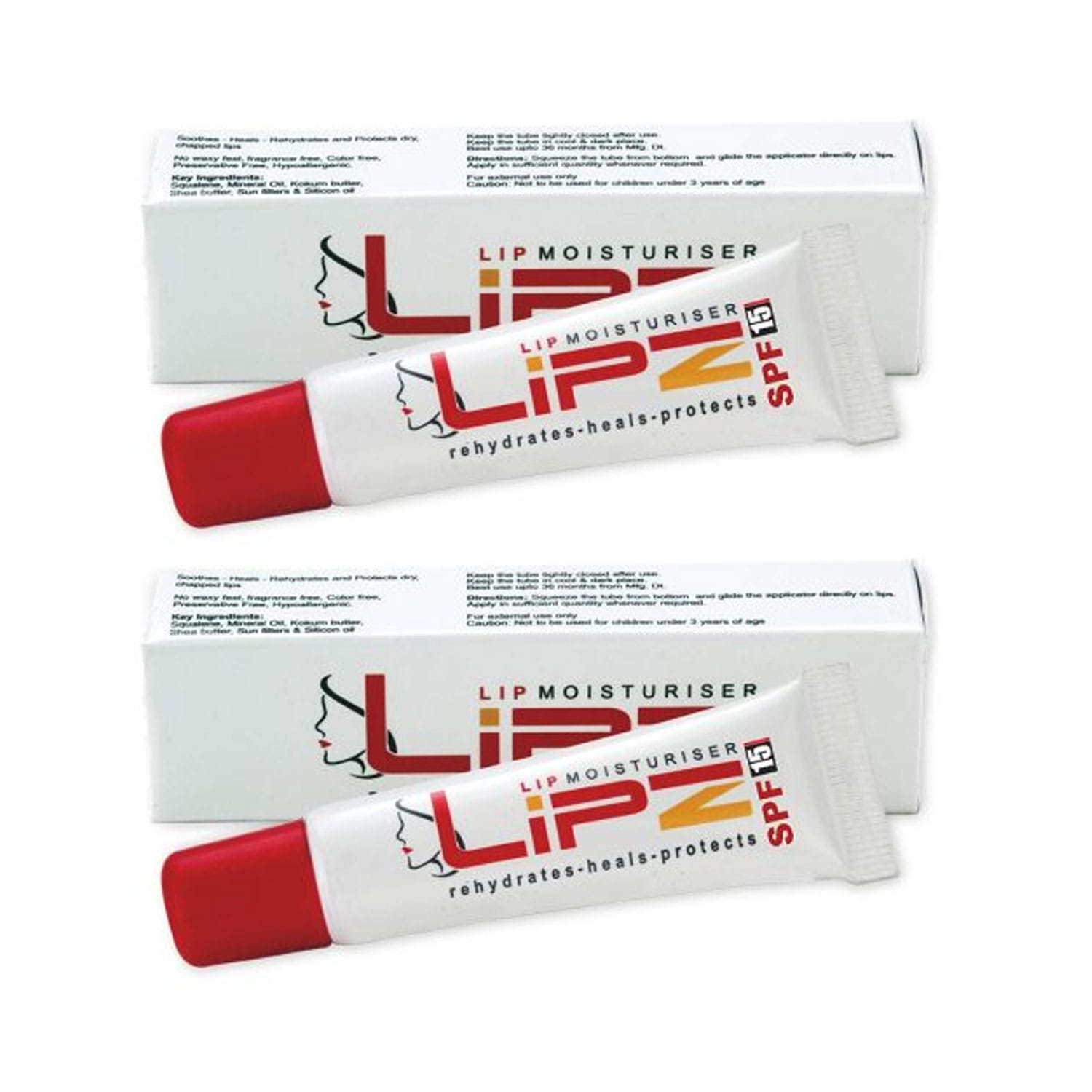
Lipzlite Lip Lightening Cream 15g
Ethicare Remedies
₹23413% off₹269
Dark Lips
Dark lips refer to hyperpigmentation of the lips, where the natural pink or reddish tone becomes darker or uneven. Lip pigmentation can affect both men and women and may develop gradually due to lifestyle habits, sun exposure, medical conditions, or nutritional deficiencies. Early identification helps restore lip colour and prevent further darkening.
Causes of Dark Lips
Excess Sun Exposure: UV rays stimulate melanin production in the lips.
Smoking and Tobacco Use: Nicotine and heat cause lip discoloration.
Lip Licking or Dehydration: Repeated irritation leads to pigmentation.
Allergic Reactions: Sensitivity to lipsticks, toothpaste, or cosmetic products.
Hormonal Changes: Pregnancy, menopause, or hormonal imbalance can cause lip pigmentation.
Post-Inflammatory Pigmentation: After lip injury, ulcers, or chronic dryness.
Vitamin Deficiencies: Especially vitamin B12, iron, and folic acid deficiency.
Ageing: Reduced skin renewal causing uneven lip tone.
Medical Conditions or Medications: Anemia, thyroid disorders, or drug-induced pigmentation.
Symptoms of Dark Lips
Dark brown or purplish lips
Uneven lip colour
Dry or cracked lips with pigmentation
Gradual darkening over time
Diagnosis of Dark Lips
Clinical Examination: Assessment of lip colour, texture, and dryness.
Medical History: Smoking habits, cosmetic use, sun exposure, and hormonal status.
Blood Tests: To detect anemia or vitamin deficiencies.
Allergy Assessment: If cosmetic or toothpaste sensitivity is suspected.
Treatment of Dark Lips
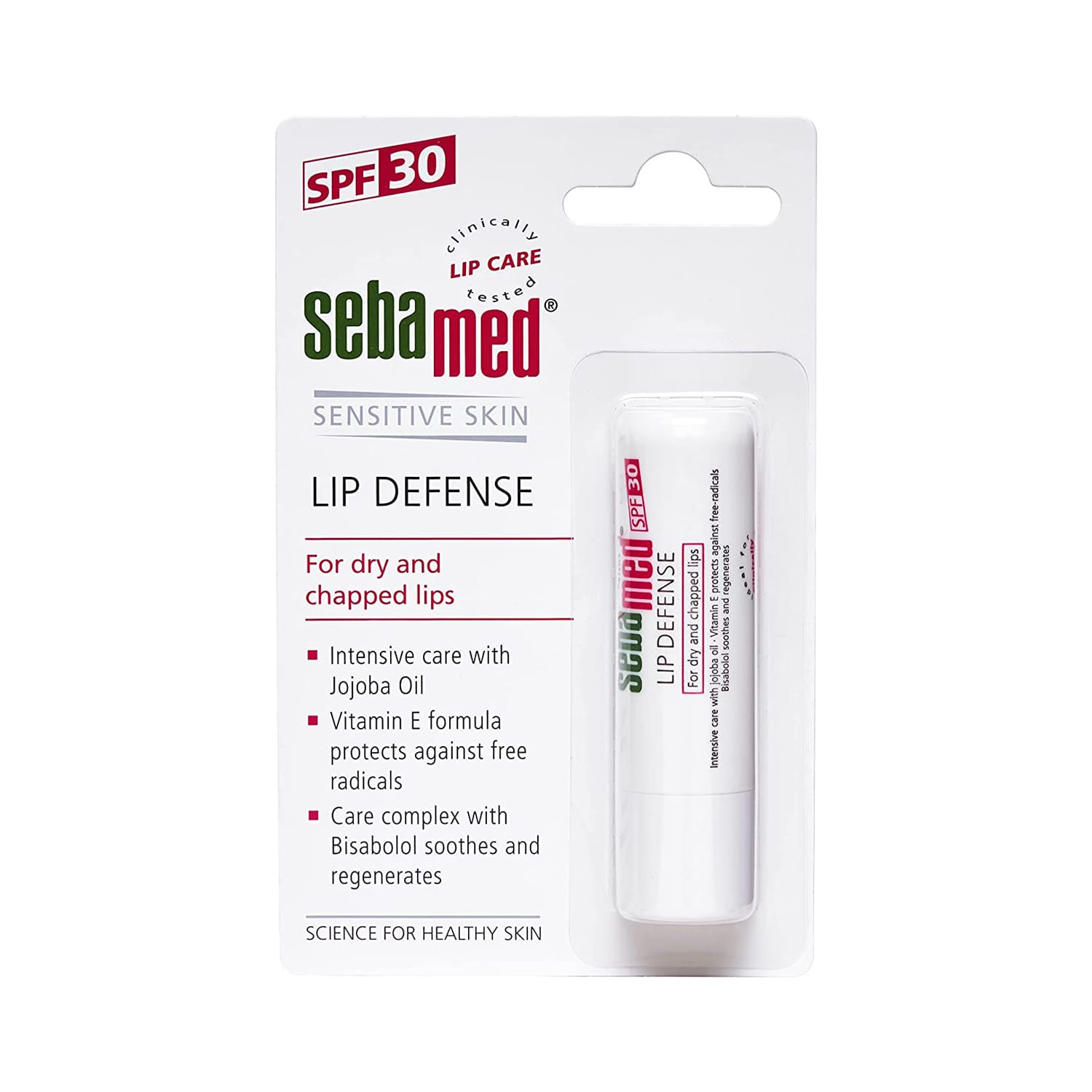
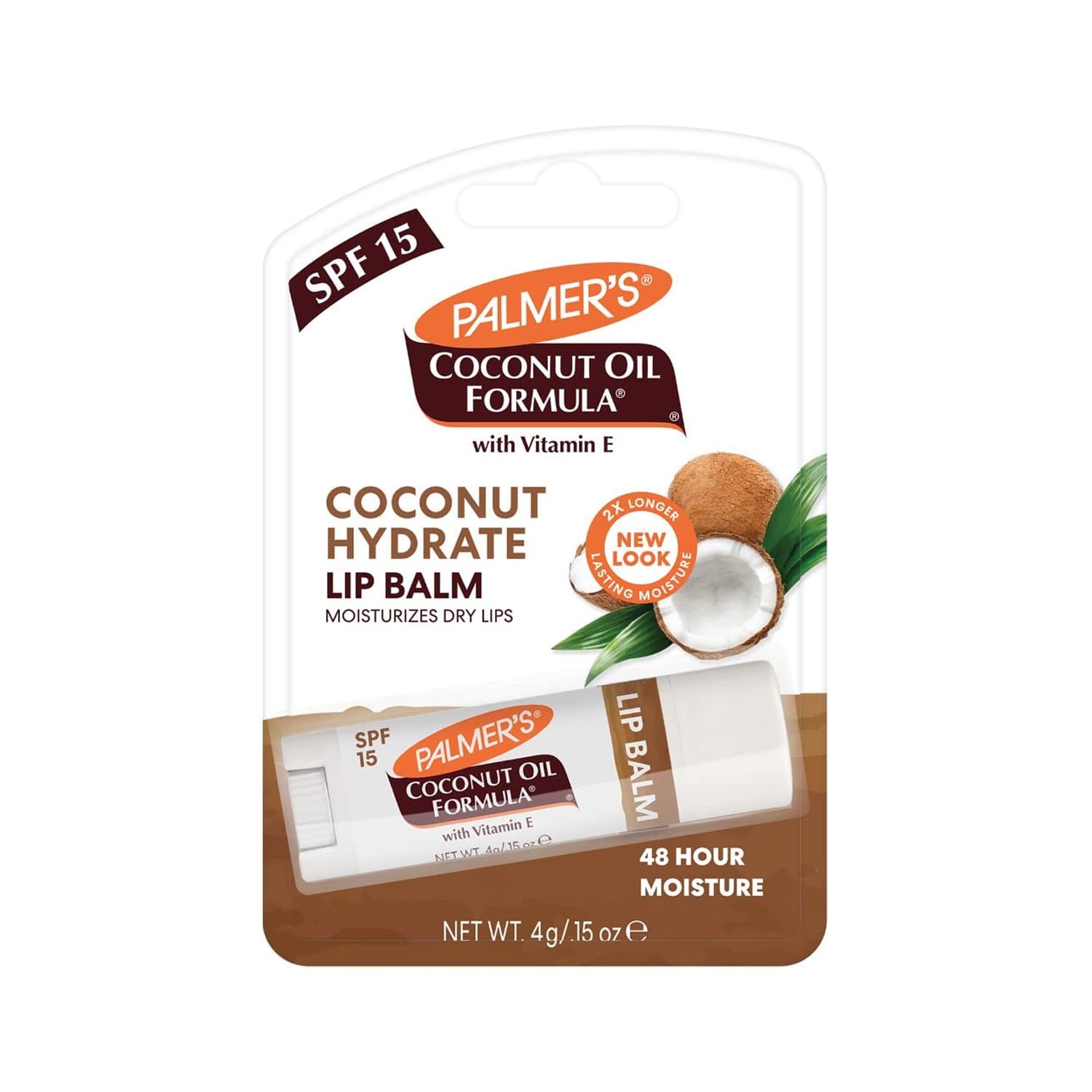
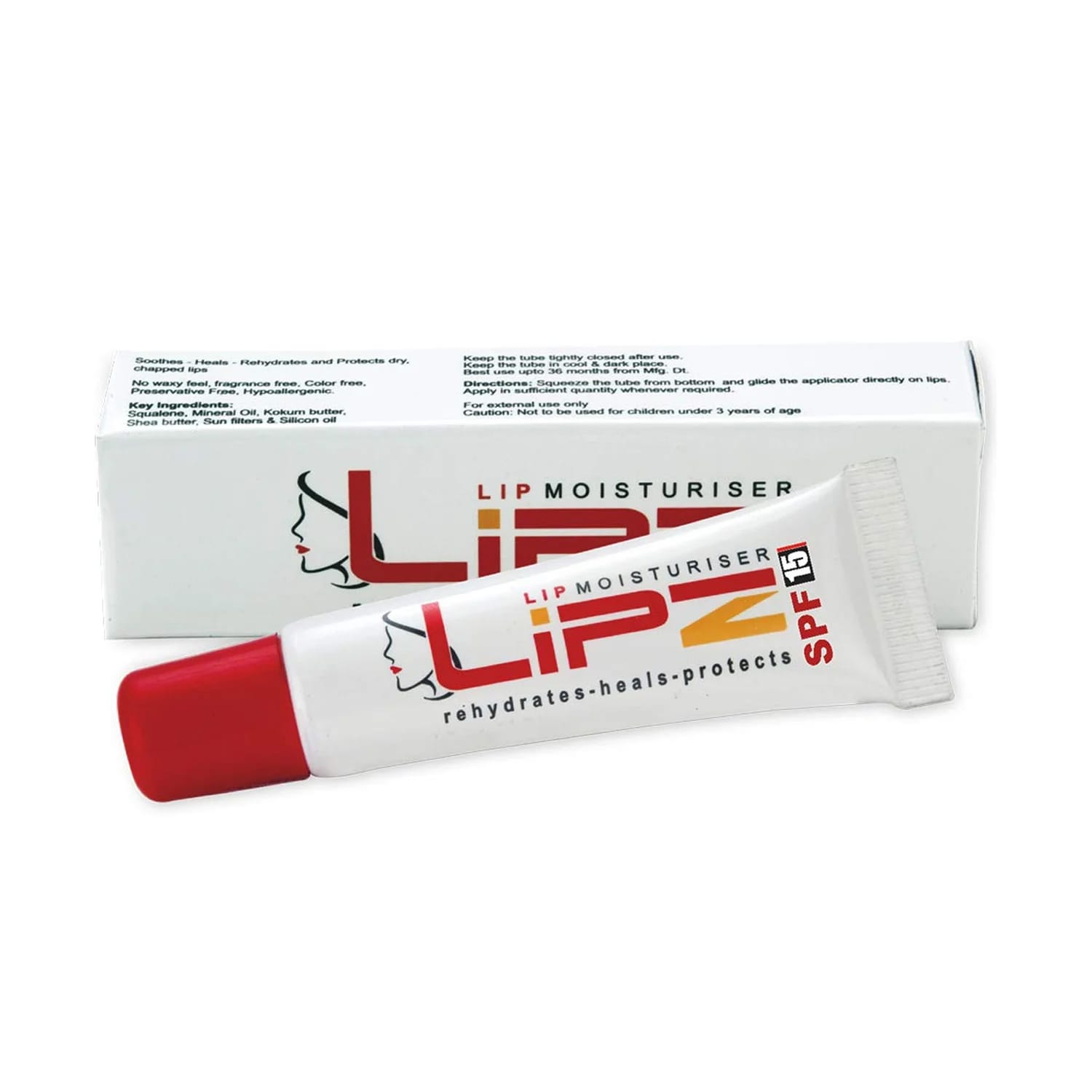
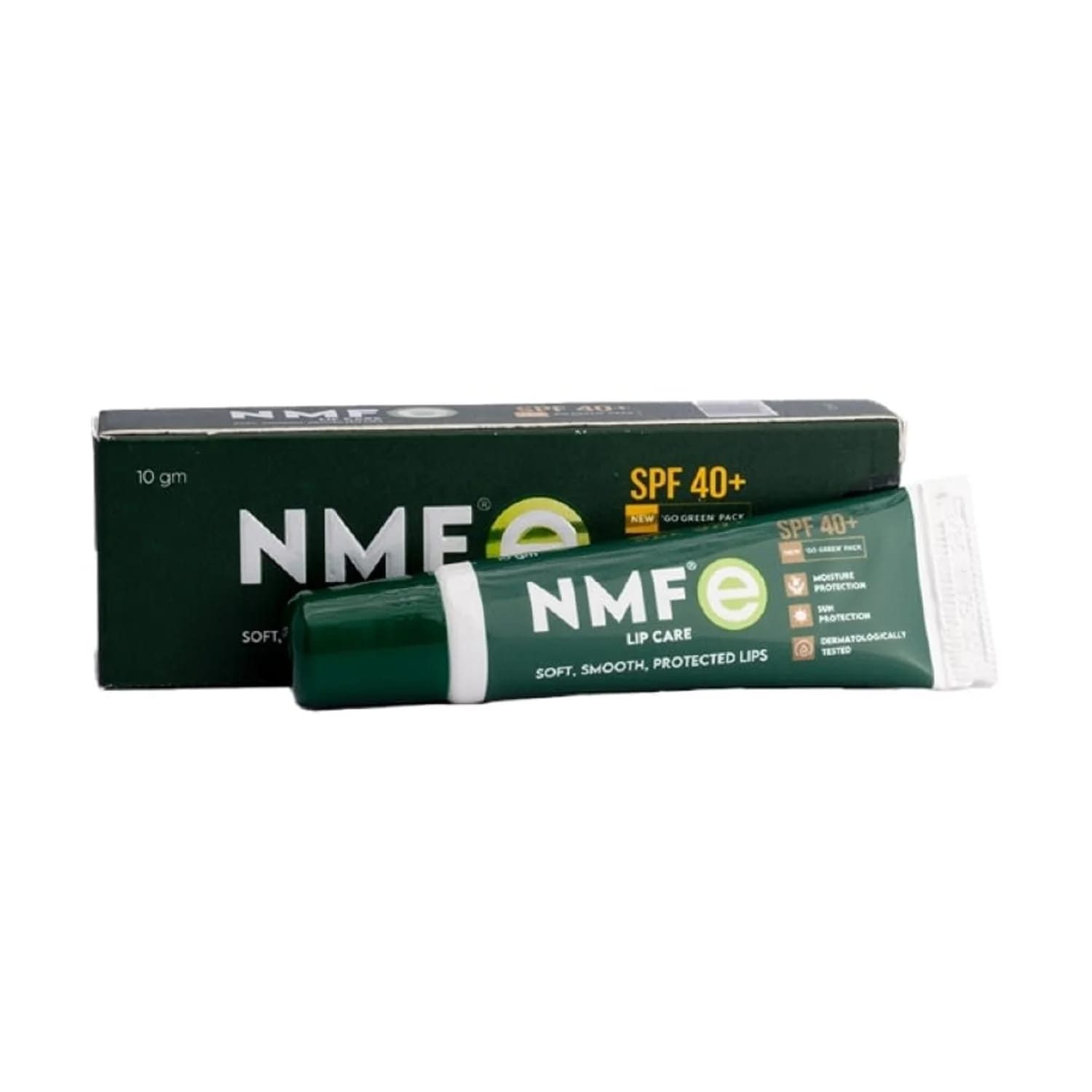
Sun Protection: Use of lip balms with SPF.
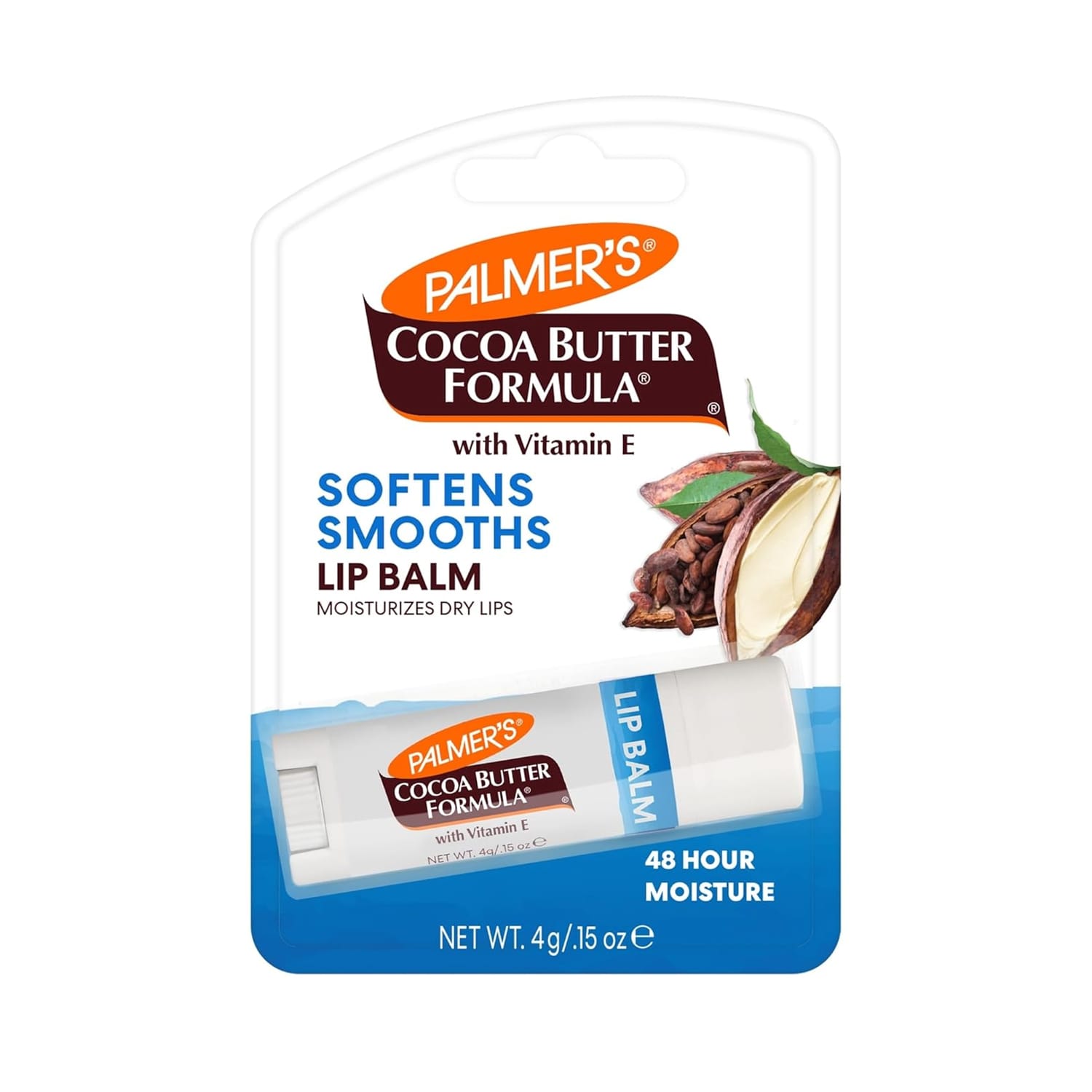
Hydration: Adequate water intake and regular lip moisturising.
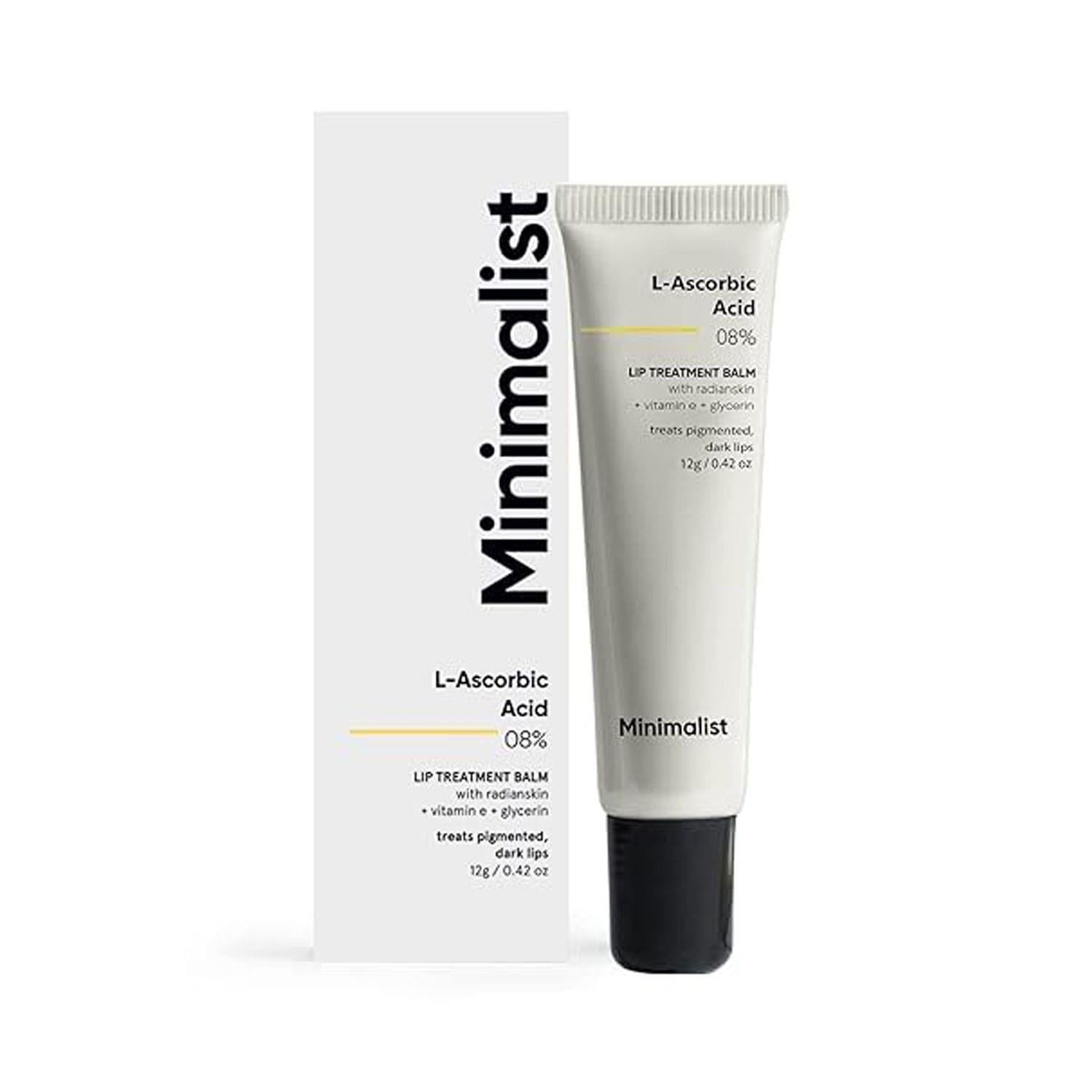
Topical Treatments: Lip-safe depigmenting agents and antioxidants as prescribed.
Correction of Deficiencies: Iron or vitamin supplementation if required.
Lifestyle Modification: Avoid smoking, lip licking, and harsh lip products.
Dermatological Procedures: Chemical peels or laser treatment in resistant cases.
Preventing Dark Lips
Use SPF-based lip balm daily
Avoid smoking or tobacco products
Stay well hydrated
Use fragrance-free lip products
Avoid frequent lip licking
Maintain balanced nutrition
Complications of Untreated Dark Lips
Persistent lip discoloration
Cosmetic concern and reduced confidence
Difficulty reversing long-standing pigmentation
Specialist to Consult for Dark Lips
Dermatologist: For diagnosis and targeted treatment.
FAQ
1. Why do lips turn dark?
Lips can turn dark due to sun exposure, smoking, dehydration, vitamin deficiencies, hormonal changes, or allergic reactions. Using dermatologist-recommended lip care and nutrition products available on Cureka can help address underlying causes like dryness or deficiencies.
2. Can dark lips become pink again?
Complete reversal of dark lips to their original pink colour is often difficult, especially in long-standing pigmentation caused by sun exposure, smoking, genetics, or ageing. However, pigmentation due to reversible causes such as dehydration, allergic reactions, nutritional deficiencies (like vitamin B12 or iron deficiency), or certain medications may show partial improvement once the underlying cause is corrected. Dermatologist-recommended lip care and nutritional supplements available on Cureka can support lip hydration, barrier repair, and correction of deficiencies, and helps to lighten lip tone.
3. Which vitamin deficiency causes dark lips?
Vitamin B12 and iron deficiency are commonly associated with dark lips. Deficiency correction products available on Cureka can support recovery when taken under medical advice.
4. Does smoking cause dark lips?
Yes, smoking is a major cause of lip pigmentation due to nicotine and heat exposure.
5. How long does it take to treat dark lips?
The duration of treatment depends on the cause, severity, and chronicity of lip pigmentation. Pigmentation related to dryness, irritation, or nutritional deficiencies may show improvement within a few weeks after appropriate care and supplementation. In contrast, pigmentation from long-term sun exposure, smoking, hormonal factors, or ageing may take several months to show gradual, partial improvement and may not completely resolve.