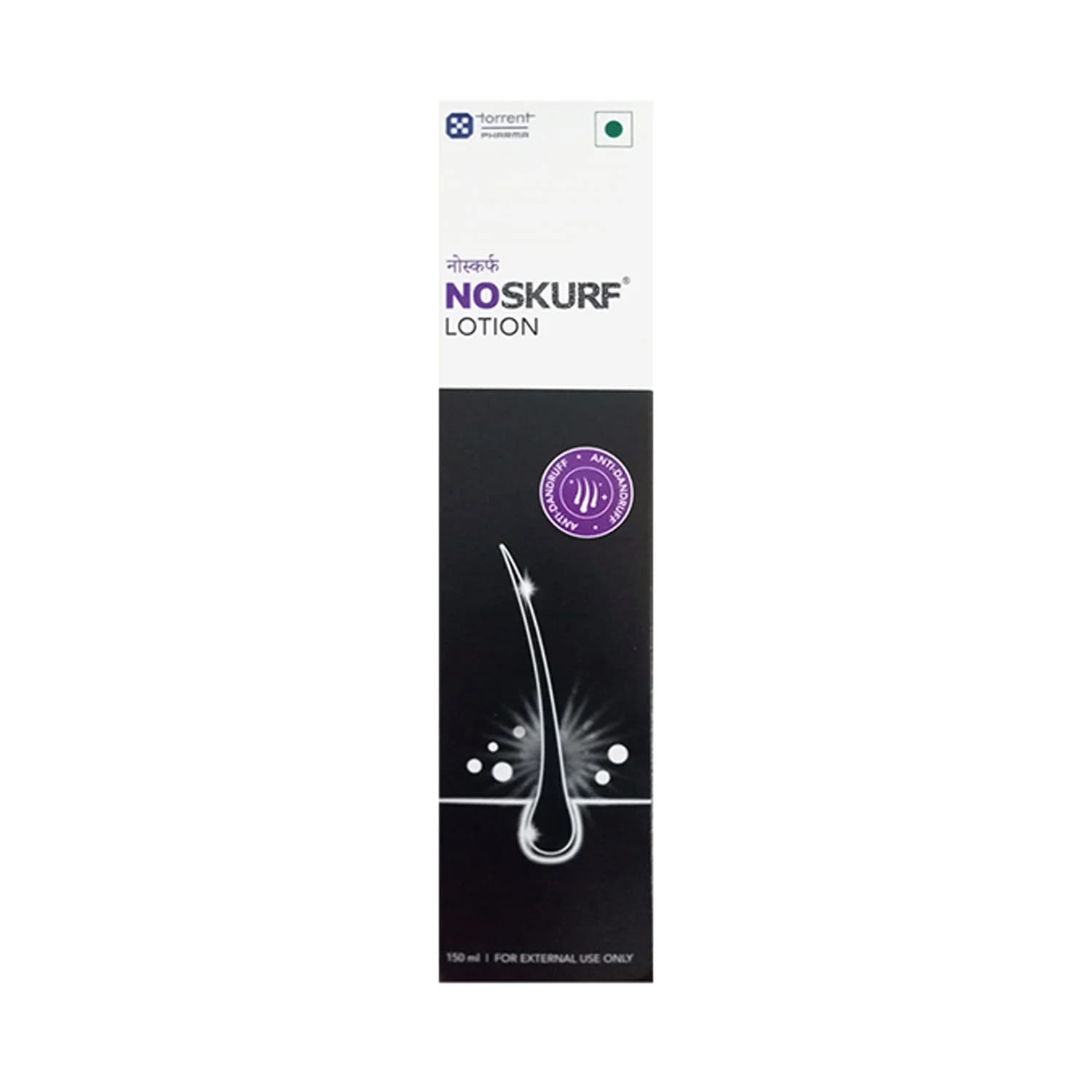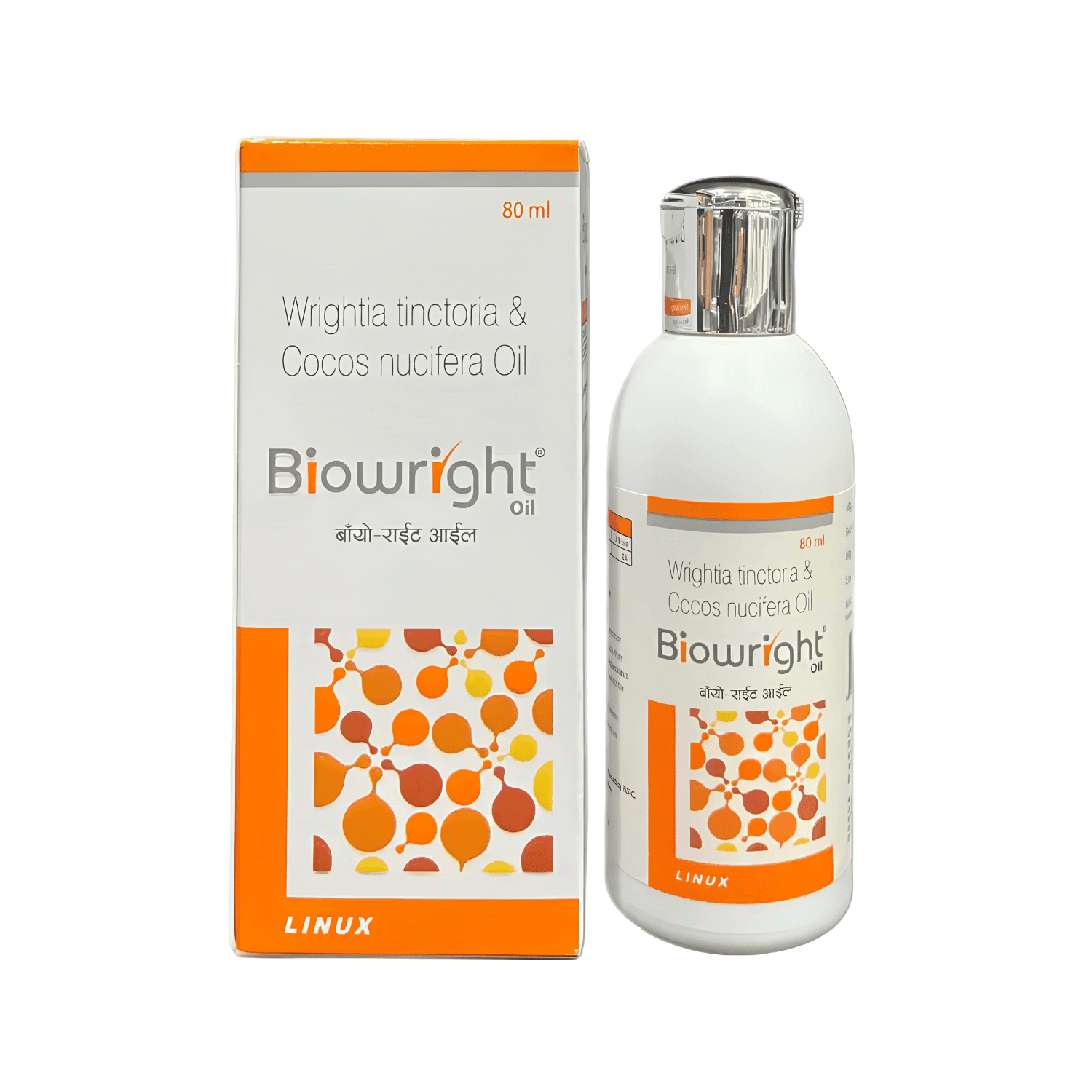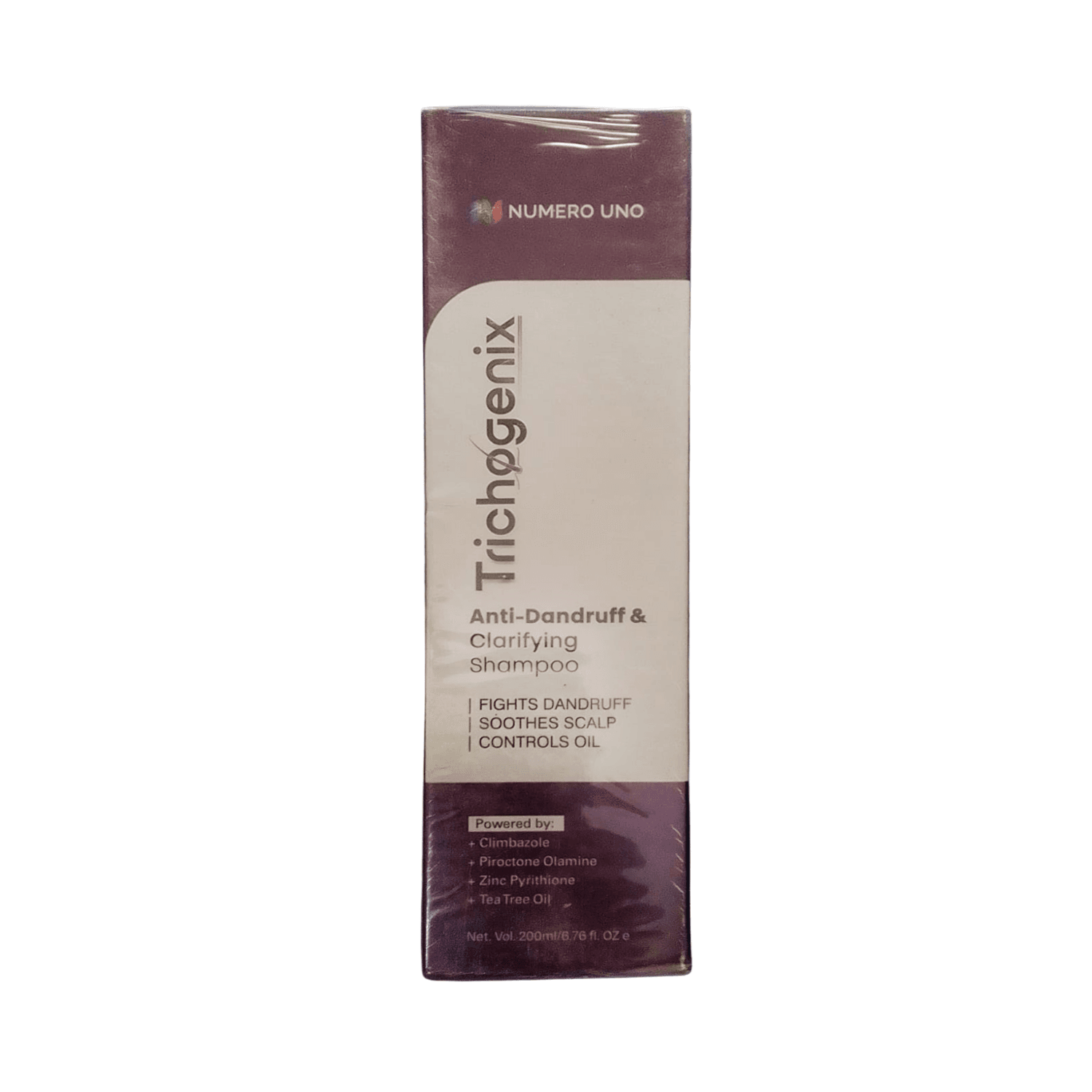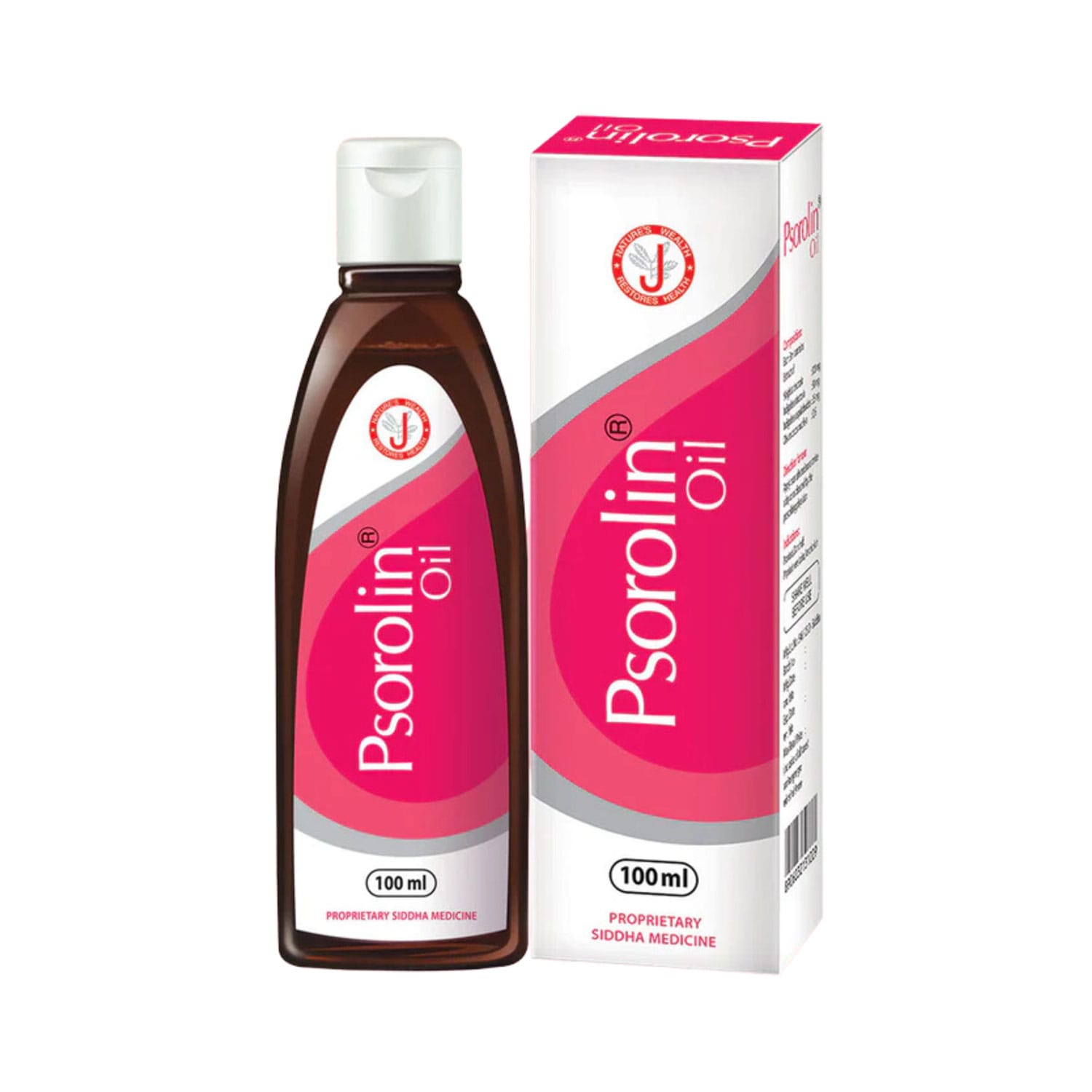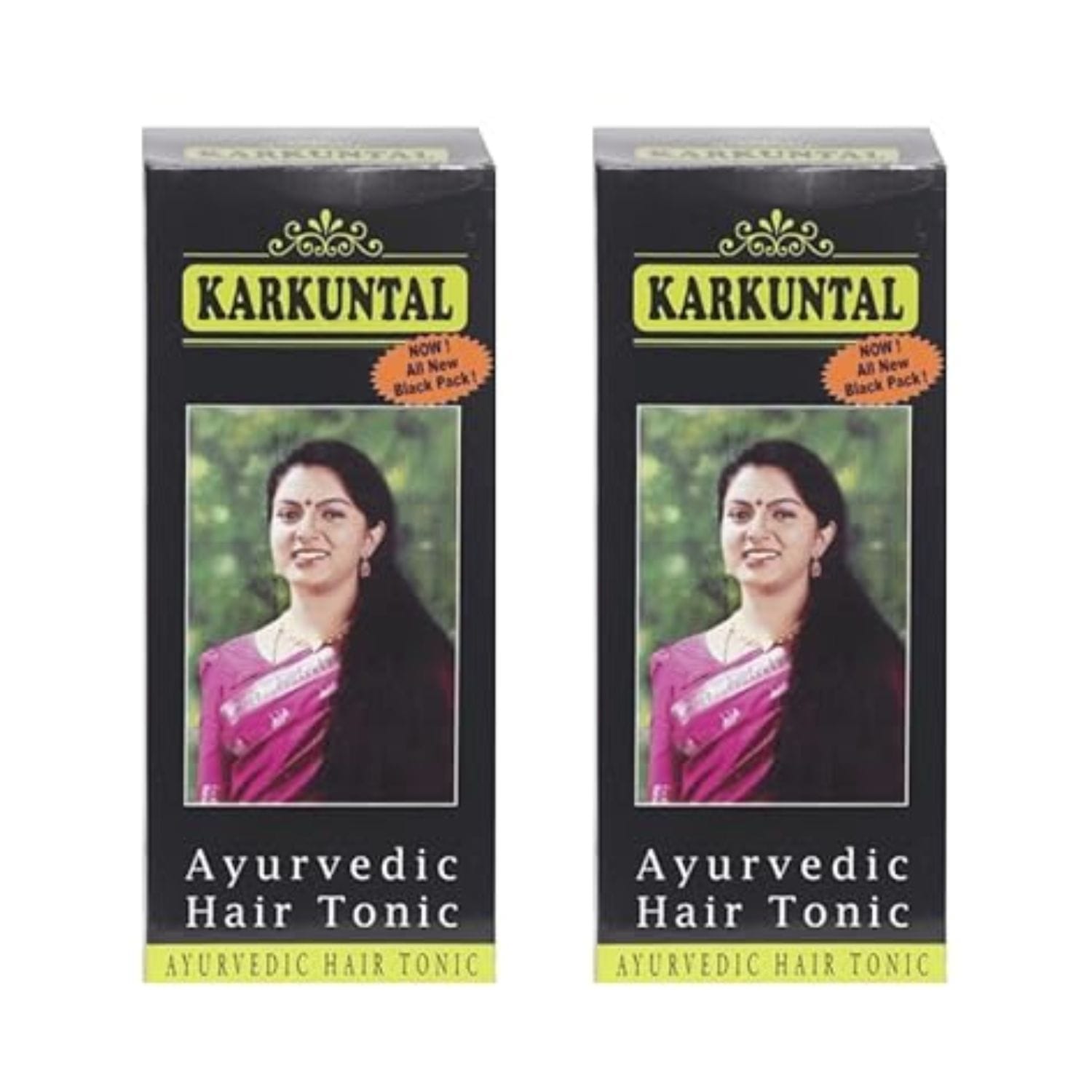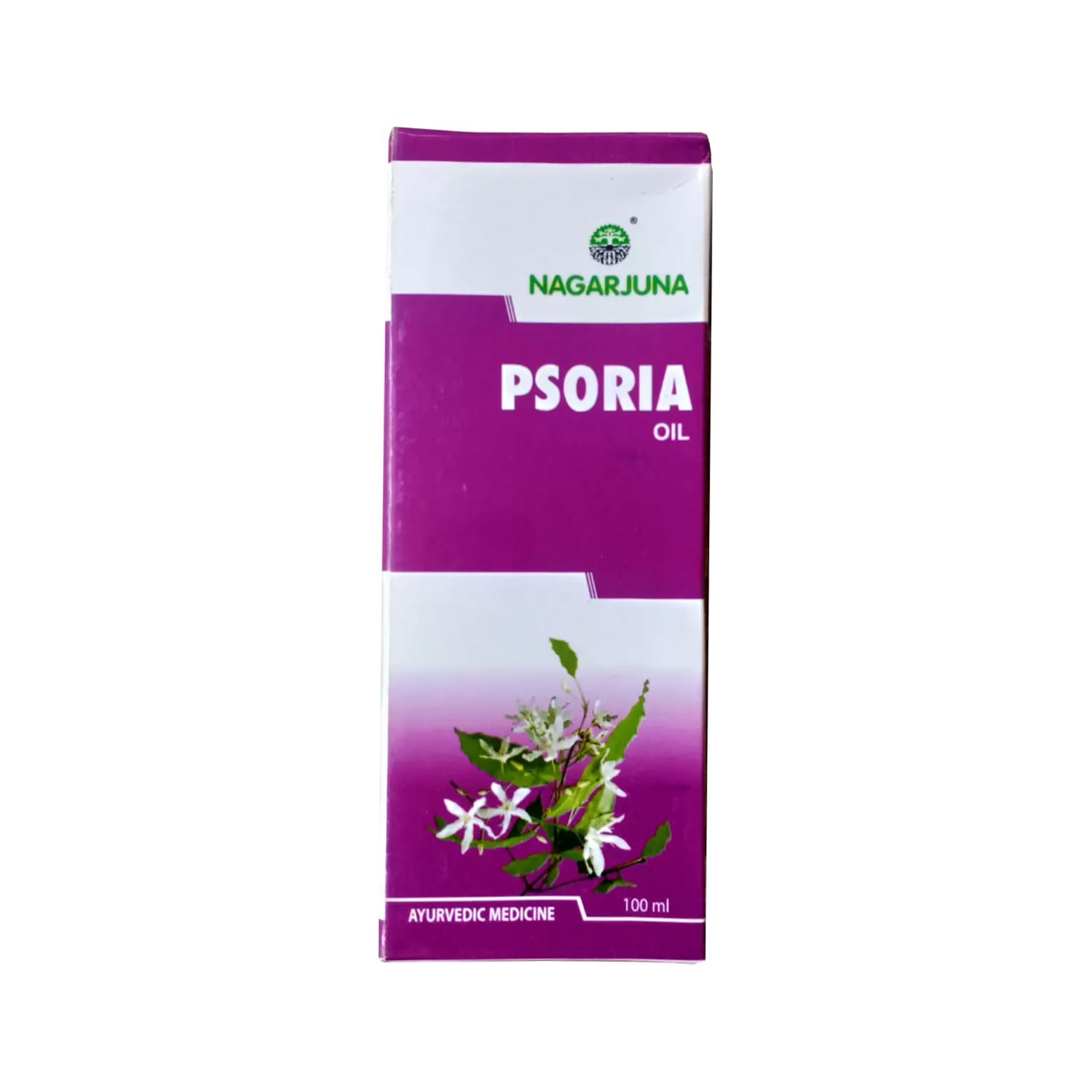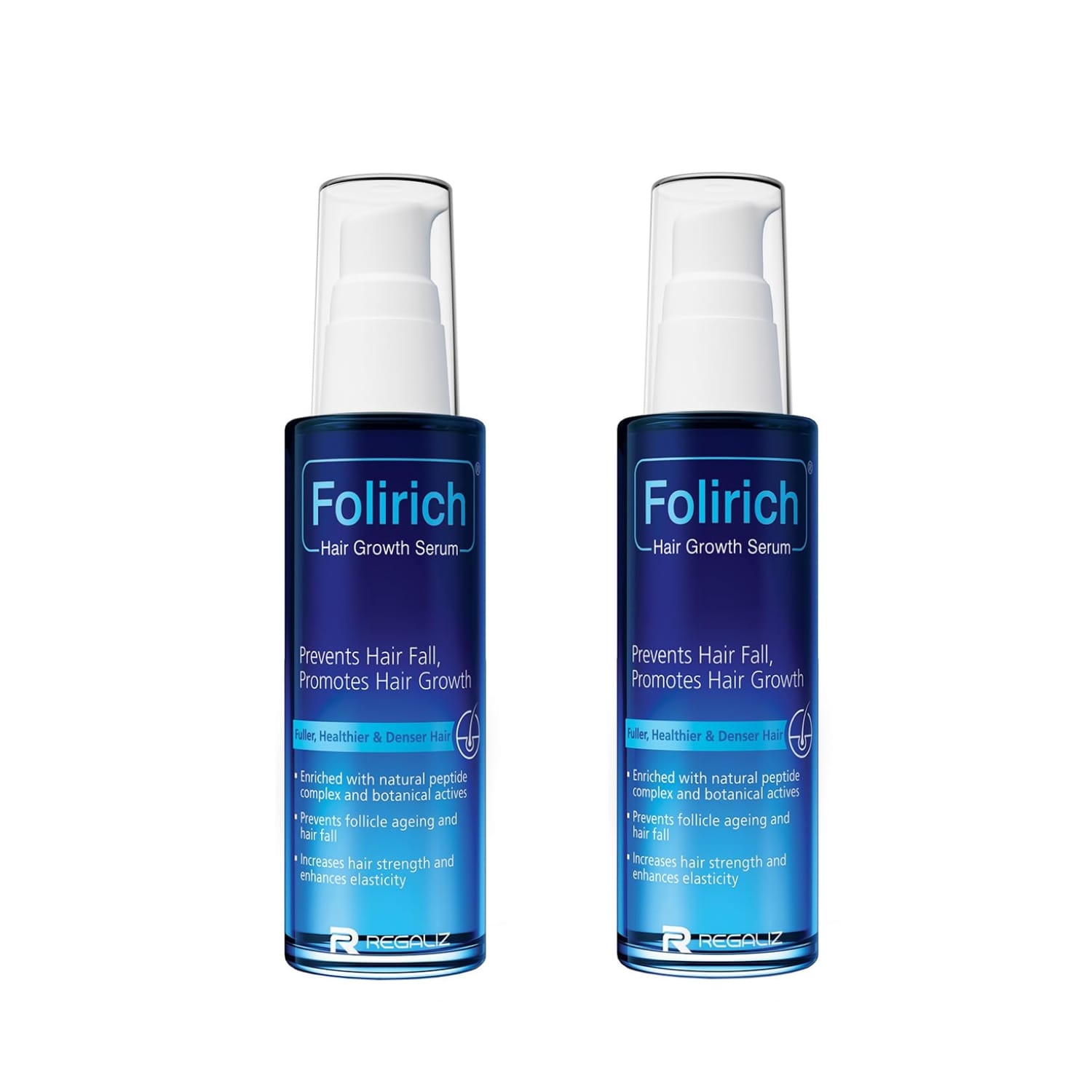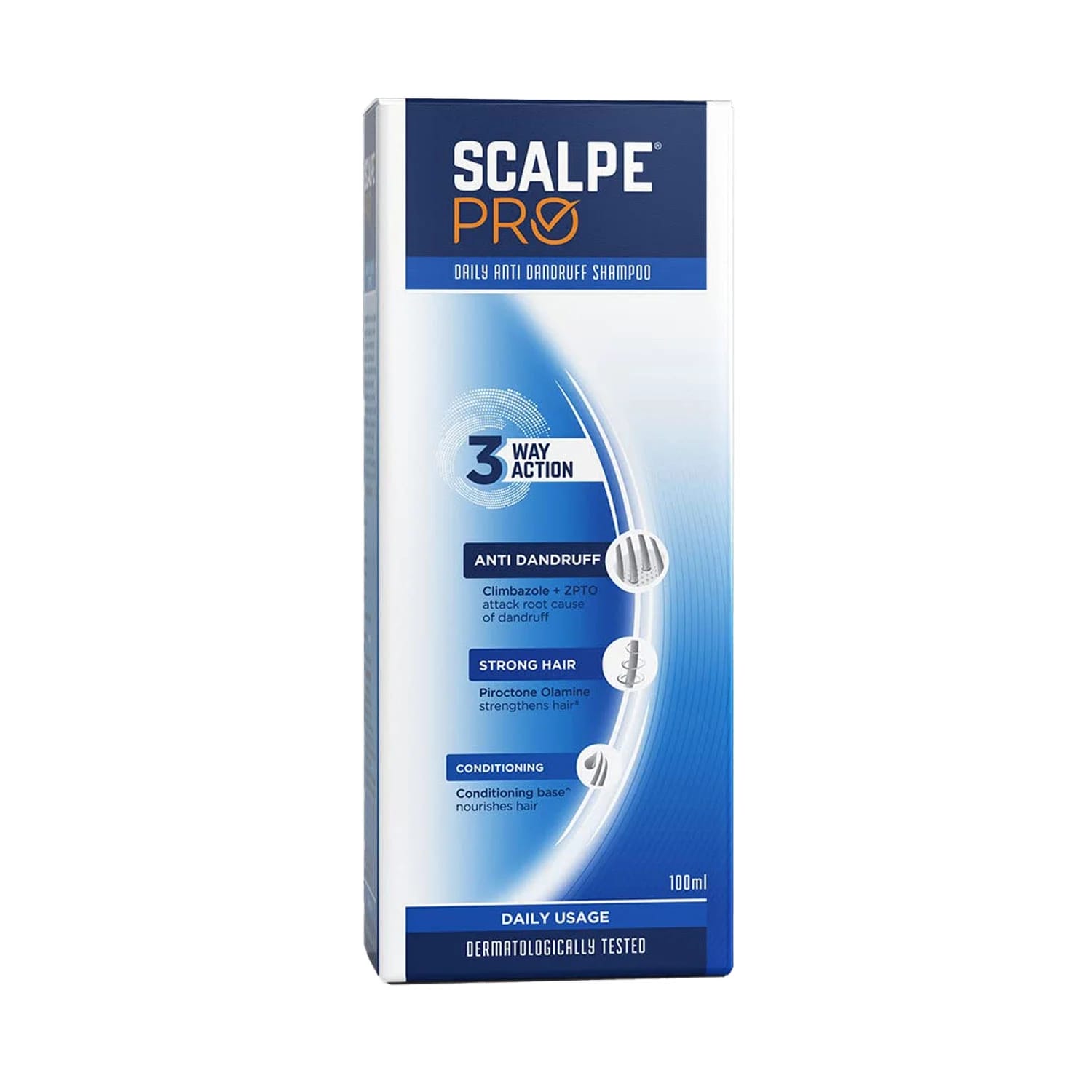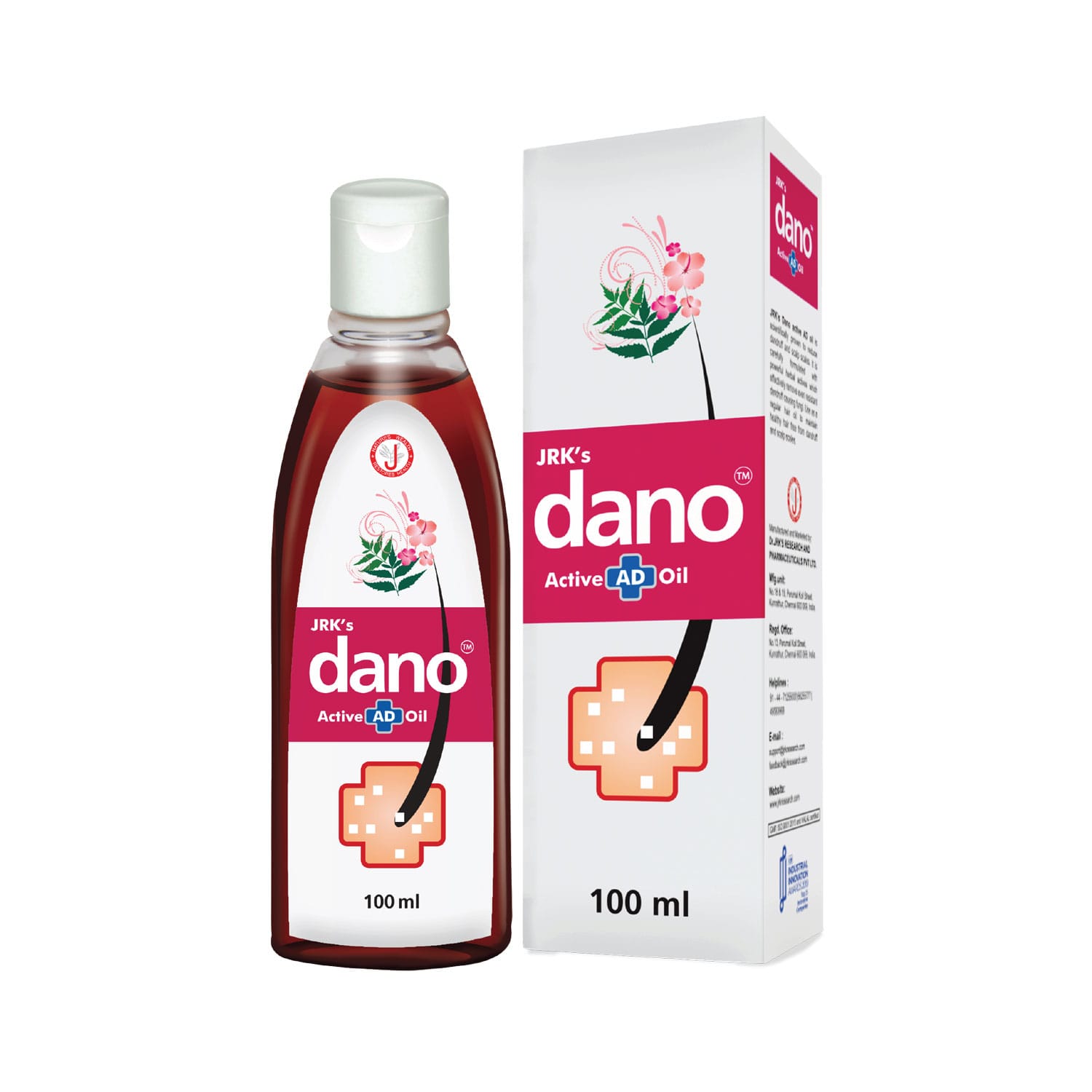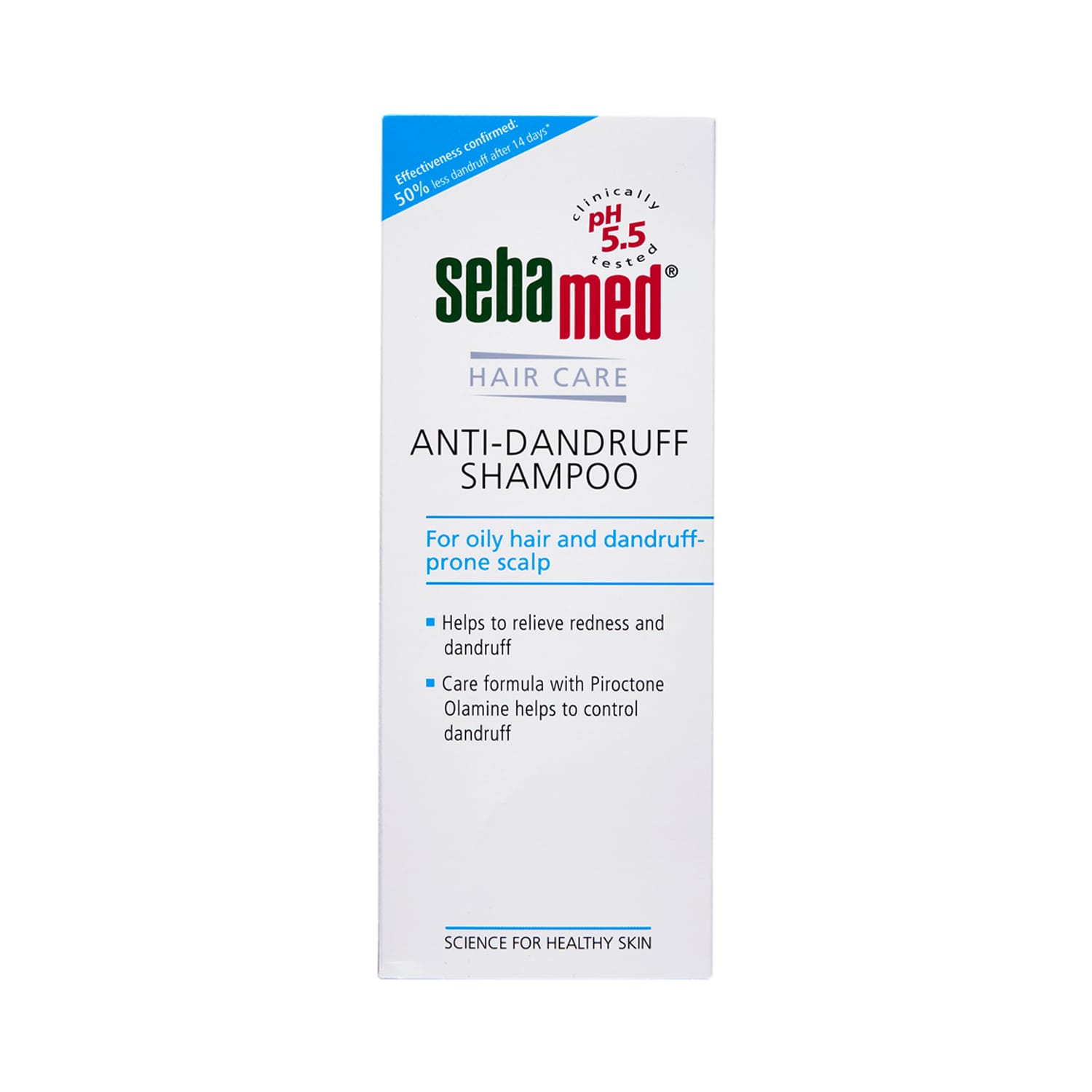


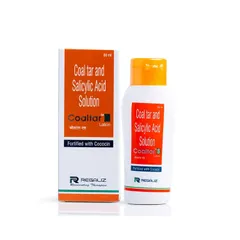
Regaliz Coaltar-S Lotion (60ml)
REGALIZ
₹29715% off₹349
Dandruff
Dandruff is a common scalp condition characterized by flaking of the skin on the scalp, often accompanied by itching or irritation. While it isn’t contagious or serious, it can be persistent and socially embarrassing. Dandruff may also extend to eyebrows, beard, and other oily areas of the body.
Causes of Dandruff
• Dry Skin: Especially common during cold weather or low humidity.
• Oily Scalp / Seborrheic Dermatitis: Excess sebum causes flaky, greasy scales.
• Malassezia Yeast: A fungus that irritates the scalp and triggers excess skin cell growth.
• Sensitivity to Hair Products (Contact Dermatitis): Can cause scalp inflammation and flaking.
• Infrequent Washing: Leads to oil buildup and dead skin accumulation.
• Skin Conditions: Psoriasis or eczema may involve the scalp.
• Diet and Stress: Poor nutrition or stress can exacerbate scalp issues.
Symptoms of Dandruff
• White or Yellowish Flakes: Most noticeable on dark clothing or in the hair.
• Itchy Scalp: Often worse in dry weather or under stress.
• Oily or Dry Scalp Patches: May be accompanied by redness.
• Scalp Irritation: Burning or tingling sensation in some cases.
• Crusting or Oozing: In severe or untreated cases, especially with secondary infections.
Diagnosis of Dandruff
• Physical Examination: Visual inspection of scalp and affected areas.
• Medical History: To identify triggers such as hair products, weather, or existing skin conditions.
• Skin Scrapings or Biopsy: Rarely, to rule out psoriasis or fungal infections.
• Allergy Tests: If contact dermatitis is suspected.
Treatment of Dandruff
• Medicated Shampoos: Formulations containing zinc pyrithione, ketoconazole, selenium sulfide, salicylic acid, or coal tar.
• Scalp Hygiene: Regular washing to remove flakes and reduce oil buildup.
• Topical Corticosteroids: For inflammation, prescribed in severe cases.
• Antifungal Creams or Lotions: To control Malassezia overgrowth.
• Avoid Irritants: Fragrance-heavy or alcohol-based hair products.
• Lifestyle Changes: Stress management and improved diet rich in B vitamins and omega-3s.
Preventing Dandruff
• Regular Hair Washing: Using a mild or anti-dandruff shampoo.
• Balanced Diet: Include zinc, B vitamins, and essential fatty acids.
• Avoid Harsh Hair Products: Especially those with alcohol or strong fragrances.
• Manage Stress: Chronic stress may worsen or trigger flare-ups.
• Sun Exposure: Limited exposure to sunlight may help (UV can reduce fungal activity).
Complications of Dandruff
• Hair Loss: Due to excessive scratching or associated skin conditions.
• Social Embarrassment: Visible flakes can affect self-esteem.
• Secondary Infections: Scratched areas may become infected.
• Chronic Skin Conditions: Unmanaged dandruff may evolve into seborrheic dermatitis or psoriasis.
Specialist to Consult for Dandruff
• Dermatologist: For persistent, recurrent, or severe dandruff.