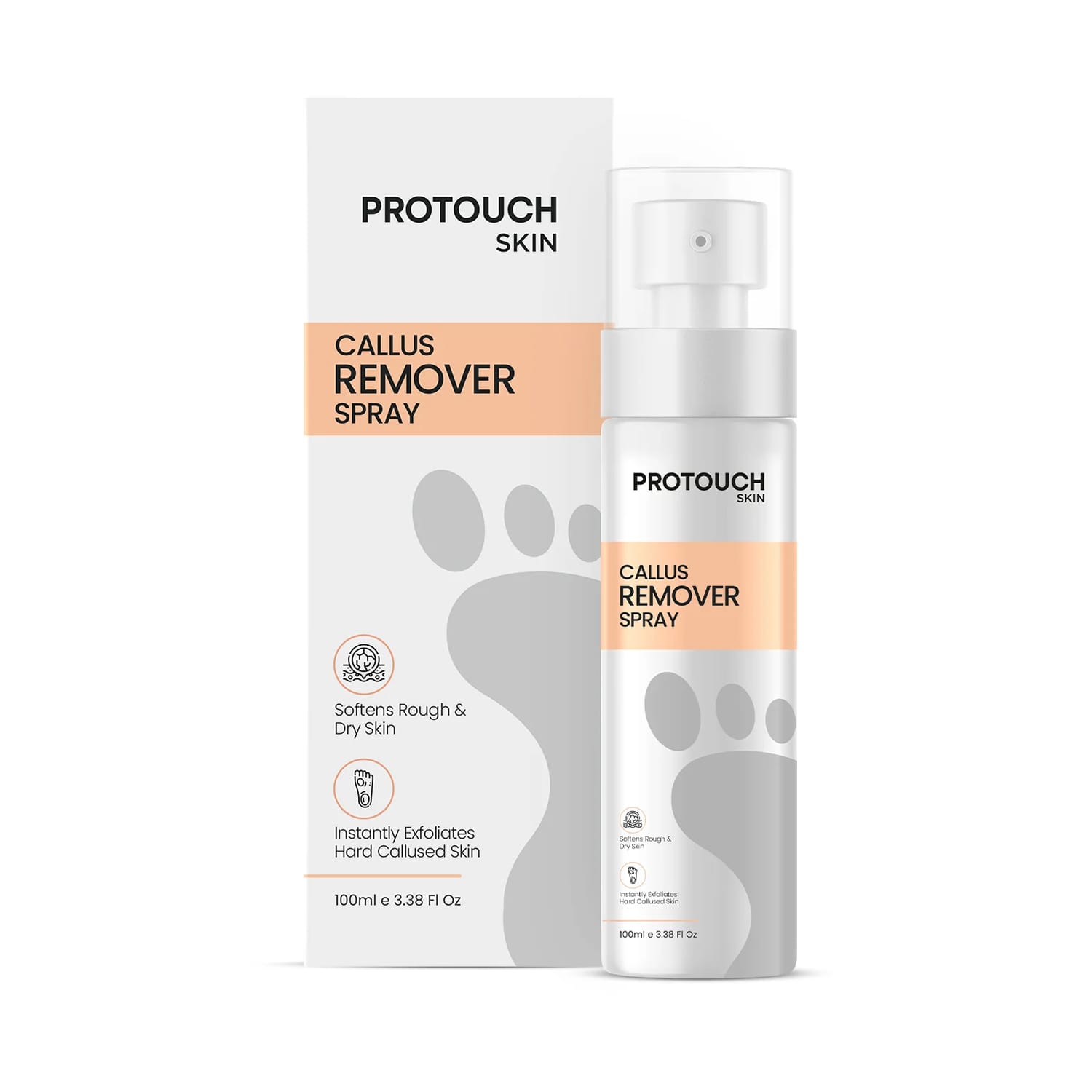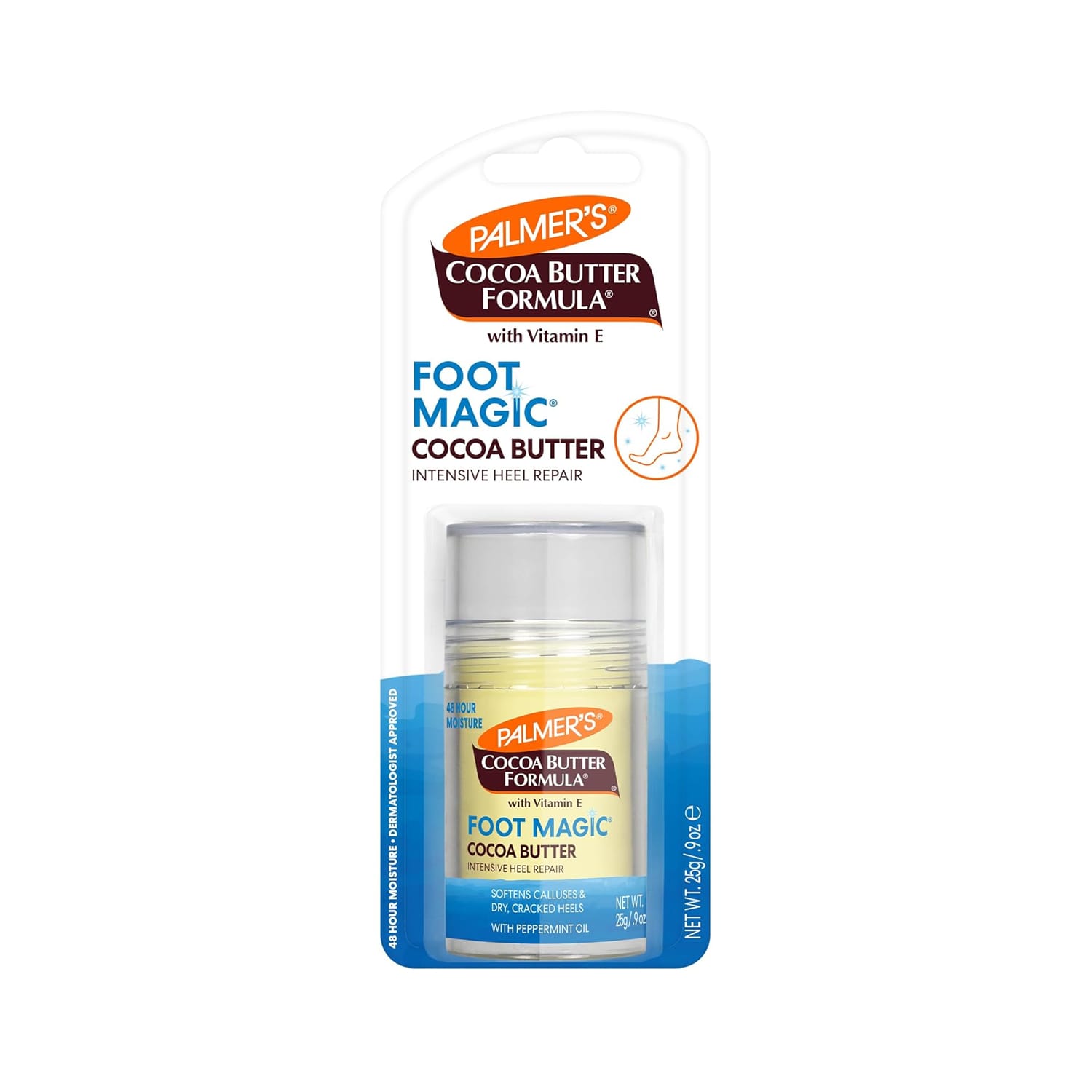


Protouch Advanced Moisture and Repair Feet Lotion
PROTOUCH
₹53910% off₹599
Cracked Heels
Cracked heels, also known as heel fissures, occur when the skin around the rim of the heel becomes dry, thickened, and eventually splits. This condition can range from a cosmetic nuisance to a painful problem that may lead to bleeding and infection if untreated. It is especially common in people who walk barefoot, wear open-back shoes, or have dry skin.
Causes of Cracked Heels
• Dry Skin: Most common cause, often due to low humidity or dehydration.
• Prolonged Standing: Especially on hard floors, increases pressure on the heels.
• Open-Backed Footwear: Like sandals, which allow fat under the heel to expand sideways.
• Obesity: Extra body weight adds pressure on the heel pad, causing it to expand and crack.
• Medical Conditions: Such as diabetes, eczema, psoriasis, or hypothyroidism.
• Poor Foot Hygiene: Infrequent washing or moisturizing of feet.
• Vitamin Deficiency: Lack of zinc, omega-3s, or vitamin E can contribute.
Symptoms of Cracked Heels
• Dry, Scaly Skin: Around the heel and soles.
• Thickened Skin: Callused or hard areas around the heels.
• Visible Cracks: That may deepen over time.
• Pain: Especially when walking or standing for long periods.
• Bleeding: In severe cases, cracks may open and bleed.
• Itching or Redness: Around the affected area.
• Infection: Signs include swelling, pus, or warmth.
Diagnosis of Cracked Heels
• Physical Examination: A doctor will visually inspect the heels and feet.
• Medical History: To check for underlying conditions such as diabetes or skin disorders.
• Foot Pressure Analysis: In chronic or recurring cases, to assess walking pattern and pressure points.
Treatment of Cracked Heels
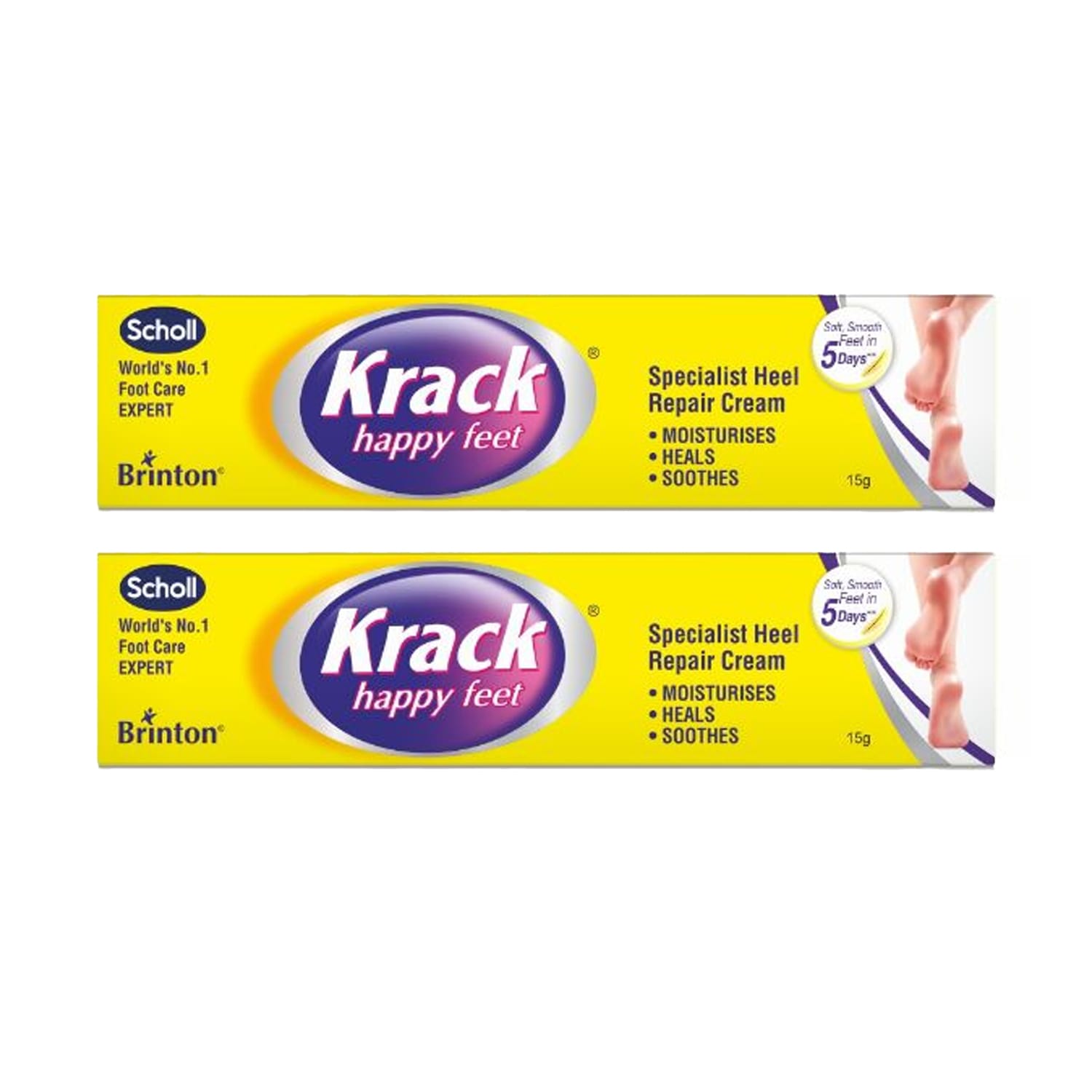
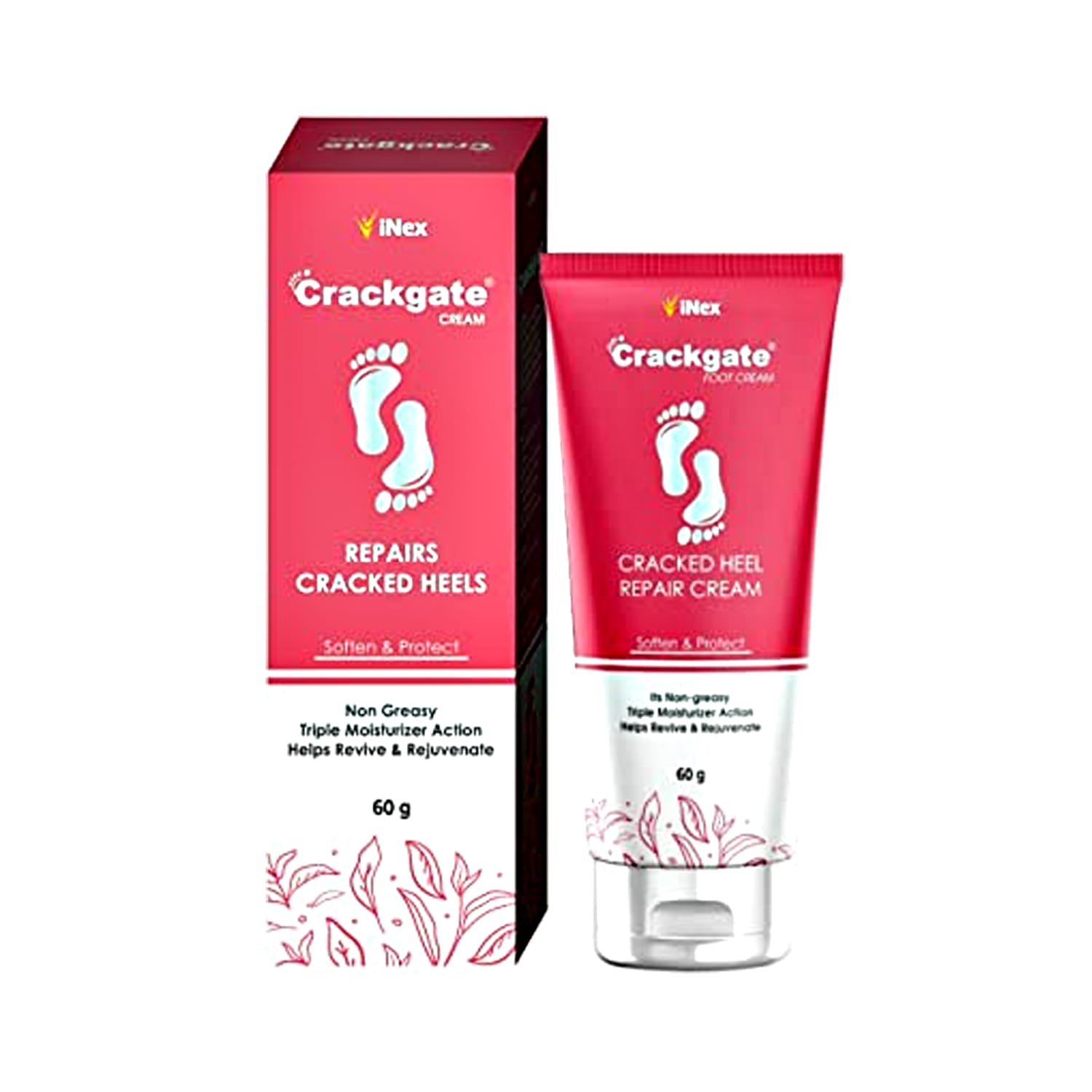
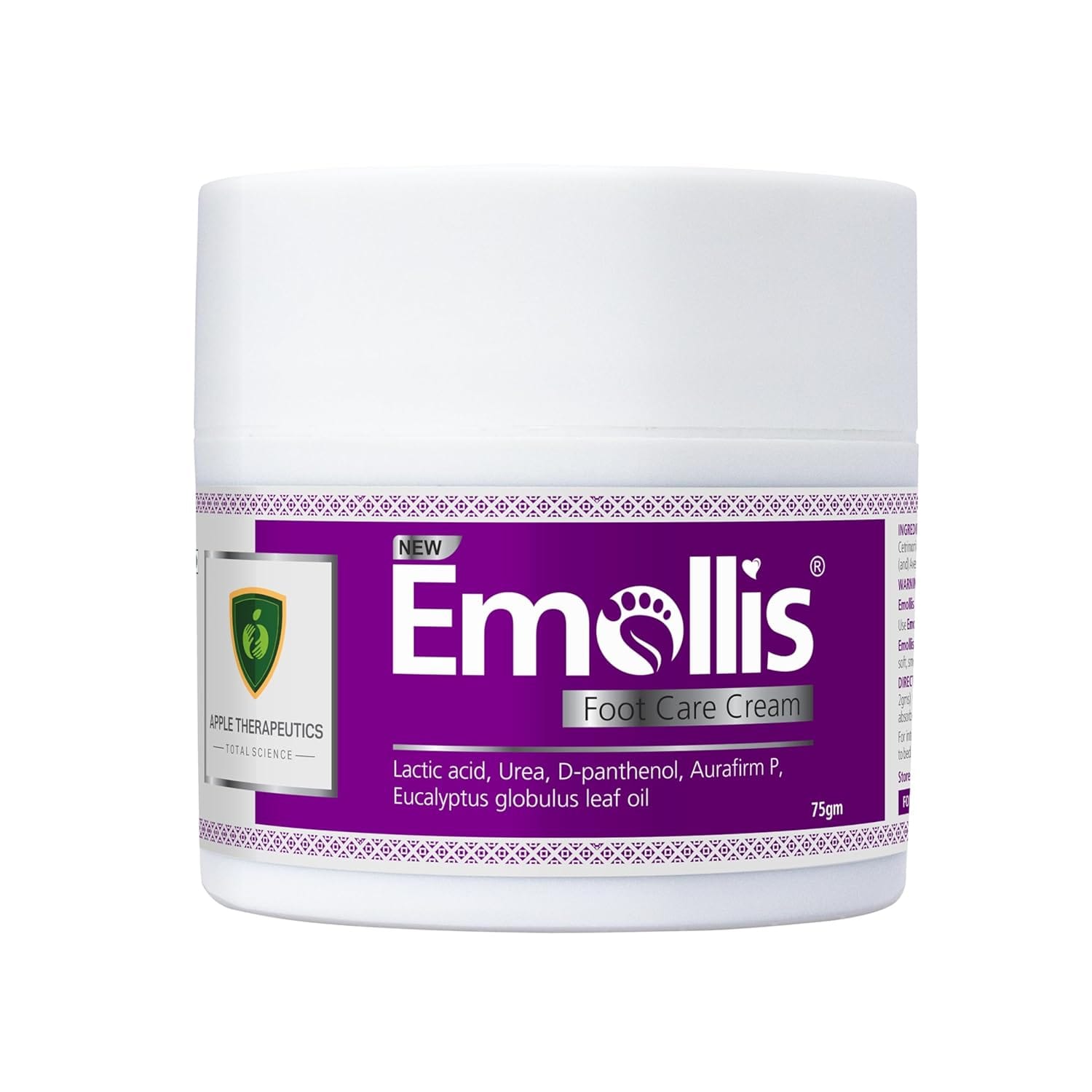
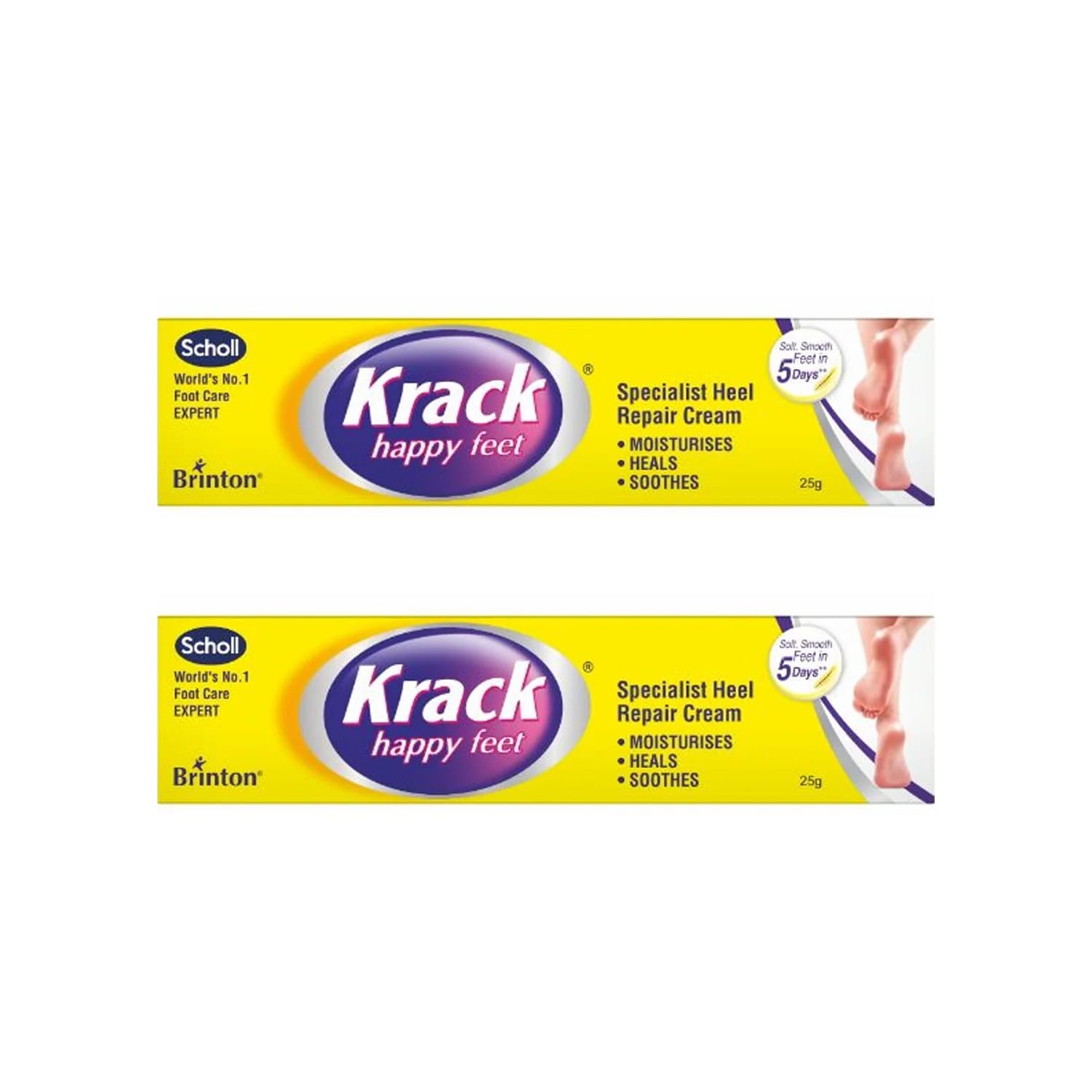
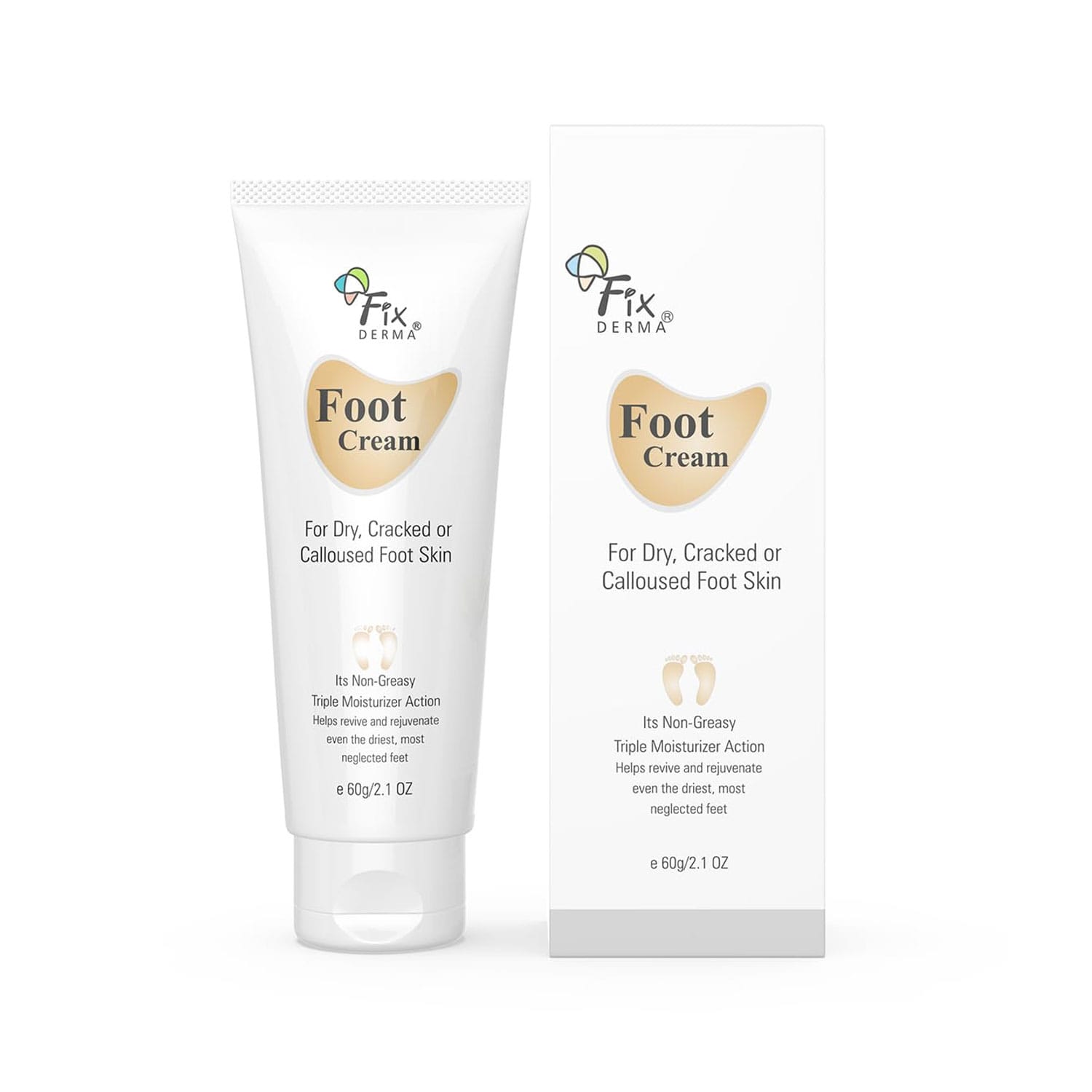
• Moisturizing Creams: Use foot creams containing urea, shea butter, salicylic acid, or lactic acid.
• Soaking and Exfoliation: Warm water foot soaks followed by pumice stone exfoliation to remove dead skin.
• Heel Balms: Specifically formulated for cracked heels to repair and soften skin.
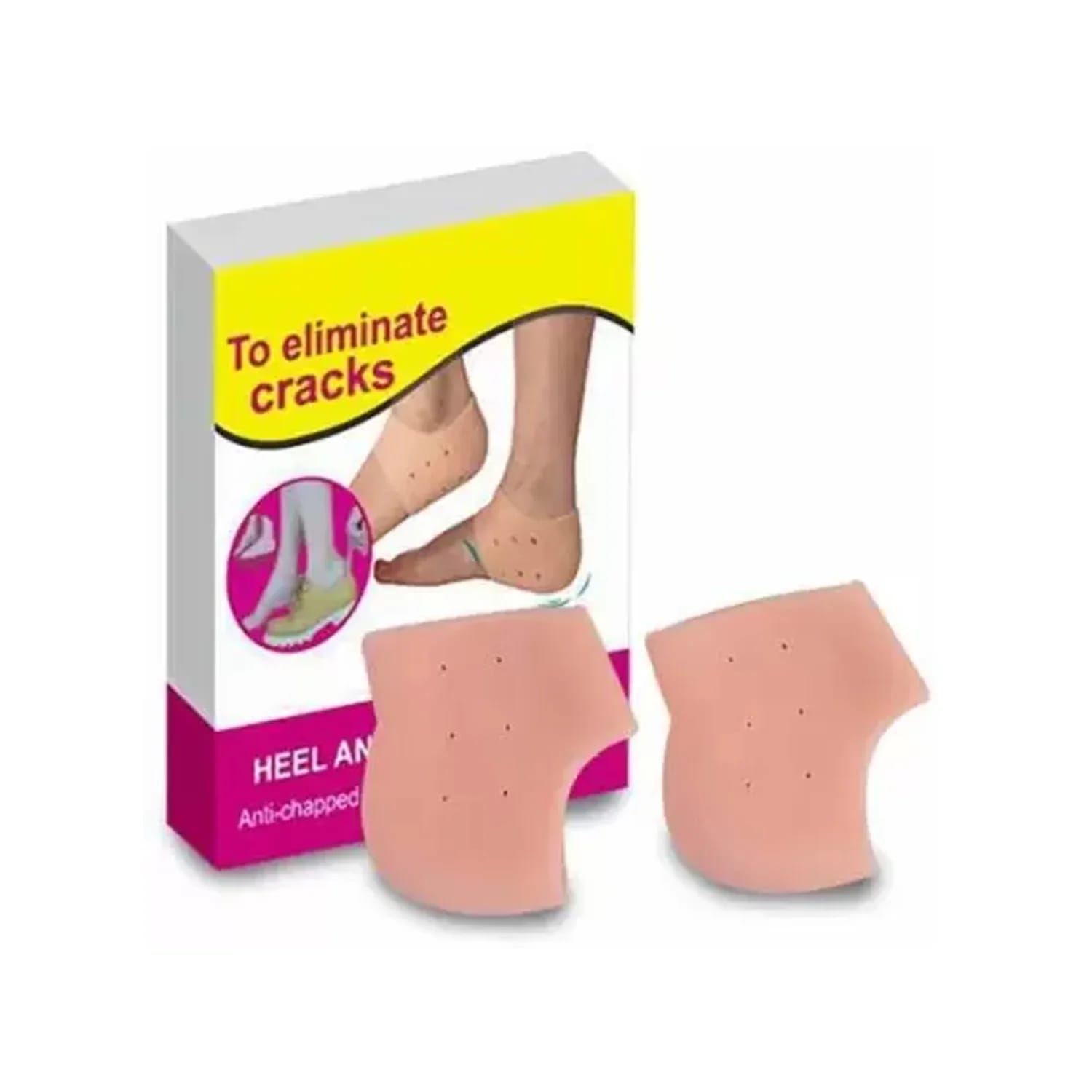
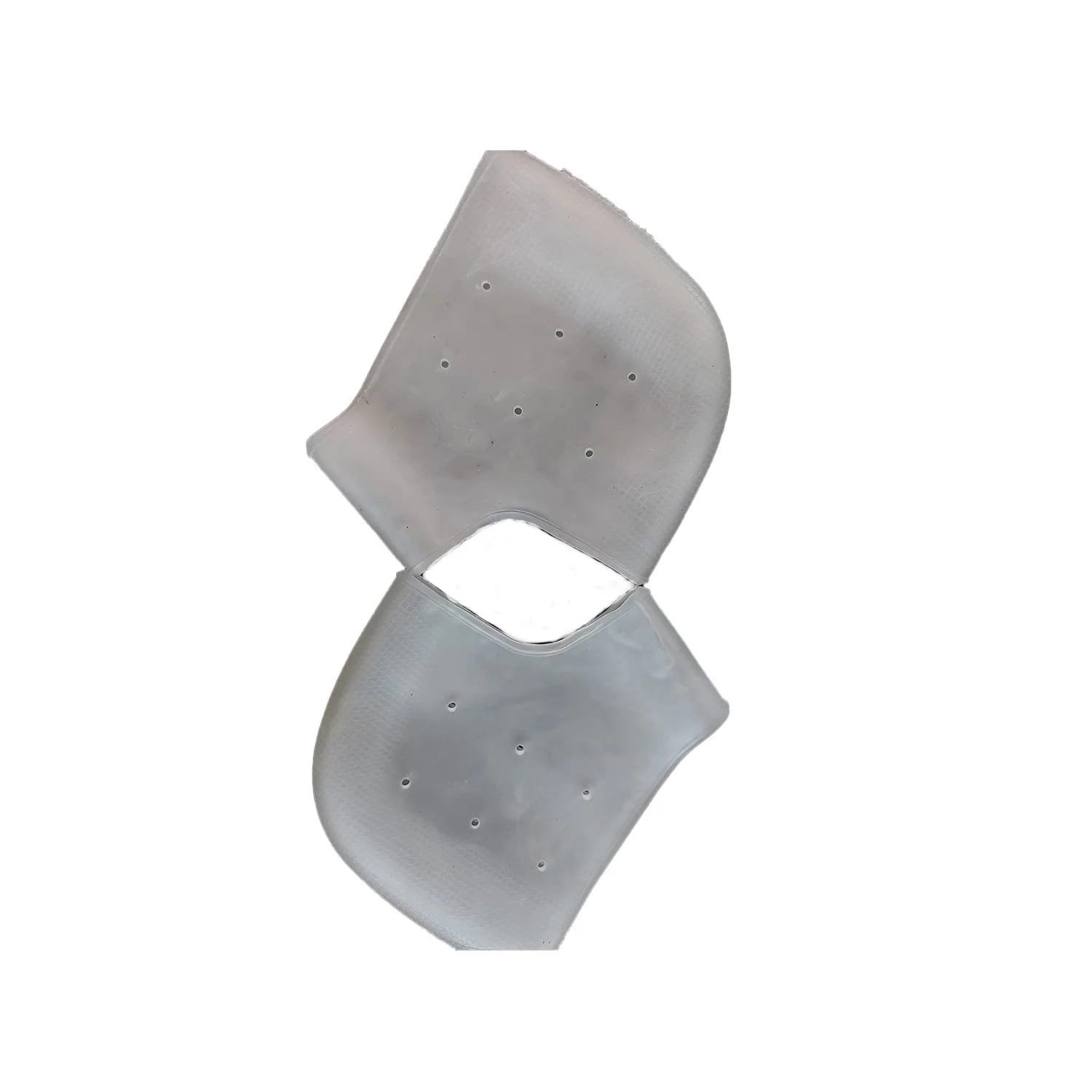
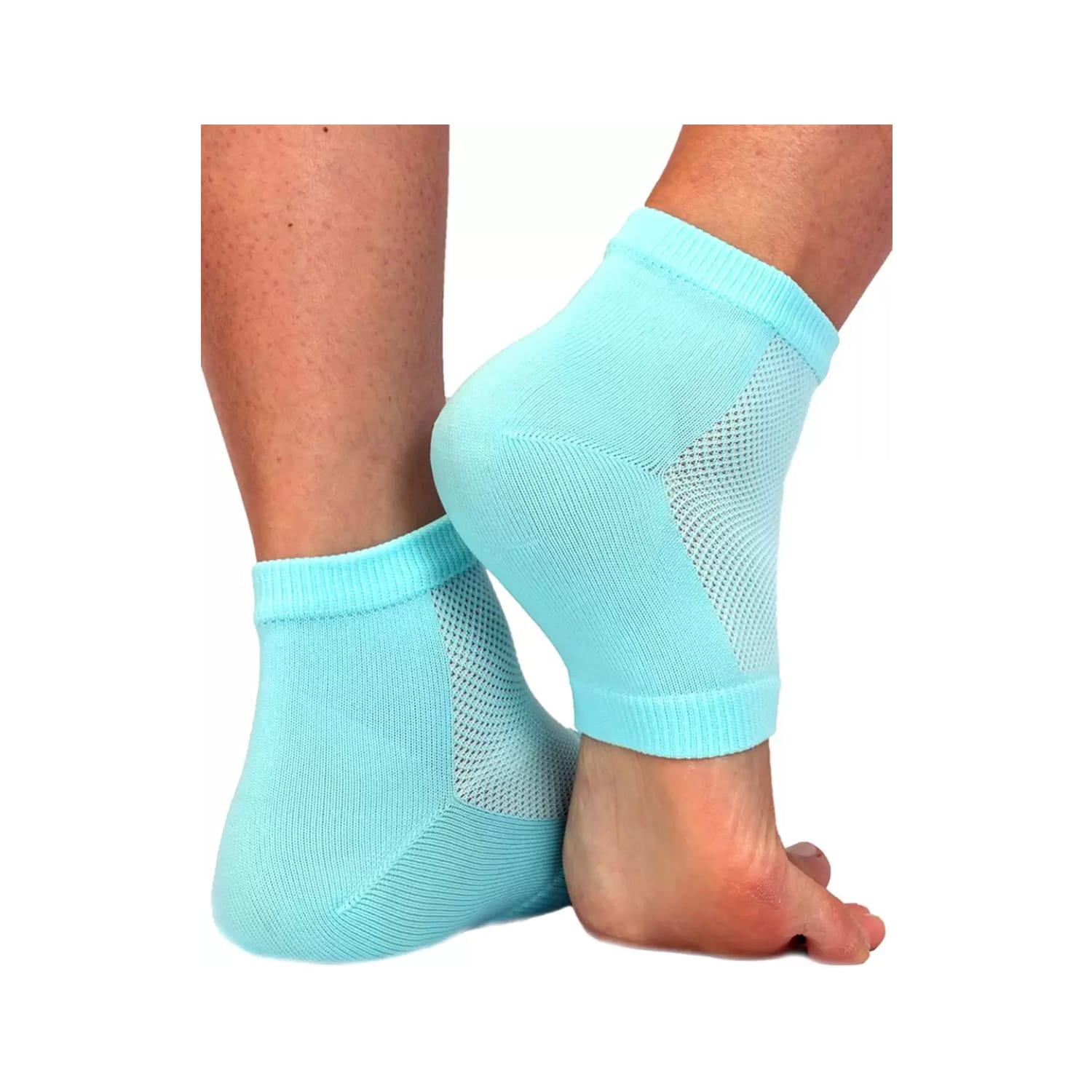
• Hydrating Socks: Wear overnight socks after applying thick moisturizer.
• Topical Antibiotics: For cracks that are bleeding or infected.
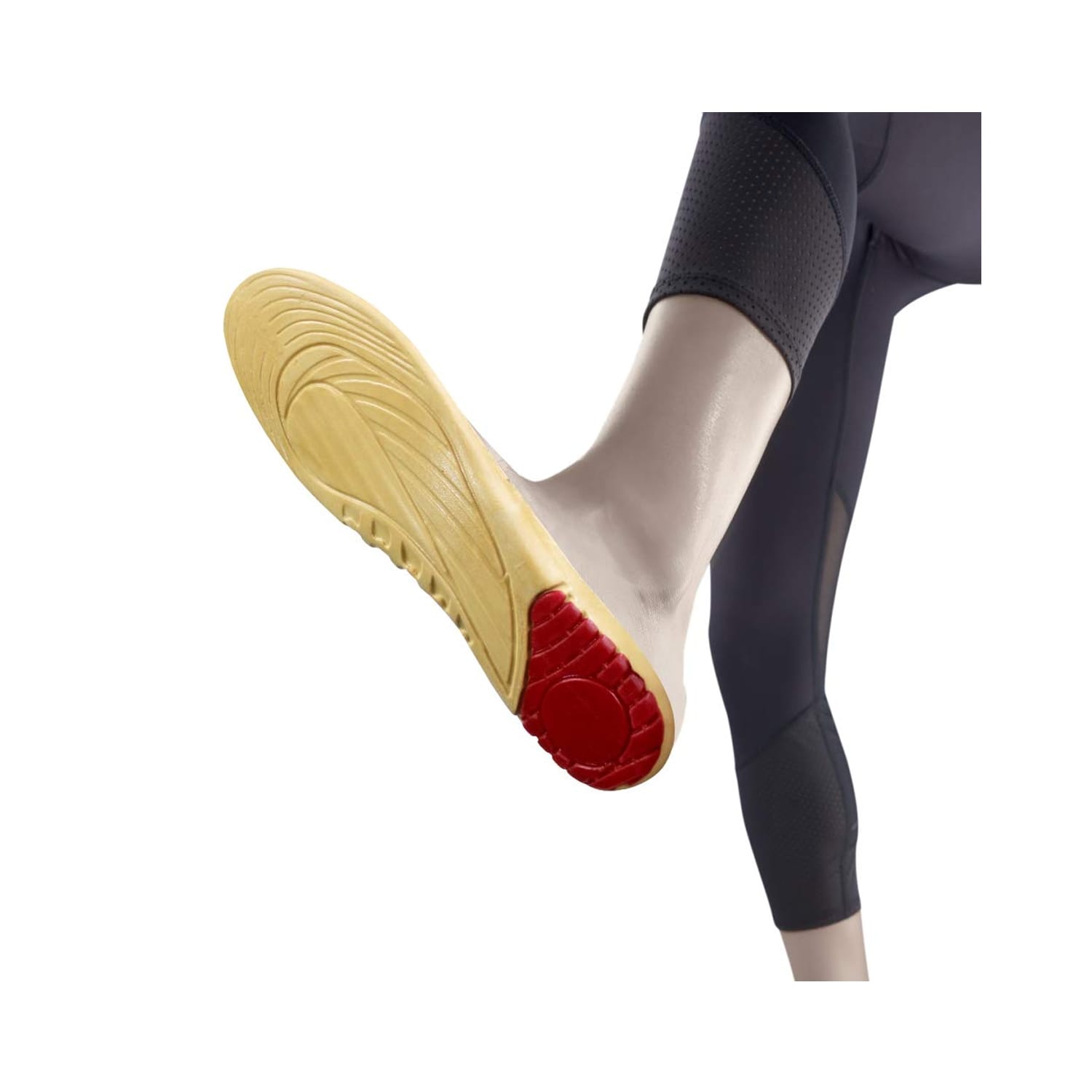
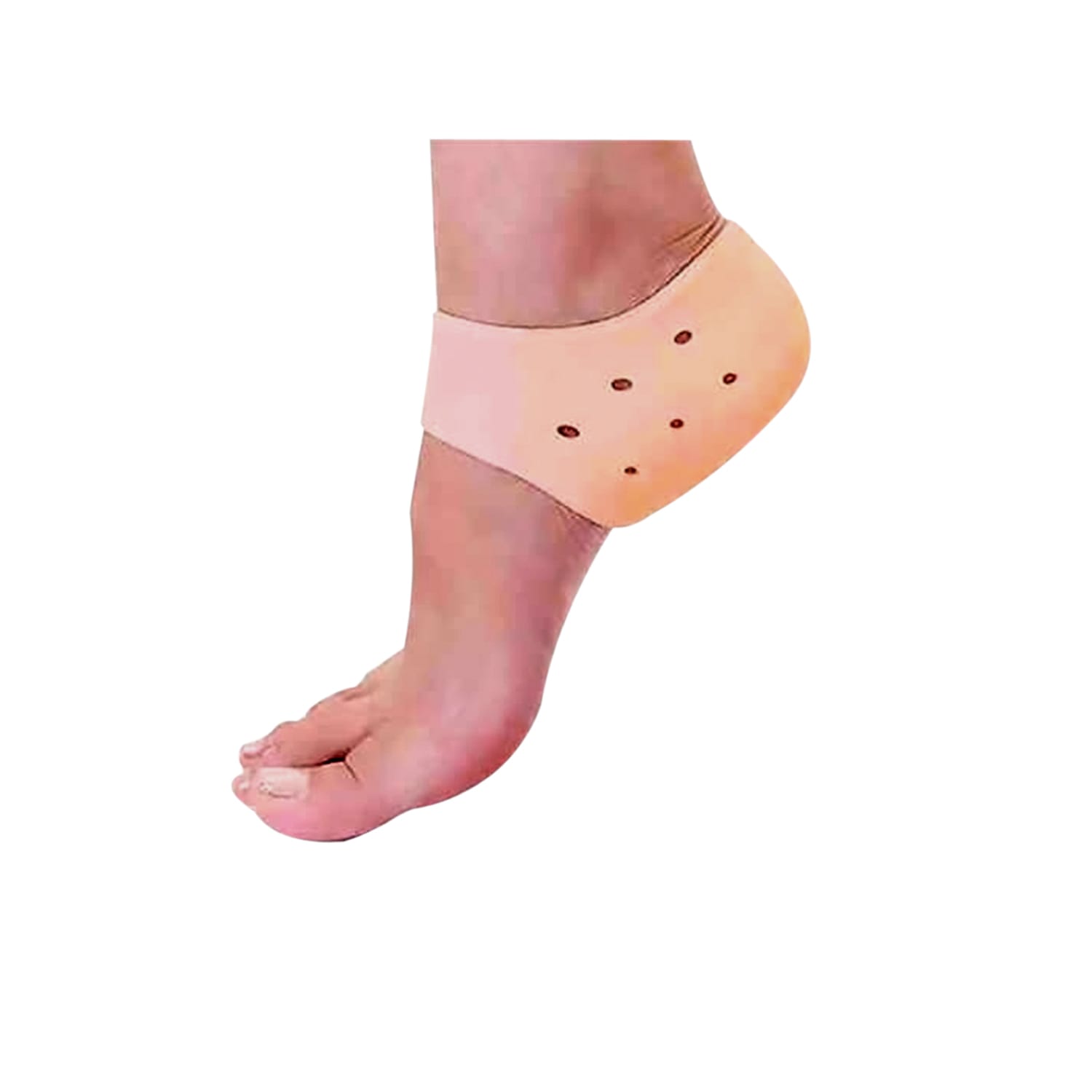
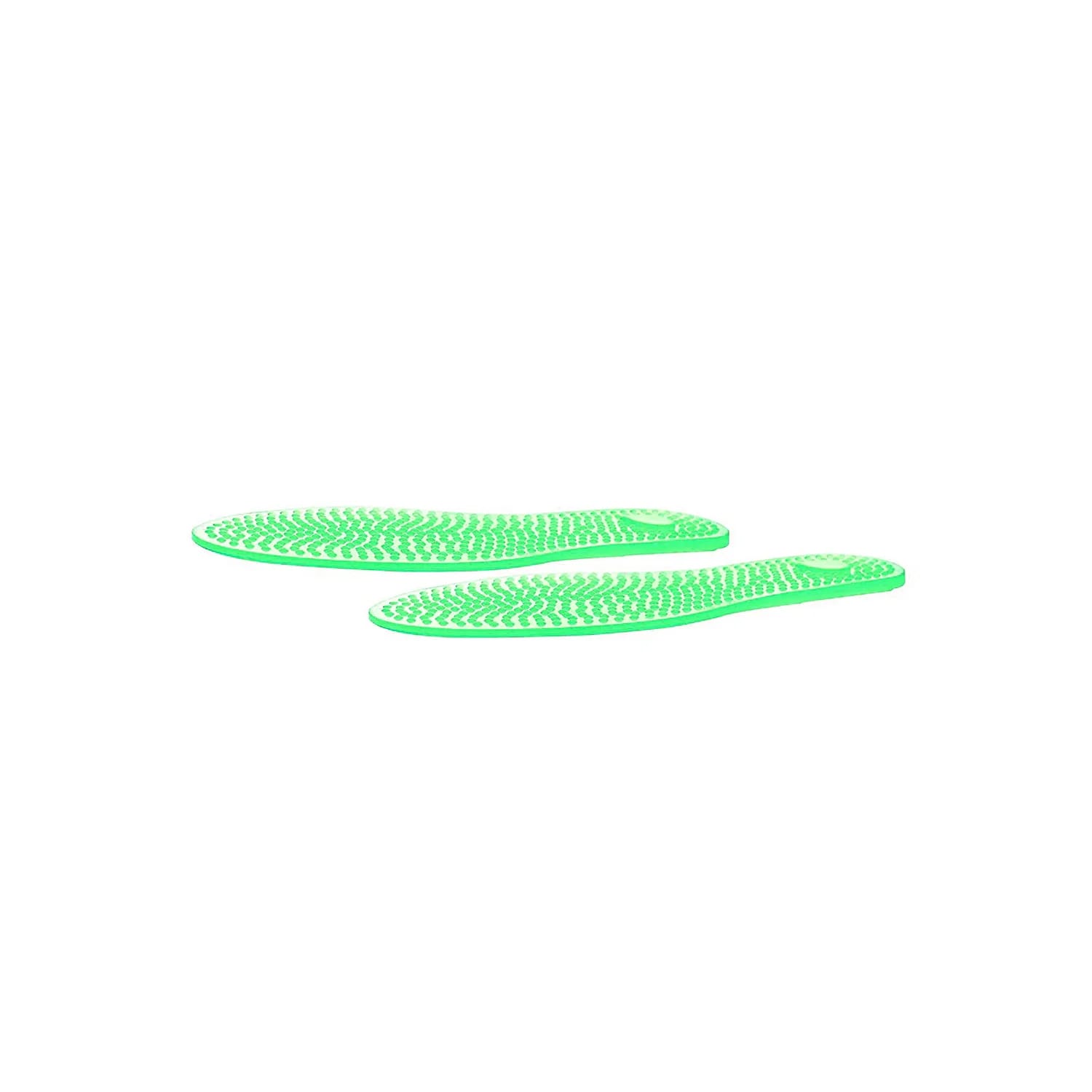
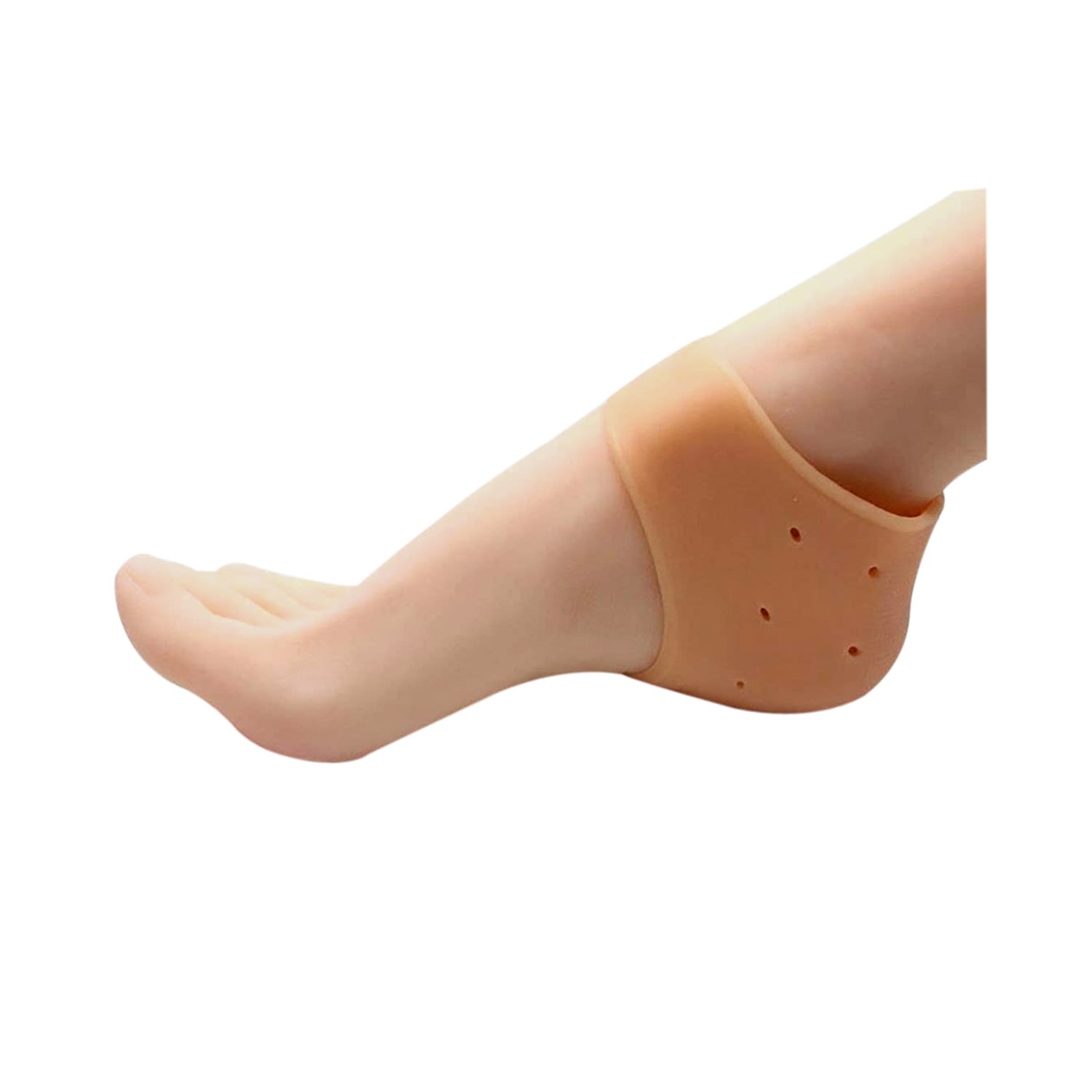
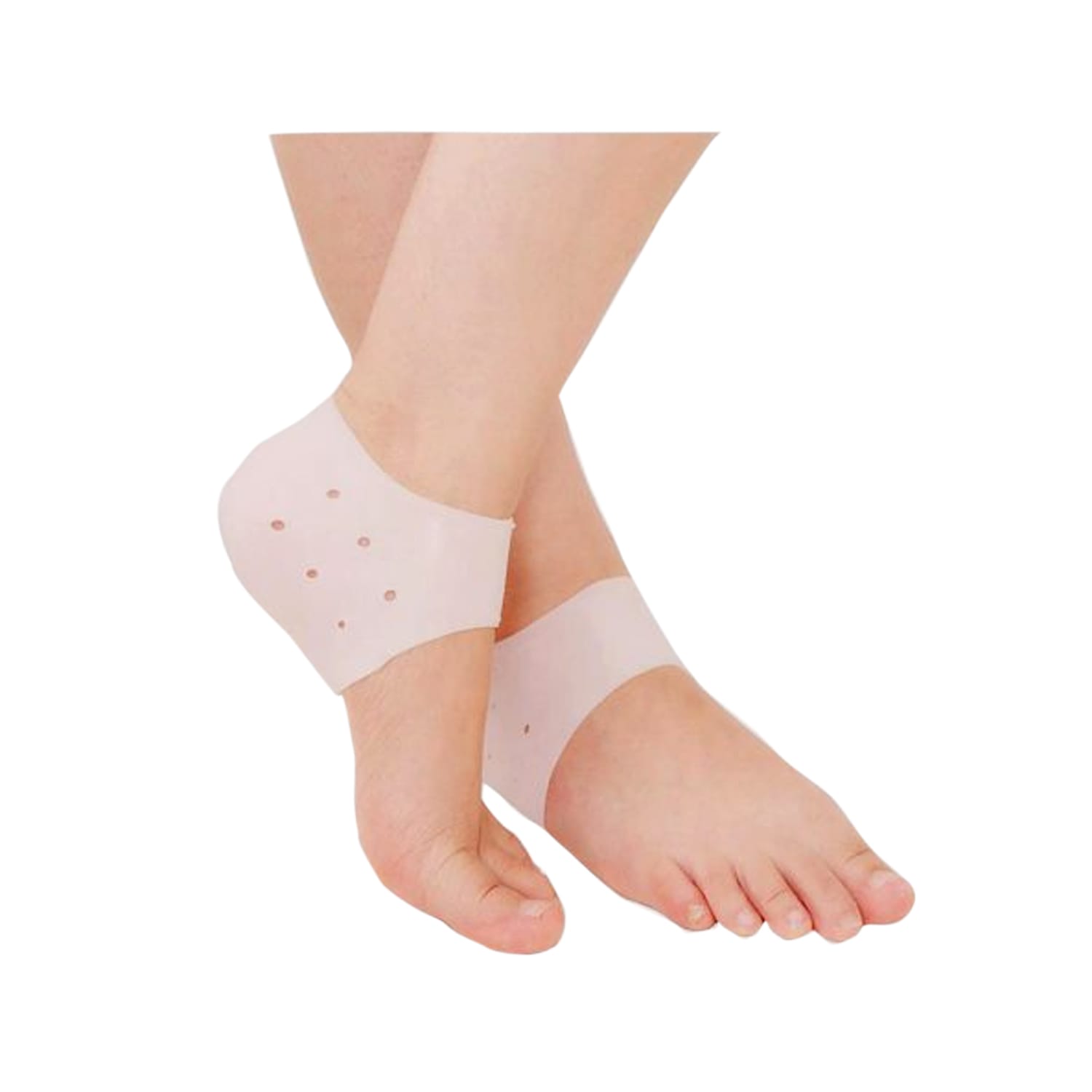
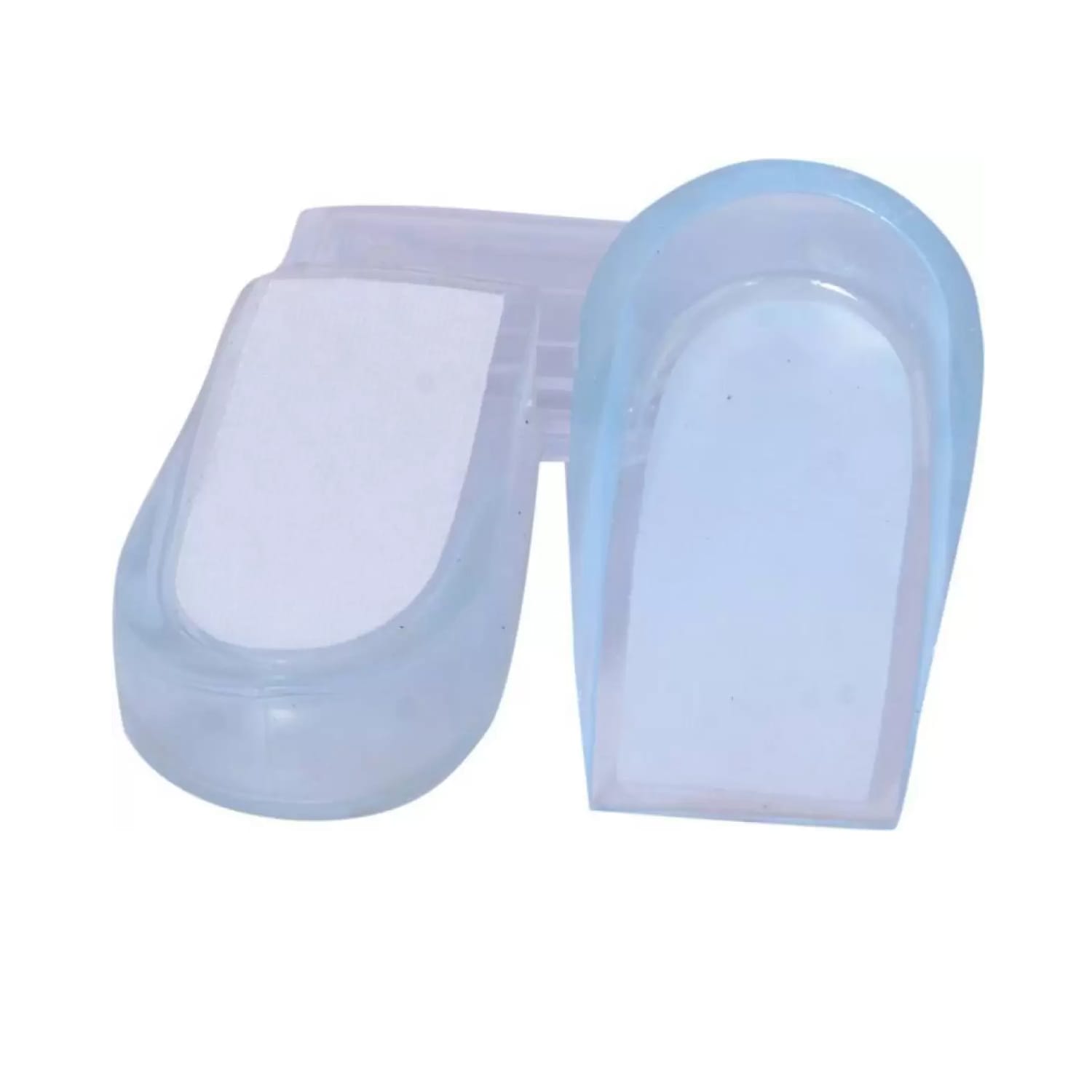
• Custom Orthotics: Insoles or heel cups to redistribute pressure.
• Medical Debridement: In severe cases, a professional may trim away thickened skin.
Preventing Cracked Heels
• Moisturize Daily: Especially after bathing or before bedtime.
• Wear Closed-Back Shoes: To protect heels from splitting.
• Avoid Walking Barefoot: Especially on hard or uneven surfaces.
• Maintain a Healthy Weight: To reduce excess pressure on the heels.
• Use Mild Soaps: Avoid drying soaps or hot water that strip natural oils.
• Stay Hydrated: Drink enough water to maintain skin elasticity.
• Regular Foot Care Routine: Including exfoliation and foot soaks once or twice a week.
Complications of Cracked Heels
• Infection: Cracks can allow bacteria to enter, leading to cellulitis or fungal infections.
• Bleeding and Pain: Deep fissures may be extremely painful and may bleed.
• Ulcers: Especially in diabetic individuals with poor wound healing.
• Scarring: From long-term damage or untreated cases.
Specialist to Consult for Cracked Heels
• Dermatologist: For persistent dryness, thickened skin, or if related to eczema or psoriasis.
• General Physician: For mild to moderate cases or to check for underlying health conditions.
• General Surgeon: If there are deep infected cracks requiring minor surgical debridement.