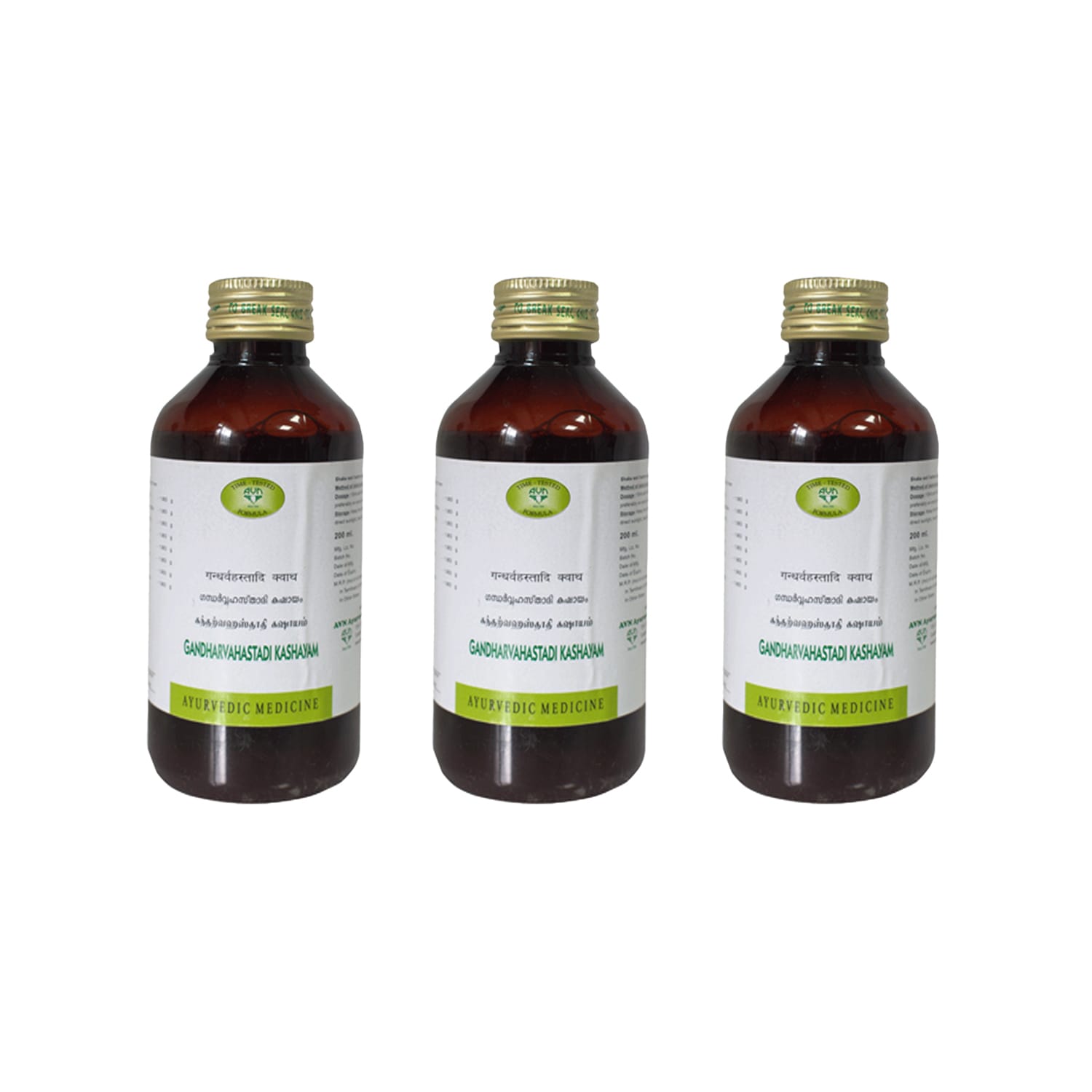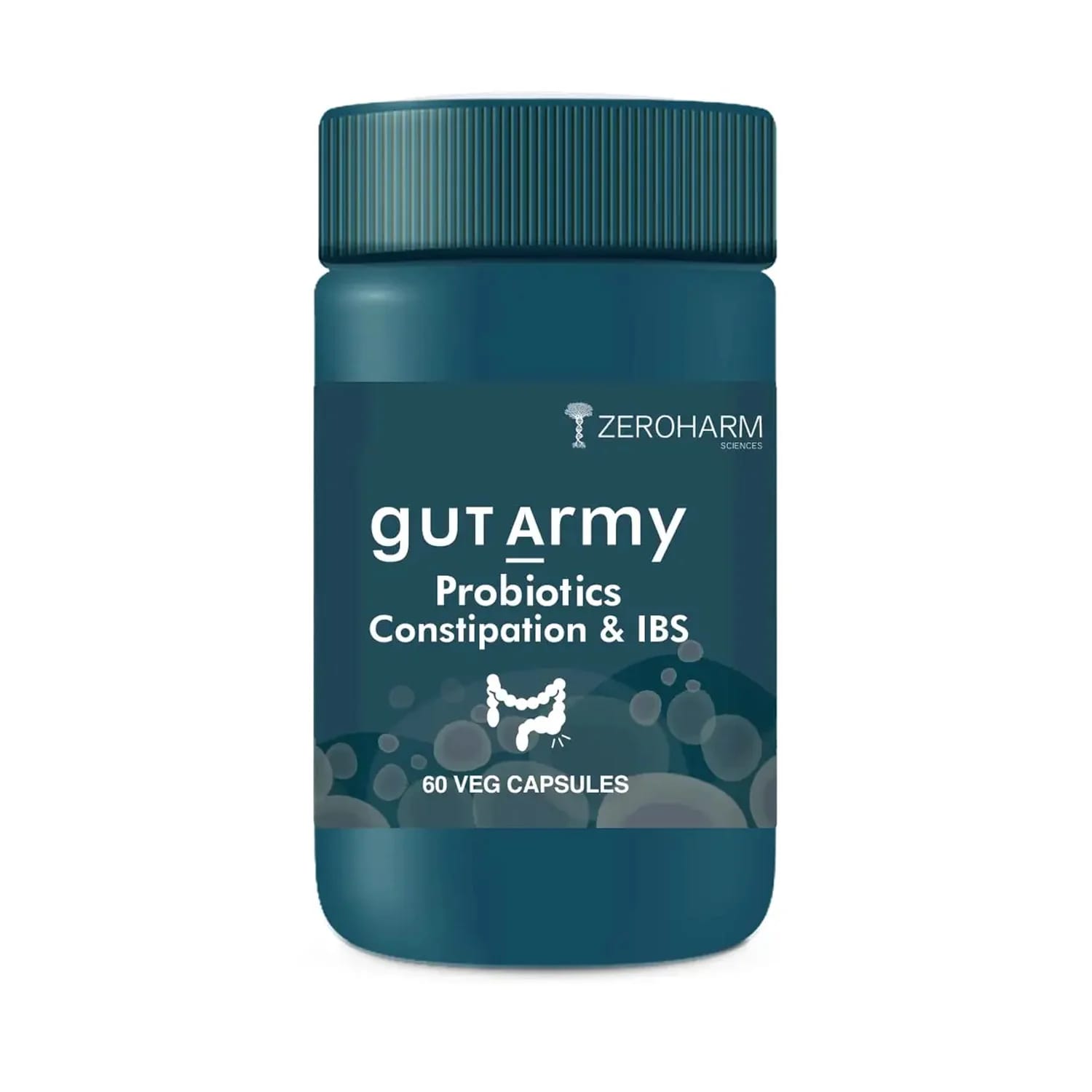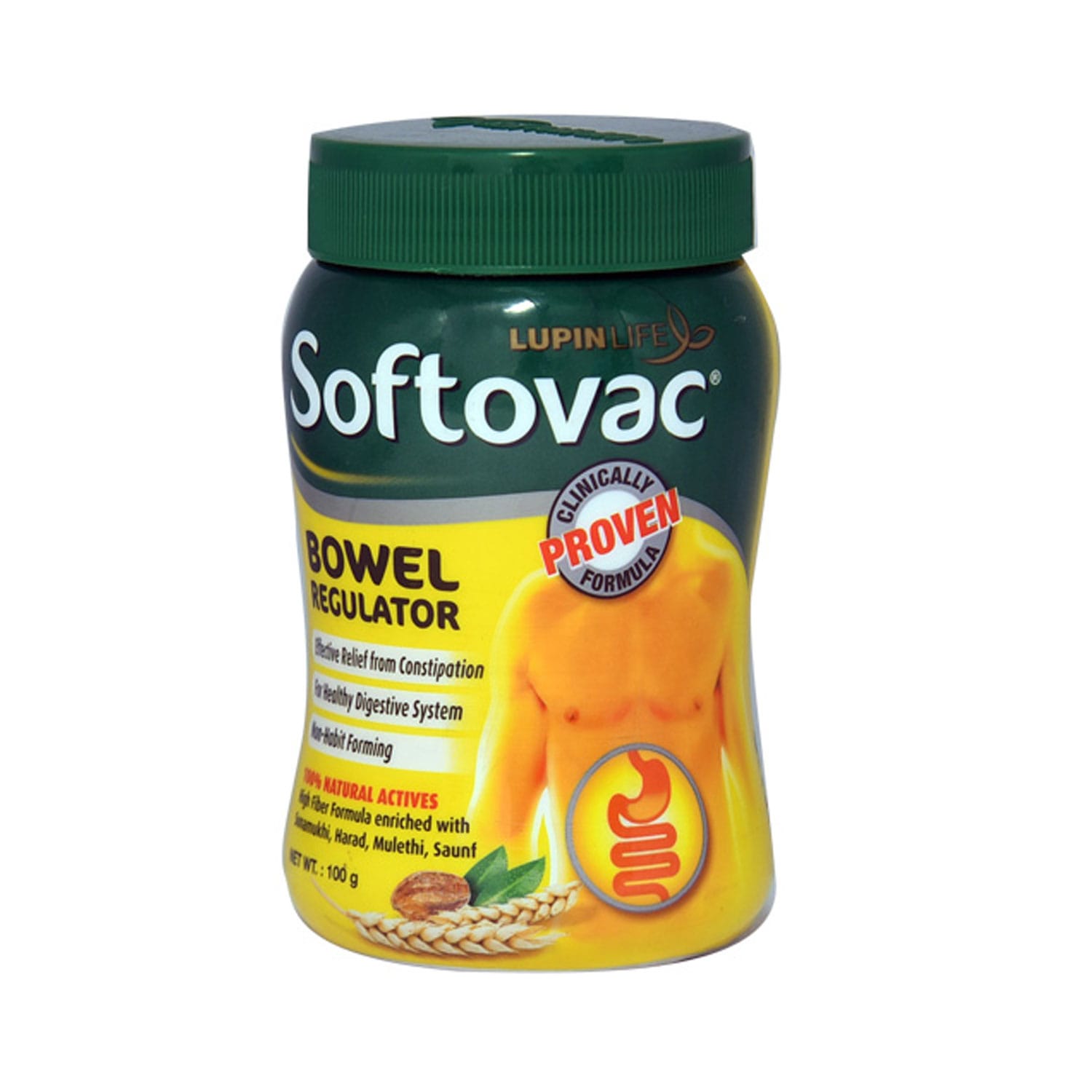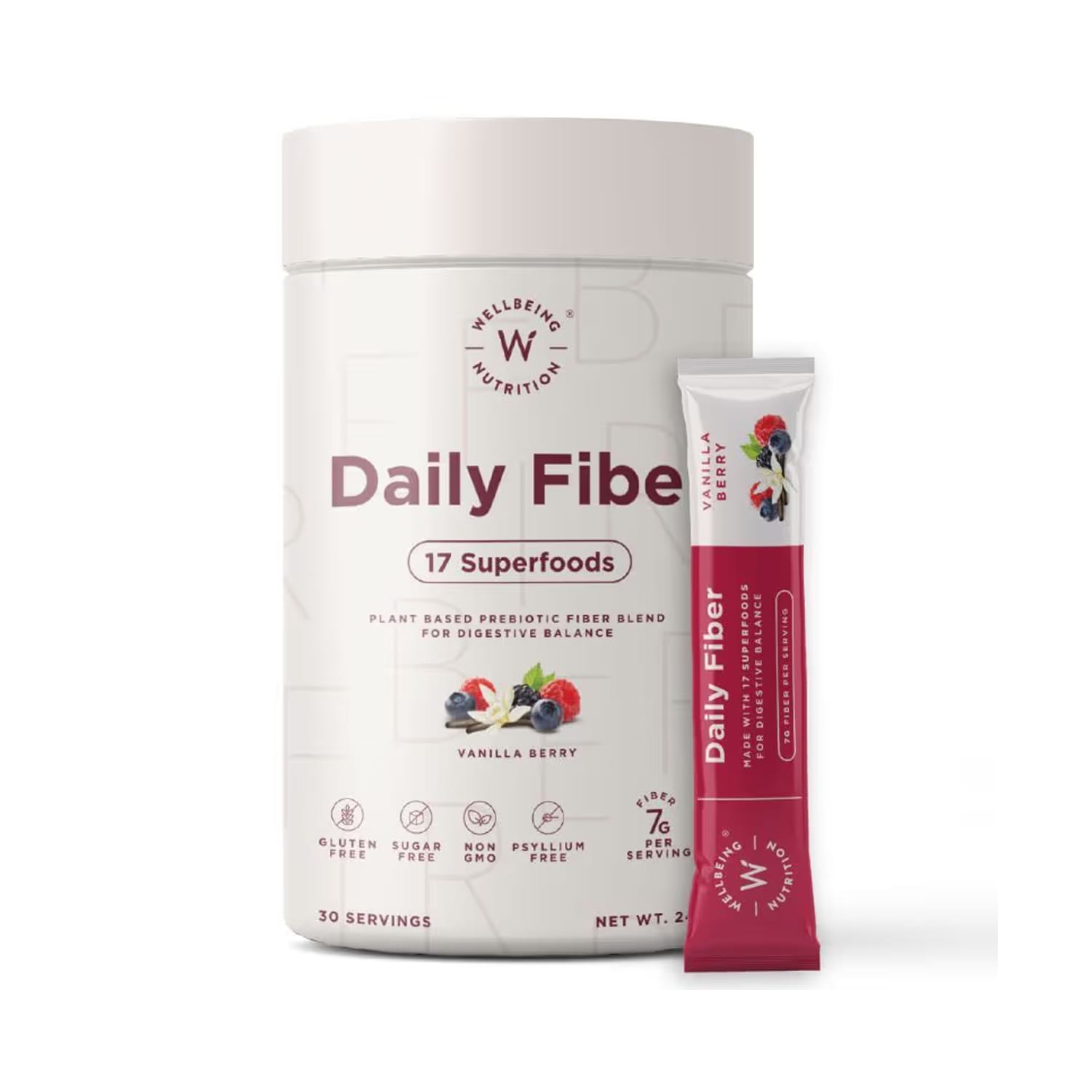



Bestseller

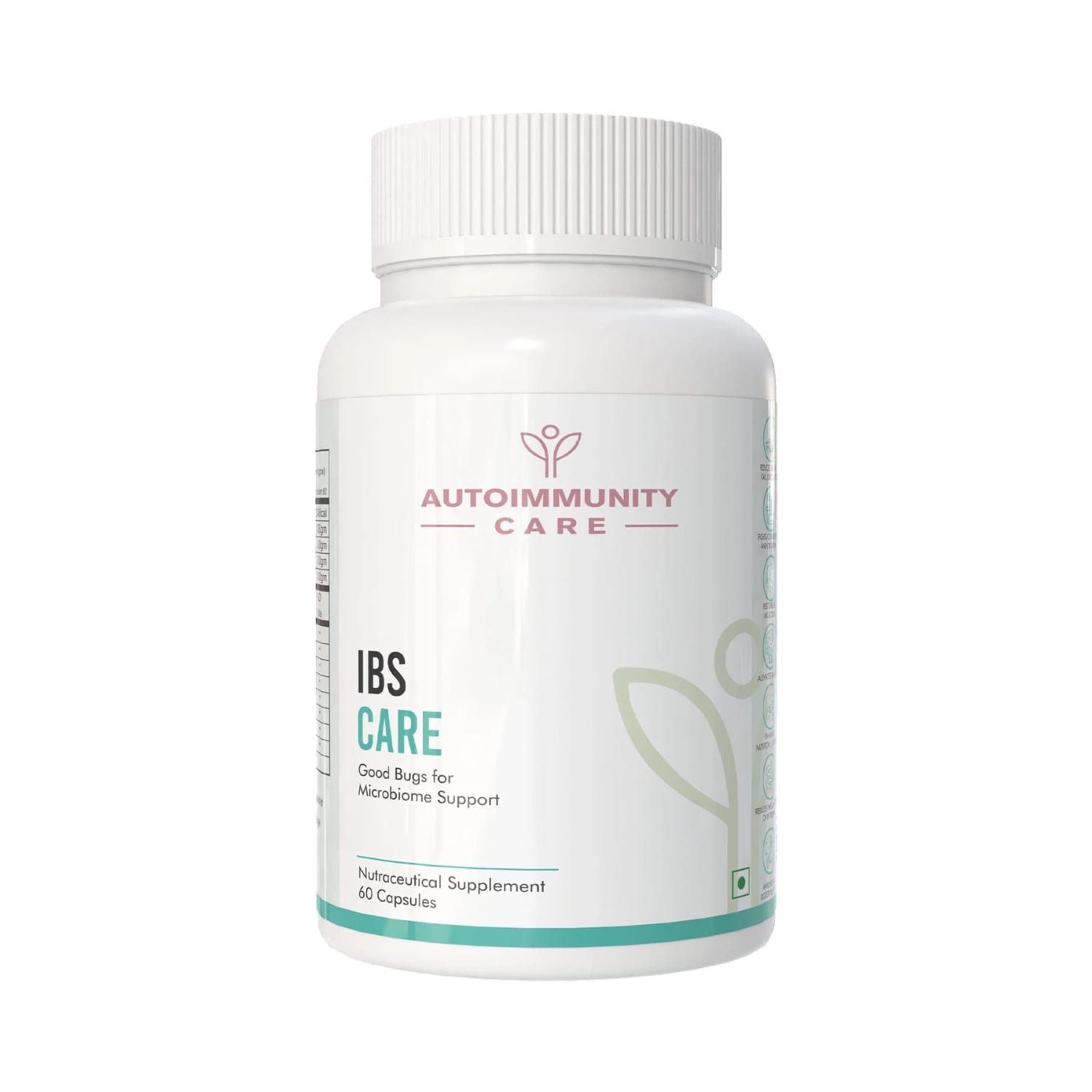
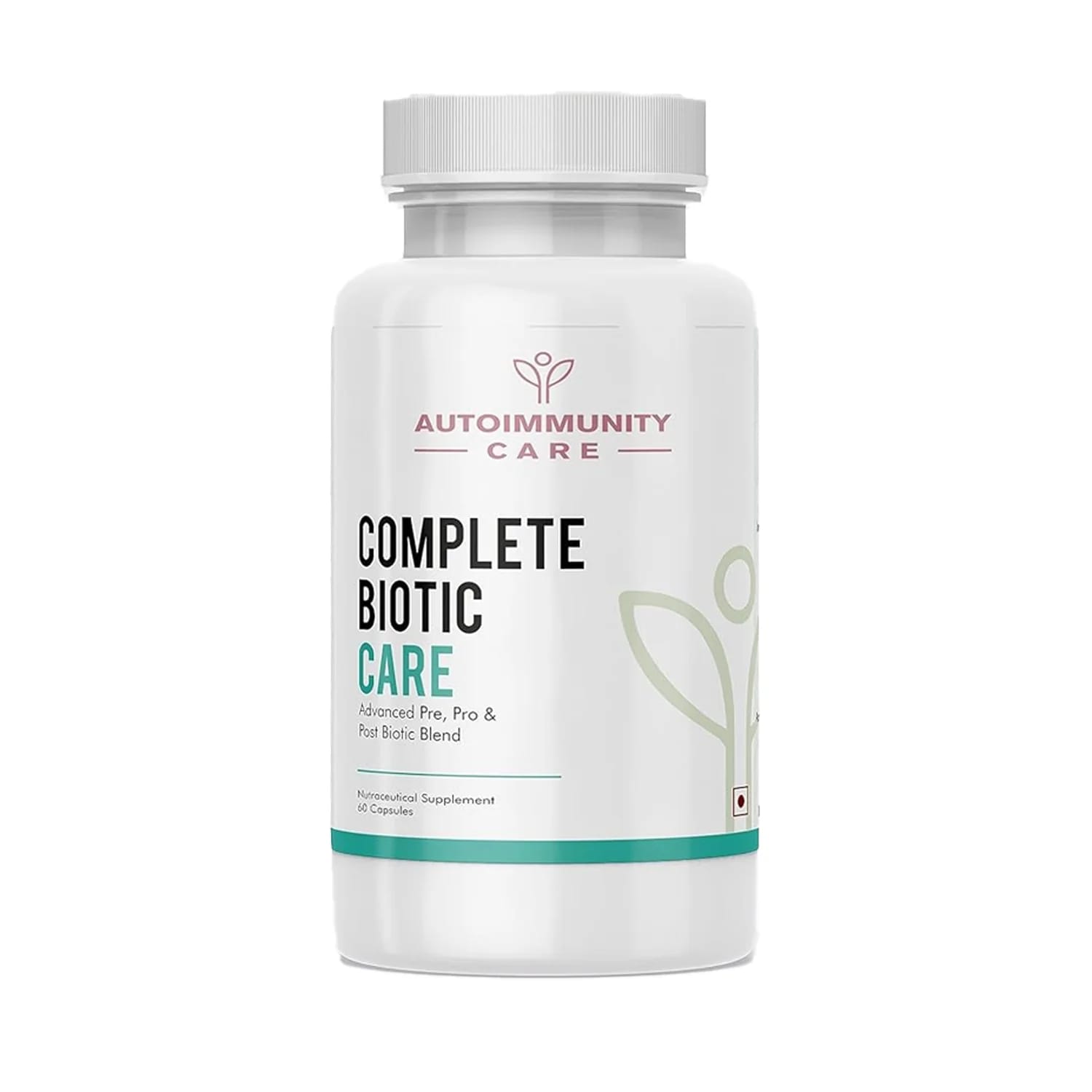
Autoimmunity Care Spore Probiotic Care Capsules (60 Nos)
AUTOIMMUNITY CARE
₹1,02915% off₹1,210
Constipation
Constipation is a common digestive condition in which bowel movements become infrequent, difficult, or incomplete. It is usually defined as having fewer than three bowel movements per week, along with hard or dry stools. Constipation can affect people of all ages and may be temporary or chronic. Early identification and lifestyle correction help prevent long-term complications.
Causes of Constipation
Low Fibre Intake: Insufficient dietary fibre slows stool movement.
Inadequate Fluid Intake: Dehydration leads to hard, dry stools.
Sedentary Lifestyle: Lack of physical activity reduces bowel motility.
Ignoring the Urge to Pass Stools: Delaying bowel movements worsens constipation.
Hormonal Changes: Pregnancy, menopause, and thyroid disorders can slow digestion.
Ageing: Reduced gut motility and weaker abdominal muscles.
Medications: Painkillers, iron supplements, antidepressants, and antacids.
Medical Conditions: Irritable bowel syndrome (IBS), diabetes, hypothyroidism, and neurological disorders.
Symptoms of Constipation
Infrequent bowel movements
Hard, dry, or lumpy stools
Straining during defecation
Feeling of incomplete evacuation
Bloating or abdominal discomfort
Rectal pain or bleeding in severe cases
Diagnosis of Constipation
Medical History: Dietary habits, lifestyle, medication use, and bowel patterns.
Physical Examination: Abdominal and rectal examination if needed.
Blood Tests: To check thyroid function, blood sugar, or electrolyte imbalance.
Stool Tests: If infection or bleeding is suspected.
Imaging or Colonoscopy: In chronic or unexplained cases.
Treatment of Constipation
Dietary Fibre Increase: Whole grains, fruits, vegetables, and seeds.
Adequate Hydration: Regular water intake throughout the day.
Lifestyle Modification: Regular exercise and fixed toilet timing.
Bulk-Forming Agents: Fibre supplements when required.
Osmotic or Stool-Softening Laxatives: Used under medical guidance.
Treatment of Underlying Cause: Hormonal disorders or medication-related constipation.
Preventing Constipation
Eat a fibre-rich diet daily
Drink sufficient water
Exercise regularly
Do not ignore the urge to pass stools
Maintain a consistent bowel routine
Limit processed and low-fibre foods
Complications of Untreated Constipation
Hemorrhoids
Anal fissures
Fecal impaction
Rectal prolapse
Chronic abdominal discomfort
Specialist to Consult for Constipation
General Physician: For initial evaluation and treatment.
Gastroenterologist: For chronic, severe, or recurrent constipation.
FAQ
1. What is the main cause of constipation?
Low fibre intake, dehydration, and lack of physical activity are the most common causes.
2. Which foods help relieve constipation?
Fruits, vegetables, whole grains, flaxseeds, and foods rich in fibre help improve bowel movements.
3. Is constipation a serious problem?
Occasional constipation is common, but chronic constipation may indicate an underlying condition and needs medical attention.
4. Can stress cause constipation?
Yes, stress can affect gut function and slow bowel movements.
5. When should I see a doctor for constipation?
If constipation lasts more than two weeks, is associated with weight loss, bleeding, or severe pain.
6. How to relieve constipation fast?
Constipation can be eased quickly by increasing fluid intake, consuming more dietary fibre, gentle movement, and not delaying bowel urges. Along with lifestyle changes, gut-targeted supportive supplements available on Cureka, such as probiotic blends that support healthy bowel movements (helping relieve constipation and improve gut flora balance), may help when used as directed.
7. Why do I get constipated?
Constipation can arise from low fibre intake, dehydration, inactivity, certain medications, stress, or digestive imbalance. Hormonal changes (e.g., menopause, thyroid issues) and gut dysbiosis also play a role. Products on Cureka designed to support gut health and reduce inflammation may assist overall digestive function.
AUTOIMMUNITY CARE