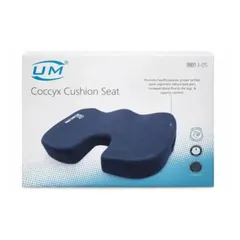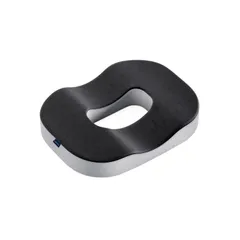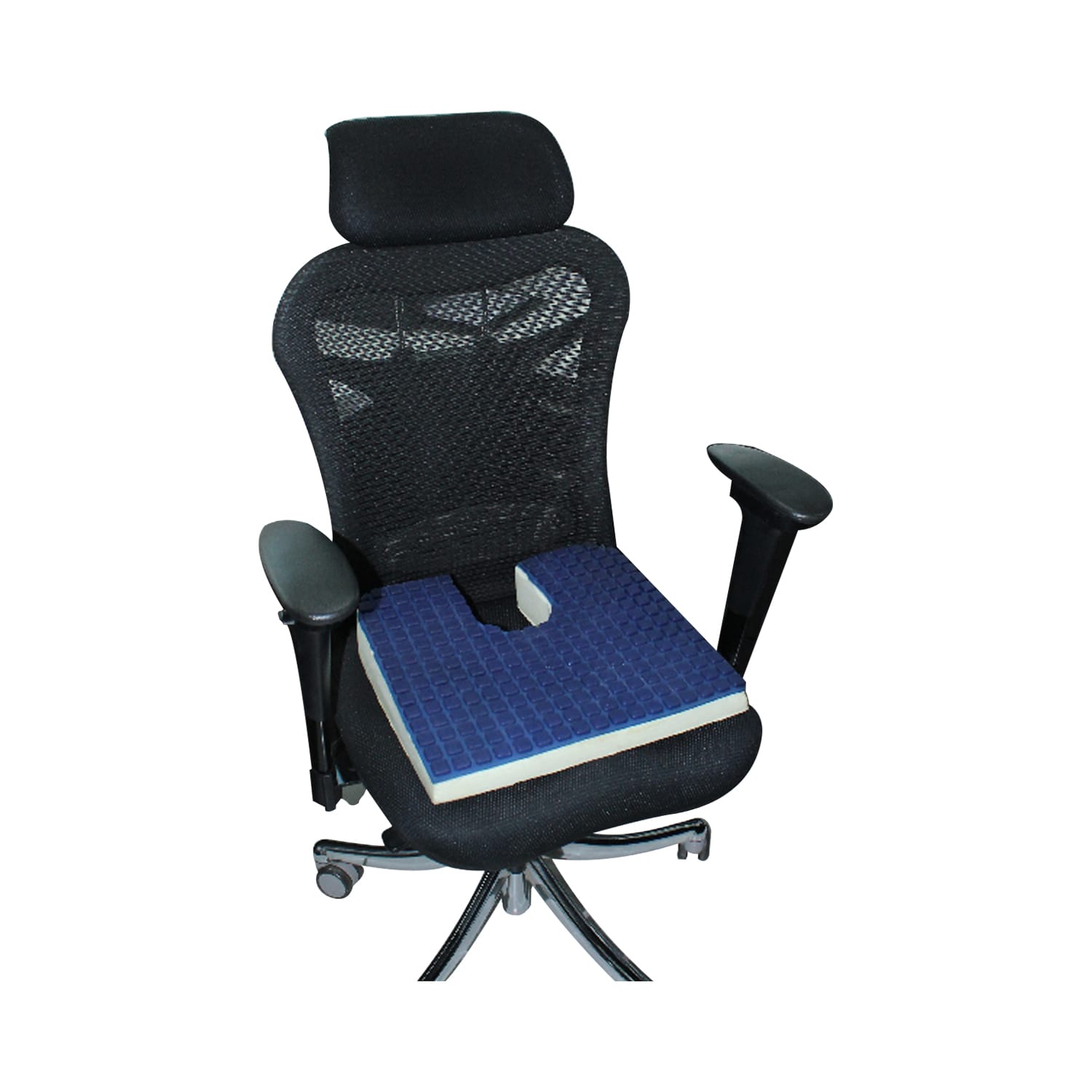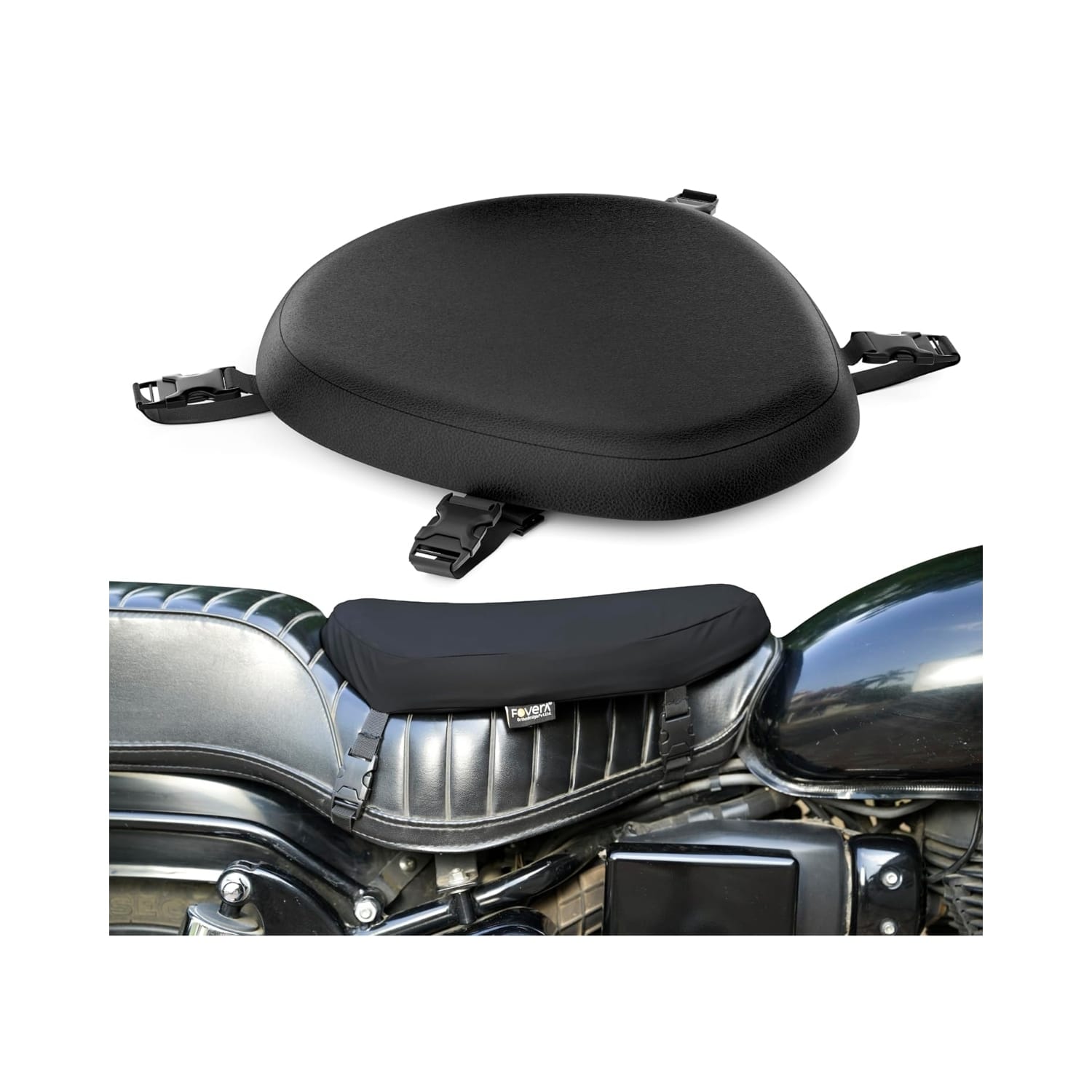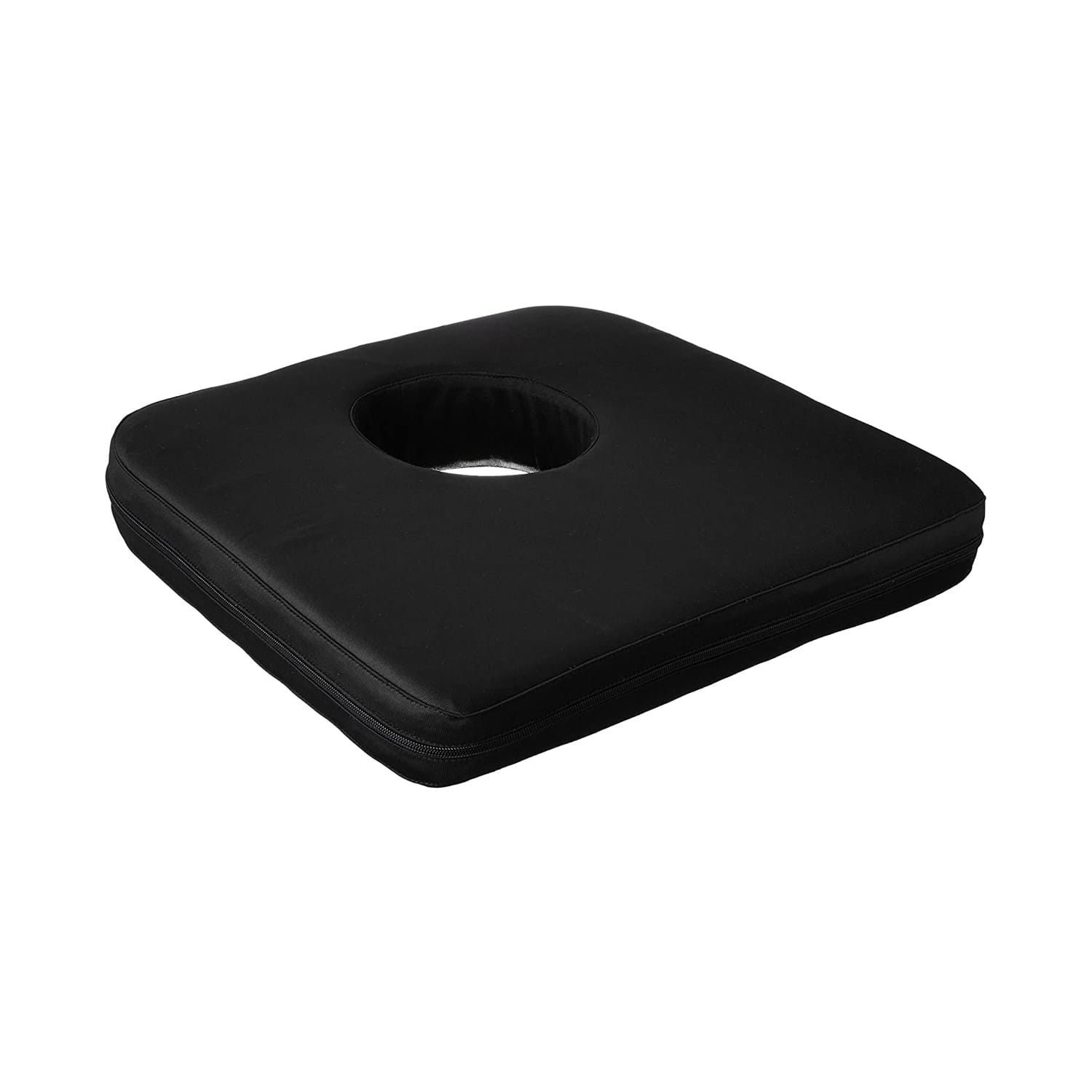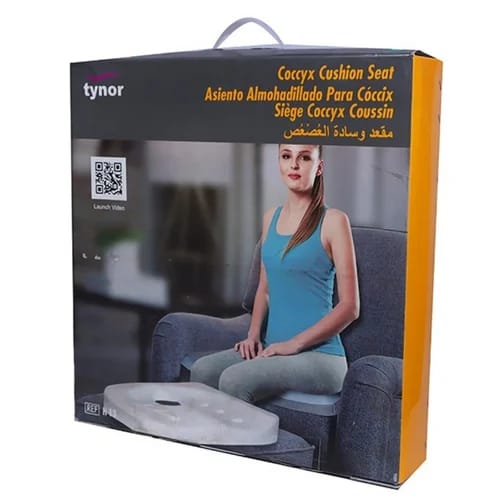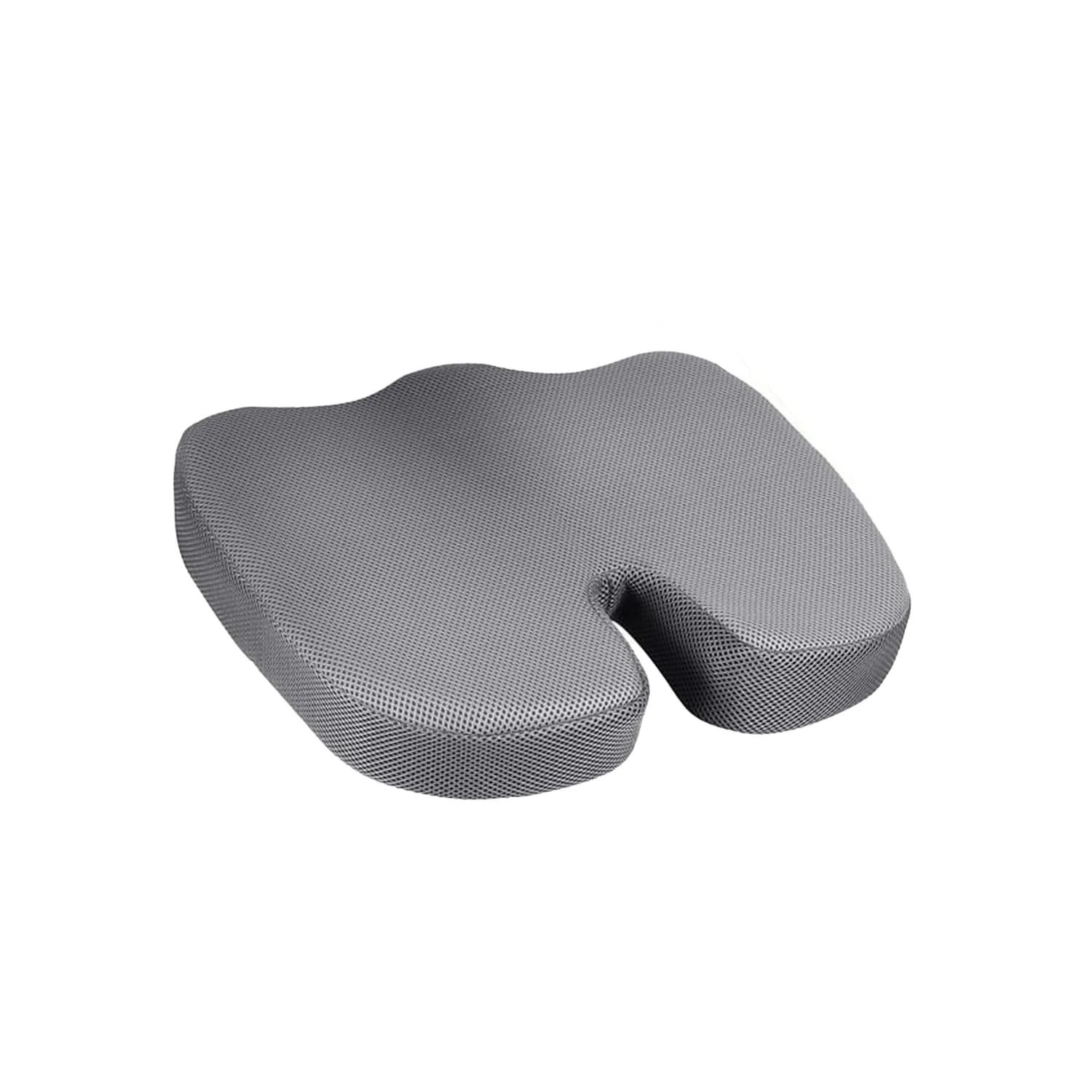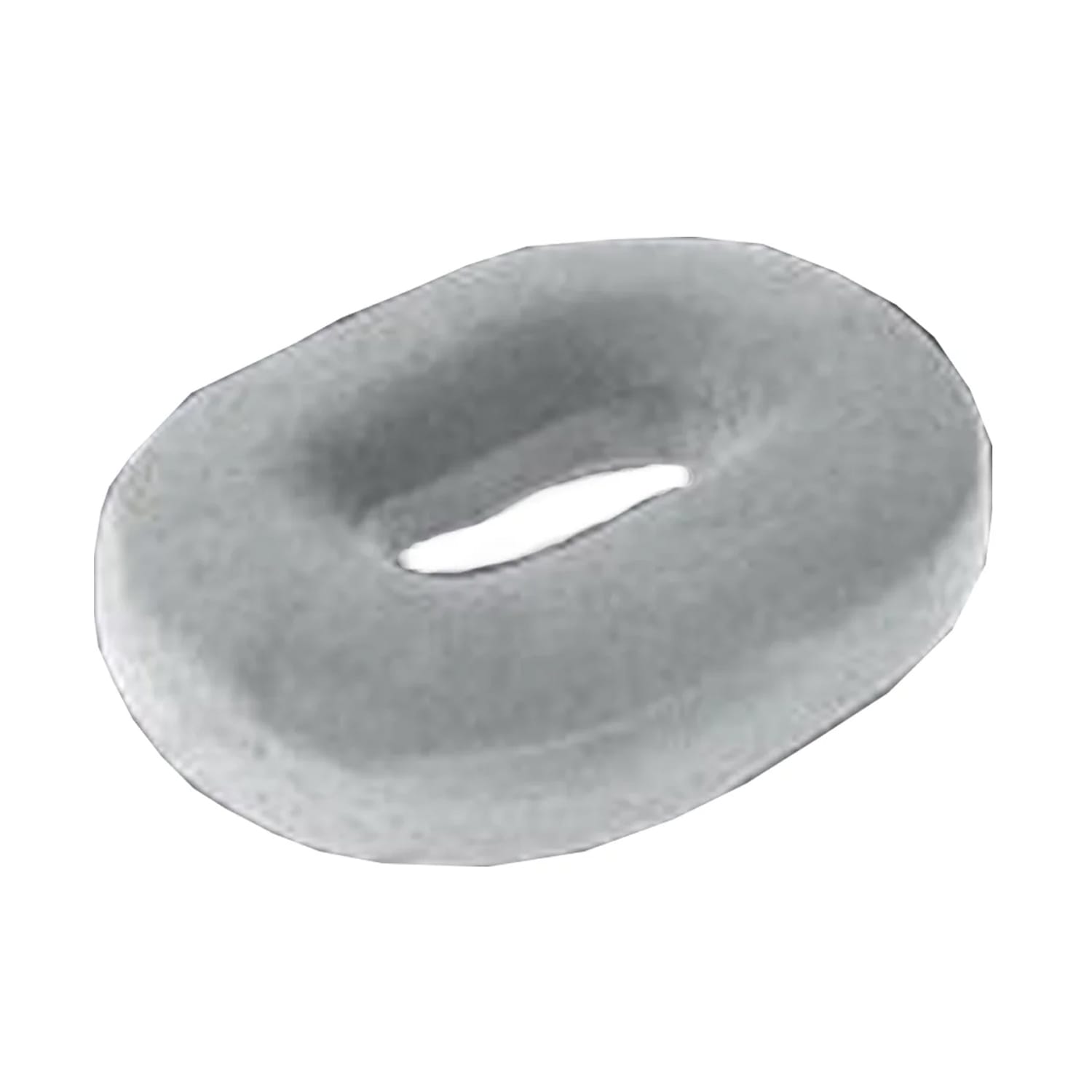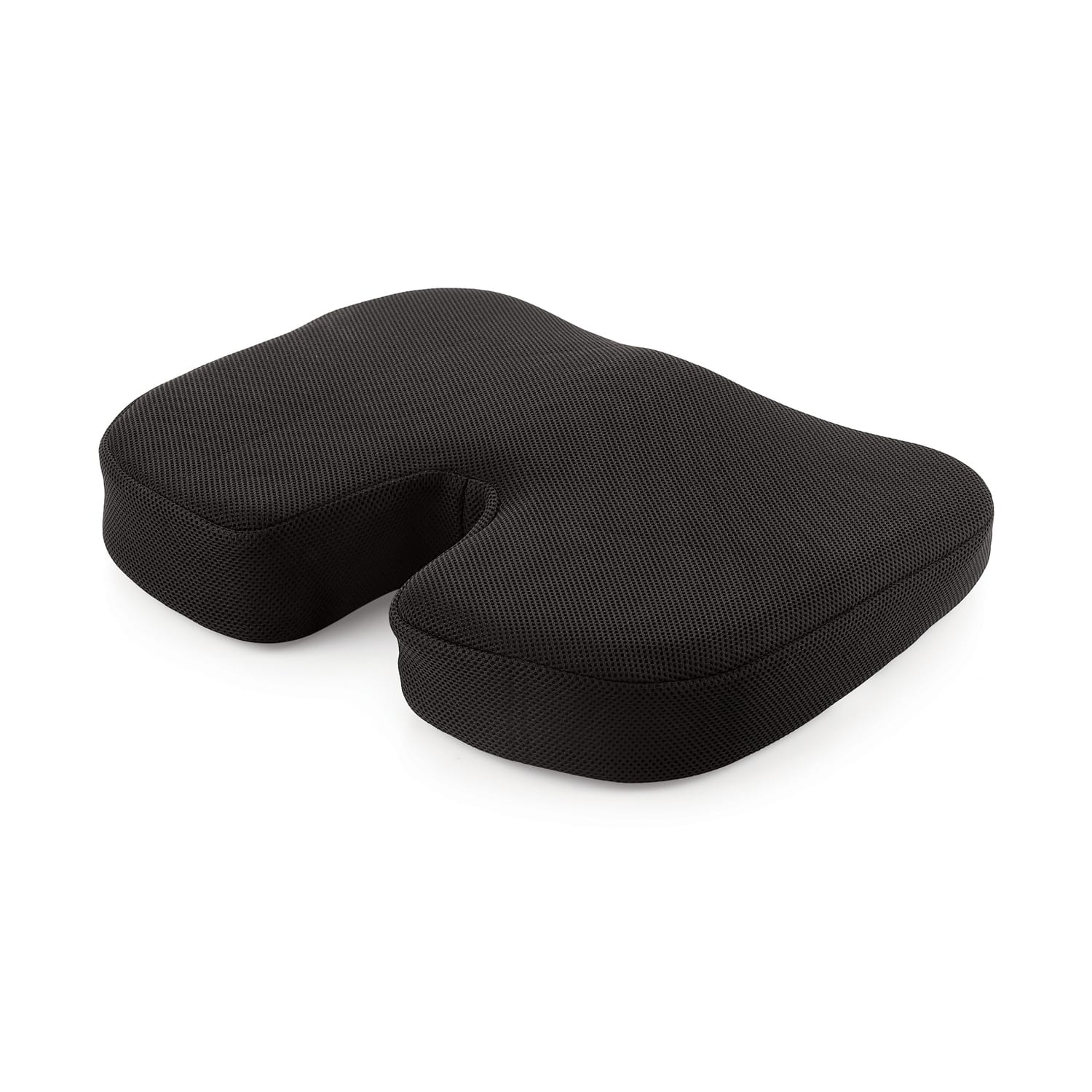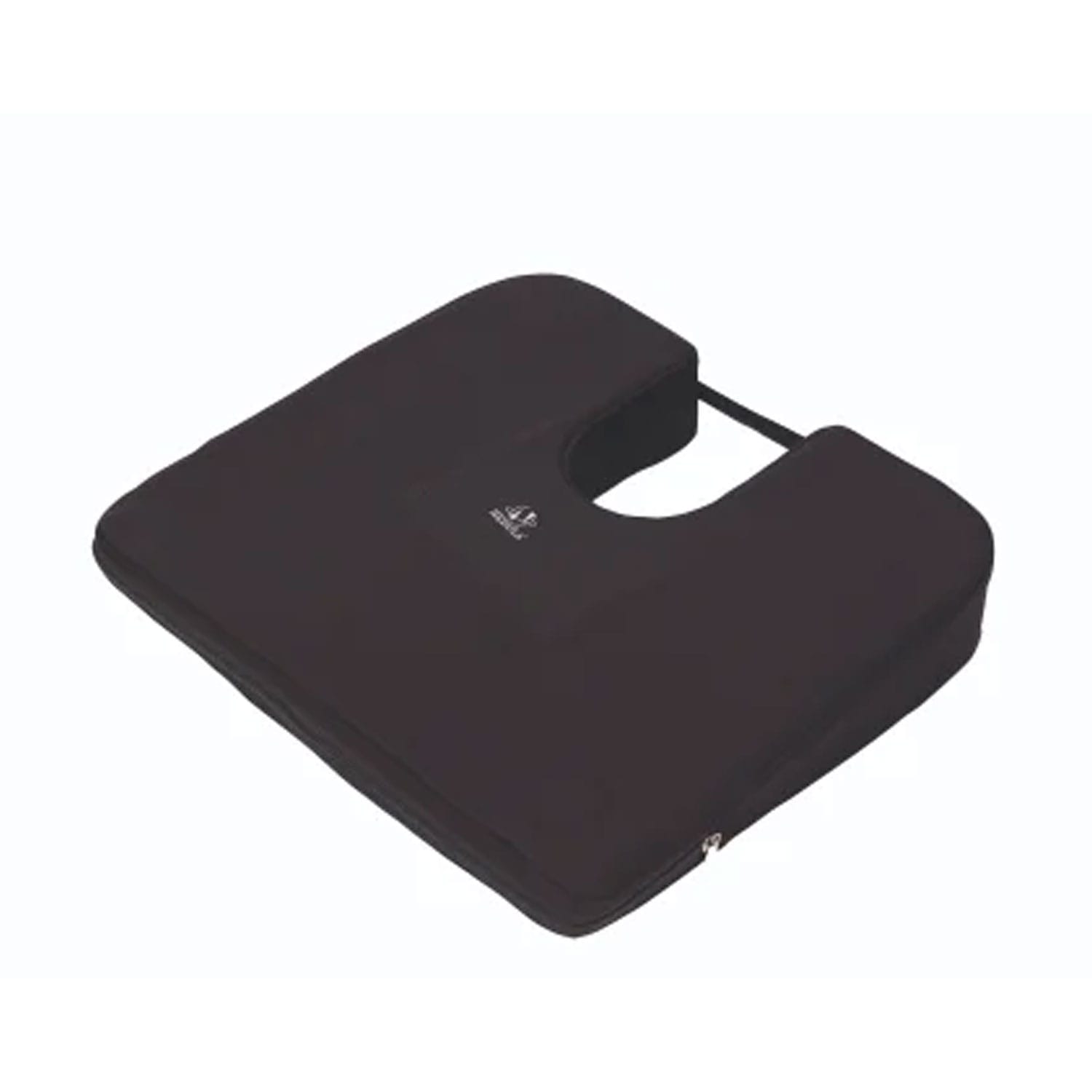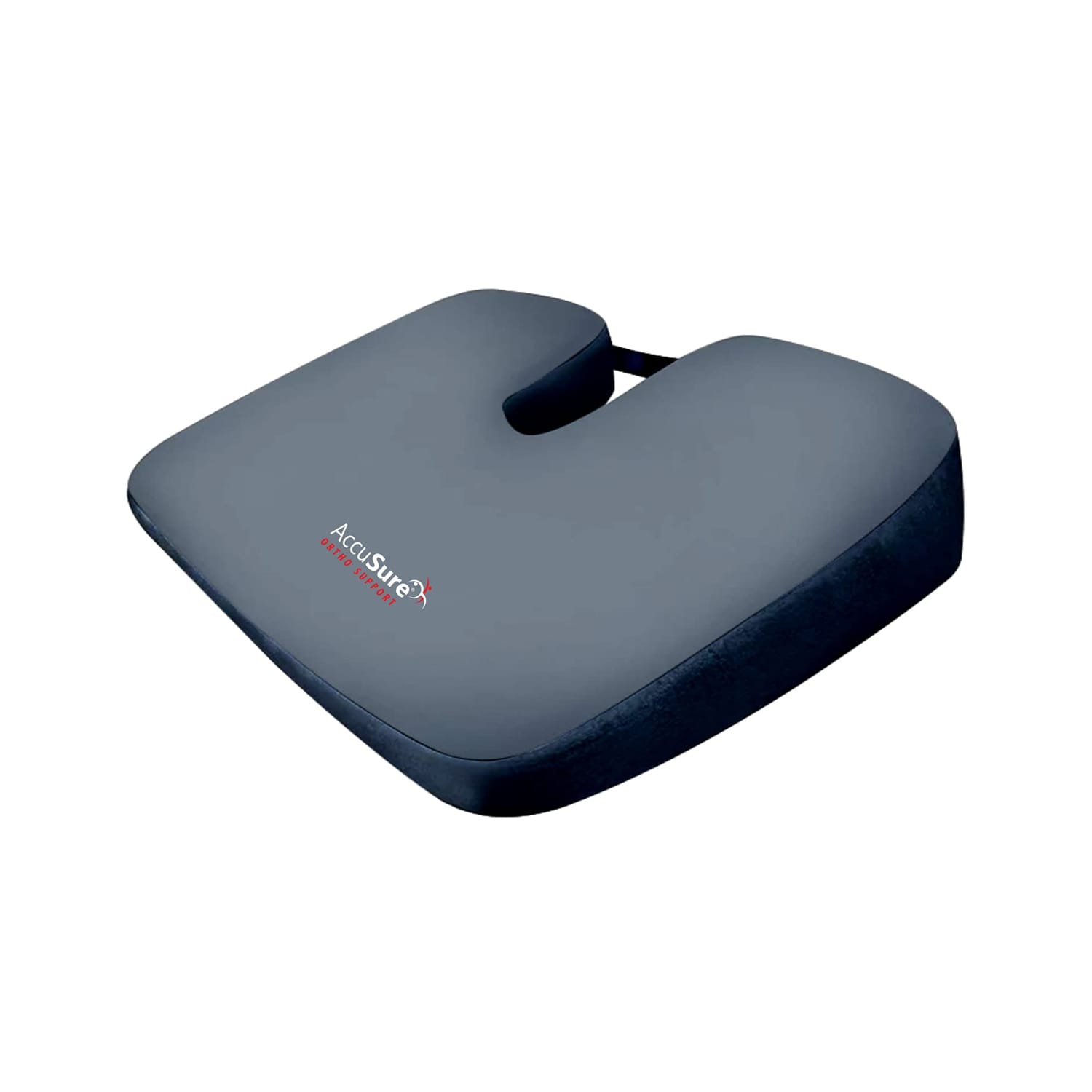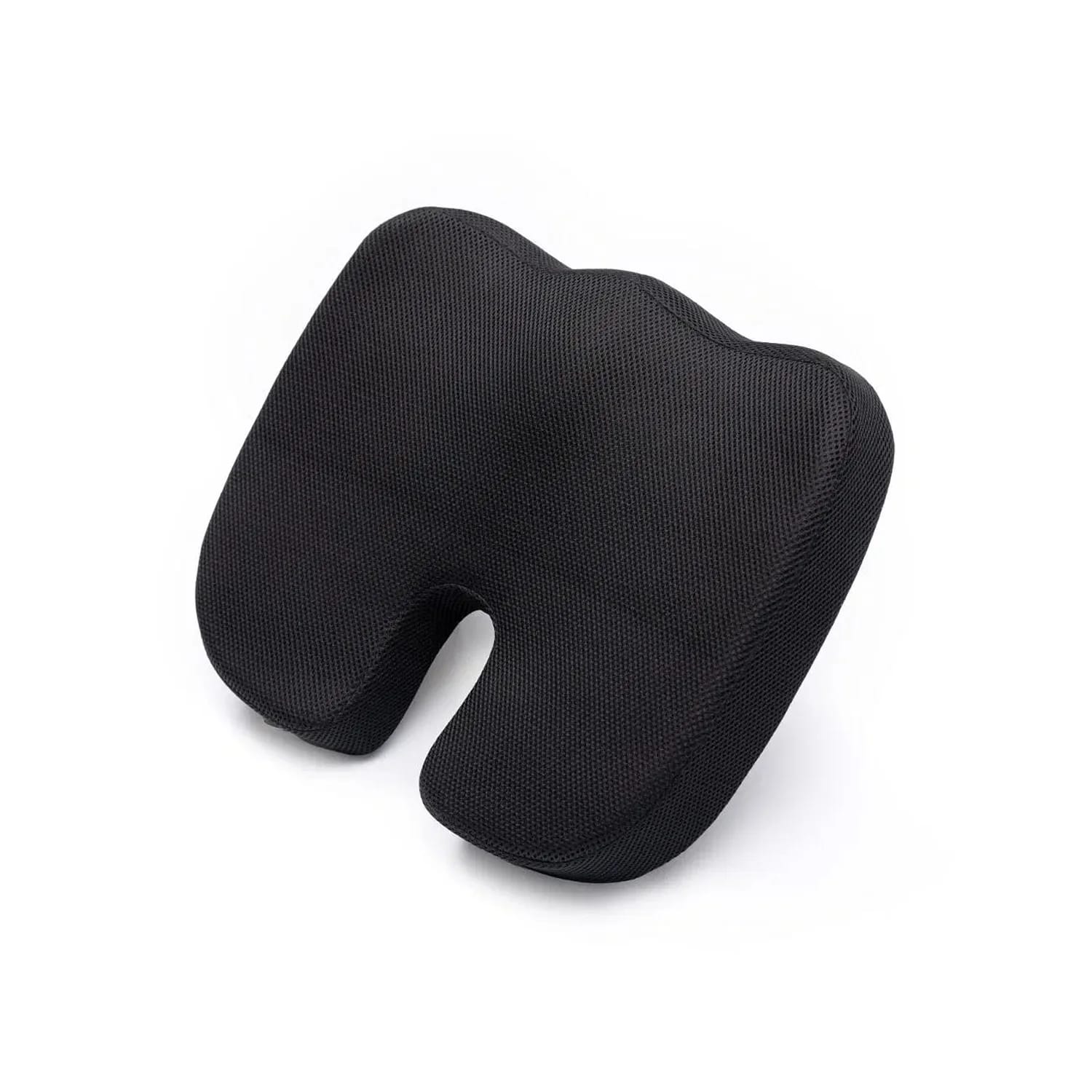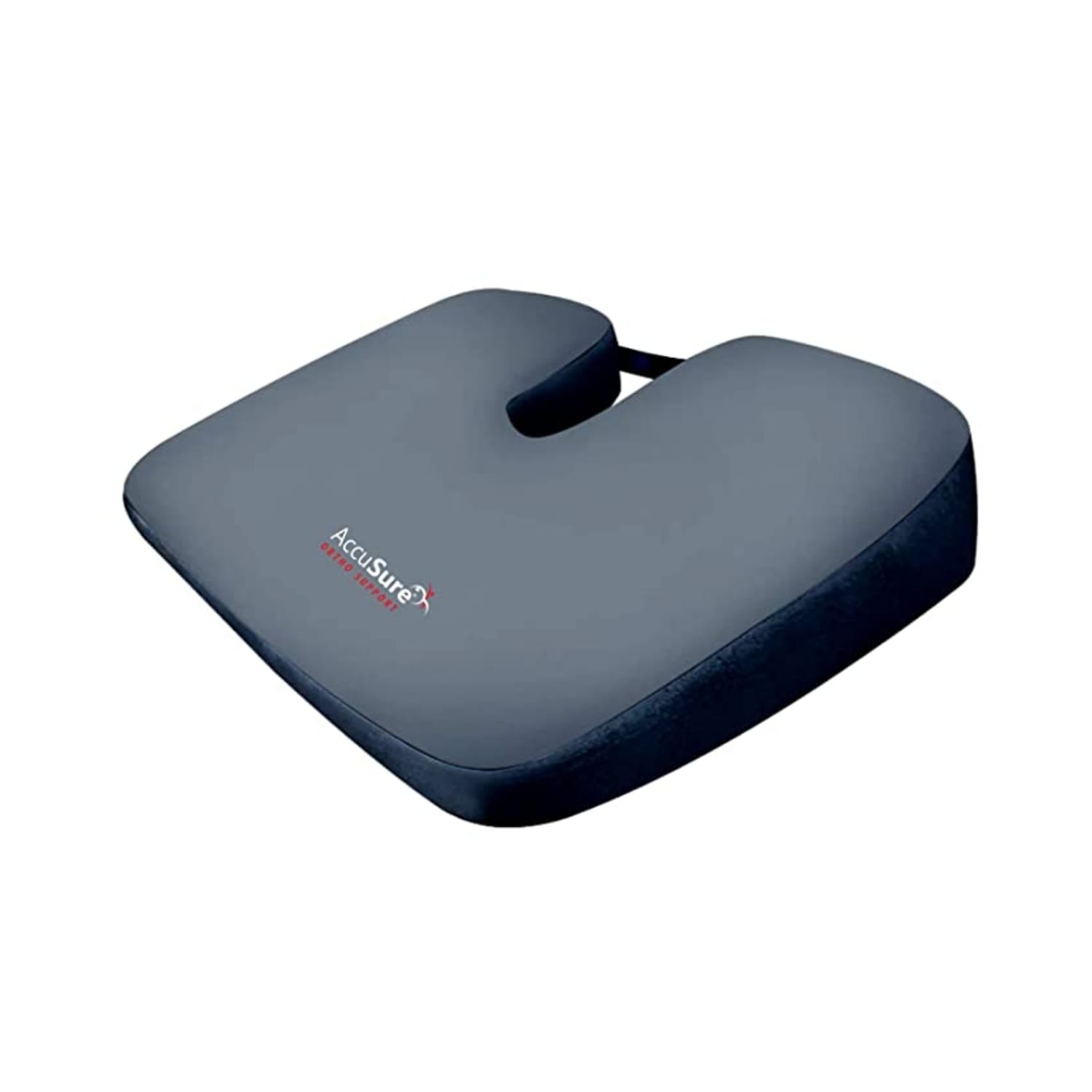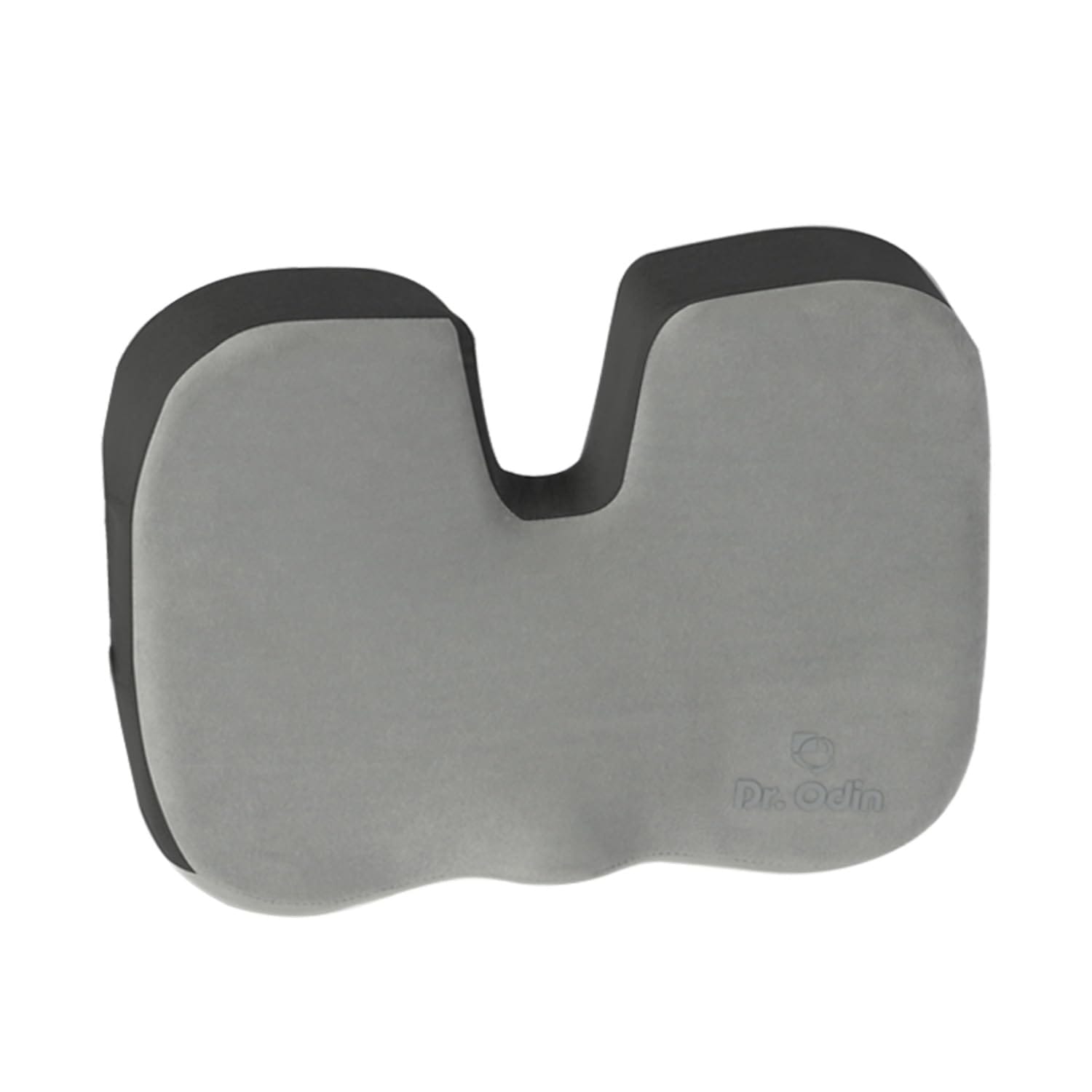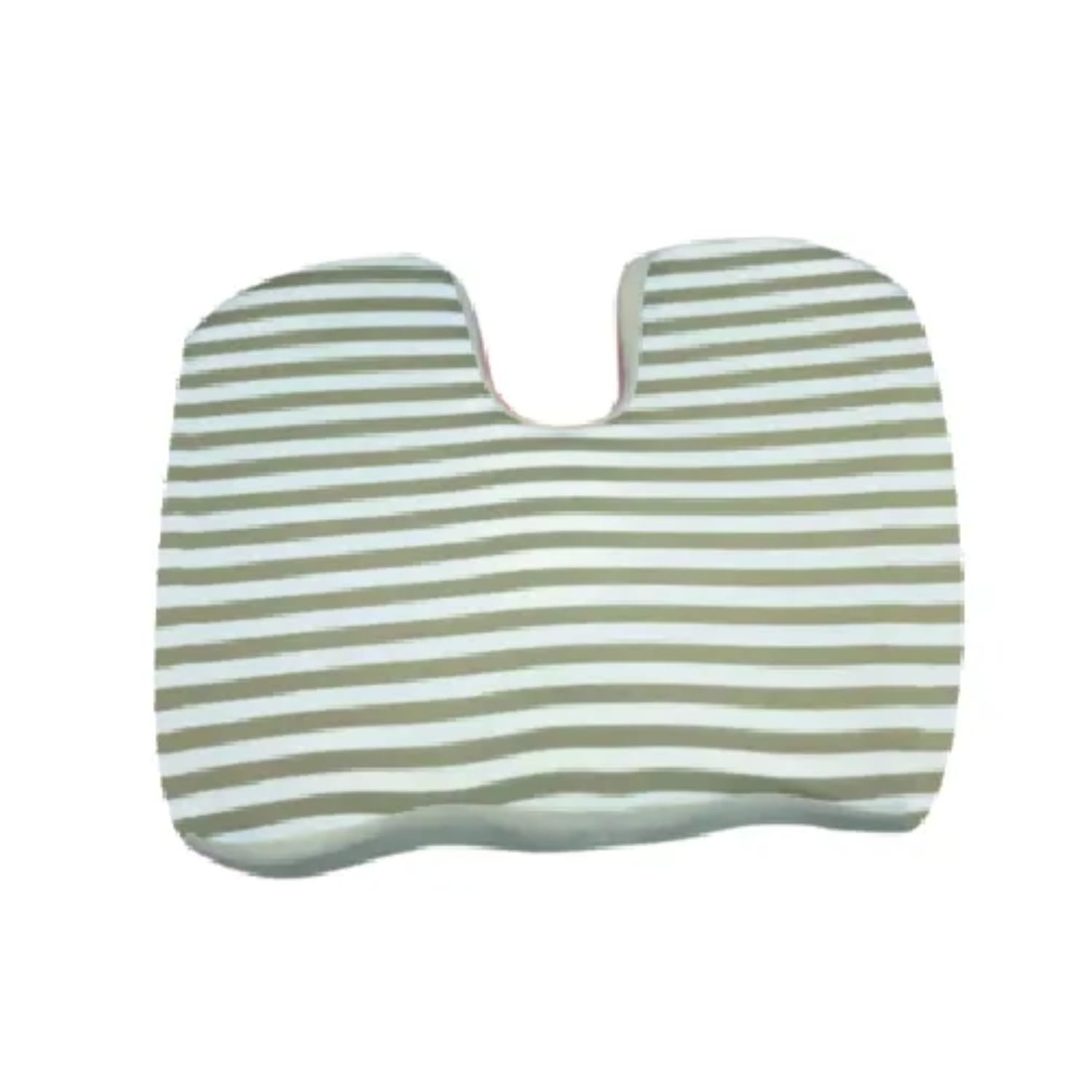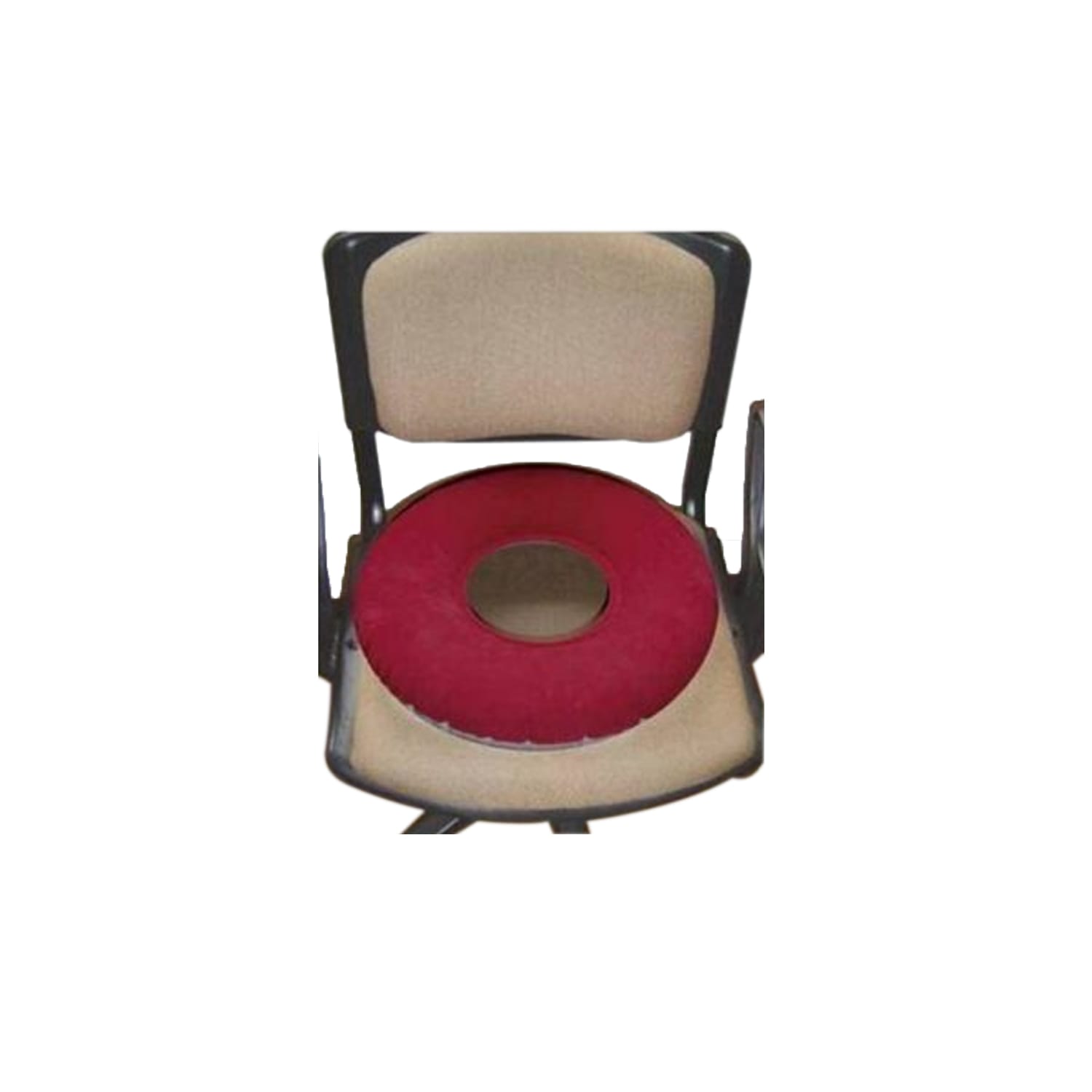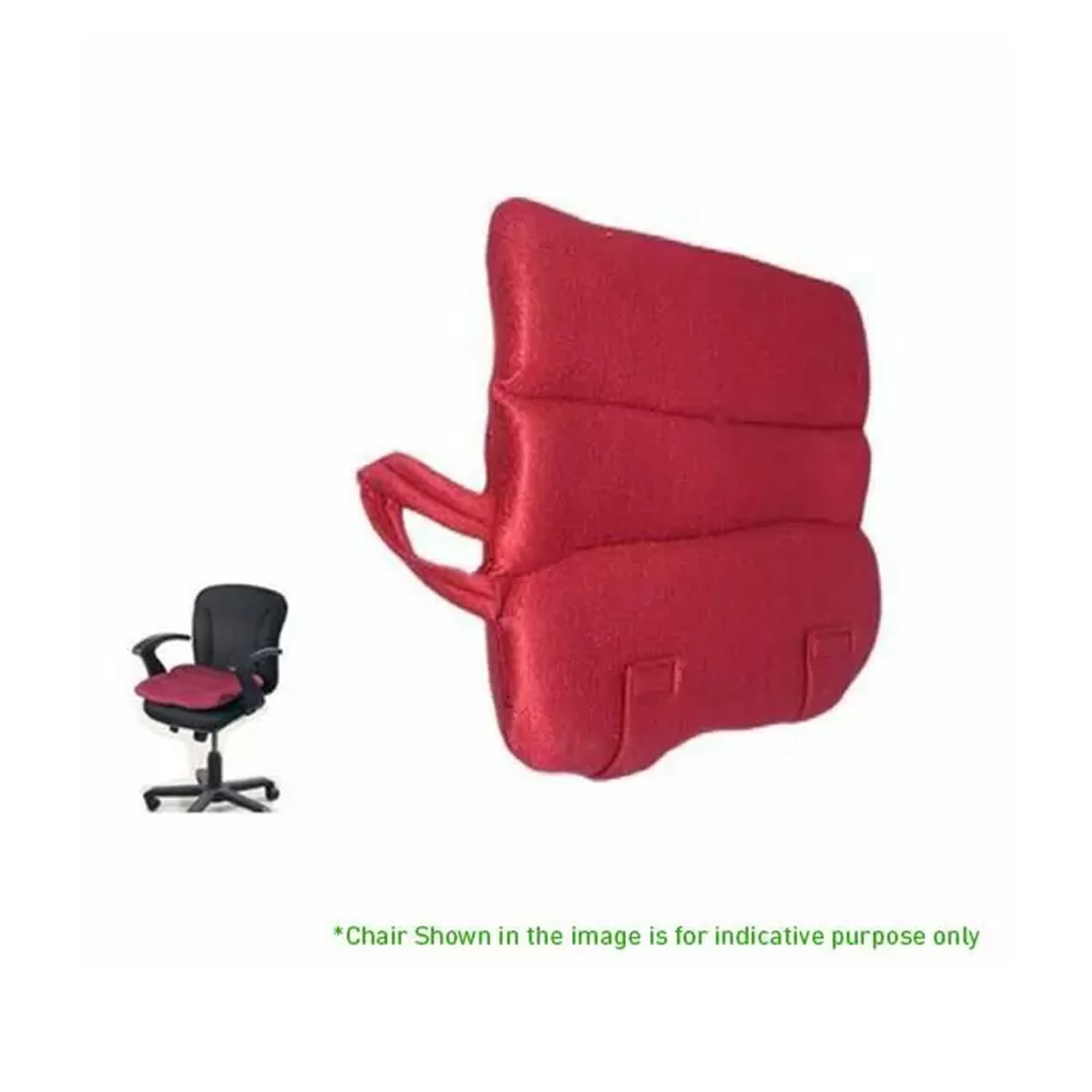


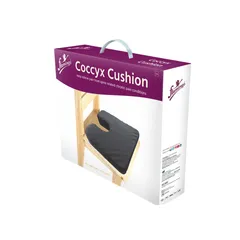
Flamingo Coccyx Cushion Soft - Universal (OC 2178)
flamingo
₹1,23725% off₹1,649
Coccydynia / Tailbone Pain
Coccydynia refers to pain in the coccyx or tailbone area, located at the bottom of the spine. It often results from trauma, prolonged sitting, childbirth, or repetitive strain. The pain can be sharp or aching and is typically aggravated by sitting, standing up from a seated position, or leaning backward while seated. Though it often resolves with conservative treatment, in some cases it can become chronic and significantly affect daily activities.
Causes of Coccydynia / Tailbone Pain
Direct Trauma: Falling backward onto a hard surface and injuring the tailbone.
Repetitive Strain: Activities like cycling or rowing that put pressure on the coccyx.
Childbirth: Pressure during delivery can injure or dislocate the tailbone.
Prolonged Sitting: Especially on hard or narrow surfaces without adequate cushioning.
Degenerative Joint Changes: Aging-related wear and tear of the coccygeal joints.
Obesity: Increased weight places more pressure on the tailbone while sitting.
Infections or Tumors: Rarely, infections or tumors near the coccyx can cause pain.
Symptoms of Coccydynia / Tailbone Pain
Localized Pain: Soreness at the base of the spine, especially when sitting.
Pain on Standing Up: Sharp pain when moving from sitting to standing.
Tenderness to Touch: Sensitivity around the tailbone area.
Worsening Pain When Leaning Back: Sitting with pressure on the coccyx intensifies discomfort.
Bowel Movement Discomfort: Straining can aggravate coccyx pain.
Referred Pain: Occasionally, pain may radiate to the hips, thighs, or buttocks.
Diagnosis of Coccydynia / Tailbone Pain
Physical Examination: Palpation of the coccyx area to identify tenderness.
Medical History Review: Evaluation of recent injuries, childbirth history, or activity level.
Imaging Tests: X-rays, MRI, or CT scans to rule out fractures, dislocations, or tumors.
Rectal Examination: In some cases, internal examination helps assess coccygeal mobility and pain points.
Treatment of Coccydynia / Tailbone Pain
Pain Relief Medications: Nonsteroidal anti-inflammatory drugs (NSAIDs) like ibuprofen.
Cushion Support: Use of a donut-shaped or wedge cushion to relieve pressure while sitting.
Physical Therapy: Stretching and strengthening exercises for the pelvic floor and lower back.
Hot or Cold Packs: Applying heat or ice packs to reduce inflammation and pain.
Manual Manipulation: Gentle adjustment of the coccyx by trained professionals if dislocated.
Corticosteroid Injections: Targeted injections to decrease inflammation in persistent cases.
Nerve Blocks: For chronic, severe pain unresponsive to conservative treatments.
Surgery (Rare Cases): Coccygectomy (removal of the coccyx) may be considered when all other treatments fail.
Preventing Coccydynia / Tailbone Pain
Use Supportive Cushions: Especially during long periods of sitting.
Practice Good Posture: Avoid slouching and maintain spinal alignment.
Take Frequent Breaks: Stand, walk, and stretch regularly during prolonged sitting.
Exercise Regularly: Strengthen core muscles to support proper posture.
Protect Against Falls: Use caution on slippery surfaces to prevent tailbone injuries.
Manage Body Weight: Maintain a healthy weight to reduce stress on the coccyx.
Complications of Coccydynia / Tailbone Pain
Chronic Pain: Long-standing discomfort affecting daily activities.
Mobility Limitations: Difficulty with activities like sitting, cycling, or driving.
Emotional Distress: Ongoing pain can lead to frustration, anxiety, or depression.
Reduced Quality of Life: Severe cases can impact social, work, and recreational activities.
Specialist to Consult for Coccydynia / Tailbone Pain
Orthopedic Specialist: For evaluation of bone or joint-related causes.
Physical Therapist: For personalized exercise and mobility programs.