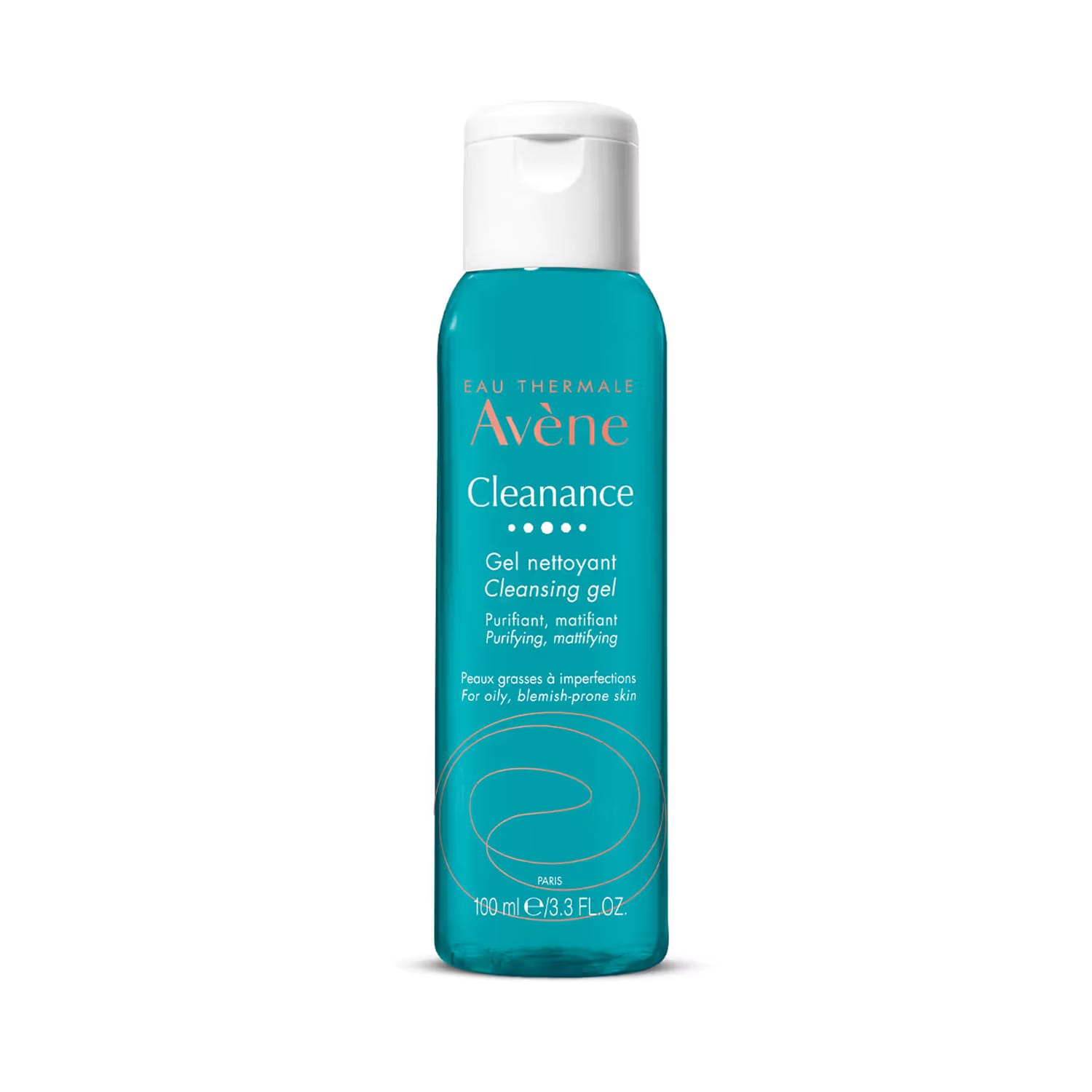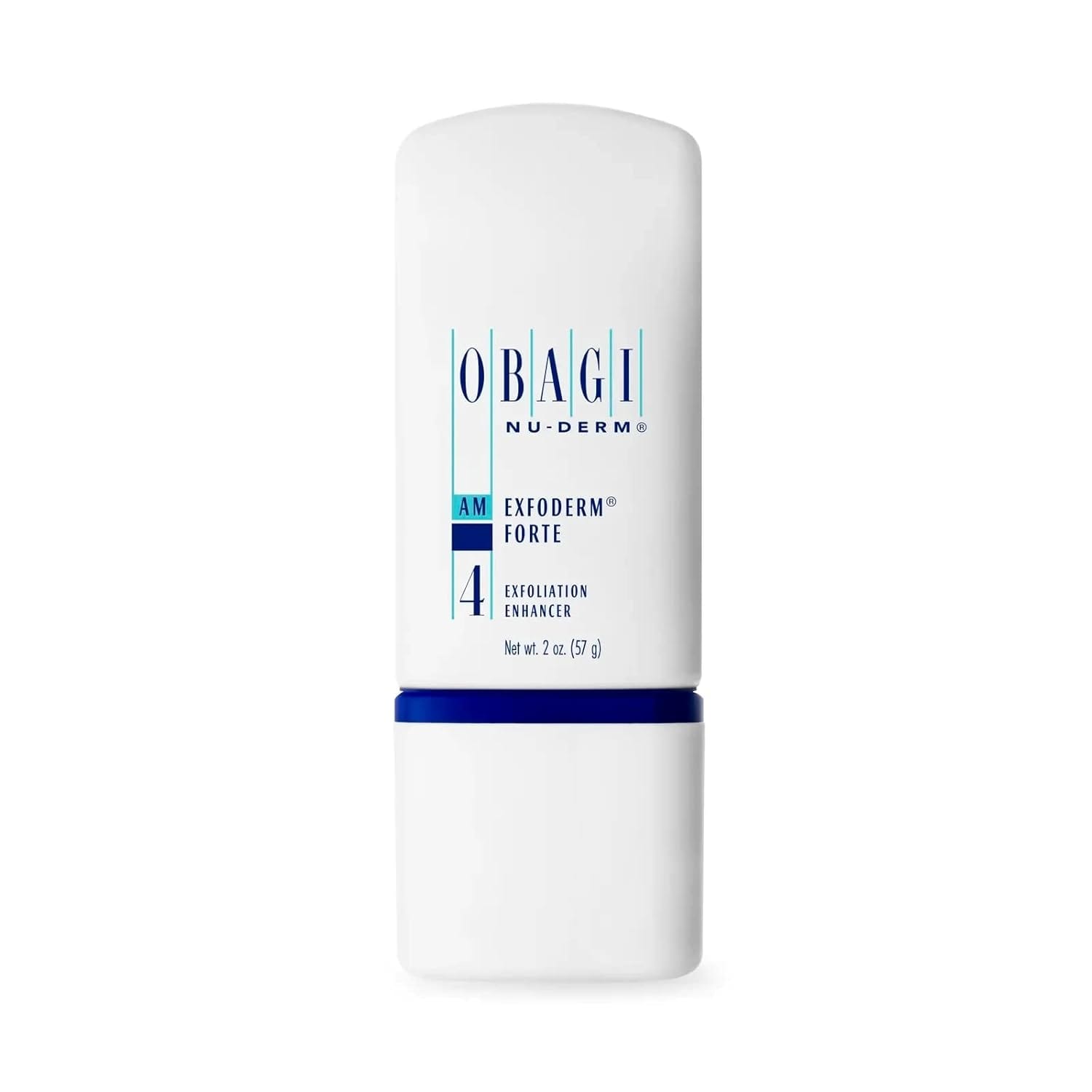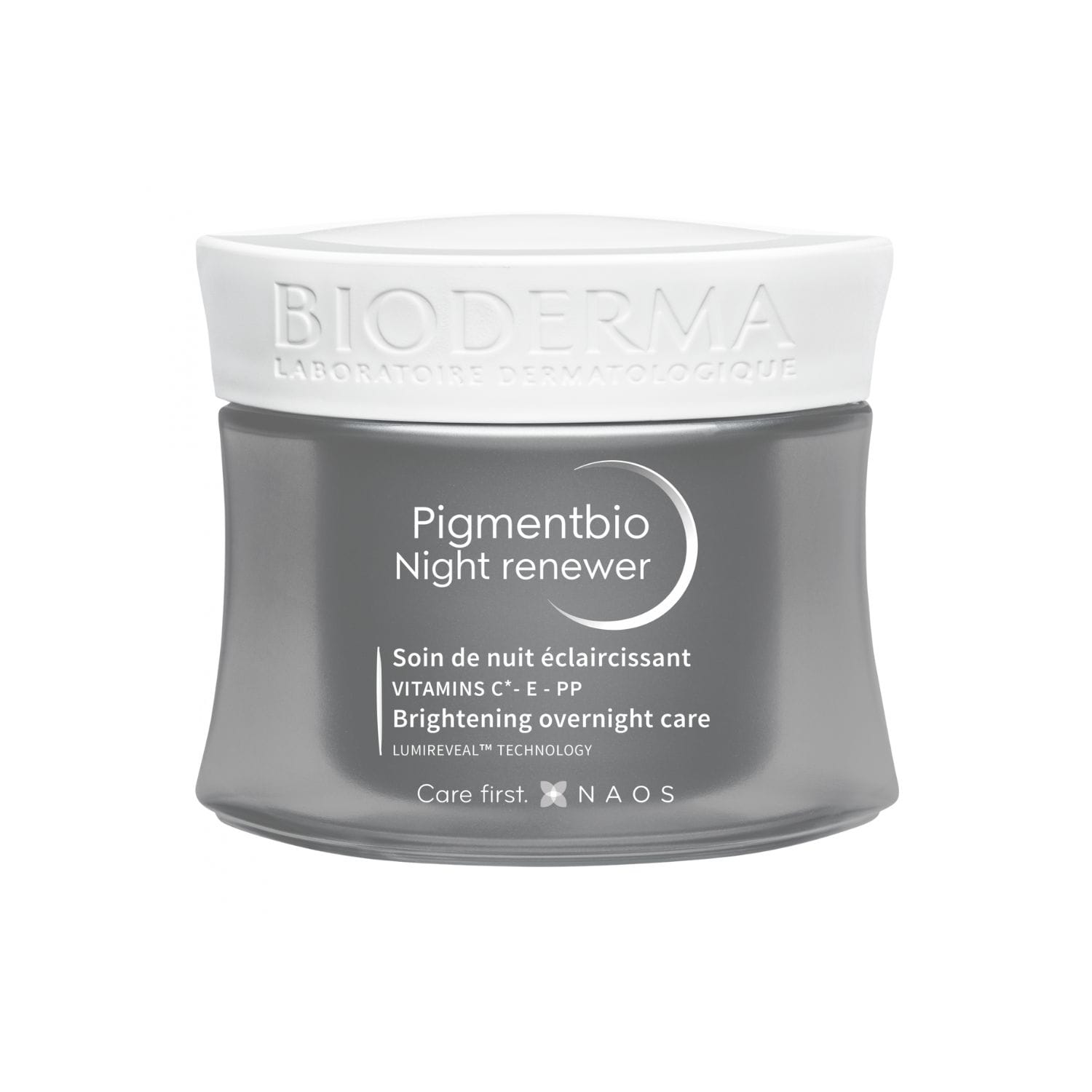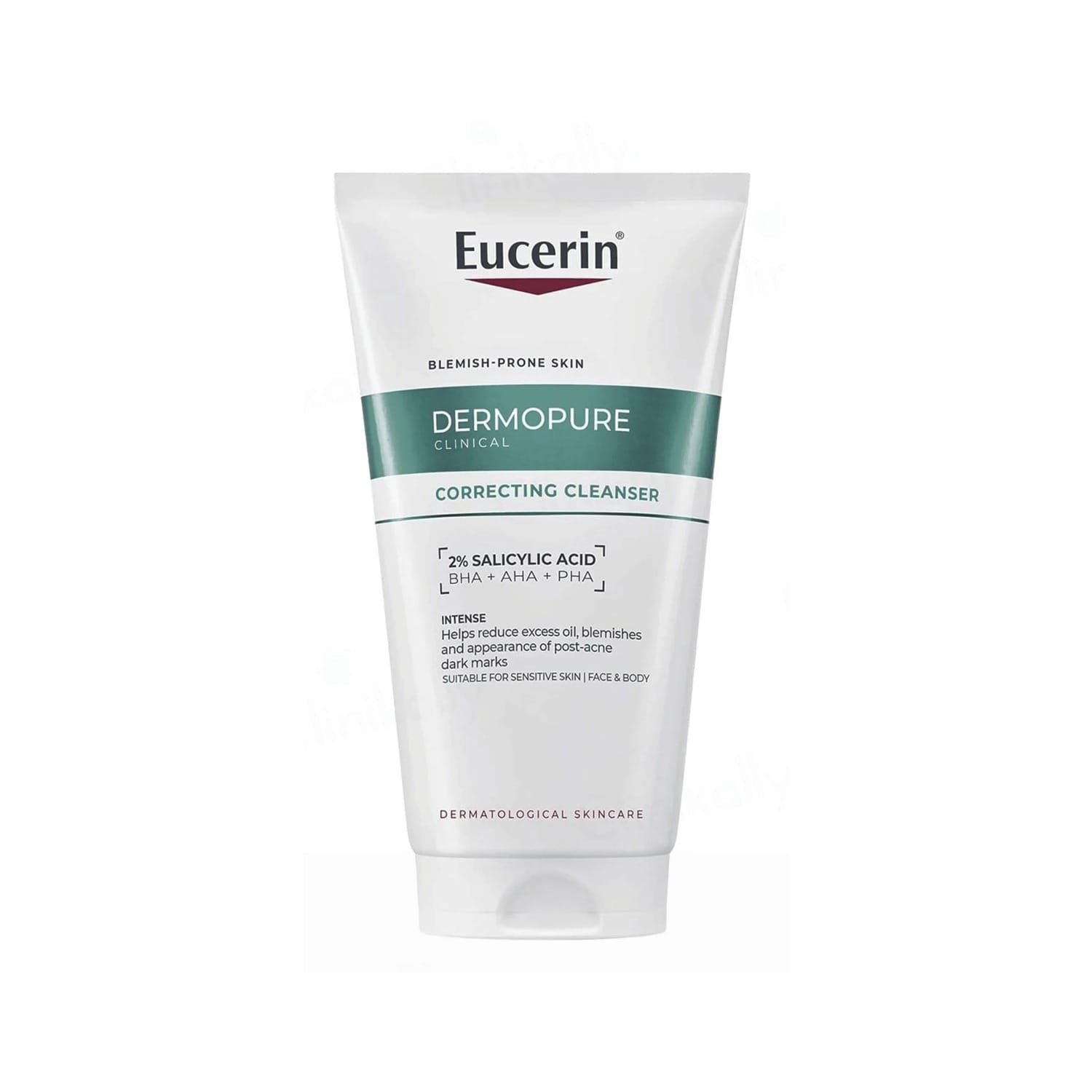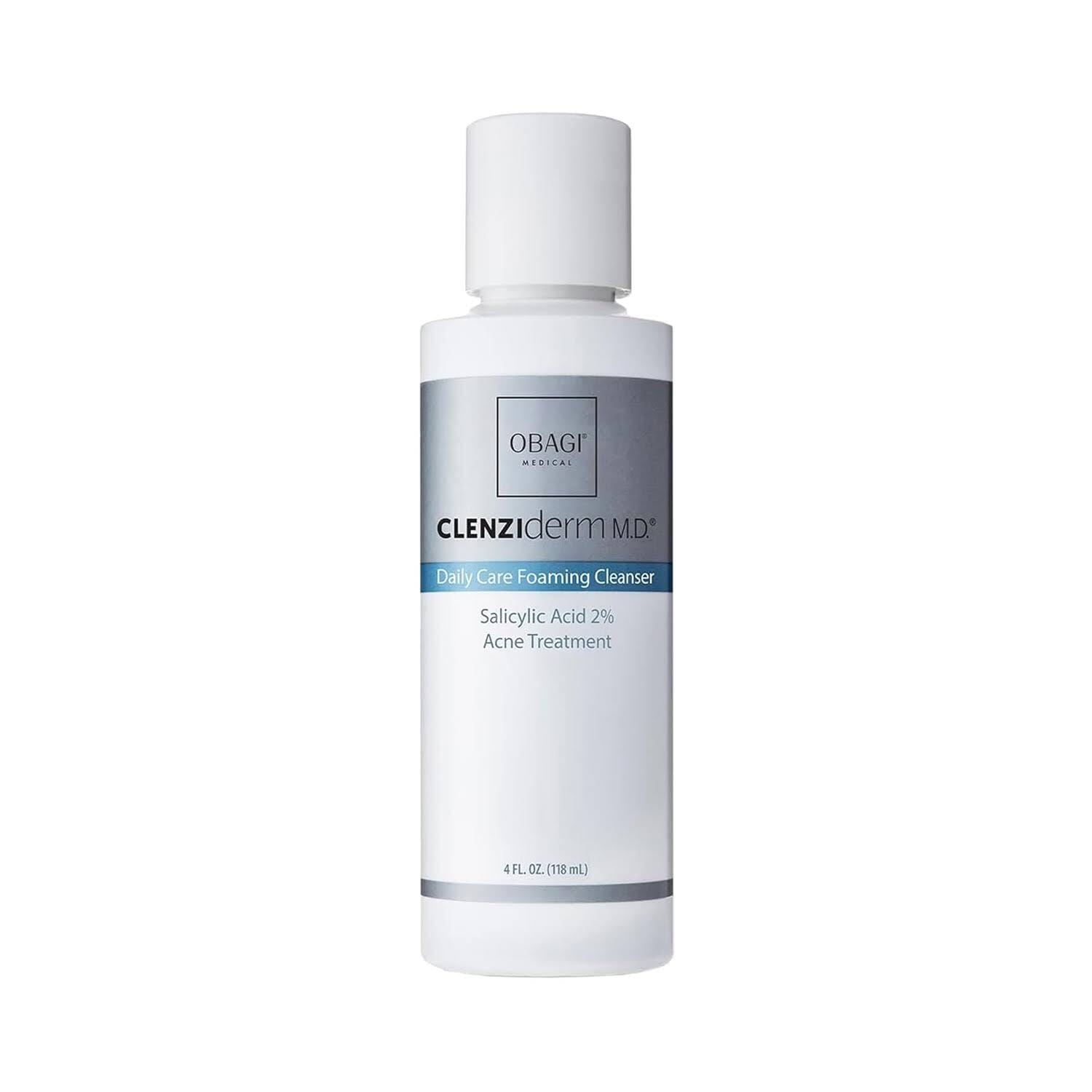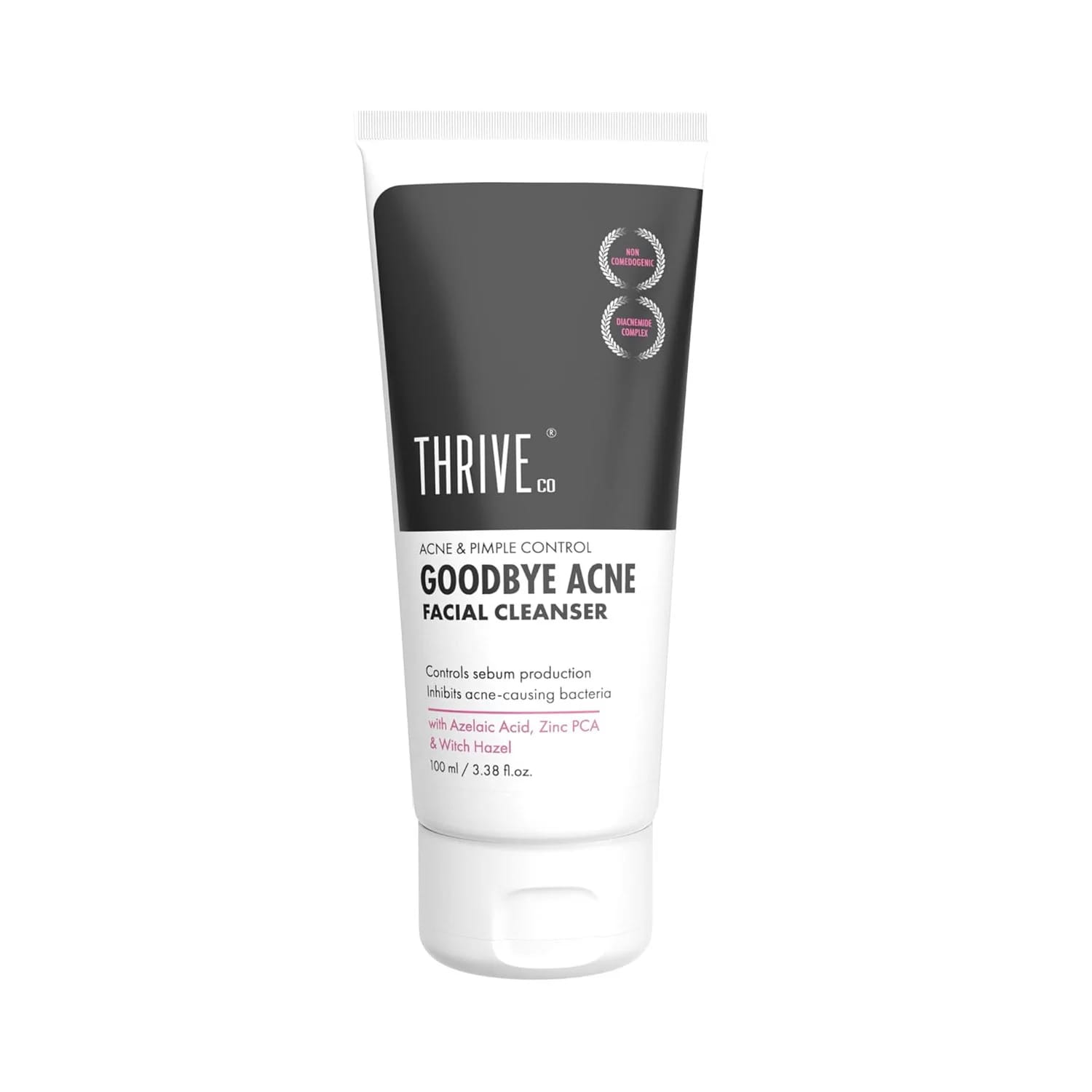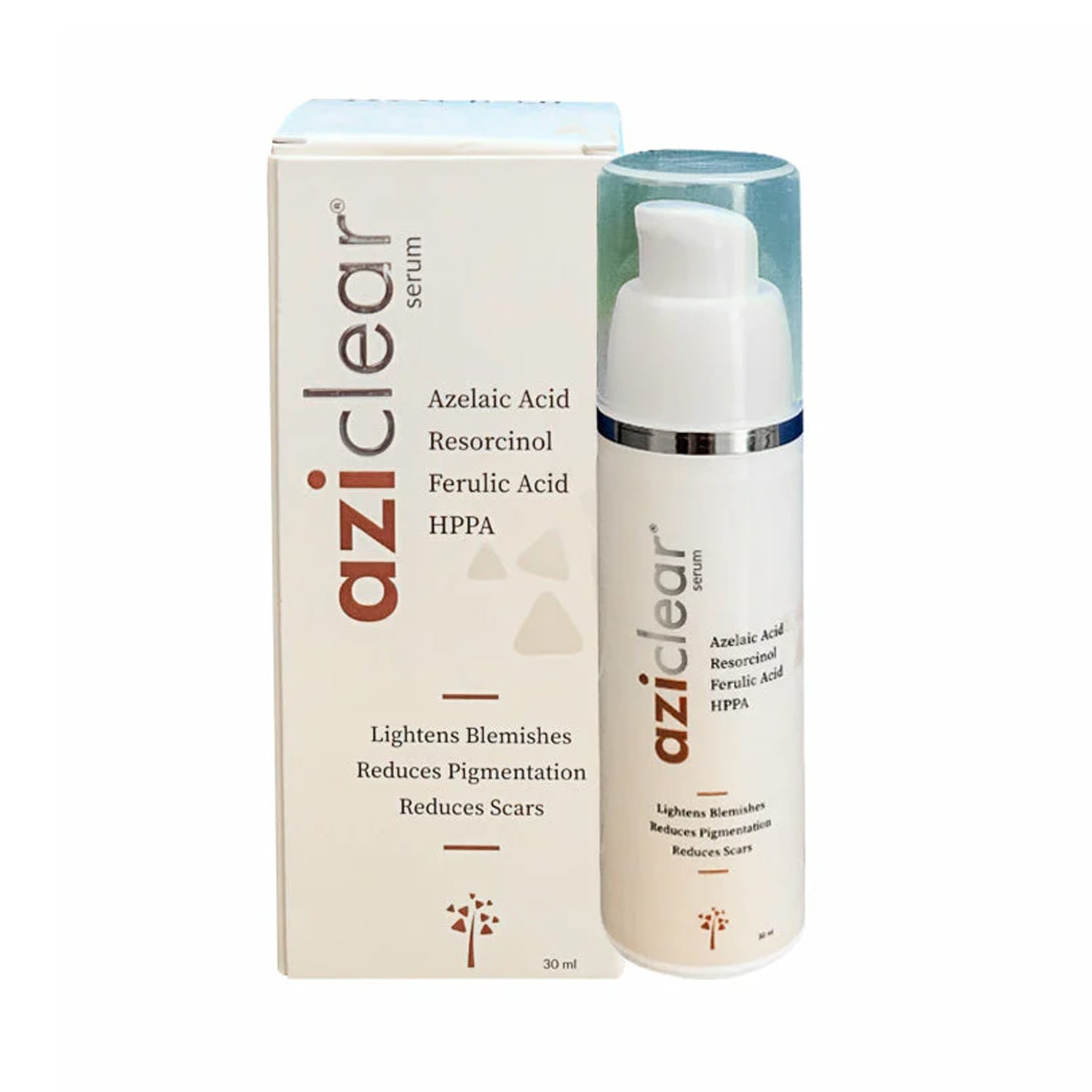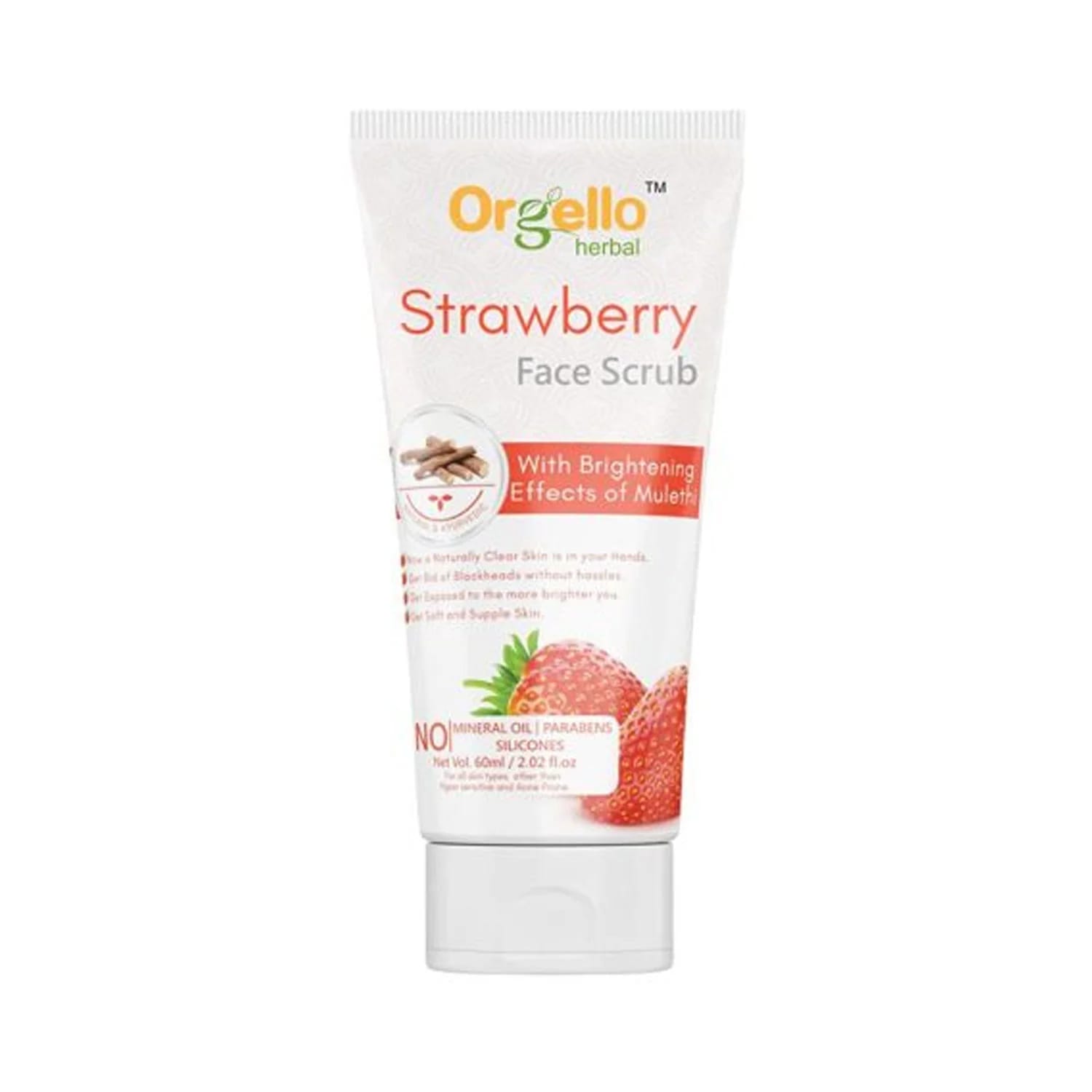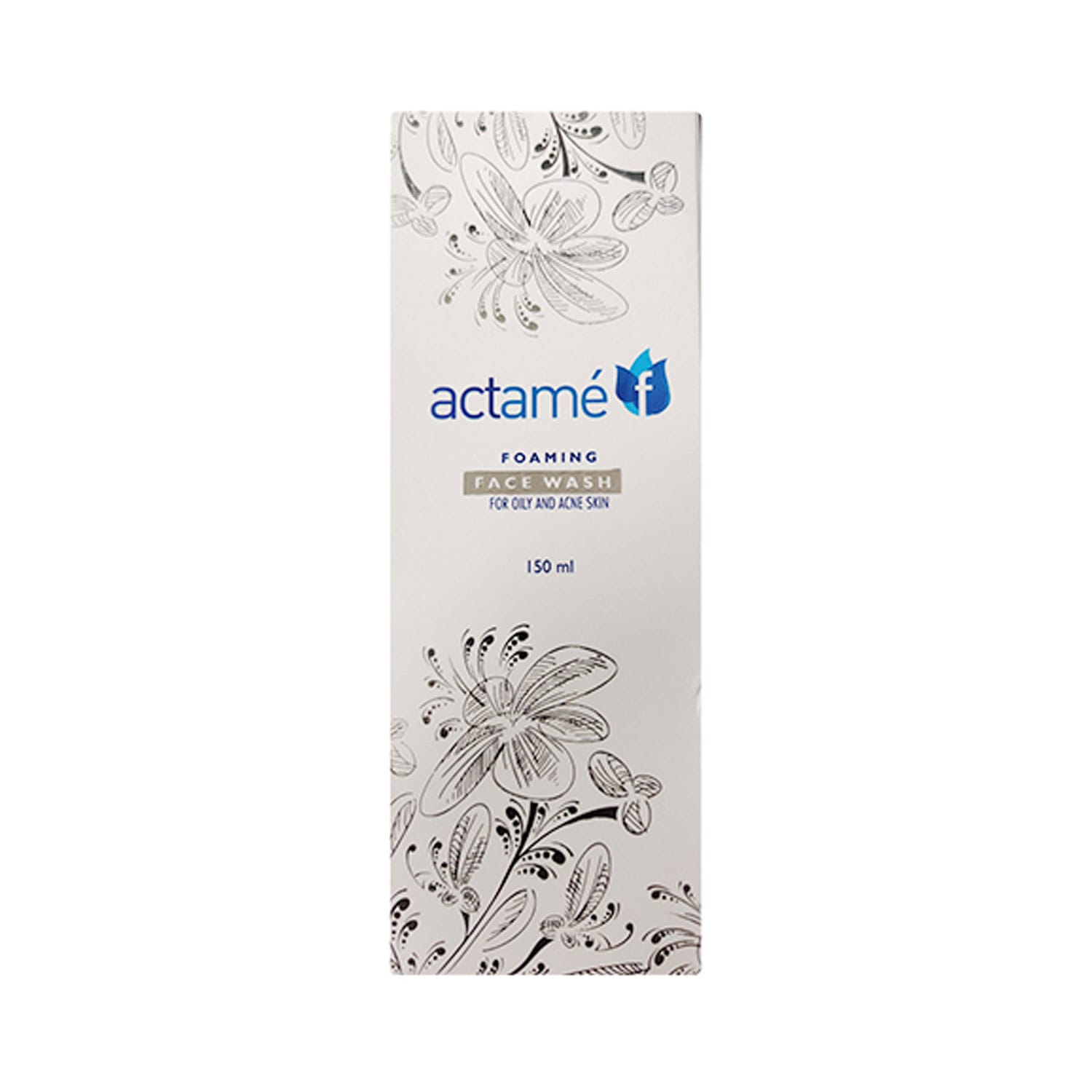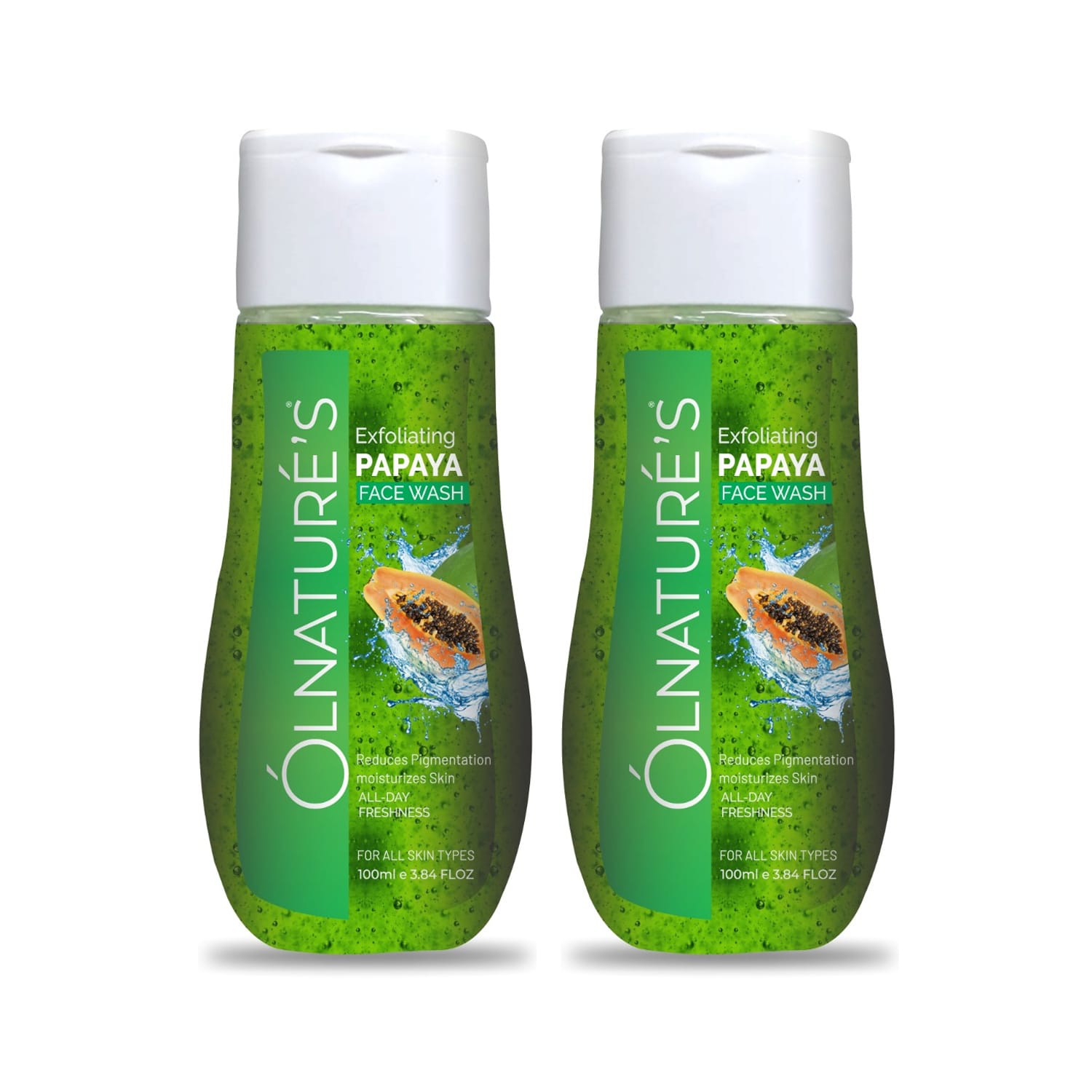


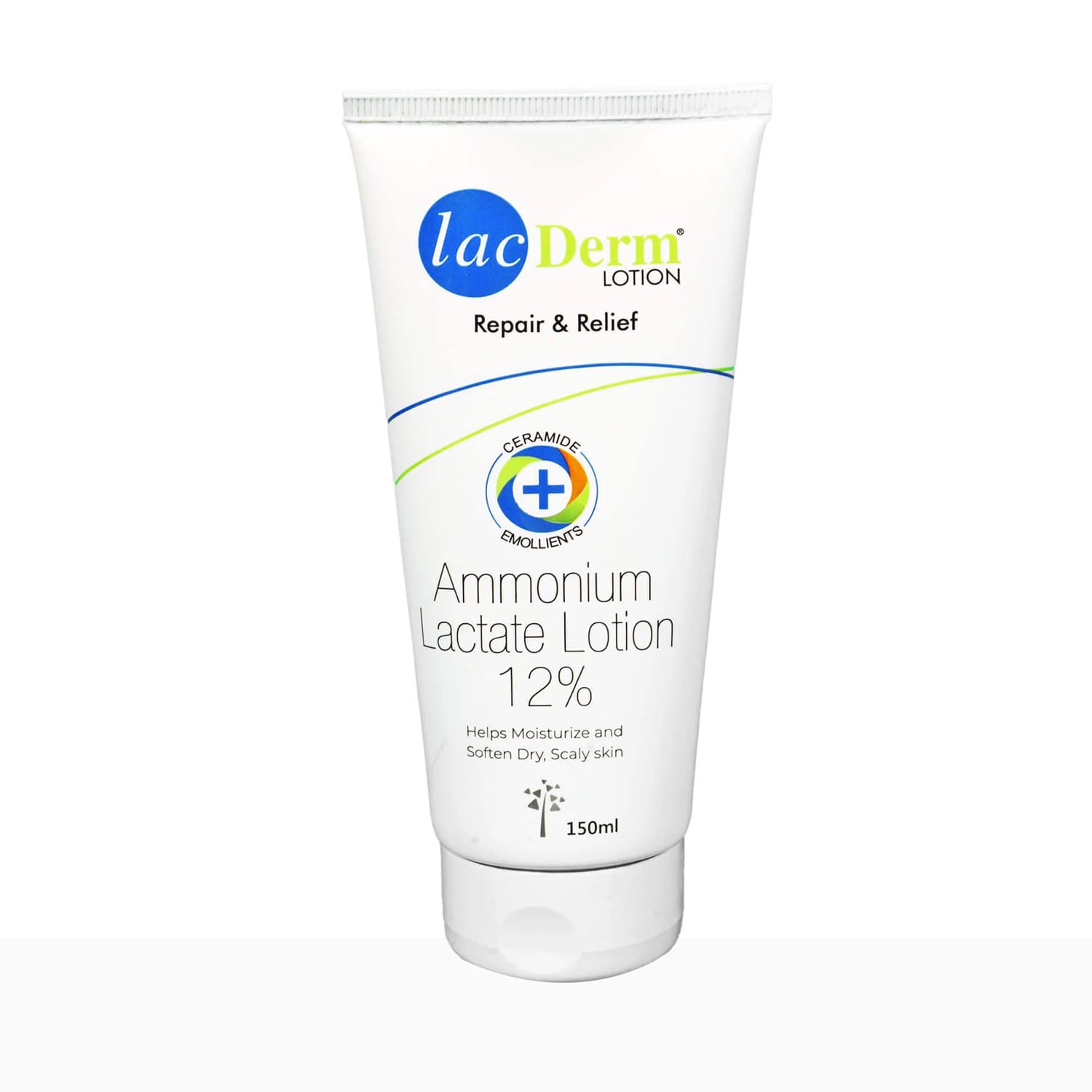
Lacderm Moisturizing Lotion (150 ml)
Trikona Pharma
₹650₹650
Clogged Pores
Clogged pores occur when dead skin cells, oil (sebum), dirt, or other debris accumulate inside the skin's pores, leading to blockages. This can cause the skin to appear bumpy, dull, or rough and can result in blackheads, whiteheads, or acne. Clogged pores are a common skin concern and can affect people of all ages, especially those with oily or combination skin types.
Causes of Clogged Pores
Excess Oil Production: Overactive sebaceous glands contribute to clogged pores.
Dead Skin Cell Buildup: Without regular exfoliation, dead skin can block pores.
Use of Comedogenic Products: Makeup, skincare, or sunscreens that clog pores.
Hormonal Changes: Fluctuations during puberty, menstruation, pregnancy, or stress.
Improper Skin Cleansing: Not removing makeup or impurities thoroughly.
Pollution and Dirt: Environmental pollutants can settle into the pores.
Sweating Without Cleansing: Sweat mixed with dirt can clog pores if not washed off.
Symptoms of Clogged Pores
Blackheads: Open pores filled with oxidized oil and dead skin cells.
Whiteheads: Closed, clogged pores covered by a layer of skin.
Bumpy Skin Texture: Rough, uneven feel especially on the forehead, nose, or chin.
Enlarged Pores: Visible widening of pores due to buildup.
Acne Breakouts: Pimples or cysts can form from infected clogged pores.
Dull Skin Appearance: Lack of radiance and glow.
Diagnosis of Clogged Pores
Physical Examination: Dermatologists can assess the skin for clogged pores and related concerns.
Medical History Review: Discussion of skincare habits, lifestyle factors, and hormonal history.
Magnified Skin Analysis: Sometimes special lights or tools are used to better view clogged areas.
Treatment of Clogged Pores
Proper Cleansing Routine: Use a gentle, non-comedogenic cleanser twice daily.
Exfoliation: Incorporate chemical exfoliants like salicylic acid or glycolic acid to remove dead skin cells.
Topical Retinoids: Help promote cell turnover and prevent pore blockages.
Facials and Extractions: Professional treatments can safely clear clogged pores.
Clay Masks: Help absorb excess oil and impurities from the skin.
Oil-Free and Non-Comedogenic Products: Choose skincare and makeup that won’t clog pores.
Hydration: Using light, water-based moisturizers to keep skin balanced without clogging.
Preventing Clogged Pores
Cleanse Daily: Especially after sweating or makeup use.
Exfoliate Regularly: 1–2 times per week with appropriate exfoliators.
Remove Makeup Before Bed: Never sleep with makeup on.
Use Non-Comedogenic Products: Always check product labels.
Avoid Overwashing: Over-cleansing can strip skin and trigger more oil production.
Protect Skin from Pollution: Use antioxidants like Vitamin C serums.
Maintain a Healthy Diet: Reducing high-glycemic foods may support clearer skin.
Complications of Clogged Pores
Acne Formation: Including blackheads, whiteheads, papules, pustules, or cysts.
Inflammation and Redness: Especially when pores become infected.
Scarring: Persistent clogged pores leading to deeper acne lesions.
Hyperpigmentation: Dark spots following acne or irritation.
Specialist to Consult for Clogged Pores
Dermatologist: For persistent clogged pores, acne treatment, and skincare guidance.