


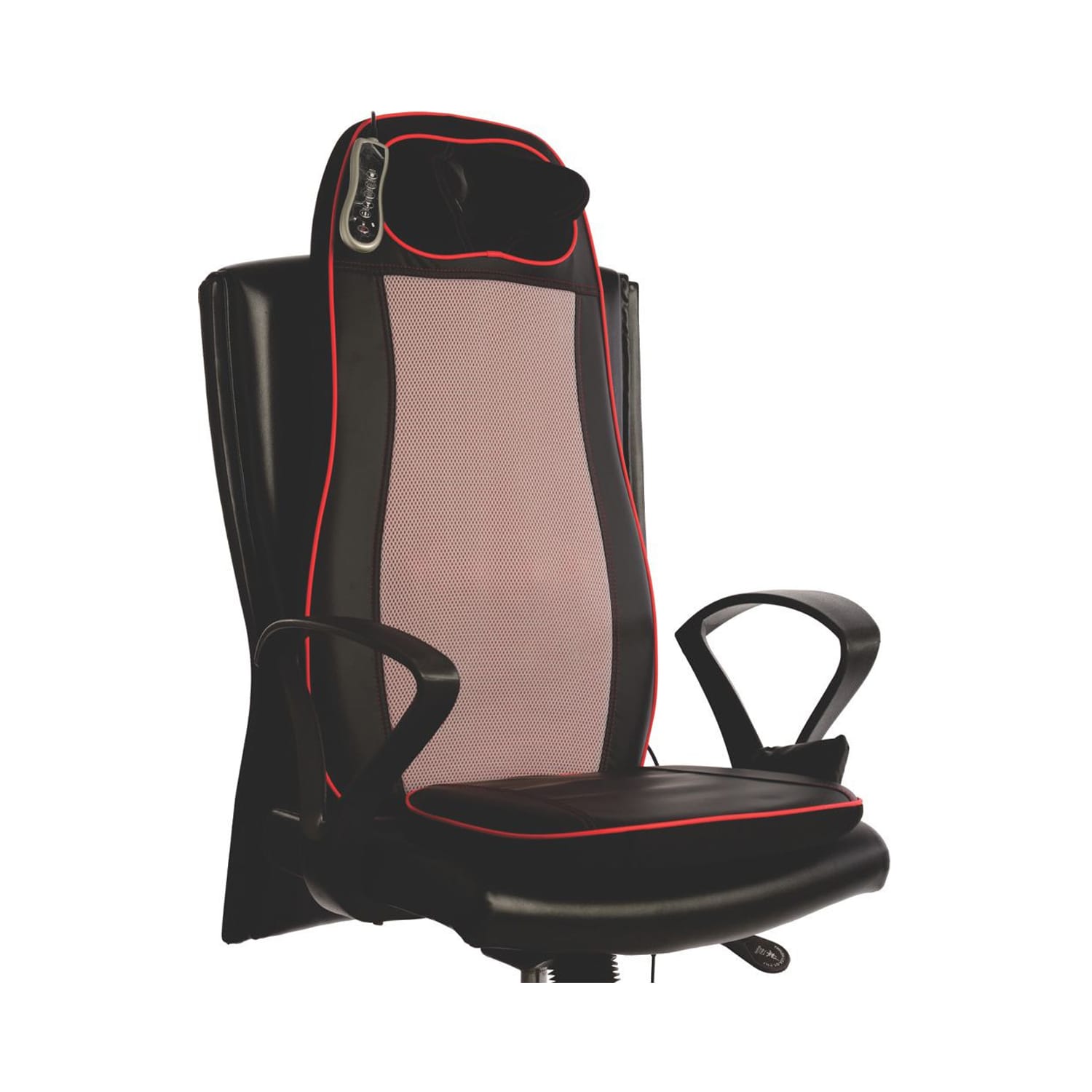
Vissco Venante Back And Neck Relaxer (Massager) - Universal (PC VSMP 002)
VISSCO
₹13,08825% off₹17,450
Chronic Neck Pain
Chronic neck pain refers to persistent discomfort in the neck region that lasts longer than 3 months. It may be dull, sharp, radiating, or associated with stiffness and reduced mobility. This condition can interfere with daily activities, sleep, and quality of life. It often stems from poor posture, repetitive strain, age-related changes, or underlying conditions such as arthritis or disc degeneration.
Causes of Chronic Neck Pain
Poor Posture: Slouching while sitting, sleeping without neck support, or looking down at phones.
Degenerative Disc Disease: Age-related wear-and-tear of spinal discs.
Cervical Spondylosis: Arthritis affecting the neck vertebrae.
Muscle Strain: Repeated stress from lifting, twisting, or working at a desk.
Whiplash Injury: Sudden jerking of the neck, often from car accidents.
Herniated Disc: When a disc bulges or leaks and presses on a nerve.
Spinal Stenosis: Narrowing of the spinal canal in the neck region.
Psychological Stress: Tension can contribute to muscle tightness and pain.
Symptoms of Chronic Neck Pain
Persistent Aching or Throbbing: Usually in the back or side of the neck.
Stiffness: Difficulty turning or tilting the head.
Radiating Pain: May extend to shoulders, arms, or upper back.
Muscle Tightness or Spasms: Especially after long periods of activity or rest.
Headaches: Tension headaches originating from the neck.
Numbness or Tingling: If nerves are compressed.
Fatigue and Poor Sleep: Due to constant discomfort.
Diagnosis of Chronic Neck Pain
Medical History and Physical Exam: To assess range of motion and locate tender areas.
X-Rays: To view bone structure and detect arthritis or bone spurs.
MRI or CT Scan: To examine discs, nerves, and soft tissue.
Nerve Conduction Studies: To evaluate nerve damage or compression.
Blood Tests: To rule out infections or autoimmune diseases.
Treatment of Chronic Neck Pain
Pain Relief:
NSAIDs: Like ibuprofen to reduce pain and inflammation.
Muscle Relaxants: For spasms or tightness.
Topical Pain Gels: With ingredients like menthol or diclofenac.
Physical Therapy:
Stretching and Strengthening Exercises: To improve posture and neck support.
Heat and Cold Therapy: Alternate hot and cold packs.
Posture Correction:
Ergonomic Adjustments: For workstations, chairs, and sleeping positions.
Neck Pillows or Cervical Collars: For short-term support.
Alternative Therapies:
Acupuncture, Chiropractic Care, Yoga, or Massage Therapy.
Injections:
Corticosteroid Injections: For inflammation near nerves or joints.
Surgical Intervention:
Considered in rare cases with severe disc herniation or nerve compression.
Preventing Chronic Neck Pain
Maintain Good Posture: Especially when using phones, computers, or while driving.
Stretch Regularly: Especially during long periods of sitting or desk work.
Supportive Sleep Setup: Use a firm mattress and proper neck pillow.
Stay Active: Regular exercise helps improve flexibility and strength.
Manage Stress: Techniques like meditation or deep breathing help reduce tension.
Avoid Carrying Heavy Bags on One Shoulder: Distributes uneven pressure on the neck.
Complications of Chronic Neck Pain
Reduced Mobility: Limiting daily activities and physical function.
Depression or Anxiety: Due to long-term pain and sleep disruption.
Nerve Damage: Causing numbness or weakness if not addressed.
Dependency on Pain Medication: Especially if self-medicated.
Chronic Headaches or Migraines: Triggered by cervical tension.
Specialist to Consult for Chronic Neck Pain
Orthopedic Surgeon: For spine or disc-related issues.
Neurologist: If nerve involvement or referred pain is suspected.
Rheumatologist: In case of autoimmune causes like arthritis.
Physiotherapist: For rehabilitation and posture correction.