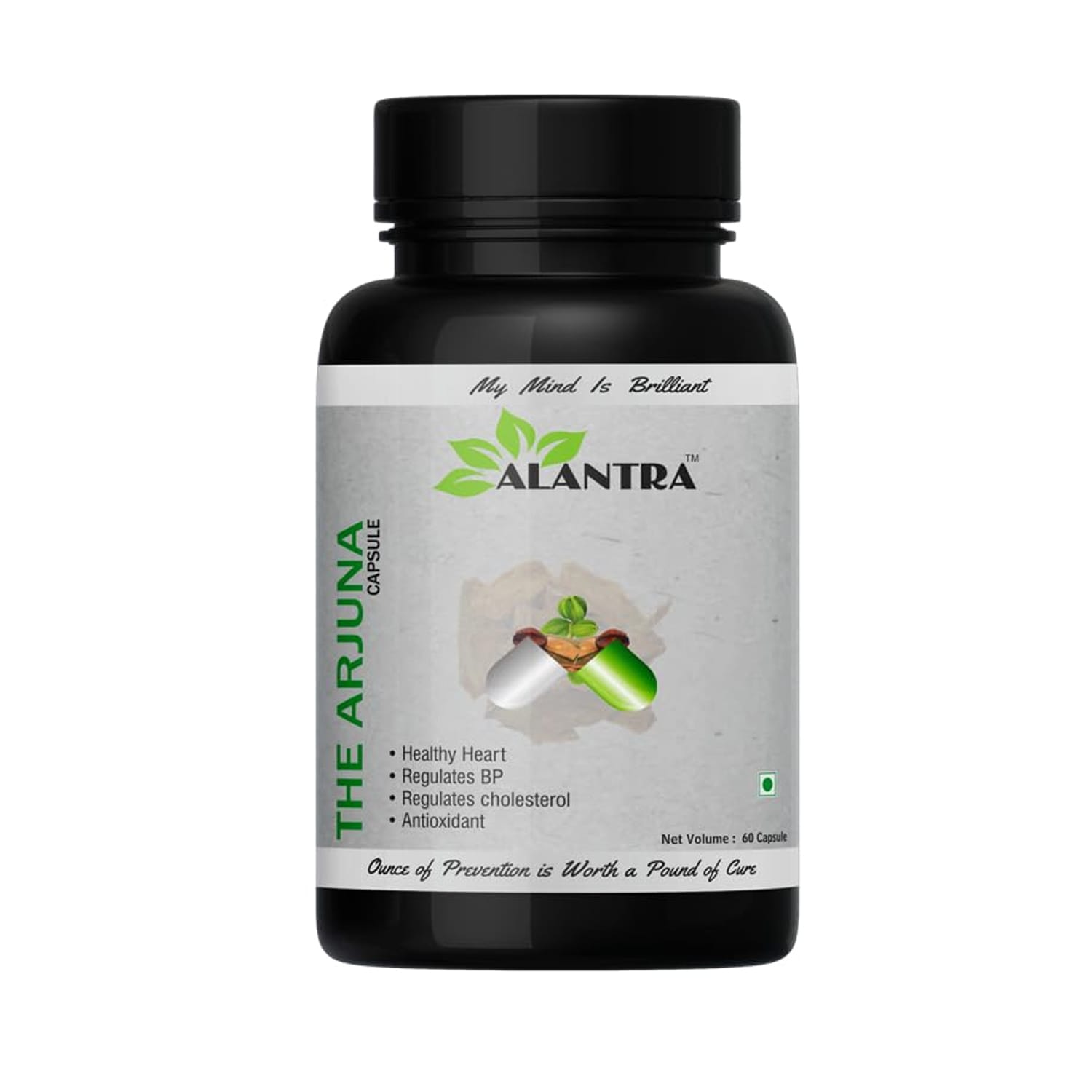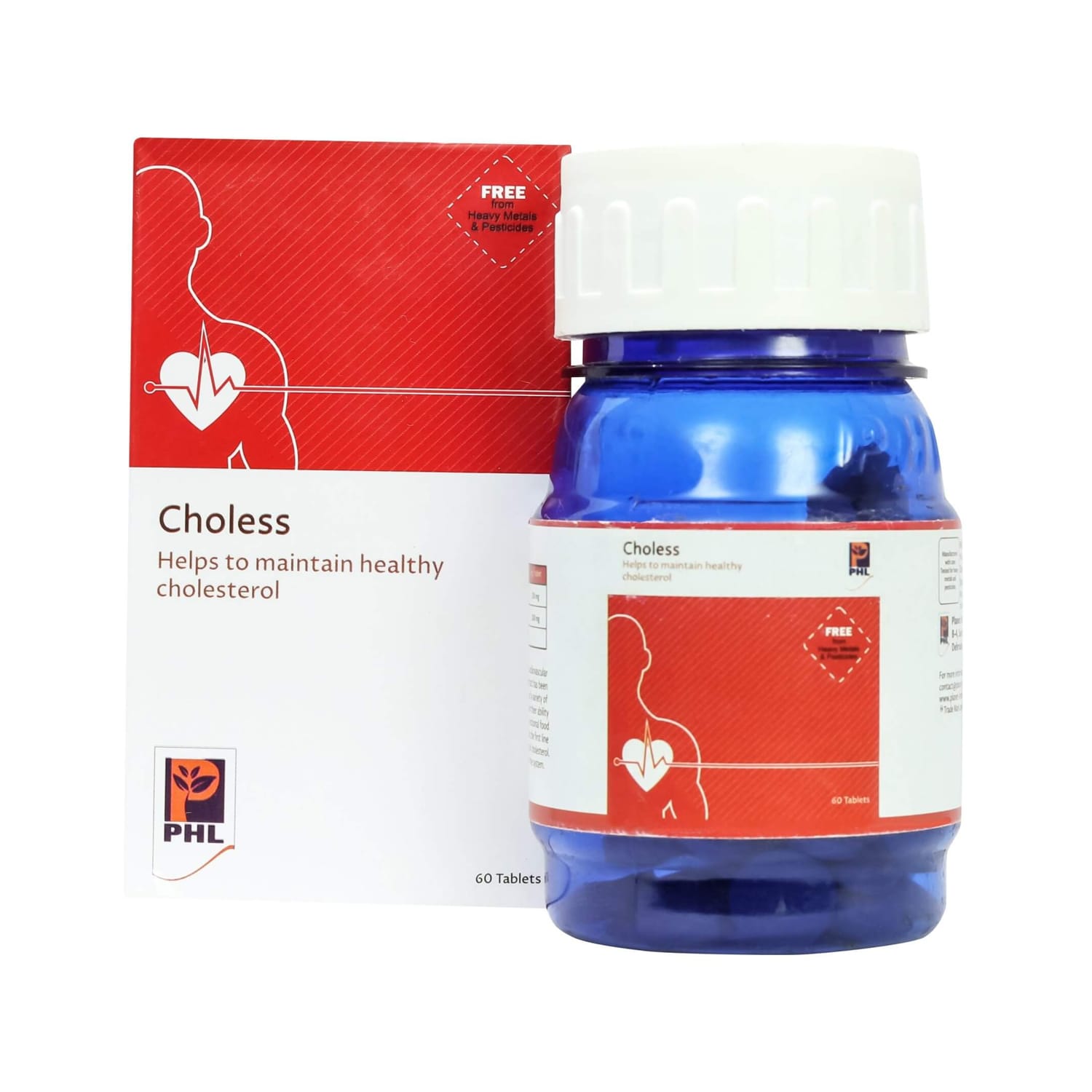


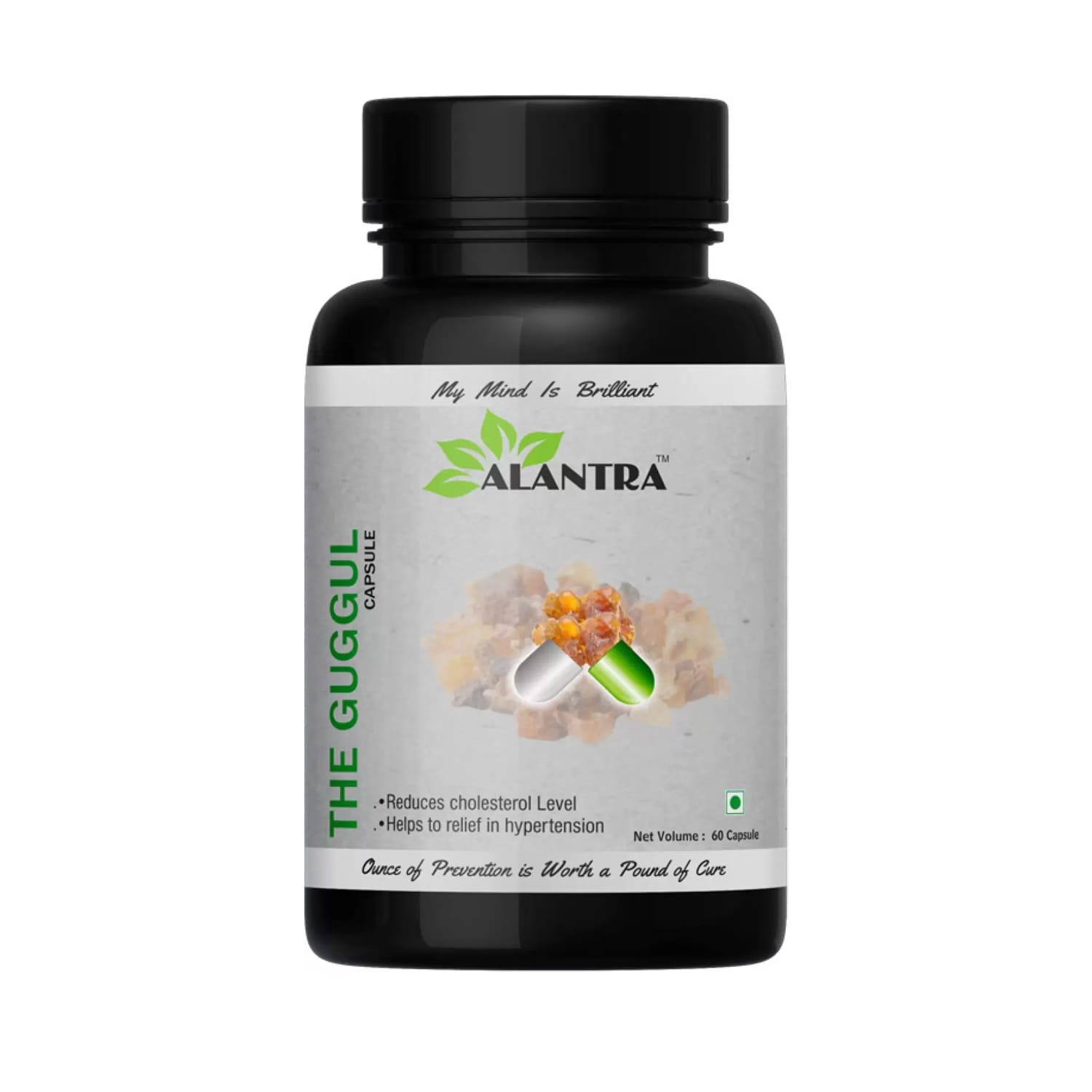
Alantra The Guggul Root Capsule (60 pcs)
ALANTRA
₹5425% off₹570
Cholesterol
Cholesterol is a waxy, fat-like substance found in your blood. While it’s essential for building cells and producing hormones, having too much can lead to clogged arteries and increase your risk of heart disease and stroke. High cholesterol doesn’t usually cause symptoms, which makes regular screening and proactive management vital for long-term health.
Causes of High Cholesterol
Unhealthy Diet: Eating foods high in saturated fat, trans fat, and cholesterol (like red meat, full-fat dairy, fried foods).
Lack of Physical Activity: A sedentary lifestyle lowers HDL (“good”) cholesterol.
Obesity: Excess body weight contributes to higher LDL (“bad”) cholesterol.
Smoking: Lowers HDL and damages blood vessels.
Genetics: Familial hypercholesterolemia can cause dangerously high levels even in young individuals.
Medical Conditions: Diabetes, hypothyroidism, and liver or kidney diseases can raise cholesterol levels.
Age and Gender: Risk increases with age; postmenopausal women may also experience a rise in LDL.
Symptoms of High Cholesterol
Often called a “silent condition,” high cholesterol usually shows no clear symptoms. However, in advanced cases or if complications occur, you may notice:
Chest Pain or Angina: Due to narrowed arteries.
Xanthomas: Yellowish cholesterol deposits on the skin or around the eyes.
Leg Pain When Walking: Known as claudication, from poor blood circulation.
Heart Attack or Stroke: In severe, unmanaged cases.
Diagnosis of High Cholesterol
Lipid Profile Test: Blood test to measure:
Total Cholesterol
LDL (Low-Density Lipoprotein) – “Bad” cholesterol
HDL (High-Density Lipoprotein) – “Good” cholesterol
Triglycerides
Repeat Testing: Recommended every 4–6 years for adults, more frequently if you're at risk.
Physical Exam and Medical History: To identify lifestyle or hereditary risk factors.
Treatment of High Cholesterol
Dietary Changes:
Increase Fiber Intake: Foods like oats, fruits, and legumes help reduce LDL.
Include Healthy Fats: Replace saturated fats with unsaturated fats from nuts, seeds, and olive oil.
Avoid Trans Fats: Often found in packaged snacks and fried items.
Regular Exercise: At least 30 minutes of moderate activity, 5 days a week.
Weight Management: Even modest weight loss can improve cholesterol levels.
Quit Smoking and Limit Alcohol: Smoking lowers HDL and increases heart risk.
Medications:
Statins: Reduce cholesterol production in the liver.
Ezetimibe: Limits absorption of cholesterol from food.
PCSK9 Inhibitors: Injectable drugs for those with genetic high cholesterol.
Natural Supportive Supplements:
Omega-3 Fatty Acids: Found in fish oil, they lower triglycerides and support heart health.
Niacin (Vitamin B3): May increase HDL and lower LDL—use under medical supervision.
Plant Sterols: Compete with cholesterol absorption in the gut.
Garlic Extract: May help lower total cholesterol and blood pressure modestly.
Preventing High Cholesterol
Eat a Heart-Healthy Diet: Emphasize fruits, vegetables, whole grains, and lean proteins.
Stay Active: Regular aerobic exercise boosts HDL and reduces LDL.
Get Regular Checkups: Especially if you have a family history or other risk factors.
Maintain a Healthy Weight: Even small changes in diet and activity matter.
Manage Stress: Chronic stress may indirectly affect cholesterol and heart health.
Complications of High Cholesterol
Atherosclerosis: Hardening and narrowing of arteries.
Coronary Artery Disease: Can lead to angina, heart attacks, or heart failure.
Stroke: Caused by blocked blood flow to the brain.
Peripheral Arterial Disease (PAD): Poor blood flow to limbs.
Gallstones: High cholesterol can increase risk of gallstone formation.
Specialist to Consult for High Cholesterol
General Physician: For initial screening and lifestyle counseling.
Cardiologist: If you have existing heart disease or very high cholesterol.
Endocrinologist: For related conditions like diabetes or metabolic syndrome.
Dietitian/Nutritionist: To help you plan a cholesterol-lowering diet.