

Merlion Naturals Arjuna Tablets (Terminalia arjuna) 500mg x 120 tablets
MERLION NATURALS
₹2758% off₹299
Chest Injury
A chest injury can range from mild bruising to life-threatening trauma affecting the ribs, lungs, heart, or surrounding muscles. It may result from falls, accidents, sports injuries, or blunt force trauma. Recognizing the severity and acting quickly is essential, as untreated chest injuries may lead to complications such as internal bleeding or respiratory distress.
Causes of Chest Injury
Blunt Trauma: From falls, car accidents, or being struck by an object.
Penetrating Injury: Stab wounds or gunshots that pierce the chest wall.
Sports Accidents: Common in contact sports like football or boxing.
Workplace Injuries: Heavy lifting or falling objects can injure the chest area.
Violent Coughing or Sneezing: In rare cases, especially in older adults, forceful coughing can cause rib fractures.
Medical Procedures: CPR, chest tube insertion, or surgeries can sometimes cause injury to the chest wall.
Symptoms of Chest Injury
Pain or Tenderness: Especially when breathing, coughing, or moving.
Swelling or Bruising: Visible signs of trauma on the chest wall.
Shortness of Breath: Could indicate damage to the lungs or ribs.
Cracking or Popping Sound: Suggests possible rib fracture.
Rapid Heart Rate or Low Blood Pressure: May signal internal bleeding.
Coughing up Blood: A serious sign of lung injury.
Visible Deformity: In severe trauma, ribs may appear misshapen.
Diagnosis of Chest Injury
A healthcare provider may perform the following:
Physical Examination: Checking for tenderness, bruising, or abnormal breathing.
X-rays or CT Scan: To detect broken ribs, lung damage, or internal bleeding.
Ultrasound (FAST scan): Quickly identifies internal fluid buildup.
Blood Tests: To assess oxygen levels and detect signs of infection or bleeding.
ECG or Echocardiogram: If cardiac injury is suspected.
Treatment of Chest Injury
Pain Management: Prescribed painkillers or NSAIDs help reduce discomfort.
Cold Compresses: Reduce swelling and pain in minor injuries.
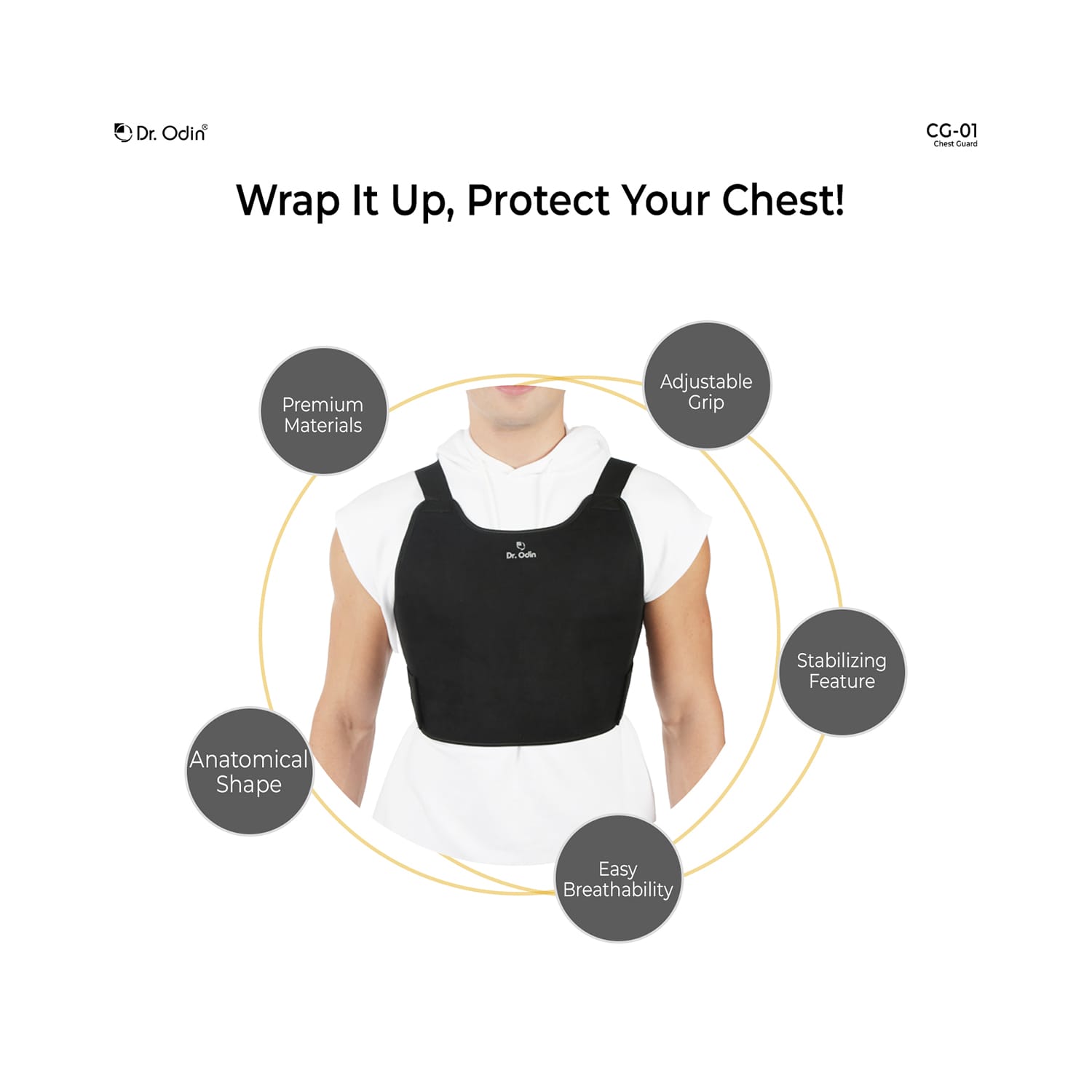
Rib Belts or Chest Binders: May be used under medical guidance for support—but typically avoided in rib fractures to allow full lung expansion.
Breathing Exercises: Incentive spirometry prevents lung infections and collapse (atelectasis).
Antibiotics: Prescribed if there’s a risk of lung infection.
Surgical Intervention: Needed for penetrating injuries, collapsed lungs, or internal bleeding.
Rest and Limited Activity: Avoid lifting, twisting, or intense movement to allow healing.
Supportive Supplements:
Vitamin D and Calcium: Help in bone repair if ribs are fractured.
Magnesium: Supports muscle relaxation and may reduce spasms.
Turmeric (Curcumin): Natural anti-inflammatory that can aid healing in soft tissue injuries.
Preventing Chest Injury
Wear Protective Gear: Especially during sports or risky physical activities.
Use Seatbelts: Drastically reduces the risk during vehicular accidents.
Safe Lifting Techniques: To avoid strain injuries in the chest or rib area.
Fall Prevention: Install railings or non-slip mats for the elderly.
Strengthen Core Muscles: Reduces the likelihood of strain or improper posture.
Complications of Chest Injury
Pneumothorax (Collapsed Lung): Air enters the chest cavity and compresses the lung.
Hemothorax: Internal bleeding in the chest.
Flail Chest: Multiple rib fractures causing part of the chest wall to move abnormally.
Respiratory Infections: Due to shallow breathing or poor lung expansion.
Chronic Pain or Nerve Damage: Especially after severe trauma or surgery.
Specialist to Consult for Chest Injury
Emergency Physician: For immediate evaluation after trauma.
Pulmonologist: If breathing issues or lung complications arise.
Orthopedic or Trauma Surgeon: For fractures, surgical needs, or chest wall injuries.
Cardiologist: If the injury involves the heart or large vessels.