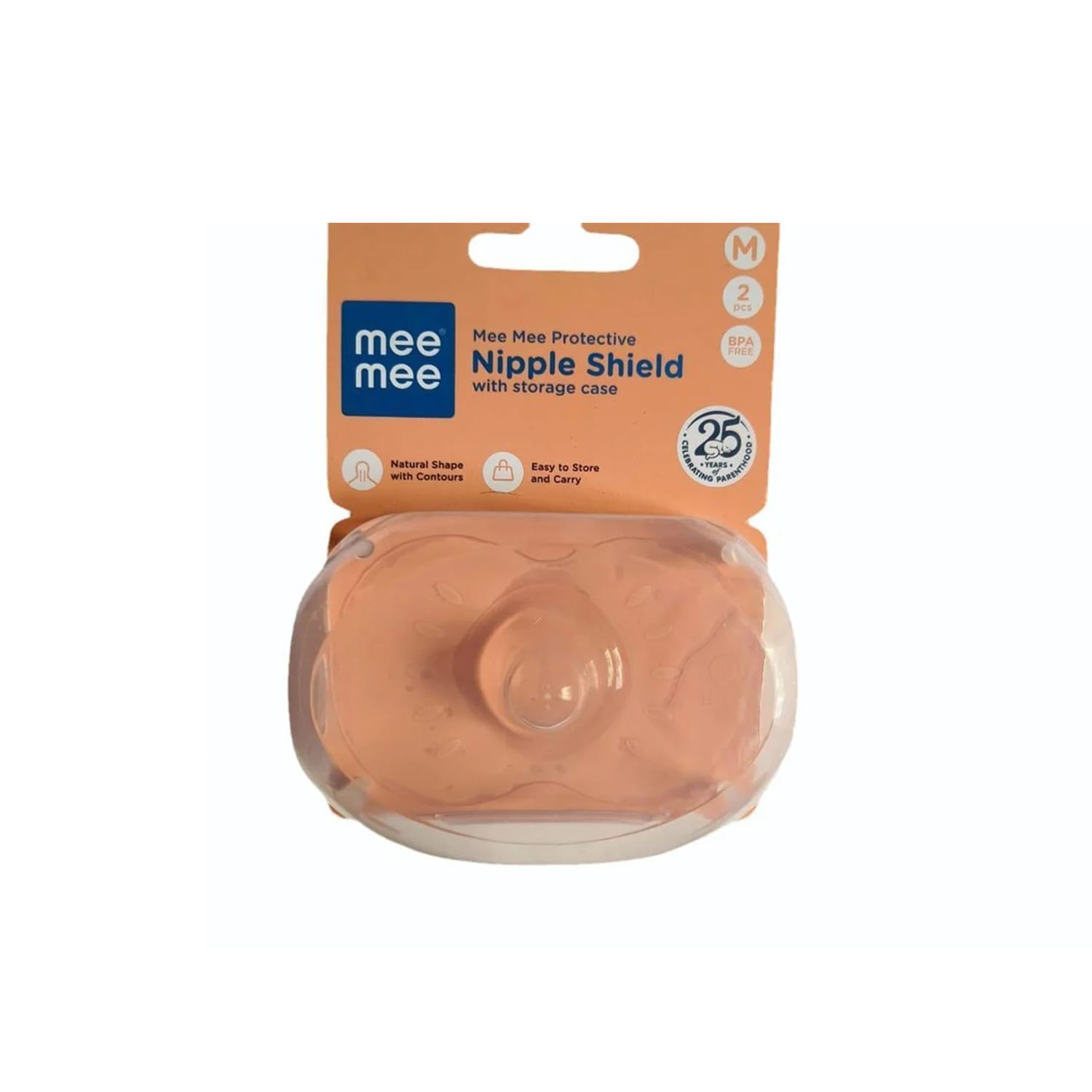


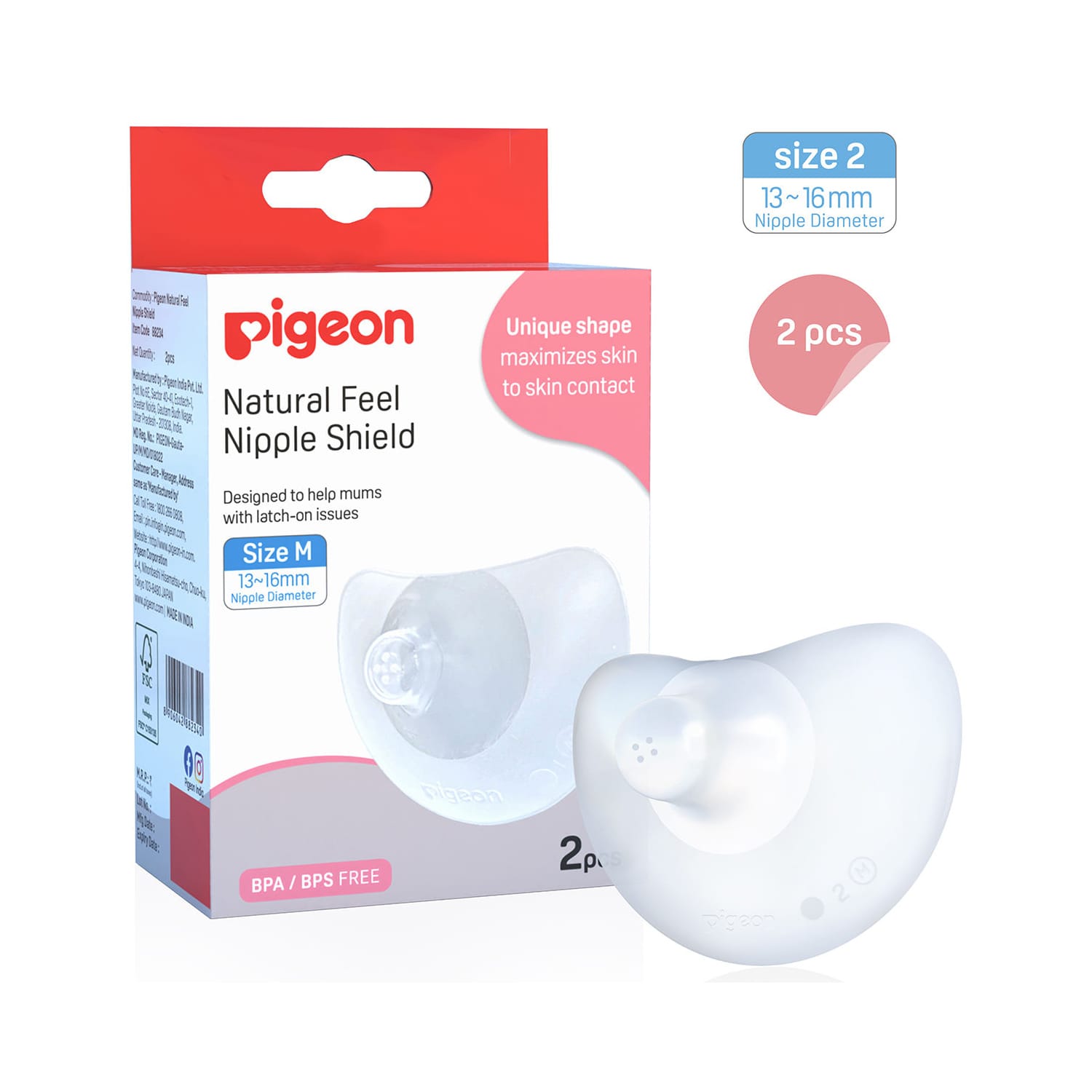
Pigeon Natural Feel Nipple Shield (1pc) Size M (13- 16 mm)
pigeon
₹2118% off₹230
Chapped / Cracked Skin
Chapped or cracked skin occurs when the skin becomes excessively dry, leading to rough texture, flaking, fissures, and sometimes bleeding. It commonly affects areas like hands, feet, elbows, and heels, especially during cold weather or after frequent exposure to water or irritants. If untreated, it can become painful and vulnerable to infections.
Causes of Chapped / Cracked Skin
• Cold, Dry Weather: Low humidity and cold temperatures strip moisture from the skin.
• Frequent Handwashing: Repeated exposure to water and soap weakens the skin barrier.
• Harsh Soaps or Detergents: Chemicals in soaps can irritate and dry out the skin.
• Hot Showers or Baths: Prolonged exposure to hot water depletes skin oils.
• Medical Conditions: Eczema, psoriasis, and diabetes can make skin prone to cracking.
• Aging: As skin ages, it produces less oil, making it more susceptible to dryness.
• Vitamin Deficiencies: Lack of vitamins A, C, or E may affect skin health and repair.
Symptoms of Chapped / Cracked Skin
• Dryness and Flakiness: Skin feels rough, tight, and may peel.
• Redness or Irritation: Inflamed appearance with possible burning or itching.
• Fissures or Cracks: Visible splits in the skin that can be painful.
• Bleeding: Severe dryness may lead to bleeding, especially on heels or knuckles.
• Thickened or Calloused Skin: Often seen in chronic cases, especially on feet.
• Pain or Sensitivity: Touching or moving the affected area may cause discomfort.
Diagnosis of Chapped / Cracked Skin
A doctor may perform the following assessments:
• Physical Examination: To evaluate severity and affected areas.
• Medical History: To check for underlying conditions like eczema or diabetes.
• Patch Testing: If an allergic reaction to a skincare product is suspected.
• Blood Tests: To identify nutritional deficiencies or autoimmune conditions.
Treatment of Chapped / Cracked Skin
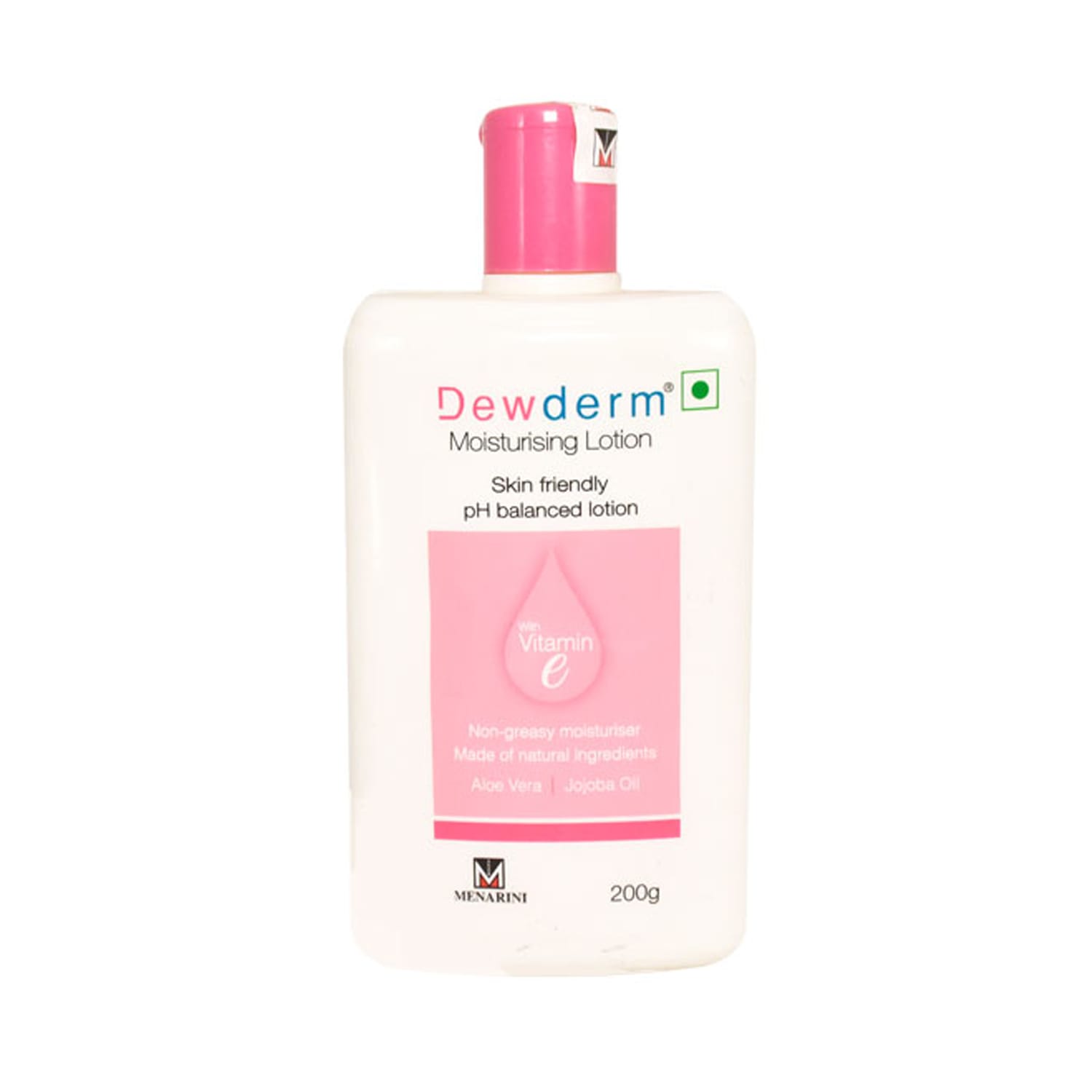
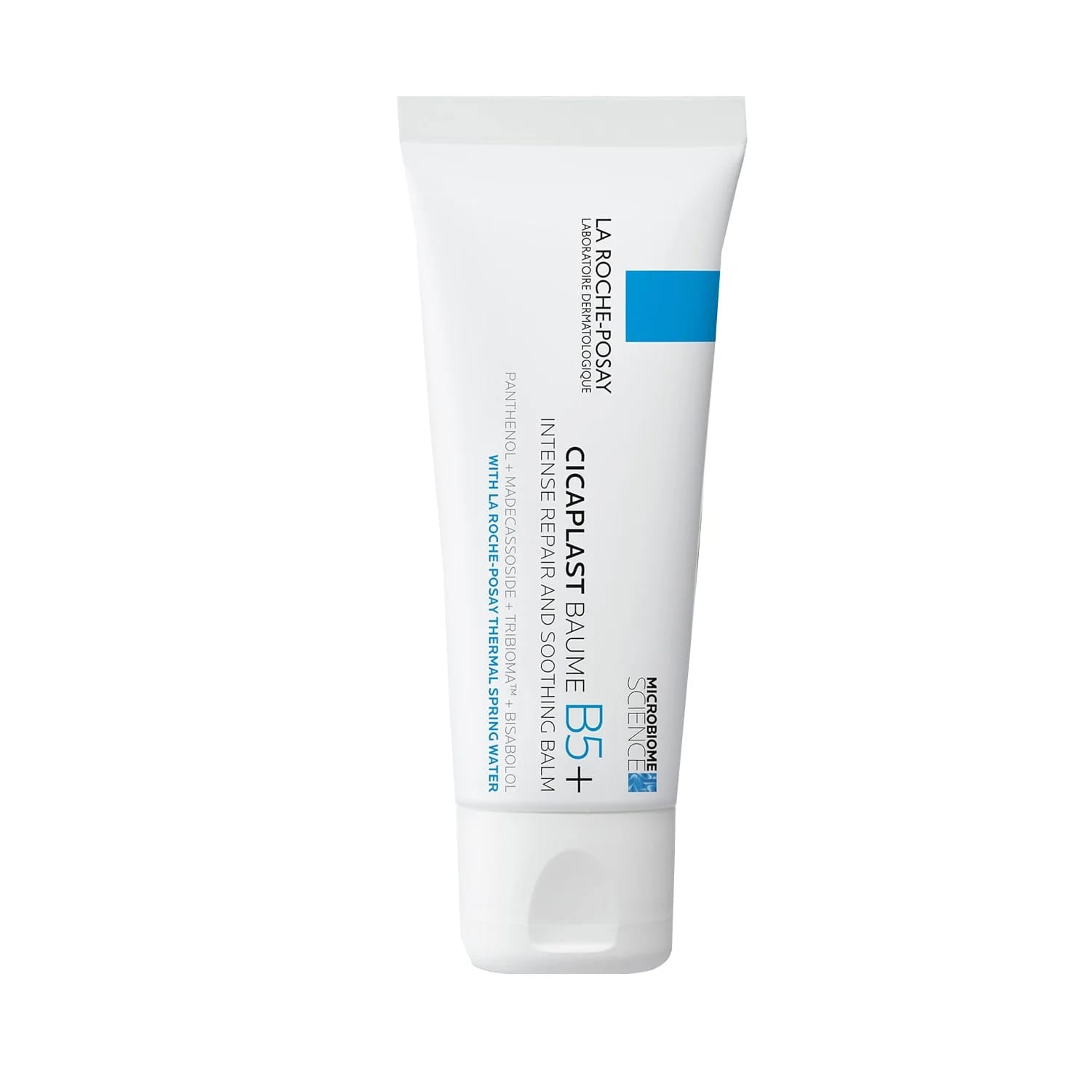
• Moisturizers: Use thick creams or ointments with ingredients like petroleum jelly, shea butter, ceramides, or urea.
• Hydration: Increase water intake to support skin health.
• Protective Gloves: Use gloves when washing dishes or cleaning to reduce exposure to water and chemicals.
• Topical Steroids: Mild steroid creams can reduce inflammation and redness in severe cases.
• Antibiotic Ointments: For cracked areas showing signs of infection.
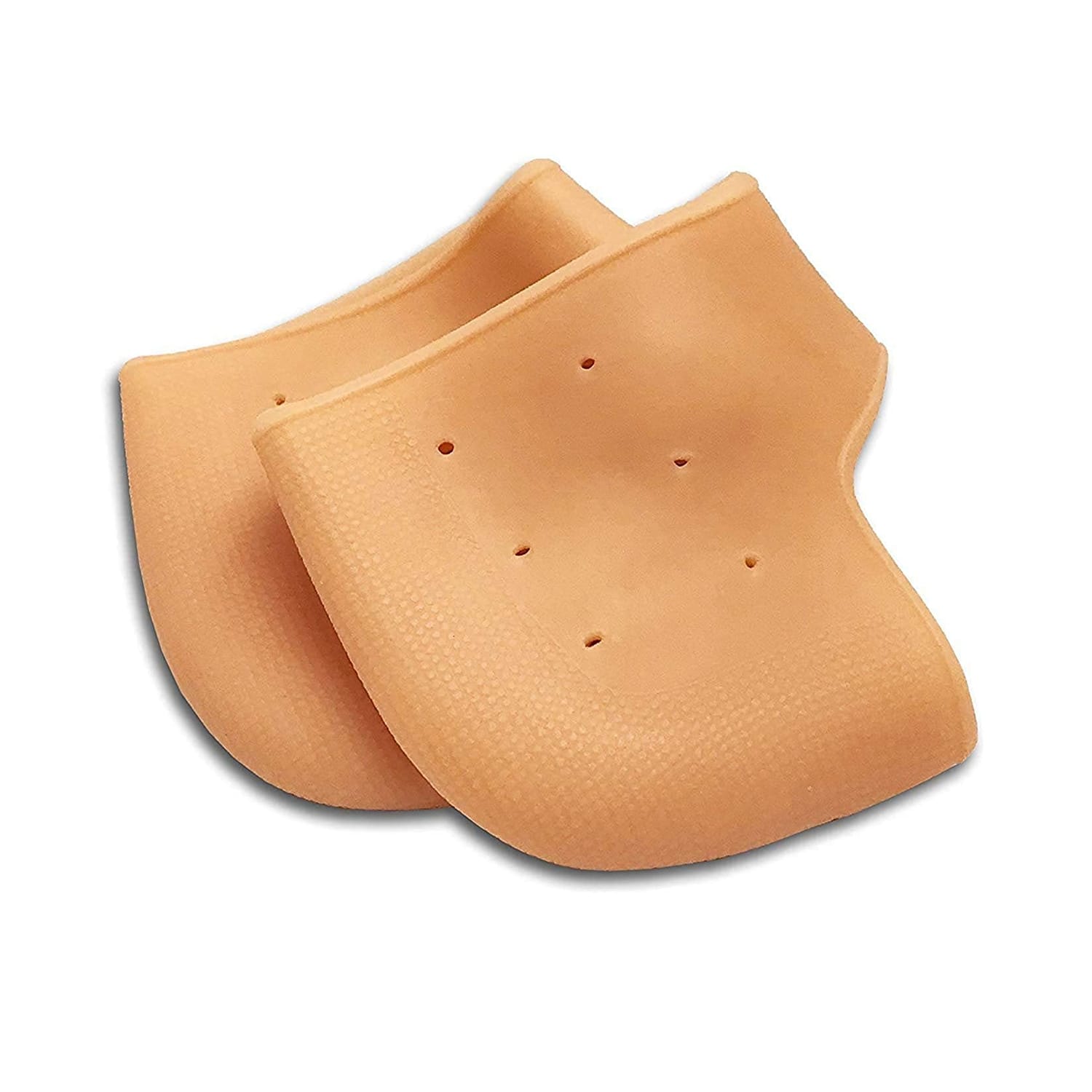
• Foot Creams and Heel Balms: Specialized products help soften and repair cracked heels.
• Avoid Hot Water and Harsh Soaps: Use lukewarm water and gentle, fragrance-free cleansers.
Preventing Chapped / Cracked Skin
• Moisturize Daily: Especially after washing hands or bathing.
• Use a Humidifier: Maintain indoor humidity during dry seasons.
• Wear Protective Clothing: Gloves, socks, and long sleeves help protect vulnerable areas.
• Choose Gentle Skin Products: Avoid alcohol-based sanitizers and harsh soaps.
• Limit Time in Water: Shorten bath time and avoid long exposure to hot water.
• Maintain a Healthy Diet: Include foods rich in essential fatty acids and vitamins A, C, and E.
Complications of Chapped / Cracked Skin
• Skin Infections: Cracks can allow bacteria or fungi to enter.
• Bleeding and Pain: Deep fissures may make movement painful.
• Scarring: Long-standing or poorly treated skin damage may leave marks.
• Worsening of Underlying Conditions: Dry skin can aggravate eczema or psoriasis.
Specialist to Consult for Chapped / Cracked Skin
• Dermatologist: For persistent dryness or skin conditions like eczema and psoriasis.
• General Physician: To check for systemic causes like diabetes or thyroid problems.
• Nutritionist: If a diet-related skin deficiency is suspected.