

Bestseller
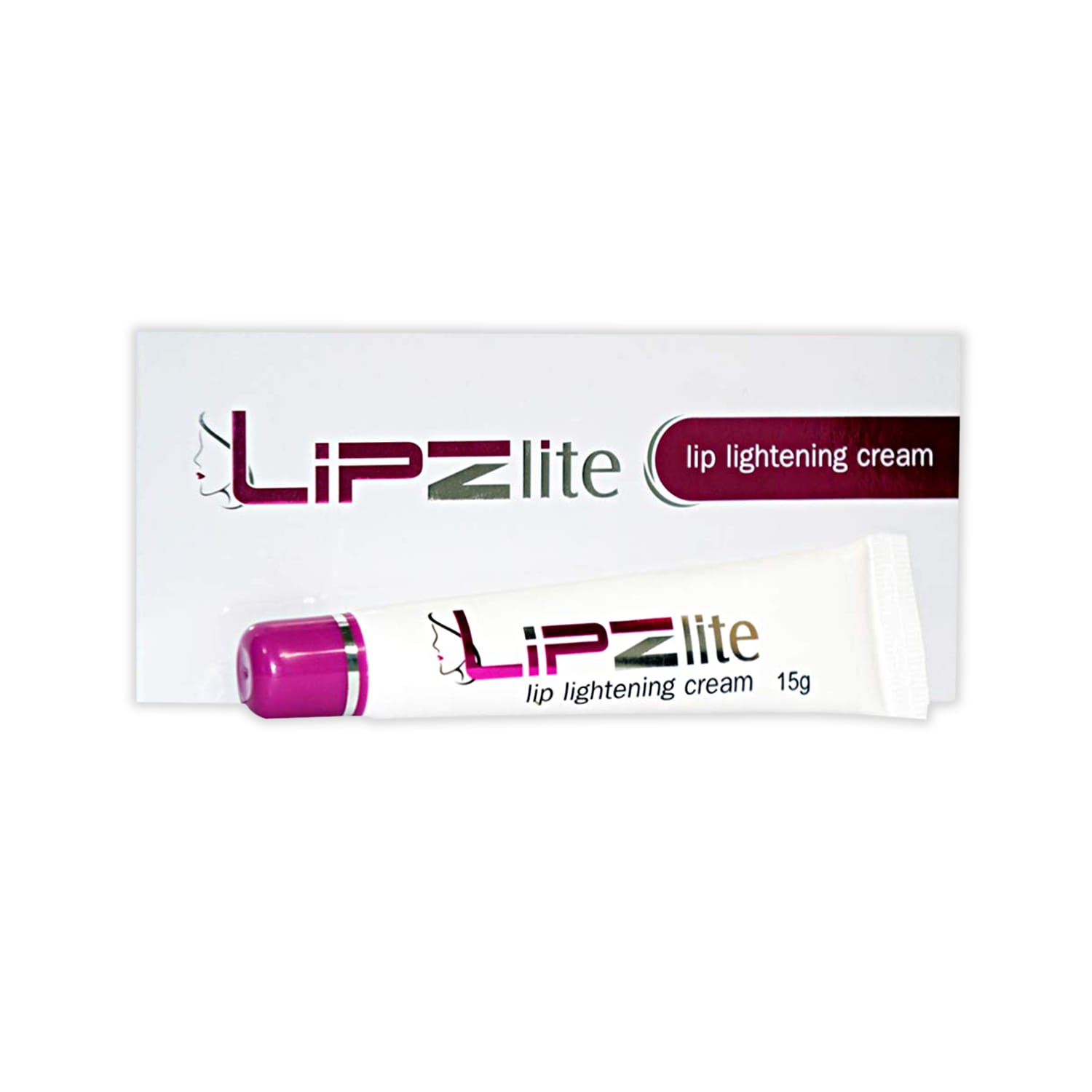
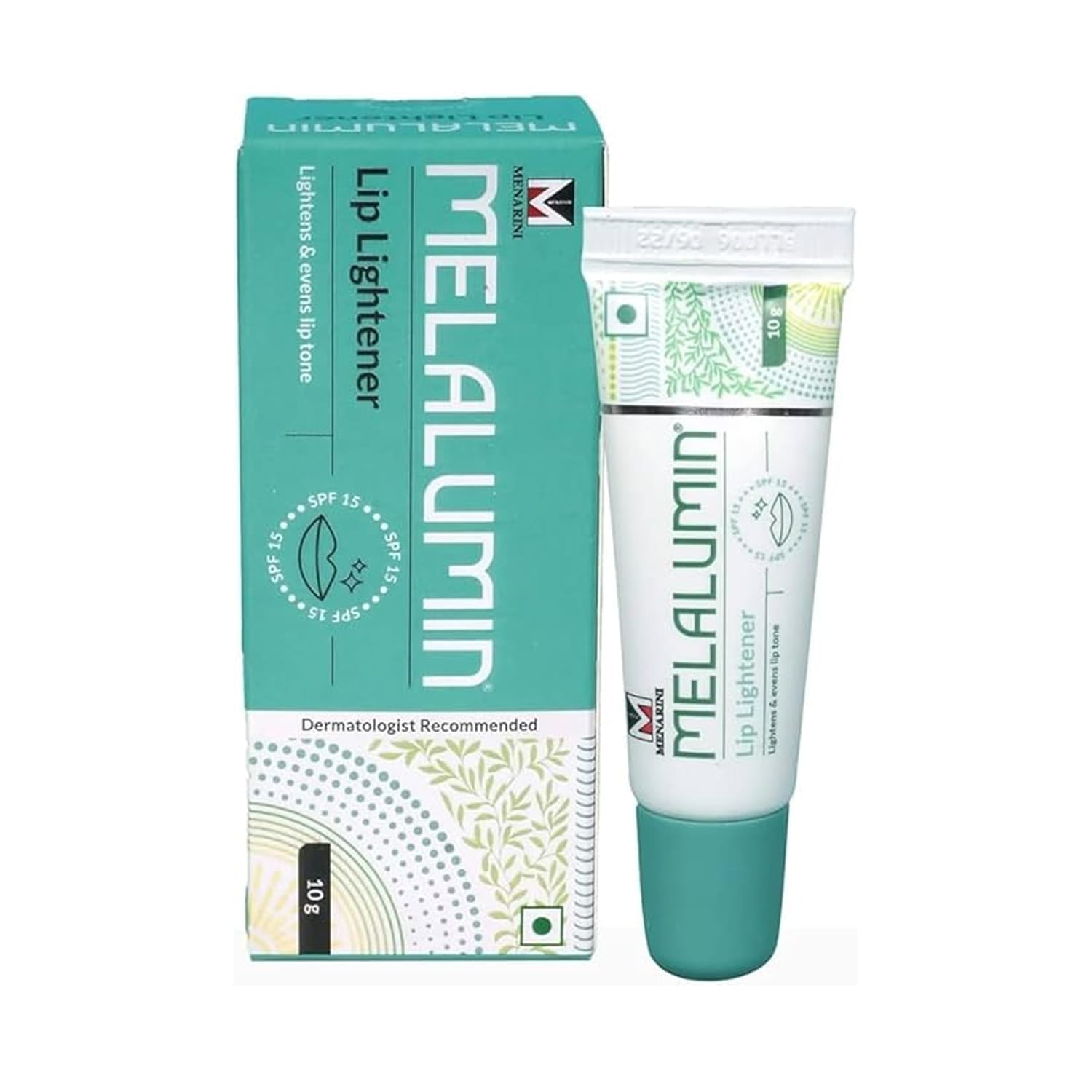
Lipzlite Lip Lightening Cream 15g
Ethicare Remedies
₹23413% off₹269
Chapped Lips
Chapped lips, also known as cheilitis, occur when the skin on the lips becomes dry, cracked, or sore. Since lips lack oil glands, they’re especially vulnerable to drying out from weather, dehydration, or certain habits. While usually harmless, chapped lips can be uncomfortable and may lead to bleeding or infection if left untreated.
Causes of Chapped Lips
• Cold or Dry Weather: Low humidity and cold winds can strip moisture from the lips.
• Dehydration: Not drinking enough water affects skin hydration, including the lips.
• Frequent Licking: Saliva evaporates quickly, leaving lips drier than before.
• Sun Exposure: UV rays can damage the sensitive skin on the lips.
• Irritating Lip Products: Certain ingredients like menthol, camphor, or fragrances may cause reactions.
• Vitamin Deficiency: Lack of B vitamins, especially B2 (riboflavin), can contribute to dry, cracked lips.
• Allergic Reactions: Reactions to cosmetics, toothpaste, or food can trigger chapping.
Symptoms of Chapped Lips
• Dryness: Tight, rough, or flaky skin on the lips.
• Cracking: Visible lines or cracks, sometimes leading to bleeding.
• Peeling: Loose or shedding skin layers.
• Redness or Soreness: Inflamed or painful lips.
• Burning or Itching Sensation: Especially when exposed to spicy foods or irritants.
• Split Corners of the Mouth: May indicate angular cheilitis, a related condition.
Treatment of Chapped Lips
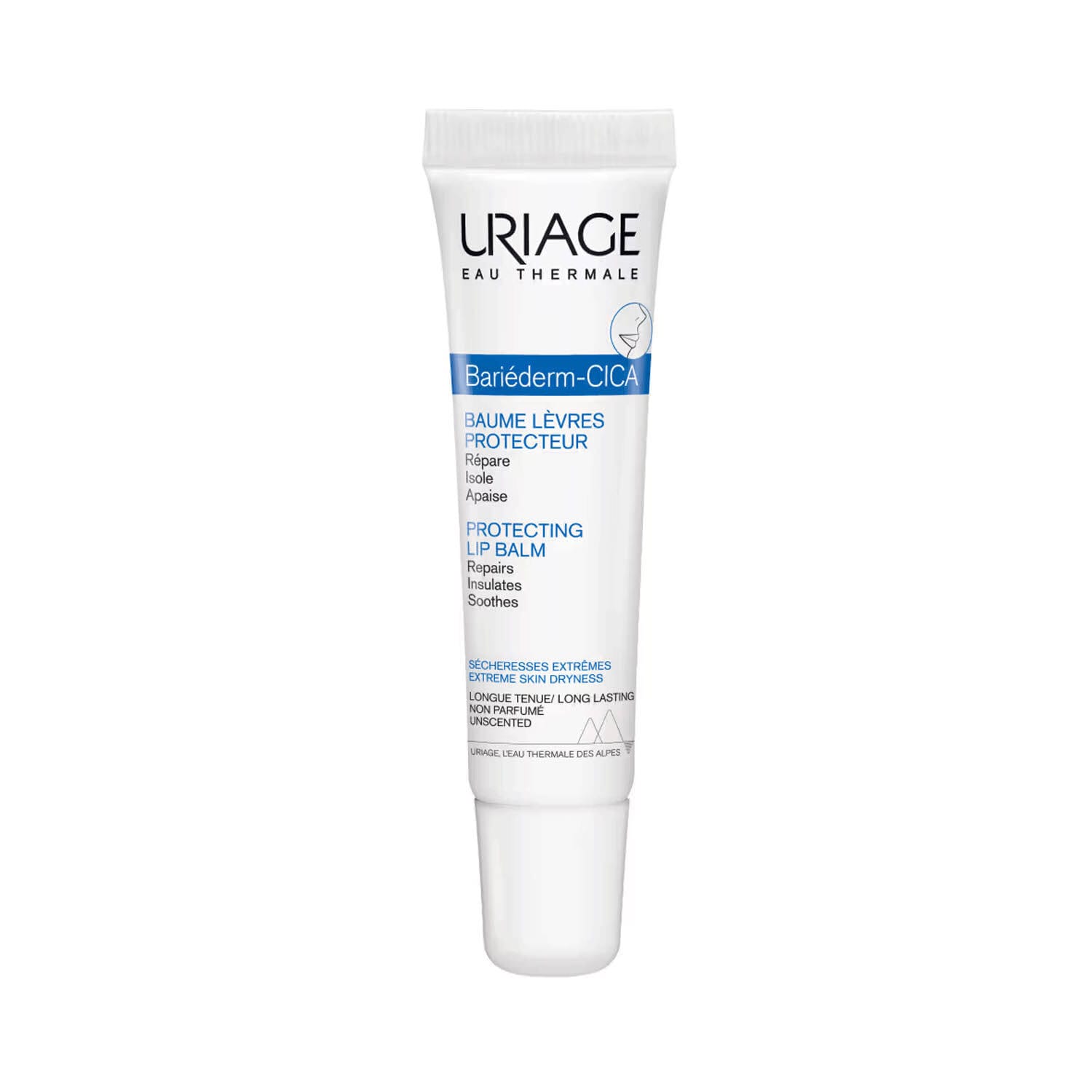
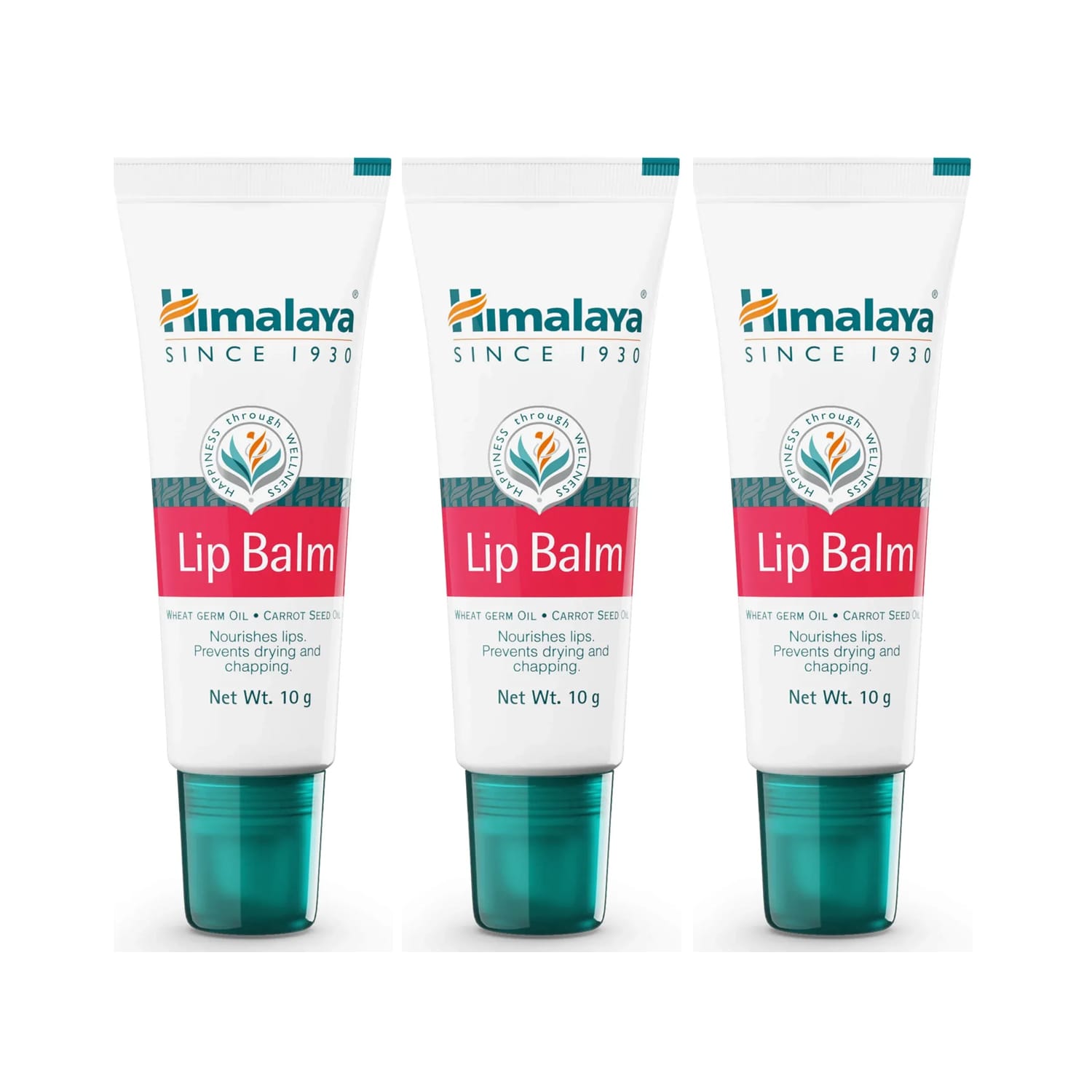
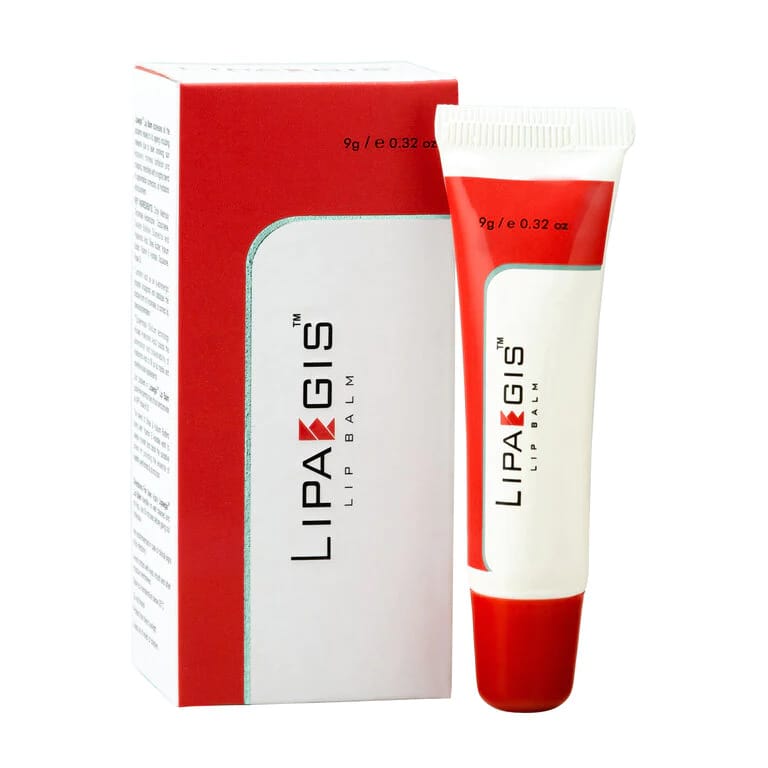
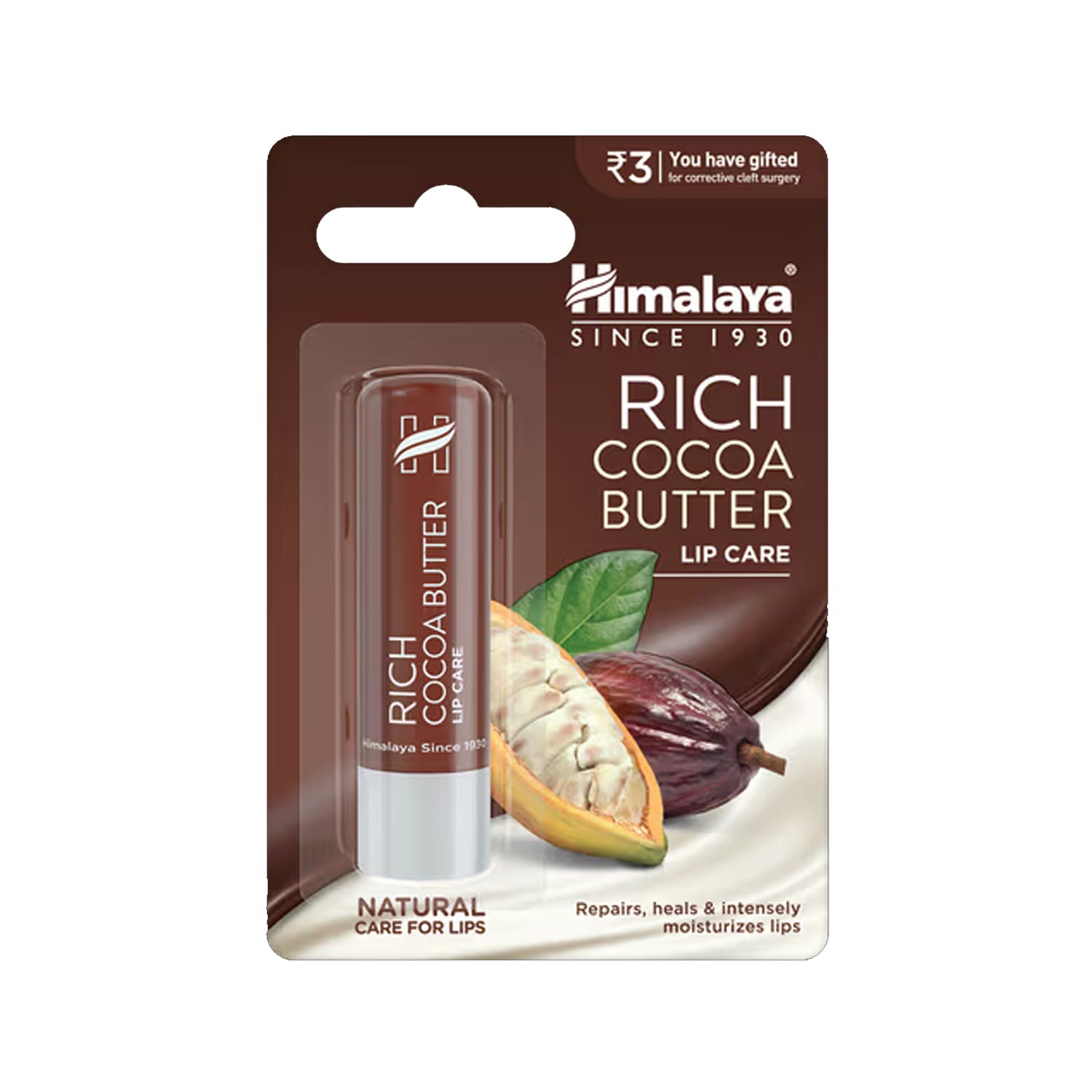
• Lip Balms and Ointments: Use petroleum jelly, shea butter, or lanolin-based balms. Products with beeswax or plant waxes offer added protection. Avoid flavored or scented products.
• Hydration: Increase water intake throughout the day.
• Avoid Lip Licking: Break the habit to allow healing.
• Use a Humidifier: Especially during dry seasons or in air-conditioned rooms.
• Gentle Exfoliation: Use a soft toothbrush or lip scrub to remove dead skin (only when not cracked or bleeding).
• Medicated Creams: In case of infection or inflammation, topical antibiotics or steroids may be prescribed.
• Vitamin Supplements: Especially B-complex if a deficiency is found.
• Night Care: Apply a nourishing lip mask at bedtime to hydrate lips overnight.
Preventing Chapped Lips
• Stay Hydrated: Drink plenty of water daily.
• Apply Lip Balm Regularly: Especially before going outdoors or sleeping.
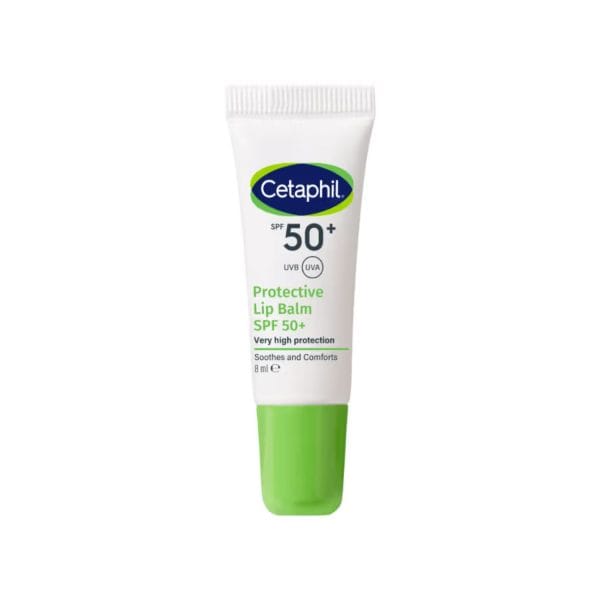
• Use SPF Lip Balms: Protect lips from sun damage.
• Avoid Allergens or Irritants: Choose hypoallergenic, fragrance-free lip products.
• Cover Your Lips in Cold Weather: Use a scarf to shield them from harsh winds.
Complications of Chapped Lips
• Infection: Cracks can become entry points for bacteria or fungi.
• Bleeding and Pain: Deep cracks may bleed and hurt while eating or speaking.
• Angular Cheilitis: Painful inflammation at the corners of the mouth.
• Chronic Dryness: Can signal underlying issues like eczema, thyroid disorders, or nutritional deficiencies.
Specialist to Consult for Chapped Lips
• Dermatologist: For persistent or severe dryness and allergic reactions.
• Nutritionist: If a vitamin deficiency is suspected.
• ENT Specialist: In cases where angular cheilitis or oral infections are involved.