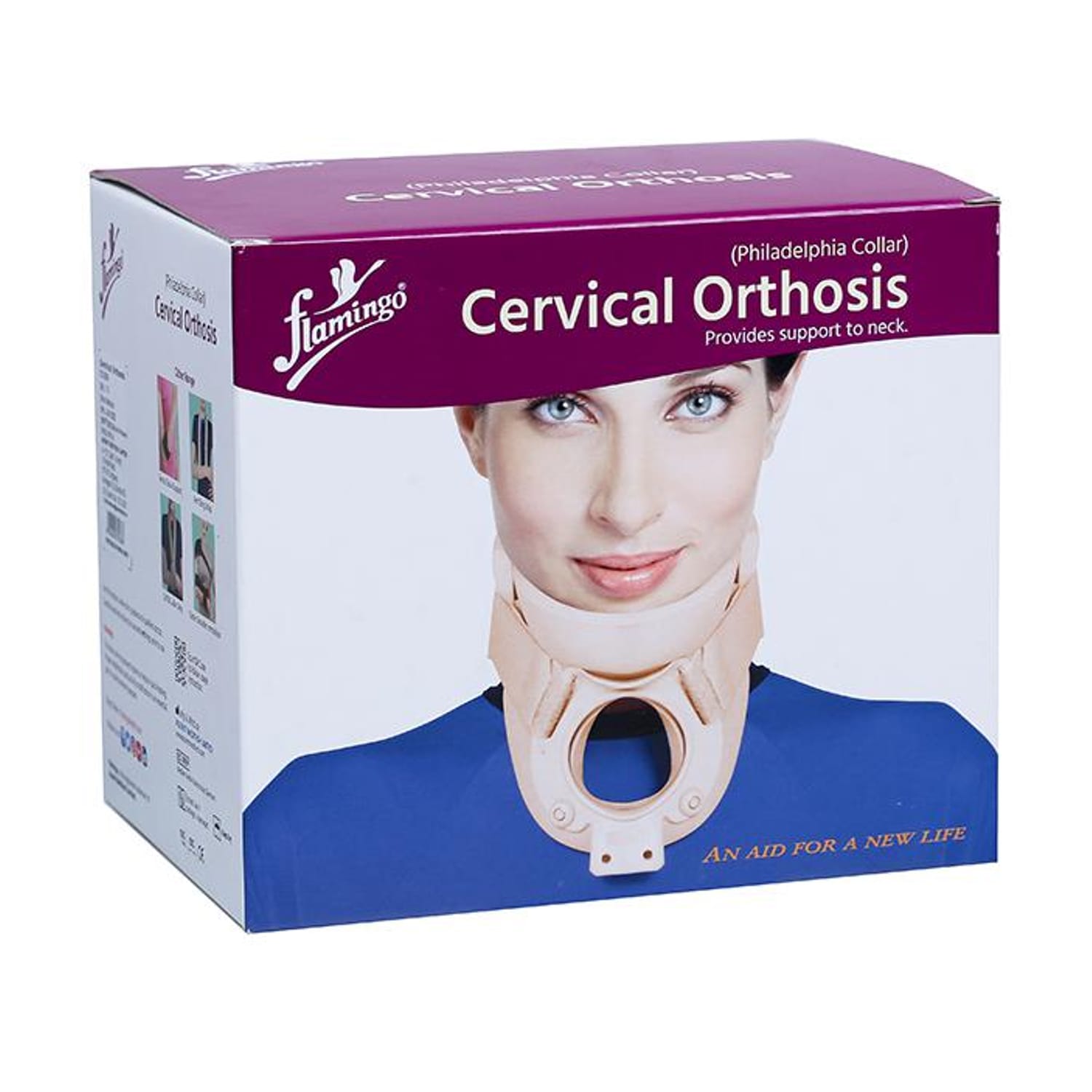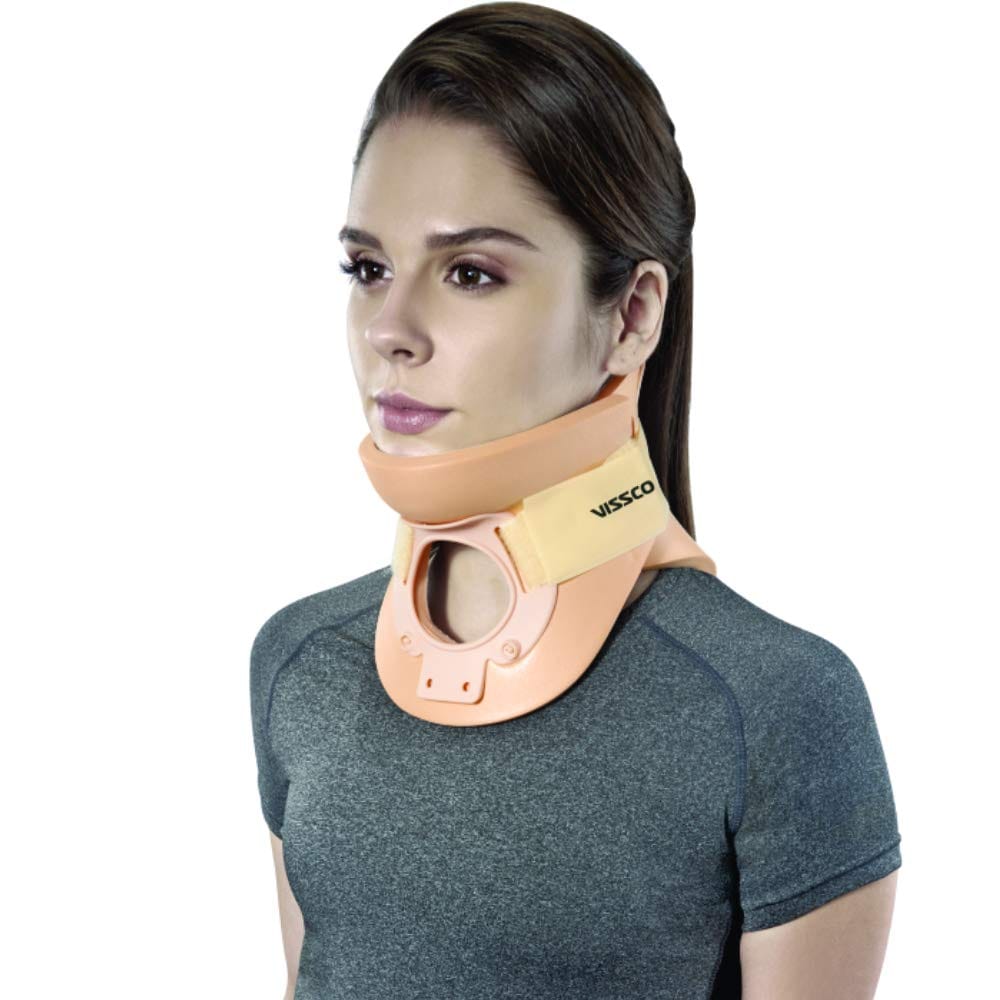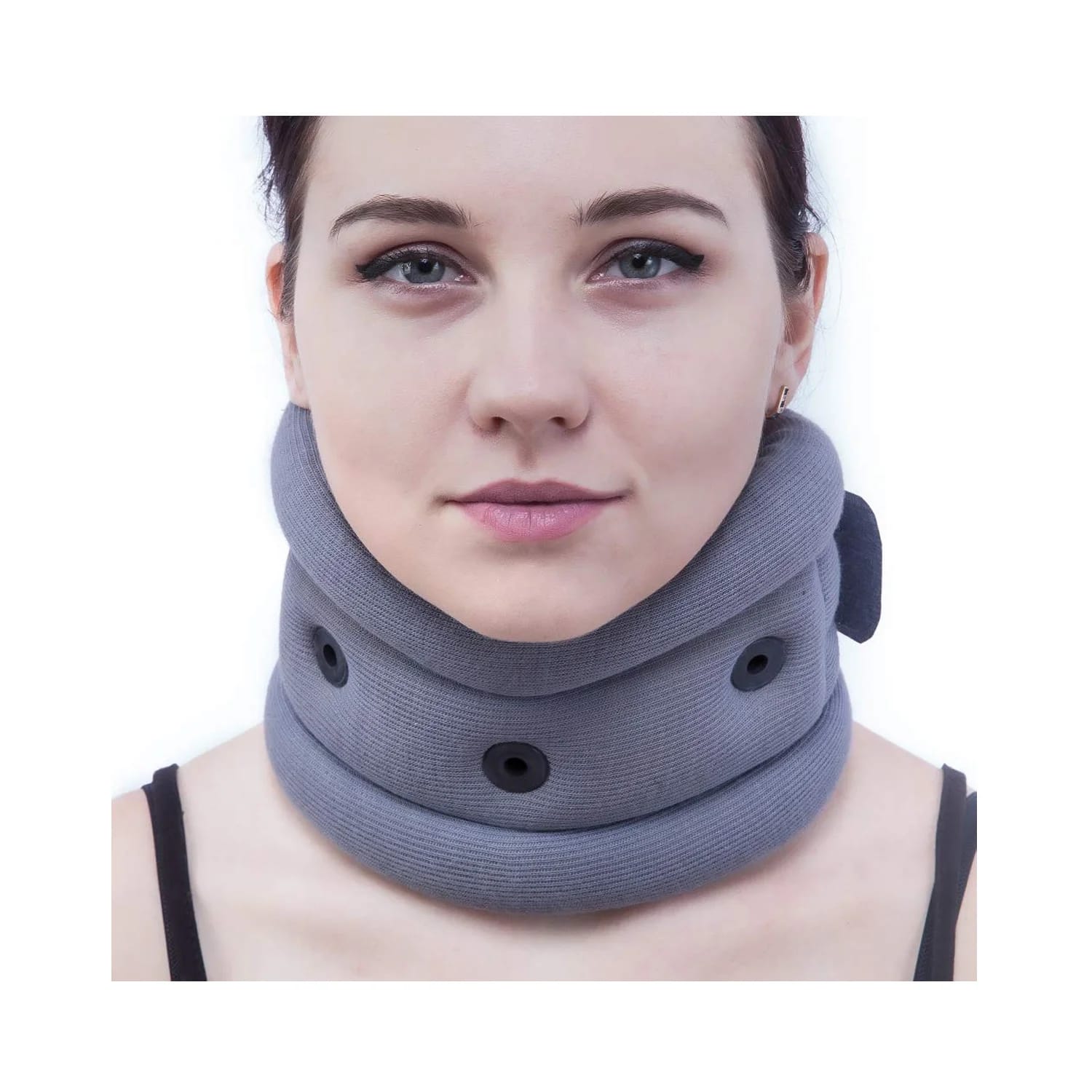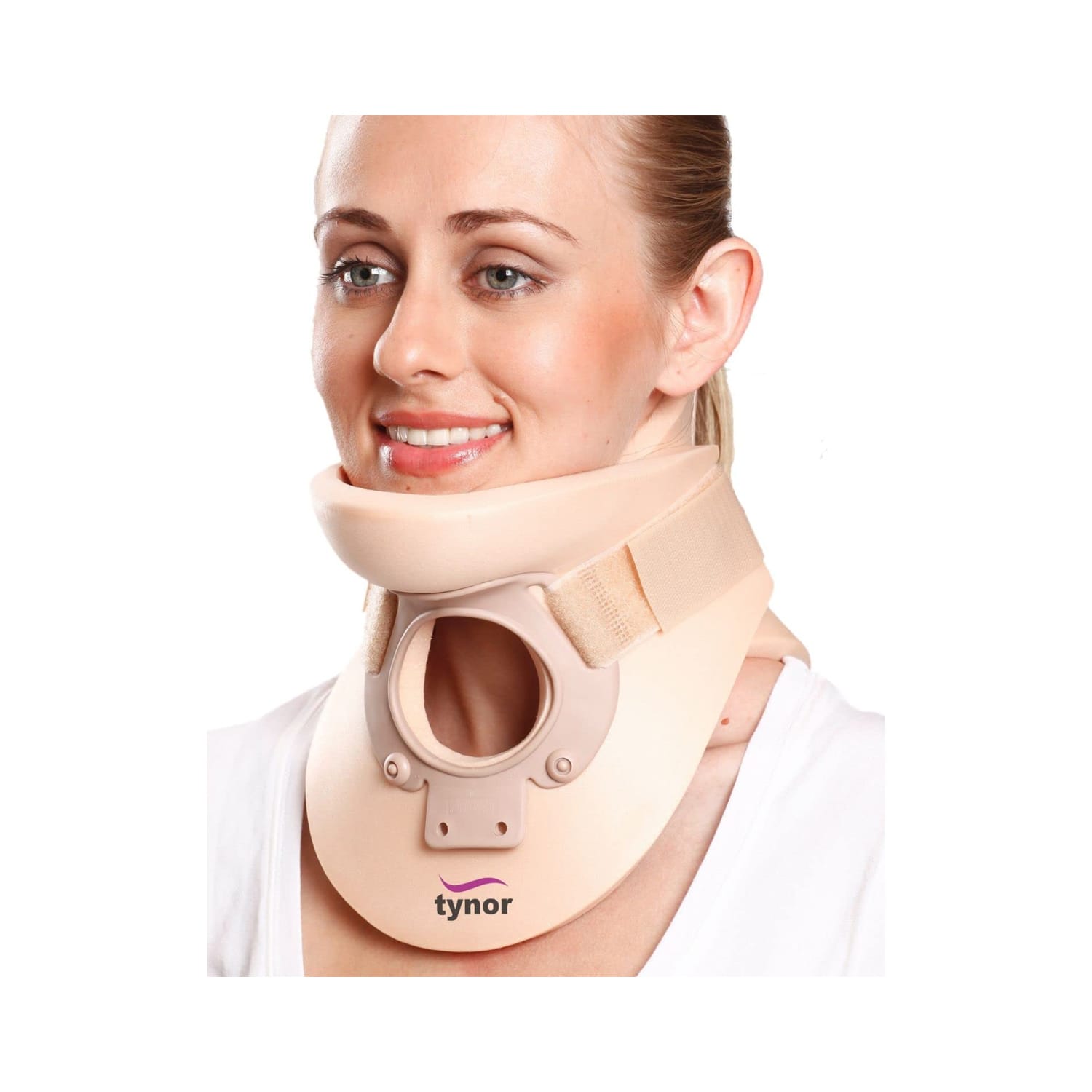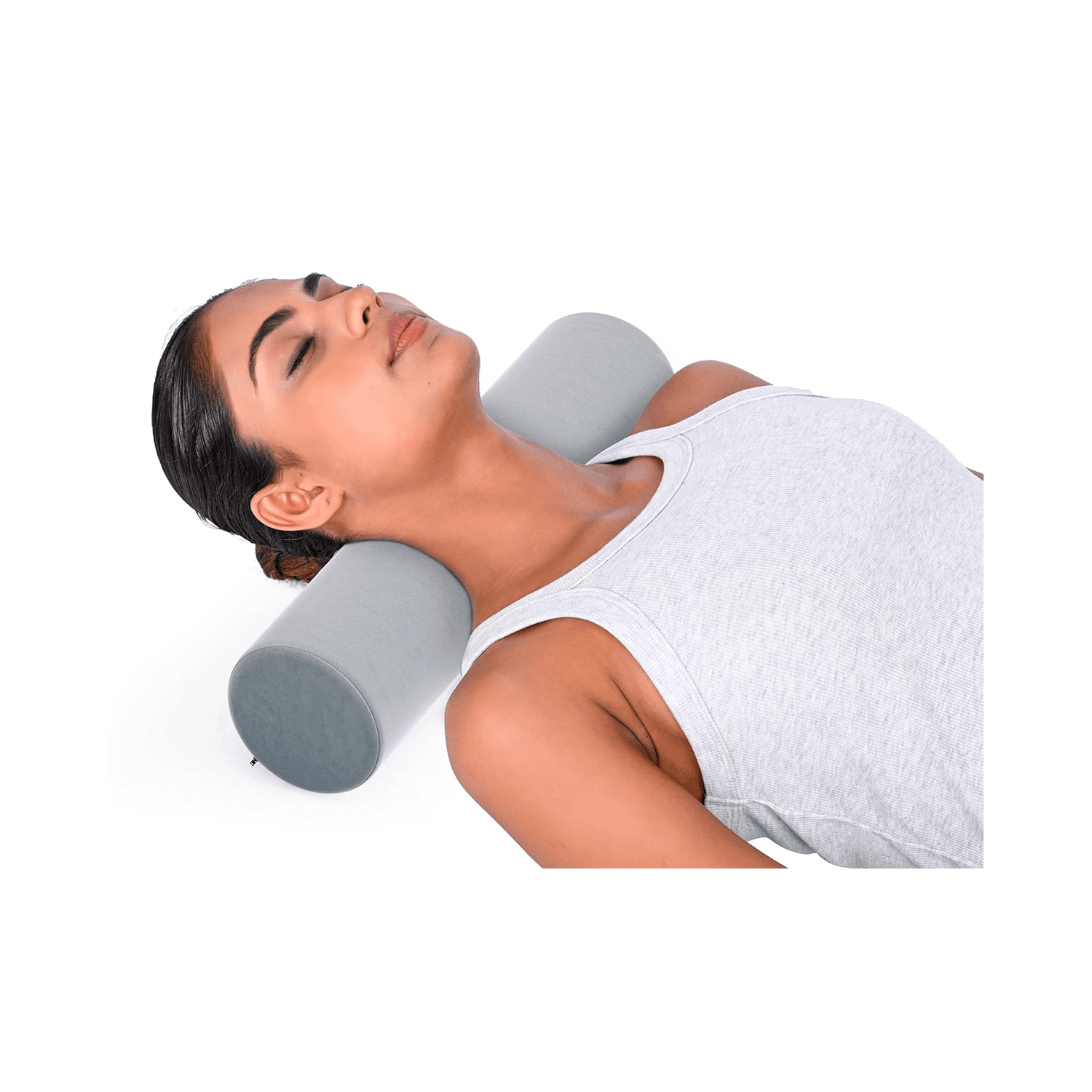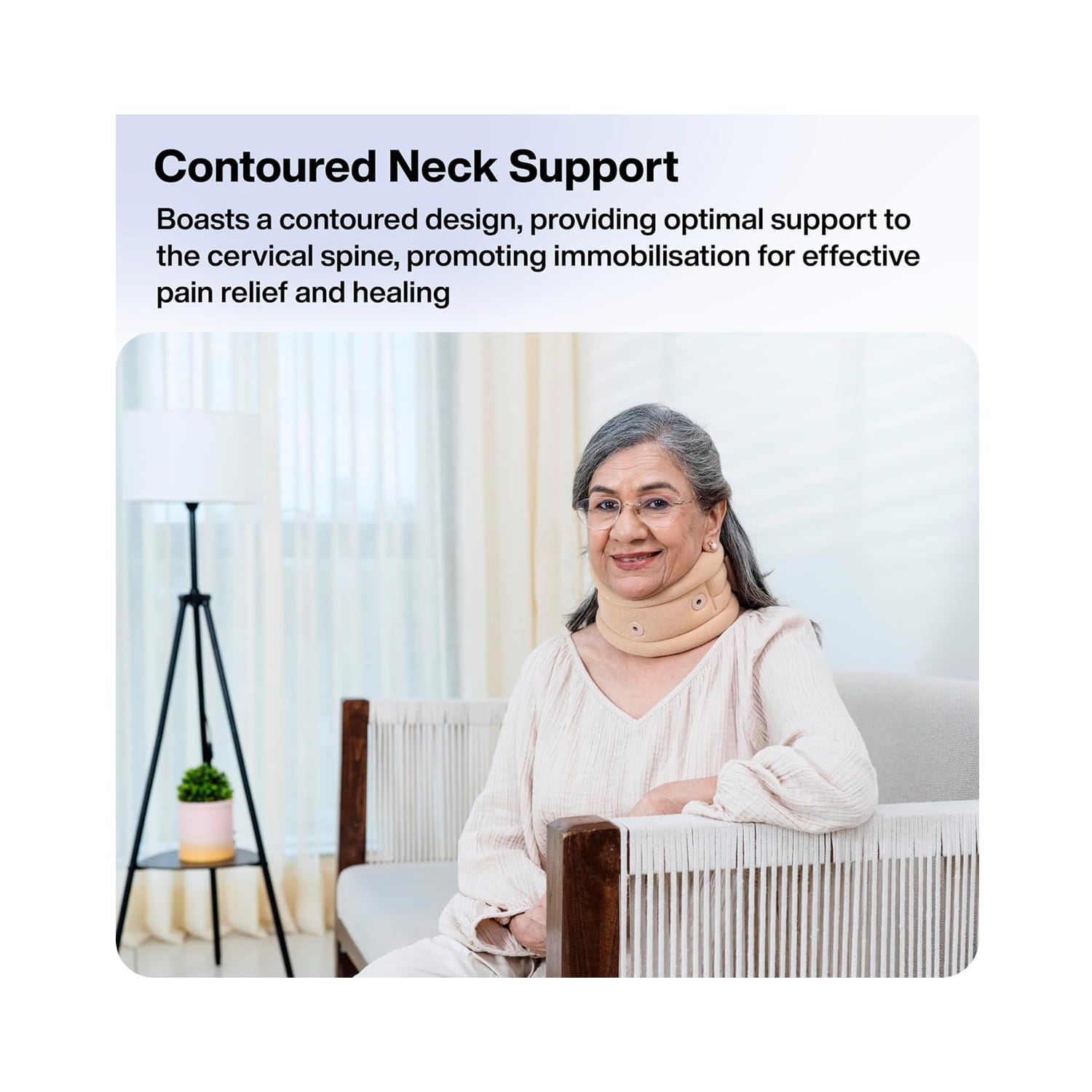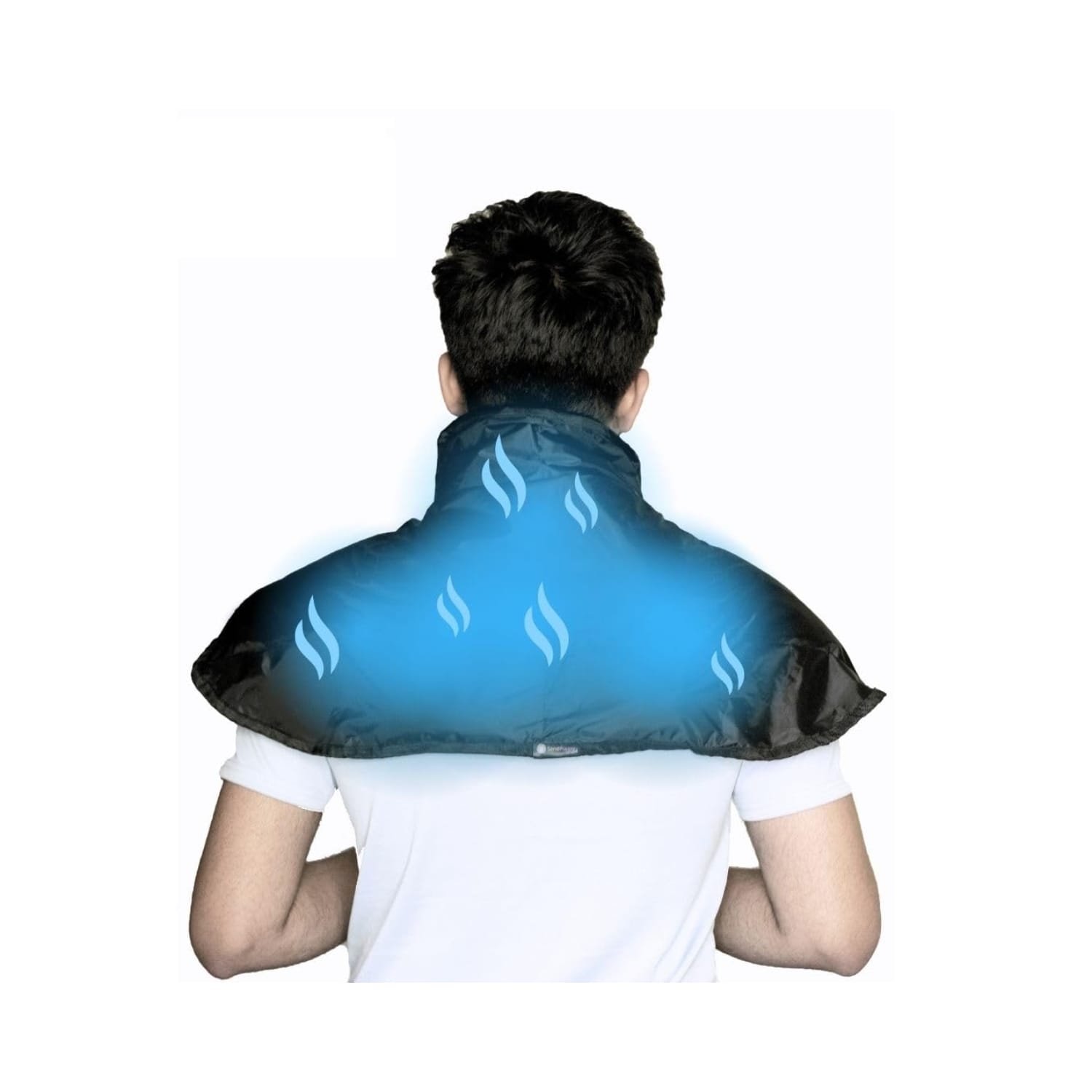


Tynor Cervical Orthosis (Philadelphia) Ethafoam - XL B-05
Tynor
₹91023% off₹1,182
Cervical Spondylolisthesis
Cervical spondylolisthesis is a condition where one vertebra in the neck (cervical spine) slips forward over the one beneath it. This misalignment can compress nerves or the spinal cord, leading to pain, stiffness, and neurological symptoms. It may develop due to aging, trauma, or congenital defects and can range from mild to severe in impact.
Causes of Cervical Spondylolisthesis
• Degenerative Changes: Age-related wear and tear can weaken joints and discs, leading to slippage.
• Trauma or Injury: Accidents, falls, or sports injuries can disrupt vertebral alignment.
• Congenital Defects: Some people are born with spinal abnormalities that make slippage more likely.
• Spondylolysis: A defect or fracture in a vertebral arch can allow vertebrae to slip.
• Surgical Complications: Previous cervical spine surgeries may sometimes cause instability.
Symptoms of Cervical Spondylolisthesis
• Neck Pain: Persistent or worsening pain in the cervical region.
• Nerve Pain: Radiating discomfort in the shoulders, arms, or hands.
• Numbness or Tingling: Abnormal sensations in the arms or fingers.
• Muscle Weakness: Reduced grip strength or arm fatigue.
• Balance Issues: In severe cases, spinal cord compression may affect coordination and balance.
Diagnosis of Cervical Spondylolisthesis
A doctor may perform the following tests:
• Medical History and Physical Exam: To identify symptoms and assess spinal movement.
• X-rays: Reveal vertebral slippage and alignment.
• MRI or CT Scan: Offer detailed views of the spinal cord, nerves, and disc condition.
• Flexion-Extension X-rays: Show instability or excessive vertebral motion.
• Neurological Tests: Evaluate nerve function, reflexes, and strength.
Treatment of Cervical Spondylolisthesis
• Rest and Activity Modification: Limit strain on the cervical spine.
• Pain Medications: NSAIDs or prescribed pain relievers help manage pain.
• Physical Therapy: Focuses on posture correction, neck stabilization, and strengthening.
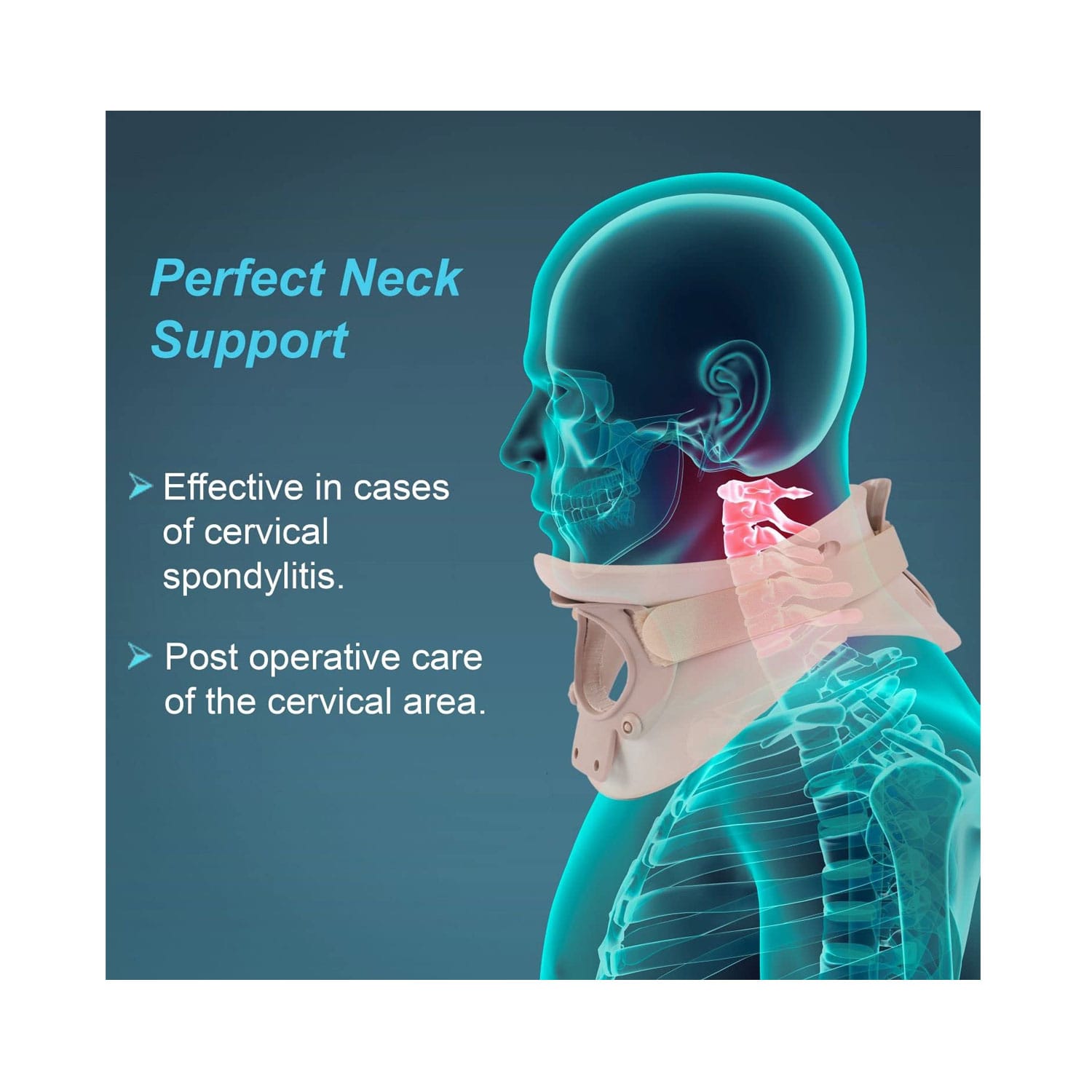
• Cervical Collar or Brace: Temporarily immobilizes the neck to prevent worsening.
• Steroid Injections: Reduce inflammation and nerve pain in affected areas.
• Surgery (if required): Procedures like spinal fusion or decompression surgery are considered for severe or progressive cases.
Preventing Cervical Spondylolisthesis
• Maintain Proper Posture: Avoid slouching during prolonged sitting or computer use.
• Strengthen Neck and Upper Back Muscles: Exercises can enhance spinal support.
• Avoid High-Impact Activities: Especially those that risk neck trauma.
• Stay Active with Low-Impact Exercises: Like swimming or walking to improve spine health.
• Early Screening: Especially for individuals with a family history of spinal disorders.
Complications of Cervical Spondylolisthesis
• Chronic Pain: Ongoing discomfort affecting daily function.
• Spinal Cord Compression: Can lead to myelopathy and long-term neurological issues.
• Mobility Issues: Difficulty with movement and balance in advanced cases.
• Nerve Damage: May cause permanent weakness or numbness.
Specialist to Consult for Cervical Spondylolisthesis
• Orthopedic Spine Surgeon: For evaluation and surgical treatment if needed.
• Neurologist: To assess nerve function and manage neurological symptoms.
• Physical Therapist: For rehabilitation and long-term spinal health maintenance.