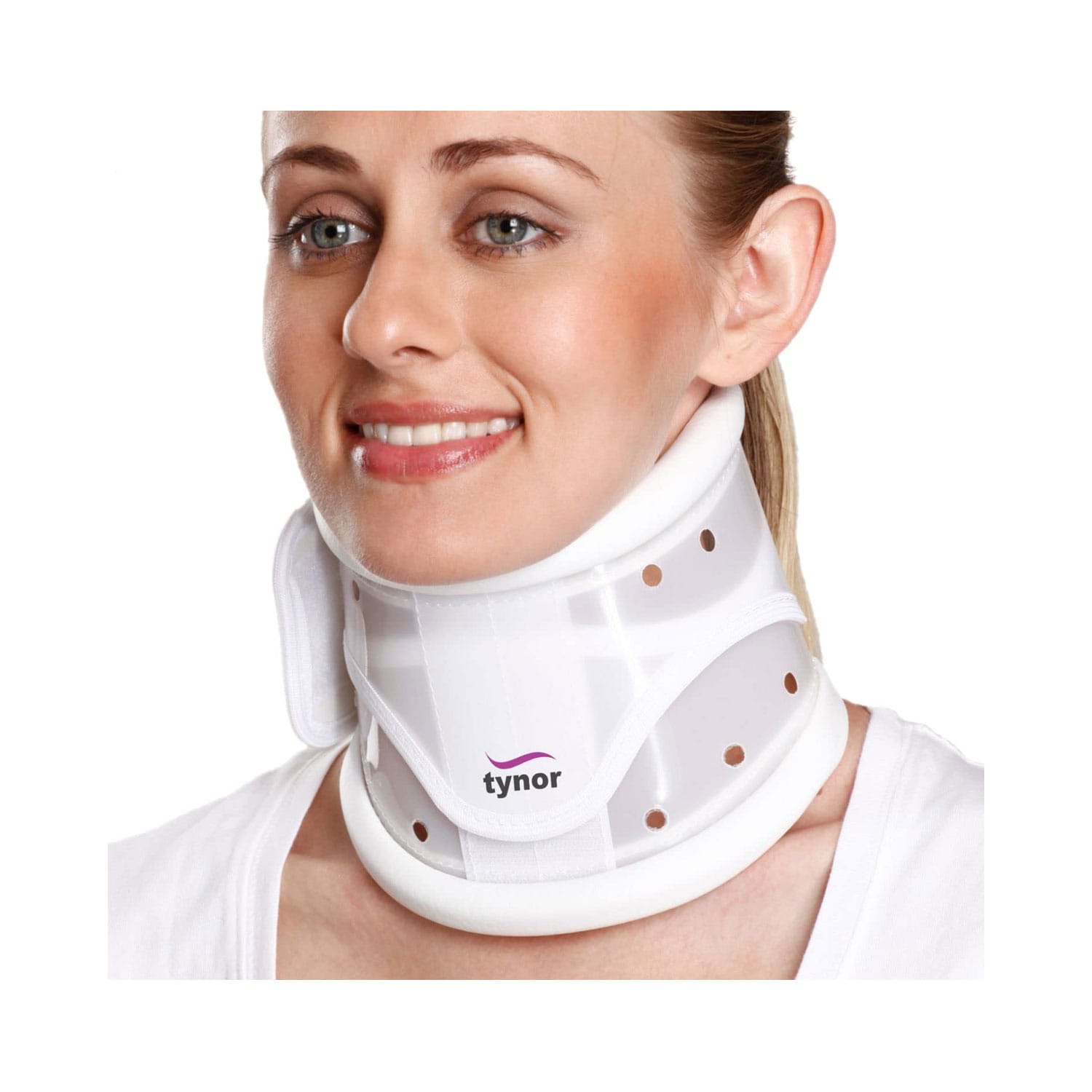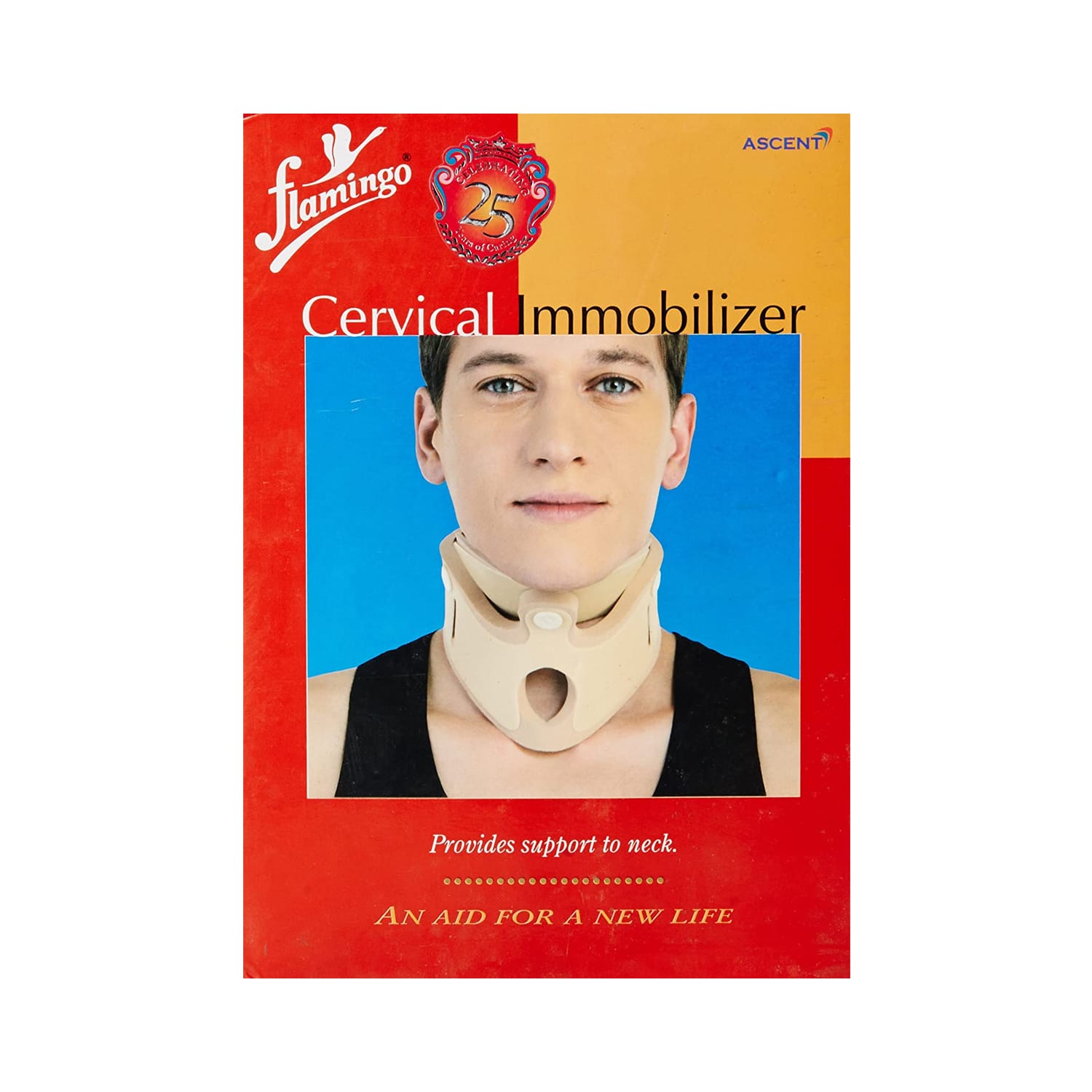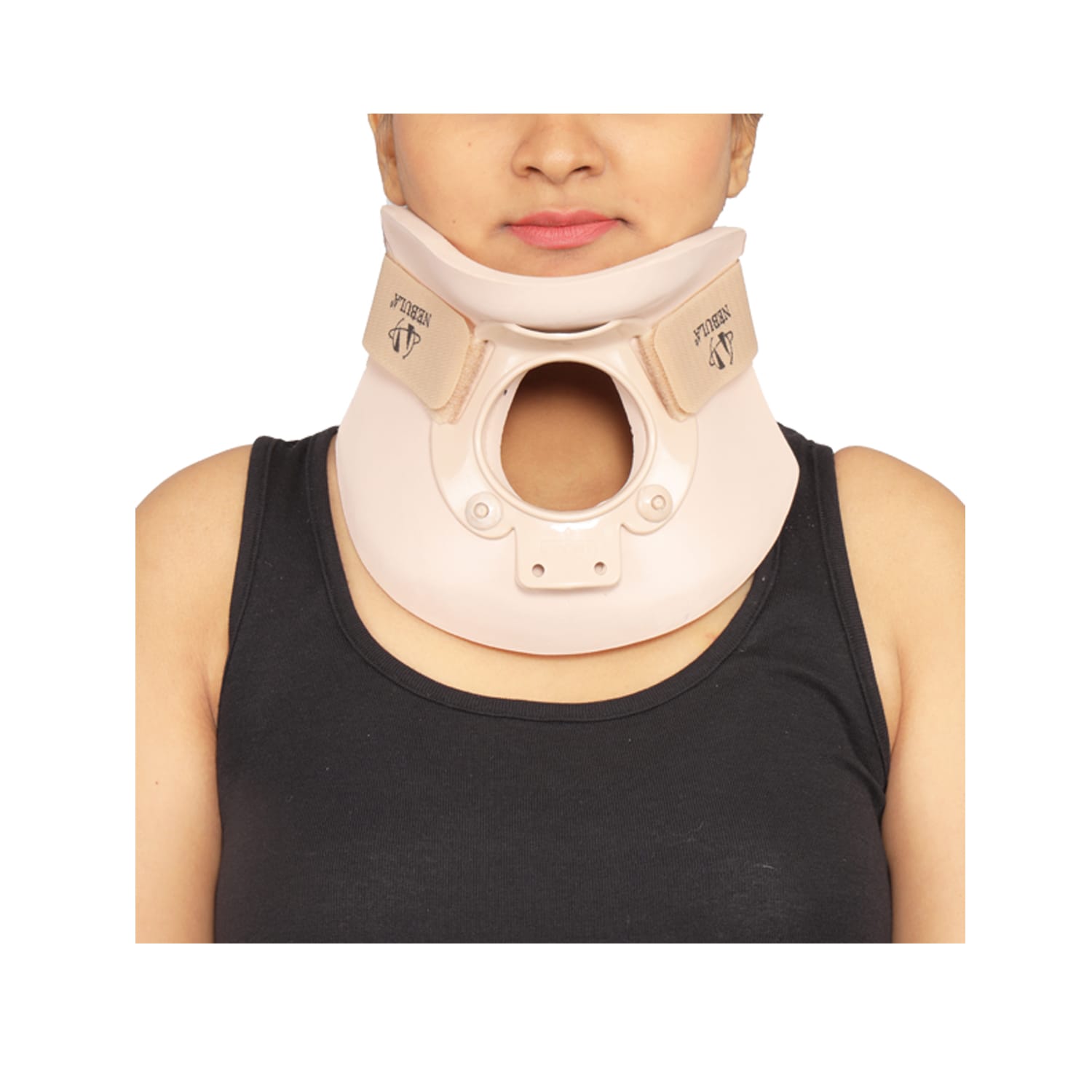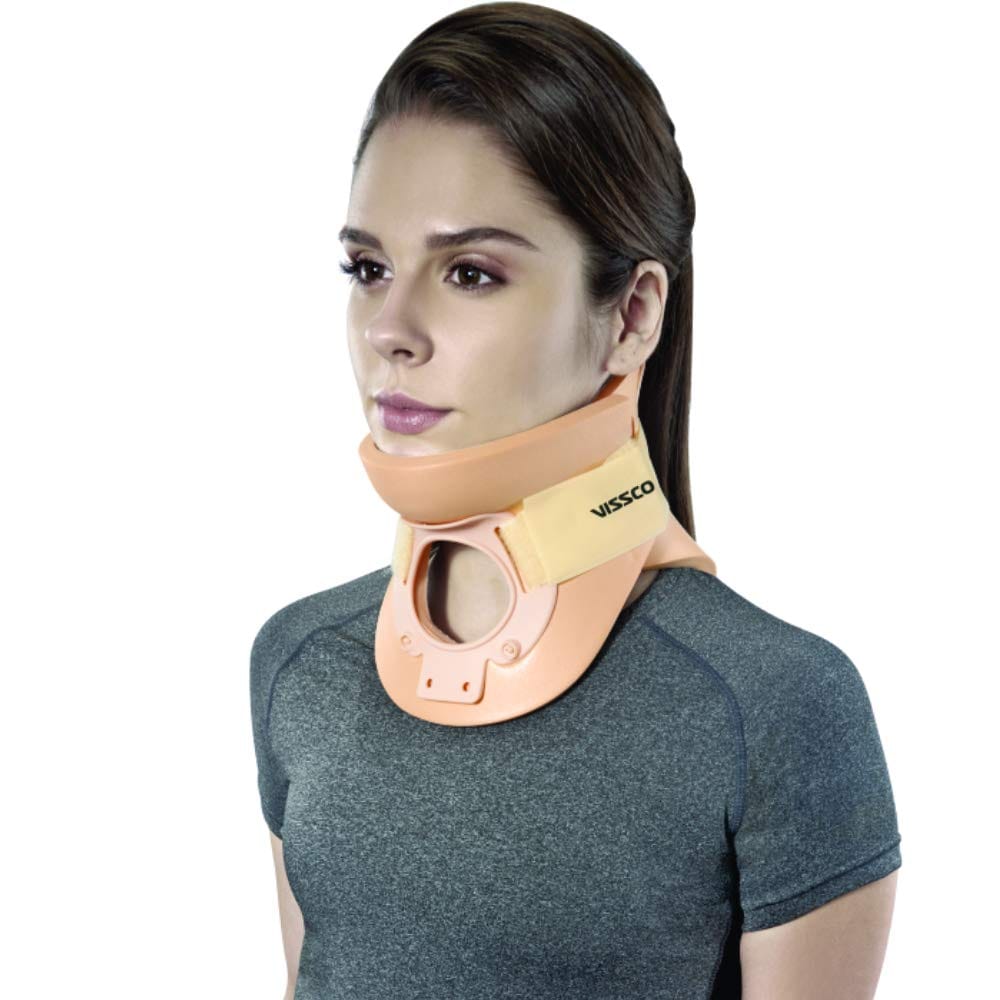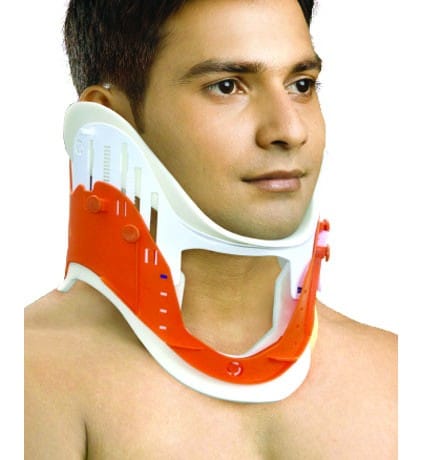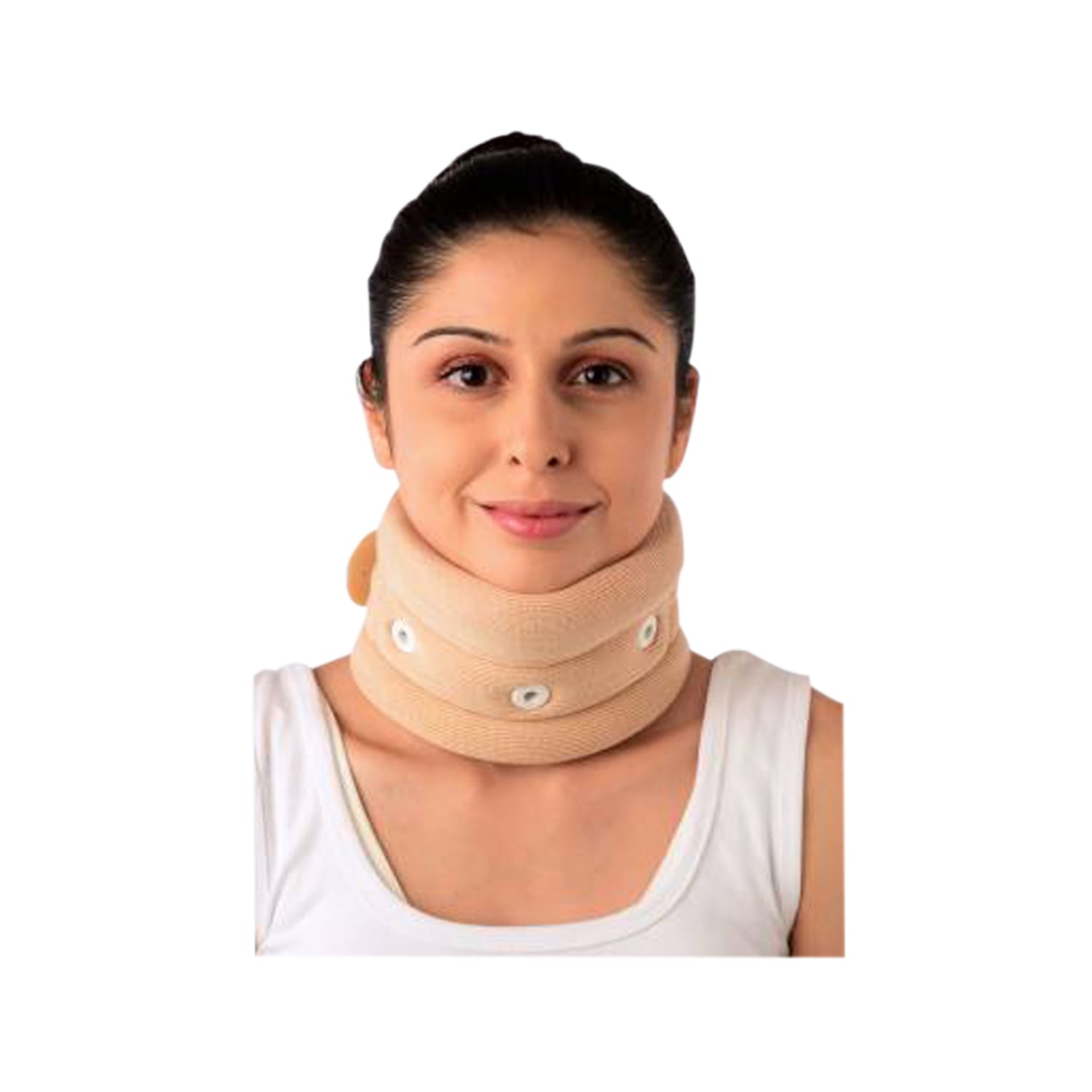



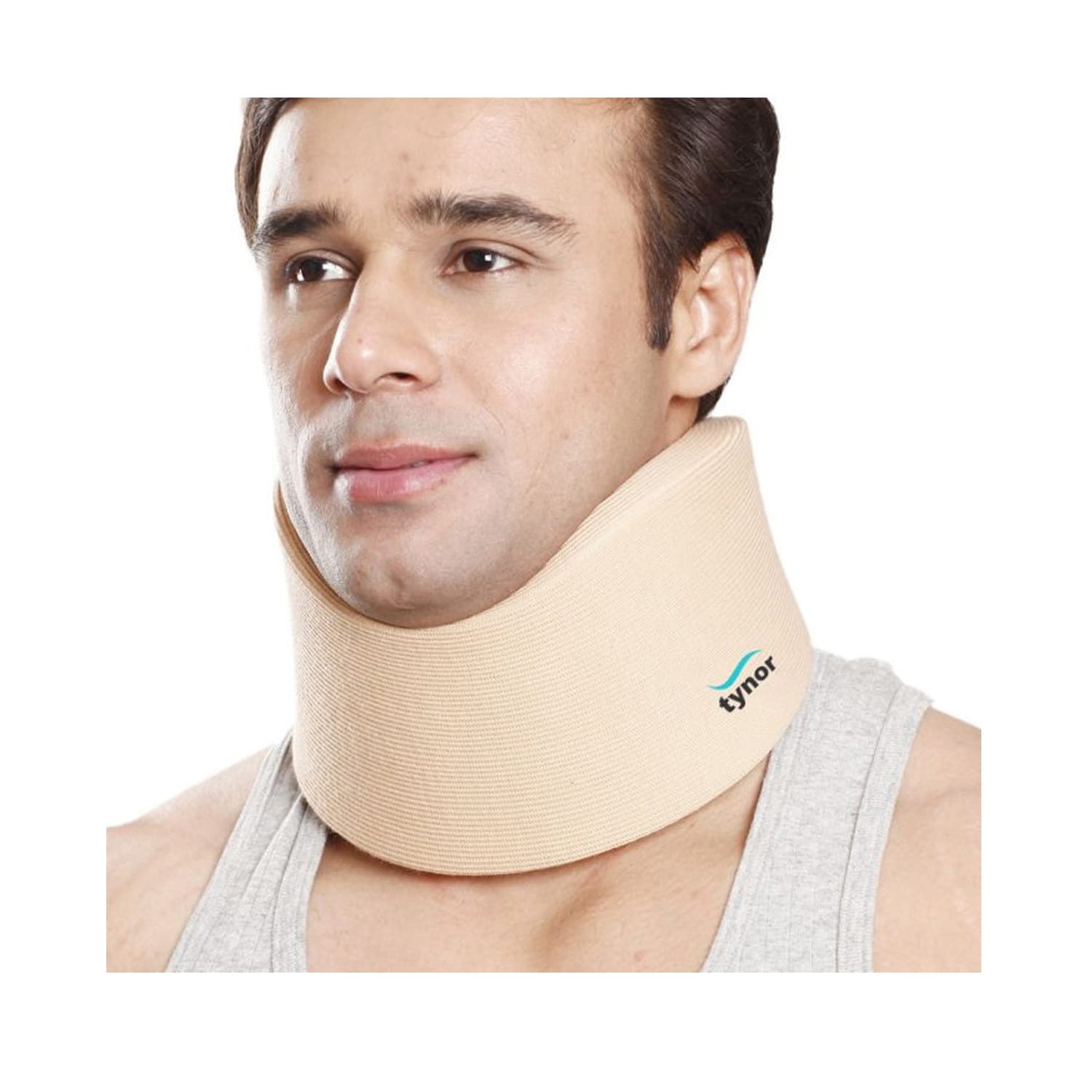
Tynor Cervical Collar With Firm Density Beige 1 Unit - Child B-01
Tynor
₹34023% off₹442
Cervical Fracture
A cervical fracture, commonly known as a broken neck, occurs when one or more vertebrae in the cervical spine break due to trauma. This serious condition can lead to severe neck pain, limited mobility, nerve damage, and in extreme cases, paralysis. Prompt diagnosis and treatment are essential to prevent complications and ensure proper recovery.
Causes of Cervical Fracture
· Trauma or Accidents: High-impact injuries from car crashes, falls, sports injuries, or direct blows to the neck.
· Osteoporosis: Weak and brittle bones increase the risk of cervical fractures, especially in older adults.
· Repetitive Stress: Excessive strain on the neck over time can lead to stress fractures.
· Diving Accidents: Impact from diving into shallow water can fracture the cervical vertebrae.
· High-Impact Sports: Contact sports like football, rugby, or wrestling increase the risk of neck fractures.
· Poor Posture and Prolonged Computer Use: Sitting for long hours with improper posture can put excessive strain on the cervical spine, leading to stress fractures over time.
Symptoms of Cervical Fracture
· Severe Neck Pain: Intense pain that worsens with movement.
· Swelling and Bruising: The affected area may appear swollen and discolored.
· Limited Neck Mobility: Difficulty or inability to move the neck.
· Numbness or Tingling: Radiating sensations in the arms, shoulders, or hands due to nerve involvement.
· Weakness or Paralysis: Severe fractures may result in muscle weakness or loss of function.
· Headache or Dizziness: Some cervical fractures can cause pain radiating to the head or result in dizziness due to nerve involvement.
Diagnosis of Cervical Fracture
A healthcare provider may use the following methods to diagnose a cervical fracture:
· Medical History and Physical Examination: Assessing the cause of injury and evaluating neck stability.
· X-rays: Identifies fractures and abnormalities in cervical vertebrae.
· CT Scan or MRI: Provides detailed imaging to assess the severity of the fracture and any nerve or spinal cord damage.
· Neurological Tests: Determines nerve function and detects potential spinal cord injuries.
Treatment of Cervical Fracture
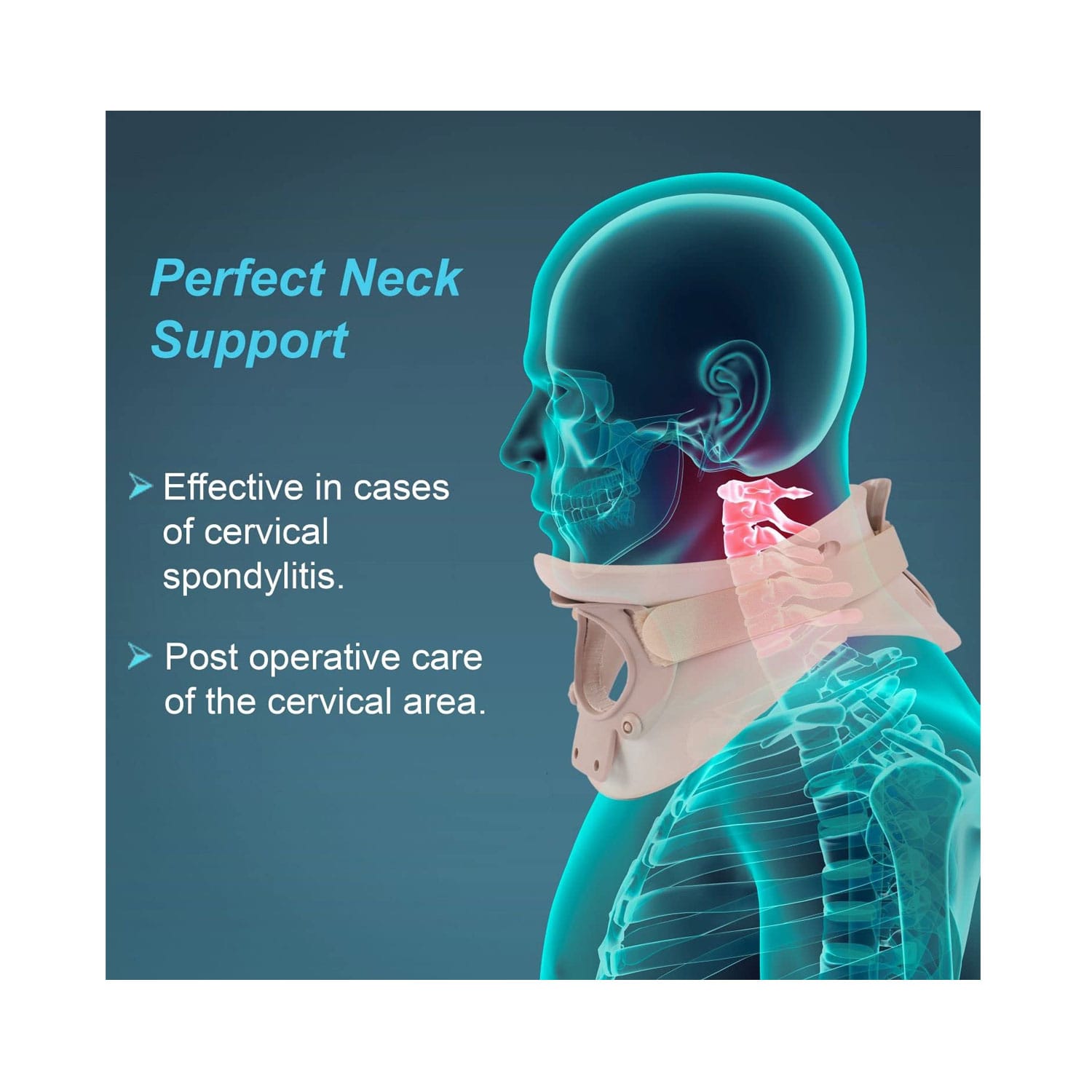
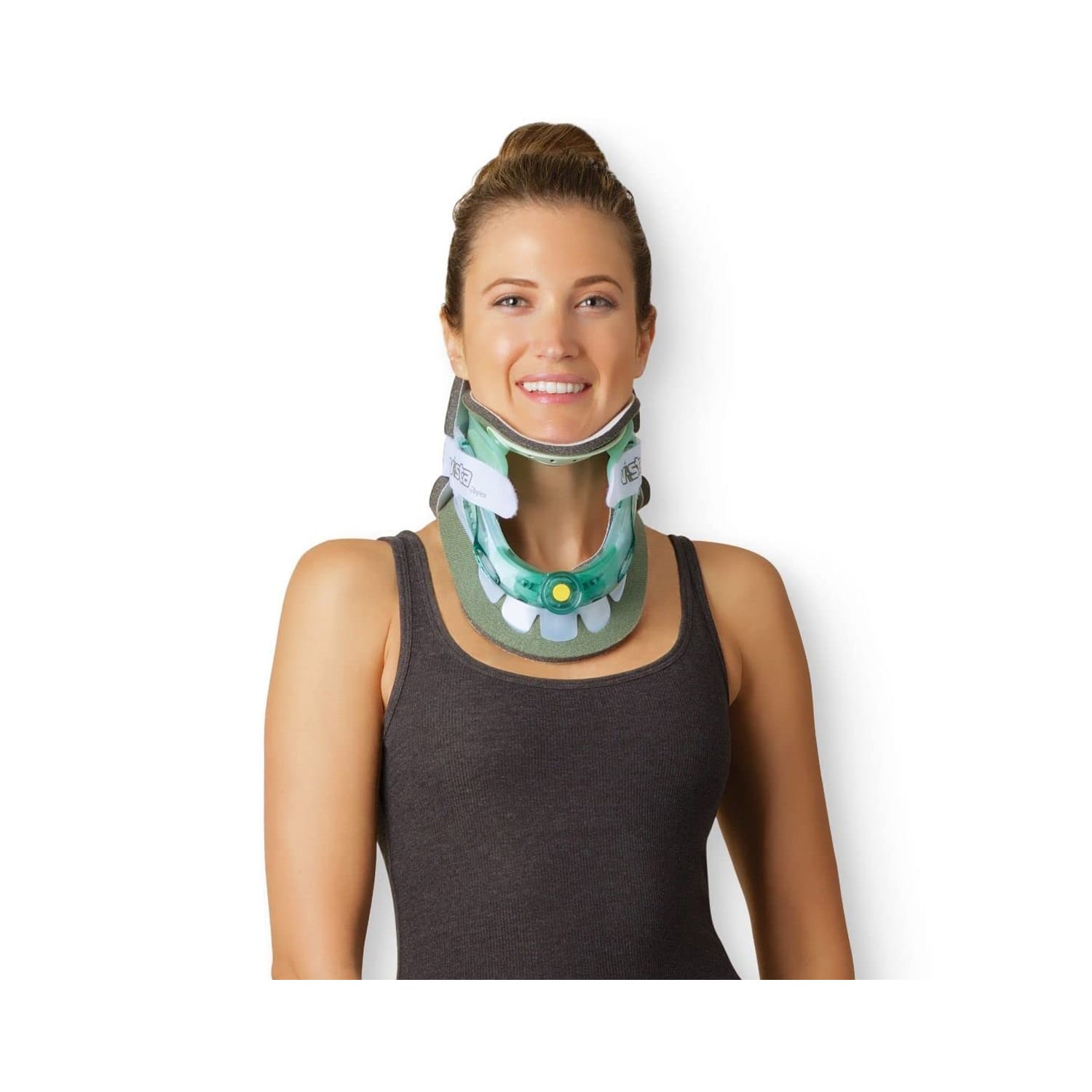
· Immobilization: A cervical collar or brace helps keep the neck stable and prevents further injury.
· Pain Management: NSAIDs, muscle relaxants, or prescribed pain medications can reduce discomfort.
· Physical Therapy: Strengthening and rehabilitation exercises aid recovery and restore mobility.
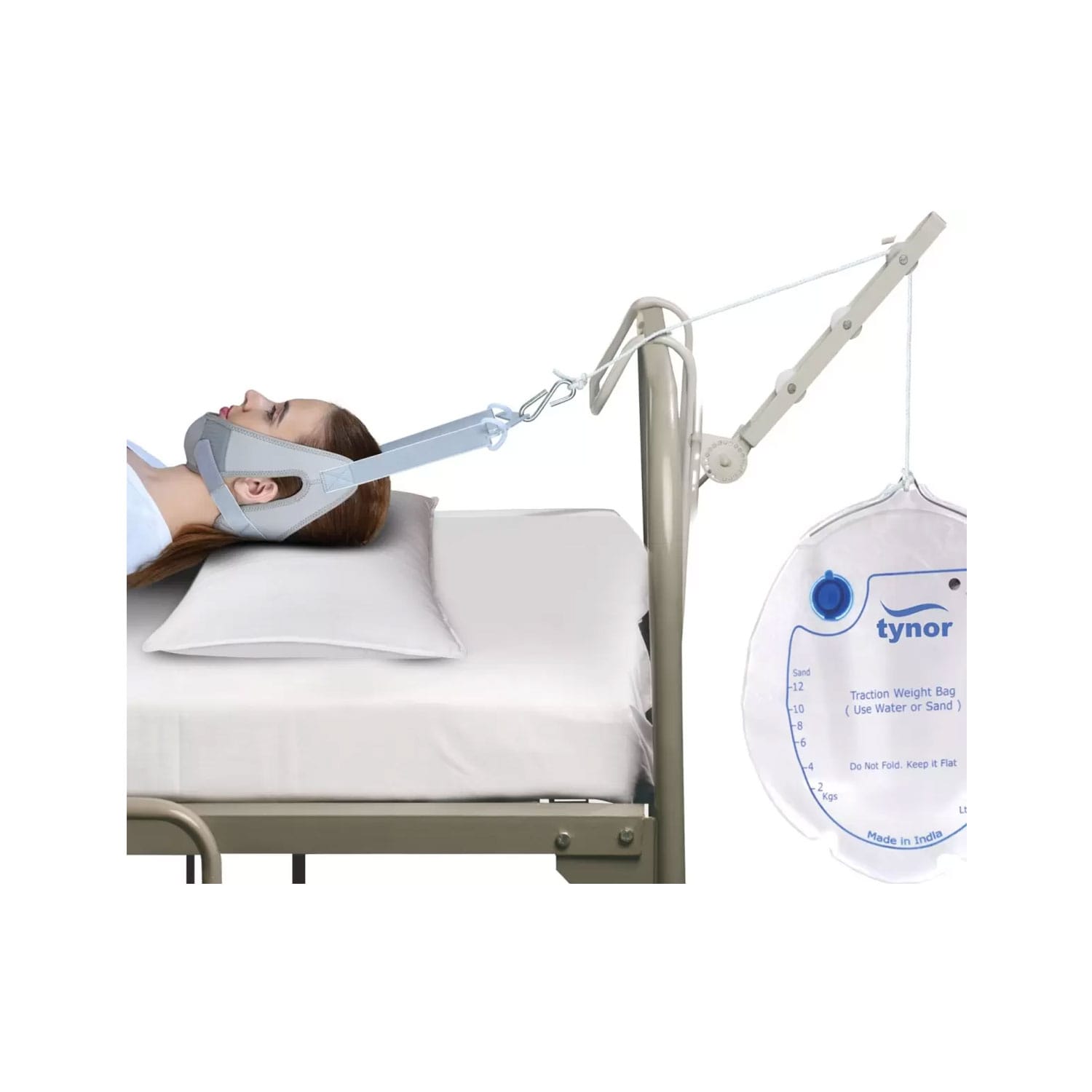
· Cervical Traction: Helps realign fractured bones by applying controlled pressure.
· Surgery (if necessary): Procedures like spinal fusion or vertebral fixation may be required for severe fractures.
Preventing Cervical Fracture
· Use Proper Safety Gear: Wear helmets and protective equipment during sports and physical activities.
· Strengthen Neck Muscles: Regular neck exercises improve stability and reduce injury risk.
· Avoid High-Risk Activities: Be cautious when diving, driving, or engaging in contact sports.
· Maintain Bone Health: Adequate calcium and vitamin D intake help prevent osteoporosis and fractures.
· Practice Good Posture: Reducing strain on the cervical spine lowers the risk of injury.
Complications of Cervical Fracture
· Spinal Cord Injury: Severe fractures can lead to paralysis or neurological deficits.
· Chronic Pain: Persistent discomfort and stiffness may affect daily activities.
· Loss of Mobility: Reduced range of motion and muscle weakness.
· Infections: Post-surgical or immobilization-related complications.
Specialist to Consult for Cervical Fracture
· Orthopedic Surgeon: For surgical interventions and complex fractures.
· Neurosurgeon: For spinal cord-related complications.
· Physical Therapist: To aid rehabilitation and recovery.