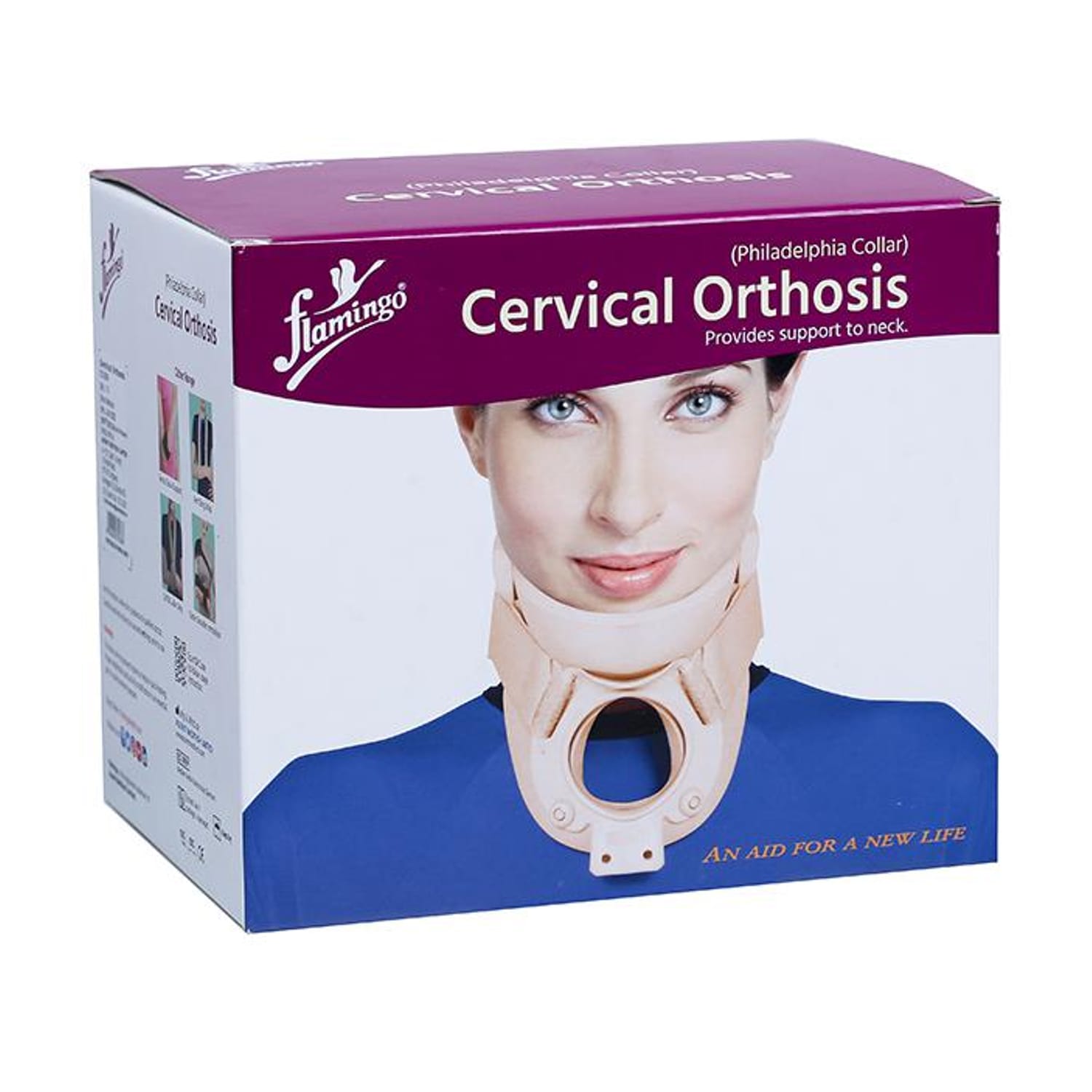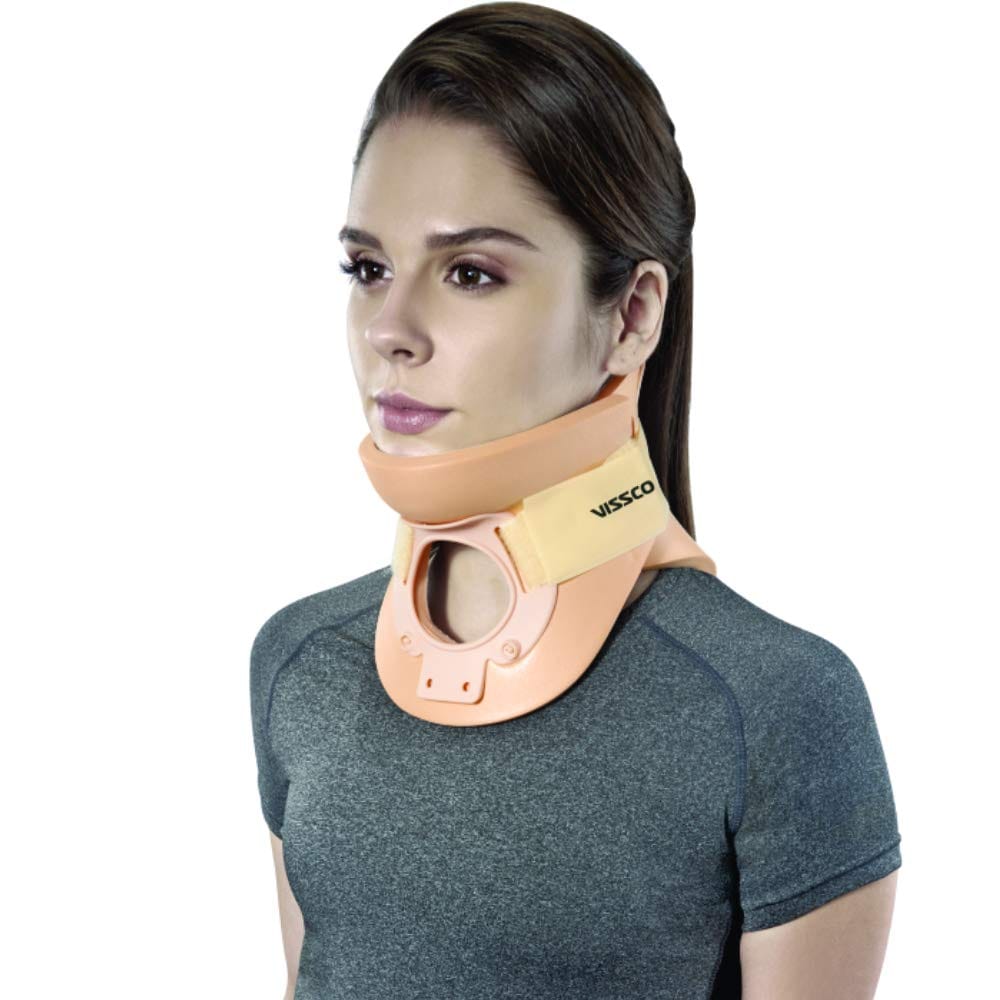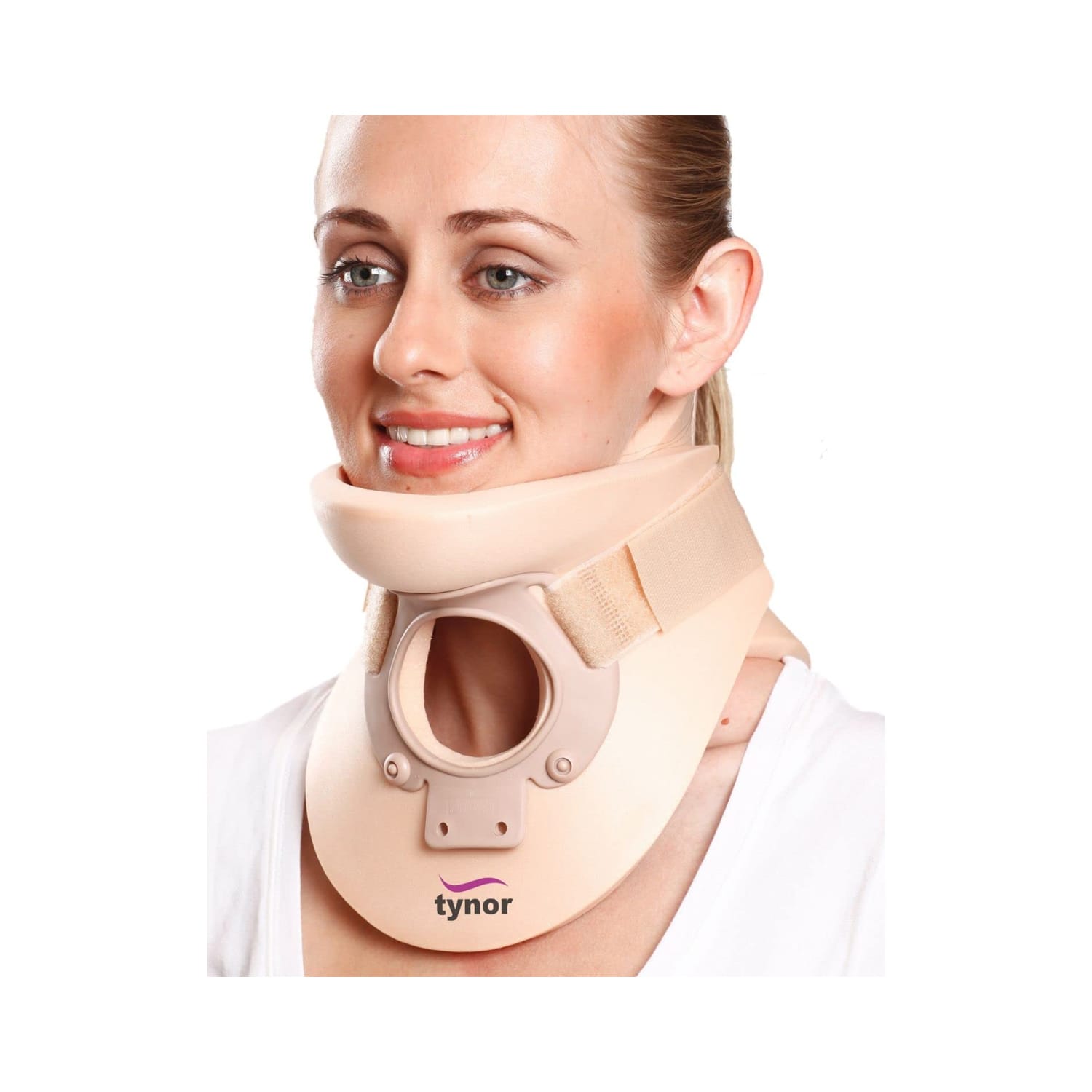


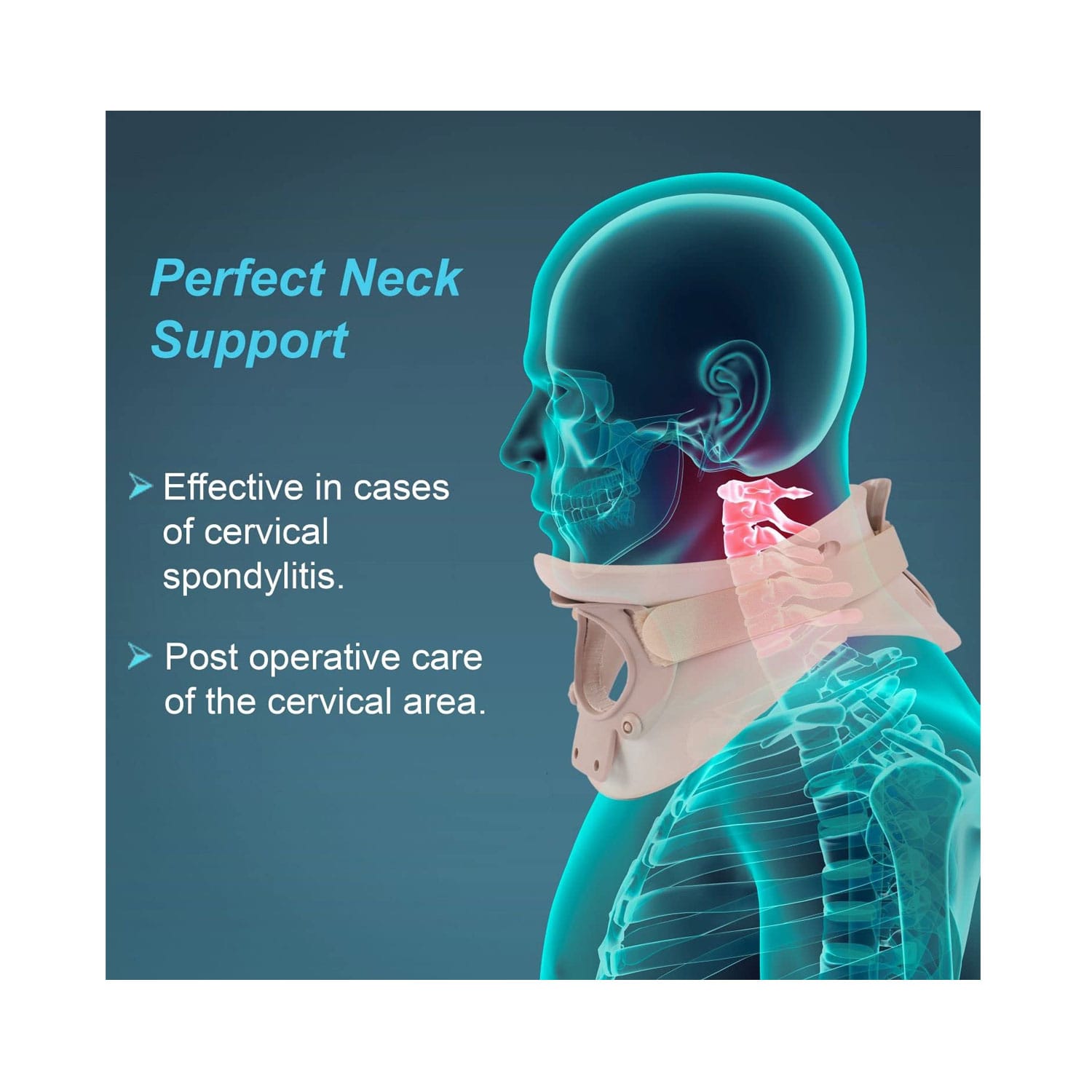
Tynor Cervical Orthosis (Philadelphia) Ethafoam - XL B-05
Tynor
₹91023% off₹1,182
Cervical Disc Herniation
Cervical disc herniation occurs when the soft inner material of a spinal disc in the neck (cervical spine) protrudes through its outer layer, pressing on nearby nerves. This condition can lead to neck pain, stiffness, and radiating discomfort in the shoulders, arms, and hands. It commonly results from aging, wear and tear, or sudden injuries.
Causes of Cervical Disc Herniation
· Degenerative Disc Disease: Over time, spinal discs lose their elasticity and hydration, making them more prone to herniation.
· Trauma or Injury: Sudden impact, such as whiplash from a car accident or a fall, can lead to disc herniation.
· Repetitive Strain: Poor posture, prolonged computer use, or frequent heavy lifting can increase stress on the cervical spine.
· Genetics: A family history of spinal issues may predispose individuals to disc herniation.
· Smoking: Reduces oxygen supply to spinal discs, making them more vulnerable to degeneration.
Symptoms of Cervical Disc Herniation
· Neck Pain: Persistent pain that worsens with movement.
· Radiating Pain: Pain extending to the shoulders, arms, and hands.
· Numbness or Tingling: Sensations of pins and needles in the arms and fingers.
· Muscle Weakness: Difficulty gripping objects or reduced strength in the arms.
· Headaches: Occasional headaches caused by nerve compression.
Diagnosis of Cervical Disc Herniation
A doctor may perform the following tests:
· Medical History and Physical Exam: To assess symptoms and range of motion.
· X-rays: To check for structural abnormalities in the cervical spine.
· MRI or CT Scan: Provides detailed imaging of soft tissues, including herniated discs and nerve compression.
· Electromyography (EMG): Measures nerve activity to detect damage or dysfunction.
Treatment of Cervical Disc Herniation
· Rest and Activity Modification: Avoid activities that worsen pain and allow healing.
· Pain Medications: NSAIDs or prescribed pain relievers can reduce discomfort and inflammation.
· Physical Therapy: Strengthening exercises, stretching, and posture correction help alleviate symptoms.
· Cervical Traction: Helps relieve pressure on the spinal nerves.
· Hot and Cold Therapy: Alternating heat and ice packs can reduce swelling and pain.
· Steroid Injections: Corticosteroid injections may be used for severe inflammation and nerve irritation.
· Surgery (if necessary): In persistent or severe cases, procedures like microscopic discectomy may be performed to relieve pressure on the spinal nerves. Spinal fusion may be considered in cases involving multiple disc issues or spinal instability to provide structural support and prevent further degeneration.
Preventing Cervical Disc Herniation
· Maintain Good Posture: Keep your neck aligned when using a computer or mobile device.
· Exercise Regularly: Strengthen neck and shoulder muscles to support the spine.
· Avoid Heavy Lifting: Use proper techniques when lifting objects.
· Stay Hydrated: Proper hydration maintains disc elasticity.
· Quit Smoking: Improves spinal health and oxygen supply to discs.
Complications of Cervical Disc Herniation
· Chronic Pain: Persistent pain that affects daily activities.
· Nerve Damage: Long-term nerve compression can cause permanent weakness or numbness.
· Loss of Mobility: Severe cases may lead to difficulty in movement or performing routine tasks.
Specialist to Consult for Cervical Disc Herniation
· Orthopedic Surgeon: For severe cases requiring surgical intervention.
· Neurologist: For nerve-related symptoms and advanced diagnostics.
· Physical Therapist: To help with rehabilitation and strengthening exercises.