

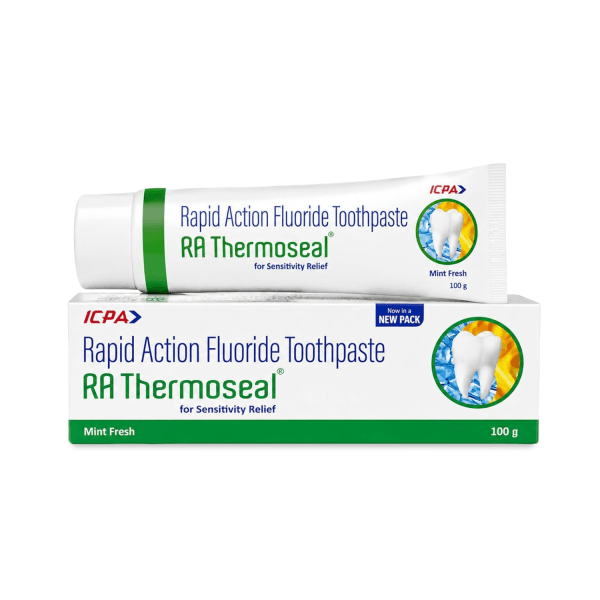
ICPA RA Thermoseal Rapid Action Fresh Mint Tooth Paste 100gm
ICPA
₹1515% off₹159
Cavities
Cavities, also known as dental caries or tooth decay, are permanent damages to the hard surface of your teeth that develop into small holes or openings. They occur when the enamel, the protective outer layer of the teeth, is damaged by acids produced by bacteria that feed on sugars in the mouth. If left untreated, cavities can lead to severe toothache, infection, and tooth loss.
Causes of Cavities
Cavities develop through a combination of factors, including:
Bacteria: The mouth contains numerous bacteria that form a sticky film known as plaque. When these bacteria metabolize sugars, they produce acids that attack tooth enamel.
Sugary and Acidic Foods: Consuming a diet high in sugars and acids (such as candy, soda, and fruit juices) can increase acid production in the mouth and contribute to enamel erosion.
Poor Oral Hygiene: Inadequate brushing and flossing allow plaque to accumulate, increasing the risk of cavities.
Dry Mouth: Saliva helps neutralize acids and wash away food particles. Conditions that cause dry mouth (xerostomia) can reduce saliva production and increase cavity risk.
Fluoride Deficiency: Fluoride strengthens tooth enamel and helps prevent cavities. Lack of fluoride from drinking water, toothpaste, or dental treatments can lead to a higher risk of tooth decay.
Tooth Anatomy: Some individuals may have deep grooves or pits in their teeth, making them more susceptible to cavities.
Frequent Snacking: Eating or drinking frequently, especially sugary foods and beverages, gives bacteria more opportunities to produce acids that erode enamel.
Symptoms of Cavities
Cavities may not present symptoms initially, but as they progress, they can cause:
Tooth Sensitivity: Pain or discomfort when consuming hot, cold, or sweet foods and beverages.
Visible Holes or Pits: Small holes or pits on the surface of the tooth.
Toothache: Persistent pain in the affected tooth, which may worsen over time.
Discoloration: Dark spots or stains on the tooth surface, indicating decay.
Bad Breath: Foul odor in the mouth due to bacterial buildup and decay.
Risk Factors for Cavities
Certain factors increase the likelihood of developing cavities, including:
Age: Children and teenagers are more prone to cavities due to developing teeth and dietary habits.
Diet: A diet high in sugars and acids can increase cavity risk.
Lack of Dental Visits: Infrequent dental check-ups can lead to untreated cavities.
Poor Oral Hygiene Practices: Inconsistent brushing and flossing allow plaque to accumulate.
Existing Dental Work: Fillings or crowns may be more prone to decay at their edges if not properly maintained.
Diagnosis of Cavities
A dentist can diagnose cavities through:
Visual Examination: Inspecting teeth for visible signs of decay or damage.
Dental X-rays: Taking X-rays to identify cavities not visible during a physical examination, especially between teeth or below the gumline.
Complications of Cavities
If left untreated, cavities can lead to:
Tooth Abscess: A painful infection at the root of the tooth, which may require antibiotics or surgical intervention.
Tooth Loss: Severe decay can compromise the structure of the tooth, leading to extraction.
Spread of Infection: Infections can spread to surrounding teeth and gums, leading to periodontal disease.
Impact on Overall Health: Untreated dental infections can potentially affect overall health and lead to serious complications.
Preventing Cavities
Here are some effective strategies to prevent cavities:
Maintain Good Oral Hygiene: Brush teeth at least twice a day with fluoride toothpaste and floss daily to remove plaque and food particles.
Limit Sugary Foods and Drinks: Reduce the intake of sugary snacks and beverages, especially between meals. Opt for water and healthier snacks like fruits and vegetables.
Regular Dental Check-Ups: Schedule regular dental visits for professional cleanings and check-ups to identify and address cavities early.
Fluoride Treatments: Ask your dentist about fluoride treatments or dental sealants to help protect your teeth from decay.
Stay Hydrated: Drink plenty of water to help wash away food particles and bacteria and promote saliva production.
Chew Sugar-Free Gum: Chewing sugar-free gum can stimulate saliva flow, which helps neutralize acids in the mouth.
Treatment of Cavities
Treatment options depend on the severity of the cavity:
Fluoride Treatments: Early-stage cavities may be treated with fluoride to help remineralize the enamel.
Fillings: For moderate cavities, the decayed part of the tooth is removed, and the cavity is filled with materials such as composite resin, amalgam, or glass ionomer.
Crowns: In cases of extensive decay, a crown may be placed over the tooth to restore its shape and function.
Root Canal Treatment: If the decay has reached the tooth's pulp, a root canal may be necessary to remove infected tissue, followed by sealing the tooth.
Tooth Extraction: In severe cases where the tooth cannot be saved, extraction may be required.
Specialist to Consult for Cavities
Dentist: A general dentist can diagnose and treat cavities and provide preventive care to maintain oral health.