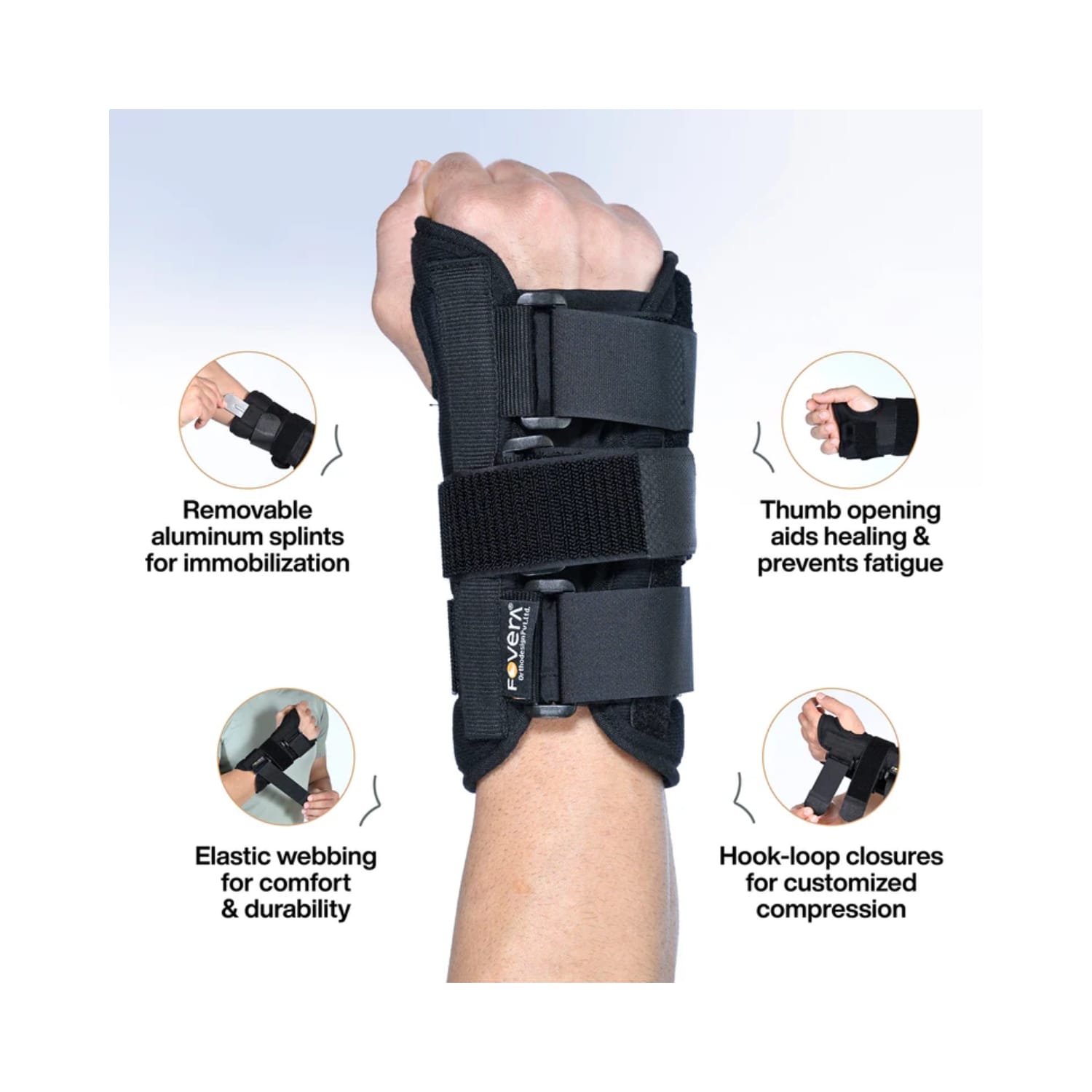


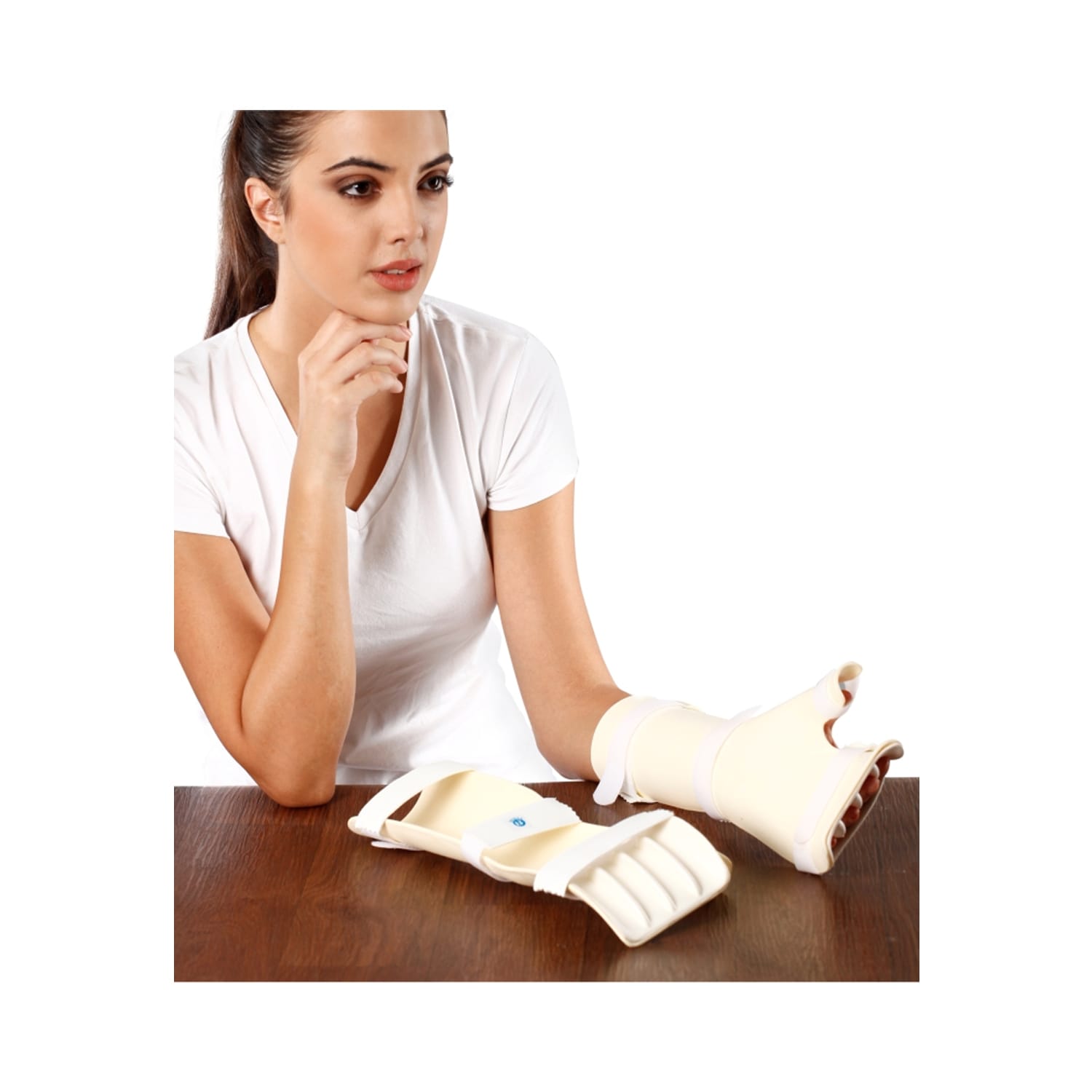
Tynor Hand Resting Splint Left E-29 (Small)
Tynor
₹54423% off₹707
Carpal Tunnel Syndrome
Carpal Tunnel Syndrome (CTS) is a condition that occurs when the median nerve, which runs from the forearm into the palm, becomes compressed or pinched within the carpal tunnel—a narrow passageway of ligaments and bones at the base of the hand. This compression causes numbness, tingling, weakness, or pain in the hand and wrist and can impact daily activities and quality of life.
Causes of Carpal Tunnel Syndrome
* Repetitive Hand Movements: Frequent, prolonged wrist motions, such as typing, using hand tools, or playing musical instruments, can contribute to CTS.
* Wrist Anatomy: Individuals with smaller carpal tunnels or other structural abnormalities are more susceptible to nerve compression.
* Medical Conditions: Conditions like diabetes, rheumatoid arthritis, and hypothyroidism increase the risk of CTS due to their effects on nerve health or fluid retention.
* Pregnancy and Menopause: Hormonal changes can cause fluid retention, which may increase pressure in the carpal tunnel.
* Trauma or Injury: Wrist fractures, sprains, or direct injuries to the wrist can narrow the carpal tunnel, placing pressure on the median nerve.
* Sports and Physical Activities:
* High-Impact Sports: Activities that involve repetitive wrist and hand movements, such as tennis, gymnastics, and weightlifting, can contribute to the development of CTS. These sports often require strong grips or dynamic wrist motions, which can lead to strain and inflammation in the wrist area.
* Contact Sports: In sports like football or hockey, falls or impacts to the wrist can cause swelling and lead to increased pressure within the carpal tunnel.
Overuse Injuries: Athletes may experience overuse injuries due to rigorous training regimens, which can exacerbate symptoms of CTS. Athletes who do not allow adequate recovery time or who use improper techniques may be at a higher risk.
Symptoms of Carpal Tunnel Syndrome
Symptoms often begin gradually and may include:
Numbness and Tingling: A common sensation that occurs primarily in the thumb, index, middle, and ring fingers.
Pain or Discomfort: Pain in the wrist or hand, which can radiate up the arm.
Weakness: Reduced grip strength and difficulty holding objects.
Wrist and Hand Stiffness: Especially noticeable after sleeping or prolonged wrist positions.
Fingers Falling Asleep: A feeling of "pins and needles" or fingers "falling asleep" during activity or rest.
Risk Factors for Carpal Tunnel Syndrome
Gender: Women are more likely to develop CTS due to narrower carpal tunnels.
Age: CTS risk increases with age.
Occupational Factors: Jobs requiring repetitive hand or wrist movements, such as typing, sewing, or assembly line work, may increase the likelihood of CTS.
Genetics: Family history of CTS or conditions like diabetes may increase susceptibility.
Diagnosis of Carpal Tunnel Syndrome
A healthcare provider, often a neurologist or orthopedic surgeon, may diagnose CTS through:
Physical Examination: Assessing symptoms and performing maneuvers, like the Tinel’s sign or Phalen’s test, to provoke symptoms.
Nerve Conduction Studies (NCS): This test measures the speed of nerve signals, helping to confirm CTS and assess severity.
Electromyography (EMG): An EMG can help determine the extent of nerve and muscle involvement.
Complications of Carpal Tunnel Syndrome
Without treatment, CTS can lead to:
Permanent Nerve Damage: Chronic compression can cause irreversible damage to the median nerve.
Loss of Hand Function: Severe CTS may lead to a significant loss of hand and wrist functionality.
Muscle Atrophy: Muscle wasting can occur at the base of the thumb if CTS progresses untreated.
Preventing Carpal Tunnel Syndrome
While not all cases are preventable, the following tips can help reduce the risk of developing CTS, especially for individuals who engage in sports or repetitive hand movements:
Maintain Good Posture: Keep wrists straight and relaxed while typing or using tools, ensuring that the hand and wrist are aligned properly.
Take Frequent Breaks: If performing repetitive tasks, take regular breaks to stretch and rest your hands. This is particularly important for athletes during training sessions.
Use Ergonomic Tools: Choose tools and accessories designed to minimize strain on the wrist. Look for:
Ergonomic Keyboards and Mouse: Designed to maintain a natural wrist position.
Padded Grips for Tools: Use tools with padded handles or grips to reduce pressure on the wrist during use.
Sports-Specific Equipment:
* Wrist Guards or Braces: Athletes should consider wearing wrist guards or braces during practice and competition to provide support and limit excessive wrist flexion or extension.
* Properly Fitted Sports Gear: Ensure that gloves, rackets, or other equipment are appropriately sized to prevent strain on the wrist.
* Strength Training: Incorporate wrist and forearm strengthening exercises to improve endurance and flexibility. This can help prevent overuse injuries in sports.
Avoid Prolonged Wrist Flexion: Keep wrists in a neutral position as much as possible, particularly during sports activities that require gripping or lifting.
Practice Hand and Wrist Exercises: Engage in gentle stretching and strengthening exercises to maintain wrist flexibility and strength. This can help mitigate the risk of developing CTS, especially for athletes who use their hands extensively.
Treatment of Carpal Tunnel Syndrome
Treatment depends on the severity of symptoms and may include:
Non-Surgical Treatments:
Wrist Splints: Wearing a splint at night can help keep the wrist in a neutral position, reducing pressure on the median nerve.
Anti-Inflammatory Medications: Over-the-counter NSAIDs can alleviate pain and inflammation.
Corticosteroid Injections: A steroid injection can reduce inflammation and relieve symptoms temporarily.
Physical Therapy: Exercises focused on nerve gliding and strengthening may improve symptoms.
Surgical Treatments:
Carpal Tunnel Release Surgery: In severe cases, surgery may be necessary to cut the ligament pressing on the median nerve, relieving pressure. Surgery can be performed endoscopically or through open surgery, depending on the case.
Specialist to Consult for Carpal Tunnel Syndrome
Orthopedic Surgeon or Hand Specialist: Specializes in diagnosing and treating musculoskeletal conditions, including CTS.
Neurologist: A specialist in nerve health, often involved in diagnosing and managing CTS, especially when nerve studies are required.