

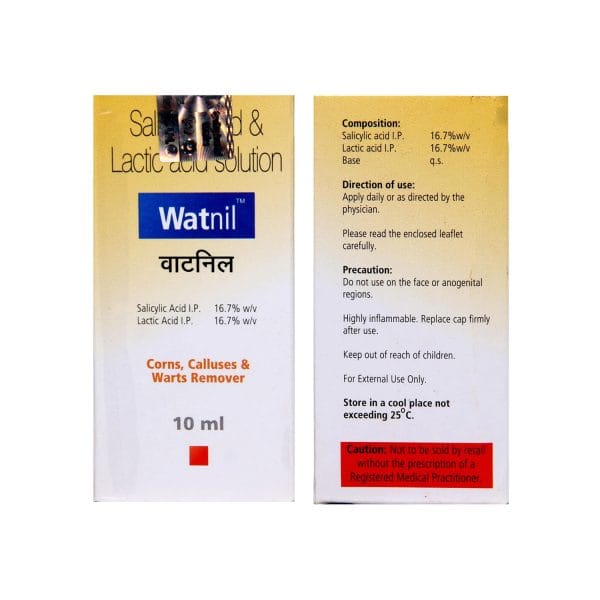
Watnil Lotion to Remove Warts, Calluses and Corns 10ml
Apple Therapeutics
₹2767% off₹297
Calluses / Corns
Calluses and corns are thickened layers of skin that develop due to repeated friction or pressure. While calluses typically form on the soles of the feet and hands, corns often appear on toes or bony areas, causing discomfort or pain.
Causes of Calluses and Corns
Friction and Pressure: Wearing tight or ill-fitting shoes, walking barefoot, or engaging in activities that apply pressure to certain areas of the feet or hands can lead to callus or corn formation.
Foot Deformities: Bunions, hammertoes, or other structural foot issues may increase the likelihood of developing corns or calluses.
High-Heeled or Tight Shoes: Shoes that compress certain areas of the feet, especially high heels, can cause calluses or corns to develop.
Manual Labor: Repeated use of hands for tasks like gardening, carpentry, or playing musical instruments can lead to calluses on the palms or fingers.
Toe Deformities: Conditions like hammertoe or mallet toe can cause toes to rub against shoes, resulting in corns.
Symptoms of Calluses and Corns
Thickened Skin: A rough, hard patch of skin is typically seen in the area where a callus or corn forms.
Pain or Tenderness: While calluses are generally painless, corns may be painful, especially when pressed.
Yellowish or Grayish Skin: The affected area often appears dry, discolored, and rough to the touch.
Raised Bump: Corns often develop a raised, central core that can become quite painful.
Diagnosis of Calluses and Corns
A healthcare provider can diagnose calluses and corns by:
Medical History: Discussing footwear habits, activities, and any pre-existing foot conditions.
Physical Examination: Examining the location, size, and appearance of the thickened skin to differentiate between calluses and corns.
Treatment of Calluses and Corns
Foot Soaks: Soaking feet in warm water can soften the thickened skin, making it easier to remove.
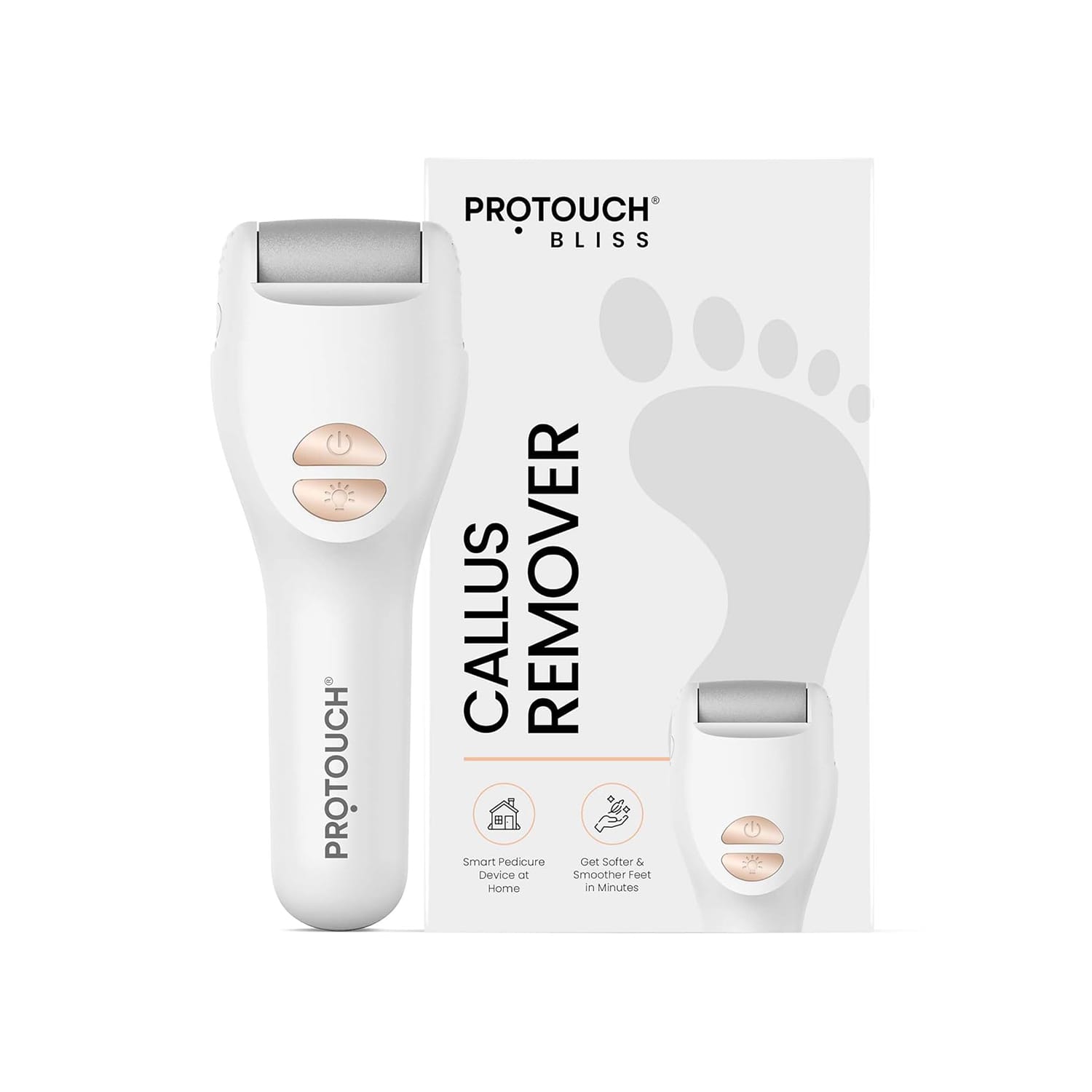
Pumice Stone: Gently rubbing a pumice stone over the callus or corn can help remove the dead skin layer gradually.
Moisturizing Creams: Applying moisturizing lotions or creams to the affected area can keep the skin soft and prevent further thickening.
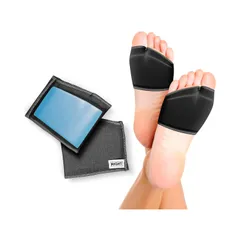
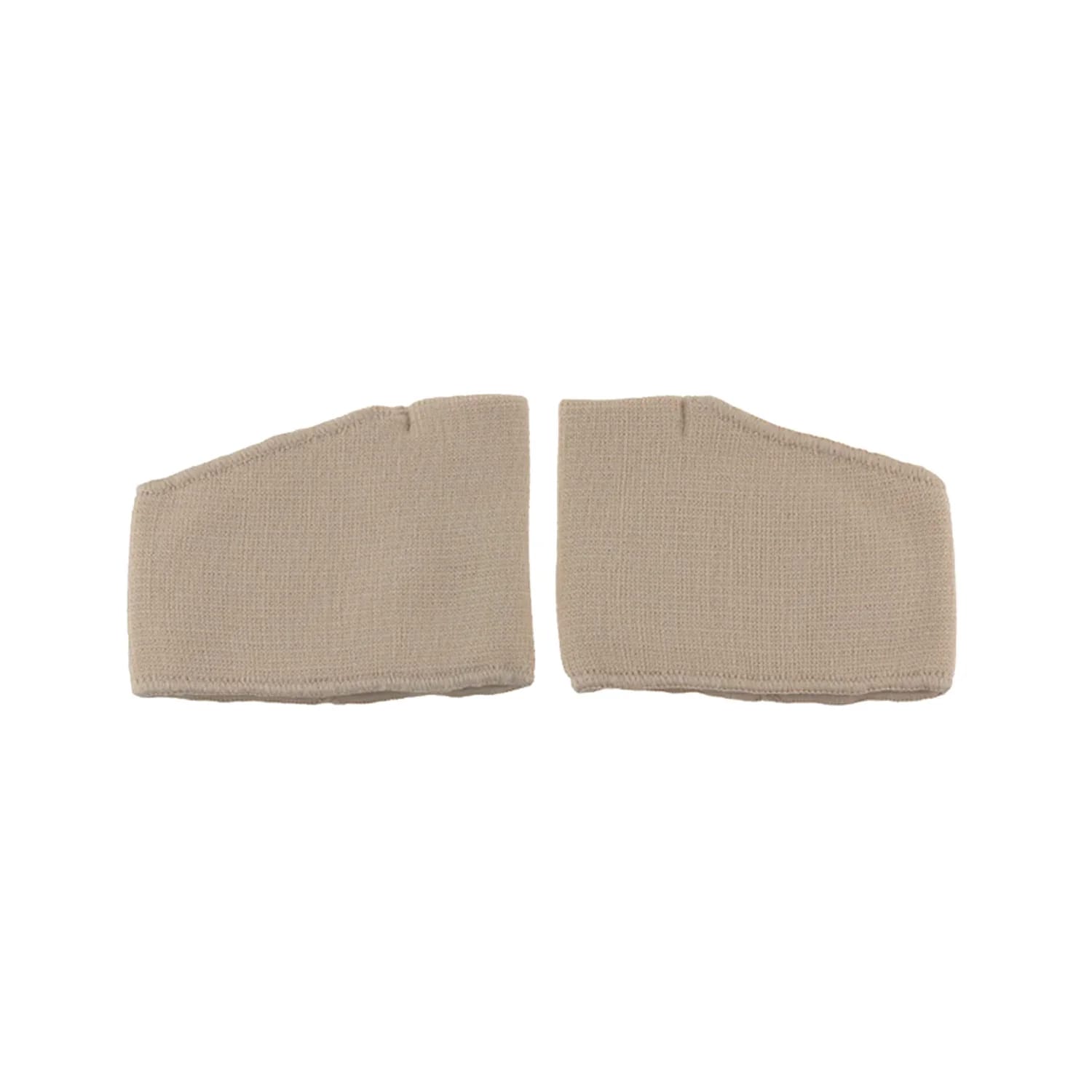
Corn Pads: Over-the-counter corn pads can cushion the area and prevent further friction.
Orthotic Inserts: Using custom orthotics or shoe inserts can redistribute pressure and prevent the formation of calluses or corns.
Proper Footwear: Wearing shoes that provide ample room for the toes and proper cushioning can prevent pressure that leads to calluses or corns.
Salicylic Acid: Medicated patches or creams containing salicylic acid can help soften and remove the thickened skin. However, people with diabetes or poor circulation should consult a doctor before using these products.
Trimming by a Doctor: In some cases, a podiatrist may need to trim the callus or corn using sterile instruments to alleviate discomfort.
Surgery: In rare cases, if foot deformities such as hammertoes or bunions contribute to corn formation, surgery may be necessary to correct the deformity and prevent recurrence.
Prevention: Regularly moisturizing the skin, wearing well-fitted shoes, and using protective pads can prevent calluses and corns from developing.
Preventing Calluses and Corns
Wear Proper Shoes: Ensure your shoes fit well, offer enough space for the toes, and provide proper cushioning.
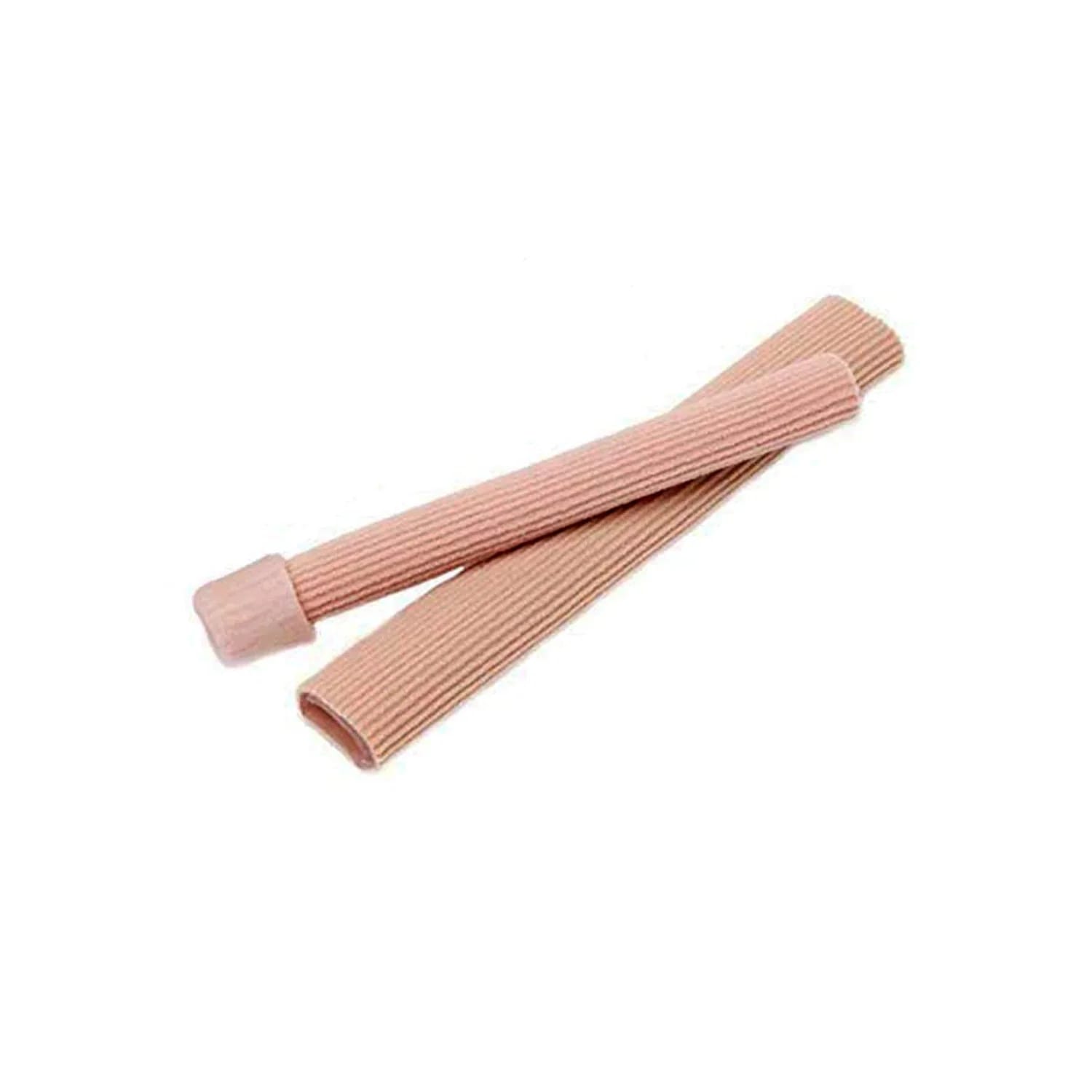
Use Protective Padding: Applying cushioned insoles, pads, or gel toe separators can help prevent rubbing and pressure.
Regular Foot Care: Keep your feet moisturized, and regularly remove dead skin with a pumice stone or file.
Avoid High Heels: High-heeled shoes put extra pressure on the ball of the foot, contributing to the formation of calluses and corns.
Complications of Calluses and Corns
Infection: If the thickened skin cracks or breaks, bacteria may enter, leading to infection.
Ulcers: People with diabetes or circulation problems are at higher risk of developing ulcers under calluses or corns.
Severe Pain: Without treatment, corns can become extremely painful, affecting mobility.
Specialist to Consult for Calluses and Corns
Podiatrist: A specialist in foot care, podiatrists can provide guidance on treating and preventing calluses and corns.
Dermatologist: For skin-related concerns, a dermatologist can help manage thickened or painful skin caused by calluses or corns.
Cosmetic Dermatologist & Plastic Surgeon: In cases where cosmetic concerns arise or surgical removal is necessary, these specialists can assist with recovery and appearance.