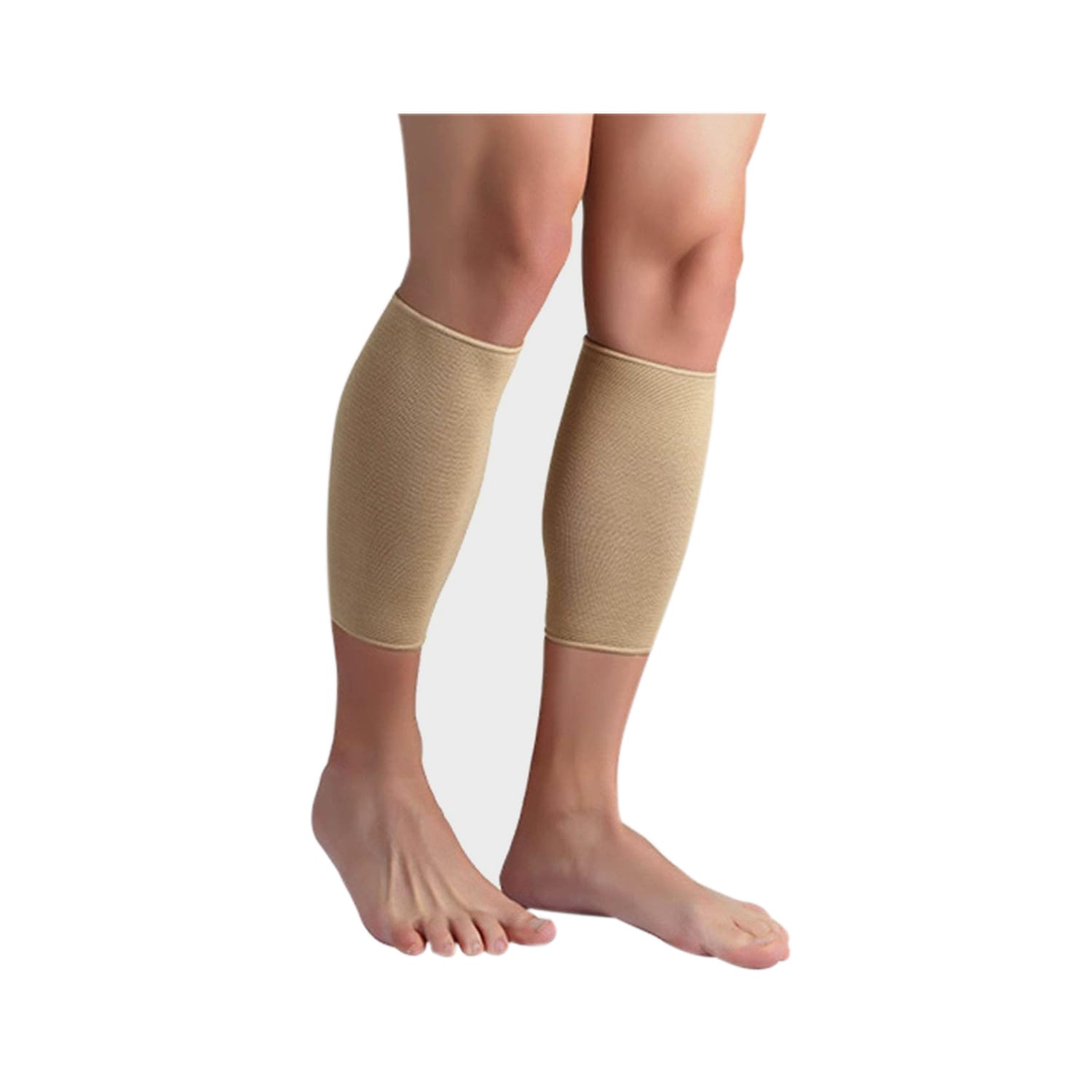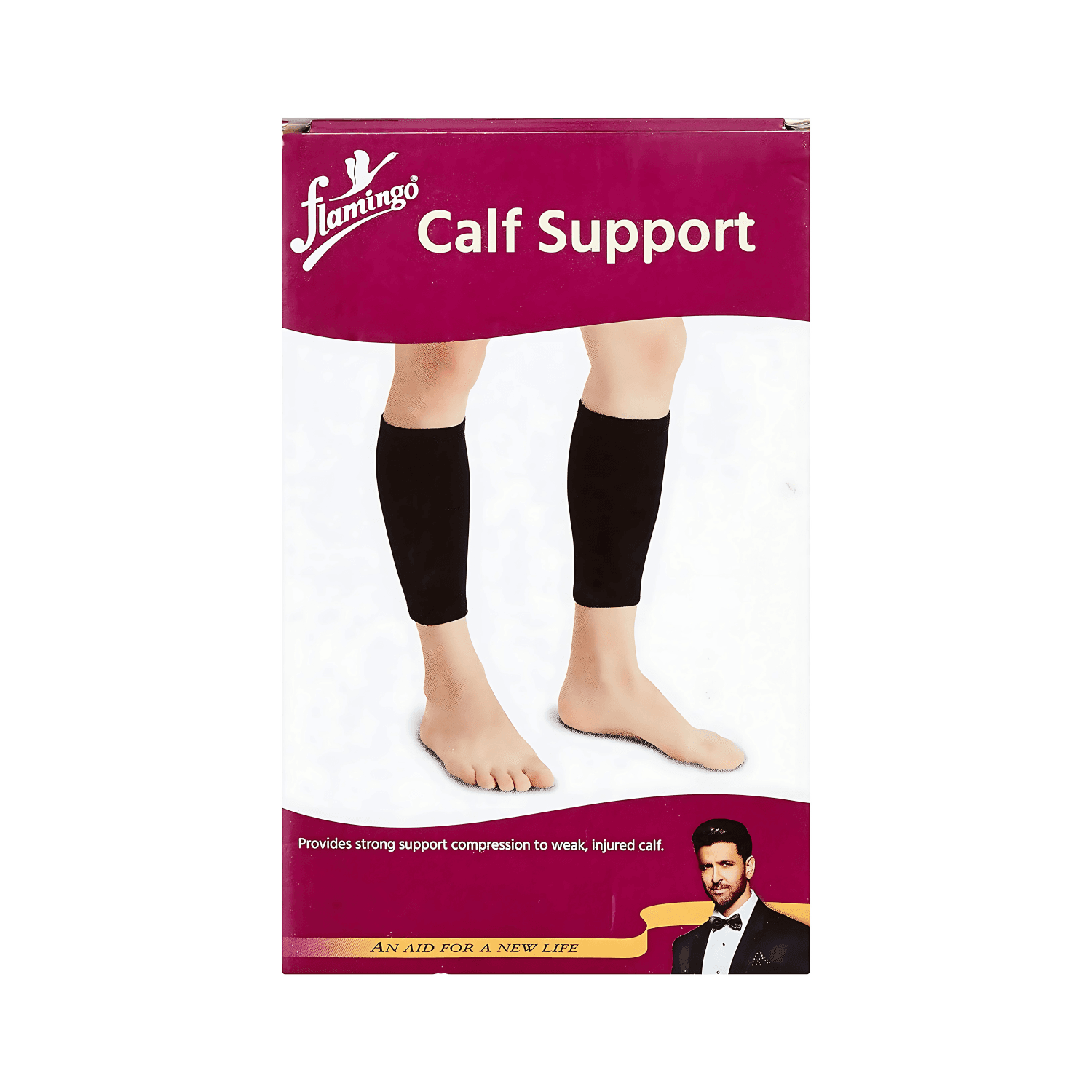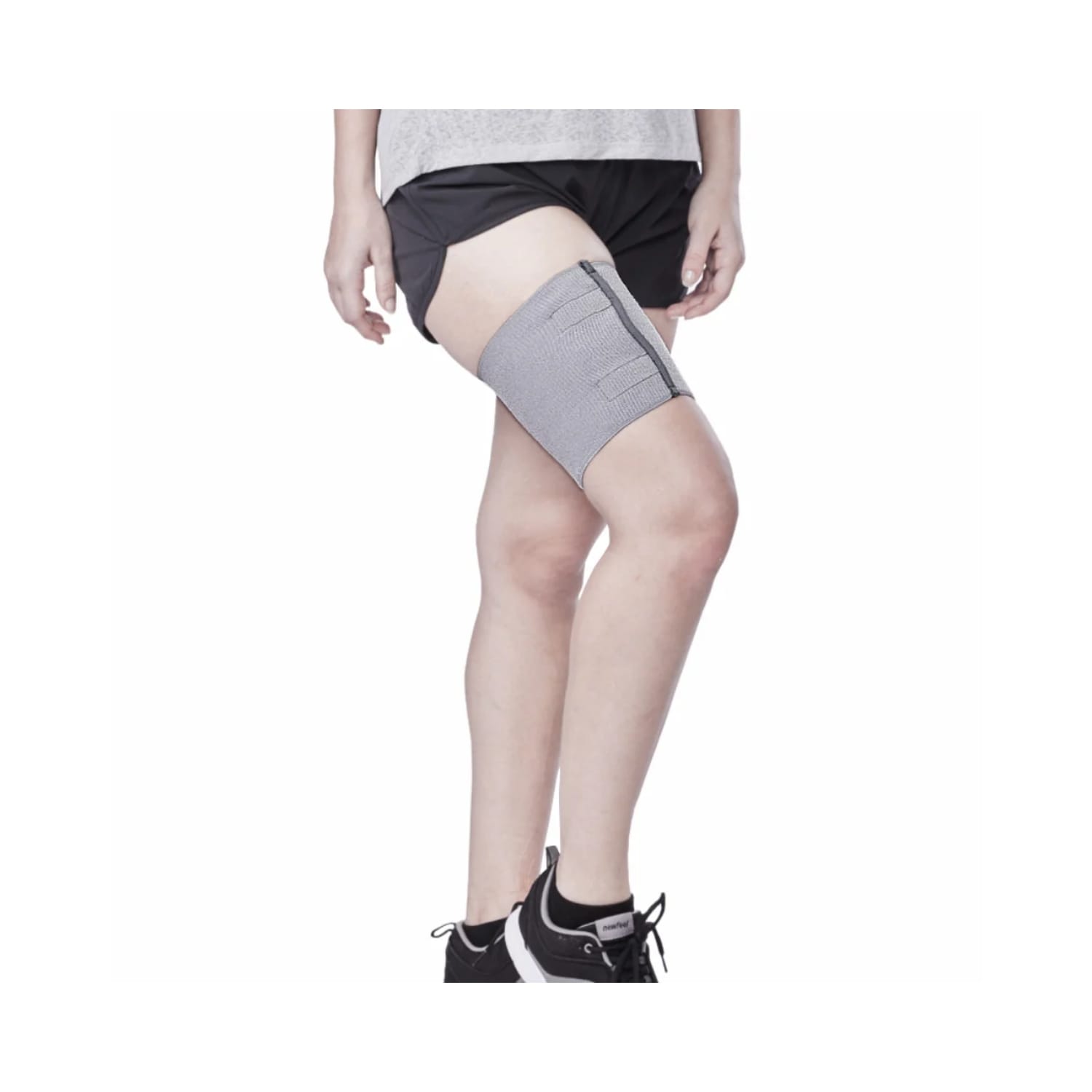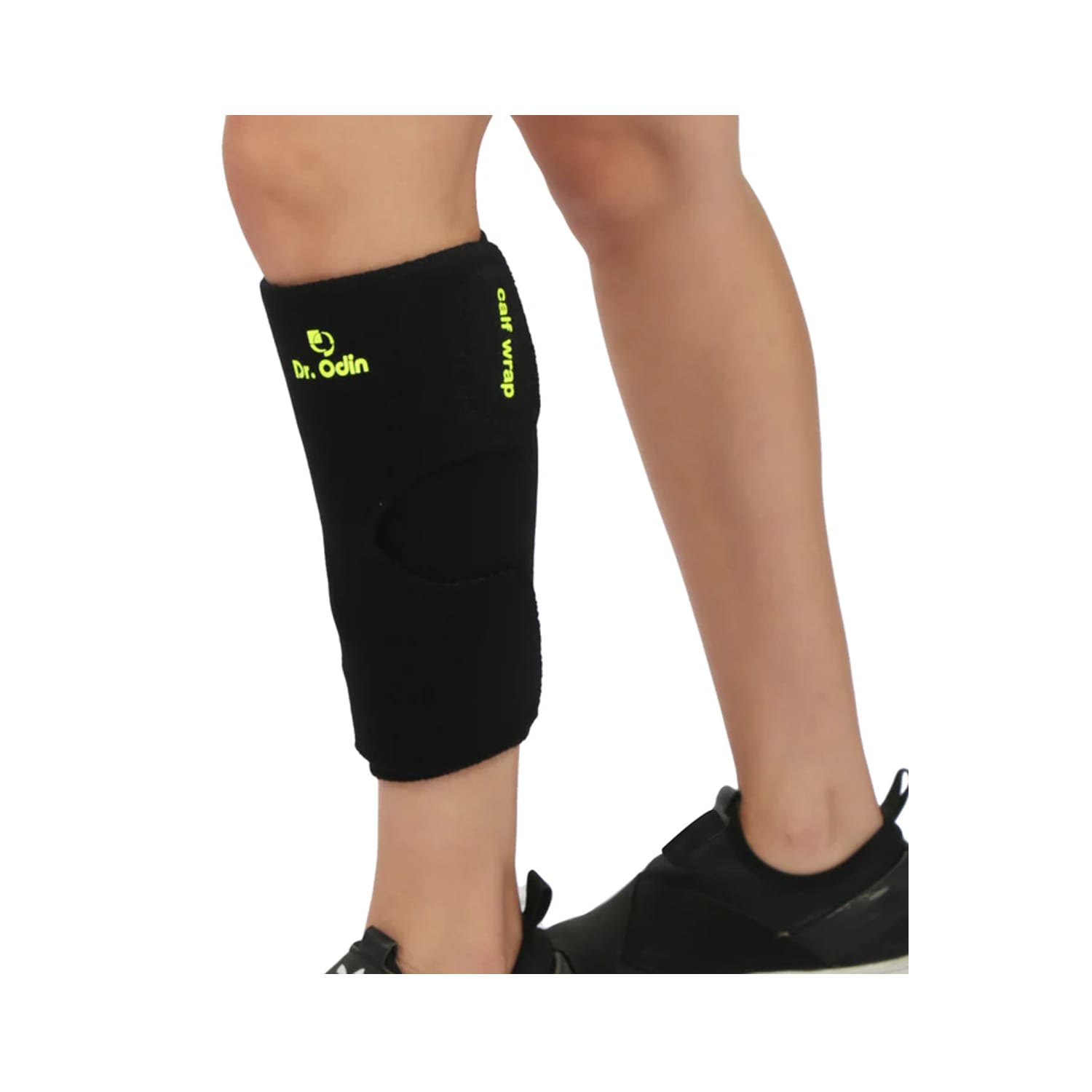


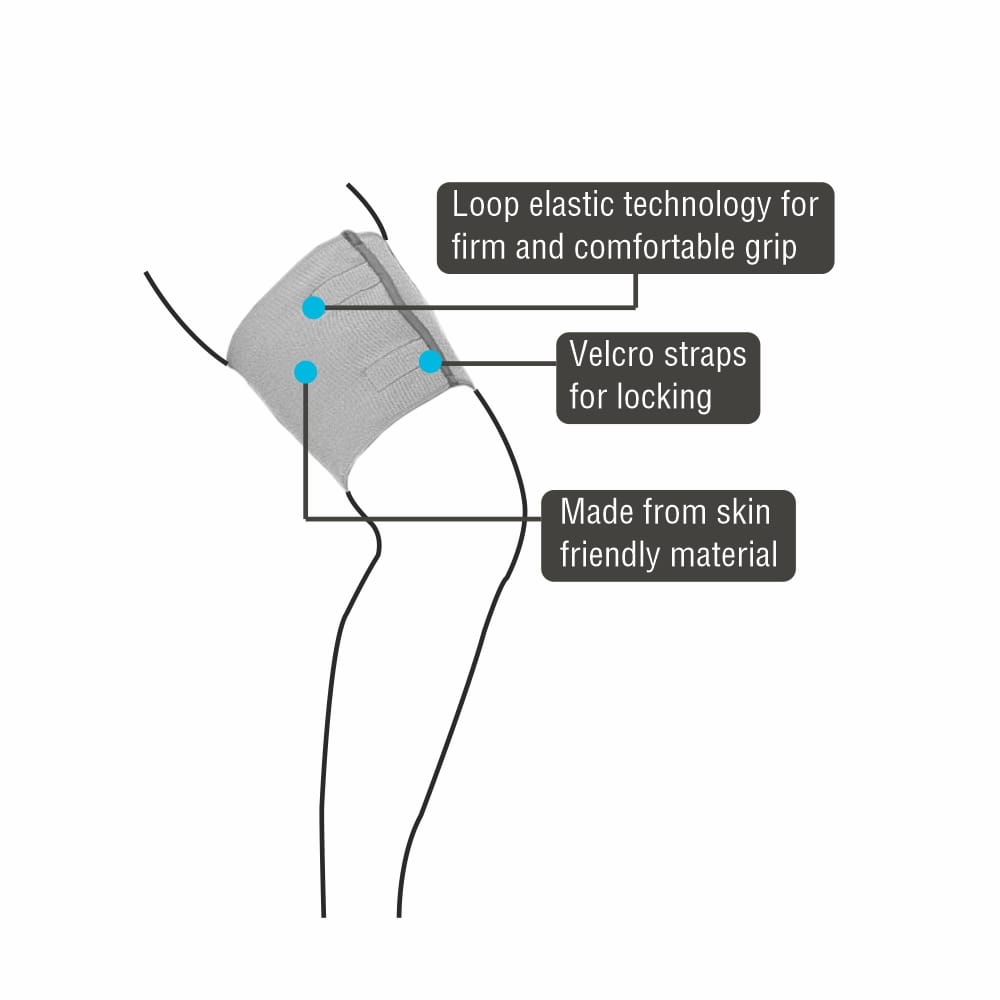
Vissco Loop Elastic Calf Support - Large (PC. No.0703)
VISSCO
₹35825% off₹477
Calf Pain
Calf pain refers to discomfort or soreness in the back portion of the lower leg, which consists of muscles like the gastrocnemius and soleus. This type of pain can range from mild to severe and can occur due to various factors, such as muscle strain, overuse, or underlying medical conditions.
Causes of Calf Pain
Muscle Strain: Overstretching or tearing of the calf muscles due to activities like running, jumping, or sudden movements can result in calf pain.
Cramps: Muscle cramps or spasms, often caused by dehydration, electrolyte imbalances, or prolonged activity, are a common cause of calf pain.
Tendonitis: Inflammation of the Achilles tendon, which connects the calf muscles to the heel, can cause pain in the lower calf region.
Deep Vein Thrombosis (DVT): A blood clot in the deep veins of the leg can cause calf pain, swelling, and redness. DVT is a serious condition requiring immediate medical attention.
Shin Splints: Inflammation of the muscles and tendons along the shinbone can sometimes cause pain radiating into the calf.
Varicose Veins: Enlarged, twisted veins in the legs can cause aching, throbbing, or a heavy sensation in the calves.
Compartment Syndrome: This occurs when pressure within the muscles builds to dangerous levels, leading to severe pain, swelling, and sometimes numbness in the calf.
Peripheral Artery Disease (PAD): Reduced blood flow due to narrowed arteries can lead to calf pain, especially during walking or exercise.
Symptoms of Calf Pain
Aching or Soreness: A dull, constant ache in the calf, particularly after physical activity.
Sharp Pain: Sudden, sharp pain, especially with muscle strain or injury.
Swelling: The affected calf may appear swollen or puffy.
Redness or Warmth: In cases of infection or blood clots, the calf may become red and warm to the touch.
Muscle Weakness: Difficulty flexing the foot or walking normally due to calf weakness.
Cramps or Spasms: Sudden, involuntary muscle contractions that cause intense pain, often in the middle of the night.
Diagnosis of Calf Pain
Diagnosis typically involves:
Medical History: A healthcare provider will ask about recent physical activities, previous injuries, and any other symptoms.
Physical Examination: The calf may be examined for tenderness, swelling, and flexibility.
Imaging Tests: X-rays, MRIs, or ultrasounds may be recommended to check for fractures, muscle tears, or blood clots.
Blood Tests: To check for conditions like deep vein thrombosis or an infection.
Treatment of Calf Pain
Rest and Ice: Resting the leg and applying ice to the calf for 15–20 minutes every few hours can help reduce pain and inflammation.
Compression and Elevation: Using a compression bandage and elevating the leg can help decrease swelling.
Stretching and Strengthening: Gentle calf stretches and exercises can help restore flexibility and strengthen the muscles.
Anti-Inflammatory Medications: Non-steroidal anti-inflammatory drugs (NSAIDs) like ibuprofen can help relieve pain and reduce inflammation.
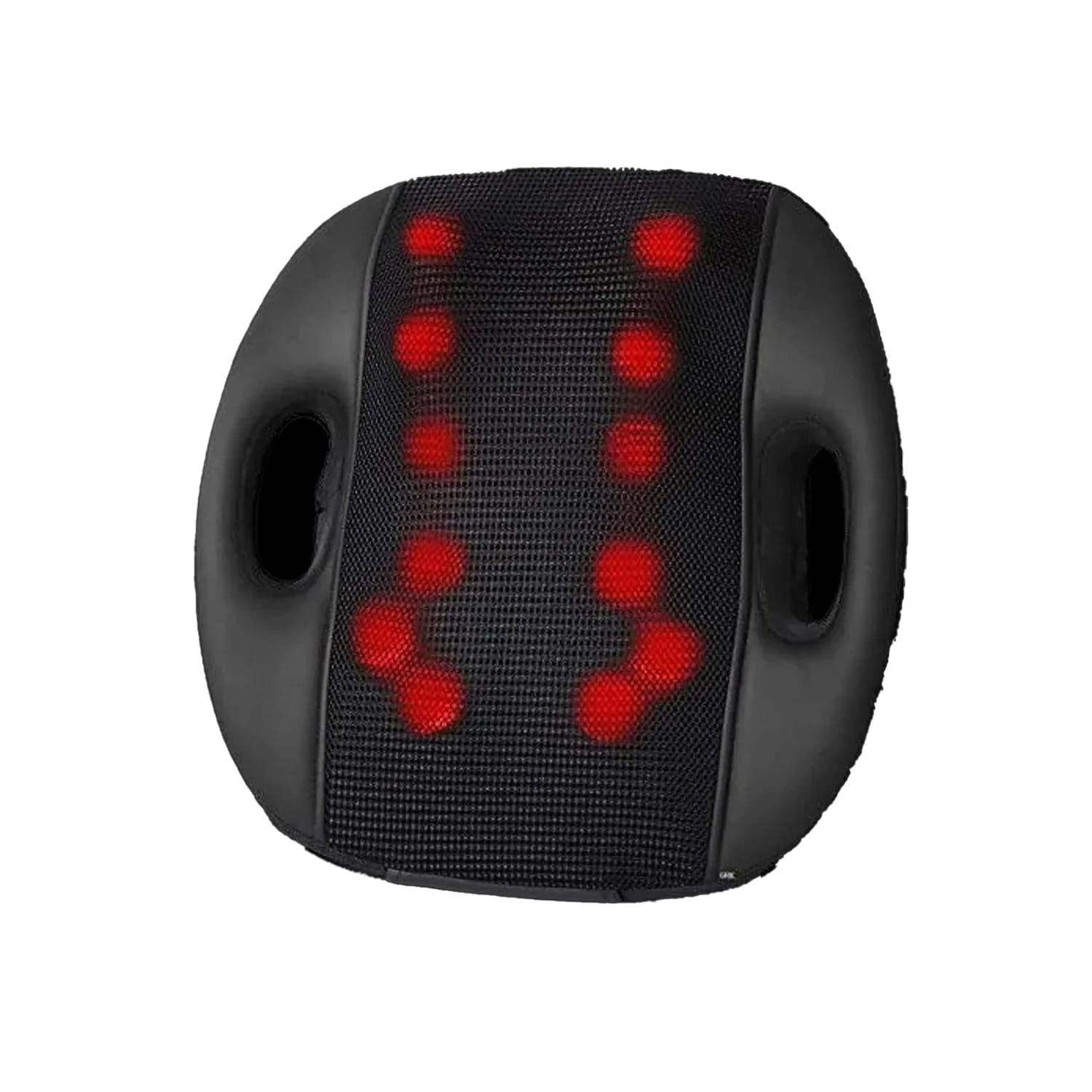
Massage Therapy: Massaging the calf can help alleviate muscle tightness and improve circulation.
Orthotics and Supportive Footwear: Custom orthotics or shoes with good arch support can prevent calf pain caused by abnormal foot mechanics.
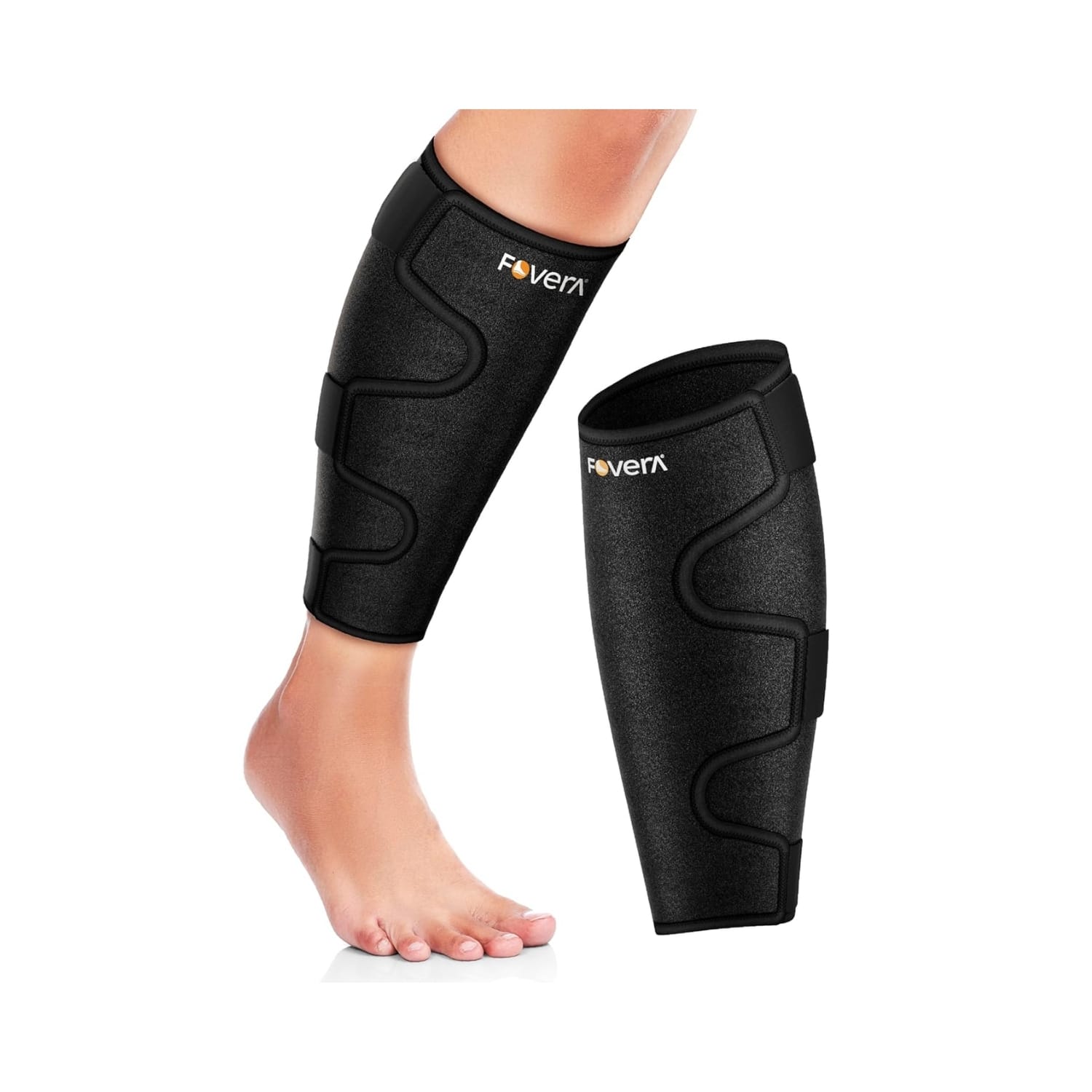
Calf Sleeves: Compression sleeves can provide support to the muscles, improving circulation and reducing soreness.
Physical Therapy: A physical therapist may recommend specific exercises and techniques to strengthen the calf and prevent future injuries.
Surgery: In cases of severe conditions like compartment syndrome or persistent Achilles tendon issues, surgical intervention may be necessary.
Preventing Calf Pain
Warm-Up: Properly warming up before physical activity can reduce the risk of muscle strain.
Hydration: Staying hydrated can prevent muscle cramps and spasms.
Stretching: Regular stretching of the calf muscles can improve flexibility and reduce the risk of injury.
Footwear: Wearing shoes with proper arch support and cushioning can prevent stress on the calf muscles.
Gradual Increase in Activity: Avoid sudden increases in the intensity or duration of physical activity to prevent overloading the calf muscles.
Complications of Calf Pain
Chronic Pain: If left untreated, calf pain can become a long-term issue, affecting mobility and quality of life.
Infection or Blood Clots: Conditions like DVT or infections can lead to serious health complications if not addressed promptly.
Muscle Weakness or Atrophy: Prolonged inactivity due to pain can lead to muscle weakness and atrophy in the calf.
Specialist to Consult for Calf Pain
Orthopedic Surgeon: For more severe injuries or conditions like compartment syndrome, an orthopedic surgeon may be consulted.
Vascular Specialist: For conditions like deep vein thrombosis or peripheral artery disease, a vascular specialist will be needed.