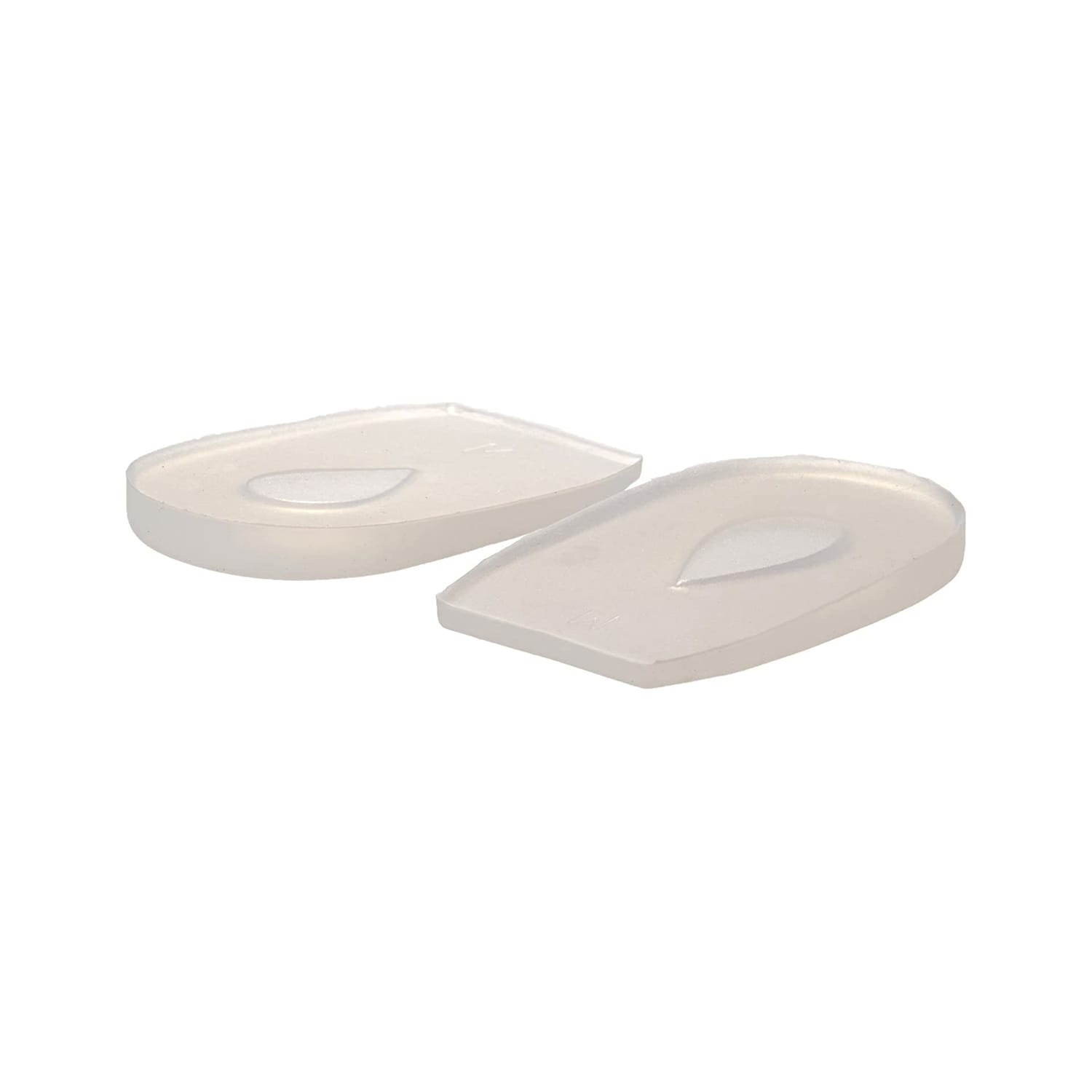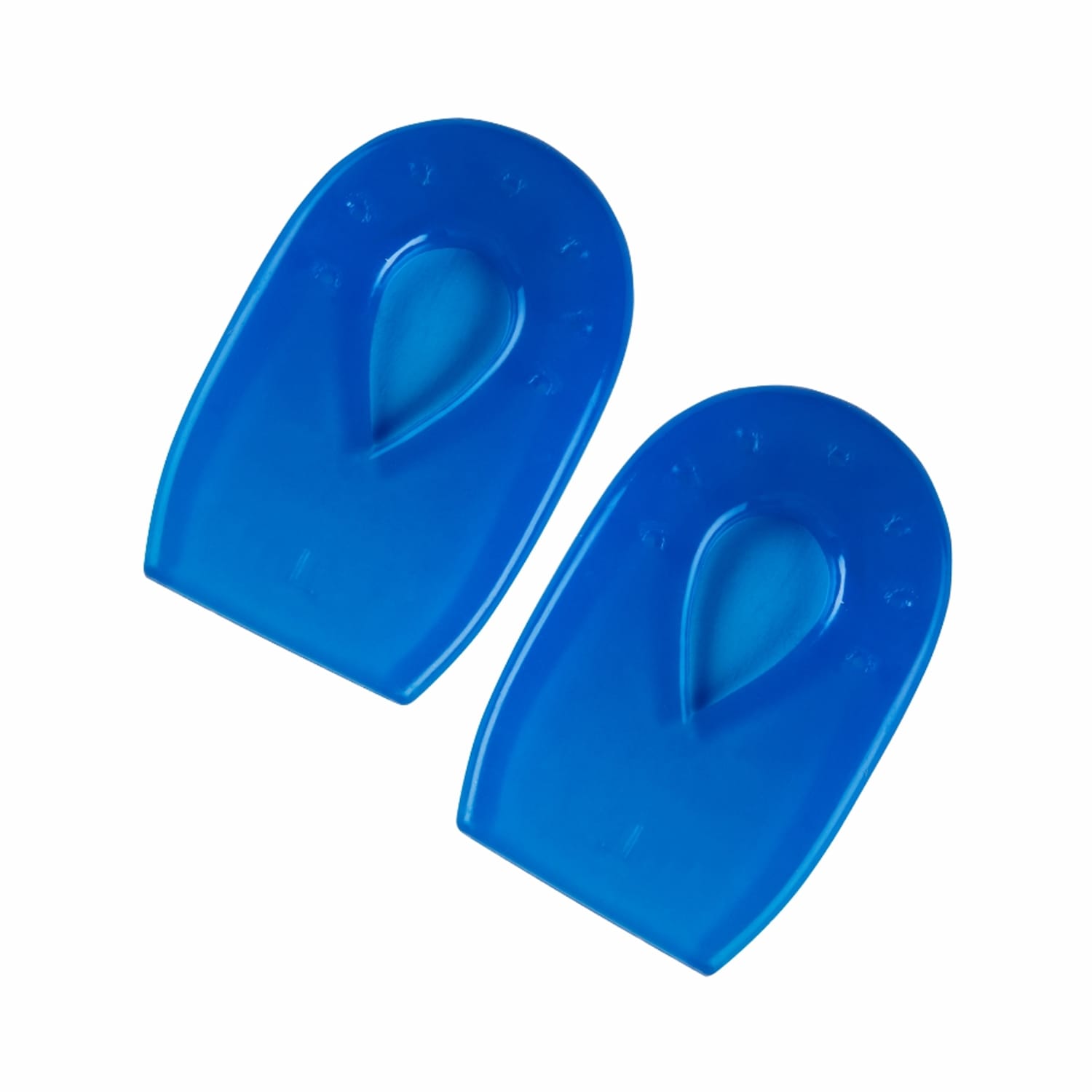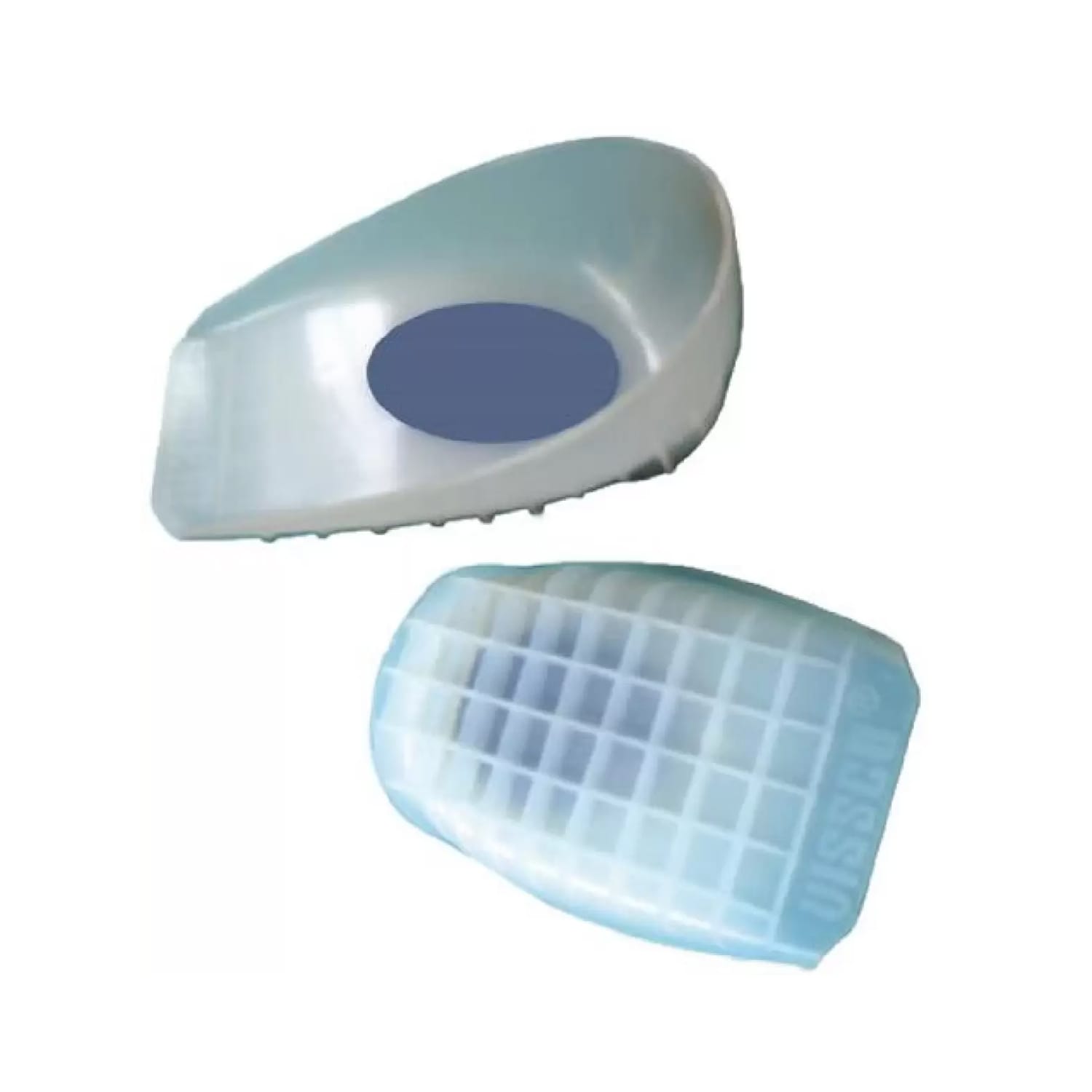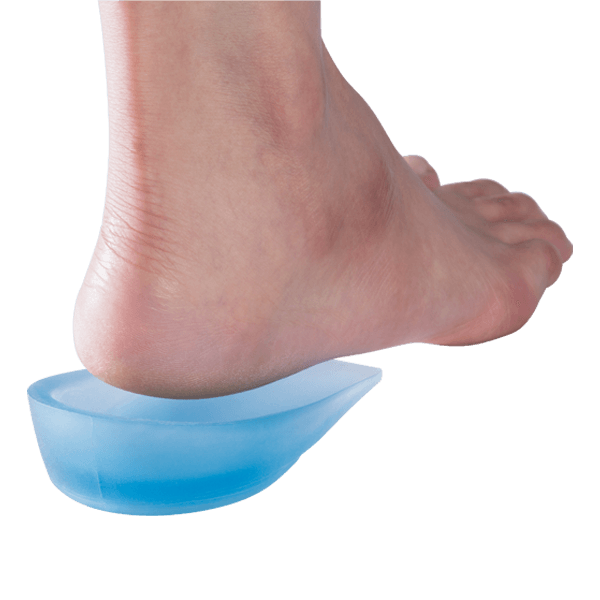



United Medicare Plantar Fasciitis Sleep Support (D-09) - Universal
United Medicare
₹87519% off₹1,080
Calcaneal Spur
A calcaneal spur, also known as a heel spur, is a bony growth that forms on the underside of the heel bone (calcaneus). It often develops due to repetitive stress or strain on the foot, leading to pain and discomfort, especially during activities like walking or standing.
Causes of Calcaneal Spur
Repetitive Stress: Activities such as running, walking, or standing for long periods can place excessive pressure on the heel bone, leading to the formation of a spur.
Plantar Fasciitis: A common condition where the plantar fascia, a ligament connecting the heel to the front of the foot, becomes inflamed, causing strain on the heel bone and potentially leading to the formation of a spur.
Foot Mechanics: Abnormal walking patterns or flat feet can place extra stress on the heel, contributing to spur development.
Aging: As people age, their heel fat pads thin out, causing less cushioning for the heel, which can lead to spurs.
Obesity: Excess body weight puts additional pressure on the feet, increasing the likelihood of heel spurs.
Symptoms of Calcaneal Spur
Heel Pain: Pain is typically felt under the heel, particularly when standing up after long periods of rest, such as in the morning.
Inflammation: There may be tenderness and swelling around the heel area.
Bone Protrusion: In some cases, the spur may cause a visible or palpable bump on the heel.
Difficulty Walking: Heel pain can lead to limping or difficulty walking, especially after periods of rest.
Diagnosis of Calcaneal Spur
Diagnosis usually involves:
Medical History: A healthcare provider will ask about symptoms, physical activities, and any history of foot issues.
Physical Examination: The heel is examined for tenderness, swelling, and the presence of a bone spur.
X-Rays: An X-ray may be used to confirm the presence of a bony growth on the heel bone.
Treatment of Calcaneal Spur
Rest and Ice: Reducing activities that place stress on the heel and applying ice to the area can help alleviate pain and inflammation.
Footwear Modifications: Wearing shoes with proper arch support, cushioned heels, or custom orthotic inserts can reduce pressure on the heel.
Heel Pads: Silicone heel pads can help cushion the heel and provide relief from pain.
Stretching Exercises: Gentle stretching exercises targeting the calf muscles and plantar fascia can help reduce tension on the heel.
Anti-Inflammatory Medications: Non-steroidal anti-inflammatory drugs (NSAIDs) like ibuprofen may be used to reduce pain and swelling.
Bunion Splints & Correctors: In cases where foot mechanics are a contributing factor, a bunion splint or foot corrector may help realign the foot and reduce pressure on the heel.
Corticosteroid Injections: In severe cases, a healthcare provider may recommend corticosteroid injections to reduce inflammation and pain.
Surgery: If conservative treatments fail to provide relief, surgical intervention may be required to remove the spur or release the plantar fascia.
Preventing Calcaneal Spur
Proper Footwear: Wearing supportive, well-cushioned shoes that fit properly can help prevent excessive pressure on the heel.
Maintain a Healthy Weight: Reducing body weight can alleviate stress on the feet and lower the risk of developing heel spurs.
Regular Stretching: Stretching the calf muscles and plantar fascia can improve flexibility and reduce tension on the heel.
Foot Support: Use orthotic inserts or arch supports to maintain proper foot alignment and prevent excess pressure on the heel.
Complications of Calcaneal Spur
While calcaneal spurs themselves may not cause severe complications, they can lead to:
Chronic Pain: Persistent heel pain can affect daily activities, making walking or standing difficult.
Plantar Fasciitis: Heel spurs are often associated with plantar fasciitis, a condition that can cause chronic pain and inflammation.
Gait Changes: Long-term heel pain can result in abnormal walking patterns, which may lead to knee, hip, or back pain.
Specialist to Consult for Calcaneal Spur
Podiatrist: A foot specialist who can diagnose and provide treatment options for heel spurs, including custom orthotics or conservative therapies.
Orthopedic Surgeon: For cases requiring surgical intervention, an orthopedic surgeon specializing in foot and ankle issues may be consulted.
Cosmetic Dermatologist & Plastic Surgeon: In cases where surgical correction involves aesthetic concerns, these specialists can help with scar minimization and reconstructive options.