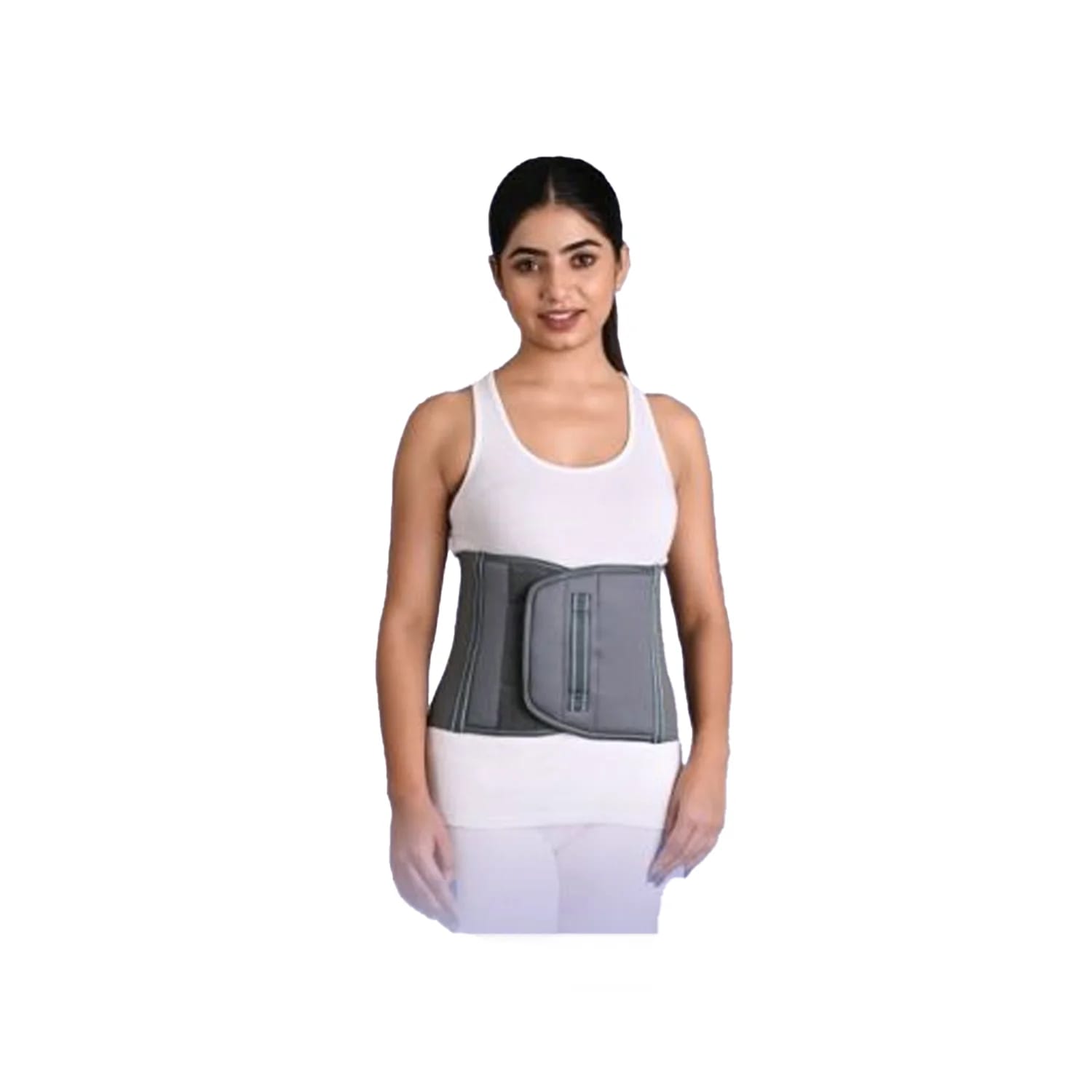


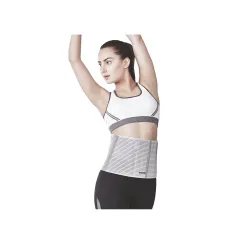
Vissco Lite Abdominal Belt Medium- (P.C. No. 3501)
VISSCO
₹49525% off₹660
C - Section
A cesarean section, or C-section, is a major surgical procedure that requires a thoughtful recovery process. It involves an incision through the abdomen and uterus to deliver a baby, and while this method is necessary in certain situations, it leaves new mothers with specific post-surgical recovery challenges.
Common Challenges After a C-Section
Incision Pain: The surgical wound can cause significant discomfort, particularly in the first few days after surgery. Managing this pain is a key concern for many mothers, as it affects mobility and daily tasks.
Abdominal Weakness: After a C-section, the abdominal muscles are weakened due to both the pregnancy and surgery. This can make it difficult to engage in activities that require core strength, such as lifting, walking, or bending.
Swelling and Bloating: Many women experience abdominal swelling due to fluid retention and inflammation around the surgical area. This can last for several weeks, adding to discomfort.
Posture and Back Strain: During the postpartum period, new mothers often adopt a slouched posture due to weakened abdominal muscles and the weight of caring for a newborn. This can lead to additional strain on the lower back.
Slow Healing: The surgical incision requires special care to prevent infection and promote healing. Any excessive strain on the abdomen can slow down the healing process.
Supporting Your Recovery After a C-Section
Recovering from a C-section is a gradual process, and there are several ways to support the body during this period:
Rest and Gentle Movement: While it’s important to rest, light movement such as short walks can aid in circulation and help prevent complications like blood clots.
Incision Care: Keeping the surgical site clean and dry is crucial to preventing infection. Follow your doctor’s advice on how to care for the incision, and be mindful of any signs of infection, such as increased redness, warmth, or discharge.
Pelvic Floor and Abdominal Exercises: Once cleared by your doctor, gentle pelvic floor and abdominal exercises can help strengthen weakened muscles. These exercises should be done carefully to avoid straining the incision area.
Postural Support: Maintaining proper posture can reduce strain on your abdomen and back, aiding in overall comfort and preventing further injury. Using pillows for support while sitting or nursing can help you maintain a good posture.
The Role of Abdominal Support in Recovery
For many women, the use of gentle abdominal support can help with some of the discomfort and challenges associated with C-section recovery:
Managing Pain and Swelling: Providing light compression to the abdomen can help reduce swelling and offer gentle support to the surgical area, which may relieve some of the pain and discomfort associated with movement.
Supporting Weakened Muscles: Postpartum abdominal weakness can make it difficult to carry out everyday tasks. Using external support can help the abdominal muscles as they gradually regain strength.
Improving Mobility: With support, it can be easier to perform daily activities like walking, bending, or lifting without causing further strain on the surgical site.
Promoting Healing: Supporting the abdominal area can also minimize unnecessary movement around the incision, allowing the body to heal more effectively
Tips for a Smooth C-Section Recovery
Follow Medical Advice: Always adhere to your doctor’s guidance on caring for your incision and resuming activities.
Use Abdominal Support Belts: Many women find that wearing a maternity or abdominal support belt can provide gentle compression and additional support to the abdominal area, helping to manage discomfort, reduce swelling, and improve mobility. These belts are designed to offer support without putting undue pressure on the healing incision, making everyday tasks like walking or bending more comfortable.
Pace Yourself: Recovery is unique for every woman, and pushing your body too soon can delay healing. Take time to rest and gradually increase activity levels.
Stay Hydrated and Nourished: Proper hydration and nutrition are essential to recovery. They can also help manage bloating and support overall health
Seek Support: Don’t hesitate to ask for help with tasks that require bending or lifting, especially in the early stages of recovery. The support of family members or caregivers can make a significant difference.
Listen to Your Body: It’s essential to be attuned to your body’s signals. If something doesn’t feel right, or if you experience any unusual pain or discomfort, consult your healthcare provider promptly.
Specialists to Consult for C-Section Recovery
Obstetrician/Gynecologist (OB-GYN): Your OB-GYN will be your primary point of contact for monitoring your recovery after a C-section. They can provide guidance on incision care, pain management, and when it's safe to resume normal activities or exercise.
Physiotherapist: A physiotherapist specializing in postpartum care can help with abdominal muscle strengthening exercises, posture correction, and overall recovery. They may also guide you in the proper use of abdominal support belts to avoid strain on the incision site.
Lactation Consultant: If you're breastfeeding, a lactation consultant can assist with finding comfortable feeding positions that won’t strain your abdominal area while ensuring proper milk flow.
Nutritionist: A postpartum nutritionist can offer advice on maintaining a balanced diet that promotes healing, helps manage post-surgery bloating, and supports overall well-being.
Dermatologist (for Stretch Mark Care): Post-pregnancy stretch marks are common, especially around the abdomen. A dermatologist can recommend treatments, such as topical creams, laser therapy, or microneedling, to help minimize the appearance of stretch marks and improve skin elasticity. In some cases, if you’re concerned about the appearance of the C-section scar or have complications like keloid formation, consulting with a cosmetic dermatologist can be helpful for scar management and treatment.