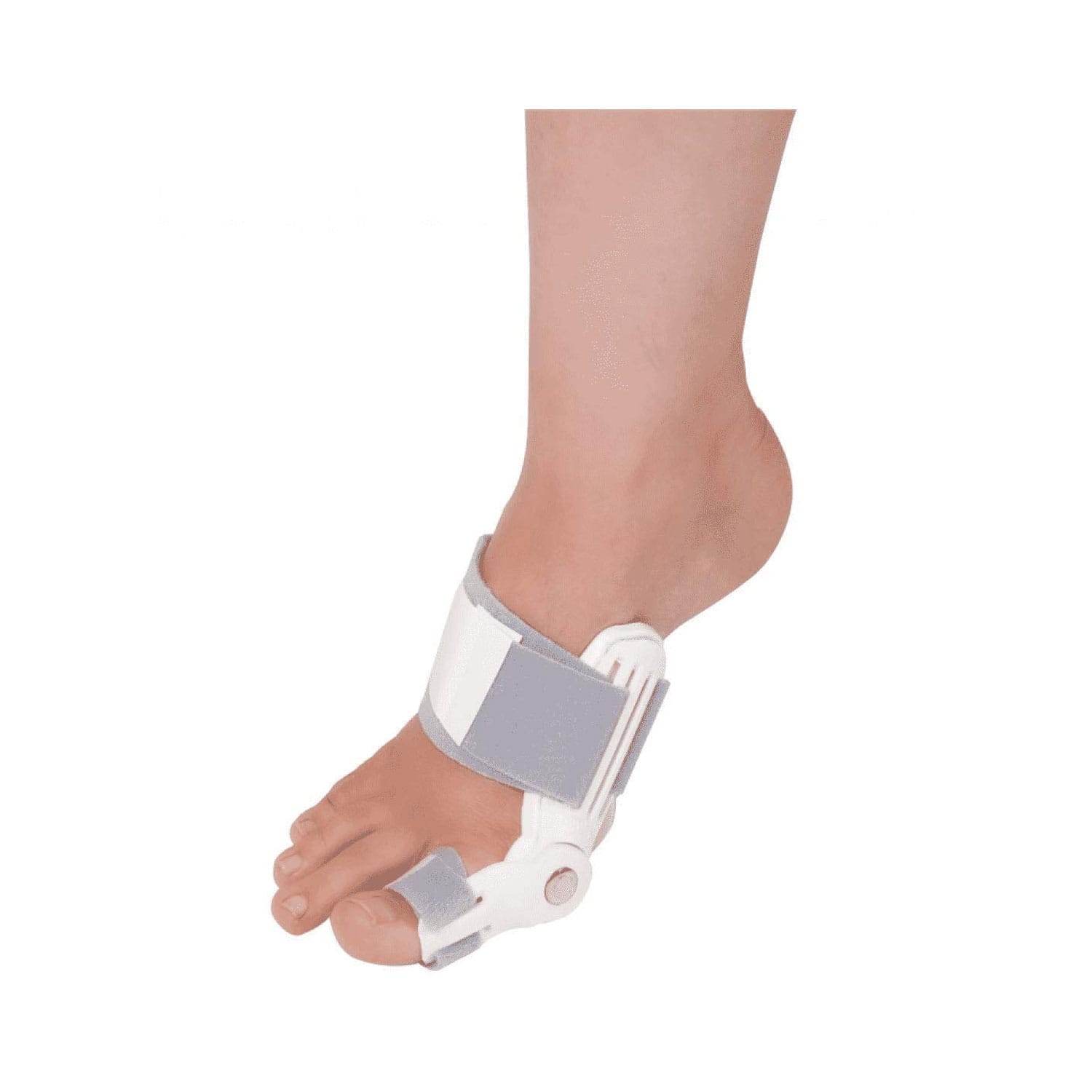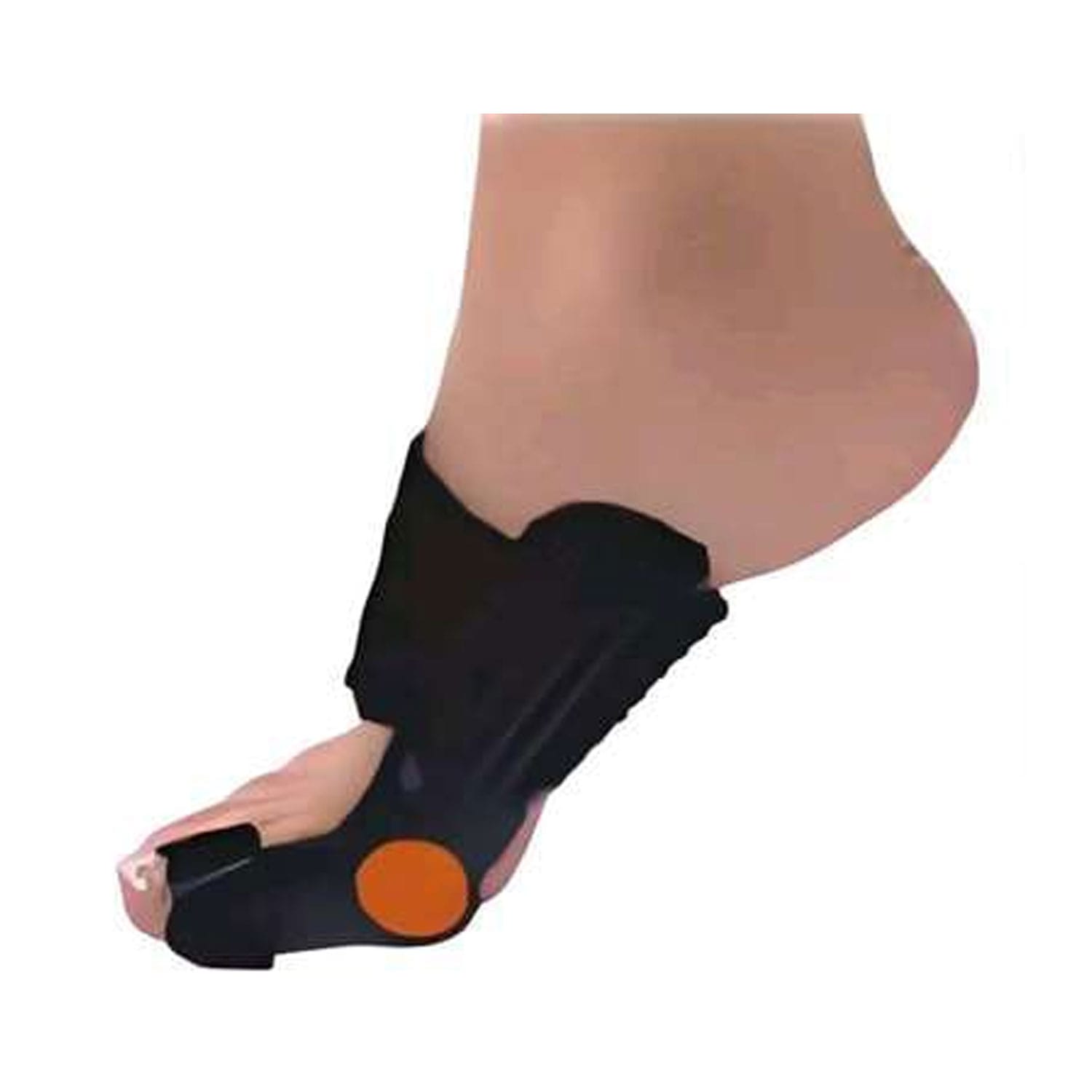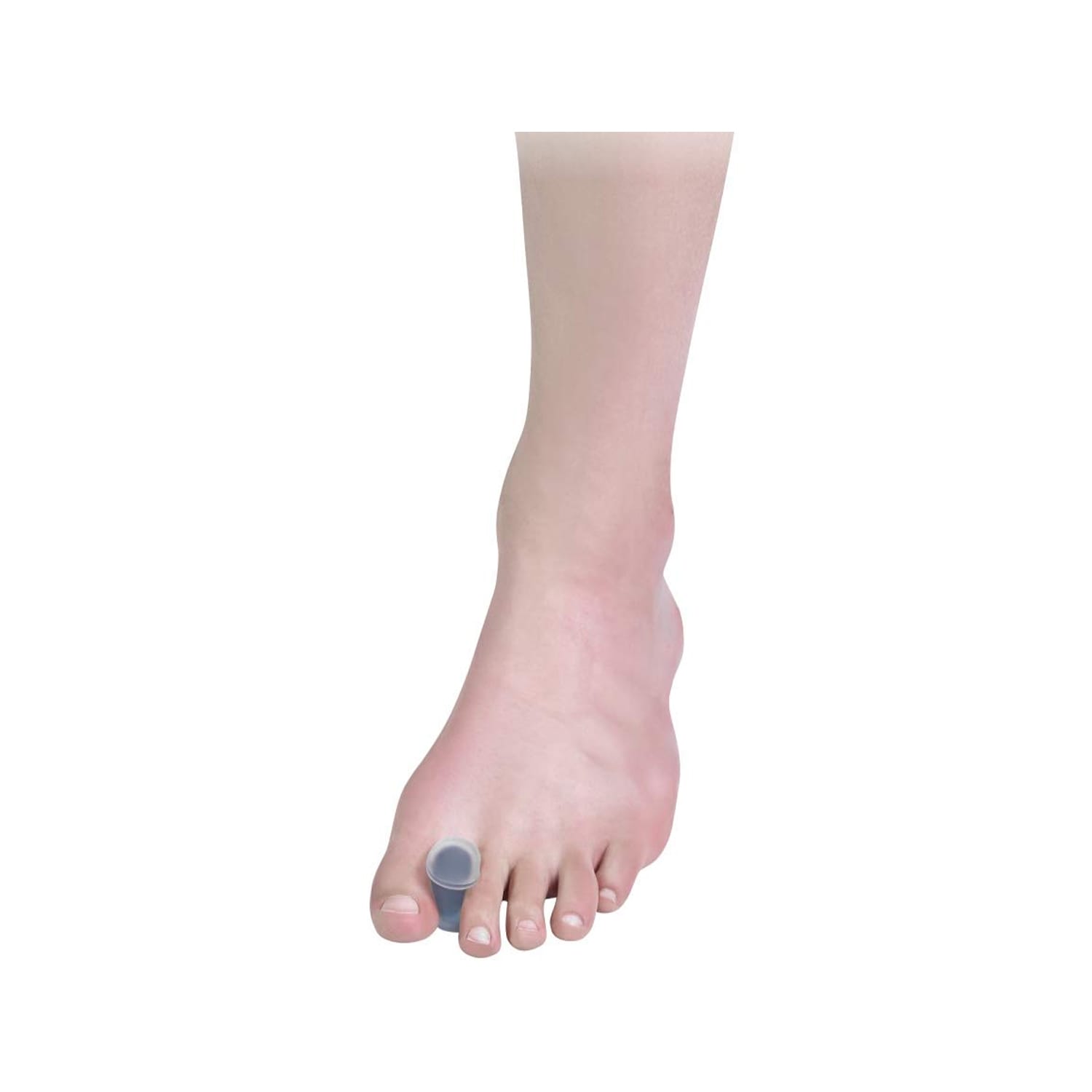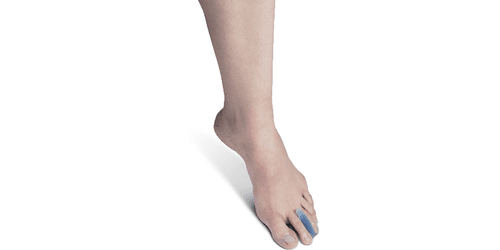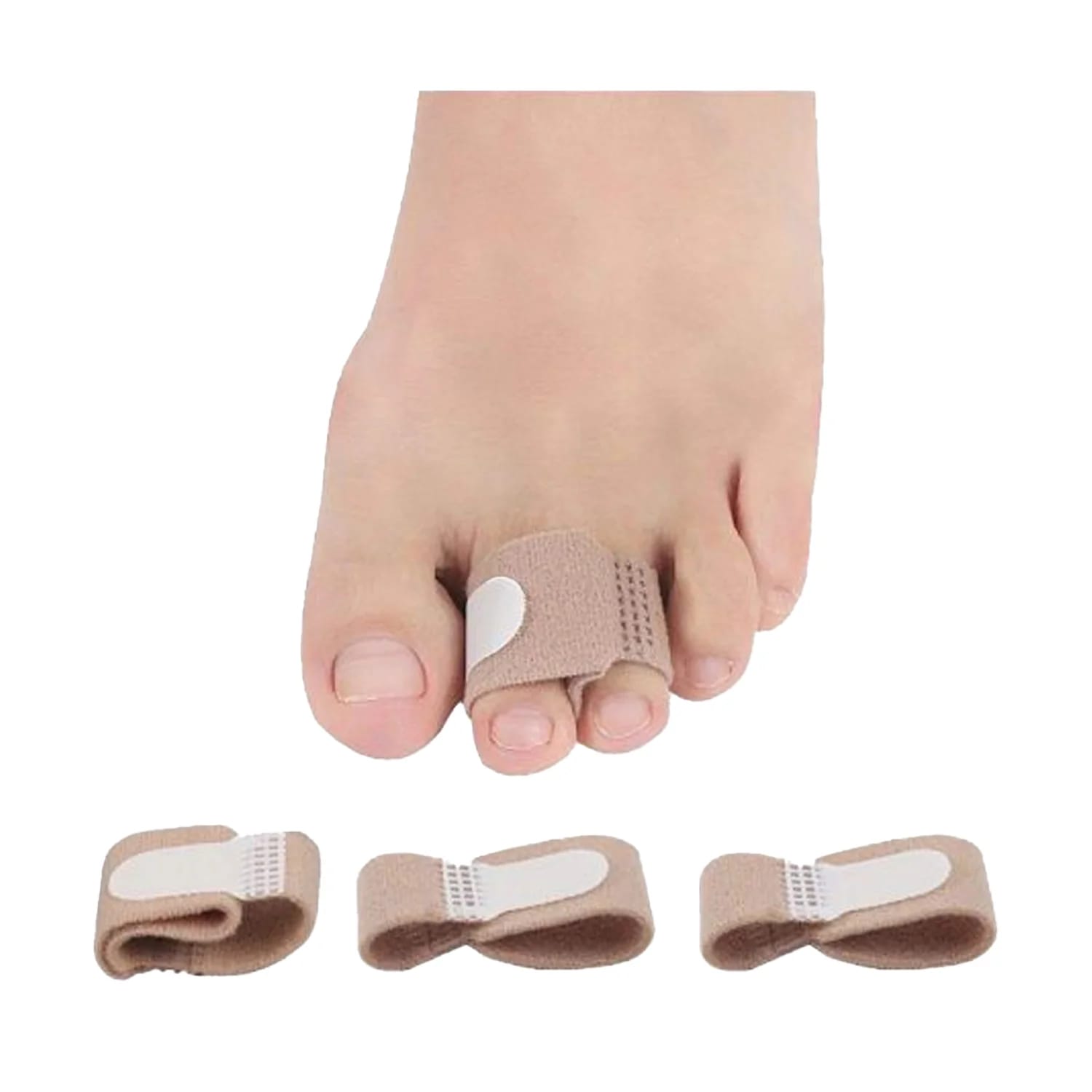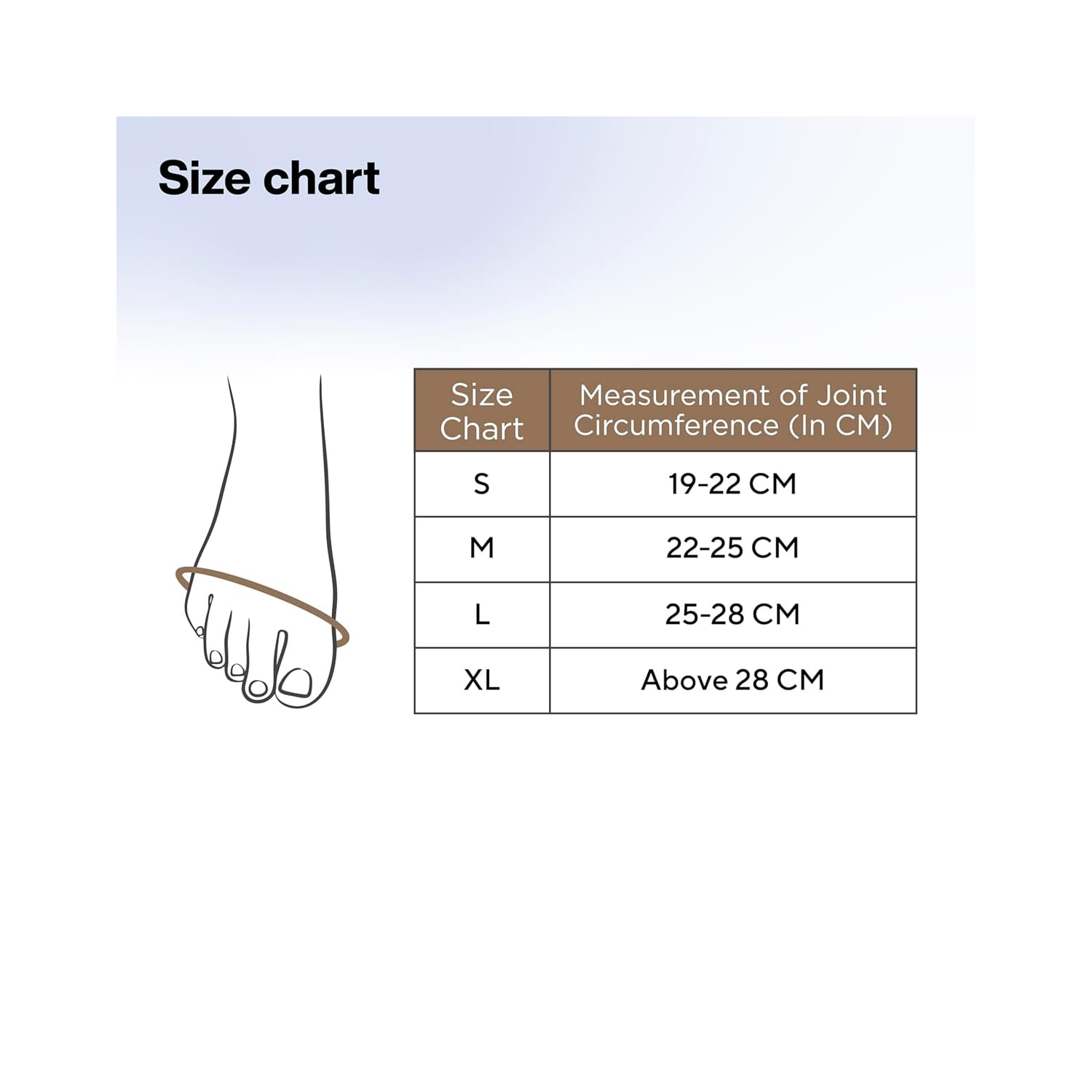


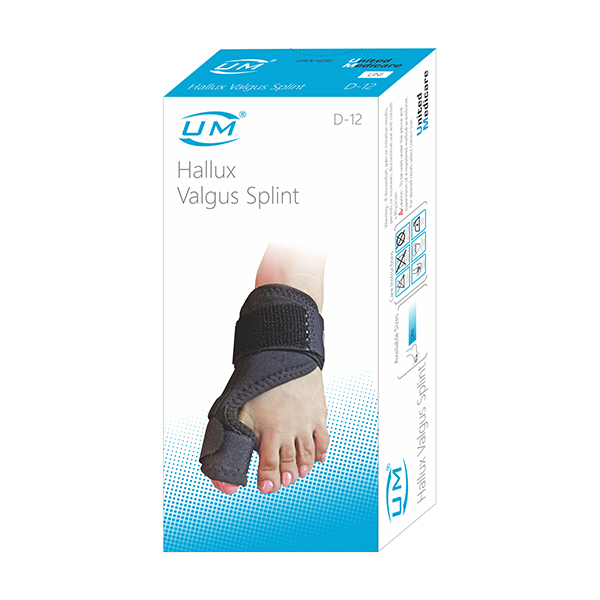
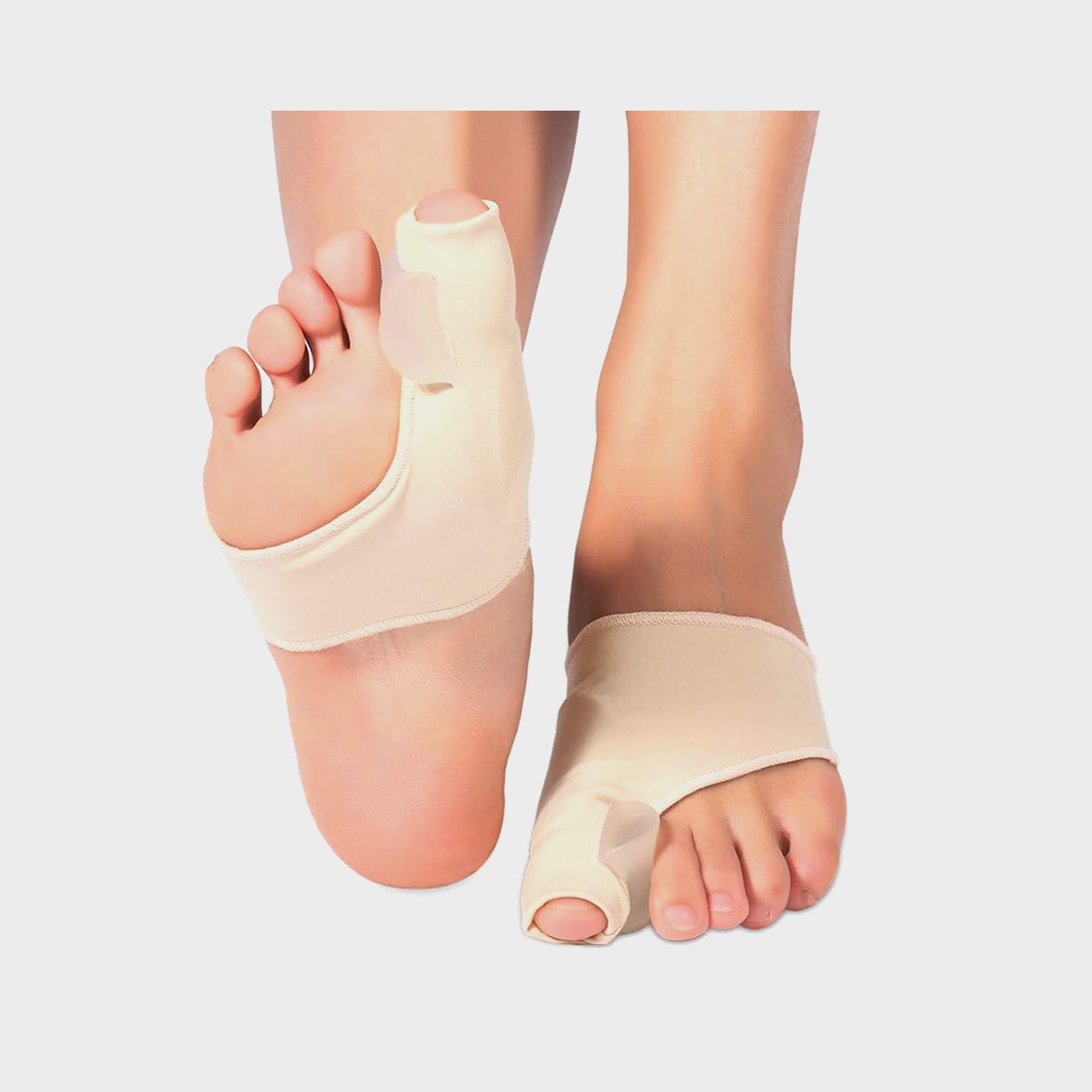
United Medicare Hallux Valgus Splint Left (D-12) -Universal
United Medicare
₹22226% off₹300
Bunion
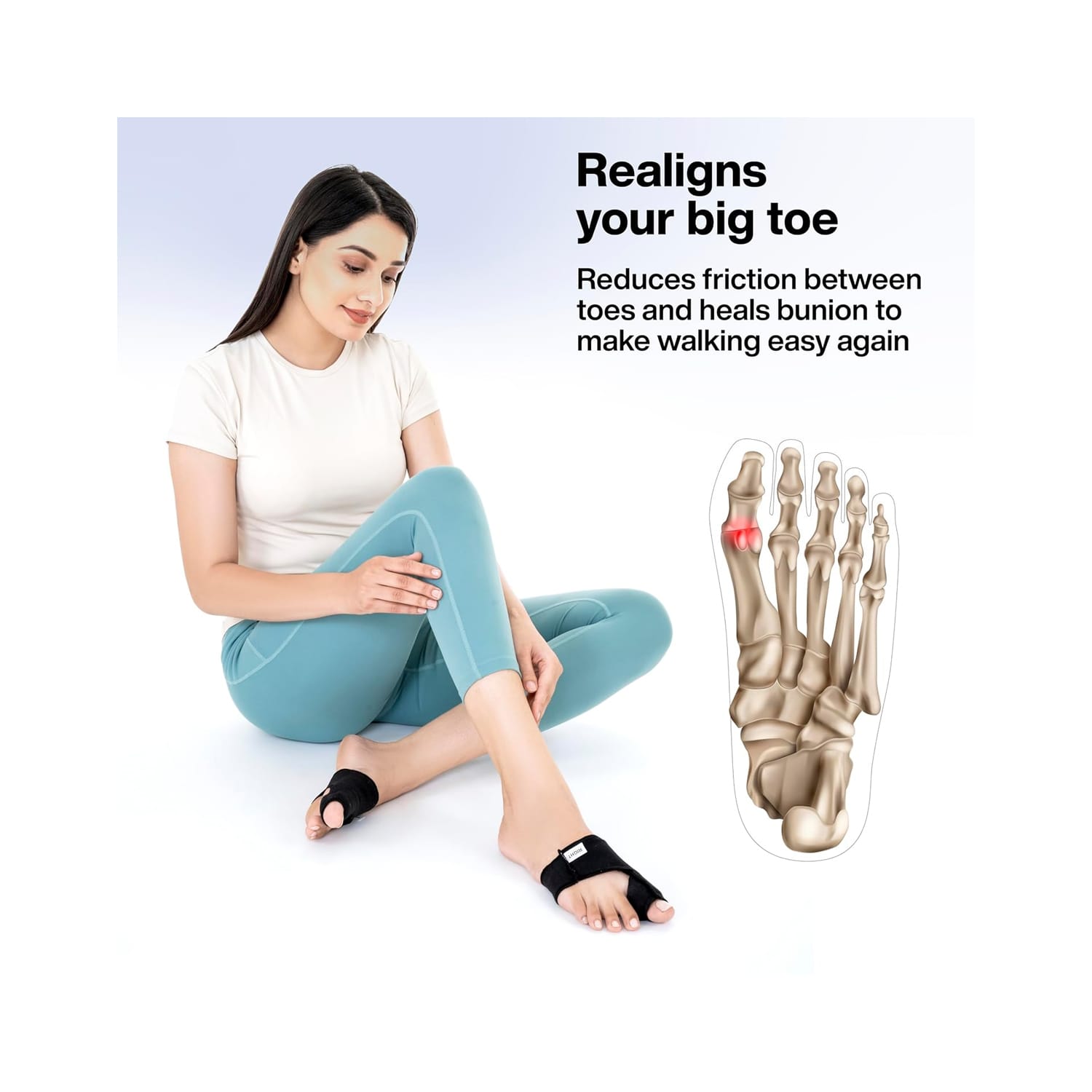
A bunion, also known as hallux valgus, is a bony bump that forms at the base of the big toe, where it attaches to the foot. This condition occurs when the big toe pushes against the next toe, forcing the joint of the big toe to stick out. Bunions can cause discomfort, pain, and difficulties in finding suitable footwear, affecting overall mobility and quality of life.
Causes of Bunion
Genetics: A family history of bunions can increase the likelihood of developing them, as structural foot abnormalities may be inherited.
Footwear: Wearing tight, narrow, or high-heeled shoes can contribute to the development of bunions by placing excessive pressure on the toes.
Foot Conditions: Other conditions, such as arthritis or flat feet, can increase the risk of bunion formation.
Age: Bunions are more common in older adults due to the natural wear and tear of the joints and tissues in the feet.
Symptoms of Bunion
Visible Bump: A noticeable bump on the side of the big toe, which may become swollen or red.
Pain or Discomfort: Pain in the affected joint, especially when wearing shoes or after prolonged standing.
Limited Movement: Difficulty moving the big toe or experiencing stiffness in the joint.
Calluses or Corns: Thickened skin can develop over the bump or between the toes due to friction from footwear.
Diagnosis of Bunion
Bunions are typically diagnosed through:
Medical History: A healthcare provider will ask about symptoms, family history, and footwear choices.
Physical Examination: An examination of the foot to assess the bunion's size, location, and any associated symptoms.
Imaging Tests: X-rays may be taken to evaluate the extent of the bunion and any underlying bone deformities.
Treatment of Bunion
Footwear Modifications: Wearing shoes with a wide toe box can alleviate pressure on the bunion.
Padding and Orthotics: Using bunion pads or custom orthotic inserts can help cushion the bunion and improve foot alignment.
Pain Relief: Over-the-counter pain medications, such as ibuprofen or acetaminophen, can help reduce pain and inflammation.
Physical Therapy: Exercises to strengthen the foot muscles and improve flexibility may be recommended.
Bunion Splints: These devices provide support and realignment to the big toe, helping to alleviate discomfort. They can be worn during rest or sleep to gently guide the toe back into a more natural position.
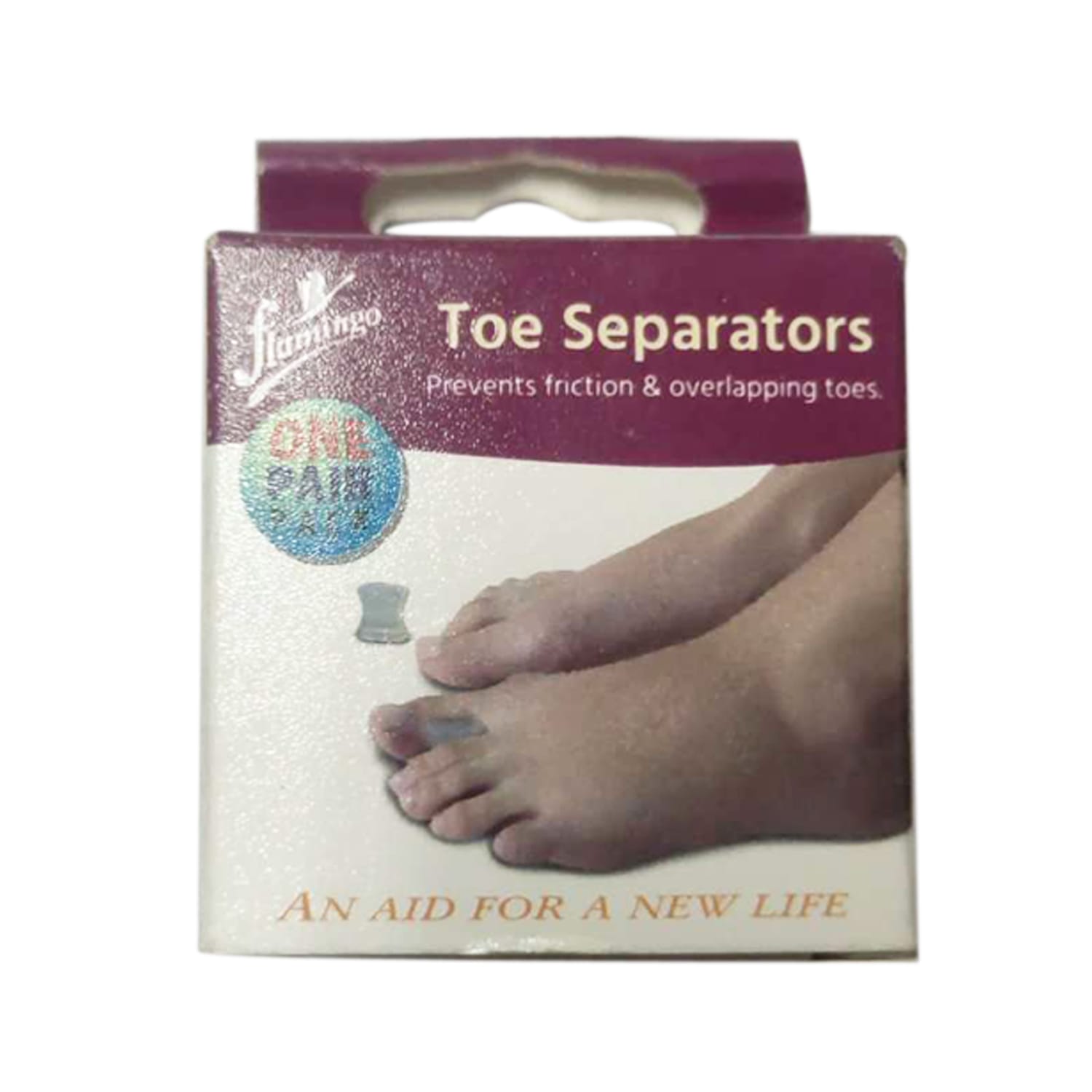
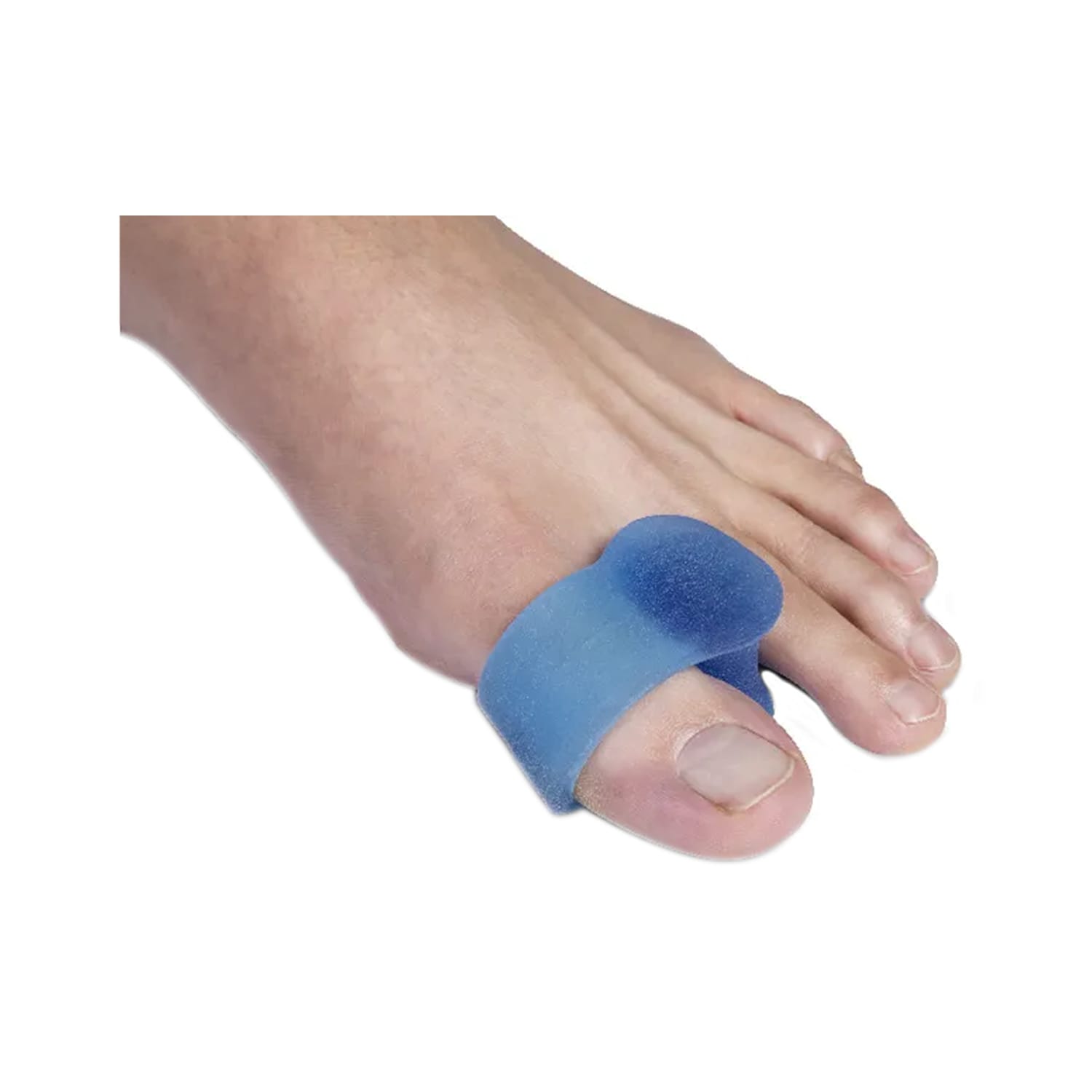
Bunion Correctors: Specialized devices that help realign the big toe and correct the underlying structural issues associated with bunions. They can include toe separators and wraps that provide gentle pressure to guide the toe into alignment.
Surgery: In severe cases, surgical intervention may be necessary to realign the toe and remove the bunion.
Preventing Bunion
Choose Proper Footwear: Opt for shoes that fit well, provide support, and have a wide toe box to reduce pressure on the toes.
Maintain Foot Health: Regular foot exercises and maintaining a healthy weight can help prevent bunion formation.
Avoid High Heels: Limit the use of high-heeled shoes, which can exacerbate bunions.
Foot Care: Practice good foot hygiene and care to avoid conditions that may contribute to bunion development.
Complications of Bunion
While bunions are often manageable, complications can arise:
Chronic Pain: Ongoing pain and discomfort can affect daily activities and mobility.
Arthritis: Increased stress on the joint can lead to arthritis in the big toe.
Metatarsalgia: Pain in the ball of the foot can develop due to altered foot mechanics.
Specialist to Consult for Bunion
Orthopedic Surgeon: For surgical options if conservative treatments are ineffective.
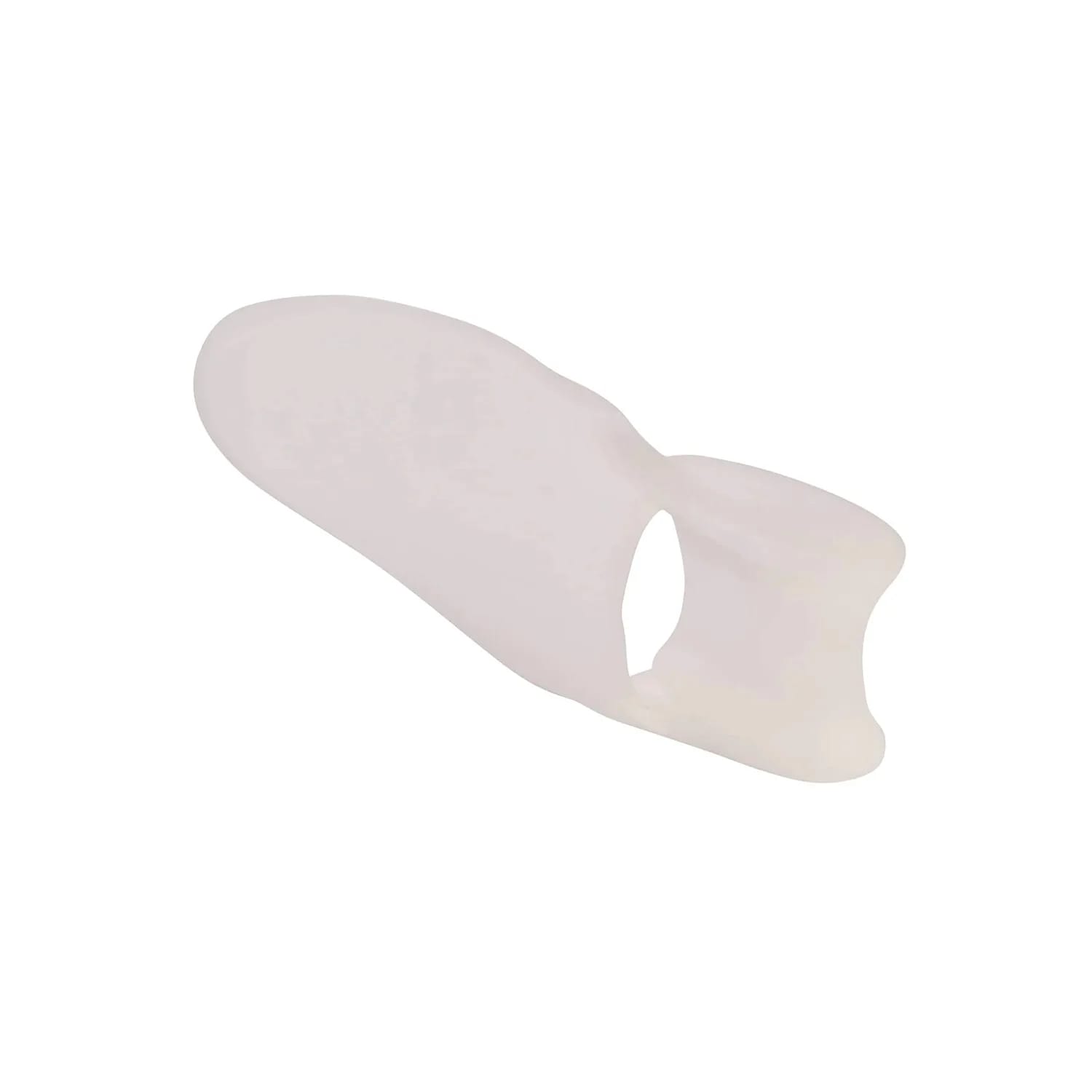
Curafoot
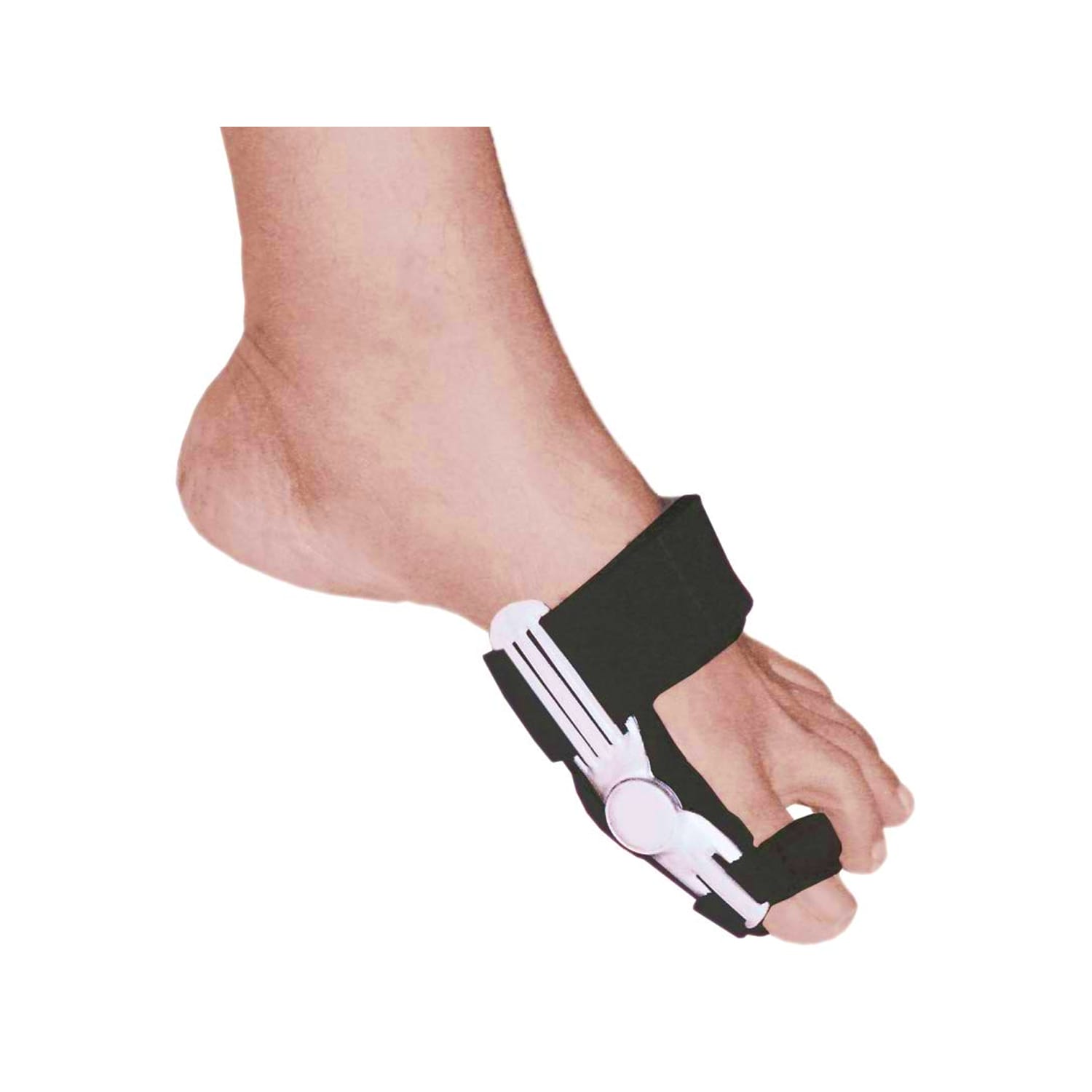
VISSCO
Purastep