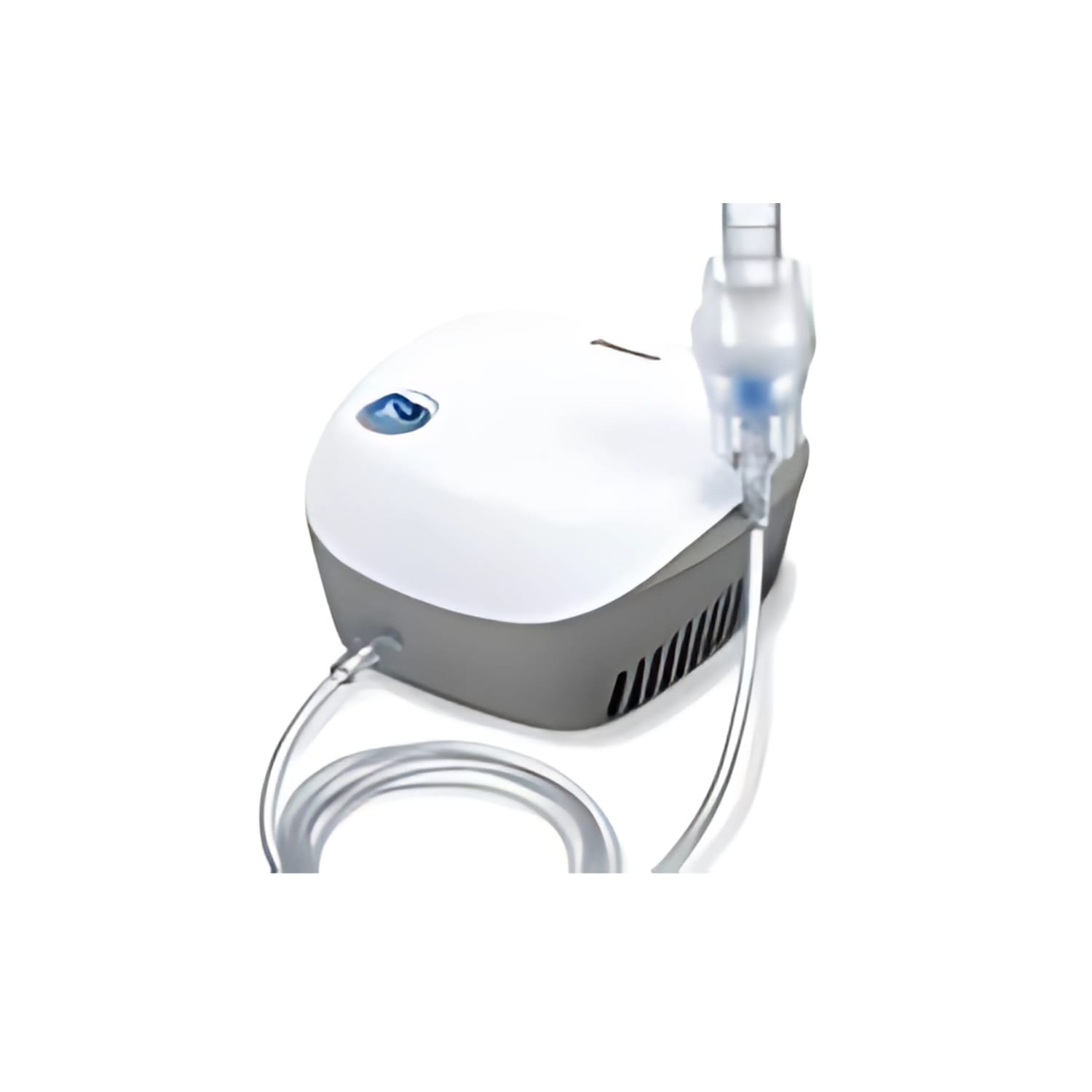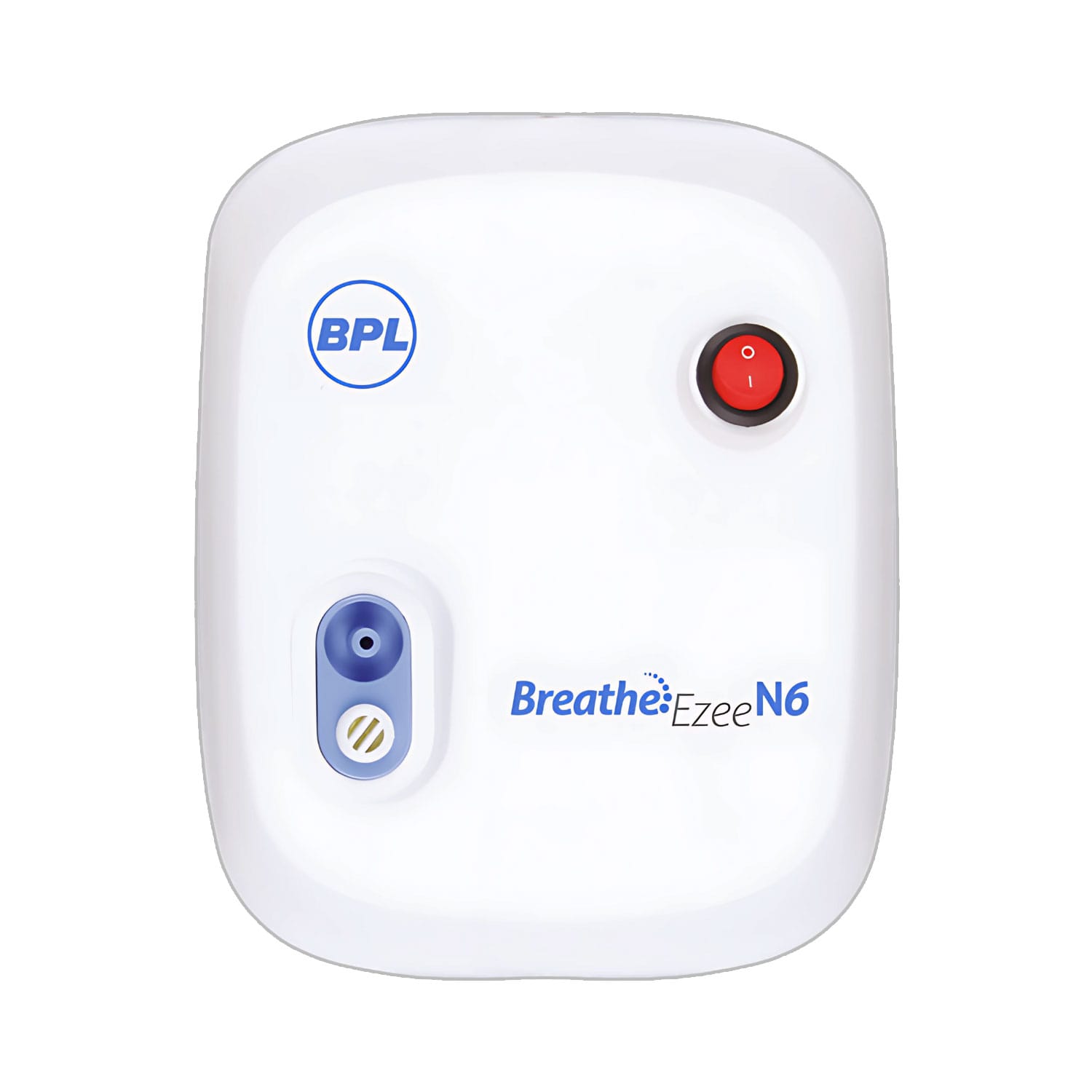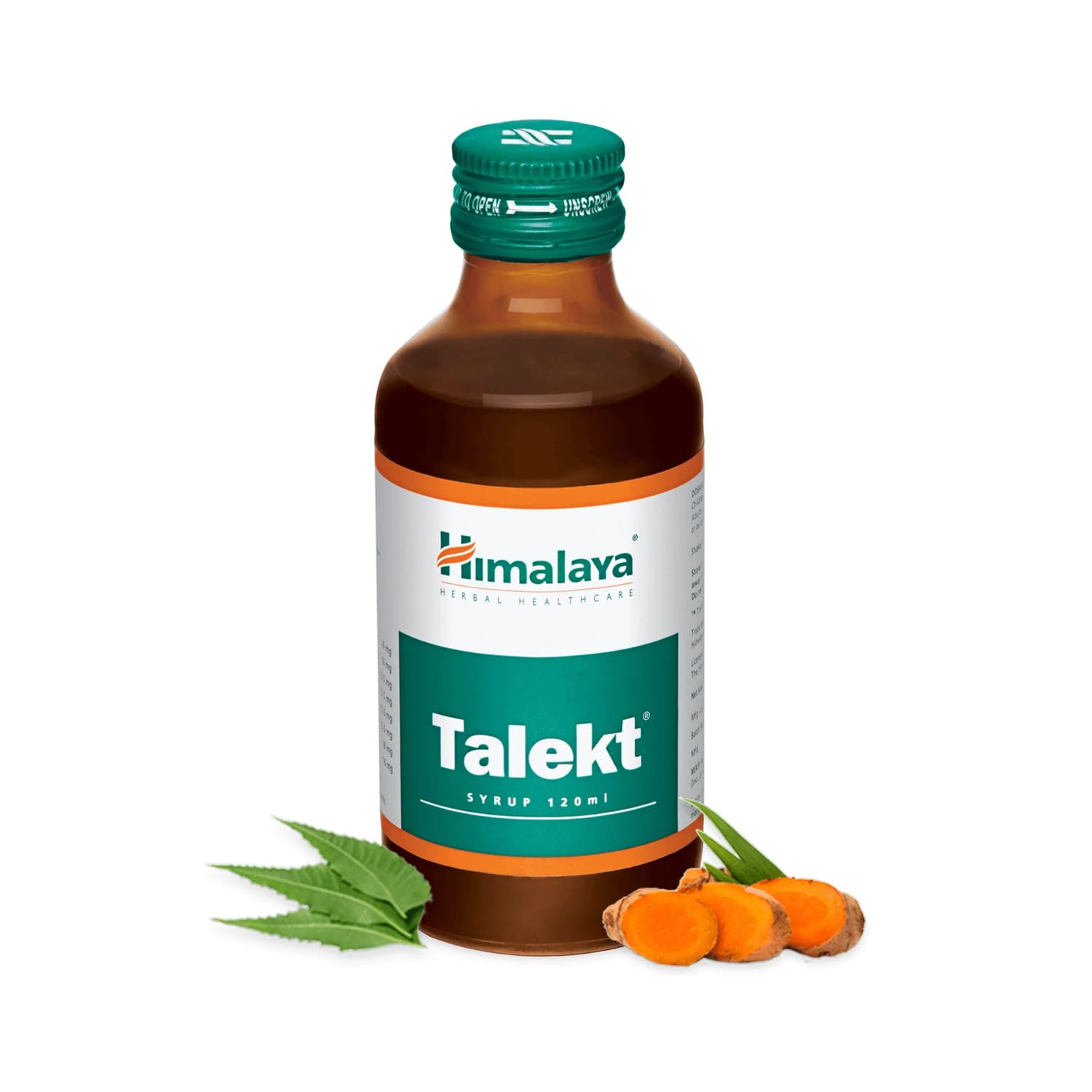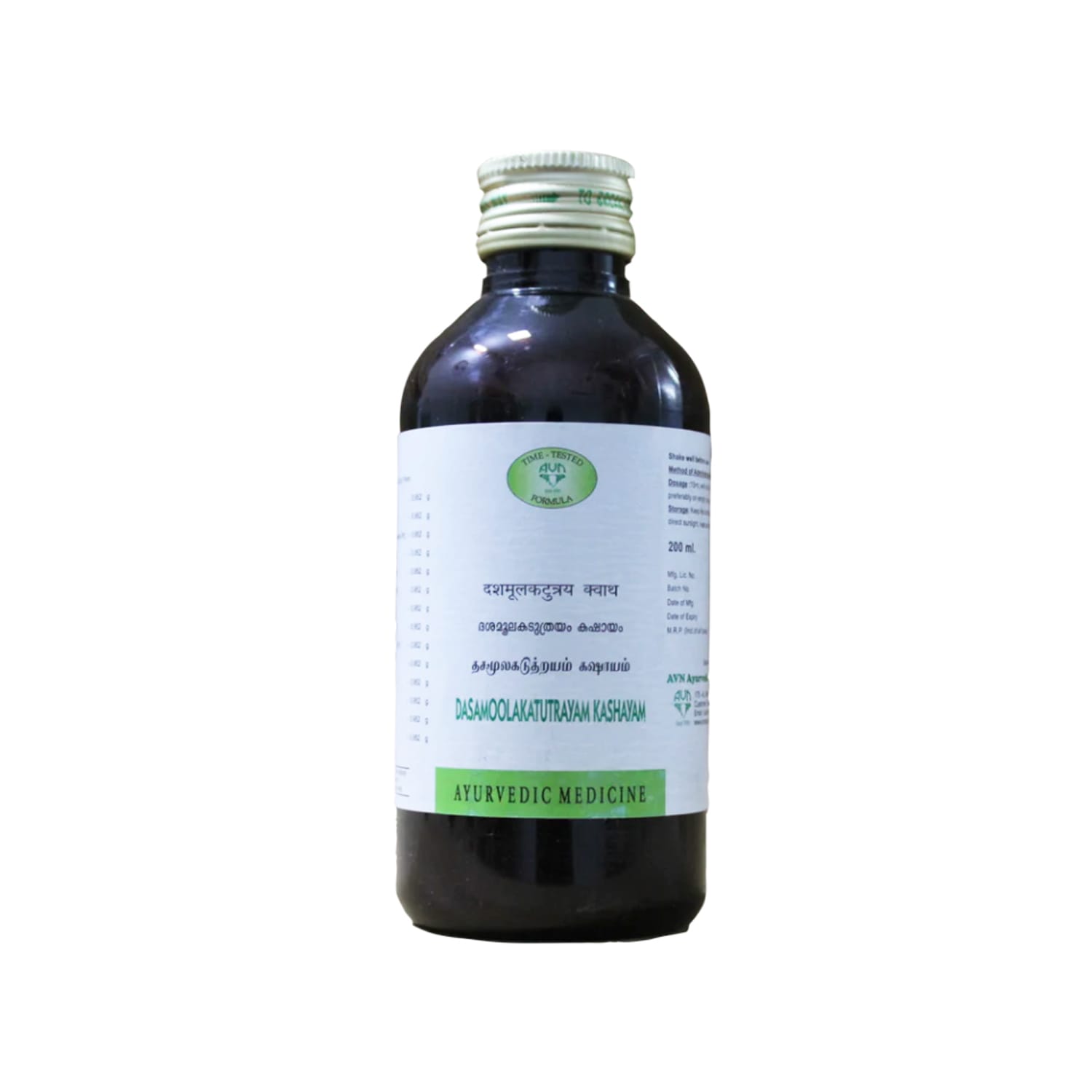


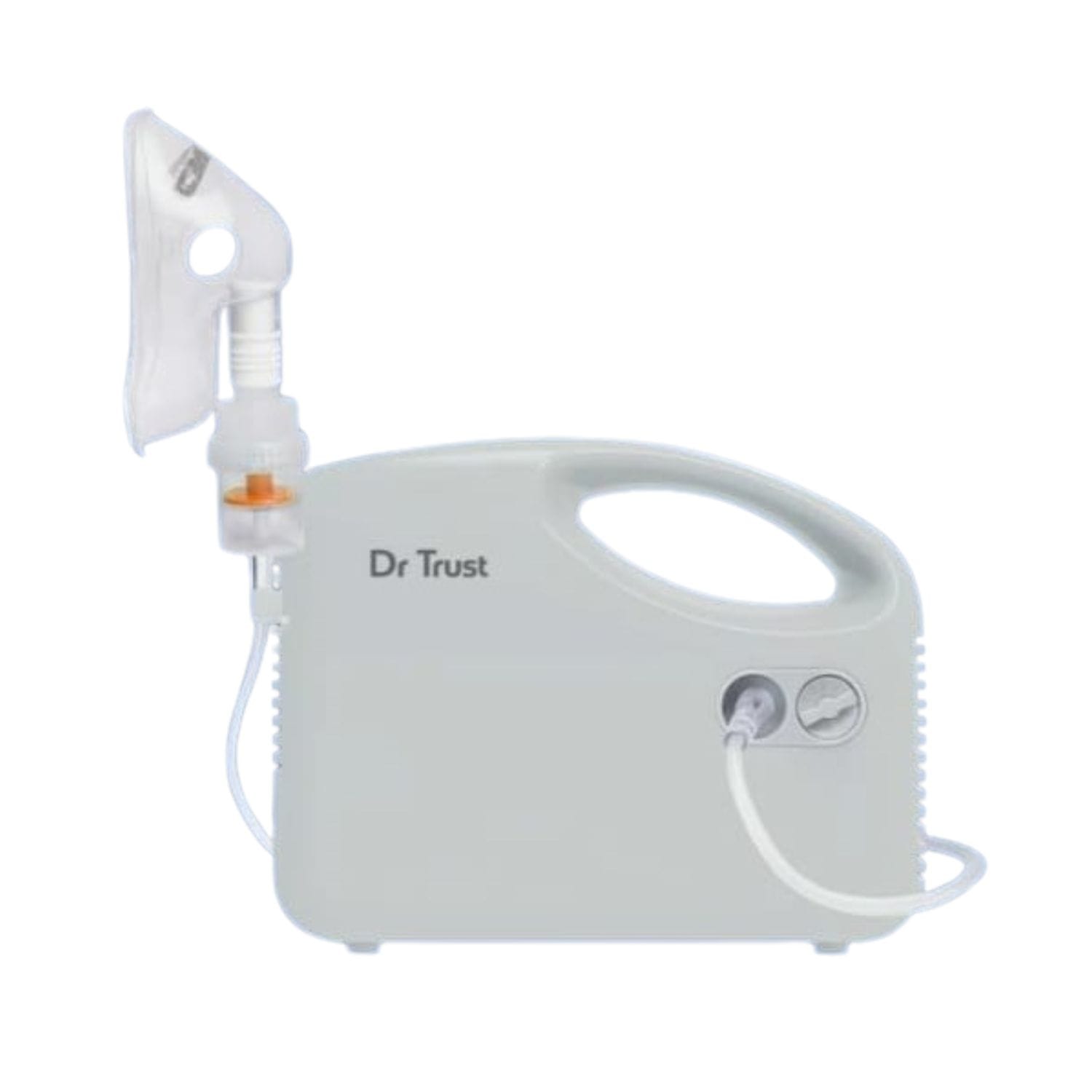
Dr.Trust Titanium Compressor Nebulizer 409
Dr. Trust
₹1,80012% off₹2,044
Bronchitis
Bronchitis is an inflammation of the bronchial tubes, which carry air to and from the lungs. This condition can be acute or chronic. Acute bronchitis often develops from a cold or respiratory infection, while chronic bronchitis is a more serious condition that is often a result of long-term exposure to irritants, particularly cigarette smoke. Symptoms can range from mild to severe, affecting daily activities and overall health.
Causes of Bronchitis
Infections: Viral infections, such as those causing colds or flu, are common triggers of acute bronchitis. Bacterial infections can also cause bronchitis, though they are less common.
Smoking: Cigarette smoking is the primary cause of chronic bronchitis. The smoke irritates the bronchial tubes, leading to inflammation and mucus production.
Environmental Factors: Exposure to pollutants, dust, chemicals, and allergens can contribute to the development of bronchitis, particularly in people with existing lung conditions.
Gastroesophageal Reflux Disease (GERD): Acid reflux can irritate the airways, leading to symptoms of bronchitis.
Symptoms of Bronchitis
Cough: A persistent cough is the hallmark symptom, often producing mucus that can be clear, yellow, or green.
Wheezing: A whistling or squeaky sound during breathing, indicating narrowed airways.
Shortness of Breath: Difficulty breathing or feeling out of breath during physical activities.
Chest Discomfort: A feeling of tightness or pain in the chest, especially during coughing.
Fatigue: General tiredness can accompany the cough and other symptoms.
Diagnosis of Bronchitis
Bronchitis is typically diagnosed through:
Medical History: A healthcare provider will review symptoms, duration of the cough, and any exposure to irritants.
Physical Examination: Listening to the lungs with a stethoscope can reveal wheezing or other abnormal sounds.
Diagnostic Tests: In some cases, chest X-rays or lung function tests may be conducted to rule out other conditions.
Treatment of Bronchitis
Rest and Hydration: Ensuring adequate rest and fluid intake helps the body recover.
Medications: Over-the-counter pain relievers, cough suppressants, or bronchodilators may be recommended to relieve symptoms.
Inhalers: For chronic bronchitis, inhalers that open airways can help with breathing.
Avoid Irritants: Staying away from smoke, dust, and strong odors can help reduce symptoms.
Pulmonary Rehabilitation: A program designed to help improve lung function and quality of life, especially for chronic bronchitis patients.
Preventing Bronchitis
Avoid Smoking: Quitting smoking is the most effective way to prevent chronic bronchitis.
Stay Vaccinated: Annual flu vaccinations and pneumococcal vaccines can help prevent infections that lead to bronchitis.
Practice Good Hygiene: Frequent handwashing and avoiding close contact with sick individuals can reduce the risk of respiratory infections.
Control Allergies: Managing allergies can help minimize irritants that may trigger bronchitis symptoms.
Complications of Bronchitis
While bronchitis is often manageable, complications can arise:
Pneumonia: Acute bronchitis can lead to pneumonia, especially in individuals with weakened immune systems.
Chronic Obstructive Pulmonary Disease (COPD): Chronic bronchitis can contribute to the development of COPD, a long-term lung condition.
Respiratory Failure: Severe cases may lead to respiratory failure, requiring hospitalization.
Secondary Bronchitis / Cancer : Cancerous tumors can block the airways, leading to inflammation, mucus build-up, and infection, which resemble bronchitis symptoms. This type of secondary bronchitis requires prompt medical attention, as it may be an indication of underlying cancer progression or recurrence.
Specialist to Consult for Bronchitis
Pulmonologist: A lung specialist who can provide advanced treatment options and management for chronic bronchitis and related conditions.
Primary Care Physician: For initial evaluation and treatment, as well as management of acute bronchitis.