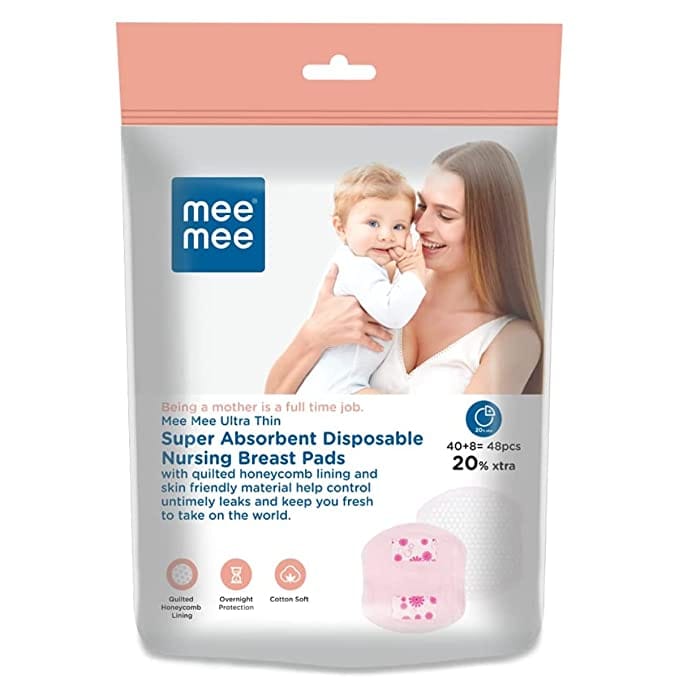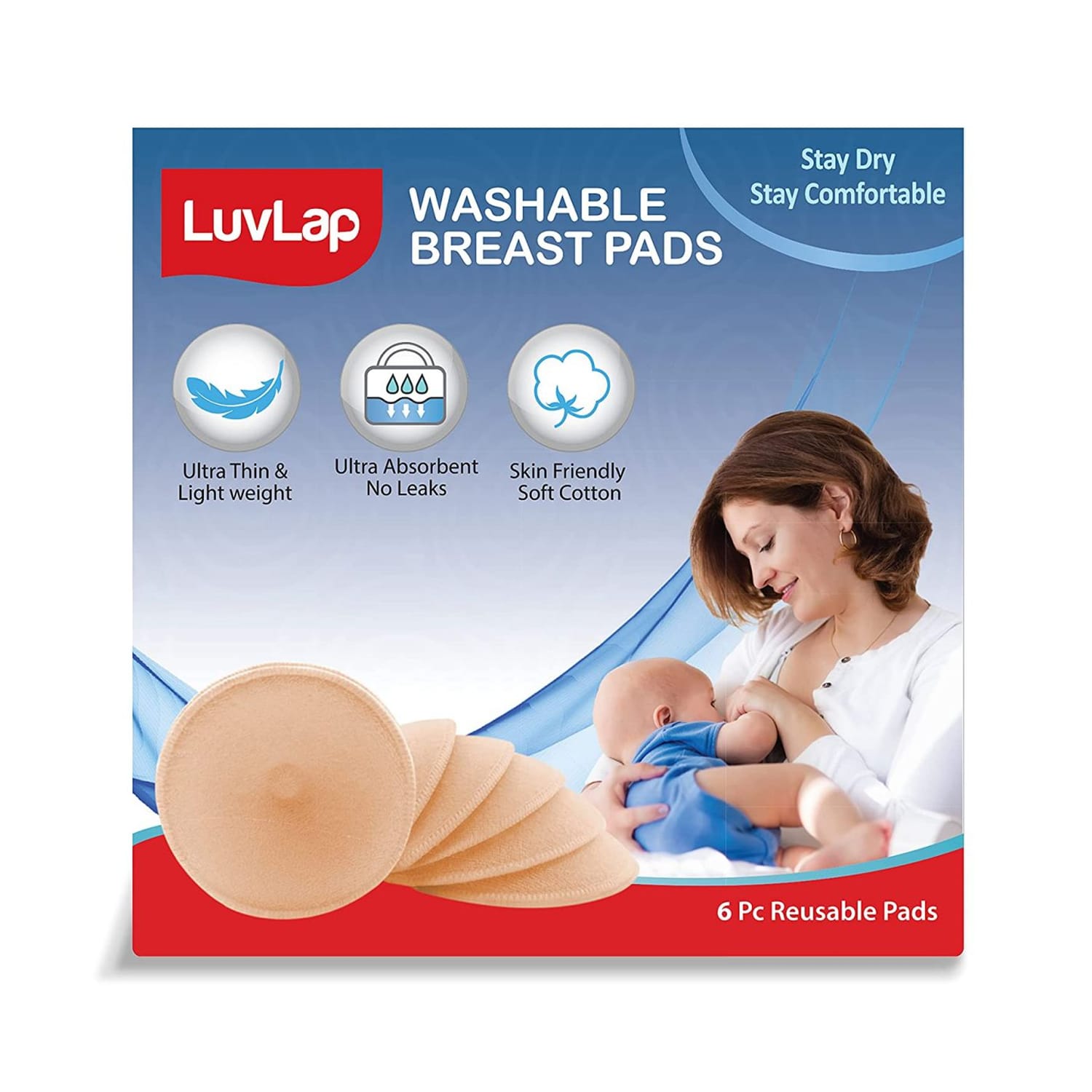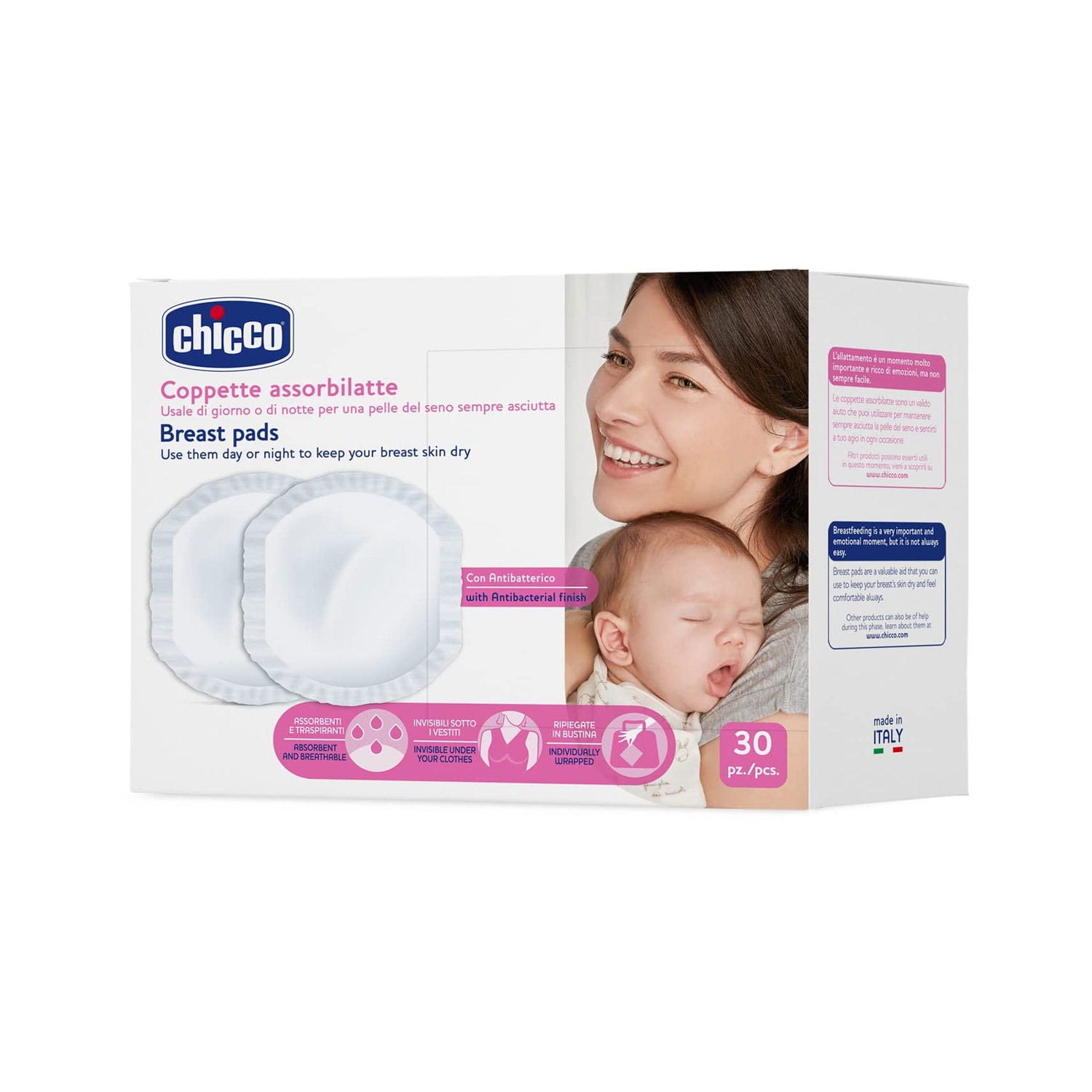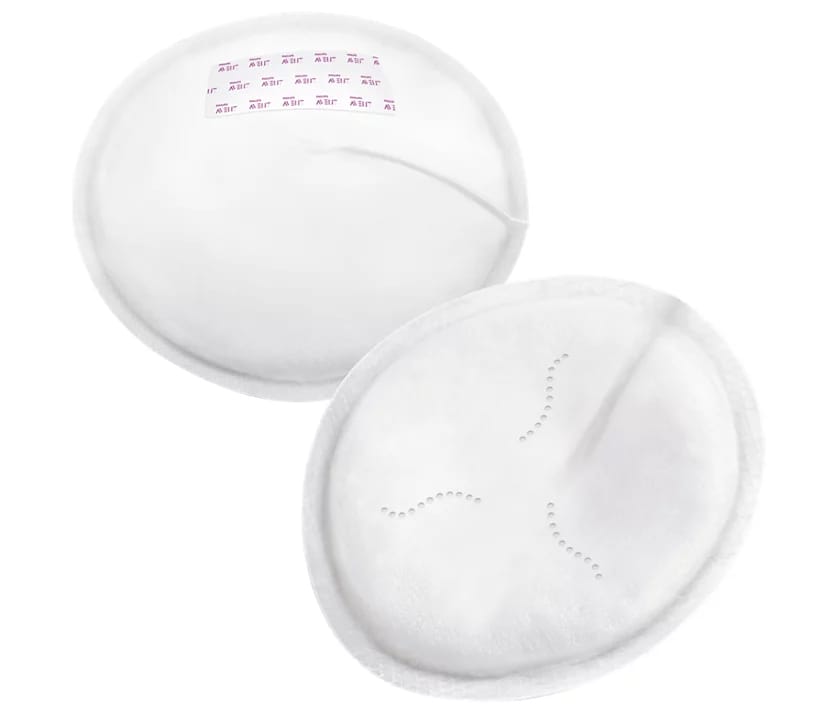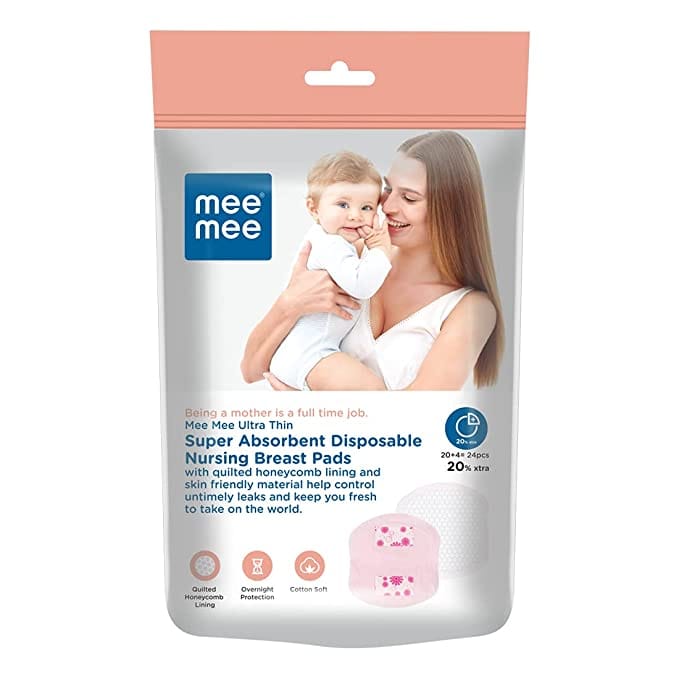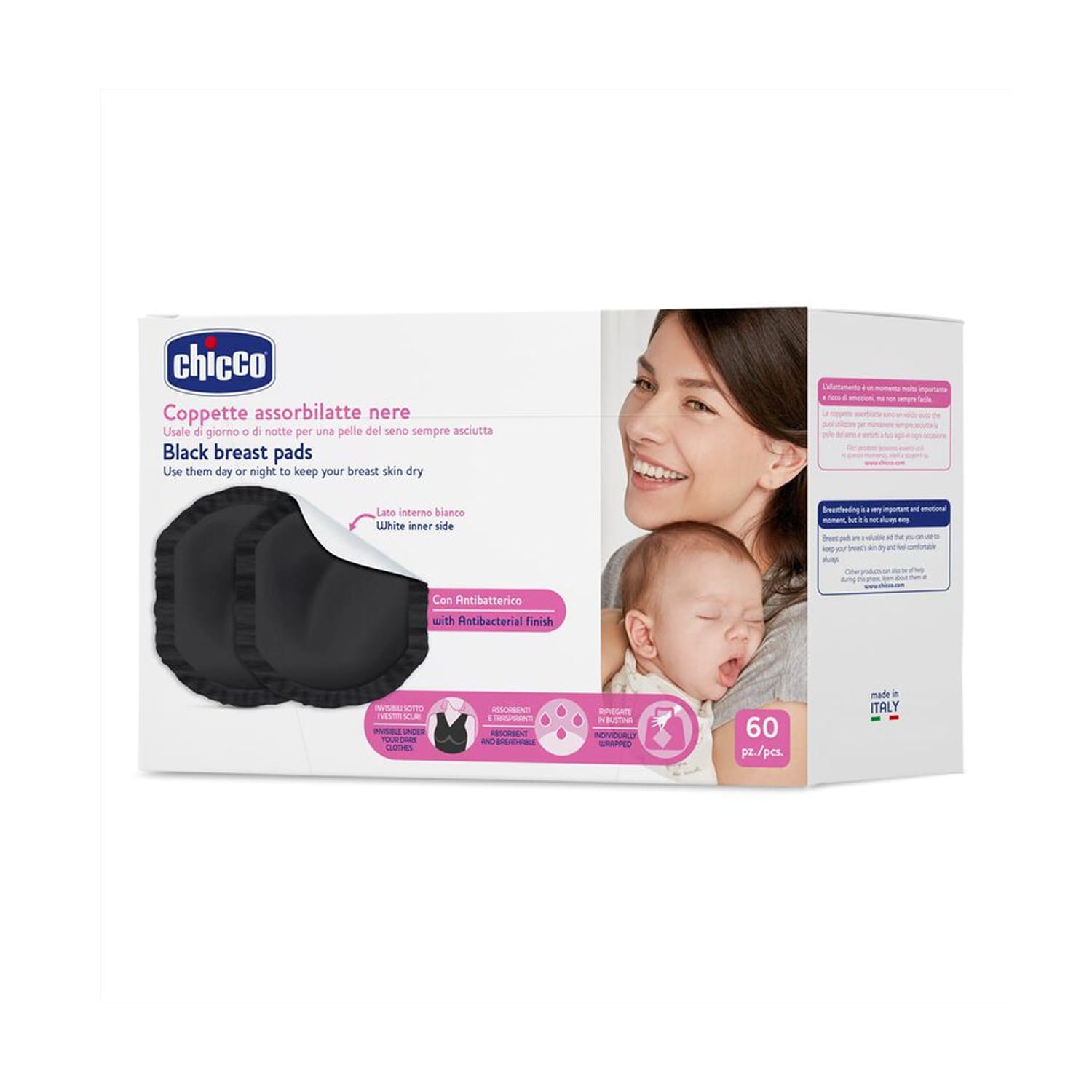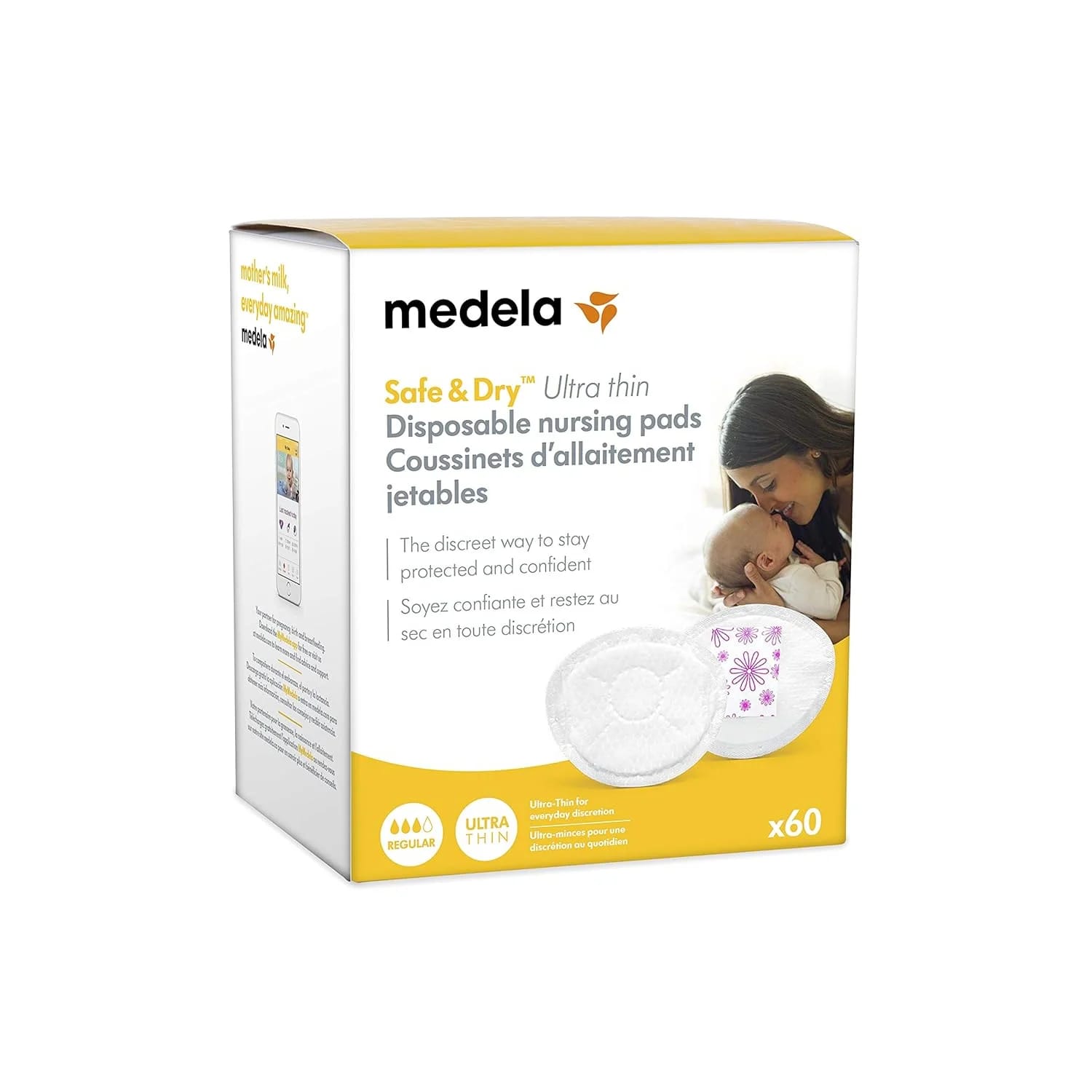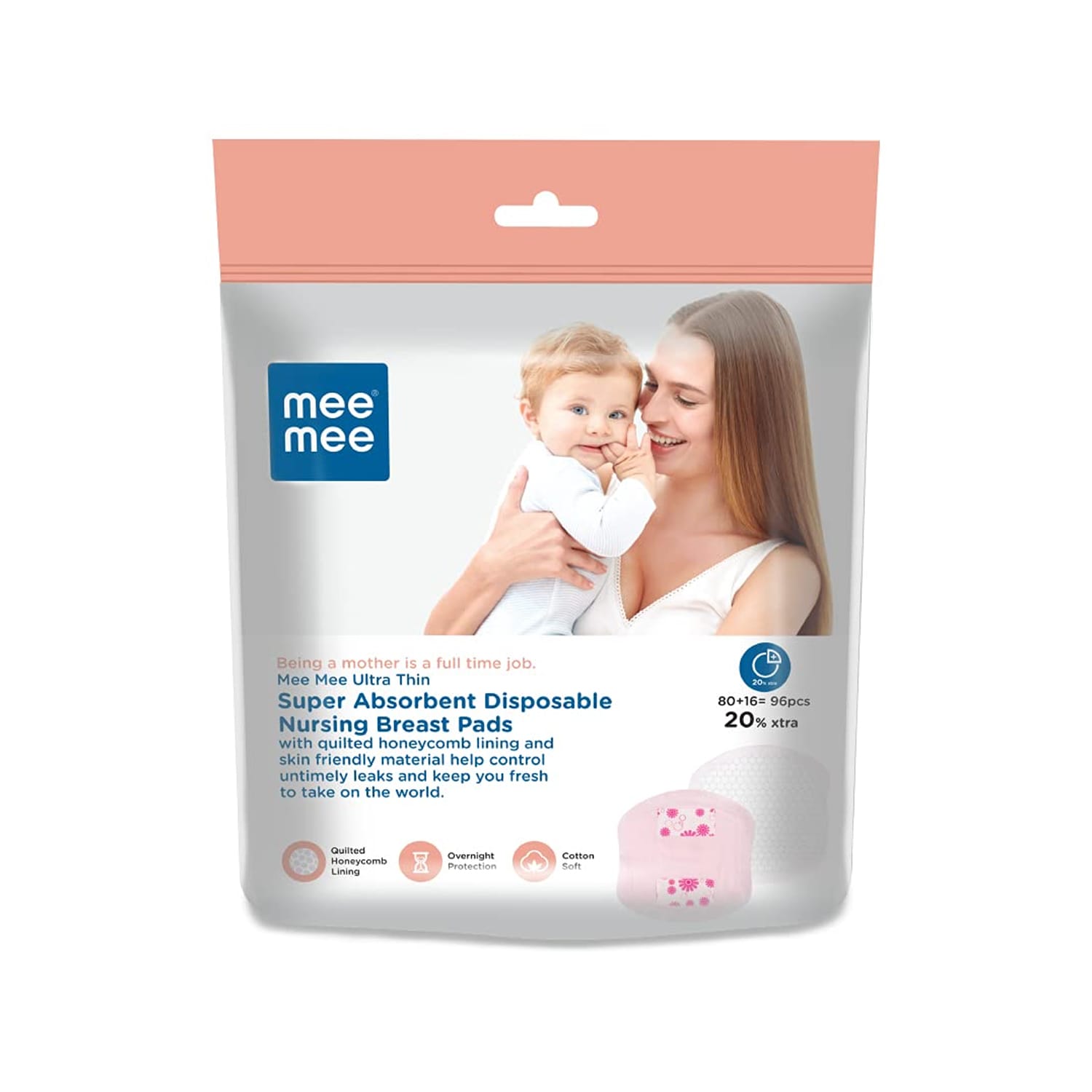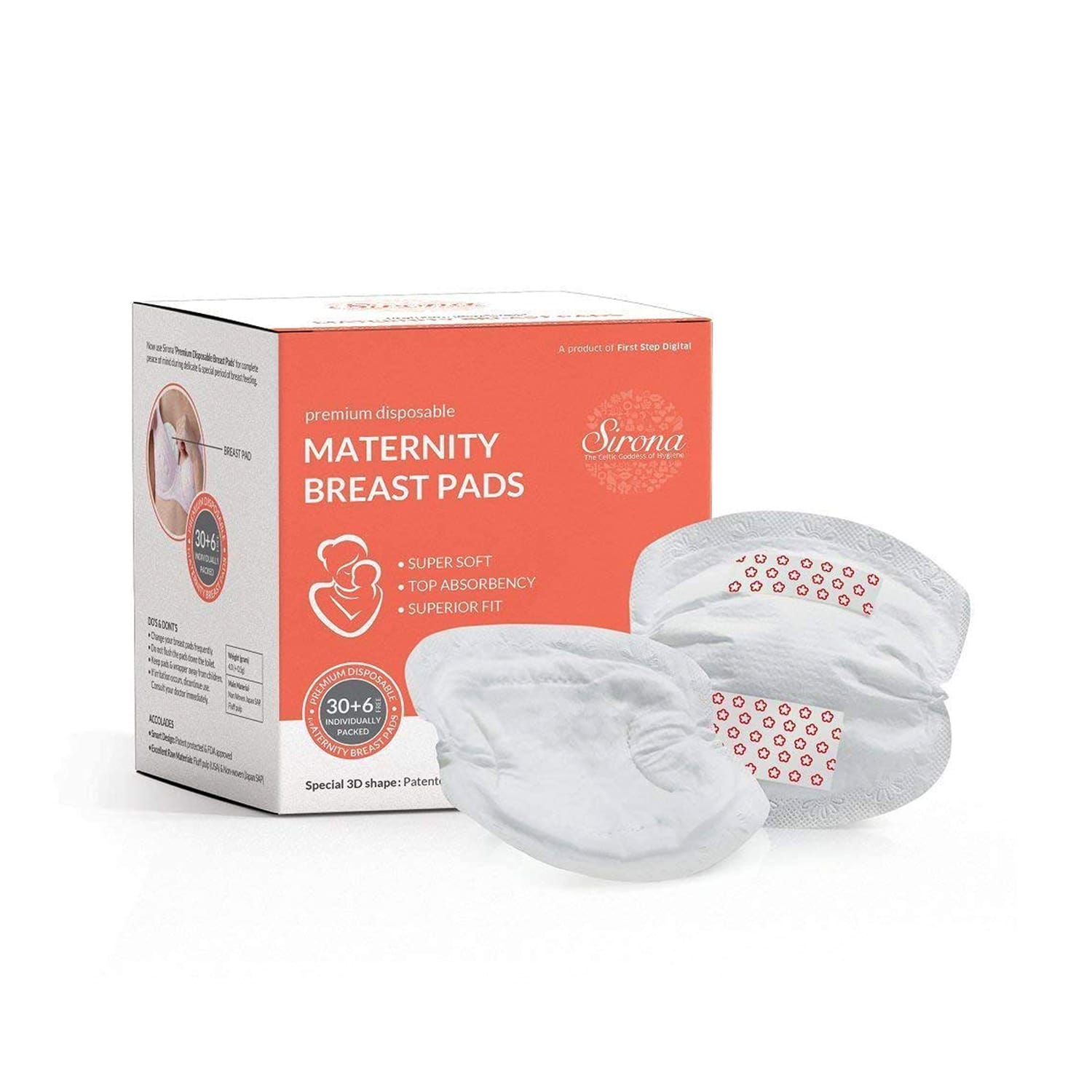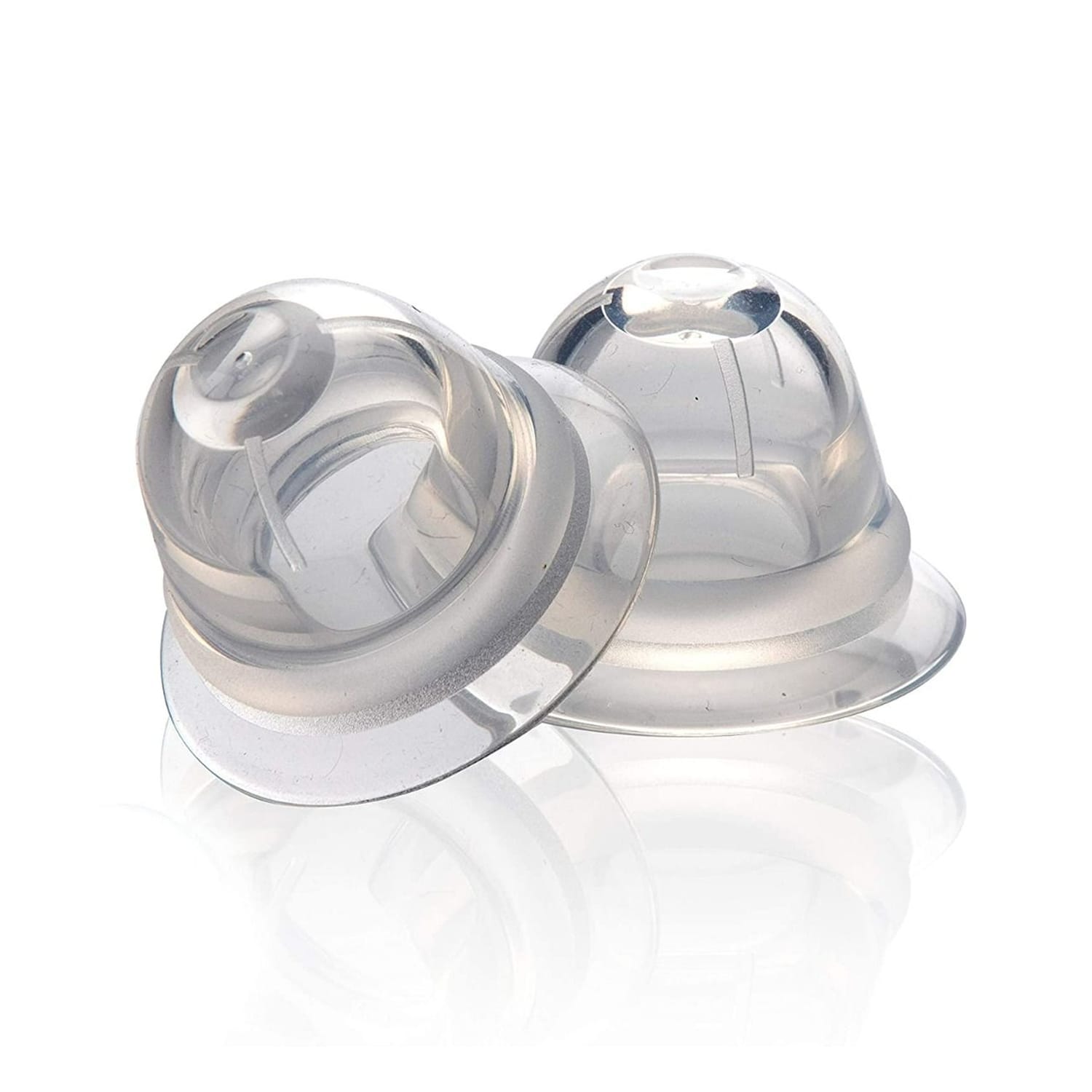


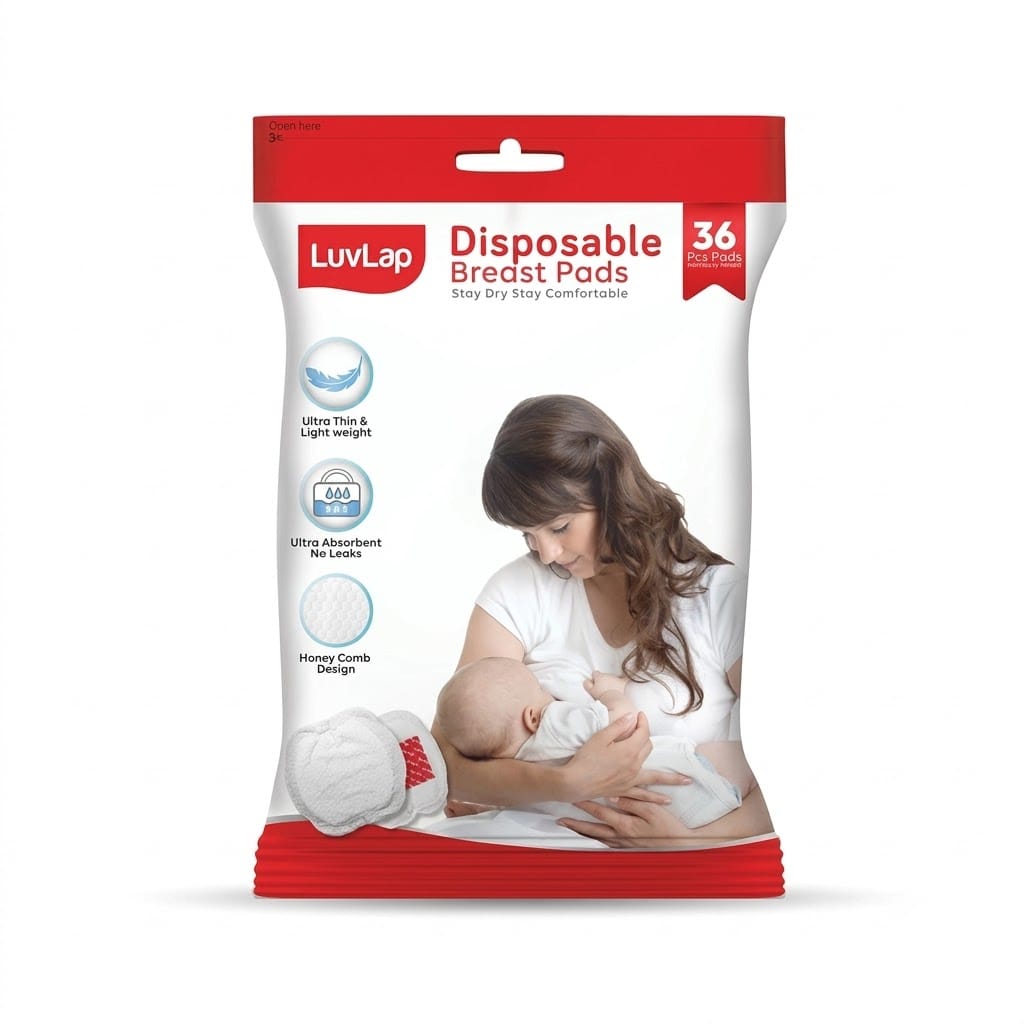
LuvLap Disposal Breast Pads 36 Pcs (M.No 18962)
LuvLap
₹24210% off₹269
Breast Milk Leakage / Letdown
Breast milk leakage, often referred to as letdown, is a common experience for breastfeeding mothers. It occurs when milk flows from the breasts due to stimulation, whether from nursing, pumping, or even hearing a baby cry. While this natural process is essential for breastfeeding, it can sometimes lead to discomfort or embarrassment for mothers.
Causes of Breast Milk Leakage
Milk Production: As the body produces milk, it may fill the breasts, leading to leakage if the milk is not drained regularly.
Letdown Reflex: The letdown reflex is a response that triggers milk to flow from the milk ducts to the nipple, often stimulated by the baby sucking, thoughts of the baby, or even external stimuli like hearing a baby cry.
Overactive Milk Supply: Some mothers produce more milk than their baby needs, leading to excess milk that may leak between feedings.
Hormonal Changes: Hormonal fluctuations during breastfeeding can affect milk production and letdown.
Stress or Anxiety: Emotional factors can influence the letdown reflex, causing unpredictable leakage.
Symptoms of Breast Milk Leakage
Wet Spots on Clothing: Leakage can result in noticeable wet spots on bras or shirts.
Dripping or Spouting Milk: Some mothers may experience significant leakage, with milk dripping or spraying from the nipple.
Discomfort: Feelings of fullness or pressure in the breasts can accompany leakage.
Diagnosis of Breast Milk Leakage
Breast milk leakage is typically diagnosed through:
Medical History: A healthcare provider may ask about breastfeeding patterns, milk supply, and any associated symptoms.
Physical Examination: The breasts may be examined to assess milk production and any signs of blockages or infections.
Observation of Letdown: Monitoring how and when leakage occurs can help determine if it’s due to an overactive letdown reflex or other factors.
Treatment of Breast Milk Leakage
Frequent Nursing or Pumping: Ensuring that the baby is fed regularly can help manage milk supply and reduce leakage.
Breast Pads: Wearing absorbent breast pads can help manage leakage and keep clothing dry.
Cold Compresses: Applying cold packs after nursing can help reduce swelling and discomfort.
Milk Expression: If leakage is excessive, expressing milk before nursing can help control the letdown reflex and make feeding more comfortable.
Mindfulness Techniques: Stress management techniques such as deep breathing or relaxation exercises may help regulate the letdown reflex.
Preventing Breast Milk Leakage
Establish a Routine: Regularly nursing or pumping can help keep milk supply in check and prevent leakage.
Monitor Triggers: Identifying situations or stimuli that trigger leakage can help mothers prepare, such as carrying extra breast pads.
Adjust Nursing Positions: Experimenting with different positions can help manage milk flow and reduce leakage during feedings.
Complications of Breast Milk Leakage
While breast milk leakage is usually not a serious issue, it can lead to:
Embarrassment: Uncontrolled leakage may cause mothers to feel self-conscious in public.
Skin Irritation: Prolonged exposure to wetness can lead to skin irritation or rashes on the breast.
Specialist to Consult for Breast Milk Leakage
Lactation Consultant: A breastfeeding expert who can provide guidance on managing milk supply, letdown reflex, and proper breastfeeding techniques.
Obstetrician/Gynecologist: For general concerns related to postpartum care and breastfeeding challenges.

mee mee

mee mee