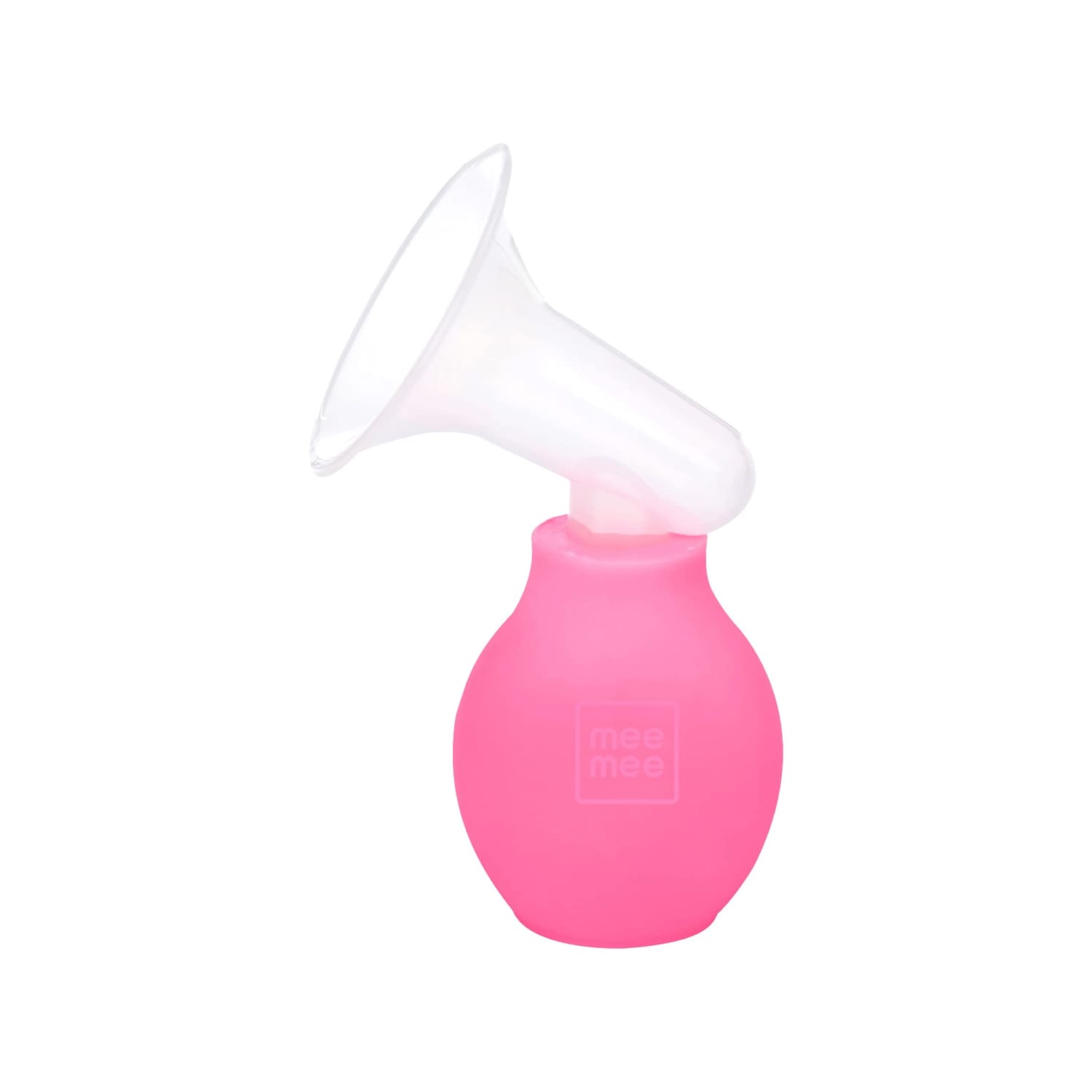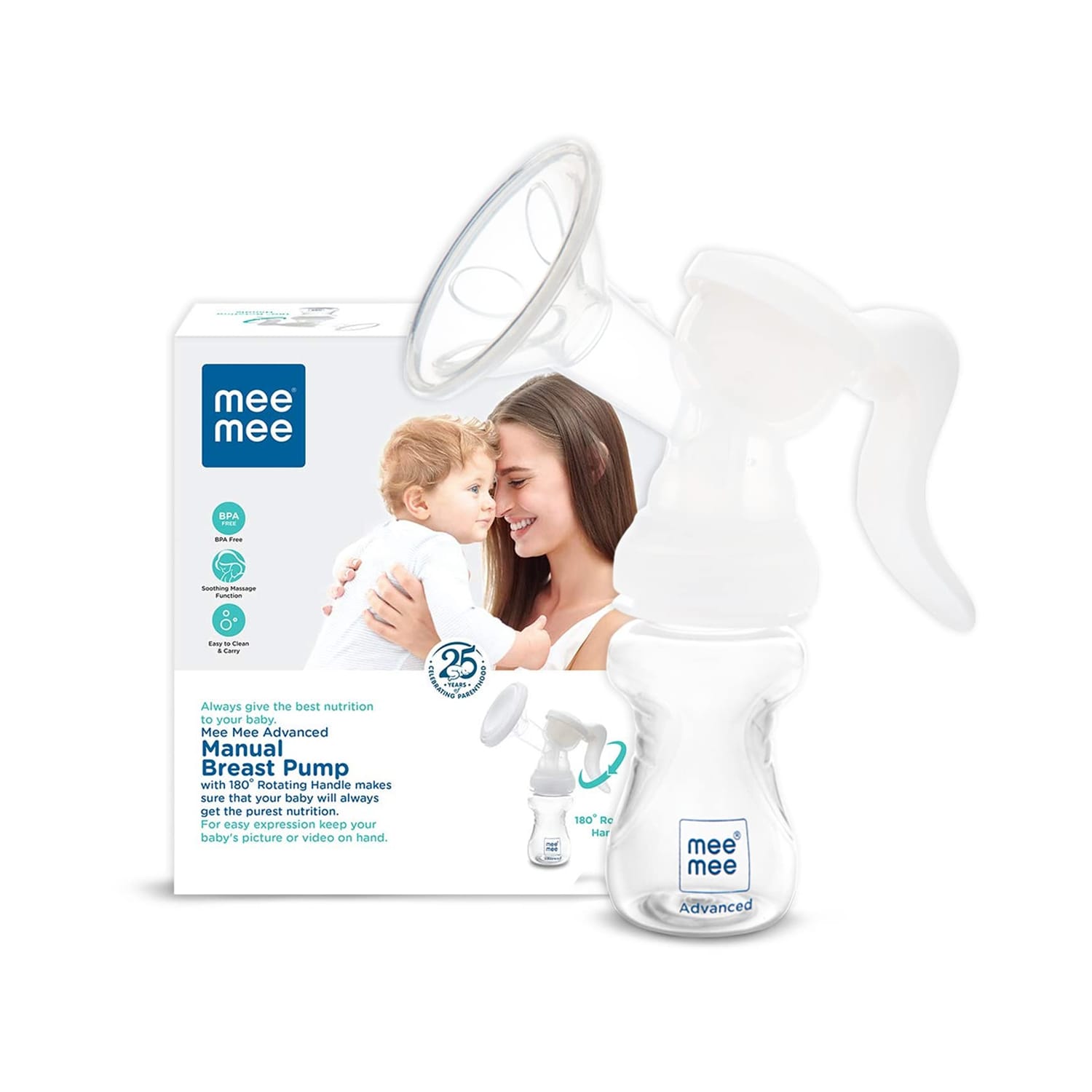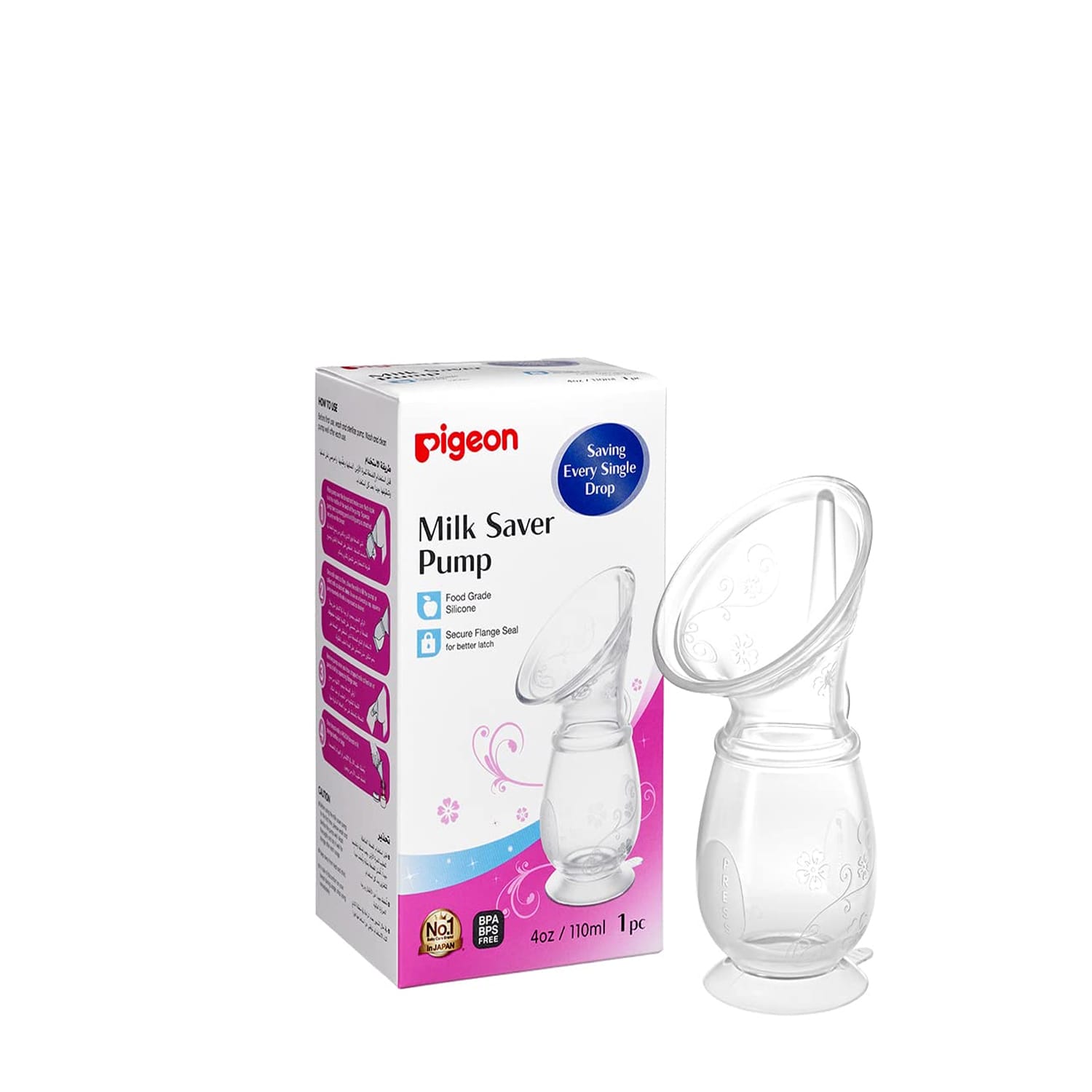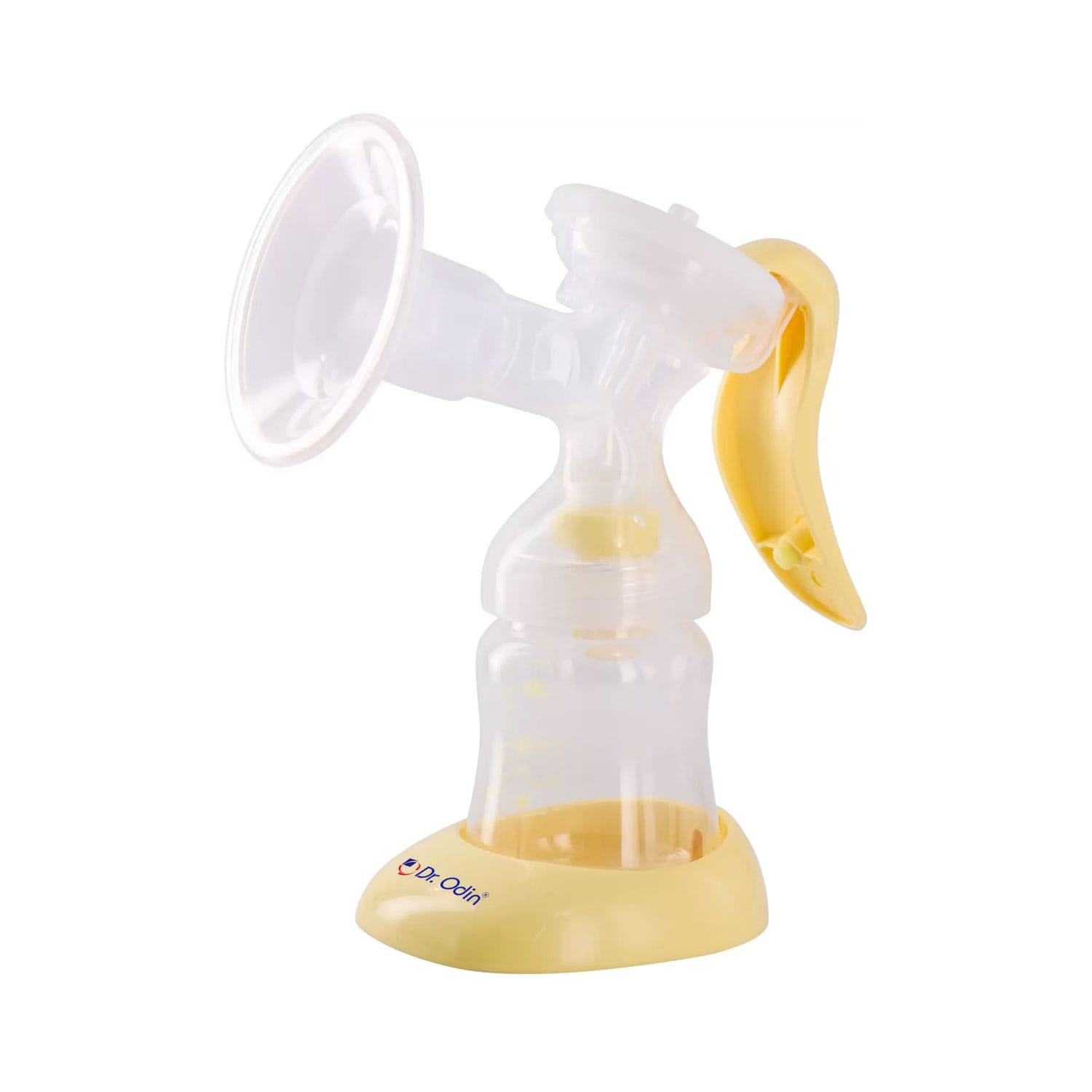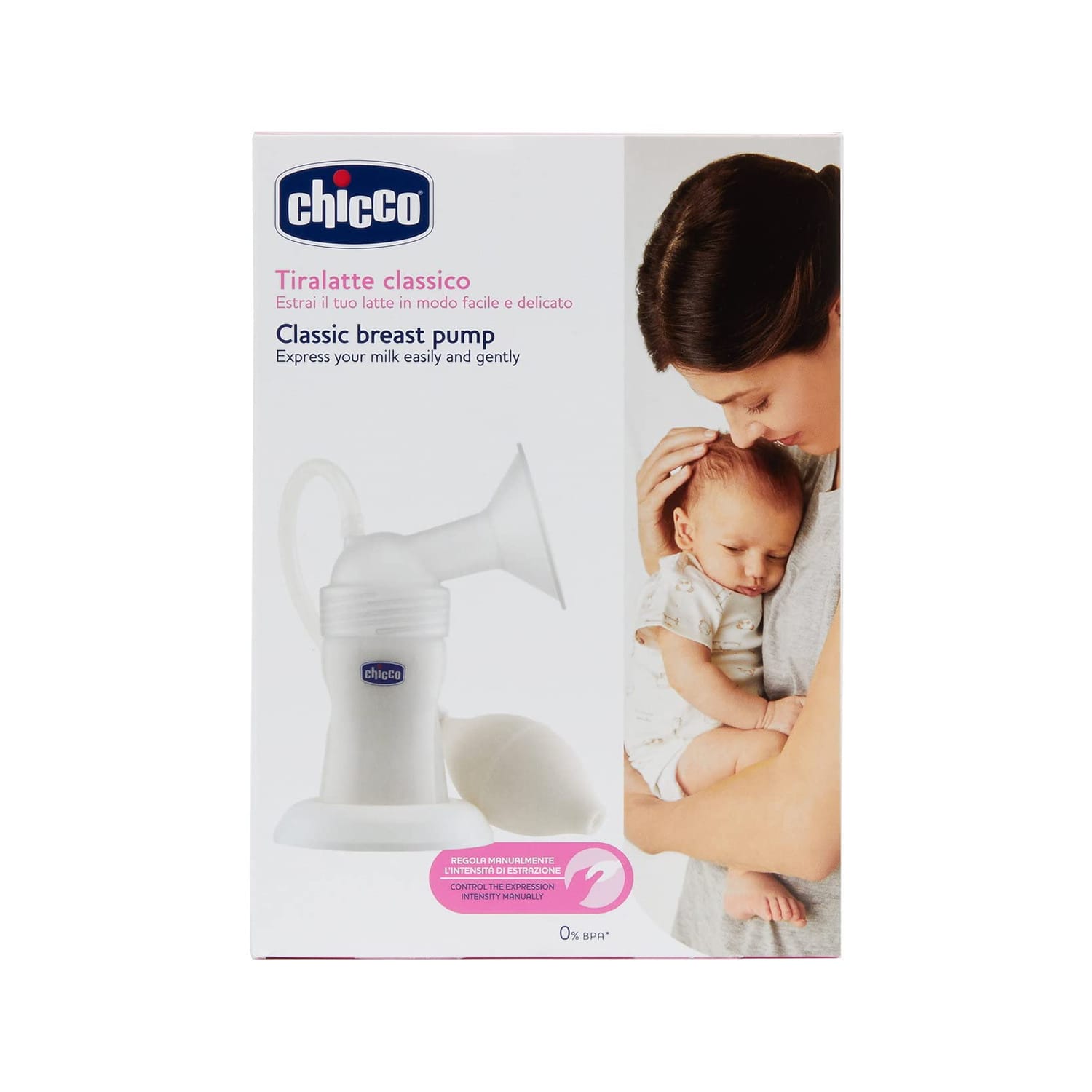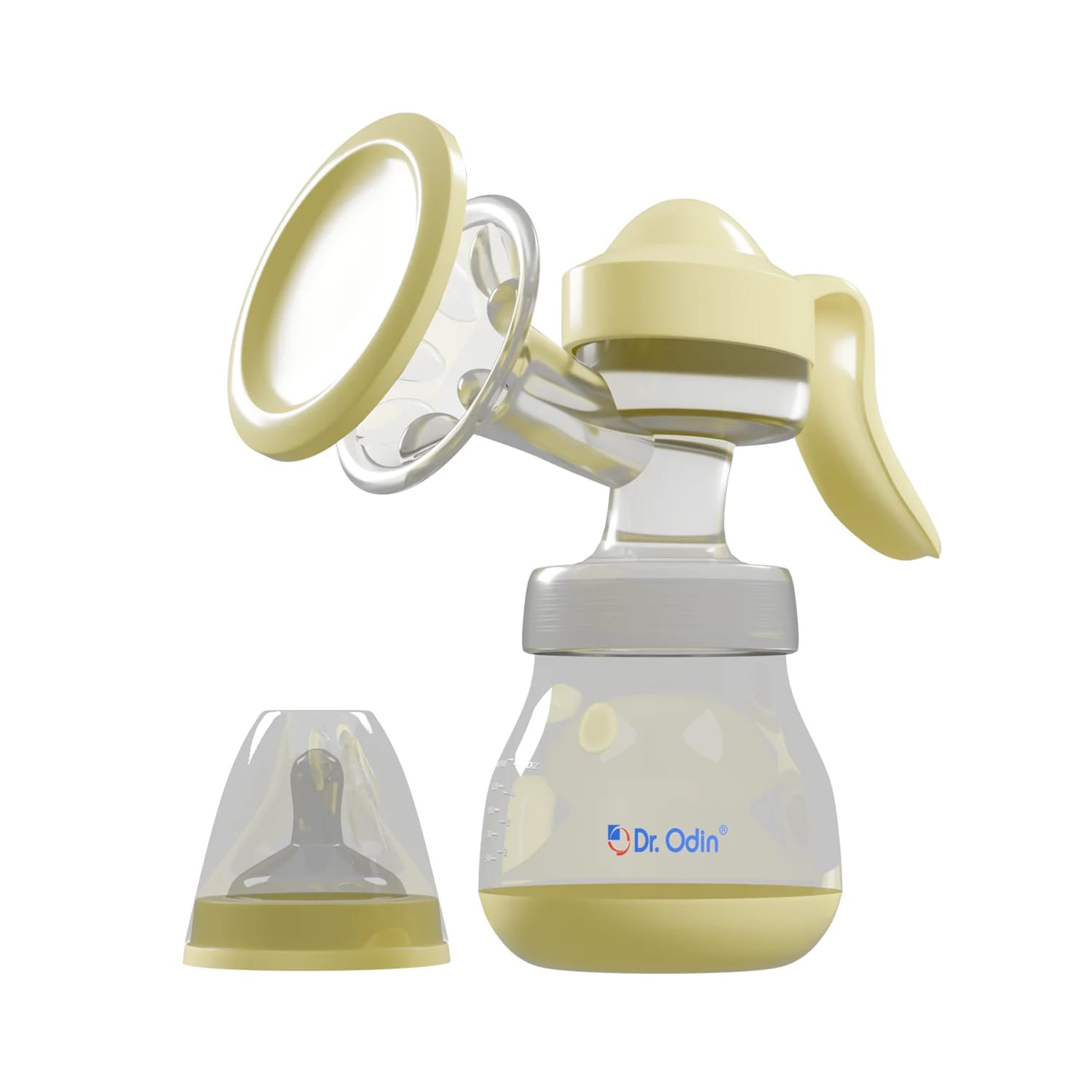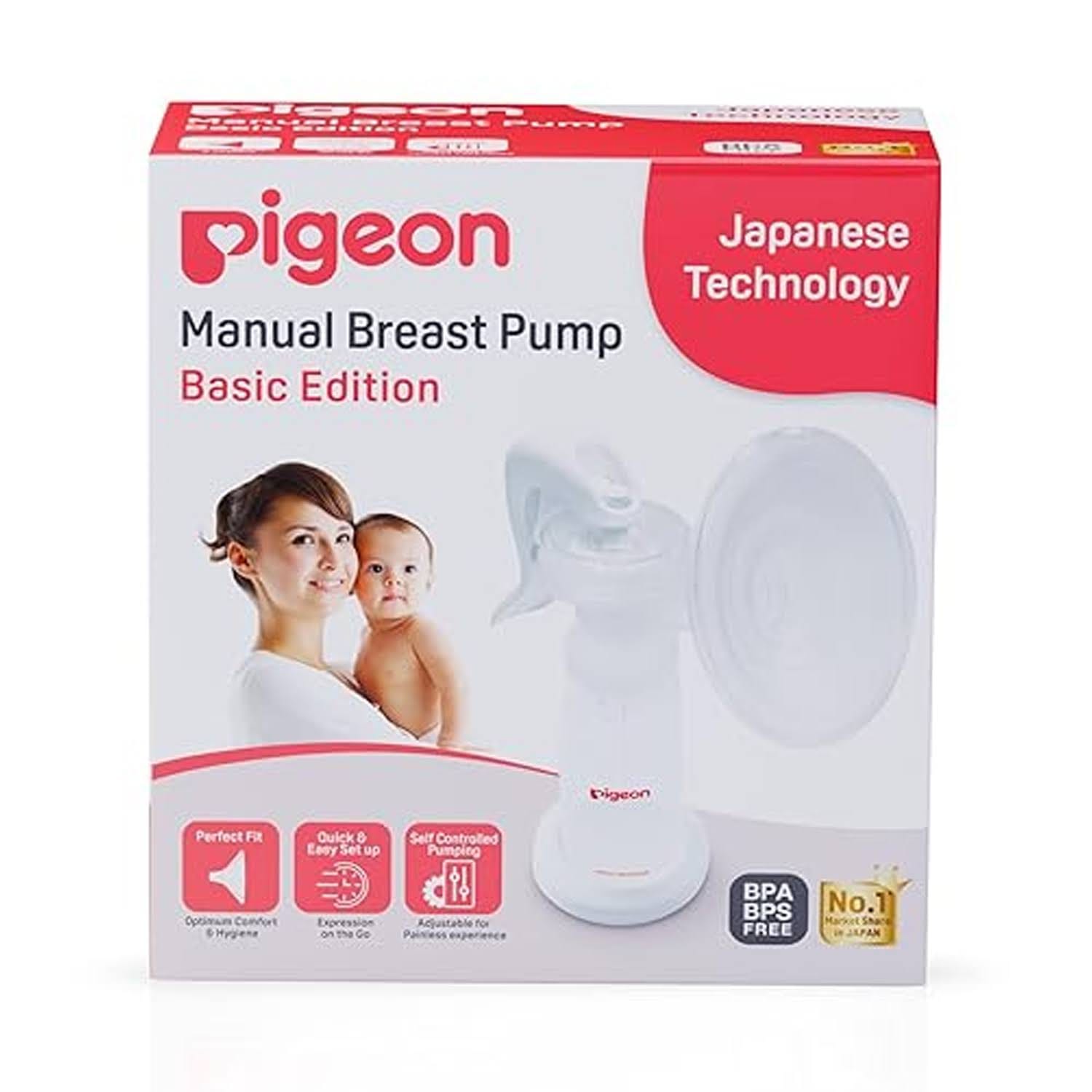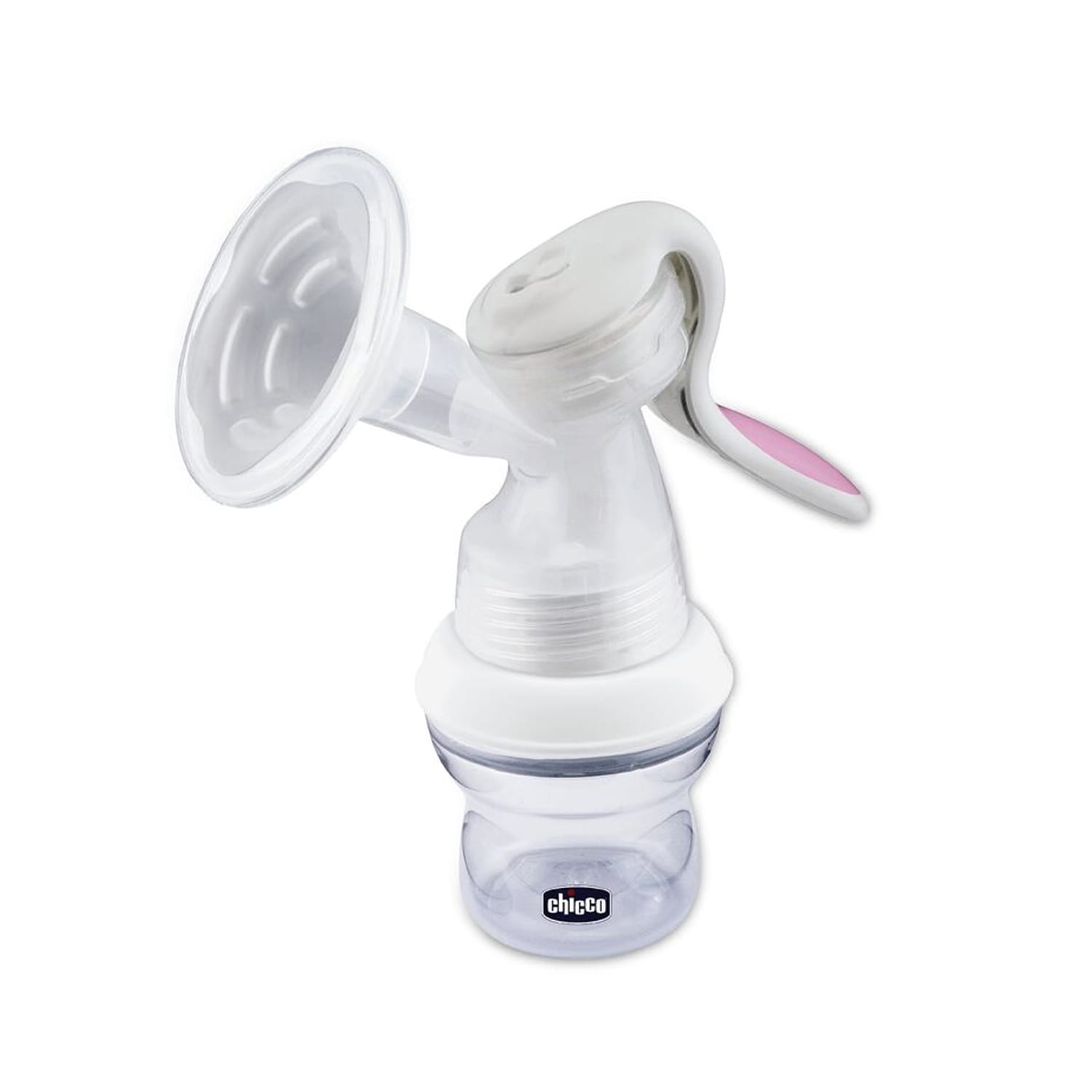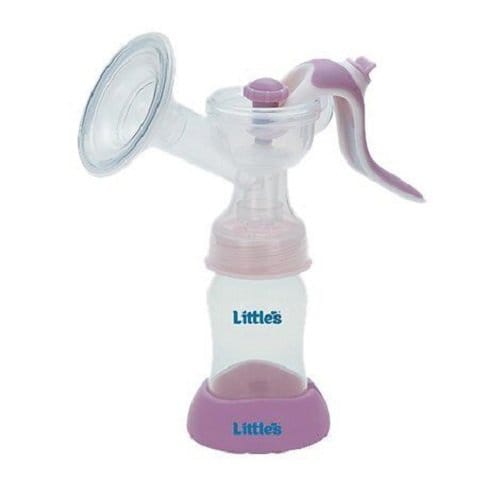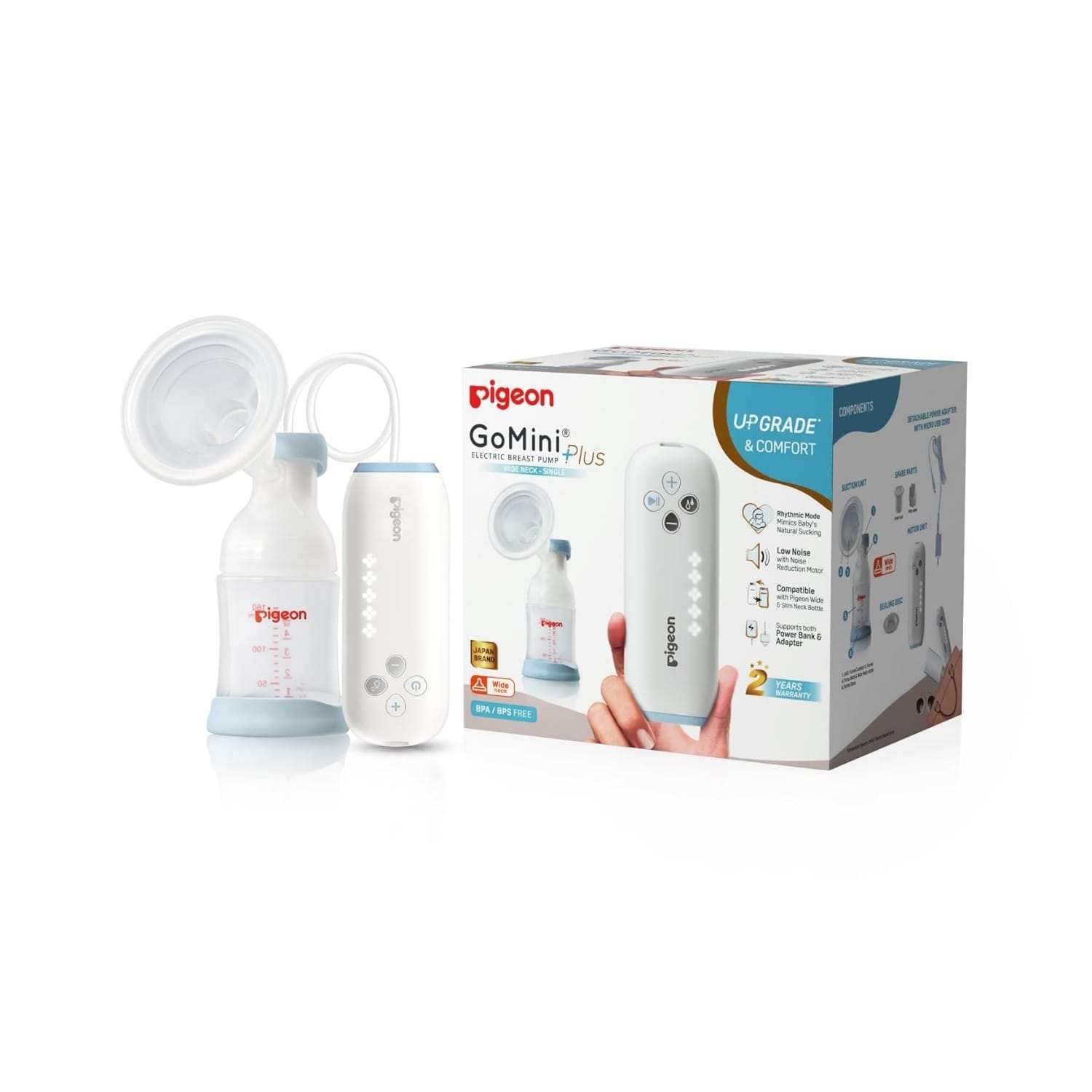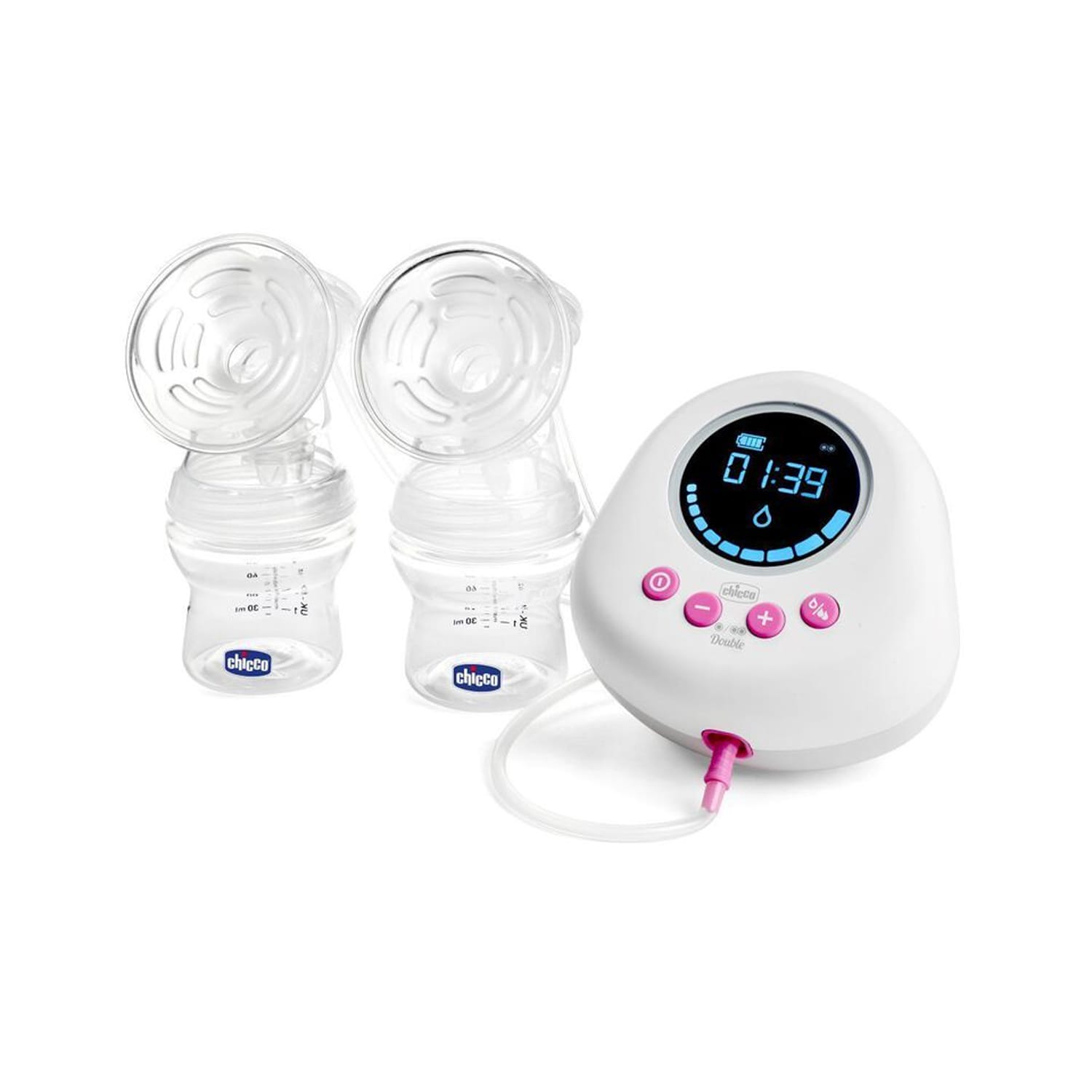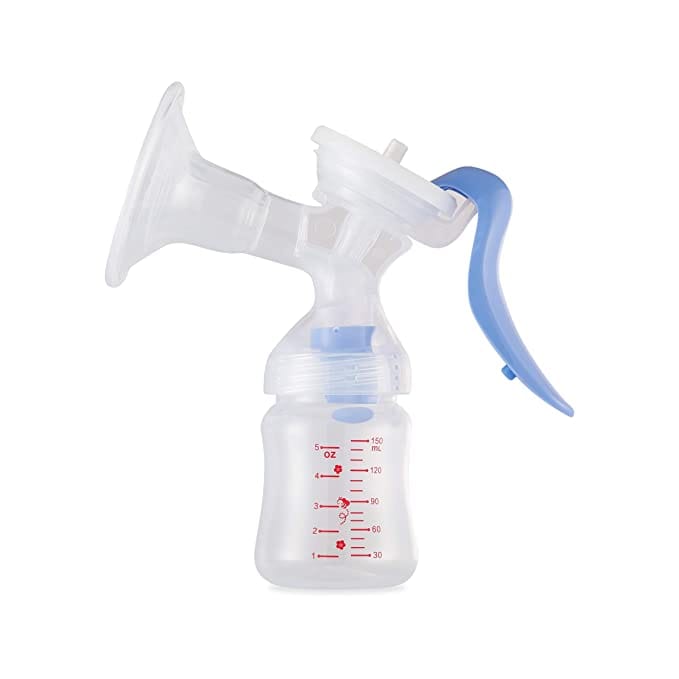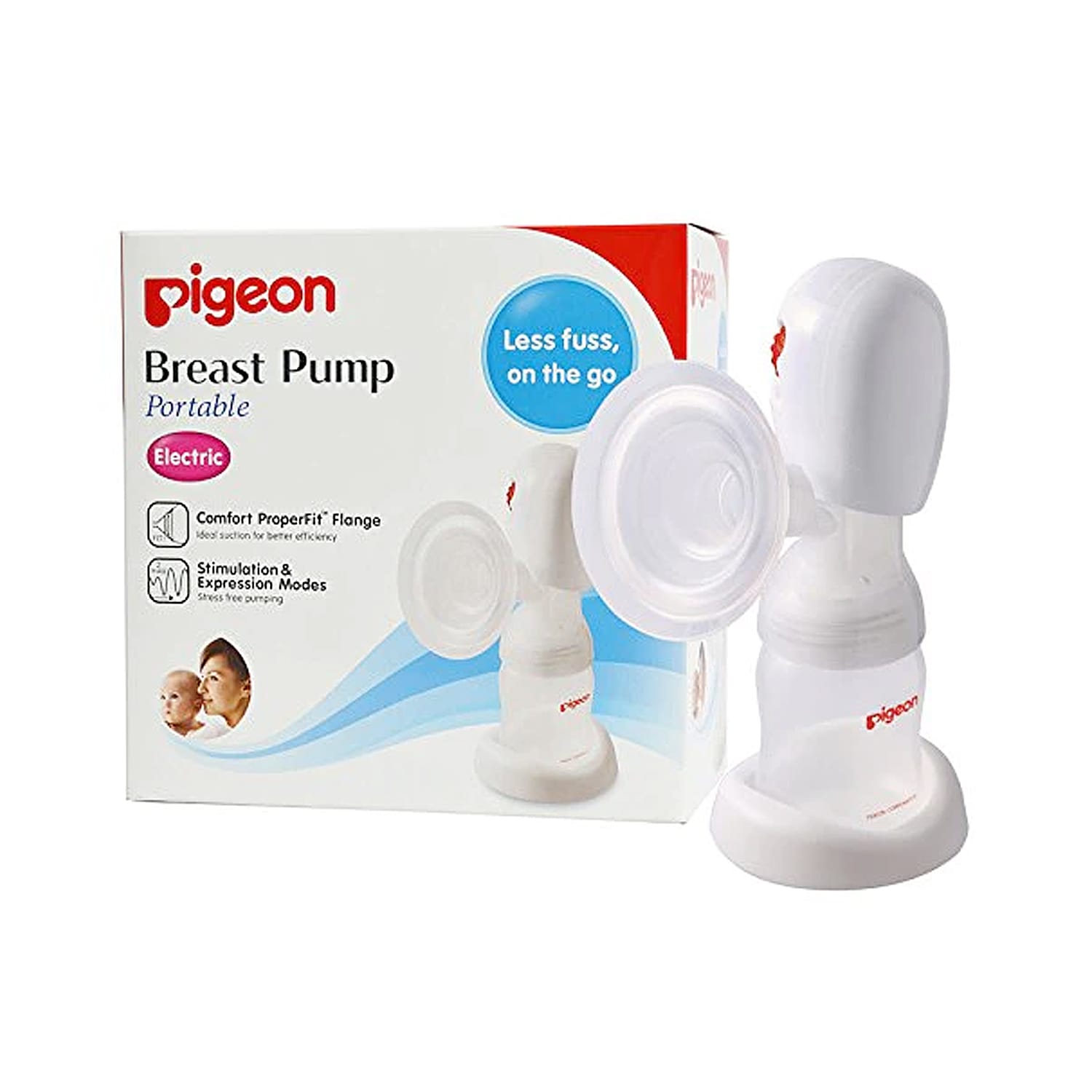


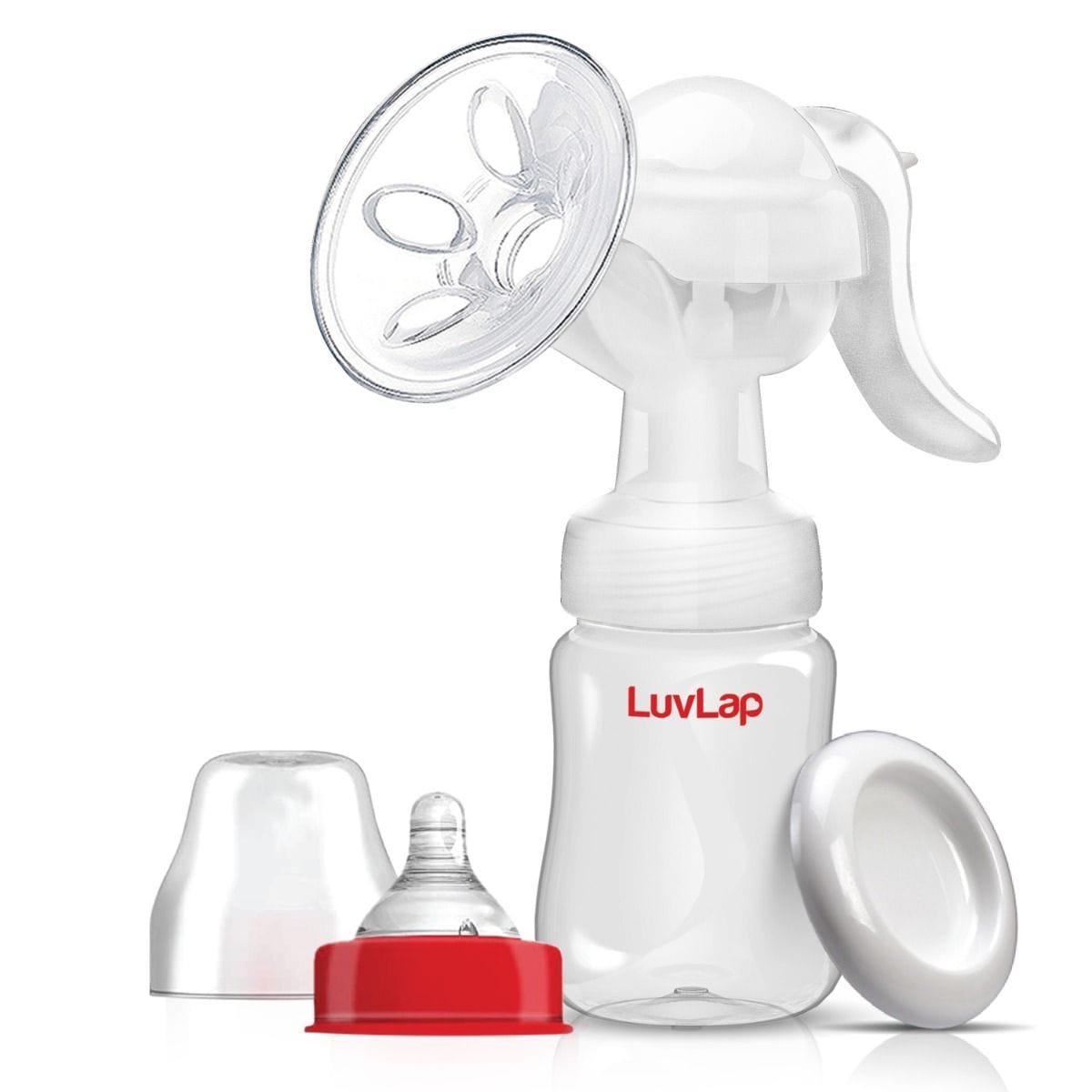
LuvLap Manual Breast Pump (M.No 18481A)
LuvLap
₹7125% off₹749
Breast Engorgement
Breast engorgement occurs when the breasts become overly full with milk, leading to swelling, discomfort, and a feeling of heaviness. It is a common issue, particularly in breastfeeding mothers, and can happen at various stages during lactation, especially in the early days after childbirth or when there are changes in breastfeeding patterns.
Causes of Breast Engorgement
Milk Production: After giving birth, the body begins to produce milk, which can lead to engorgement if the milk is not effectively removed.
Infrequent Nursing: Skipping feedings or not breastfeeding frequently enough can cause milk to accumulate in the breasts.
Improper Latch: If the baby is not latching on correctly, they may not remove enough milk during feeding, leading to engorgement.
Sudden Changes in Feeding Patterns: Changes in the baby's feeding routine, such as longer intervals between feedings, can result in excess milk.
Weaning: Gradually reducing breastfeeding can lead to engorgement if not managed properly.
Hormonal Changes: Fluctuations in hormones after birth influence milk production and can lead to breast engorgement.
Symptoms of Breast Engorgement
Swollen Breasts: The breasts may feel full, heavy, and larger than usual.
Tightness or Hardness: The breasts may feel firm or hard to the touch.
Discomfort or Pain: Mothers may experience tenderness, aching, or sharp pain in the breasts.
Nipple Sensitivity: Nipples may become sore or sensitive, making breastfeeding uncomfortable.
Decreased Milk Flow: Engorgement can make it difficult for the baby to latch on properly, leading to reduced milk flow during feeding.
Diagnosis of Breast Engorgement
Breast engorgement is typically diagnosed based on:
Physical Examination: The breasts will be examined for signs of swelling, hardness, and tenderness.
Observation of Latch: Evaluating the baby's latch during breastfeeding can help identify any issues contributing to engorgement.
Treatment of Breast Engorgement
Frequent Breastfeeding: Encourage regular breastfeeding sessions to help empty the breasts and relieve engorgement.
Pumping: If the baby cannot nurse effectively, using a breast pump can help remove excess milk.
Warm Compresses: Applying warm compresses before feeding can help soften the breast tissue and facilitate milk flow.
Cold Packs: After feeding, applying cold packs can reduce swelling and discomfort.
Massage: Gently massaging the breasts while breastfeeding or pumping can help improve milk drainage.
Adjusting Feeding Positions: Trying different breastfeeding positions can help the baby latch better and remove more milk.
Preventing Breast Engorgement
Establish a Feeding Routine: Breastfeed on demand, especially in the early weeks postpartum, to help regulate milk supply.
Monitor Baby’s Feeding Cues: Look for signs of hunger and feed the baby promptly to avoid prolonged intervals between feedings.
Ensure Proper Latch: Seek assistance from a lactation consultant if needed to ensure the baby is latching on correctly.
Gradual Weaning: If transitioning away from breastfeeding, do so gradually to allow the body to adjust and reduce milk production.
Complications of Breast Engorgement
If left untreated, breast engorgement can lead to:
Mastitis: An infection of the breast tissue that can occur if milk is not properly drained, leading to fever and increased pain.
Abscess Formation: In severe cases, engorgement can lead to the formation of a breast abscess, requiring medical intervention.
Decreased Milk Supply: Persistent engorgement can lead to a decrease in milk supply over time.
Specialist to Consult for Breast Engorgement
Lactation Consultant: A breastfeeding expert who can provide support and techniques for managing engorgement and ensuring proper latching.
Obstetrician/Gynecologist: Can offer support for postpartum care and manage any related hormonal issues that causes engorgement.
Pediatrician: For advice on the baby's feeding and growth during breastfeeding.