

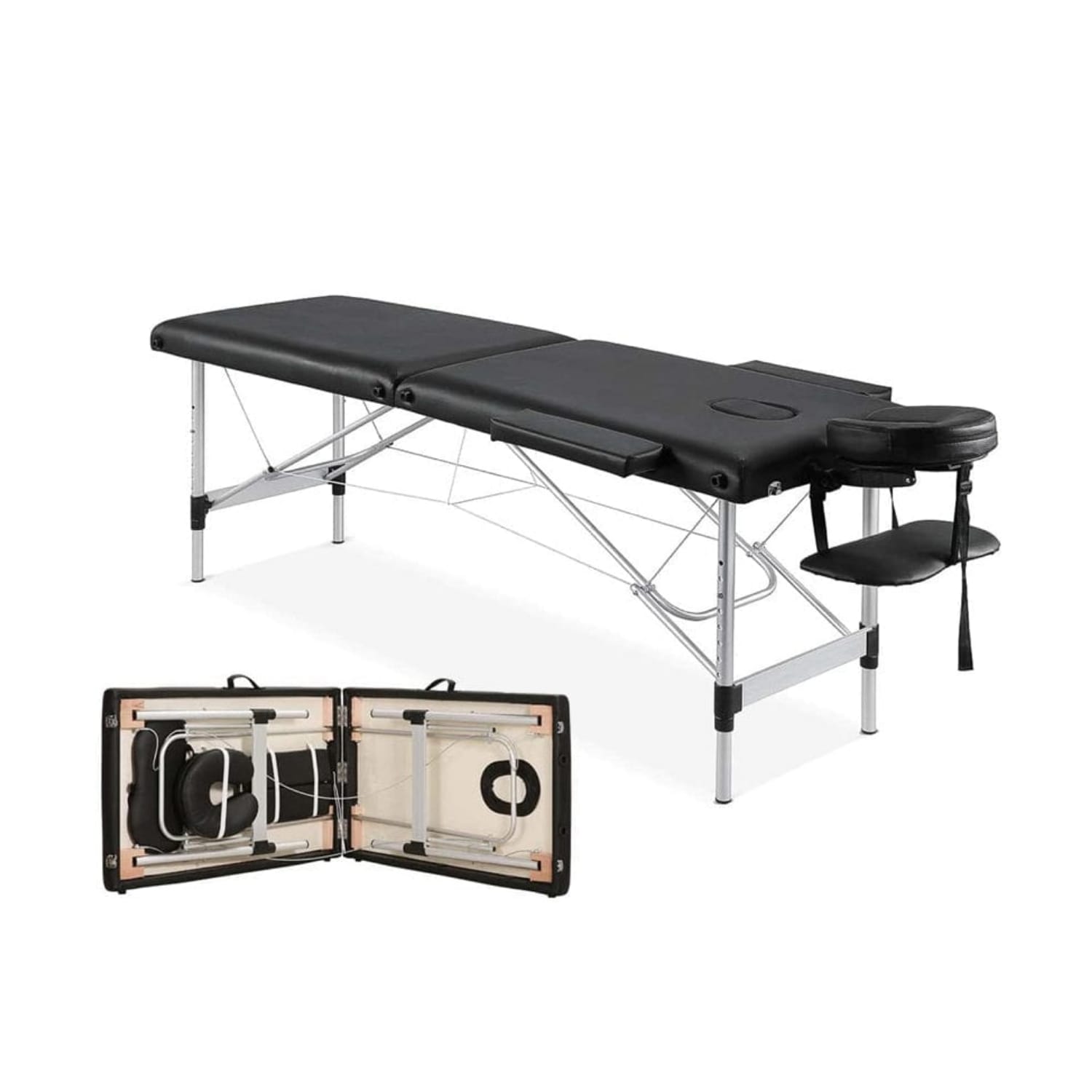
RST Medics Portable Massage Table with 2 Fold
RST Medics
₹17,999₹17,999
Body Pain
Body pain refers to discomfort or aches that can affect different parts of the body. It can range from mild to severe, acute to chronic, and can be caused by various factors such as muscle strain, injury, infections, or underlying medical conditions. Depending on the cause, body pain can manifest as muscle soreness, joint pain, or a generalized aching sensation.
Causes of Body Pain
Muscle Strain: Overexertion, improper posture, or sudden movements can cause strain in muscles, leading to pain.
Injury: Accidents, falls, or physical trauma can result in localized or widespread body pain.
Infections: Viral infections like the flu, COVID-19, or bacterial infections can cause generalized body pain due to inflammation and fever.
Chronic Conditions: Conditions such as fibromyalgia, arthritis, or lupus can cause persistent pain in different areas of the body.
Stress and Anxiety: Mental stress can lead to muscle tension, causing pain, especially in the neck, shoulders, and back.
Dehydration: Lack of fluids can cause muscle cramps and overall body discomfort.
Poor Sleep: Lack of restful sleep can lead to increased sensitivity to pain and muscle stiffness.
Vitamin or Mineral Deficiency: Low levels of essential nutrients like vitamin D, magnesium, or potassium can lead to body pain and muscle weakness.
Risk Factors for Body Pain
Physical Activity: Excessive or improper exercise, heavy lifting, or prolonged sitting can lead to muscle strain and pain.
Age: Older adults are more prone to joint pain due to wear and tear on the joints and muscles.
Sedentary Lifestyle: Lack of regular movement or exercise can lead to muscle weakness, stiffness, and pain.
Obesity: Excess weight puts additional pressure on joints and muscles, leading to pain.
Medical Conditions: Conditions like diabetes, arthritis, and autoimmune disorders increase the likelihood of body pain.
Symptoms of Body Pain
Muscle Soreness: Pain and tenderness in the muscles, especially after physical activity.
Joint Pain: Stiffness, aching, or swelling in the joints.
Generalized Aches: A feeling of widespread discomfort or pain throughout the body.
Fatigue: Feeling tired or low energy, often accompanying body pain.
Tenderness: Areas of the body may be sensitive to touch or pressure.
Diagnosis of Body Pain
To determine the cause of body pain, healthcare provider will require:
Medical History: Review the patient's health history and ask about the nature, location, and duration of the pain.
Physical Examination: Check for muscle tenderness, swelling, joint mobility, and signs of injury.
Blood Tests: Test for infections, vitamin deficiencies, or underlying medical conditions that may be causing pain.
Imaging Tests: X-rays, MRIs, or CT scans may be used to detect injuries, joint damage, or other abnormalities.
Treatment of Body Pain
Rest: Allowing the body to recover and avoiding activities that may worsen the pain is essential.
Pain Relief Medications: Over-the-counter pain relievers such as ibuprofen or acetaminophen can help alleviate mild to moderate pain.
Physical Therapy: Specific exercises and stretching techniques can help relieve muscle tension and improve mobility.
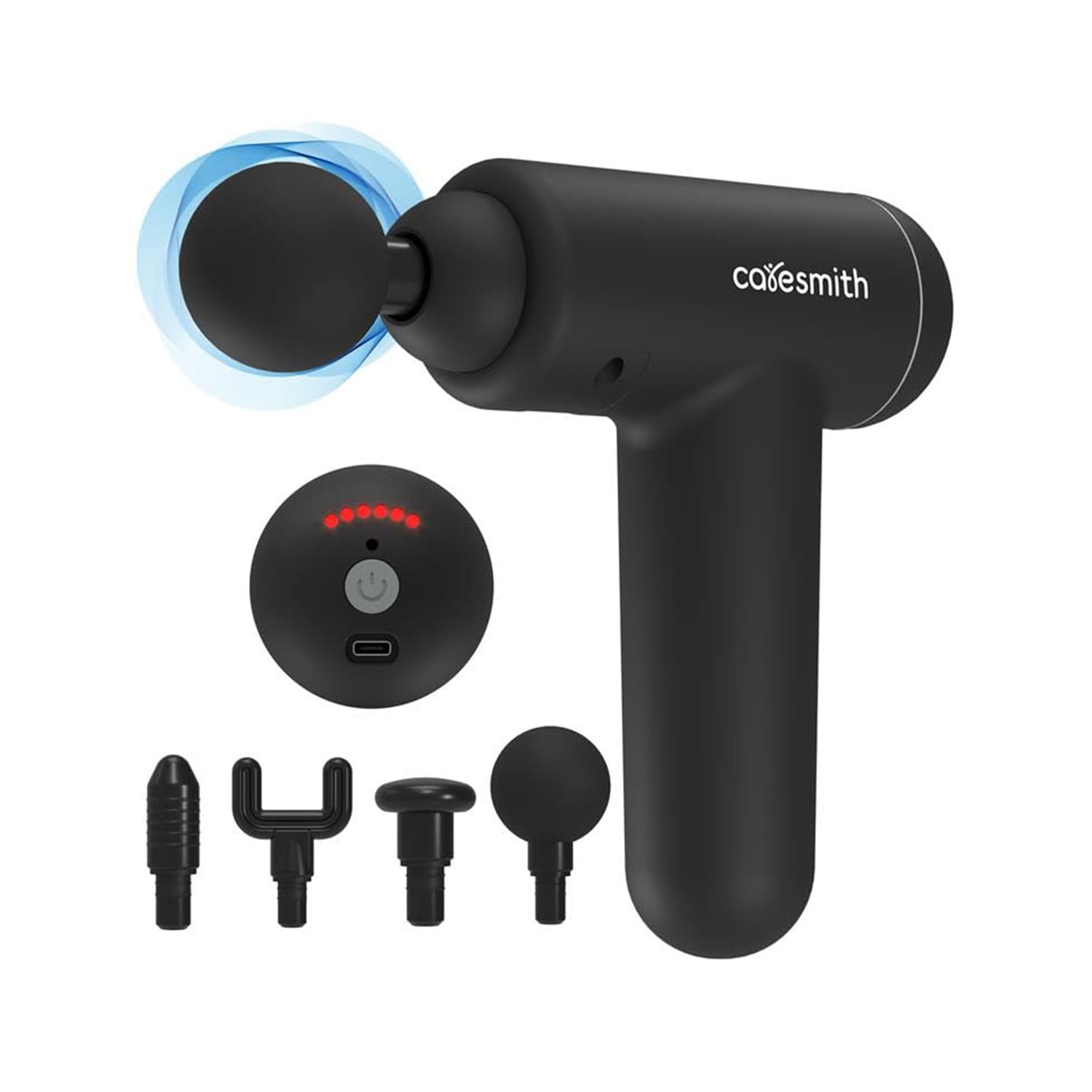
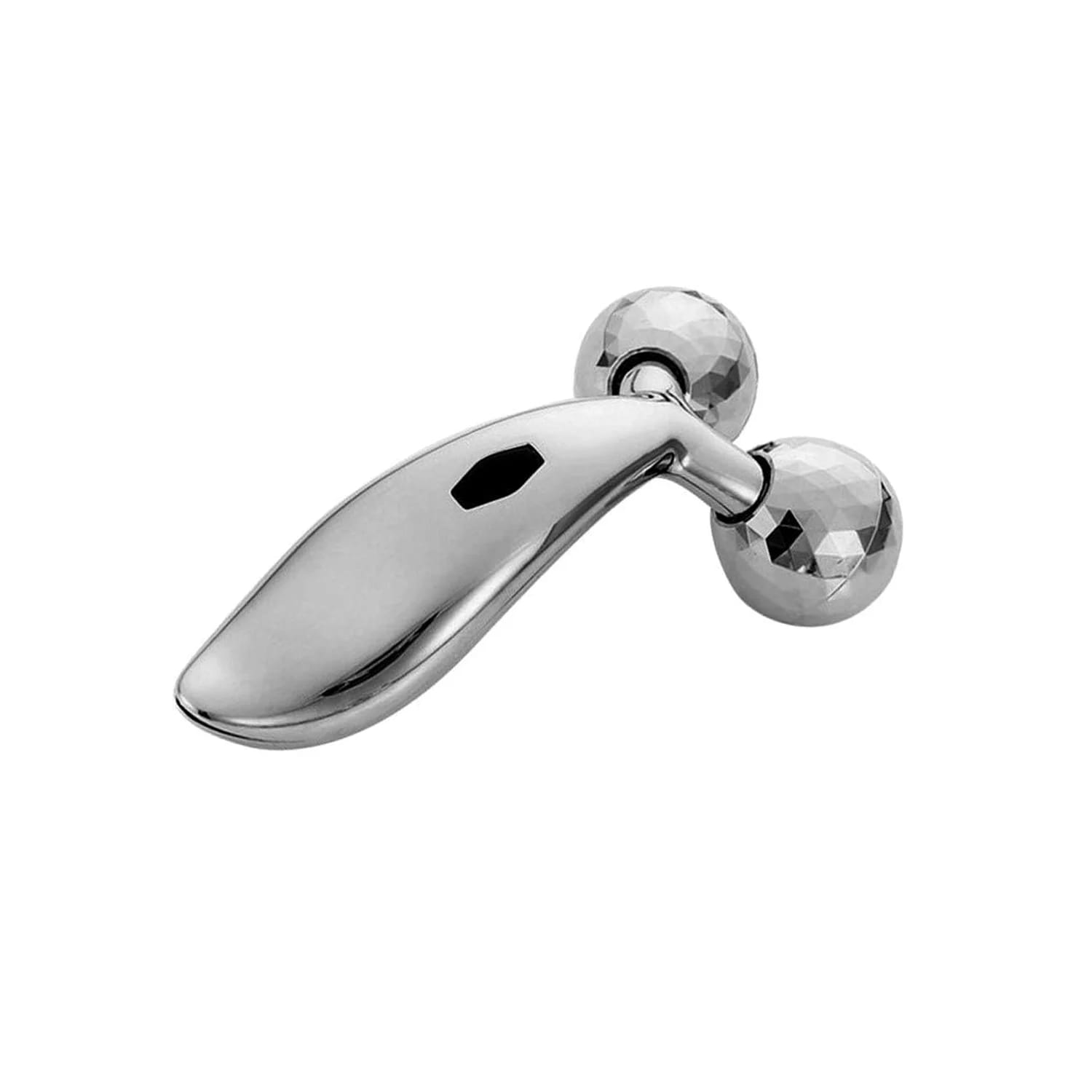
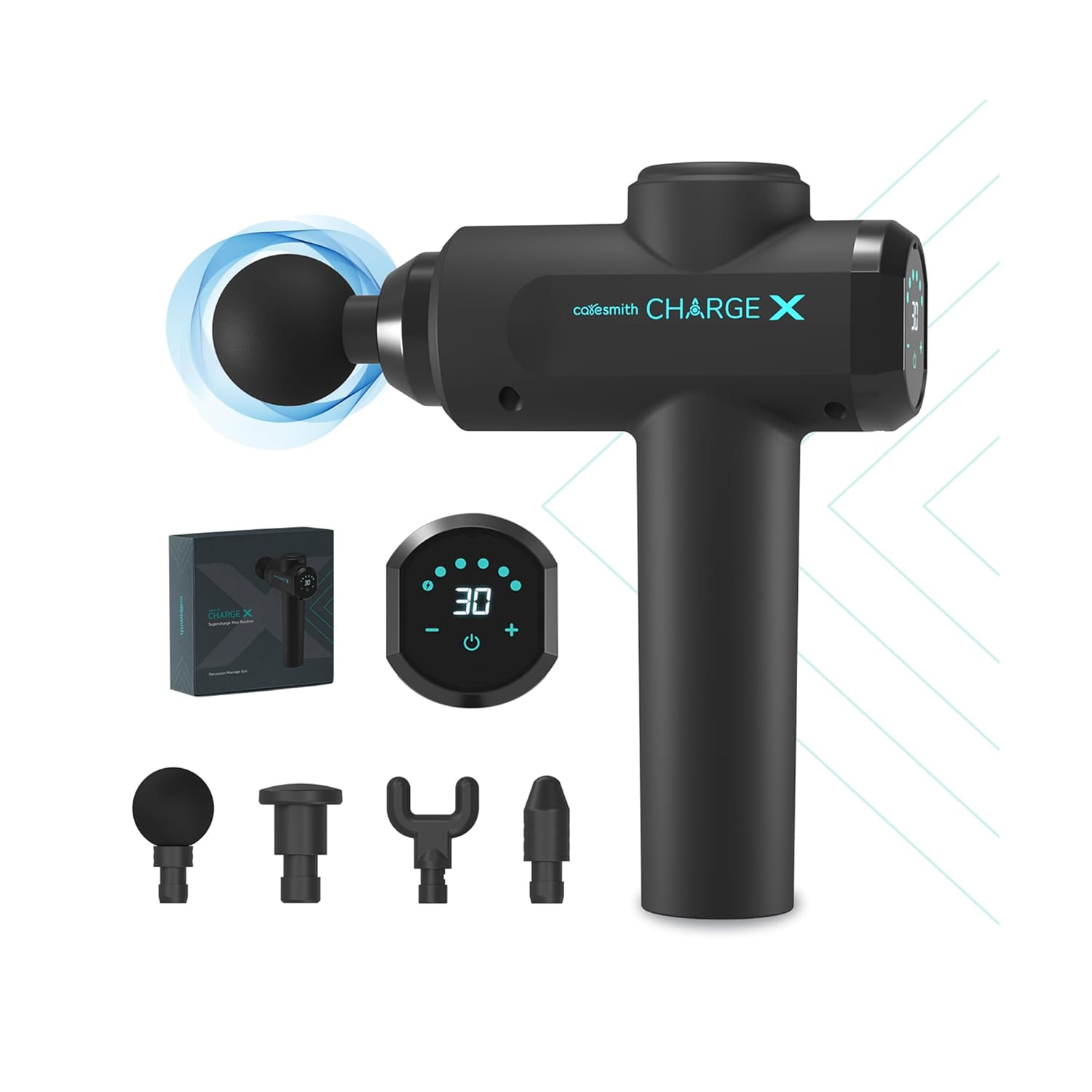
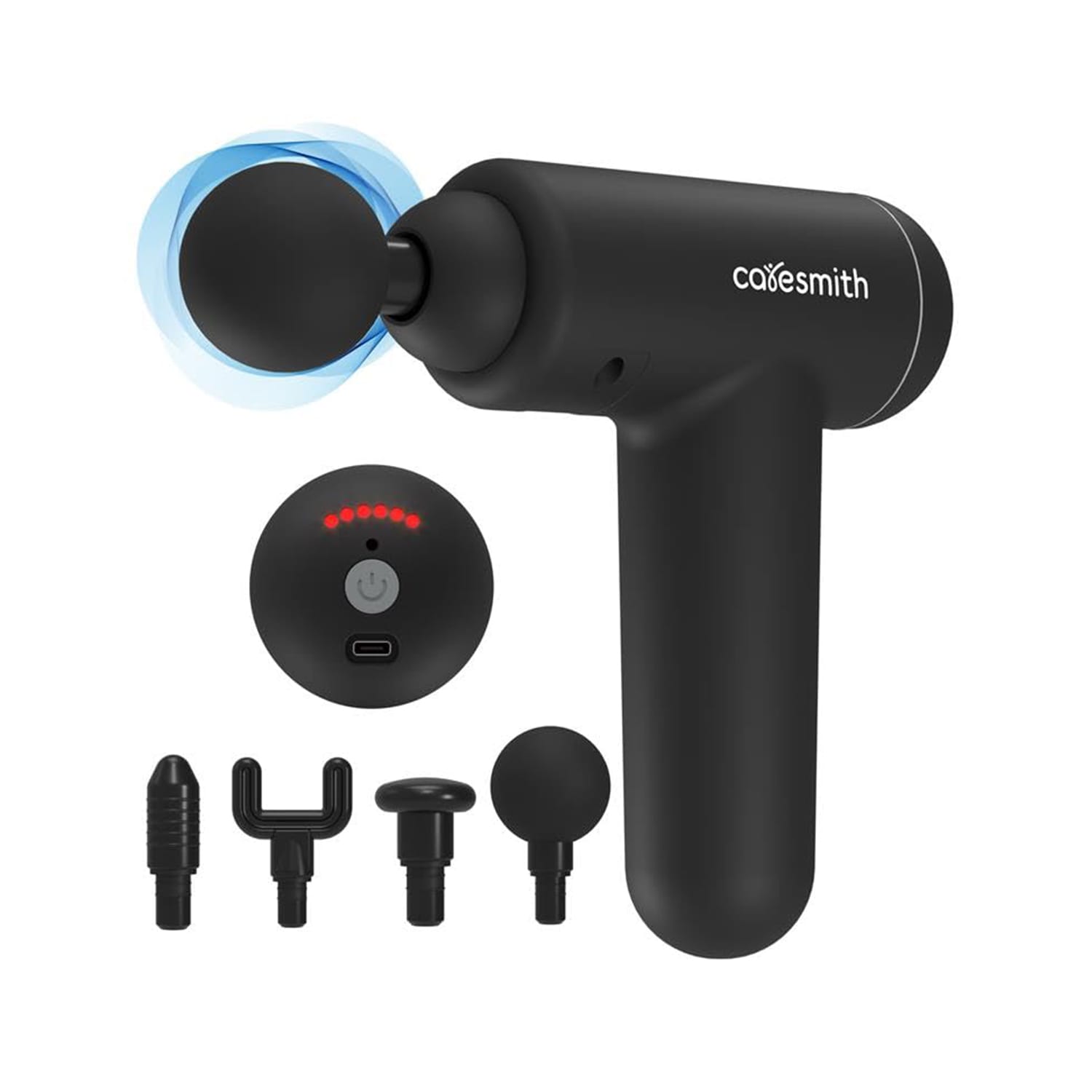
Massage Therapy: Helps reduce muscle stiffness and improve blood circulation to areas of pain.
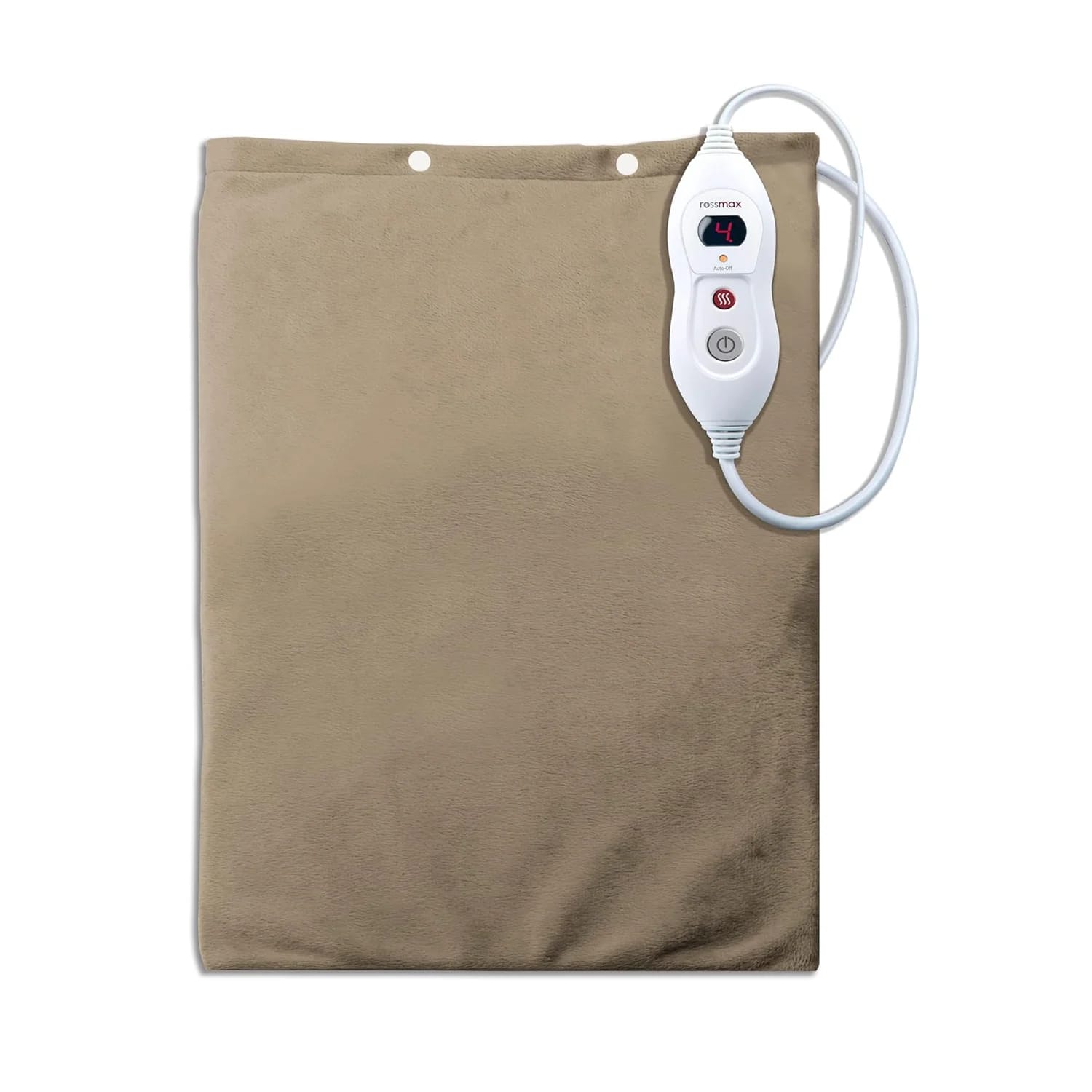
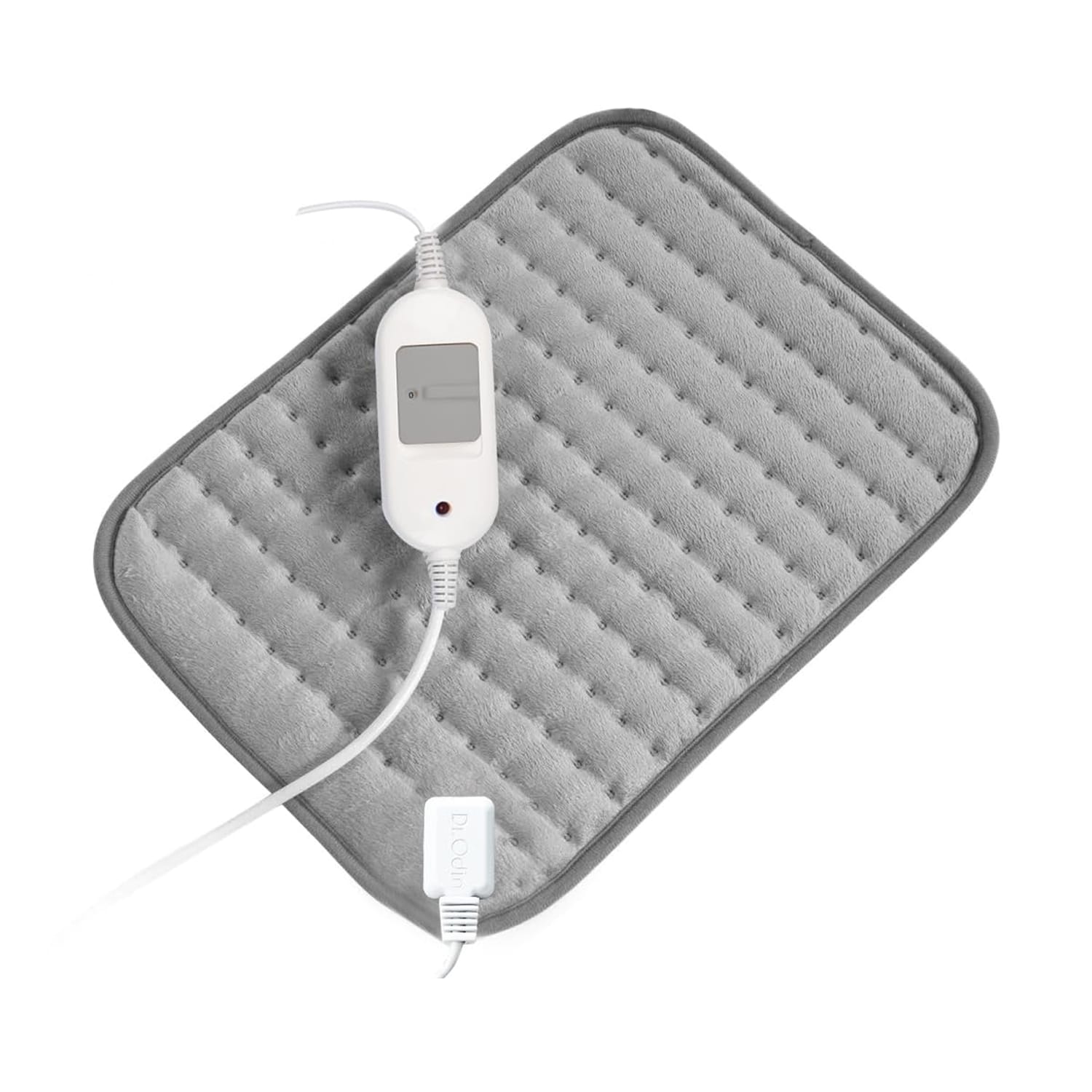
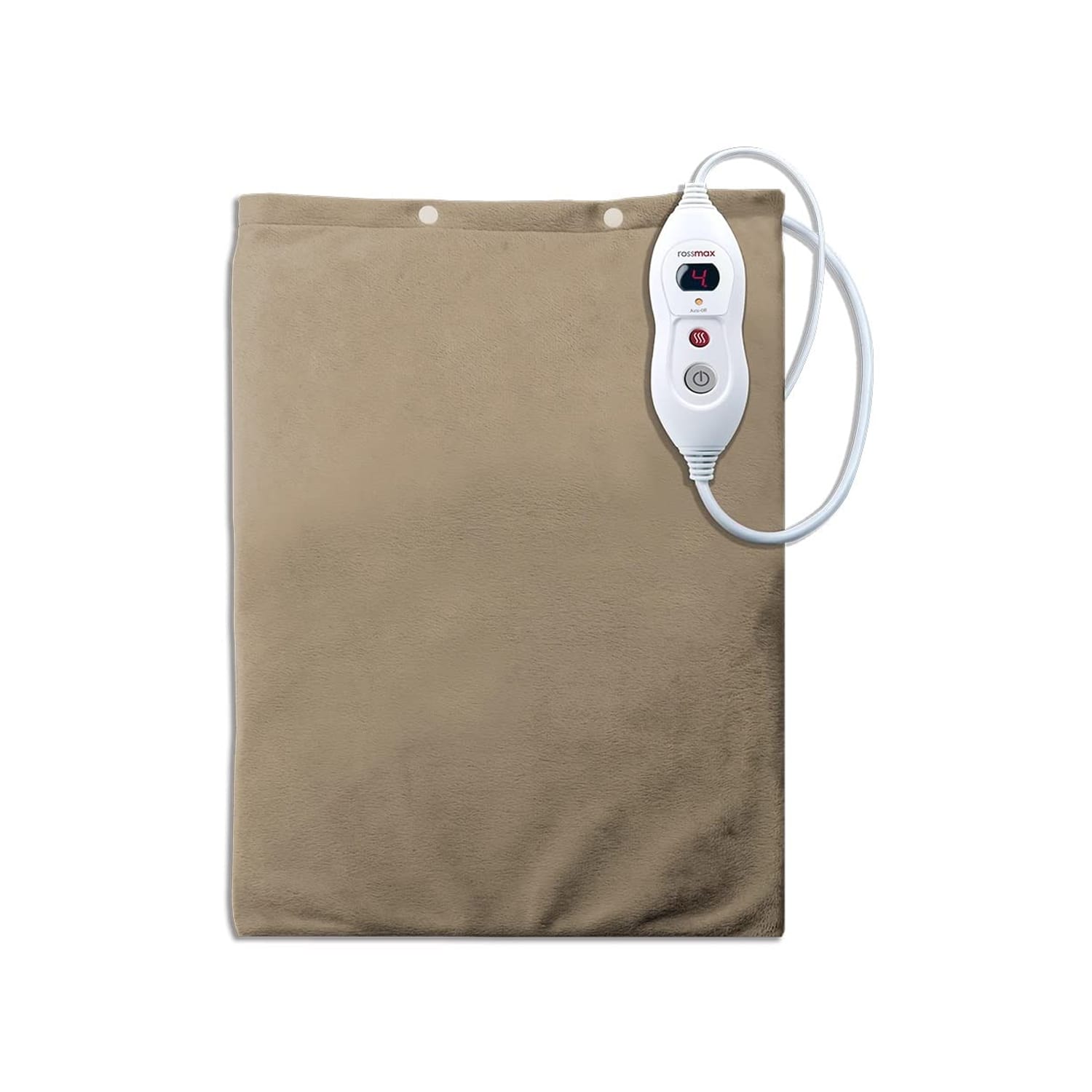
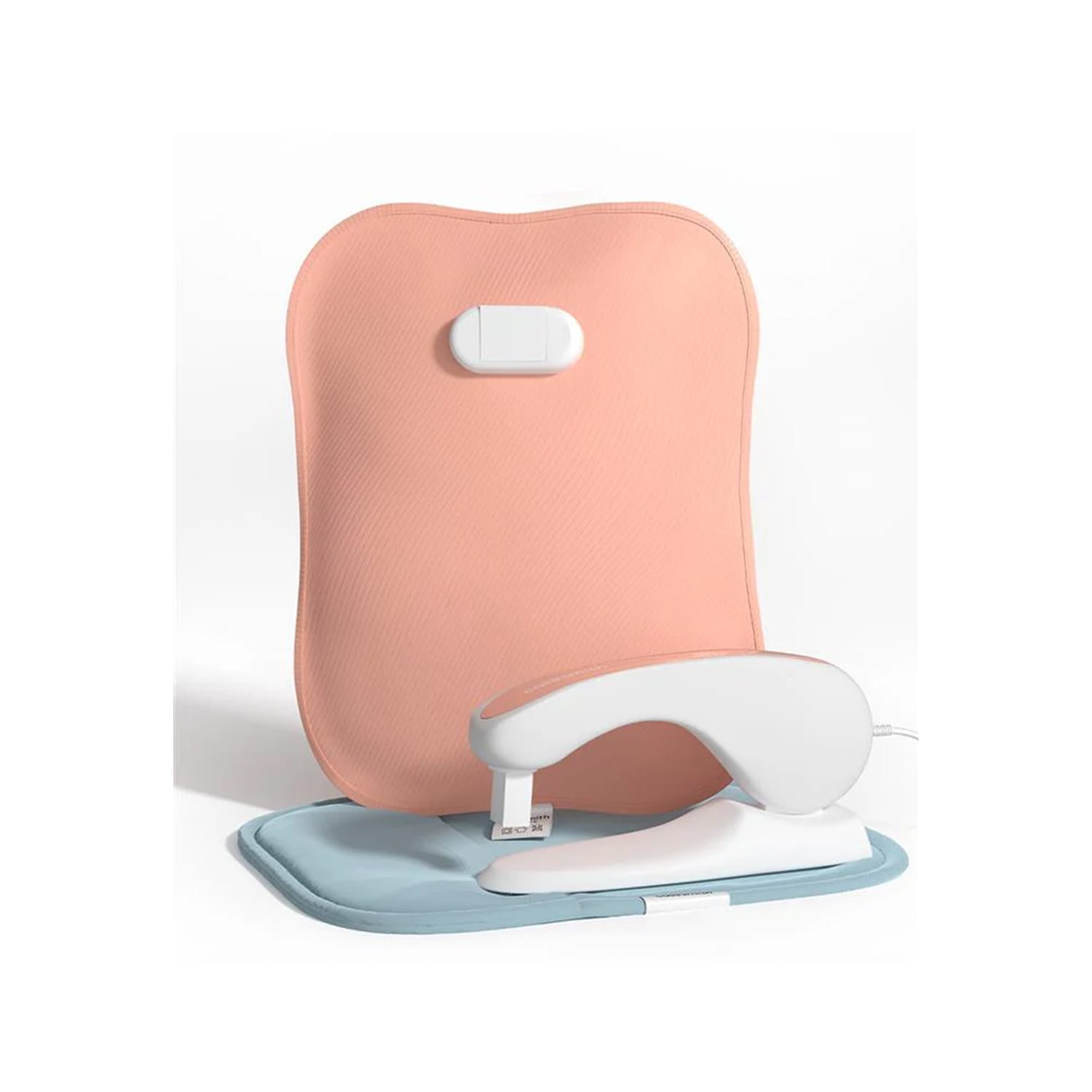
Heat or Cold Therapy: Applying heat to sore muscles or cold packs to areas of swelling can help reduce pain.
Hydration and Nutrition: Staying hydrated and maintaining a balanced diet with essential vitamins and minerals can support recovery and prevent muscle cramps.
Topical Pain Relief Gels: Gels or creams can be applied directly to areas of pain to provide localized relief.
Chiropractic Care: For back, neck, or joint pain, chiropractic adjustments can realign the spine and relieve pressure.
Preventing Body Pain
Regular Exercise: Engage in regular physical activity to strengthen muscles and improve flexibility.
Maintain Good Posture: Sit, stand, and move in ways that support the spine and reduce the risk of strain.
Use Ergonomic Support: When sitting for extended periods, use chairs and equipment that support proper posture.
Stay Hydrated: Drink plenty of water to avoid muscle cramps and dehydration.
Stretch: Incorporate stretching into your daily routine to prevent muscle stiffness.
Manage Stress: Practice relaxation techniques like yoga or meditation to reduce muscle tension related to stress.
Complications of Body Pain
If left untreated, body pain can lead to:
Chronic Pain: Acute pain can turn into chronic pain if the underlying cause is not addressed.
Reduced Mobility: Ongoing pain can limit movement and lead to muscle weakness and joint stiffness.
Sleep Disturbances: Persistent pain may interfere with sleep, leading to fatigue and mood disturbances.
Depression and Anxiety: Chronic pain can lead to emotional distress and mental health challenges.
Specialist to Consult for Body Pain
General Physician: For initial diagnosis and treatment of common causes of body pain.
Orthopedic Specialist: For pain related to bones, joints, and muscles.
Physical Therapist: For guidance on exercises and rehabilitation to manage body pain.