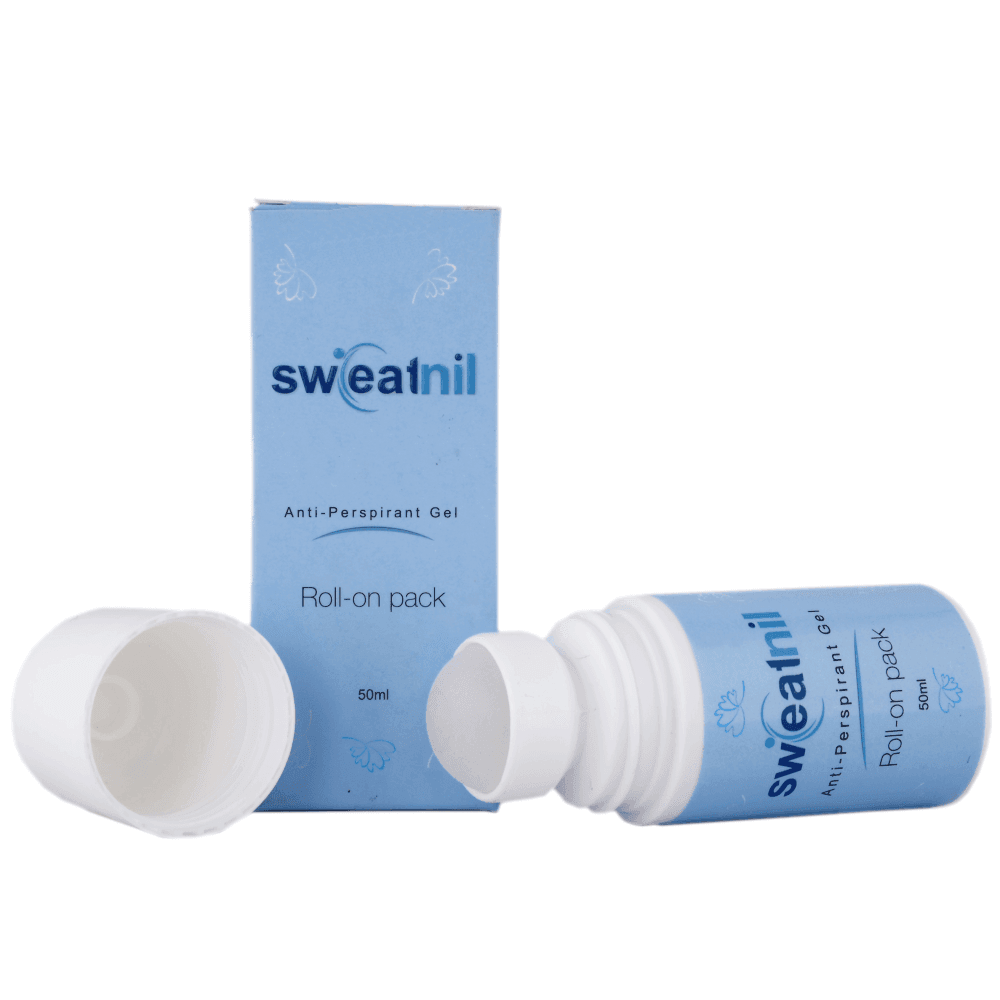


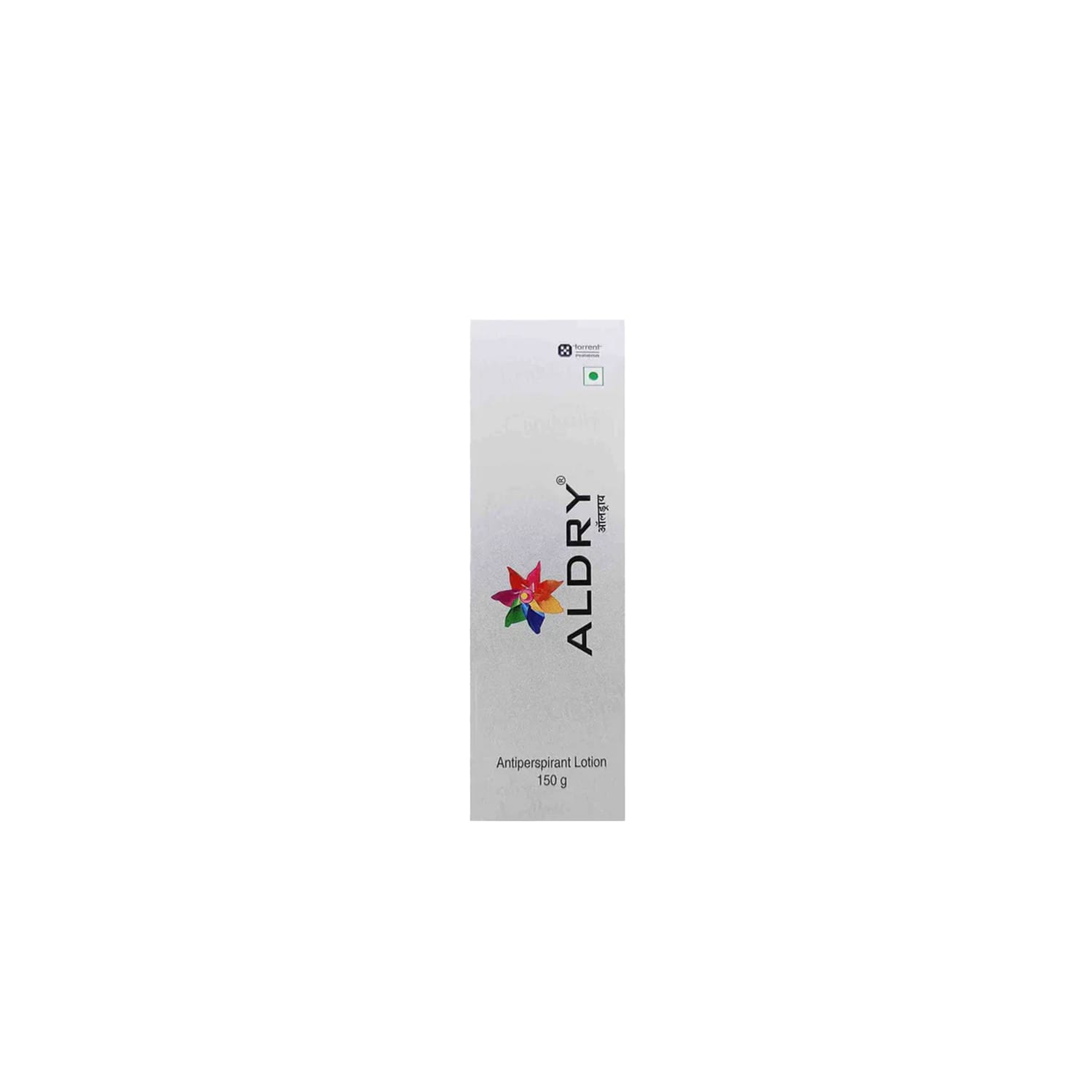
Torrent Aldry Antiperspirant Lotion 150g
Torrent
₹5414% off₹564
Body Odour
Body odour, or bromhidrosis, occurs when bacteria on the skin break down sweat, producing an unpleasant smell. It is a common issue, particularly noticeable in areas with many sweat glands like the armpits, groin, and feet. While sweating is a natural process that helps regulate body temperature, certain factors can intensify the odour, including hygiene, diet, and overall health.
Causes of Body Odour
Bacteria: The primary cause of body odour is the breakdown of sweat by bacteria. When sweat from apocrine glands, found in areas like the armpits, mixes with bacteria, it produces an unpleasant smell.
Sweat: While sweat itself is generally odourless, sweat from the apocrine glands contains proteins and fats that bacteria feed on, leading to body odour.
Diet: Certain foods like garlic, onions, spices, and alcohol can contribute to stronger body odour.
Hormonal Changes: Hormonal fluctuations during puberty, pregnancy, or menopause can increase sweat production and lead to body odour.
Health Conditions: Conditions like hyperhidrosis (excessive sweating) or metabolic disorders can increase body odour.
Medications: Certain medications, like those affecting hormone levels, can increase sweating and the likelihood of body odour.
Internal Diseases that Can Cause Body Odour
While body odour is often related to factors like hygiene and diet, certain internal diseases can also lead to changes in body scent. Here are some medical conditions that may cause or exacerbate body odour:
Diabetes: Diabetic ketoacidosis, a serious complication of diabetes, can produce a fruity smell due to the presence of ketones in the body. This can manifest as a distinct odour on the breath or skin.
Liver Disease: When the liver is not functioning properly, toxins can build up in the body, leading to a condition known as hepatic encephalopathy. This can result in a musty or sweet odour.
Kidney Disease: Chronic kidney disease can cause a urine-like or ammonia-like body odour due to the accumulation of waste products that the kidneys are unable to filter effectively.
Phenylketonuria (PKU): This rare genetic disorder leads to a build-up of phenylalanine in the body, which can cause a musty odour in sweat and urine.
Trimethylaminuria (Fish Odour Syndrome): A metabolic disorder that impairs the body’s ability to break down trimethylamine, leading to a strong fishy odour in sweat, urine, and breath, particularly after consuming certain foods rich in TMA precursors.
Hyperhidrosis: Although primarily characterized by excessive sweating, individuals with hyperhidrosis may also experience intensified body odour due to the increased moisture that bacteria thrive on.
Risk Factors for Body Odour
Poor Hygiene: Infrequent washing allows sweat and bacteria to accumulate, leading to odour.
Diet: Spicy foods, onions, garlic, and alcohol can enhance body odour.
Clothing: Tight, non-breathable clothing can trap sweat and bacteria.
Obesity: Excess body fat can trap moisture, leading to bacterial growth and odour.
Medications: Some medications, especially those affecting hormones, can lead to increased sweating.
Symptoms of Body Odour
Unpleasant Smell: A strong, distinctive odour from areas like the armpits, feet, groin, or other body areas.
Excessive Sweating: Accompanied by a noticeable or lingering odour.
Clothes Retain Odour: Even after washing, clothing may still carry a smell from sweat.
Treatments for Body Odour
Antiperspirants: These block sweat glands and reduce the amount of sweat produced.
Deodorants: These mask odour by reducing bacteria on the skin, without affecting sweat production.
Botox Injections: Botox can be used to temporarily block the nerves responsible for activating sweat glands.
Medicated Soaps: Use antibacterial soaps to reduce bacteria on the skin.
Lifestyle Changes: Regular showering, wearing breathable clothing, and maintaining good hygiene help control body odour.
Dietary Adjustments: Reducing the intake of strong-smelling foods like garlic, onions, and spicy food can minimize odour.
Preventing Body Odour
Shower Regularly: Daily bathing with antibacterial soap can help reduce bacteria on the skin.
Use Antiperspirants: Choose antiperspirants that contain aluminium chloride, which helps reduce sweating.
Wear Breathable Fabrics: Opt for cotton and other breathable materials to keep sweat at bay.
Stay Hydrated: Drink plenty of water to regulate body temperature and reduce excessive sweating.
Maintain a Healthy Diet: Avoid spicy, garlic-rich, and strong-smelling foods.
Keep Feet Dry: Wear moisture-wicking socks, and change them frequently to prevent foot odour.
Complications of Body Odour
Though body odour itself isn't harmful, it can lead to:
Social Anxiety: Concerns over body odour may cause discomfort or embarrassment in social situations.
Skin Infections: Excessive sweating and poor hygiene can lead to bacterial or fungal skin infections.
Specialist to Consult for Body Odour
Dermatologist: A specialist who can assess skin conditions, excessive sweating, and provide treatments like prescription-strength antiperspirants or Botox.
General Physician: For identifying underlying health conditions, such as metabolic disorders or hormonal imbalances, that may be causing excessive sweating or body odour.
OAKNET
Self Matters