

Bestseller

Health etc Diabetes Gummy for Men and Women (30 Gummies)
Health etc.
₹1,07910% off₹1,199
Blood Sugar and Diabetes
Diabetes is a chronic condition that affects how the body regulates blood sugar (glucose), which is a vital source of energy. Insulin, a hormone produced by the pancreas, helps control blood sugar levels. In diabetes, either the body doesn’t produce enough insulin or can’t use it effectively, leading to elevated blood sugar levels (hyperglycemia).
Types of Diabetes
Type 1 Diabetes: An autoimmune condition in which the immune system mistakenly attacks and destroys the insulin-producing cells in the pancreas. While the exact cause remains unclear, genetics play a significant role, as individuals with a family history of type 1 diabetes are at higher risk. Environmental factors may also contribute to its onset. This condition often develops in childhood or early adulthood and requires lifelong insulin therapy to manage blood glucose levels.
Type 2 Diabetes: The most common form, often linked to obesity and a sedentary lifestyle. It occurs when the body becomes resistant to insulin or doesn’t produce enough. This type can usually be managed with lifestyle changes and medications.
Gestational Diabetes: Develops during pregnancy and often resolves after childbirth. However, it increases the risk of developing type 2 diabetes later on.
Prediabetes: A condition in which blood sugar levels are elevated but not high enough to be classified as diabetes. It's a warning sign for developing type 2 diabetes.
Causes of Diabetes
Type 1 Diabetes: Caused by an autoimmune reaction that destroys insulin-producing cells.
Type 2 Diabetes: Triggered by insulin resistance, often due to genetics, obesity, poor diet, and lack of exercise.
Gestational Diabetes: Hormonal changes during pregnancy may reduce insulin effectiveness.
Risk Factors
Family History: A family member with diabetes increases the risk.
Obesity: Excess weight, particularly around the abdomen, can lead to insulin resistance.
Physical Inactivity: Lack of exercise lowers insulin sensitivity.
Age: Risk increases with age, particularly after 45.
History of Gestational Diabetes: Women who experienced gestational diabetes are at a higher risk of developing type 2 diabetes.
Unhealthy Diet: Diets high in sugar, refined carbs, and processed foods contribute to the development of type 2 diabetes.
Symptoms of High Blood Sugar (Hyperglycemia)
* Increased thirst
* Frequent urination
* Fatigue
* Blurred vision
* Slow-healing wounds
* Unexplained weight loss (more common in type 1 diabetes)
* Numbness or tingling in hands and feet (common in type 2 diabetes)
Complications of Diabetes
Heart Disease: High blood sugar damages blood vessels, increasing the risk of heart disease.
Diabetic Nephropathy: Kidney damage due to uncontrolled blood sugar, potentially leading to kidney failure.
Diabetic Neuropathy: Nerve damage, often causing pain, tingling, or numbness, particularly in the limbs.
Diabetic Ulcers: Wounds, especially on the feet, that may not heal properly due to poor circulation and nerve damage.
Diabetic Retinopathy: Eye damage caused by high blood sugar, which can lead to blindness.
Foot Problems: Poor circulation and nerve damage may lead to severe infections, sometimes requiring amputation.
Diagnosis of Diabetes
Fasting Blood Sugar Test: Measures blood sugar after fasting. A reading of 126 mg/dL or higher on two tests indicates diabetes.
A1c Test: Provides an average blood sugar level over the past 2-3 months. An A1c of 6.5% or higher indicates diabetes.
Oral Glucose Tolerance Test: Tests blood sugar before and after consuming a sugary drink. A result above 200 mg/dL two hours after the test indicates diabetes.
Postprandial Blood Sugar Test: Measures blood sugar two hours after eating. A reading higher than 140 mg/dL may indicate diabetes.
Random Blood Sugar Test: A blood sample taken at any time that shows a reading of 200 mg/dL or higher suggests diabetes.
Preventing Diabetes
Healthy Weight: Maintaining a healthy weight can reduce the risk of insulin resistance.
Physical Activity: At least 30 minutes of moderate exercise most days can help regulate blood sugar.
Balanced Diet: Focus on whole grains, lean proteins, healthy fats, and fruits and vegetables. Limit sugary foods and refined carbohydrates.
Regular Monitoring: Keeping track of blood sugar levels can help prevent complications.
Quit Smoking: Smoking increases the risk of diabetes-related complications.
Stress Management: Stress can raise blood sugar, so relaxation techniques such as meditation can help.
Treatment for Diabetes
Medications: Type 1 diabetes requires insulin therapy, while type 2 diabetes can often be managed with oral medications such as metformin, or in some cases, insulin.
Lifestyle Modifications: Weight loss, healthy eating, and regular physical activity are crucial for managing diabetes.
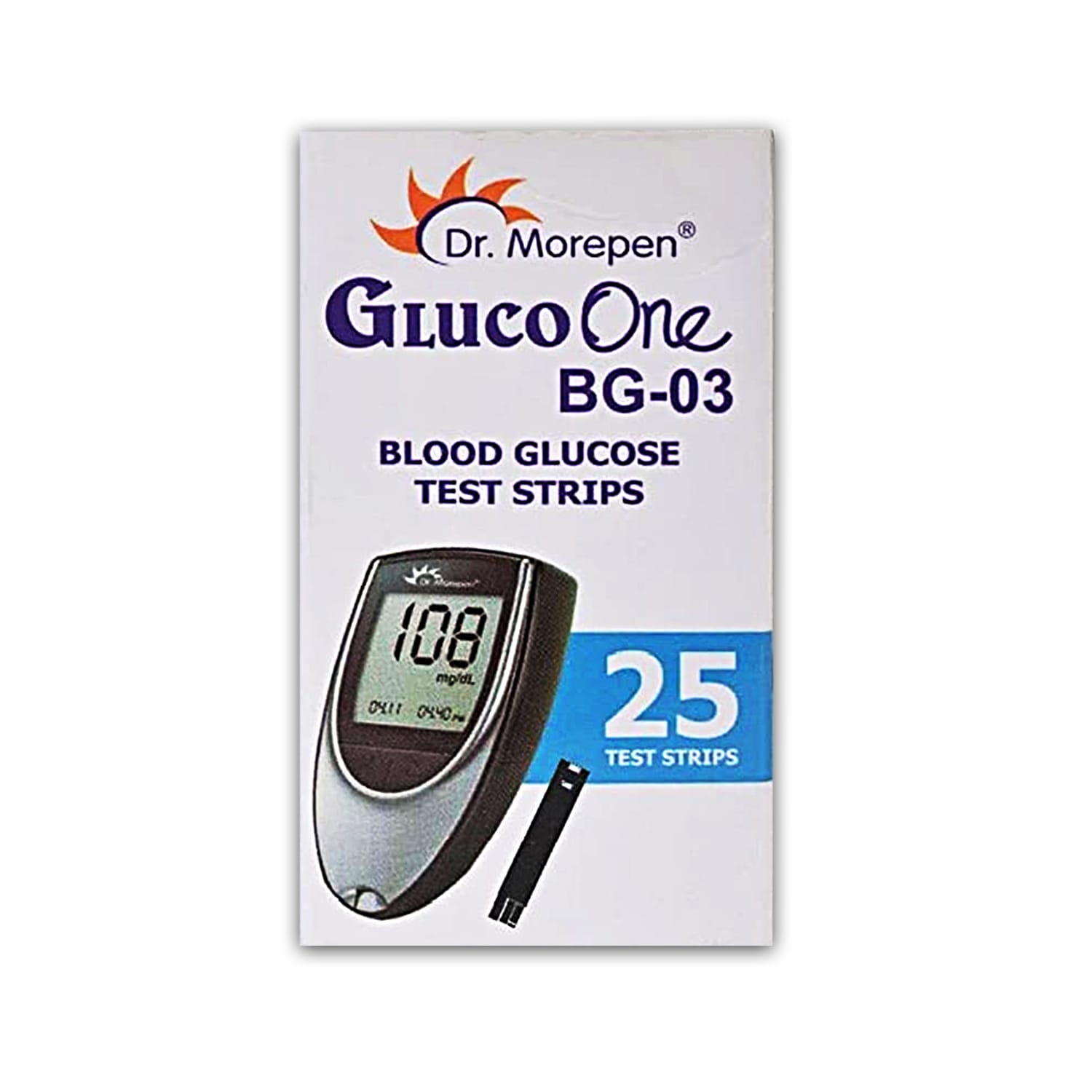
Blood Sugar Monitoring: Regular monitoring using Glucometer at home helps manage blood sugar levels and adjust treatment accordingly.
Insulin Therapy: Necessary for type 1 diabetes and sometimes for type 2 diabetes to maintain healthy blood sugar levels.
Specialist to Consult for Diabetes
Endocrinologist: A specialist in hormonal disorders, including diabetes.
Diabetologist: A doctor specializing in the management of diabetes.
General Physician: Can diagnose diabetes and help manage treatment, often in collaboration with specialists.