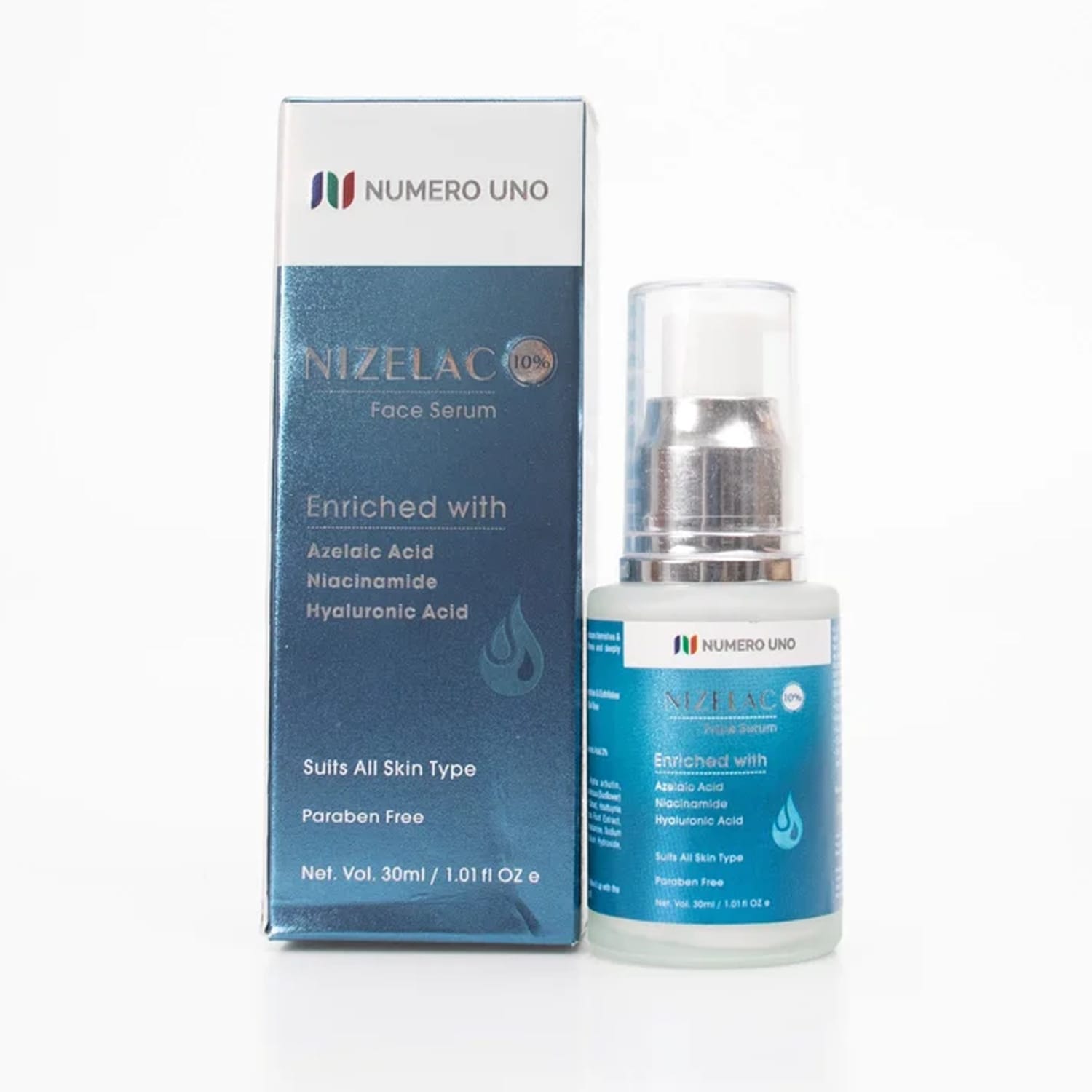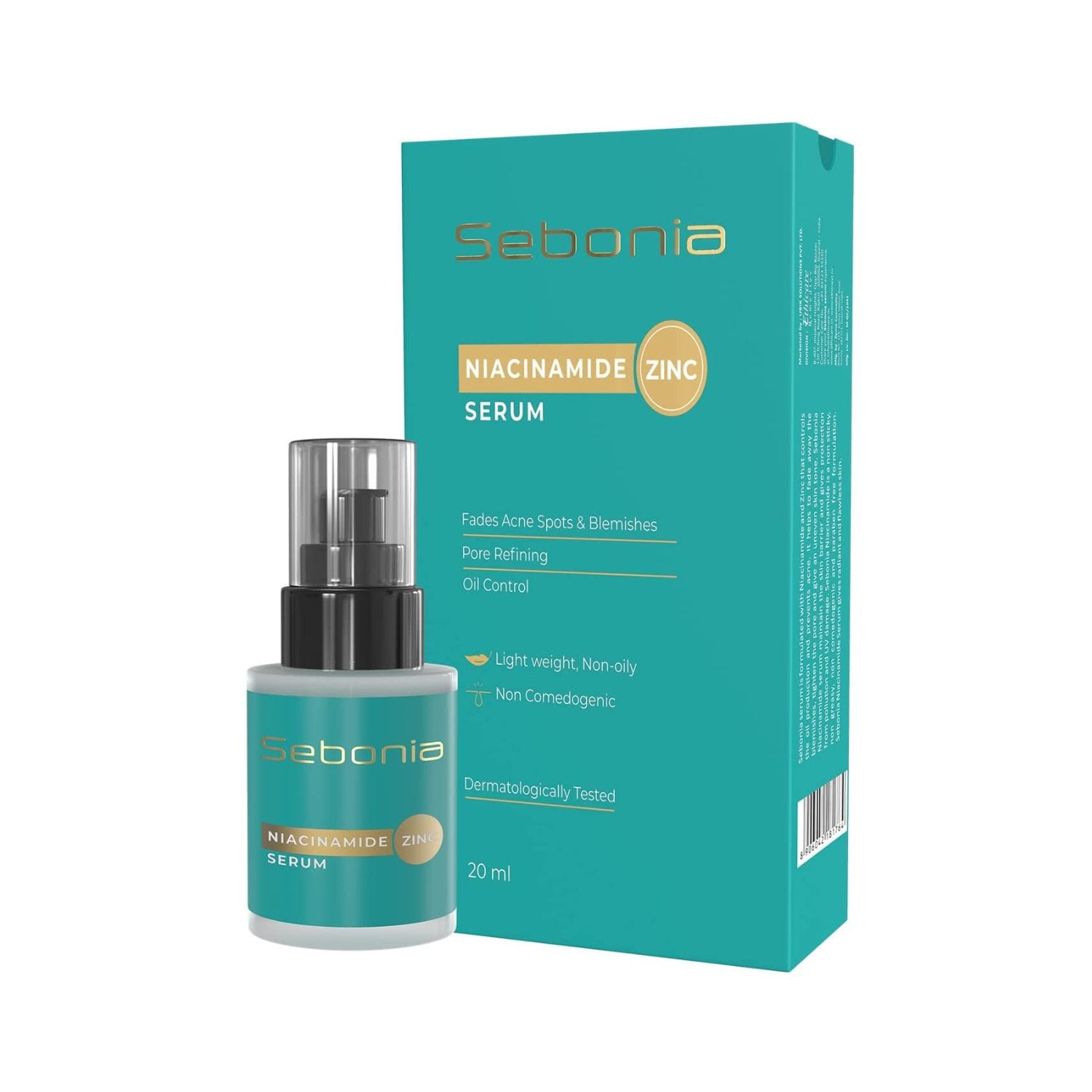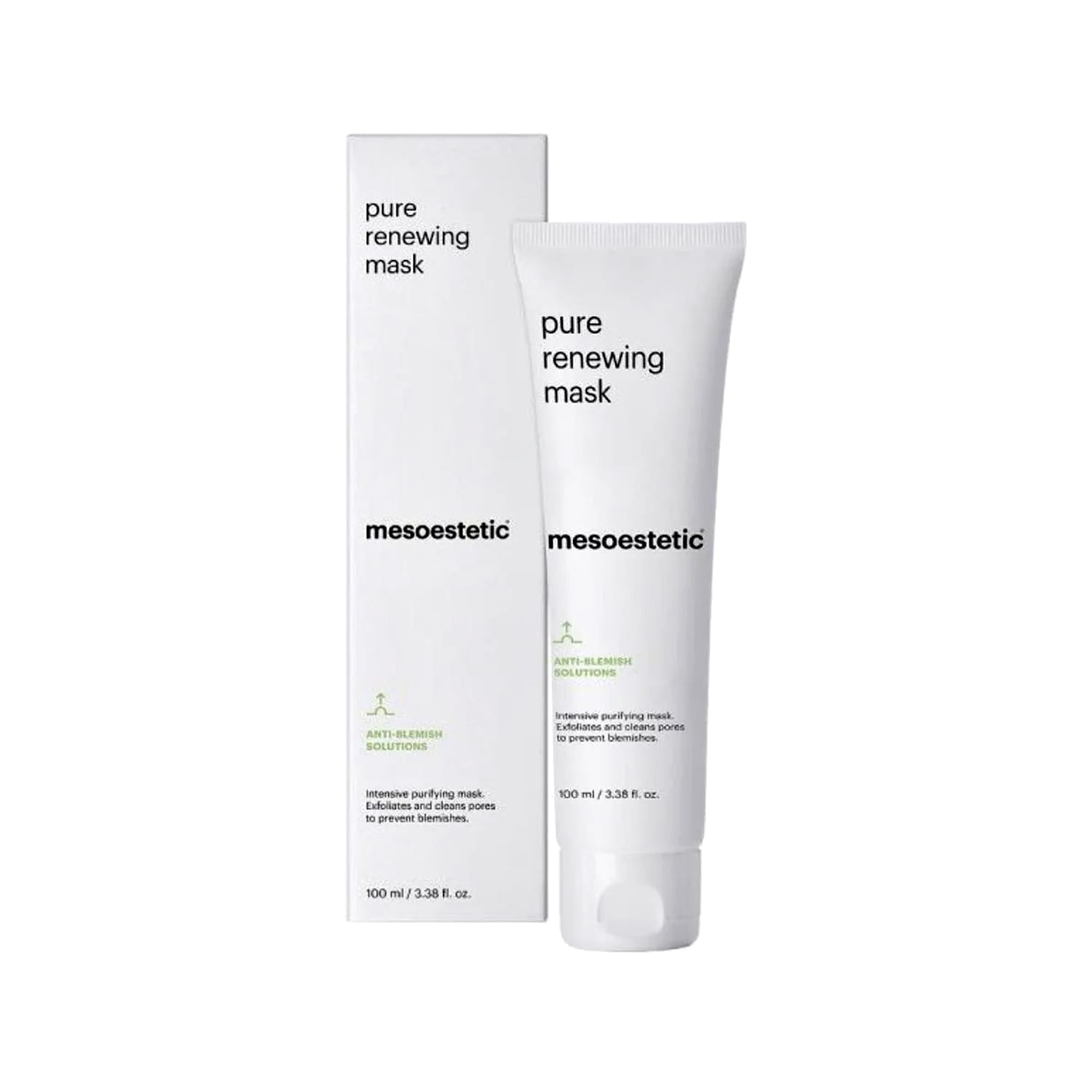


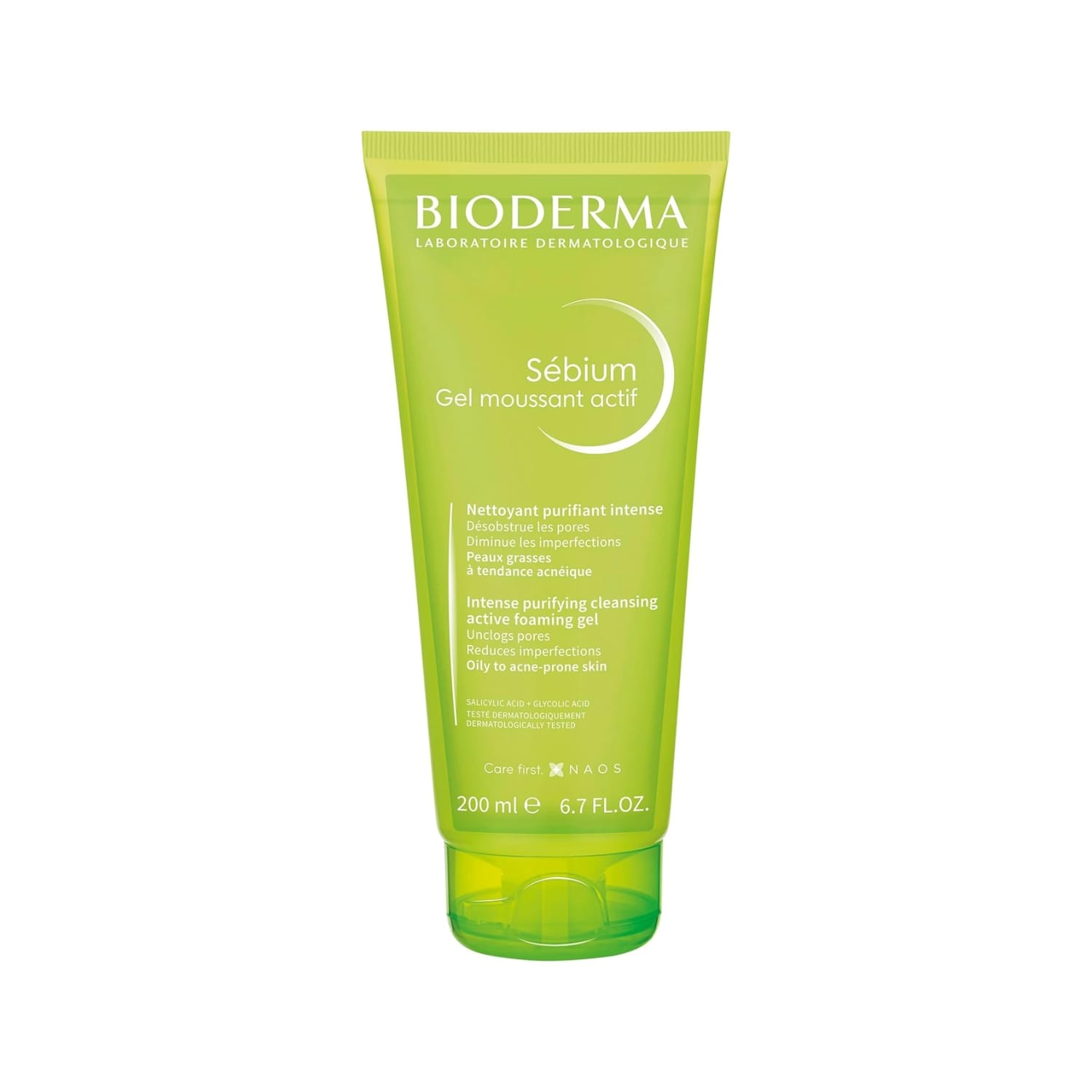
Bioderma Sebium Gel Moussant Actif (200 ml)
BIODERMA
₹1,799₹1,799
Blemished Skin
Blemished skin refers to imperfections such as pimples, blackheads, whiteheads, dark spots, or acne scars. These skin issues often arise from clogged pores, excess oil production, or skin irritation and can range from mild to severe.
Causes of Blemished Skin
Acne: The most common cause, where hair follicles become clogged with oil, dead skin cells, and bacteria.
Hormonal Changes: Fluctuations during puberty, menstruation, pregnancy, or menopause can lead to excess oil production and breakouts.
Stress: High stress levels increase cortisol, stimulating oil glands and worsening blemishes.
Diet: High-glycemic foods and dairy products can contribute to excess oil production and blemishes.
Environmental Factors: Pollution and UV exposure can lead to clogged pores and dark spots.
Improper Skincare: Using harsh products or not cleansing properly can irritate the skin and lead to blemishes.
Melasma: This condition results in dark, discolored patches on the skin, often triggered by hormonal changes and sun exposure.
Ashy Dermatosis: Characterized by dry, scaly skin with grayish patches, this condition can occur due to inadequate moisturizing and may exacerbate other blemishes.
Post-Inflammatory Hyperpigmentation: Dark spots that appear following inflammation or injury to the skin, such as from acne or eczema.
Symptoms of Blemished Skin
Blemishes can appear in different forms, including:
Pimples: Red, inflamed spots with pus.
Blackheads: Open pores clogged with oil, appearing as dark spots.
Whiteheads: Closed pores with oil trapped inside, forming white bumps.
Dark Spots: Areas of hyperpigmentation from acne scars, sun damage, or melasma.
Acne Scars: Depressed or raised areas following severe acne.
Dry, Scaly Patches: Associated with ashy dermatosis, which may worsen the overall appearance of the skin.
Risk Factors for Blemished Skin
Genetics: A family history of acne or blemished skin increases the likelihood of developing these issues.
Oily Skin: Individuals with oily skin are more prone to clogged pores, which leads to breakouts.
Hormonal Fluctuations: Adolescents, pregnant women, and those going through menopause are at greater risk due to hormonal changes.
Sunscreen Usage: While sunscreen protects the skin, using oily or heavy formulations can clog pores, leading to breakouts.
Too Much Exfoliation: Over-exfoliating the skin can strip it of its natural oils, leading to irritation and increased oil production, which worsens blemishes.
Excessive Use of Demelanising Products: Products designed to reduce pigmentation, if overused, can irritate and damage the skin barrier, leading to breakouts or increased sensitivity.
Skincare Products: Using products that contain comedogenic ingredients or fragrances can irritate the skin and worsen blemishes.
Diagnosis of Blemished Skin
A dermatologist can diagnose blemished skin by:
Medical History: Discussing symptoms, hormonal imbalance, lifestyle, and skincare habits.
Visual Examination: Checking the skin for different types of blemishes.
Determining Severity: Identifying the root cause to recommend the best treatment plan.
Complications of Blemished Skin
Untreated blemished skin can lead to:
Permanent Scarring: Picking or squeezing blemishes may result in lasting scars.
Hyperpigmentation: Dark spots may develop after blemishes heal.
Emotional Impact: Severe blemishes may contribute to anxiety, low self-esteem, or depression.
Preventing Blemished Skin
Here are steps to reduce the risk of developing blemished skin:
Cleanse Regularly: Use a gentle, non-comedogenic cleanser to remove dirt, oil, and makeup.
Exfoliate Wisely: Exfoliate only 2–3 times a week with mild exfoliants to avoid skin irritation and prevent clogged pores.
Moisturize: Choose oil-free, non-comedogenic moisturizers to hydrate your skin without causing breakouts.
Use Sunscreen: Opt for oil-free or lightweight sunscreens to protect your skin from UV damage without clogging pores.
Avoid Touching Your Face: This reduces the transfer of bacteria and oils that can cause breakouts.
Maintain a Balanced Diet: Incorporate foods rich in antioxidants, vitamins, and healthy fats to support clear skin.
Treatment of Blemished Skin
Treatments depend on the severity of the blemishes and may include:
Topical Treatments: Products containing benzoyl peroxide, salicylic acid, or retinoids can help unclog pores and reduce inflammation.
Chemical Peels: Professional peels with AHAs or BHAs exfoliate the skin, reducing blemishes and improving texture.
Prescription Medications: In cases of severe acne, a dermatologist may prescribe antibiotics, hormonal treatments, or stronger retinoids.
Laser Therapy: Targeted laser treatments reduce dark spots and improve skin tone.
Specialist to Consult for Blemished Skin
Dermatologist: A skin expert who can assess and treat blemished skin, offering personalized treatment to improve skin health and reduce imperfections.
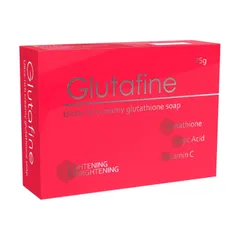
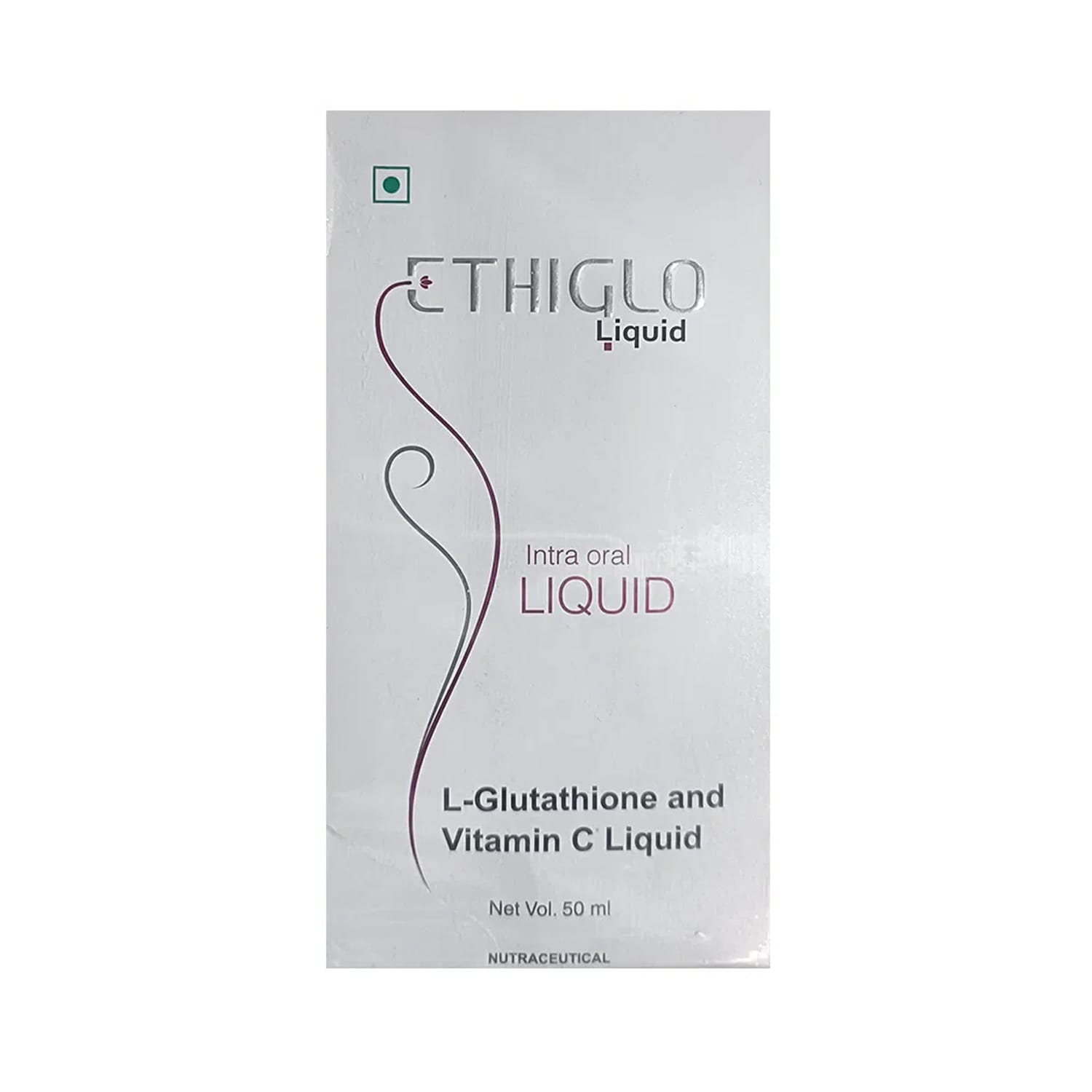
ETHIGLO