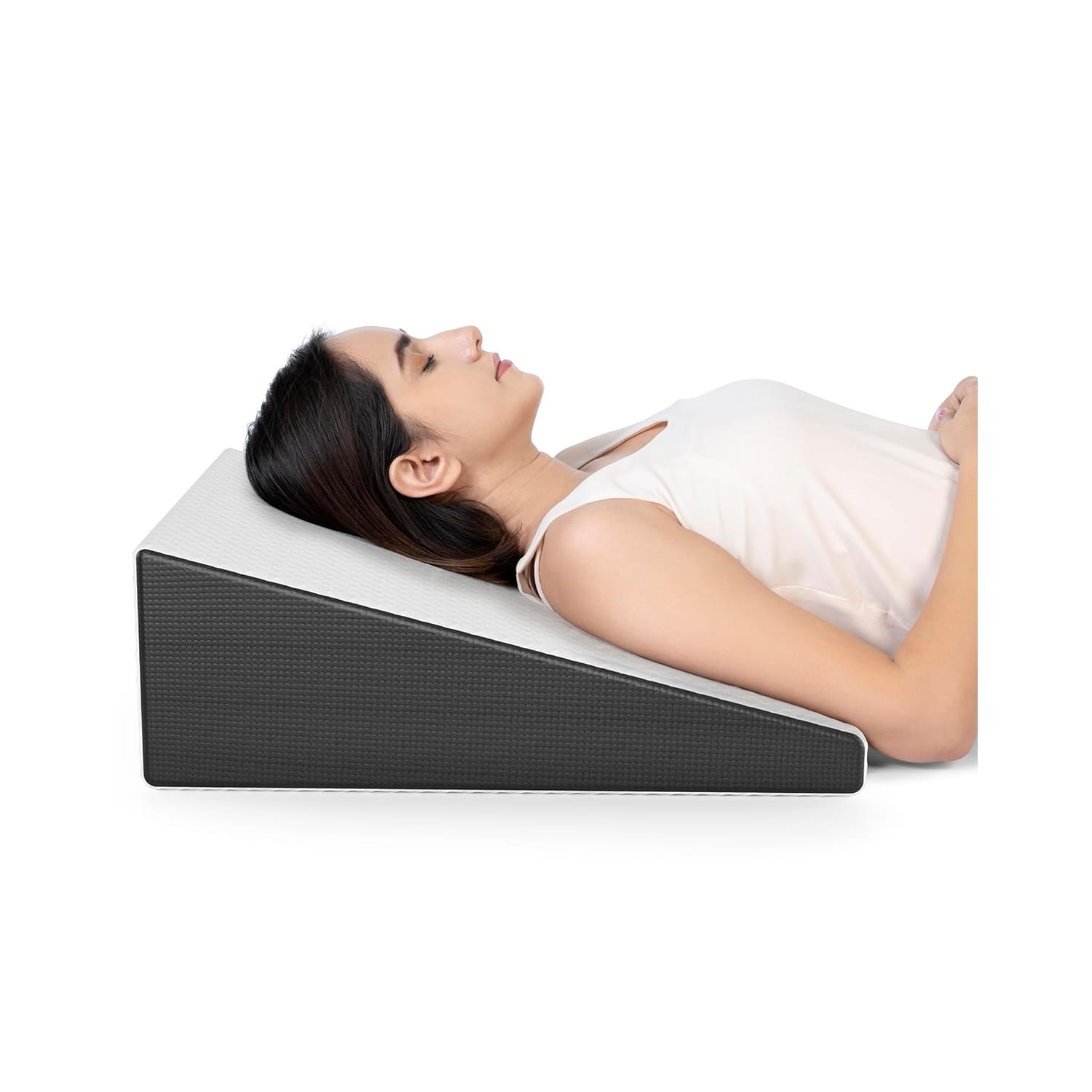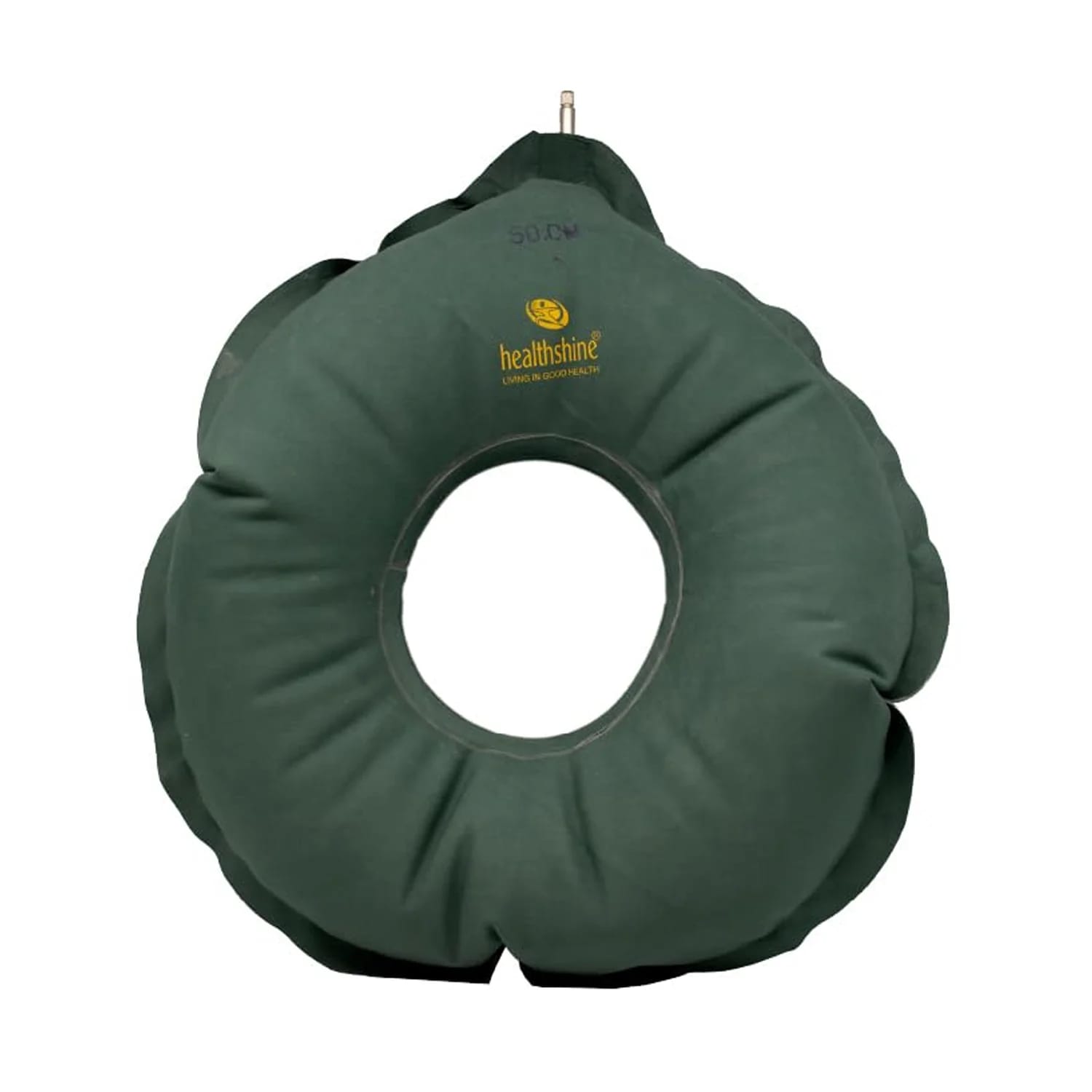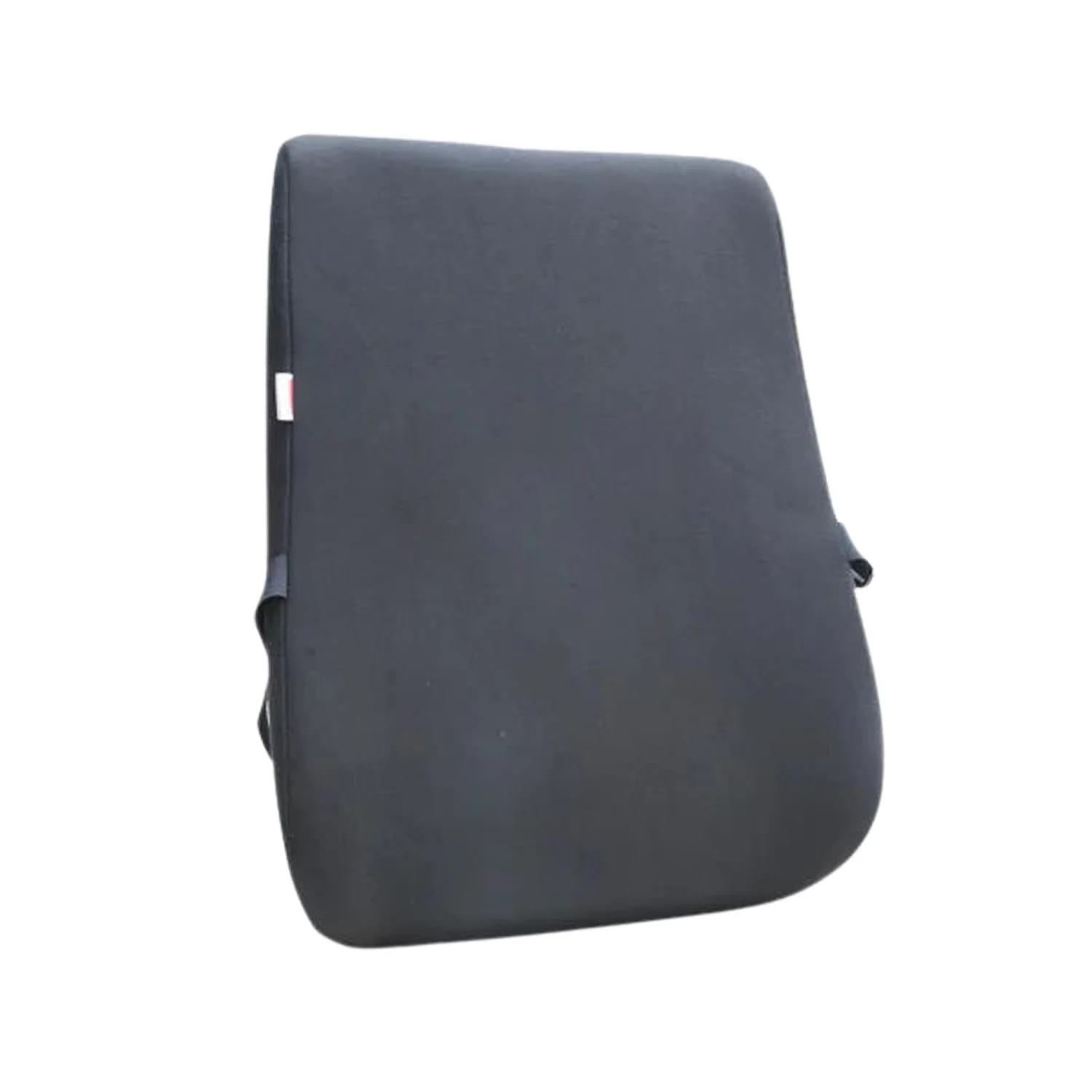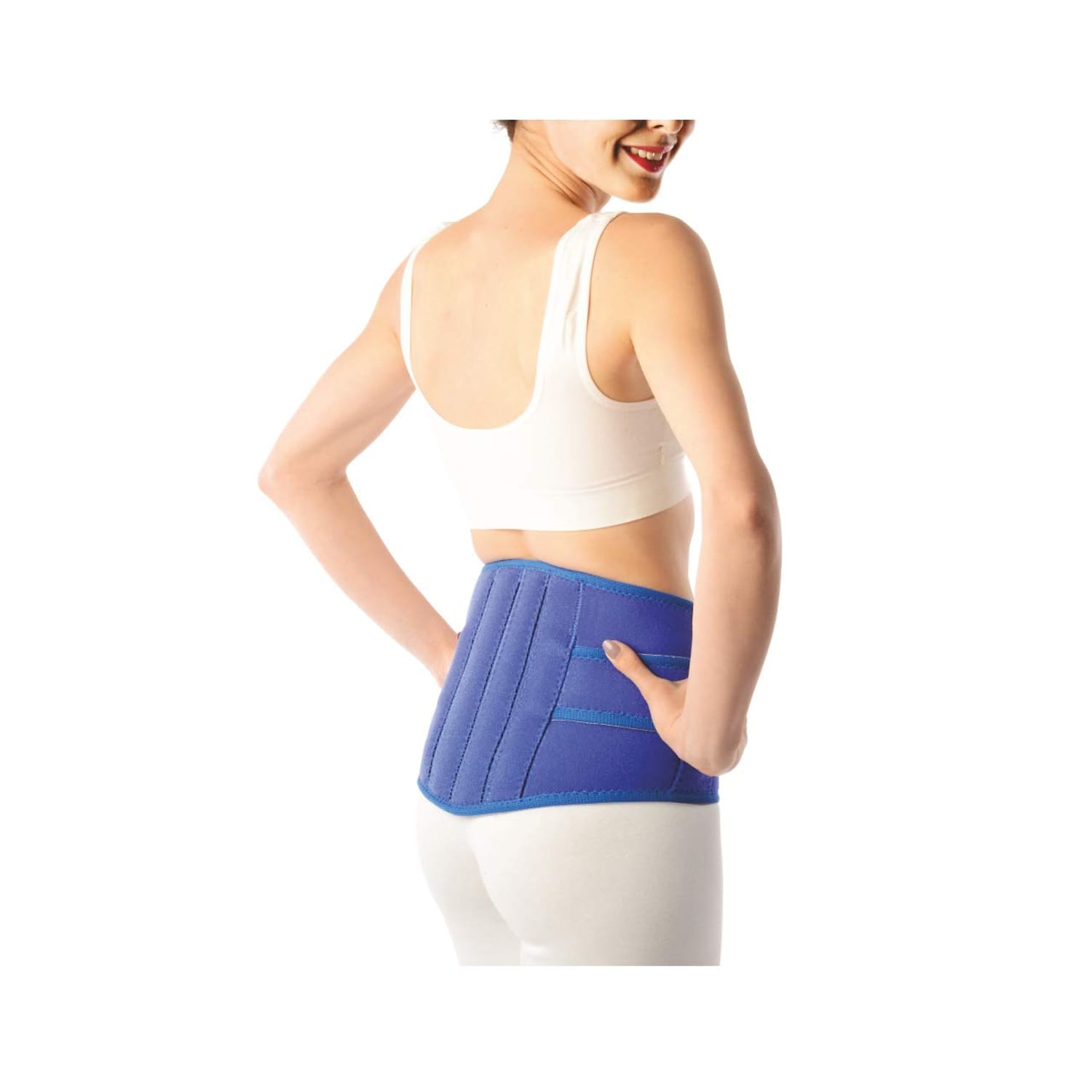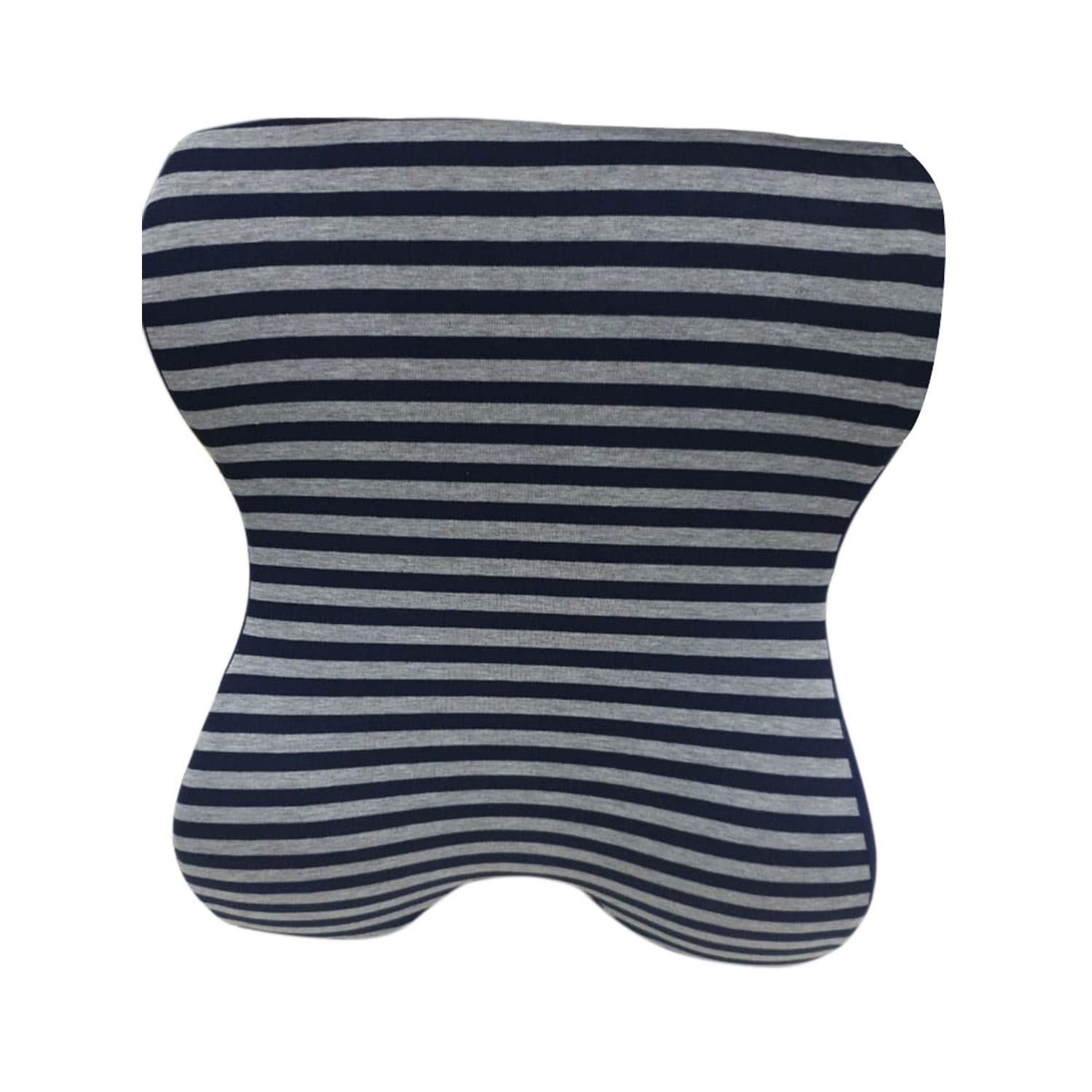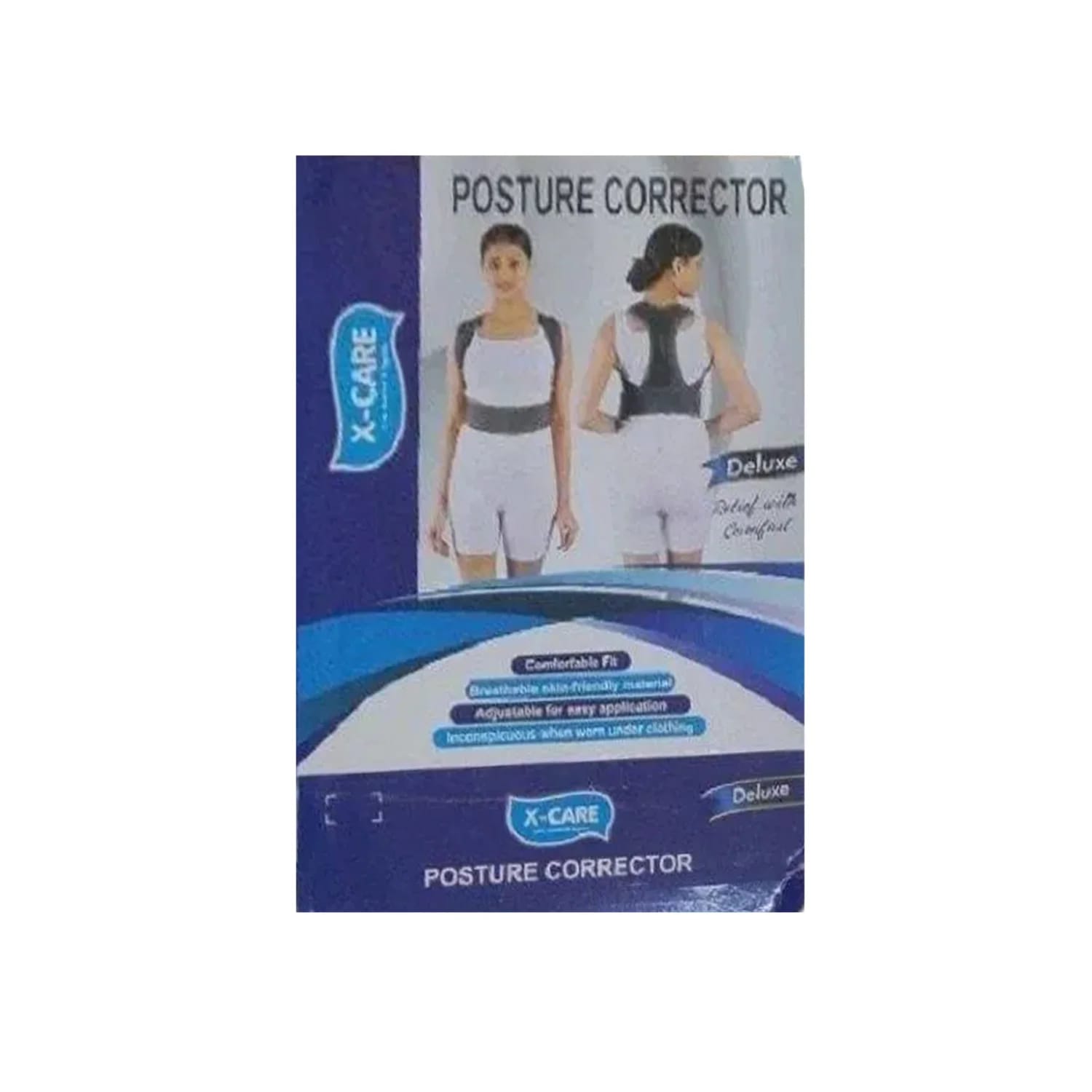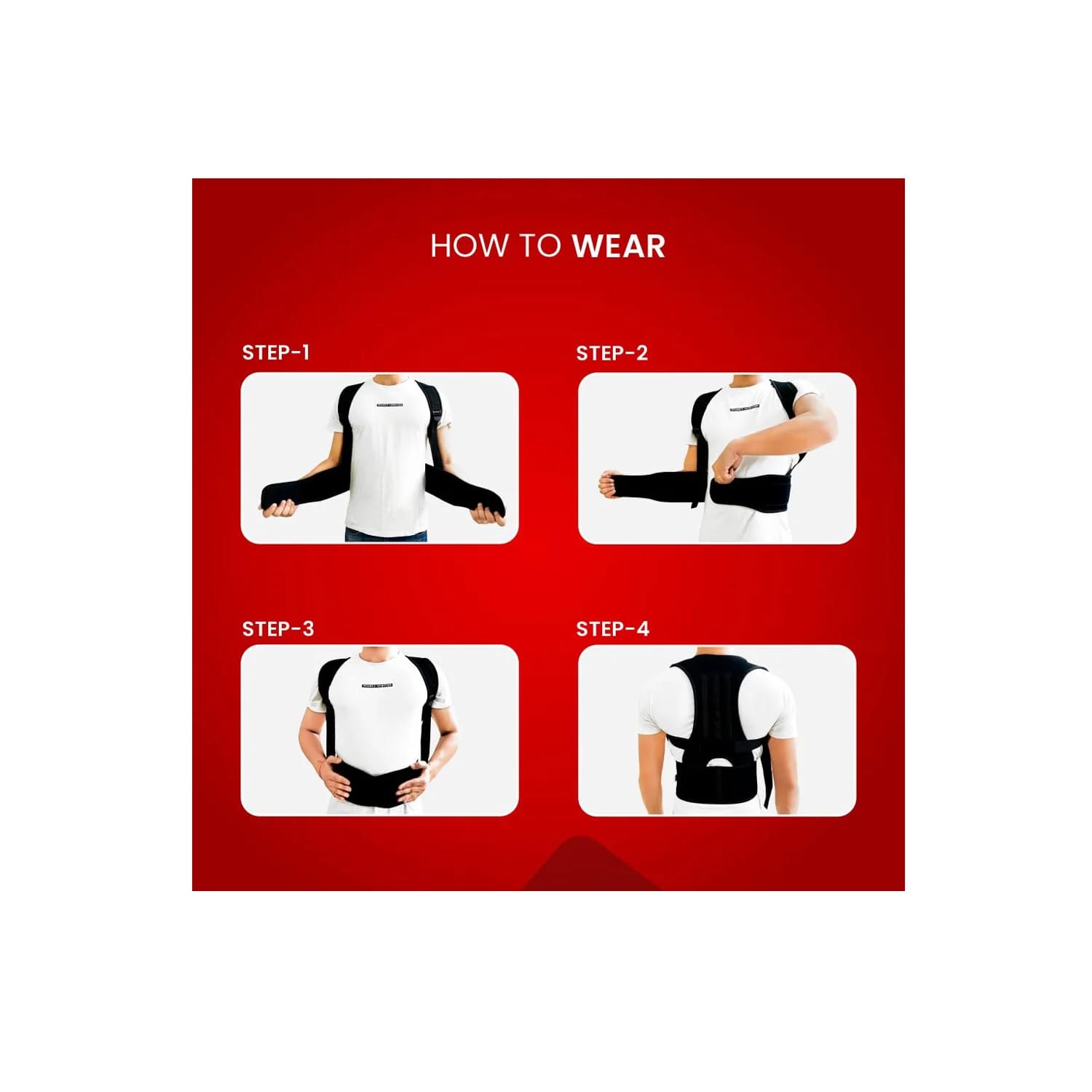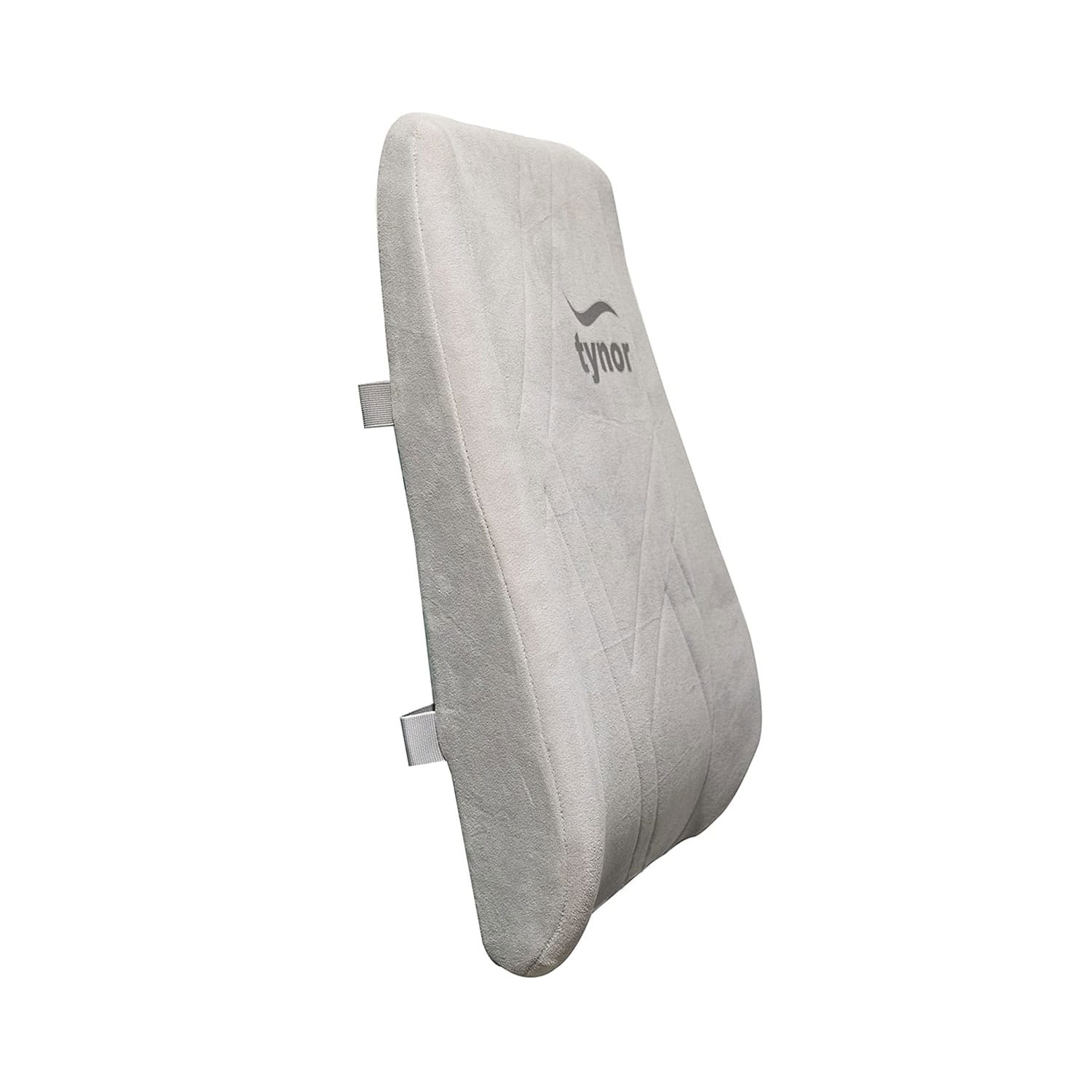


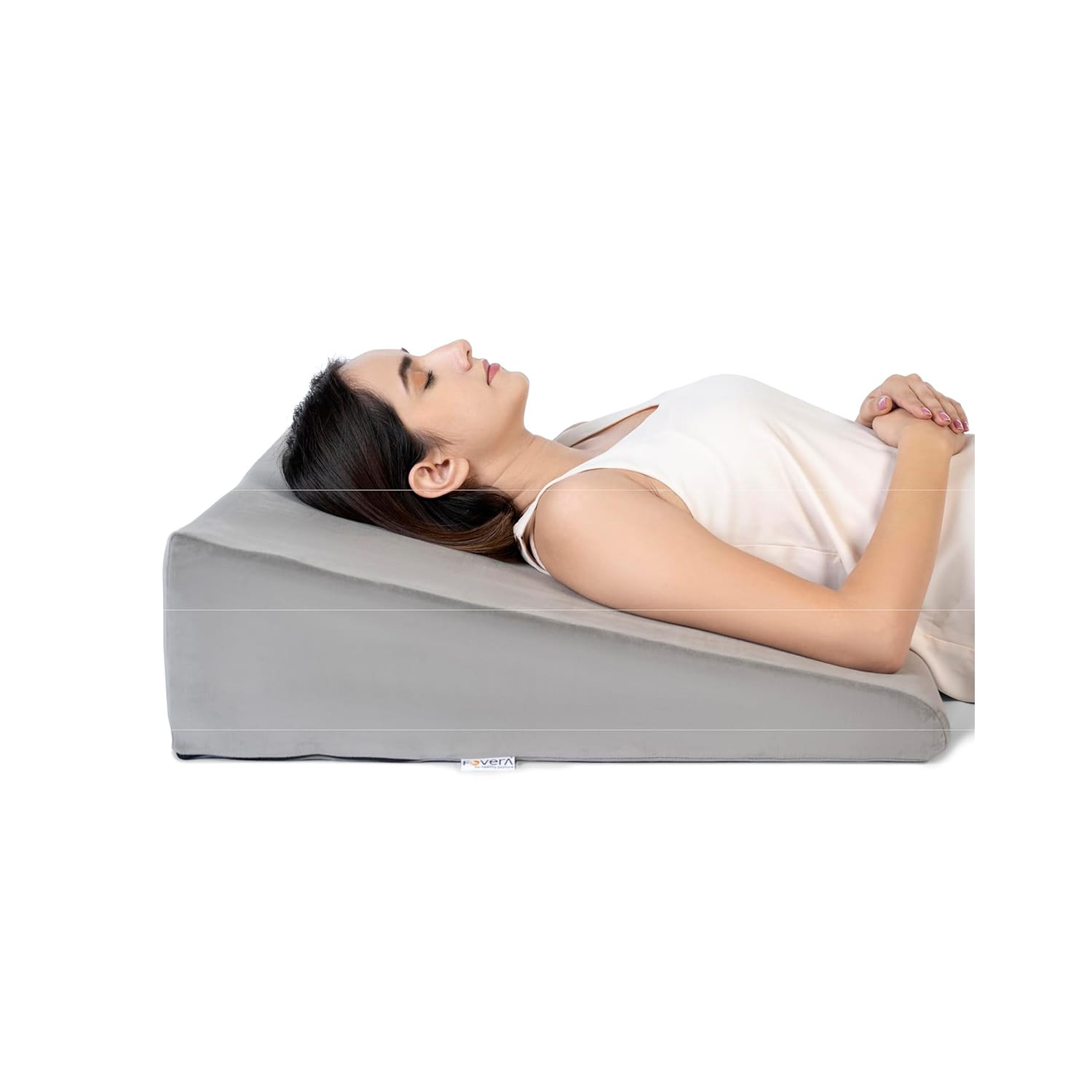
Fovera Adjustable Acid Reflux Bed Wedge Orthopedic Support (Velvet Grey) - Large 7 Inches
Fovera
₹3,290₹3,290
Back Pain
Do you often find yourself struggling with discomfort and stiffness in your back? Whether it's from poor posture, heavy lifting, or simply sitting for long hours, back pain is one of the most common complaints affecting millions of people worldwide. But by understanding the root cause of your back pain and exploring the right treatments, you can alleviate discomfort, improve mobility, and regain control over your daily activities.
What is Back Pain?
Back pain can vary from a dull, constant ache to a sharp, sudden sensation that leaves you debilitated. It can occur in the upper, middle, or lower back, depending on the cause. While it’s common in adults, especially those over 30, back pain can affect people of all ages due to injury, sedentary lifestyles, or other medical conditions.
Causes of Back Pain
Muscle or Ligament Strain: Lifting heavy objects improperly or sudden awkward movements can strain the muscles and ligaments in your back.
Bulging or Ruptured Discs: The discs in your spine act as cushions. When they bulge or rupture, they can press on nerves, causing pain.
Arthritis: Osteoarthritis can cause a narrowing of the space around the spinal cord, leading to back pain.
Poor Posture: Sitting or standing with poor posture can put extra strain on your back muscles and spine, leading to pain.
Injury: Accidents or falls can cause injuries to the spine or back muscles, resulting in persistent pain.
Scoliosis: An abnormal curvature of the spine that can cause discomfort and pain over time.
Symptoms of Back Pain
Dull or Aching Pain: Persistent, low-grade pain in the back that can extend into the hips and legs.
Sharp, Stabbing Pain: Sudden, intense pain that may radiate down the legs.
Muscle Tightness or Spasms: Muscle stiffness, especially after sitting for long periods.
Limited Range of Motion: Difficulty bending, twisting, or standing up straight.
Tingling or Numbness: If a nerve is compressed, you may experience tingling, numbness, or weakness in the legs or feet.
Diagnosis of Back Pain
Physical Examination: Evaluation of the back, spine, and range of motion by a healthcare provider.
Imaging Tests: X-rays, MRIs, or CT scans to check for fractures, herniated discs, or spinal abnormalities.
Nerve Studies: Tests like electromyography (EMG) to assess nerve function and check for nerve compression.
Treatment of Back Pain
Pain Relief Medication:
Over-the-Counter Pain Relievers: Medications such as ibuprofen to reduce inflammation and manage pain.
Prescription Medications: For severe pain, muscle relaxants or stronger pain relievers may be prescribed.
Supplements:
Calcium and Vitamin D: Help strengthen bones and reduce the risk of spine-related pain.
Magnesium: Helps relax muscles and ease tension in the back.
Physical Therapy: Strengthening and stretching exercises to improve flexibility, build muscle support around the spine, and correct posture.
Heat and Cold Therapy: Using heat to relax tense muscles or cold to reduce inflammation.
Chiropractic Care: Spinal adjustments and manipulations to alleviate pressure on the spine and restore mobility.
Orthopedic Supports:
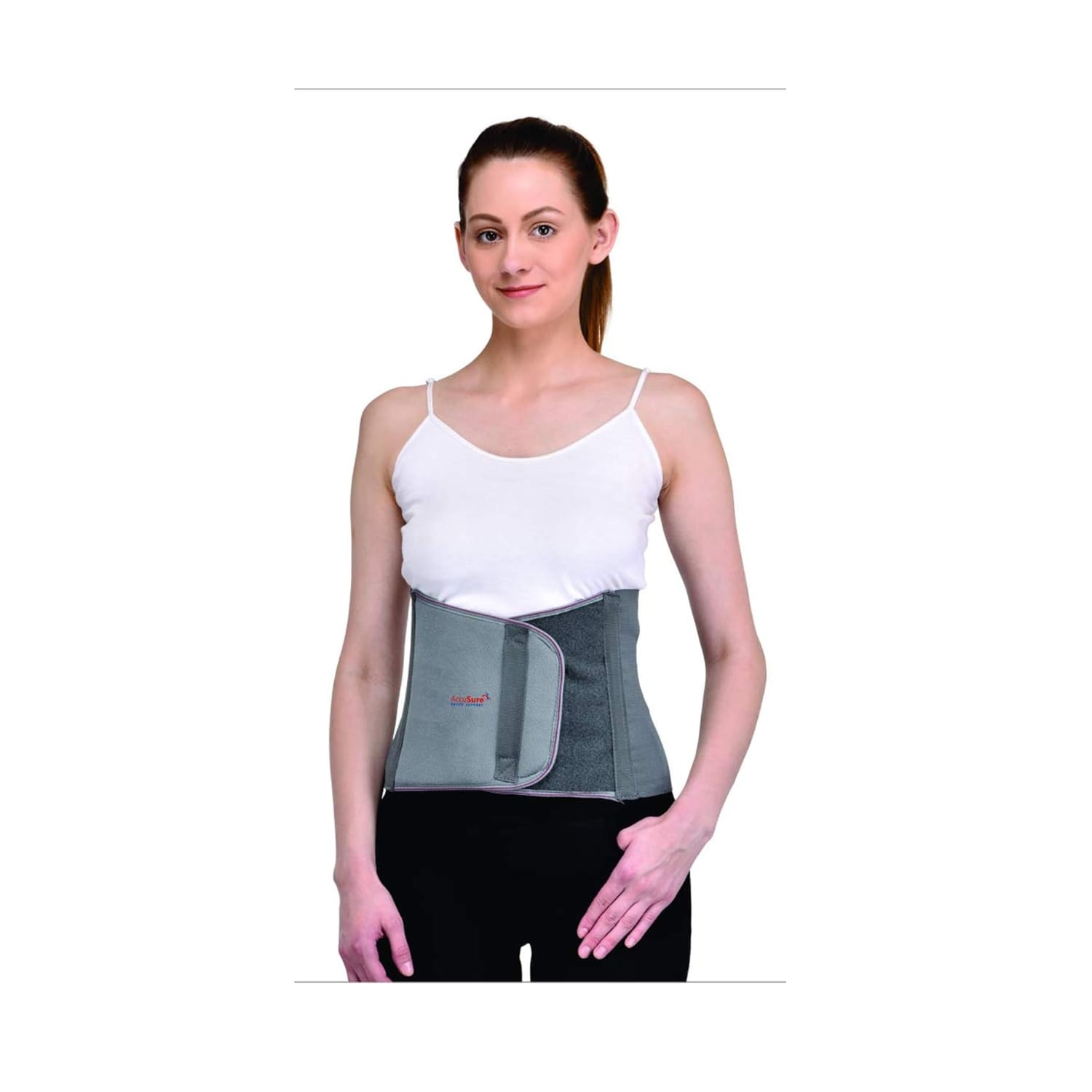
Back Braces: Provide support and help improve posture to reduce pain.
Custom Insoles: Correct foot alignment and reduce stress on the lower back.
Surgery: For severe cases, such as herniated discs or spinal stenosis, surgery may be needed to correct the underlying issue.
Complications of Back Pain
Chronic Pain: Untreated or poorly managed back pain can lead to chronic, long-lasting pain.
Mobility Issues: Persistent pain can limit your ability to perform daily activities, reducing your overall quality of life.
Depression and Anxiety: Chronic pain can contribute to emotional distress, potentially leading to depression and anxiety.
Prevention of Back Pain
Exercise Regularly: Focus on low-impact activities like walking, swimming, and yoga to strengthen back muscles and improve flexibility.
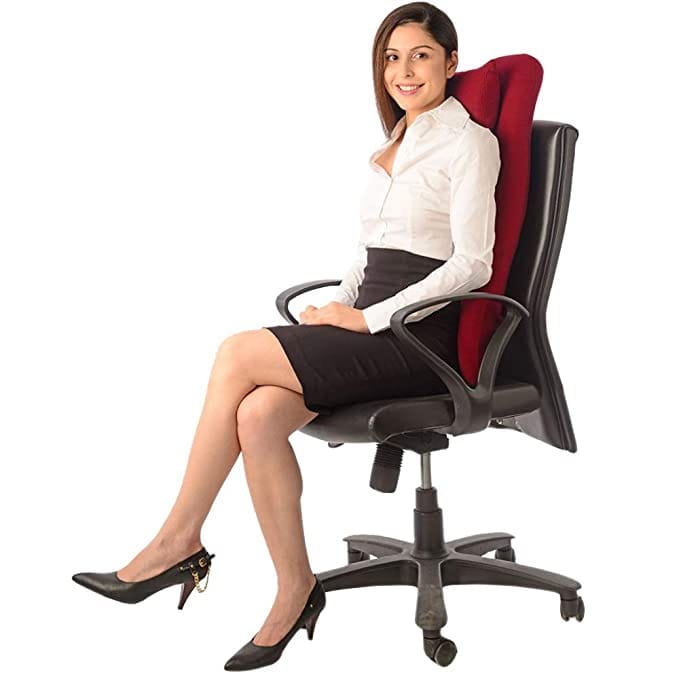
Maintain Good Posture: Be mindful of your posture when sitting, standing, and lifting objects to prevent strain on your back.
Lift Correctly: Use your legs to lift heavy objects rather than bending at the waist to avoid straining your back.
Maintain a Healthy Weight: Excess weight, especially around the abdomen, can strain the lower back and increase the risk of pain.
Specialist to Consult for Back Pain
Orthopedic Specialist: A doctor specializing in bone and muscle conditions to diagnose and treat back pain.
Physical Therapist: For customized exercises and rehabilitation programs aimed at reducing pain and improving function.
Chiropractor: For non-invasive treatments, including spinal adjustments and manual therapy.
Fovera