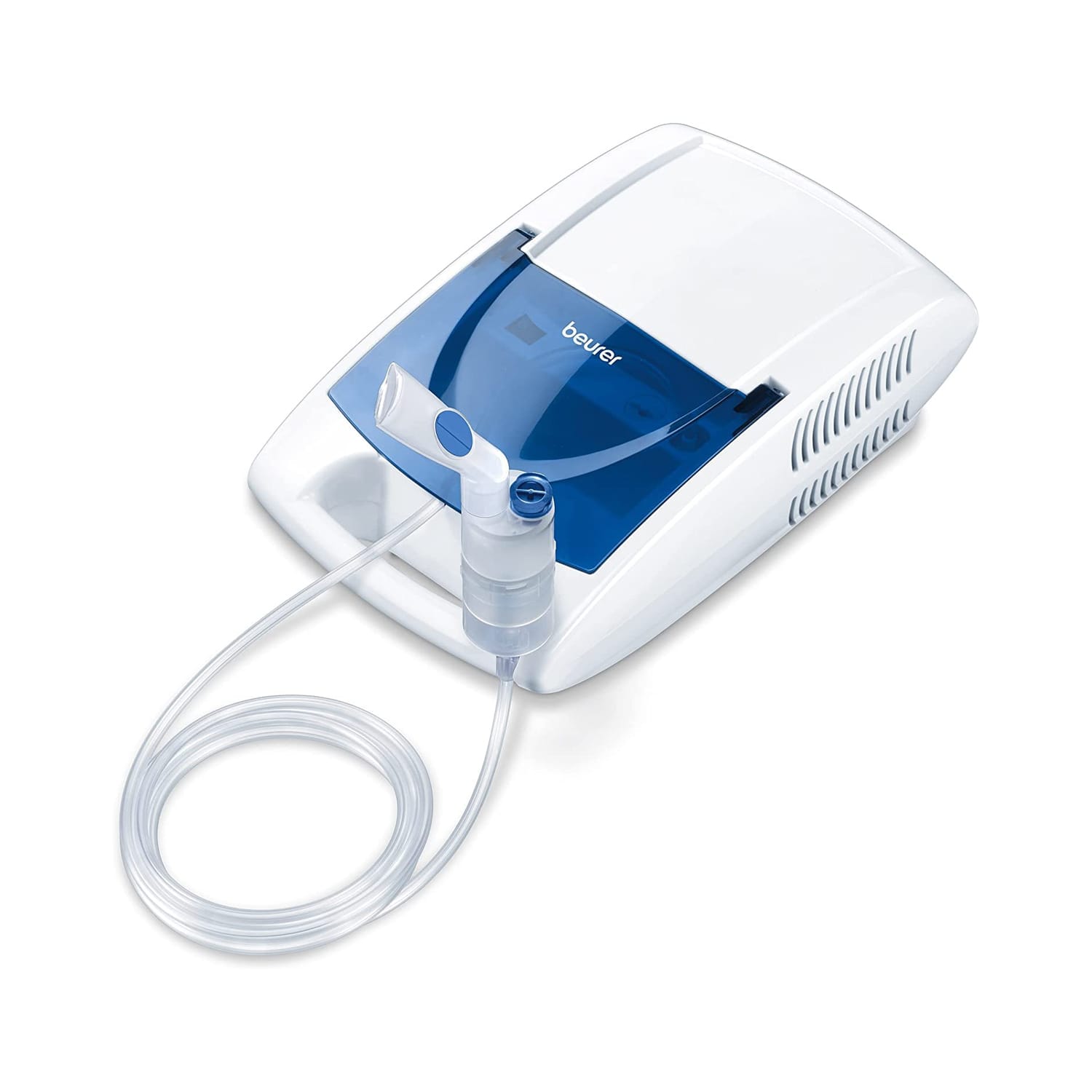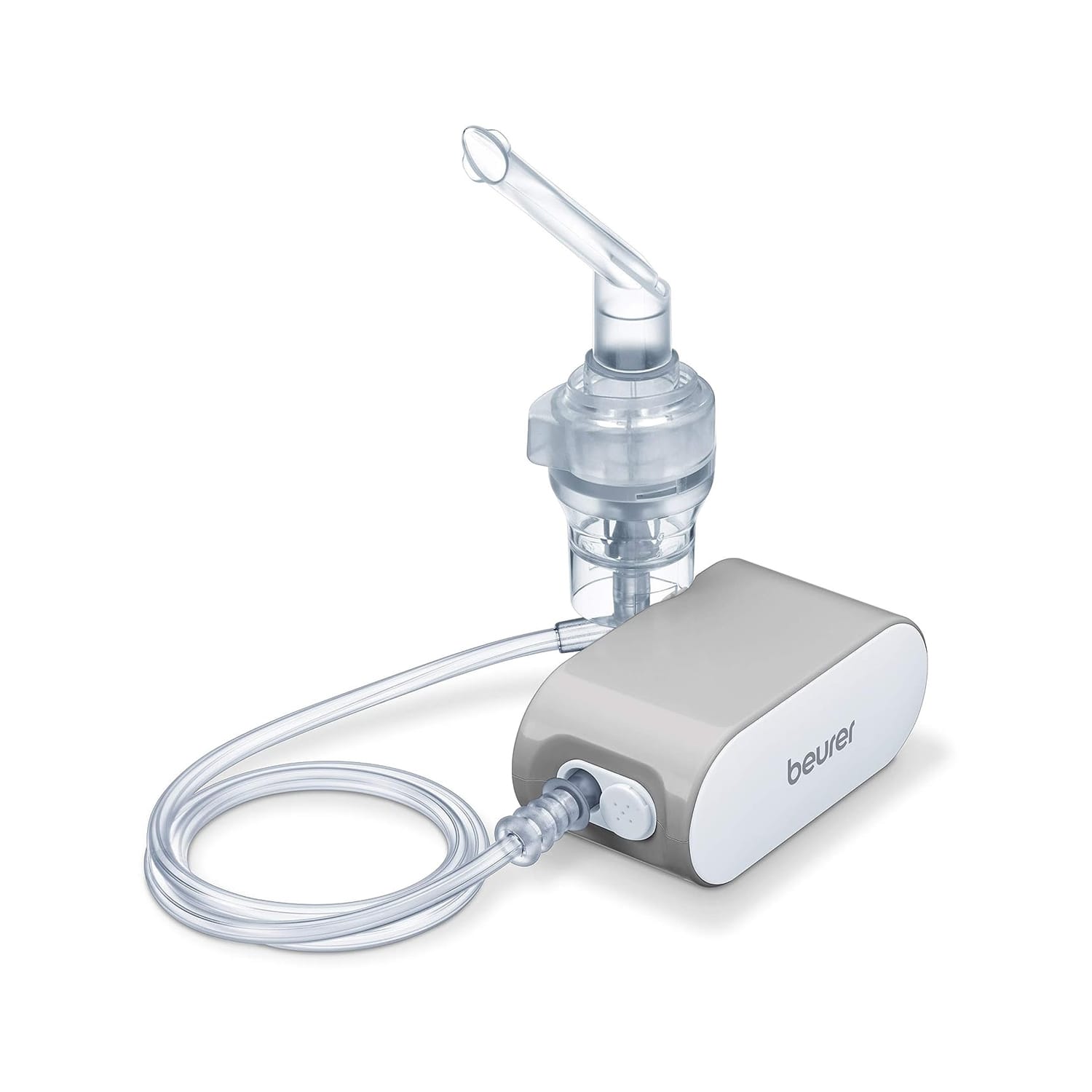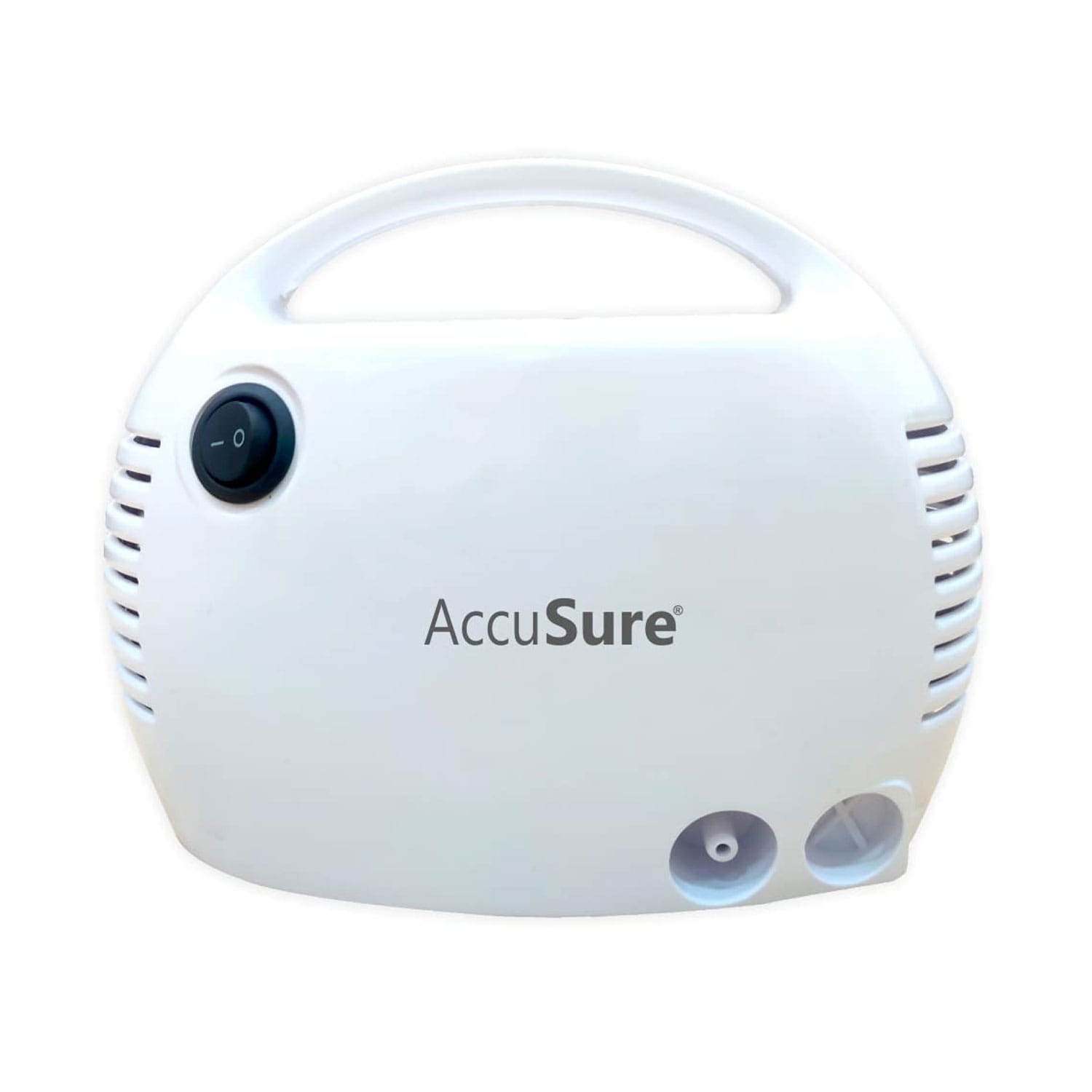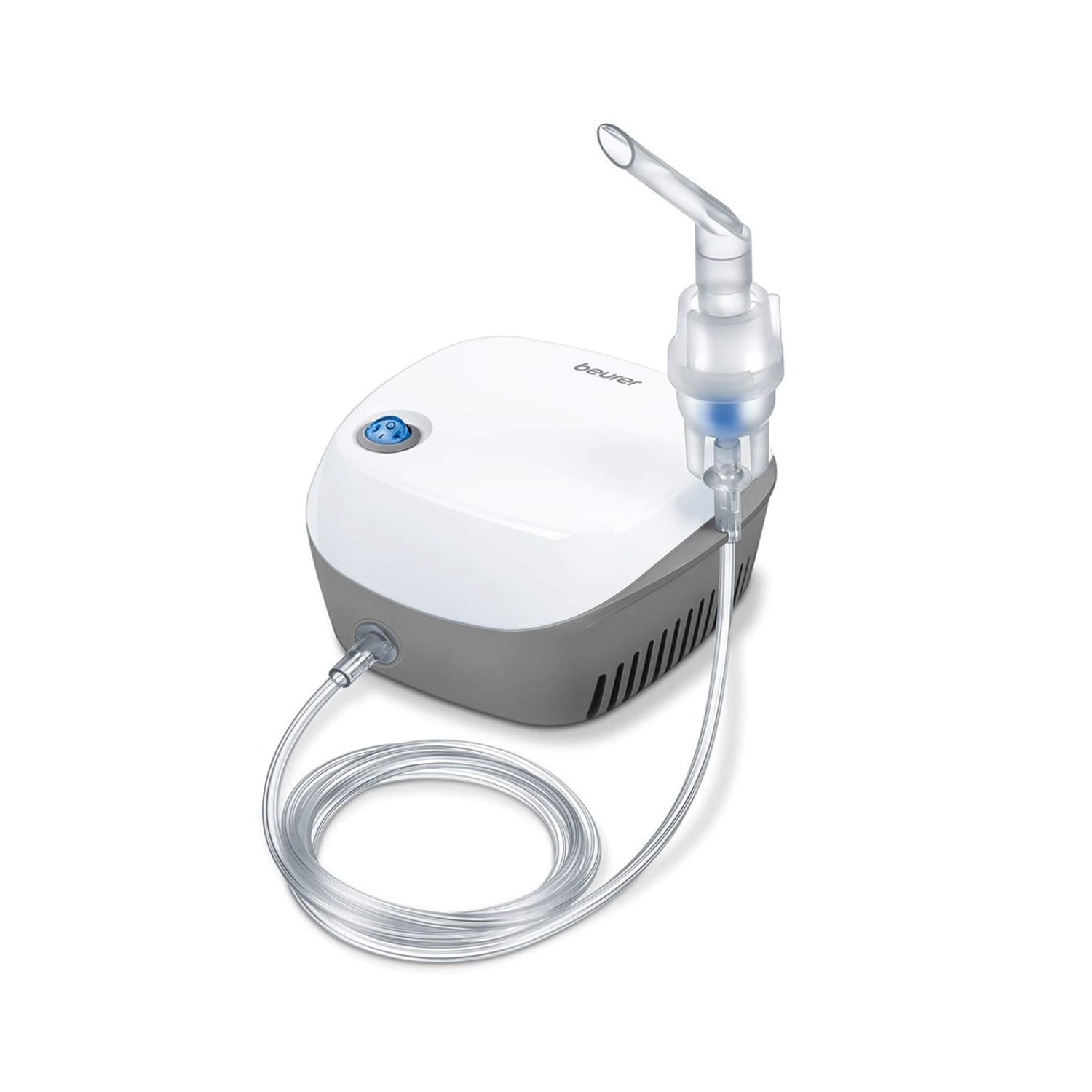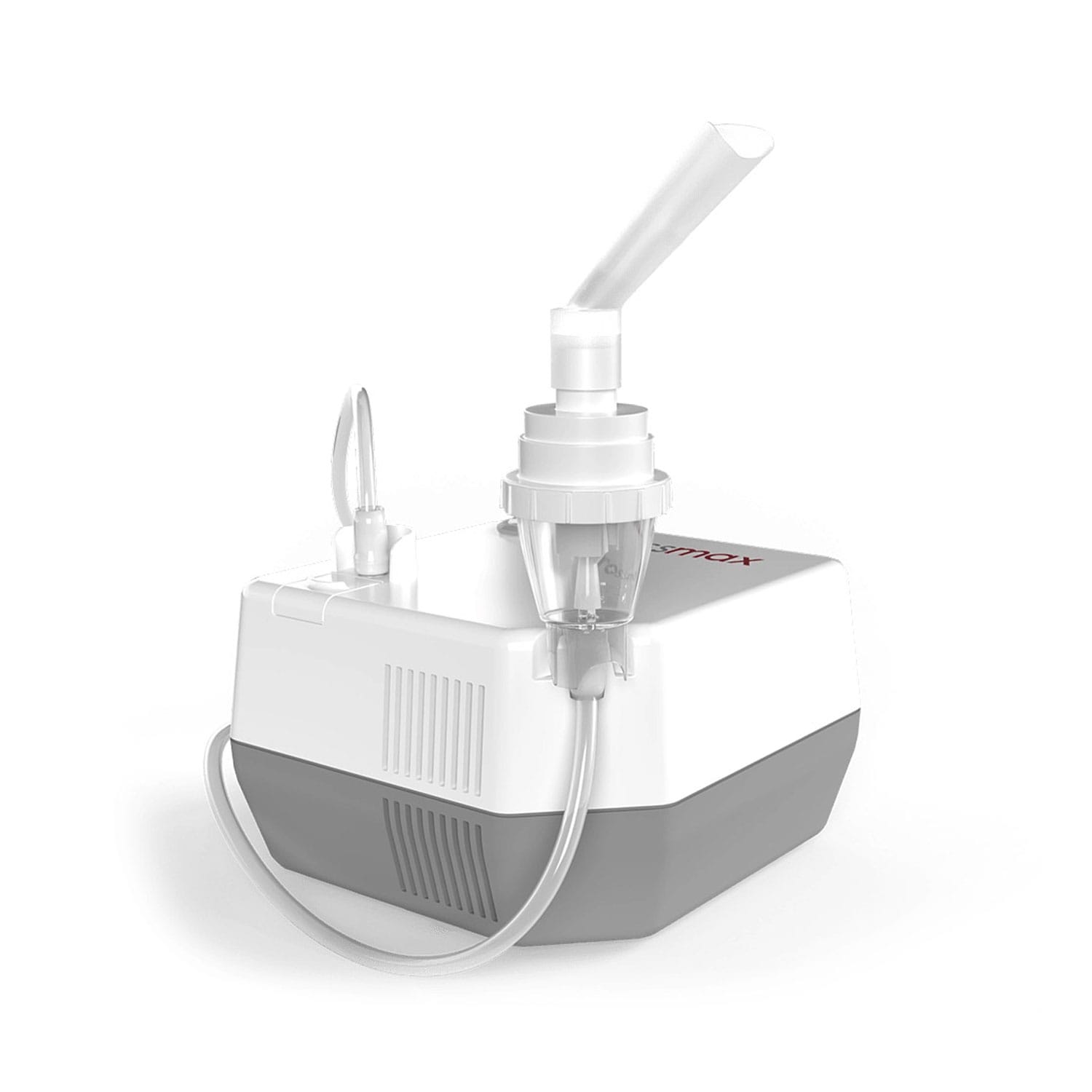




Omron Microair NE-U 100 Mesh Nebulizer
OMRON
₹8,81110% off₹9,790
Asthma
Experiencing breathing difficulties or wheezing? Understanding asthma and effective management can help control symptoms and improve your quality of life.
What is Asthma?
Asthma is a chronic respiratory condition characterized by inflammation and narrowing of the airways, leading to difficulty breathing, wheezing, and coughing.
Causes of Asthma
• Genetics: Family history of asthma or allergic conditions increasing risk.
• Environmental Allergens: Exposure to allergens like pollen, dust mites, or pet dander.
• Respiratory Infections: Viral infections, especially during early childhood.
• Air Pollution: Exposure to pollutants or irritants like smoke and fumes.
• Exercise: Physical activity, particularly in cold or dry air, can trigger symptoms.
Symptoms of Asthma
• Wheezing: A high-pitched whistling sound when breathing.
• Shortness of Breath: Difficulty in breathing, particularly during physical activity or at night.
• Coughing: Persistent cough, often worse at night or early morning.
• Chest Tightness: Feeling of tightness or pressure in the chest.
Diagnosis of Asthma
• Medical History: Discussing symptoms, triggers, and family history with a healthcare provider.
• Physical Examination: Assessing breathing patterns and listening to lung sounds.
• Spirometry: A test to measure lung function and airway obstruction.
• Peak Flow Measurement: Monitoring the maximum speed of exhalation to assess airway narrowing.
Treatment of Asthma
• Medications:
o Inhalers: Bronchodilators for immediate relief and corticosteroids for long-term control.
o Oral Medications: Tablets to manage inflammation and prevent symptoms.
• Avoiding Triggers: Identifying and avoiding environmental triggers or allergens.
• Lifestyle Adjustments: Managing stress, avoiding smoking, and maintaining a healthy environment.
• Orthopedic Supports:
o Air Purifiers: Devices to reduce allergens and improve air quality at home.
o Specialized Masks: Masks designed to filter out allergens and irritants during outdoor activities.
Complications of Asthma
Status Asthmaticus: A severe asthma attack that doesn’t respond to usual treatments and may require emergency care. It can be life-threatening if not managed promptly.
Chronic Obstructive Pulmonary Disease (COPD): Long-term, poorly managed asthma can contribute to the development of COPD, a condition that permanently limits airflow.
Pneumonia: Asthma can increase the risk of developing pneumonia, an infection that inflames the air sacs in the lungs, further complicating breathing issues.
Medication Side Effects: Long-term use of certain asthma medications, like corticosteroids, can lead to side effects such as weight gain, weakened immune system, or bone thinning.
Prevention of Asthma
• Allergen Avoidance: Minimize exposure to known triggers and allergens.
• Regular Monitoring: Track asthma symptoms and peak flow measurements.
• Healthy Lifestyle: Maintain overall health to support respiratory function.
Specialist to Consult
• Pulmonologist: For diagnosis and advanced management of asthma.
• Allergist: For identifying and managing allergens and triggers.
• Respiratory Therapist: For education and support in managing asthma.