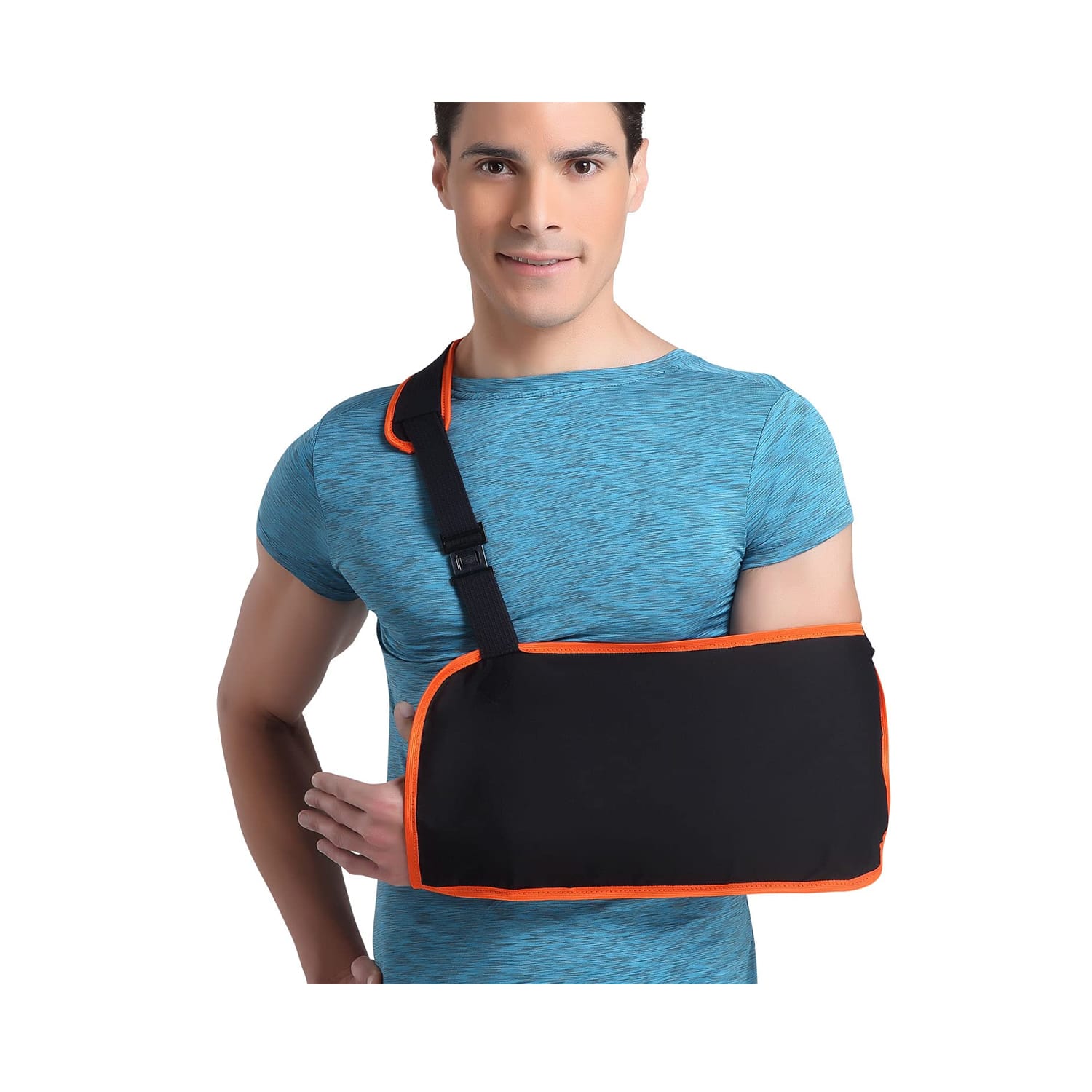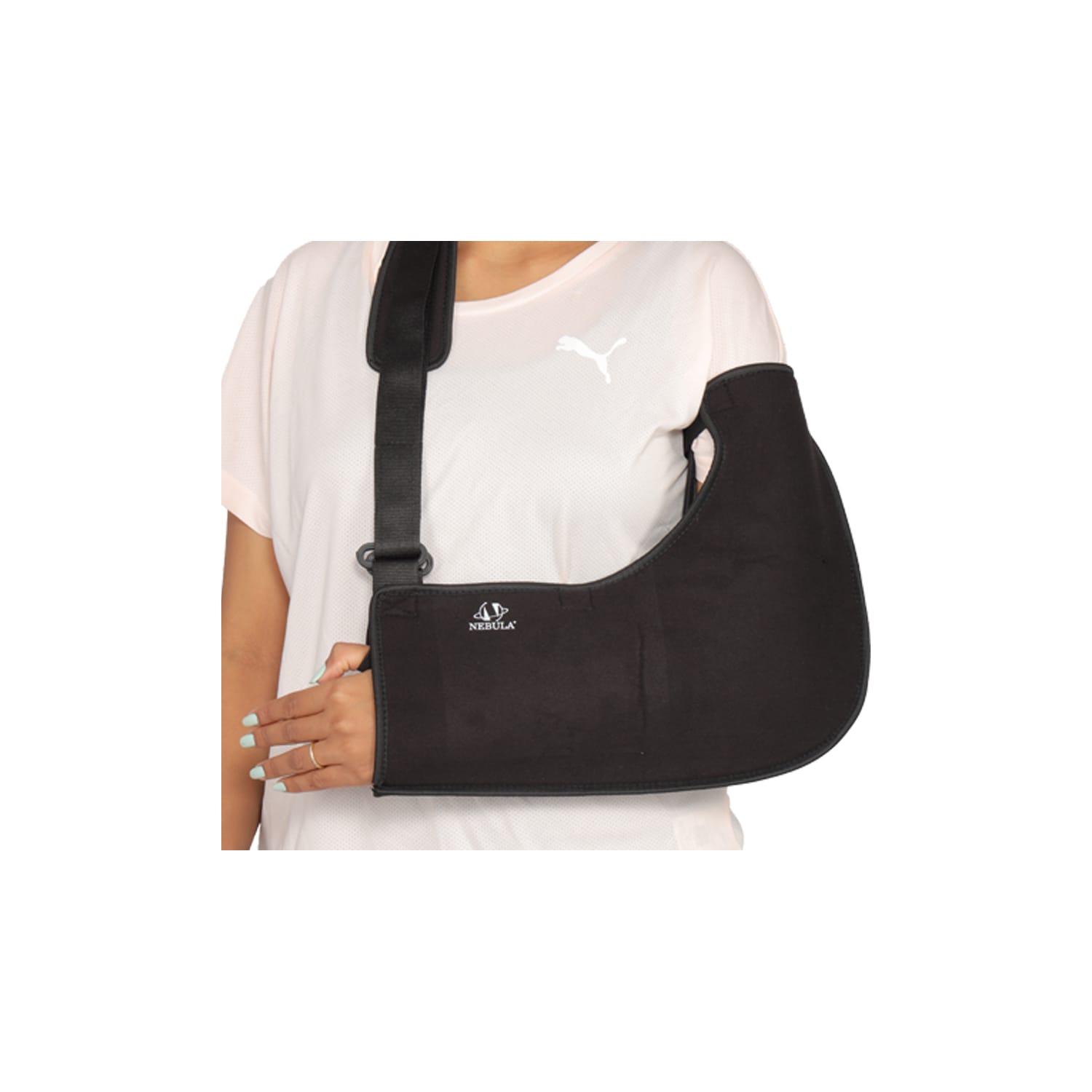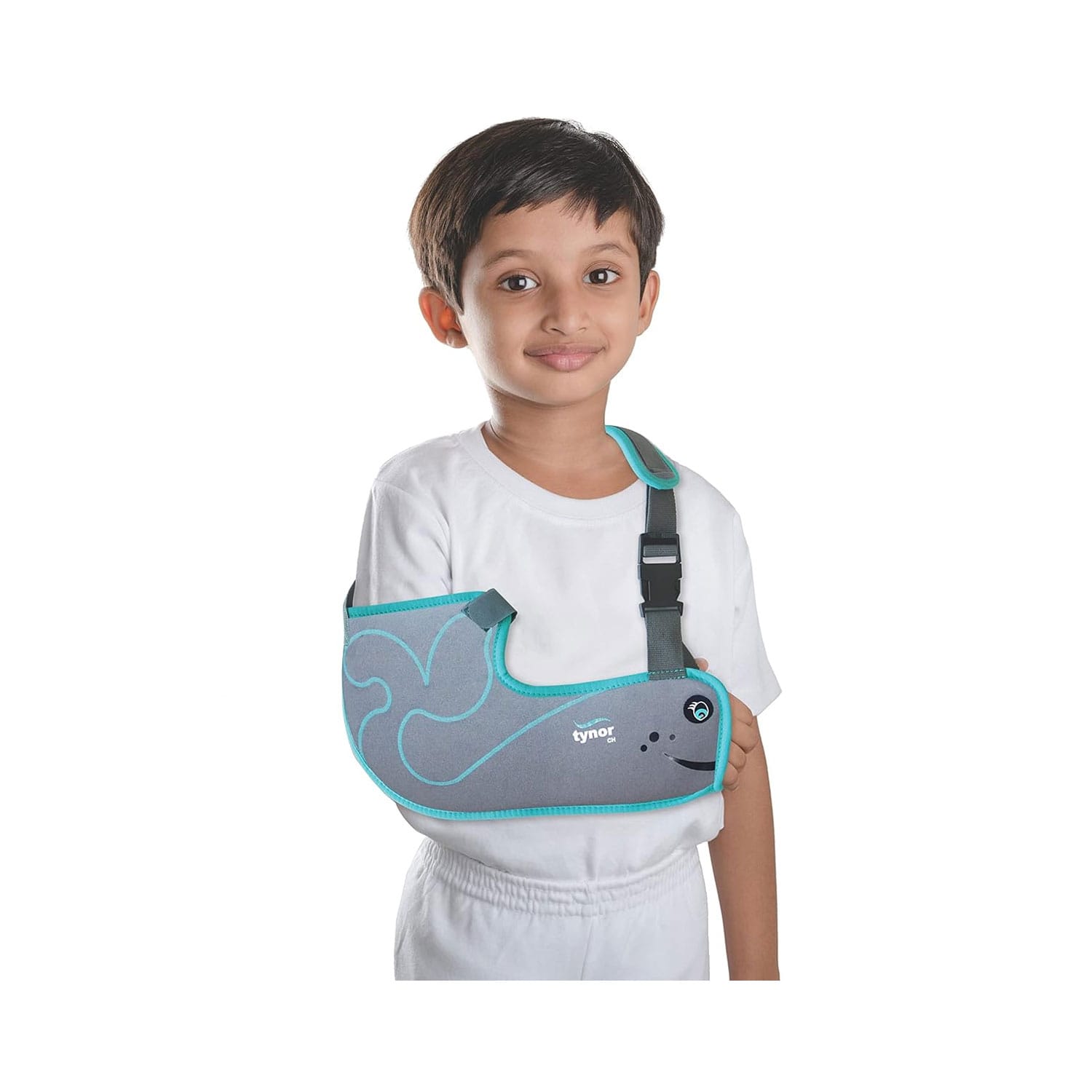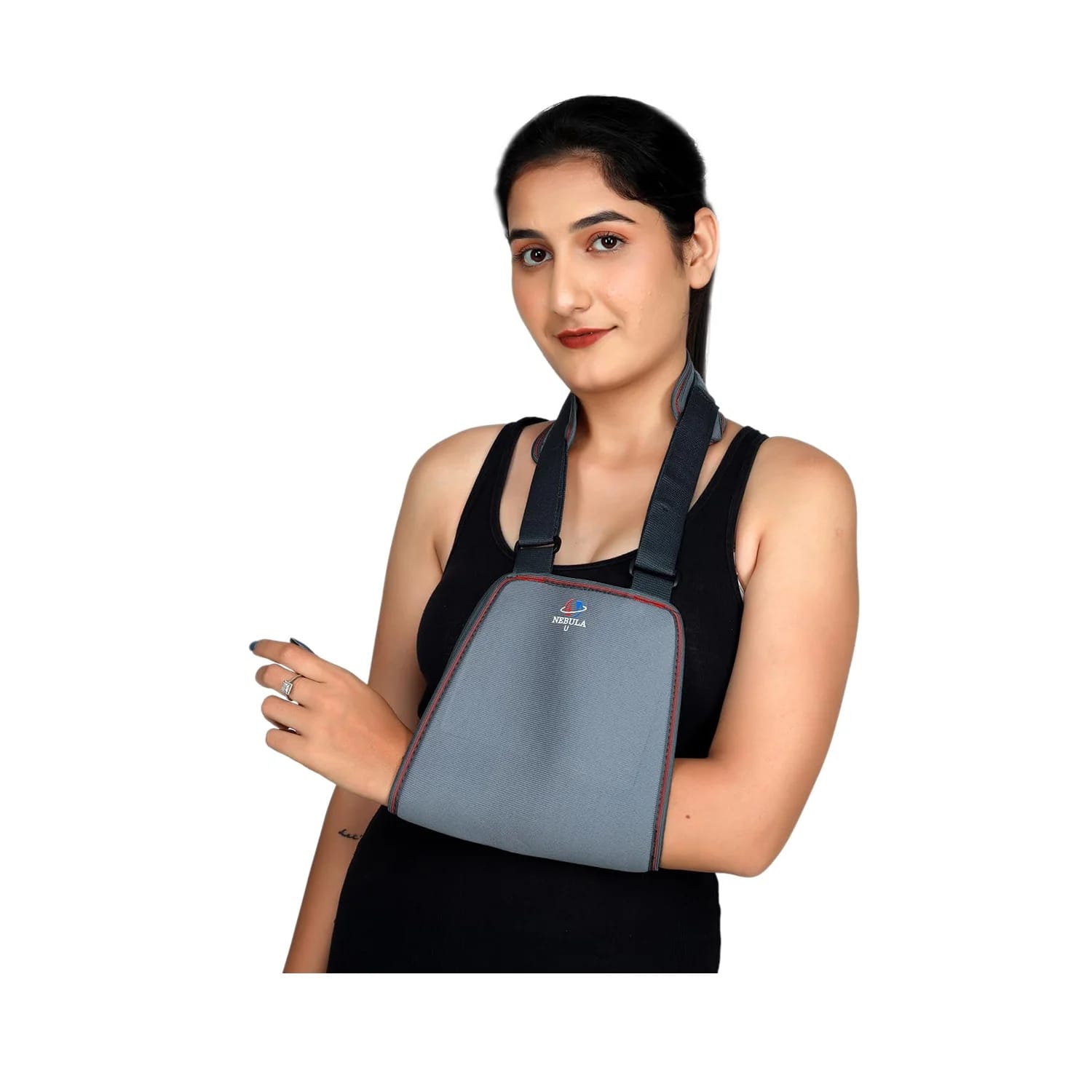



United Medicare Arm Immobilizer (Adjustable) (G-17) -Universal
United Medicare
₹89318% off₹1,090
Arm Fracture
Sustained an arm fracture? Early diagnosis and appropriate treatment are essential for healing and restoring function.
What is an Arm Fracture?
An arm fracture is a break in one or more of the bones in the arm, including the humerus, radius, or ulna. This injury can occur due to trauma, falls, or accidents.
Causes of Arm Fracture
Trauma: Direct impact or falls causing bone breakage.
Sports Injuries: High-impact sports or accidents leading to fractures.
Osteoporosis: Weakened bones due to this condition increasing fracture risk.
Overuse: Repetitive stress or strain leading to stress fractures.
Symptoms of Arm Fracture
Severe Pain: Intense pain at the fracture site.
Swelling and Bruising: Noticeable swelling and bruising around the arm.
Deformity: Visible misalignment or abnormal angling of the arm.
Inability to Move: Difficulty or inability to move the arm or use it.
Diagnosis of Arm Fracture
Physical Examination: Assessing the injury through visual and physical examination.
Imaging Tests: X-rays, CT scans, or MRI to determine the fracture type and extent.
Bone Scans: To detect stress fractures or hidden injuries.
Treatment of Arm Fracture
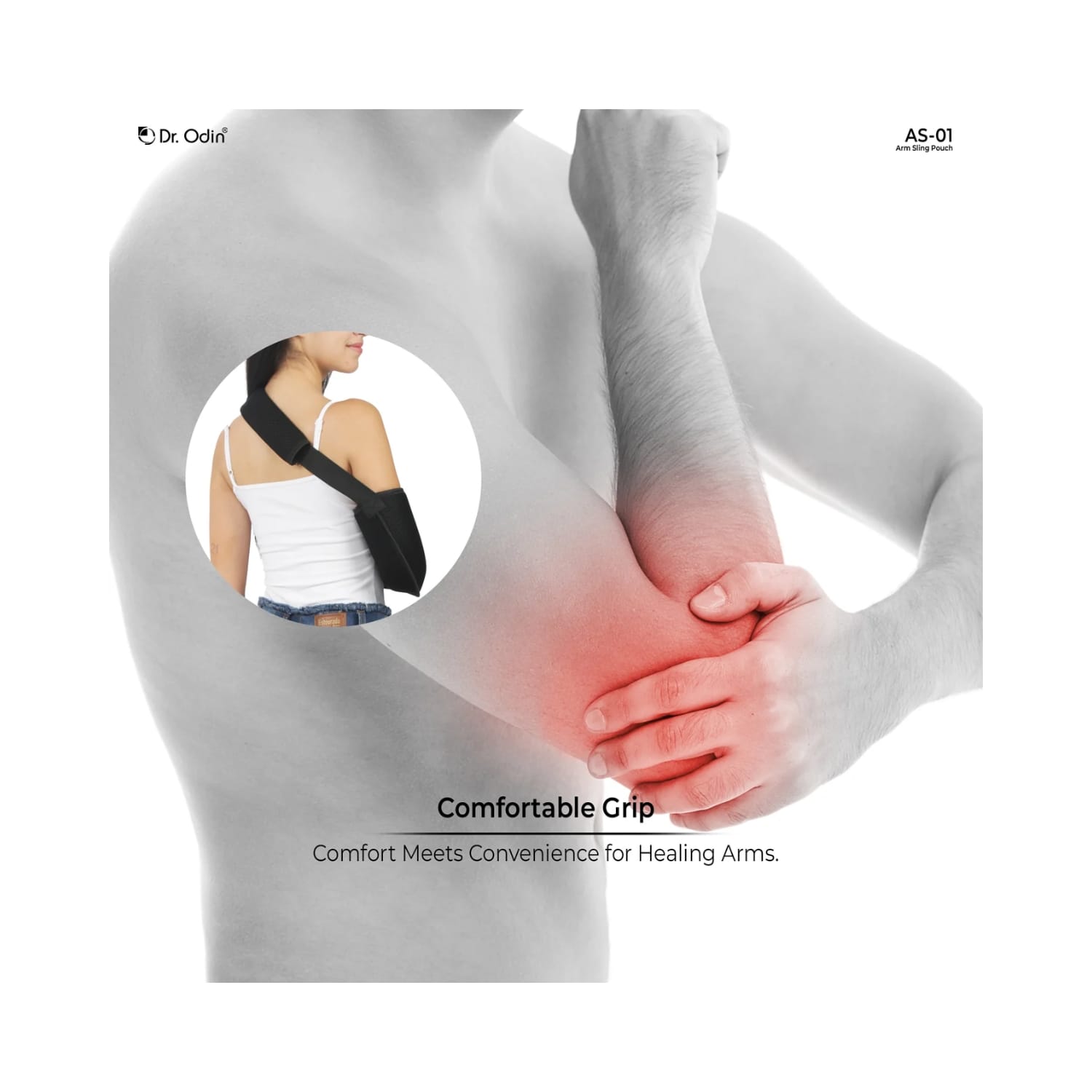
Rest and Immobilization: Immobilizing the arm is essential for healing. Proper alignment of the bones must be checked and corrected before using casts, splints, or braces to keep the arm in place and prevent further injury.
Pain Management: Over-the-counter or prescription pain relievers.
Orthopedic Supports:
Casts: Immobilize the arm to allow proper healing.
Splints: Temporary support for stabilization before casting.
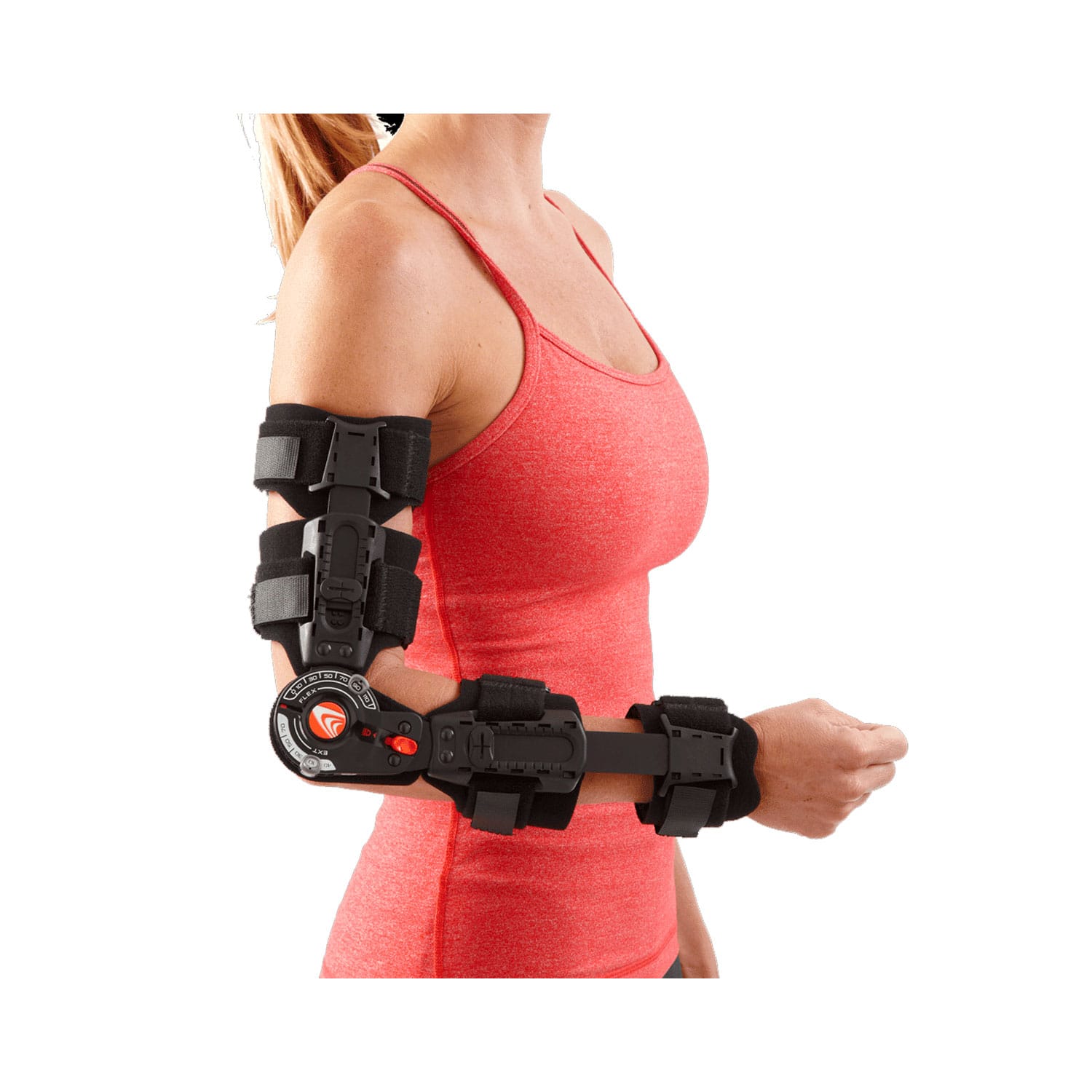
Braces: Provide additional support and protection during recovery.
Physical Therapy: Rehabilitation exercises to restore strength and mobility.
Surgery: In severe cases, surgical intervention to realign and stabilize bones with screws or plates.
Complications of Arm Fracture
Infection: Risk of infection if surgery is performed.
Chronic Pain: Persistent pain or discomfort post-healing.
Impaired Function: Reduced range of motion or strength in the arm.
Prevention of Arm Fracture
Bone Health: Ensure adequate calcium and vitamin D intake.
Safety Measures: Use protective gear during sports and activities.
Fall Prevention: Take steps to prevent falls and accidents.
Specialist to Consult
Orthopedic Surgeon: For fracture treatment and possible surgery.
Physical Therapist: For rehabilitation and restoring arm function.
Primary Care Physician: For initial diagnosis and management.