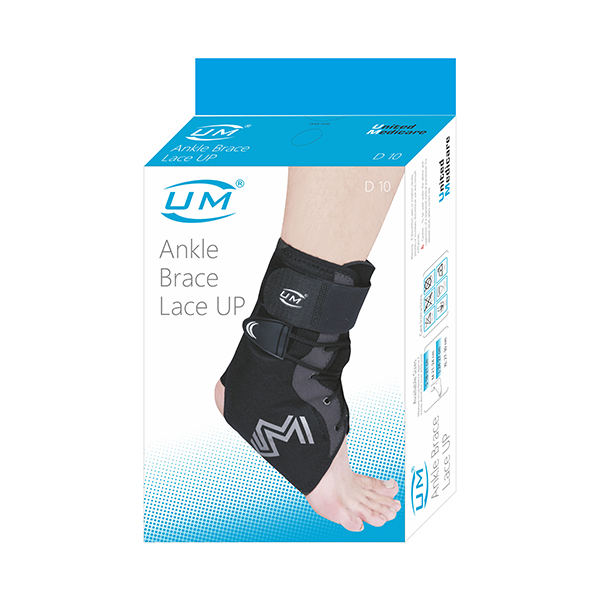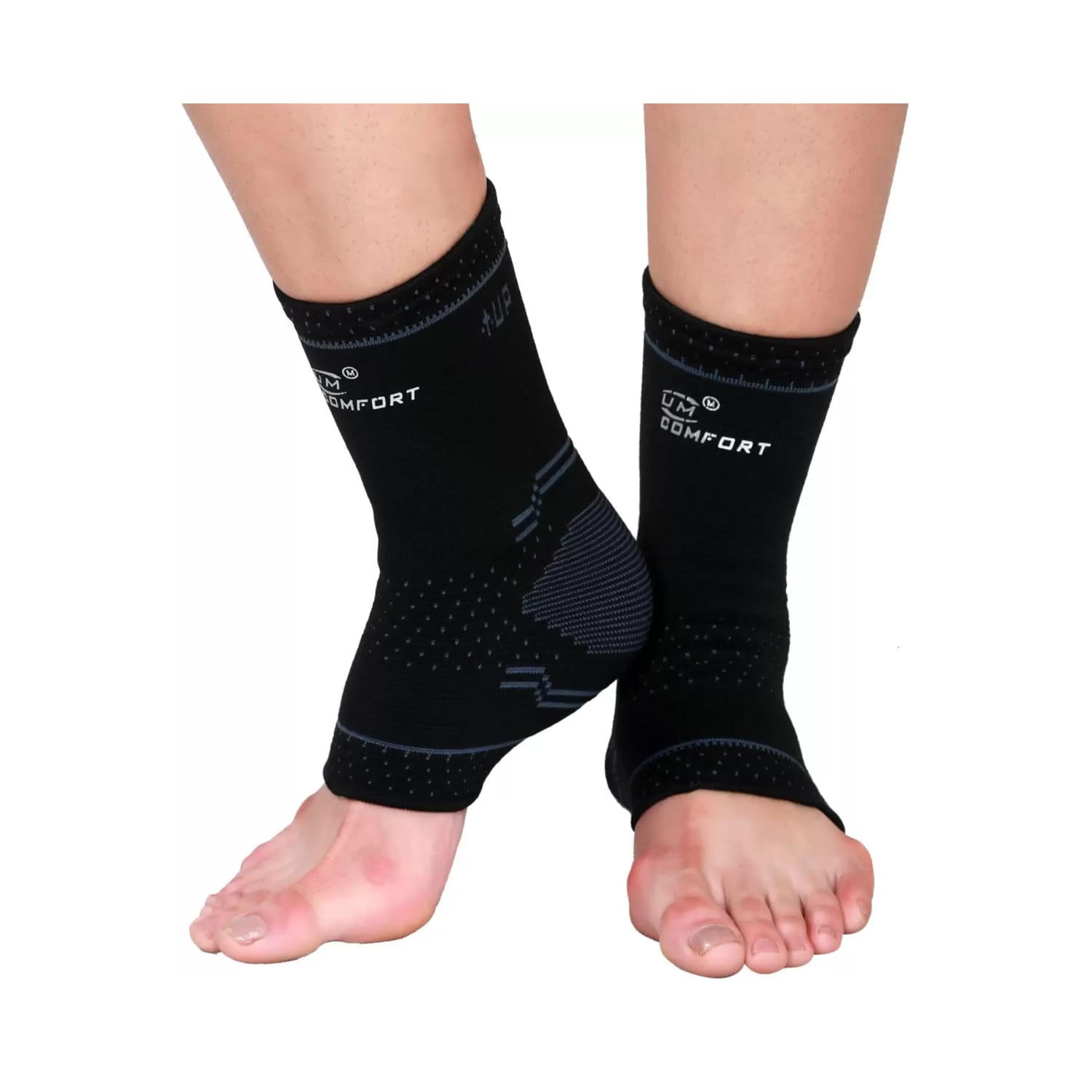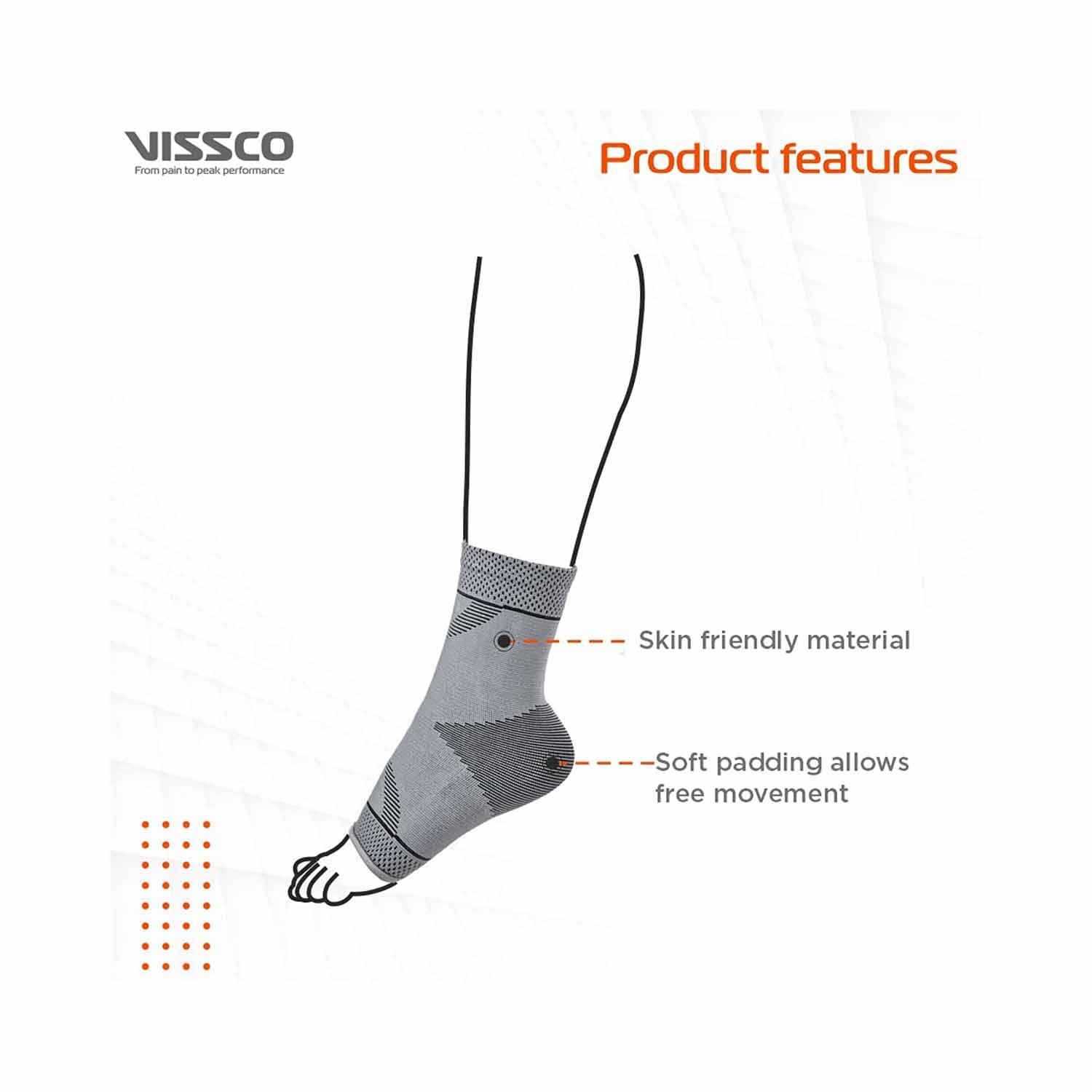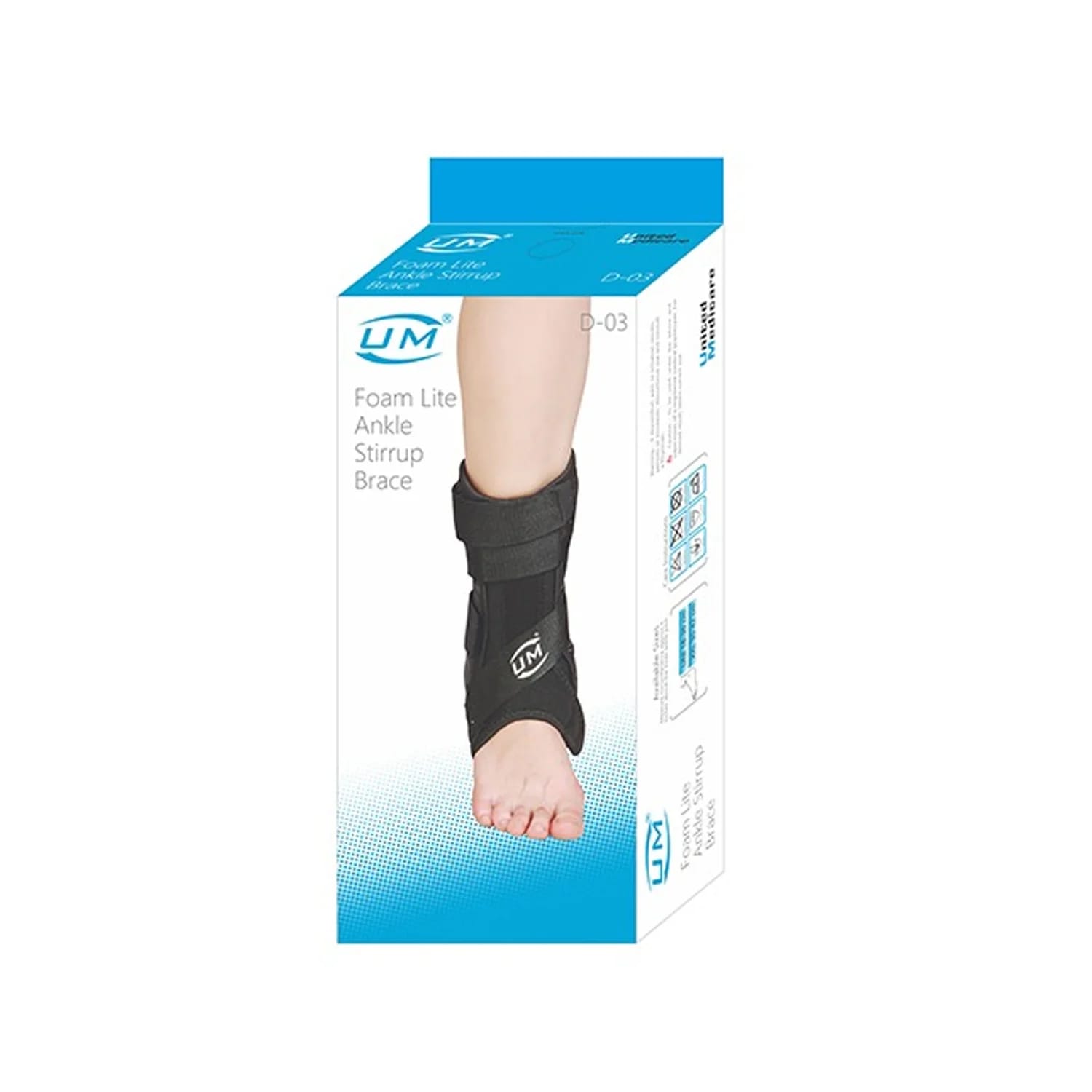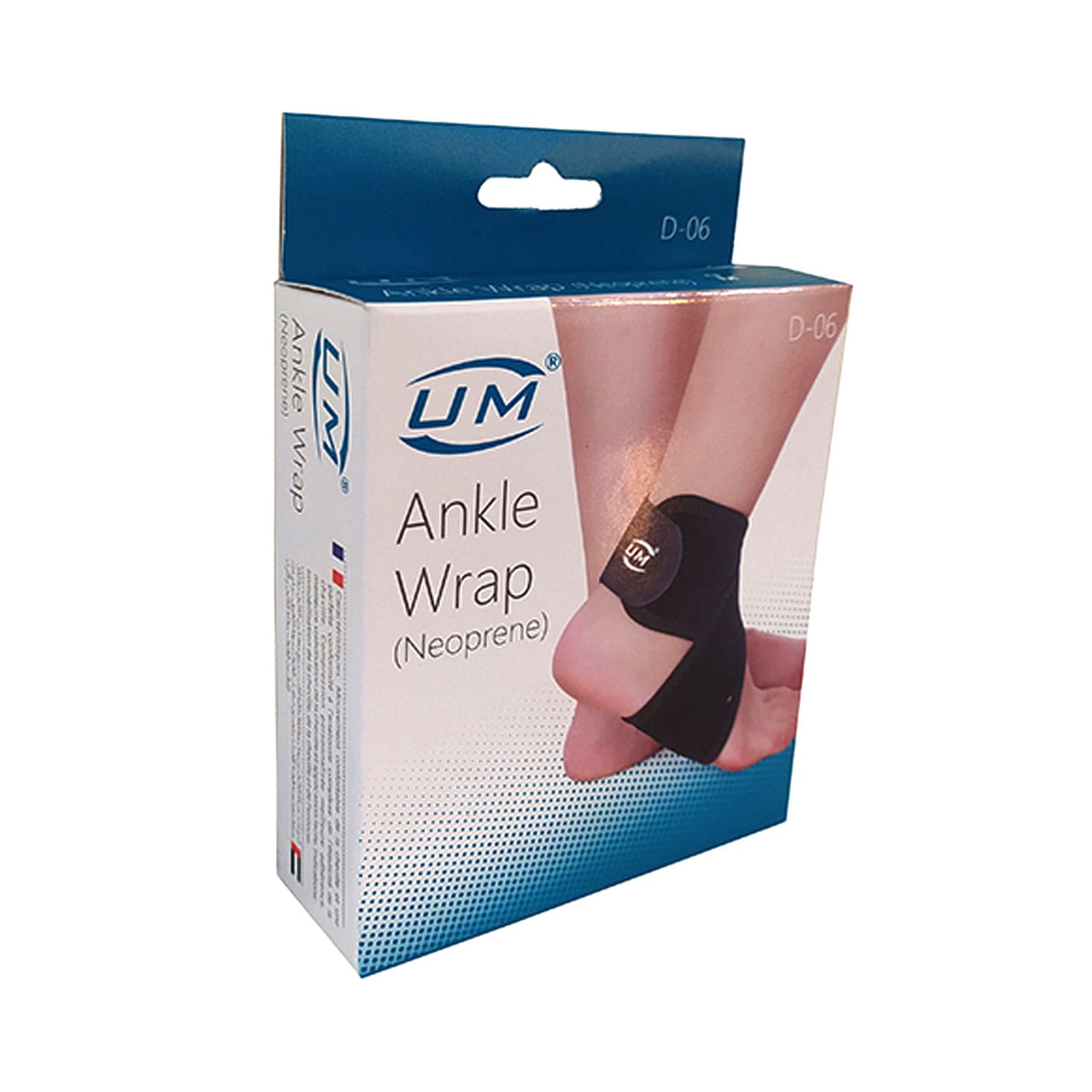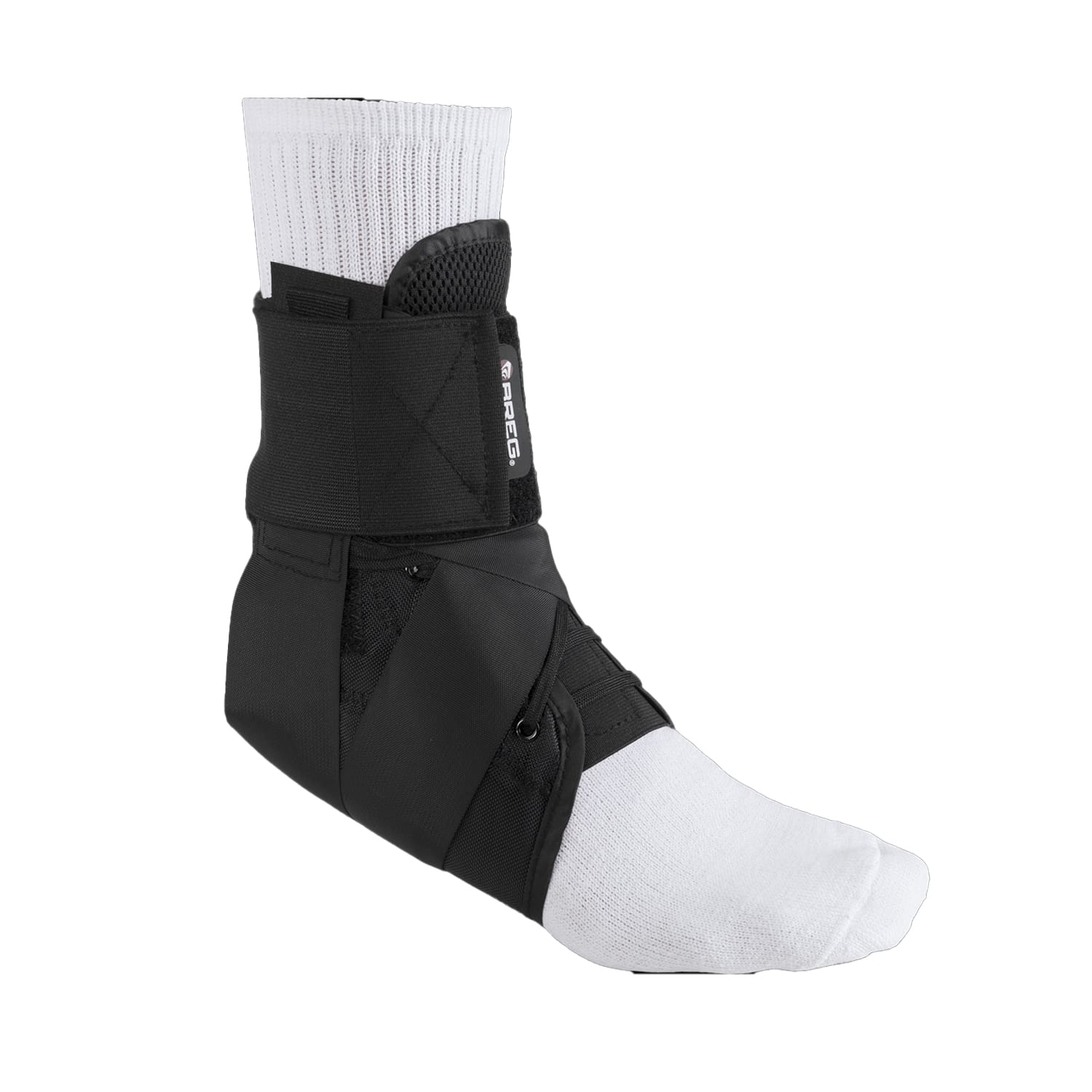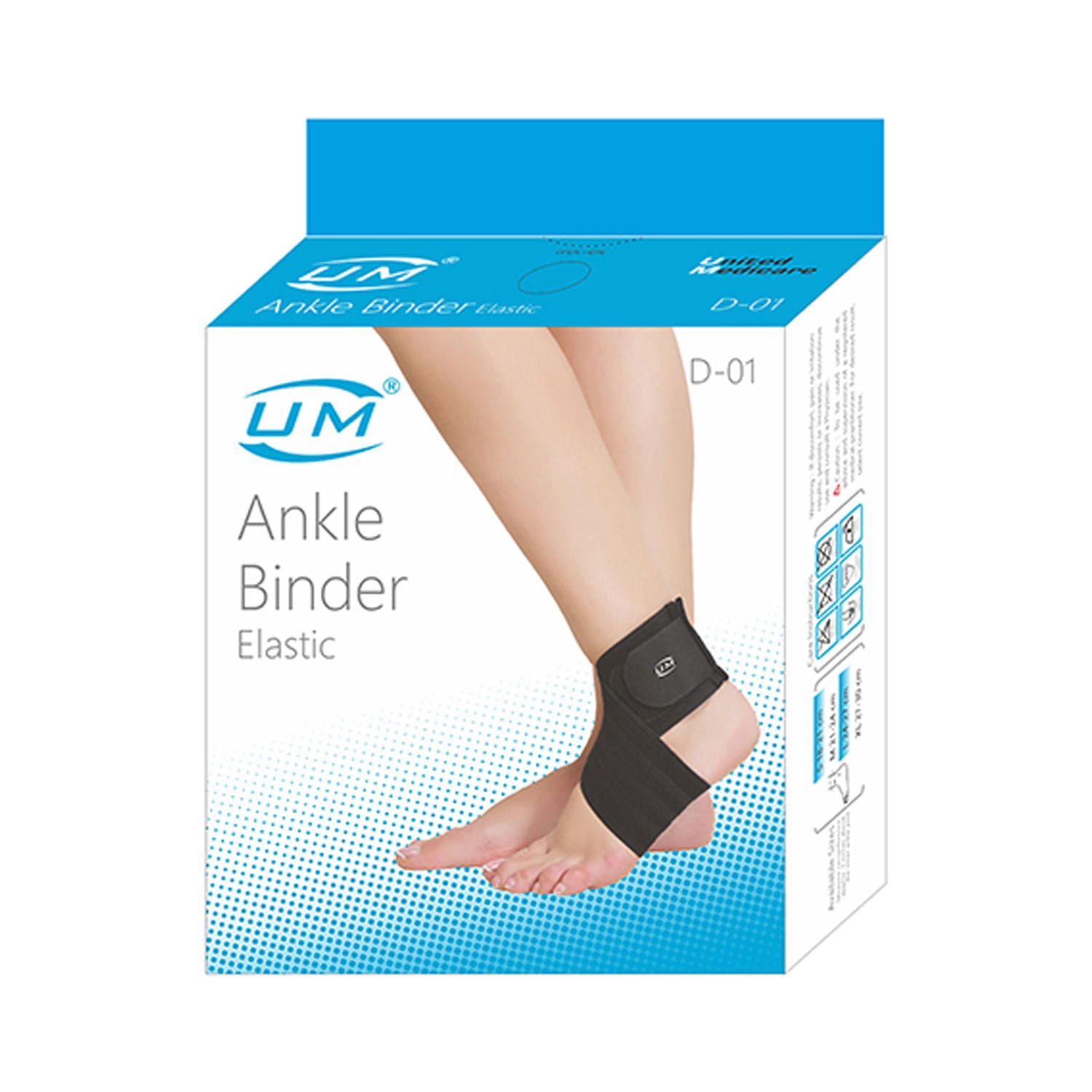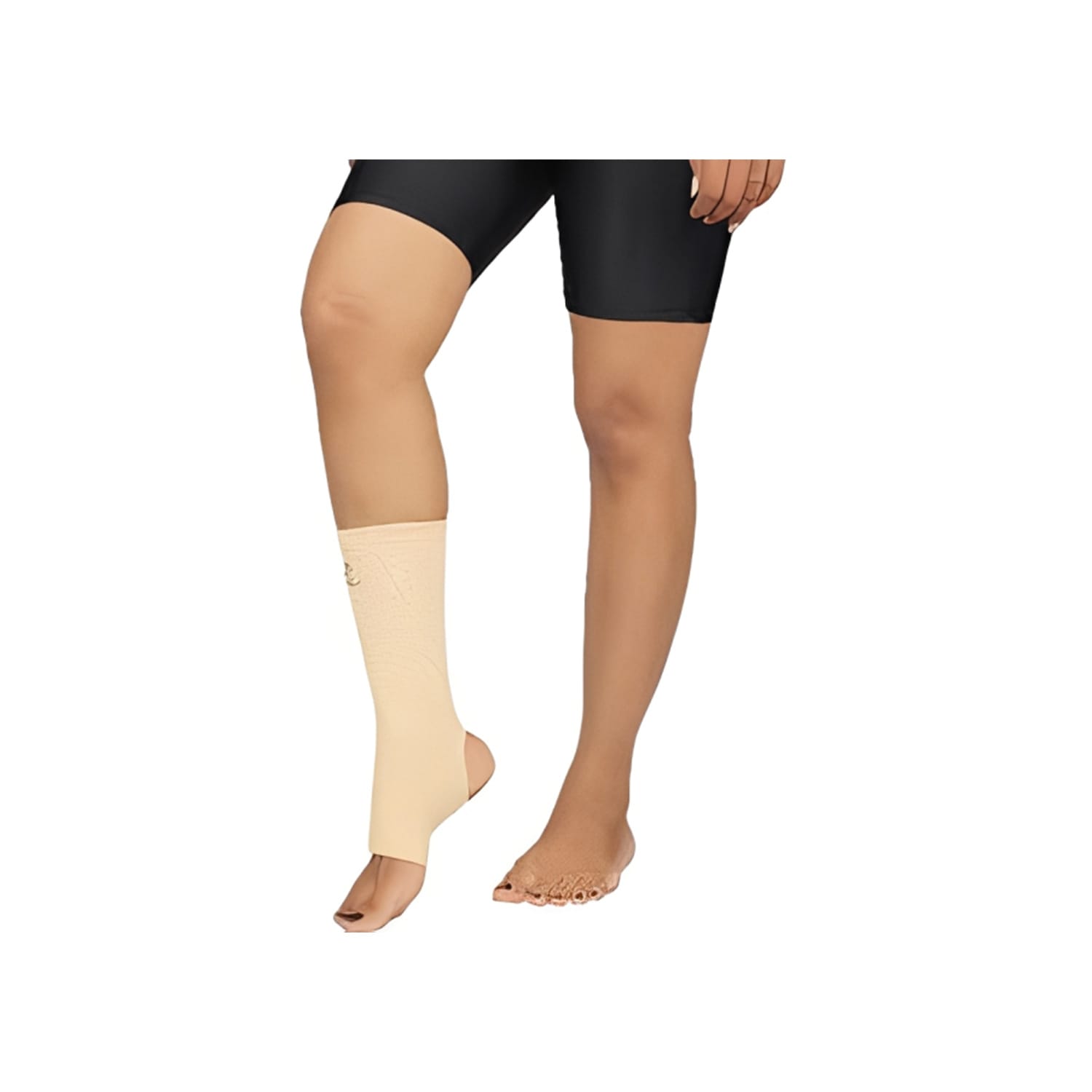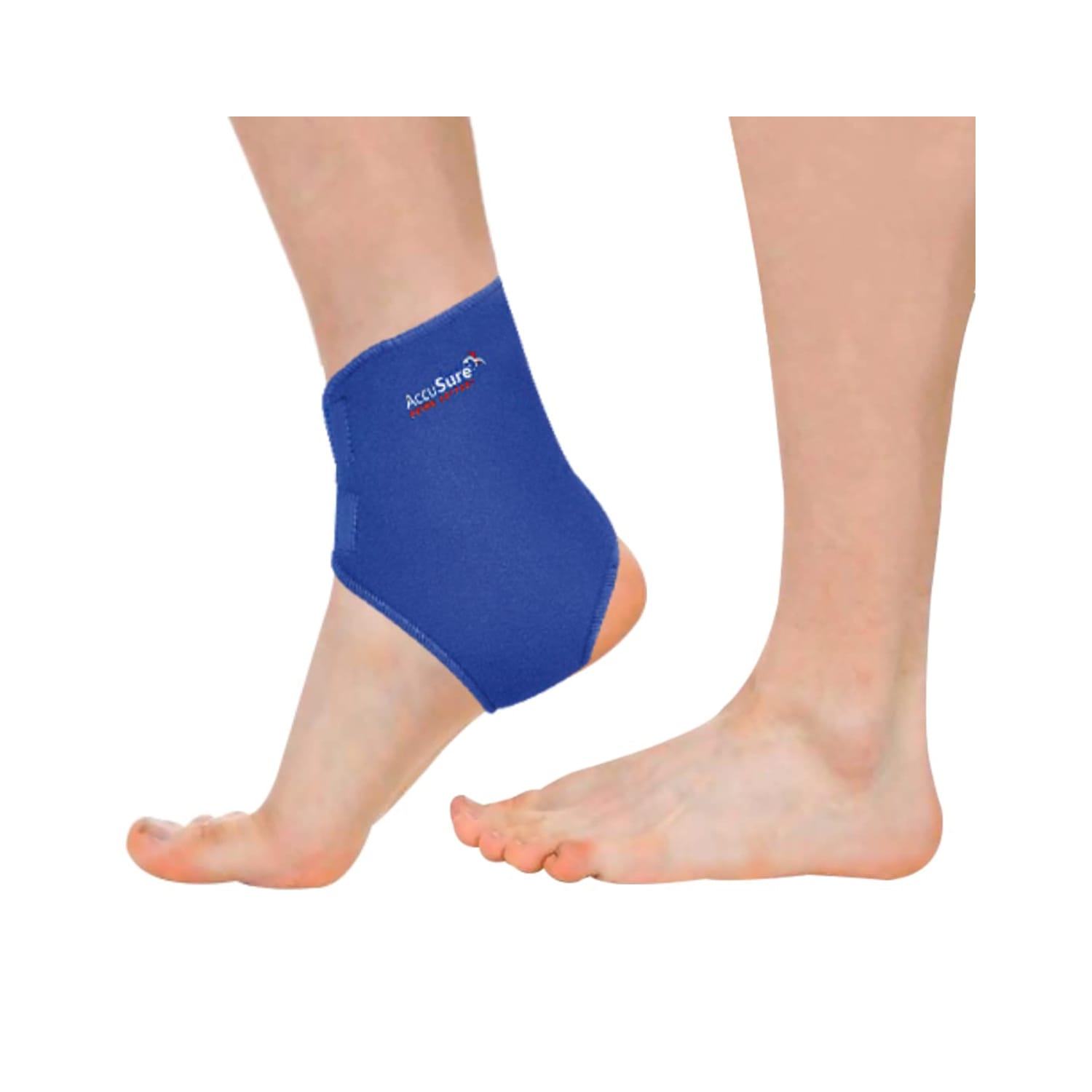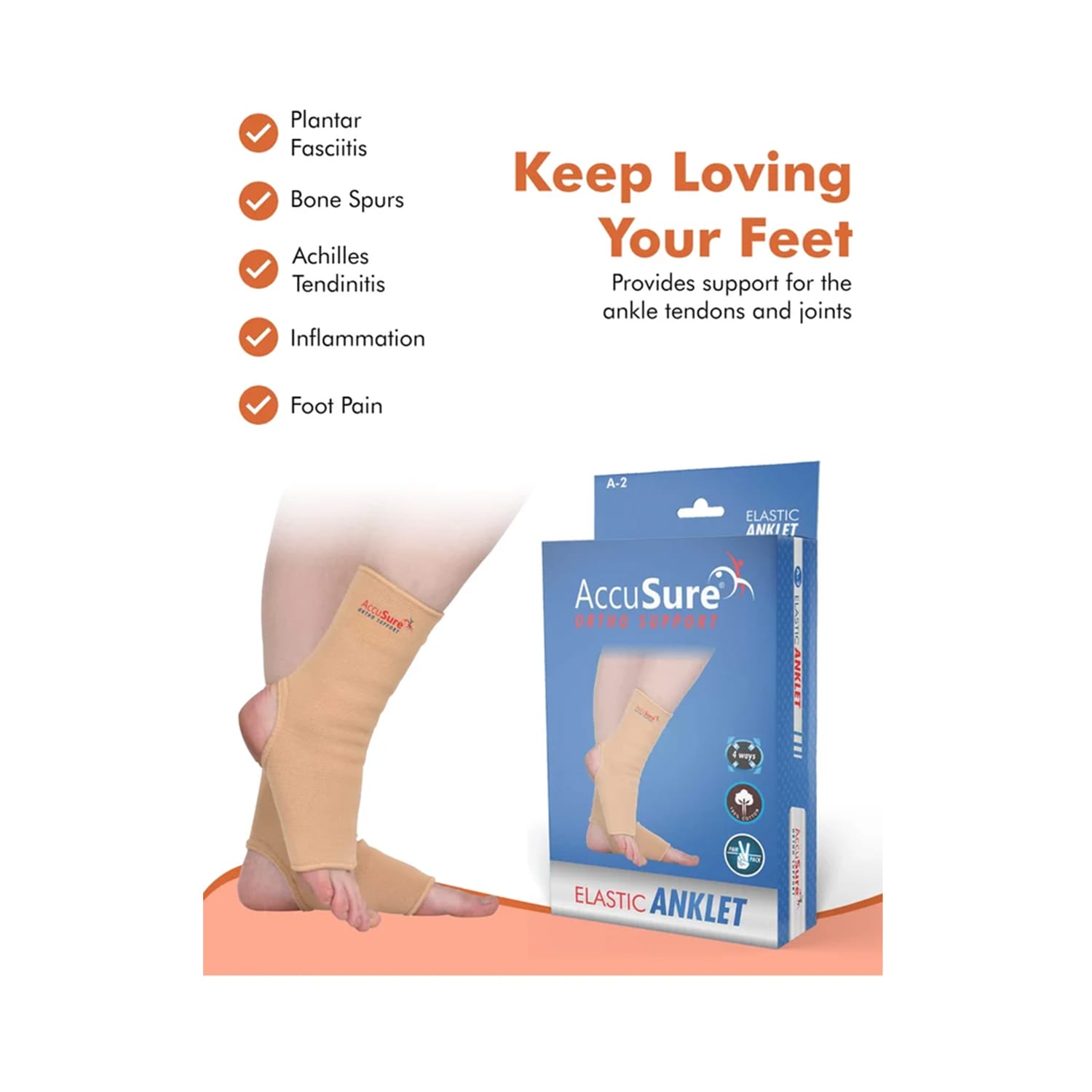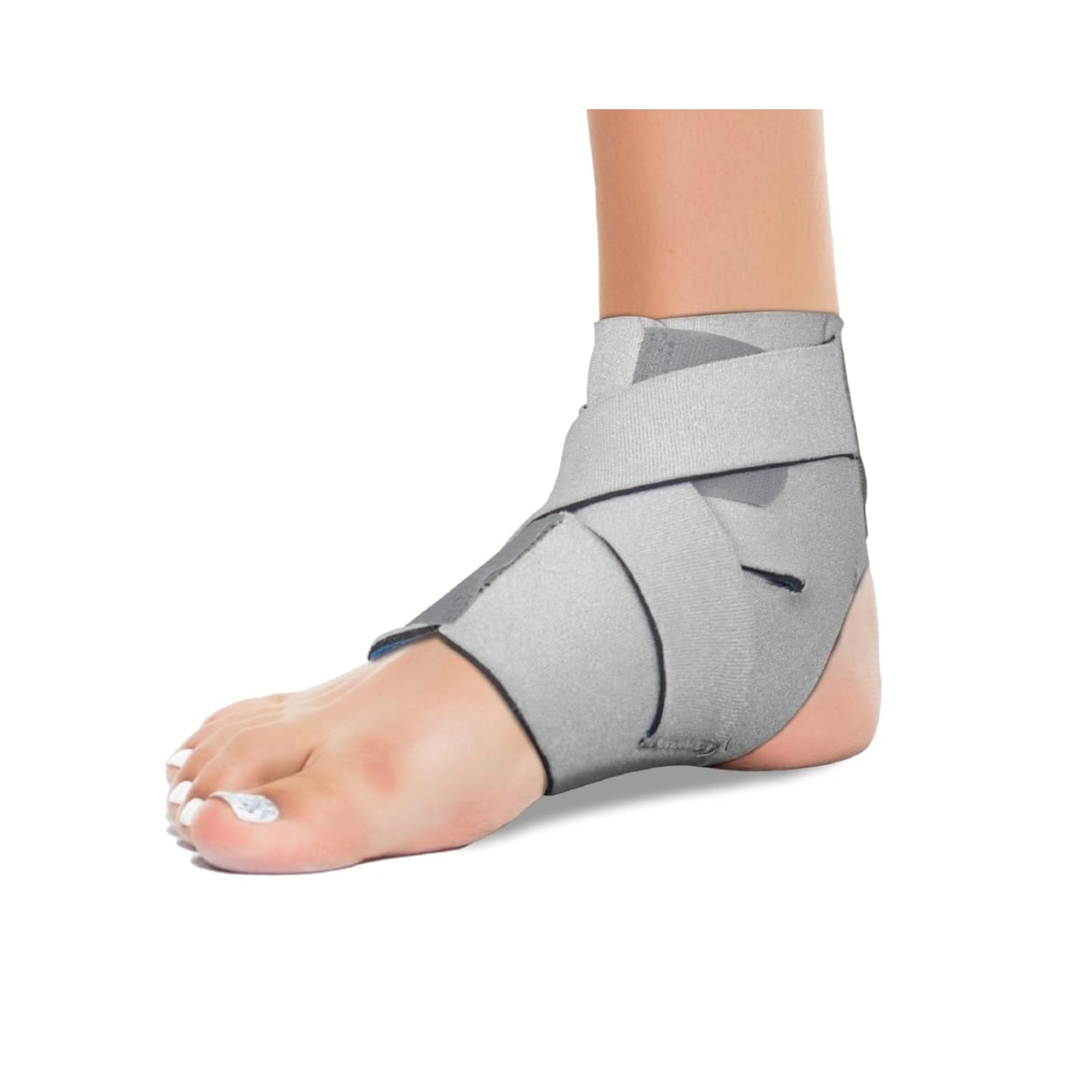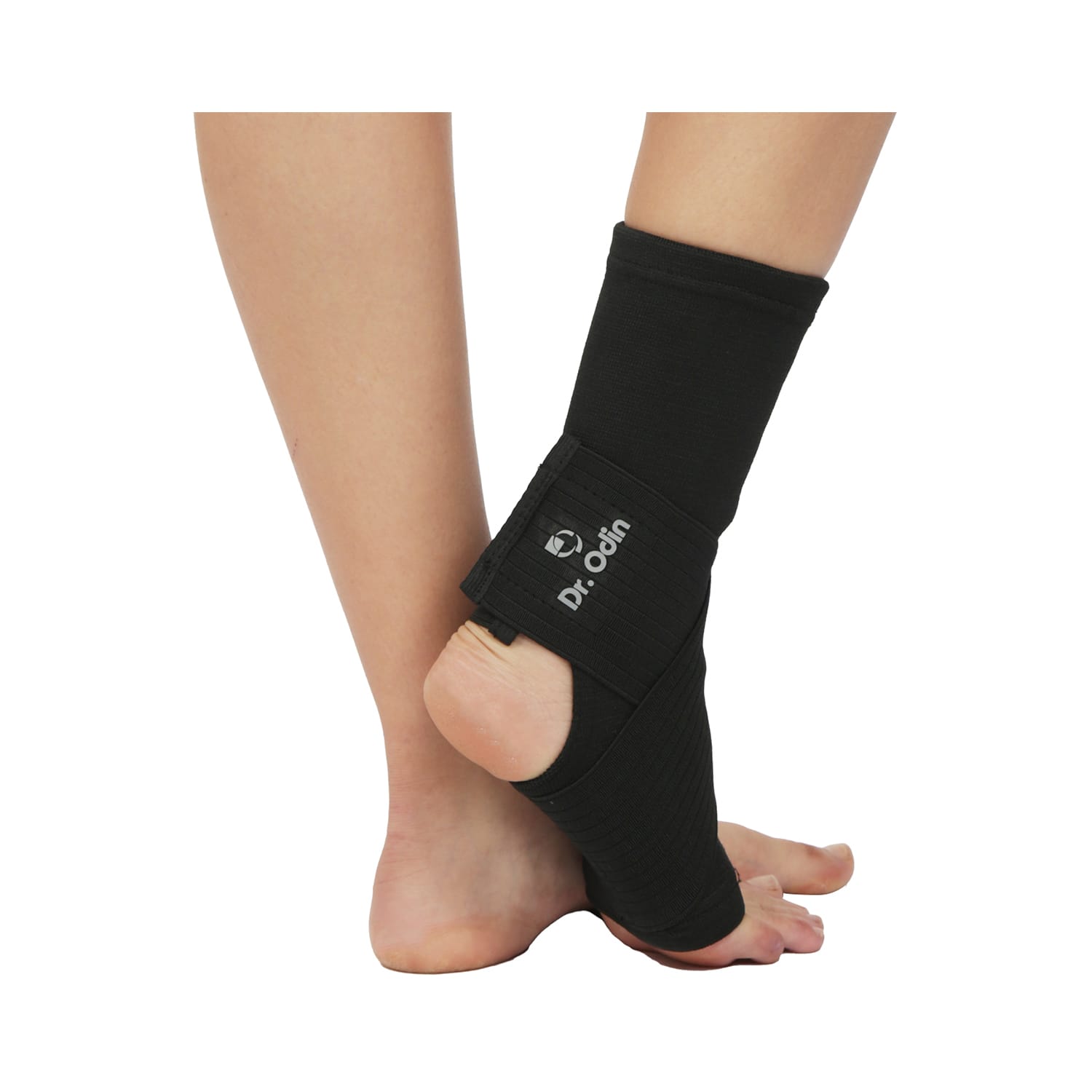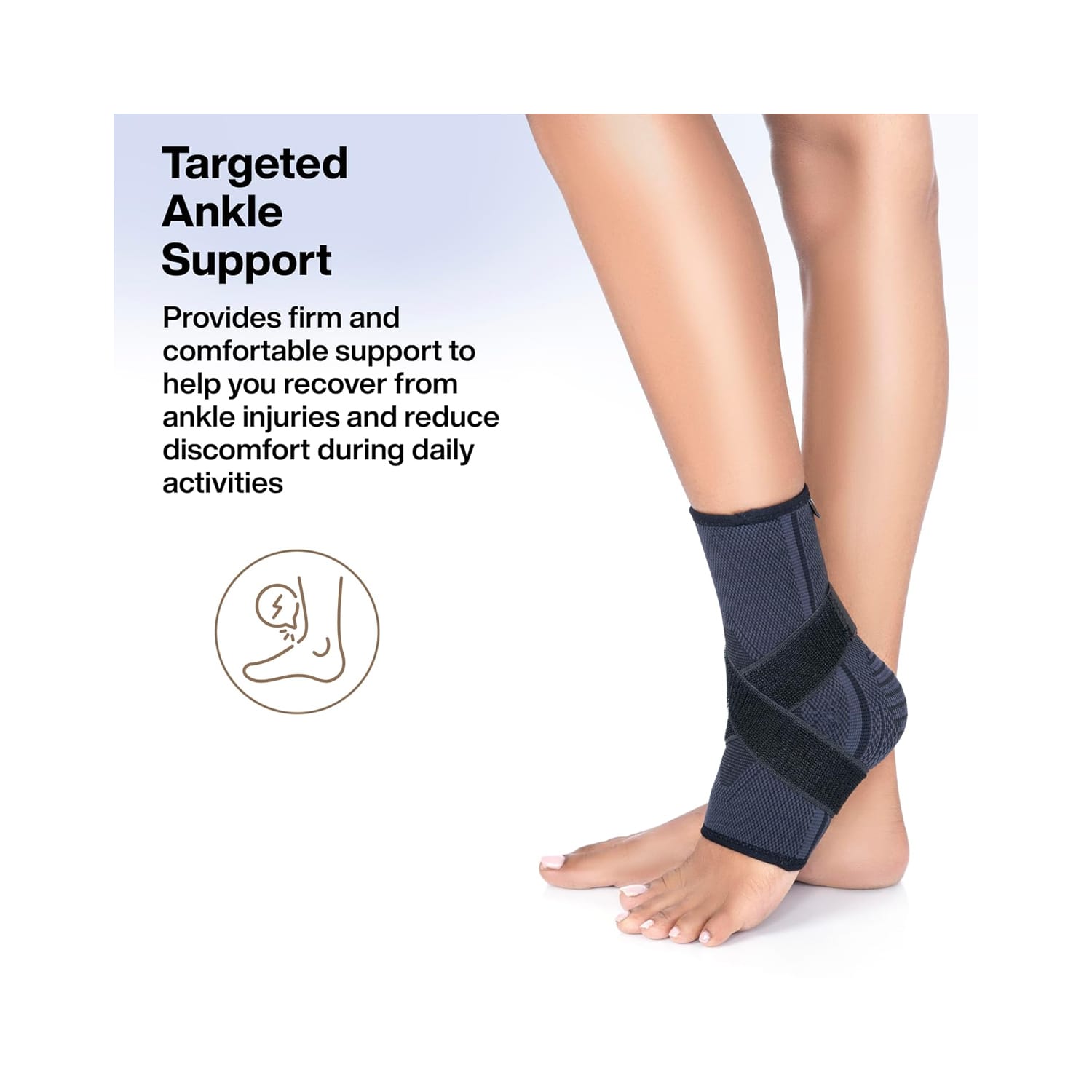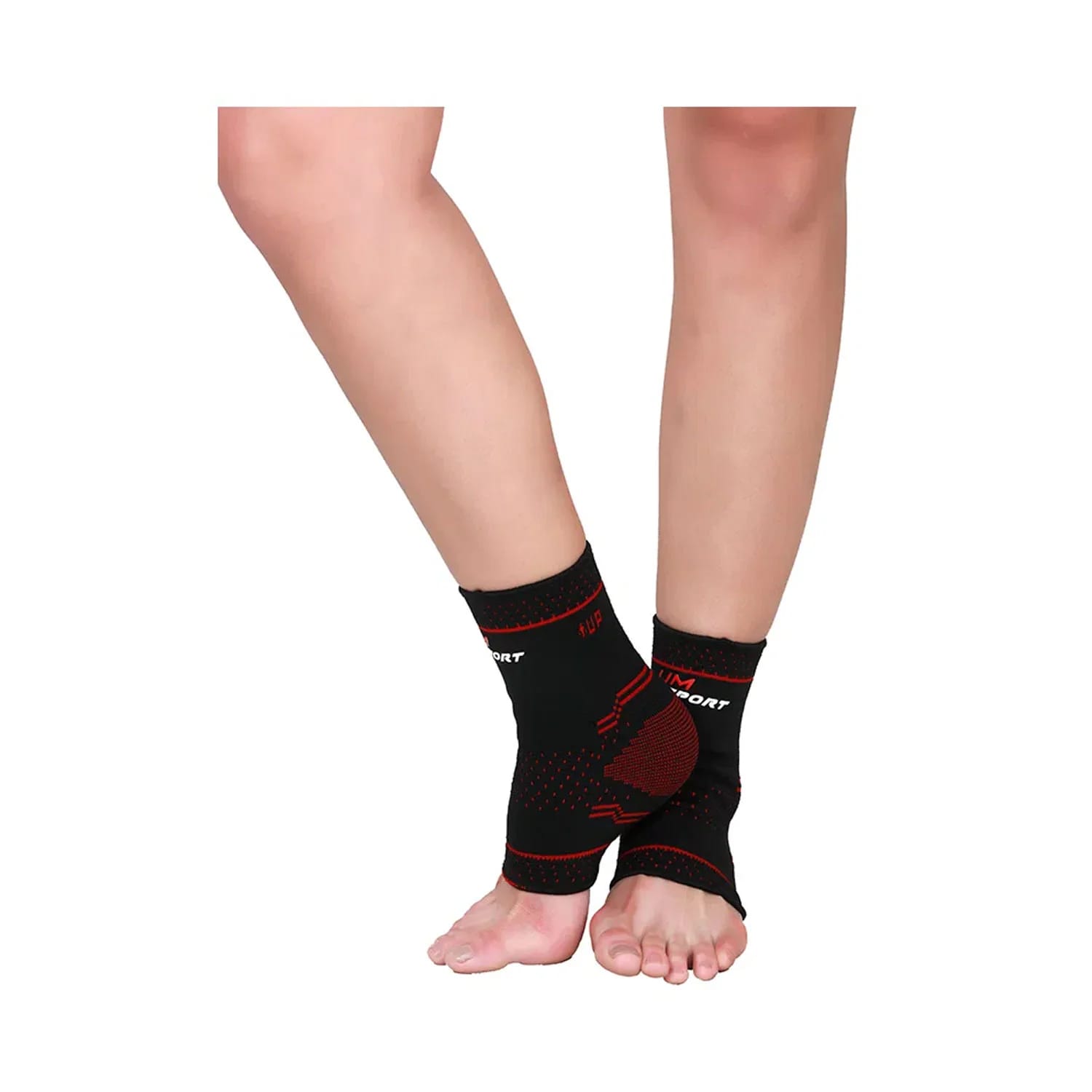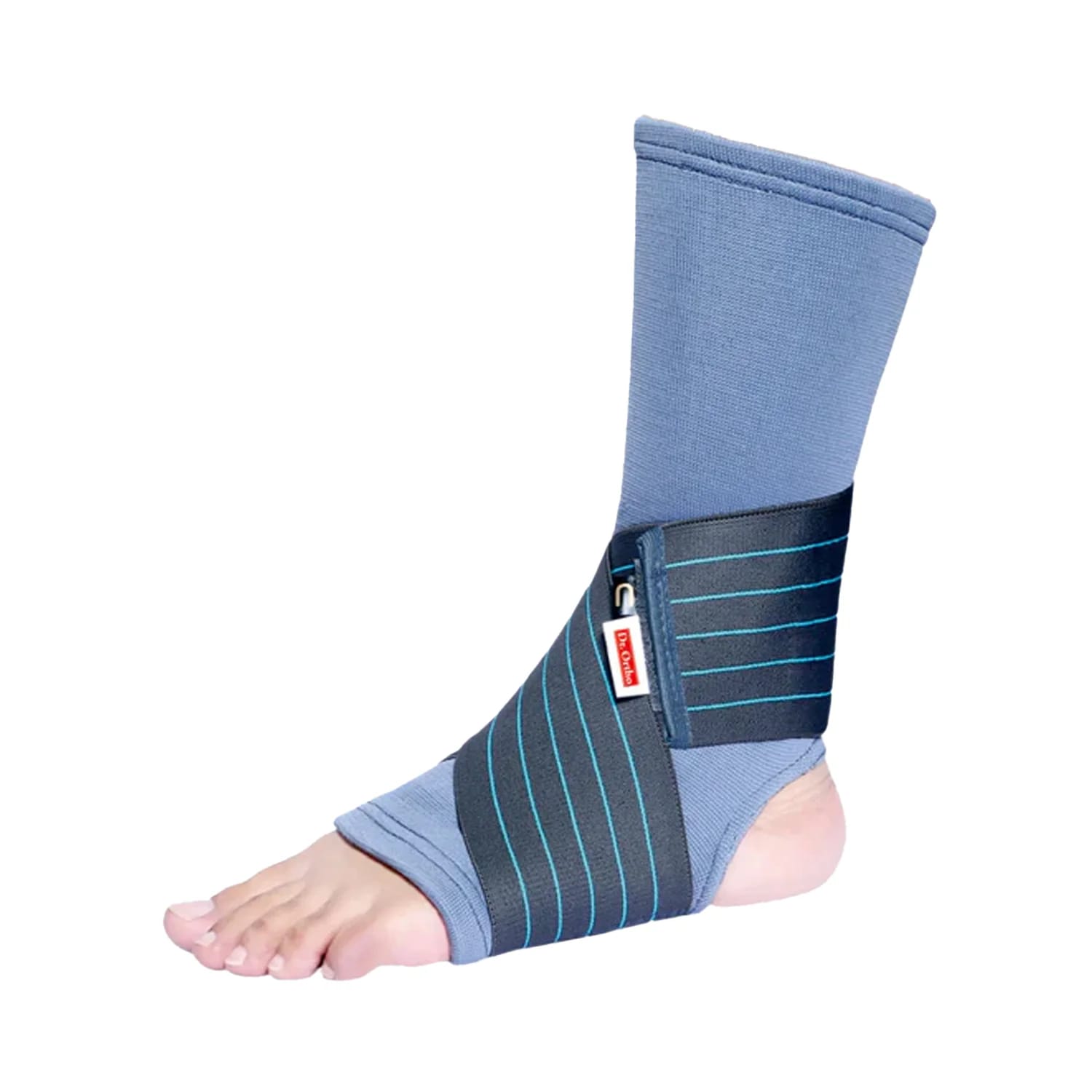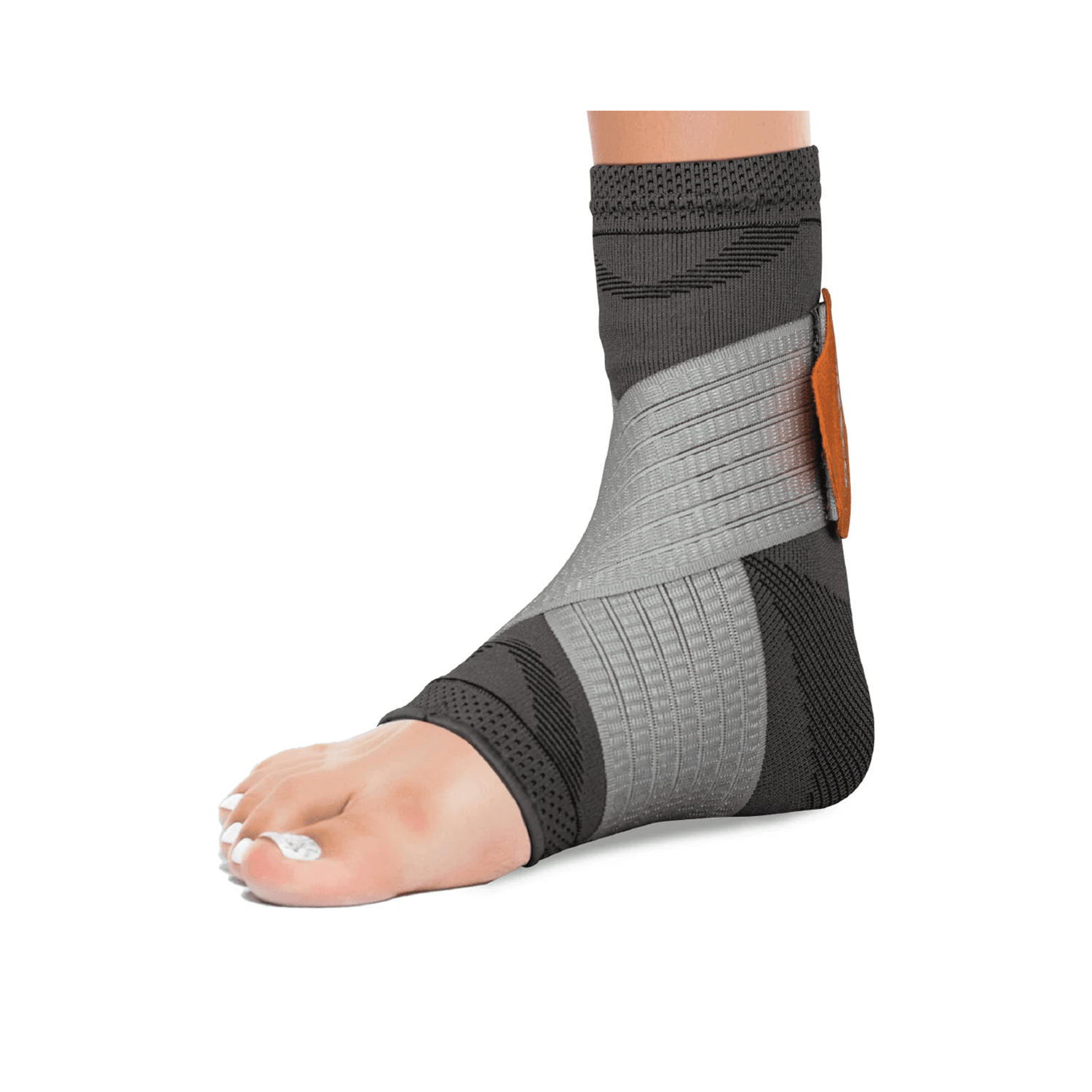


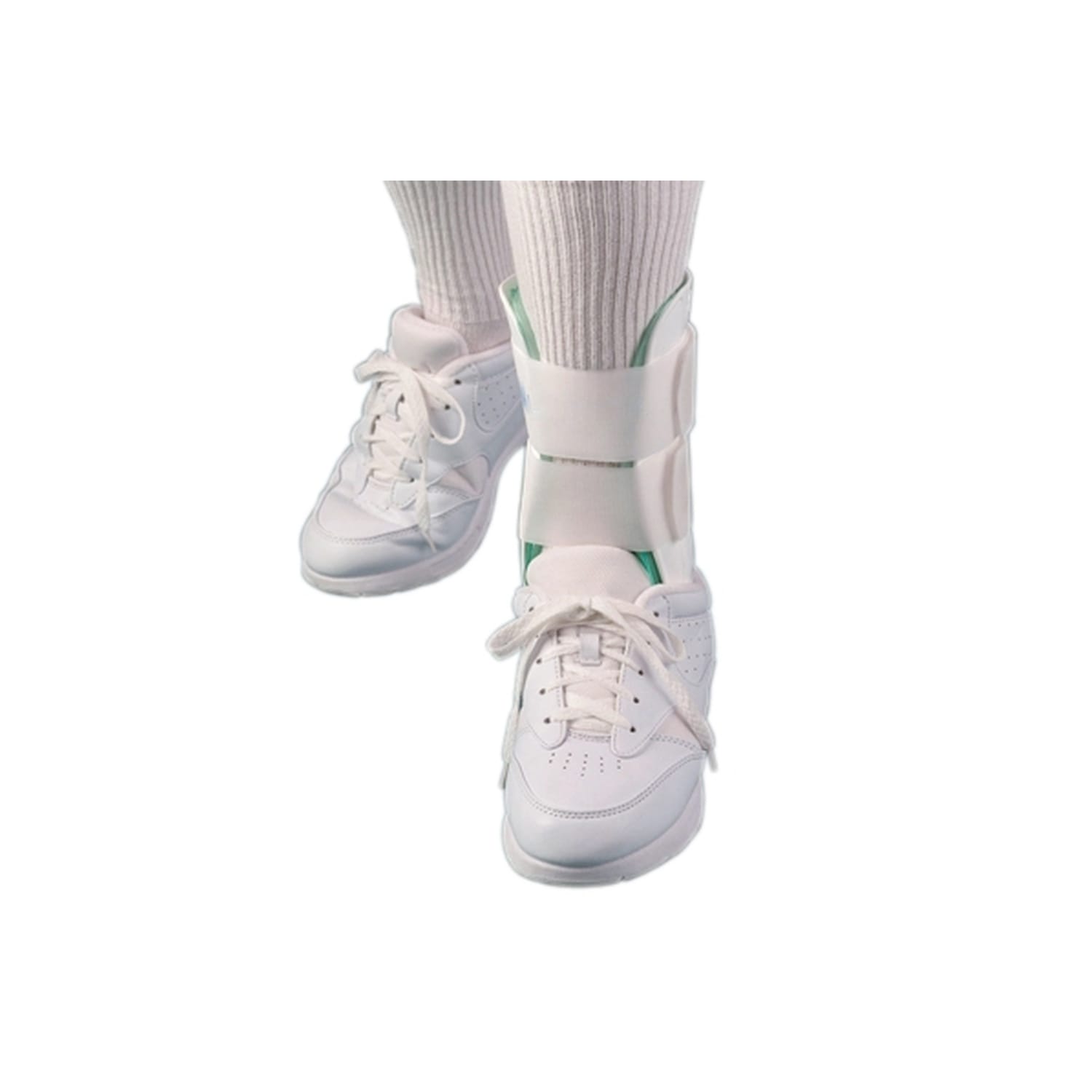
Aircast Air-Stirrup Ankle Brace Small (Right)
Aircast
₹3,5814% off₹3,730
Ankle Sprain / Strain
Twisted your ankle or experienced sudden pain during activity? Ankle sprains and strains are common injuries, but with proper care, you can heal and prevent future problems.
What is Ankle Sprain / Strain?
An ankle sprain involves stretching or tearing of the ligaments that support the ankle joint, while an ankle strain affects the muscles or tendons around the ankle. Both injuries can result from sudden movements, overexertion, or accidents.
Causes of Ankle Sprain / Strain
Twisting Injuries: Sudden twists or turns of the ankle, often during sports or uneven surfaces.
Overuse: Excessive use of the ankle without proper rest, leading to strain.
Falls or Accidents: Impact injuries from falling or landing awkwardly on the ankle.
Symptoms of Ankle Sprain / Strain
Pain: Sharp pain at the time of injury and ongoing discomfort.
Swelling: Noticeable swelling around the affected area.
Bruising: Discoloration around the ankle from bleeding under the skin.
Difficulty Moving: Limited range of motion and difficulty bearing weight on the ankle.
Tenderness: Sensitivity to touch around the injured area.
Diagnosis of Ankle Sprain / Strain
Physical Examination: Evaluation by a healthcare provider to assess the extent of the injury.
Imaging Tests: X-rays or MRI to identify the severity of the sprain or strain and rule out fractures.
Treatment of Ankle Sprain / Strain
Rest and Ice: Resting the ankle and applying ice to reduce pain and swelling.
Compression: Using an elastic bandage or wrap to support the ankle and manage swelling.
Elevation: Elevating the ankle to decrease swelling.
Orthopedic Supports: Provide stability and prevent further injury.
Pain Relief: Over-the-counter pain relievers like ibuprofen or acetaminophen.
Physical Therapy: Rehabilitation exercises to strengthen the ankle and restore flexibility.
Complications of Ankle Sprain / Strain
Chronic Instability: Persistent weakness or instability in the ankle.
Recurrent Injuries: Higher risk of repeated sprains or strains.
Persistent Pain: Long-term discomfort or stiffness.
Prevention of Ankle Sprain / Strain
Strengthening Exercises: Regular exercises to strengthen ankle muscles and ligaments.
Proper Footwear: Wear supportive and well-fitting shoes to reduce the risk of injury.
Avoiding Risky Activities: Be cautious when engaging in activities that increase the risk of ankle injuries.
Specialist to Consult
Orthopedic Specialist: For severe sprains or strains requiring advanced treatment.
Physical Therapist: For rehabilitation and strengthening exercises.
Primary Care Physician: For initial assessment and management of the injury.