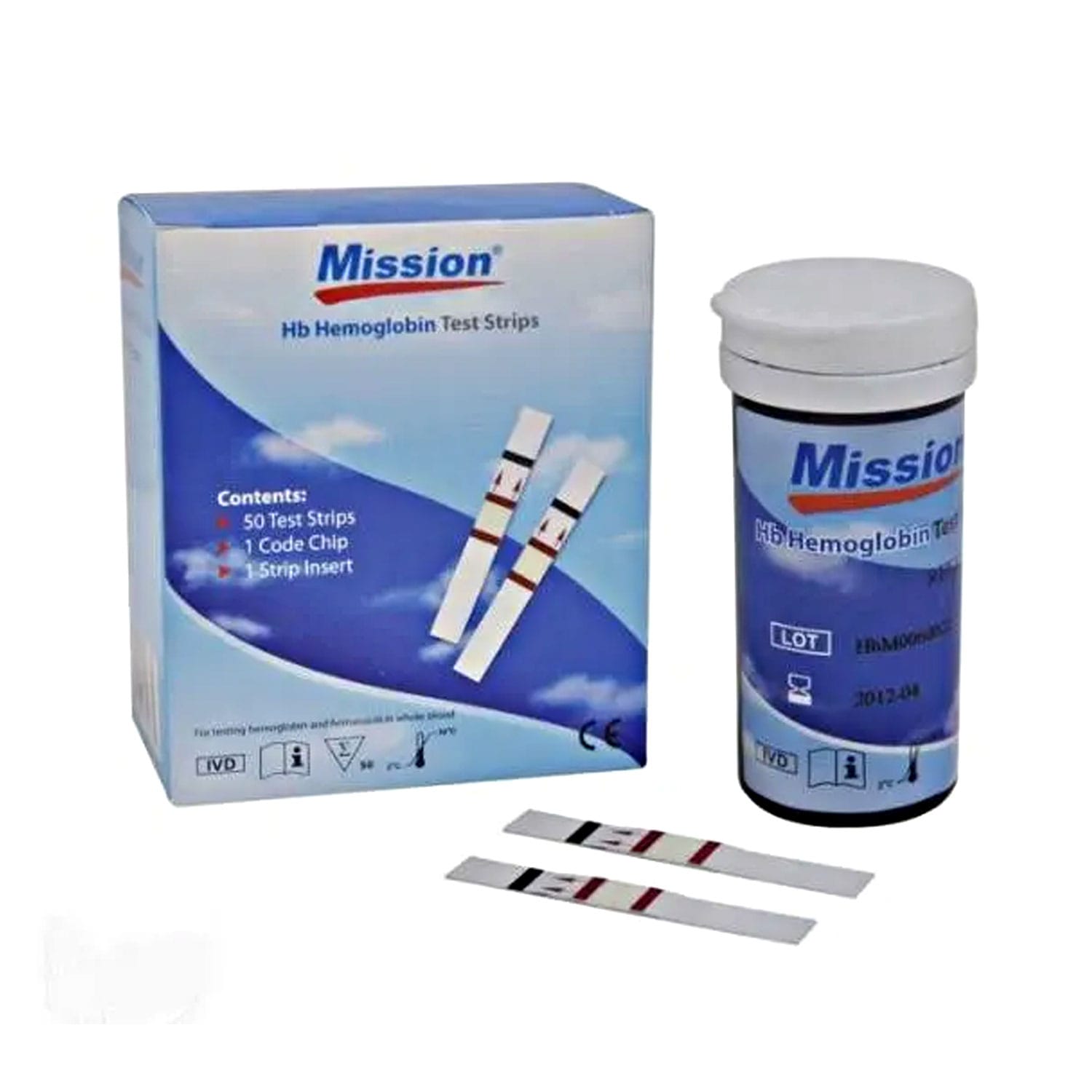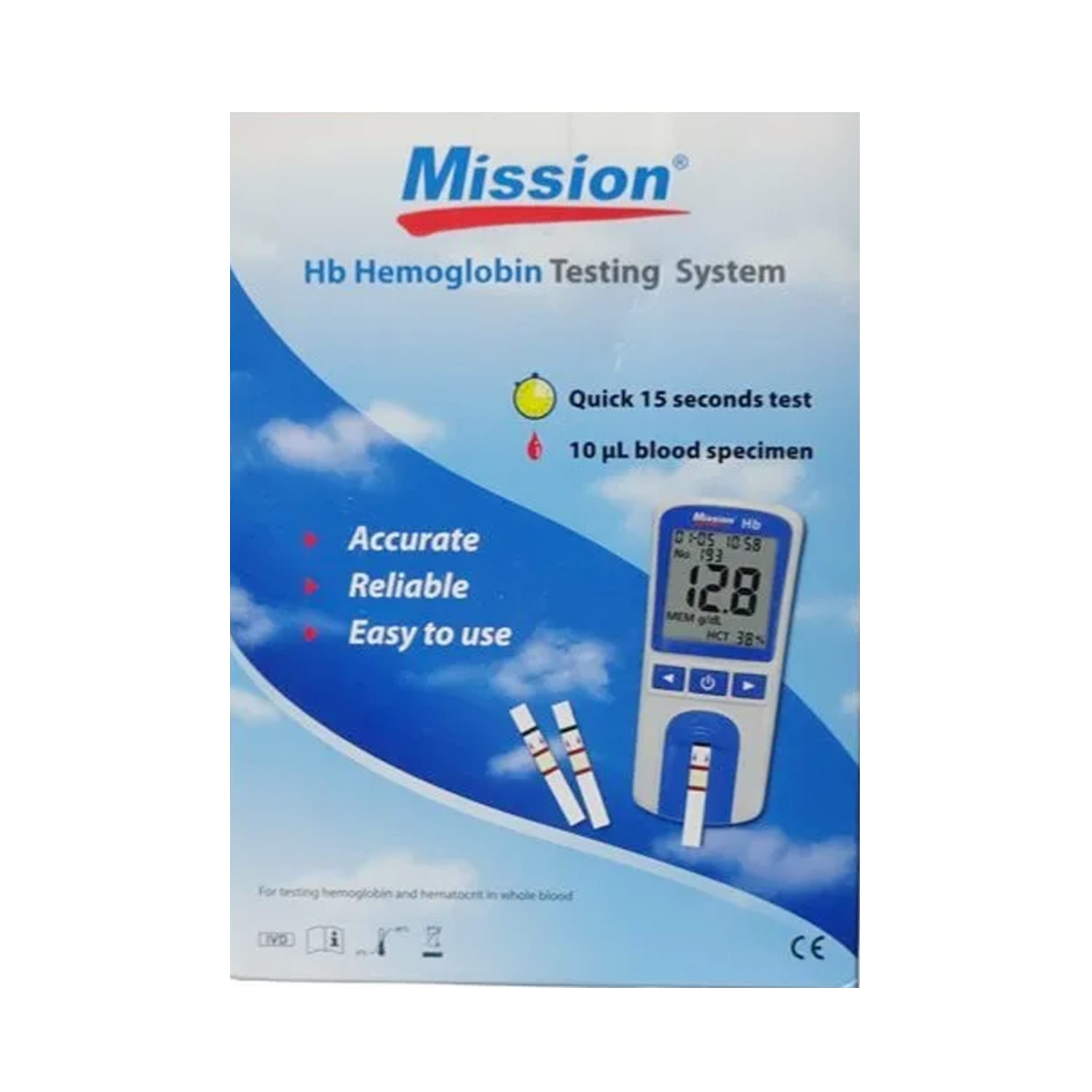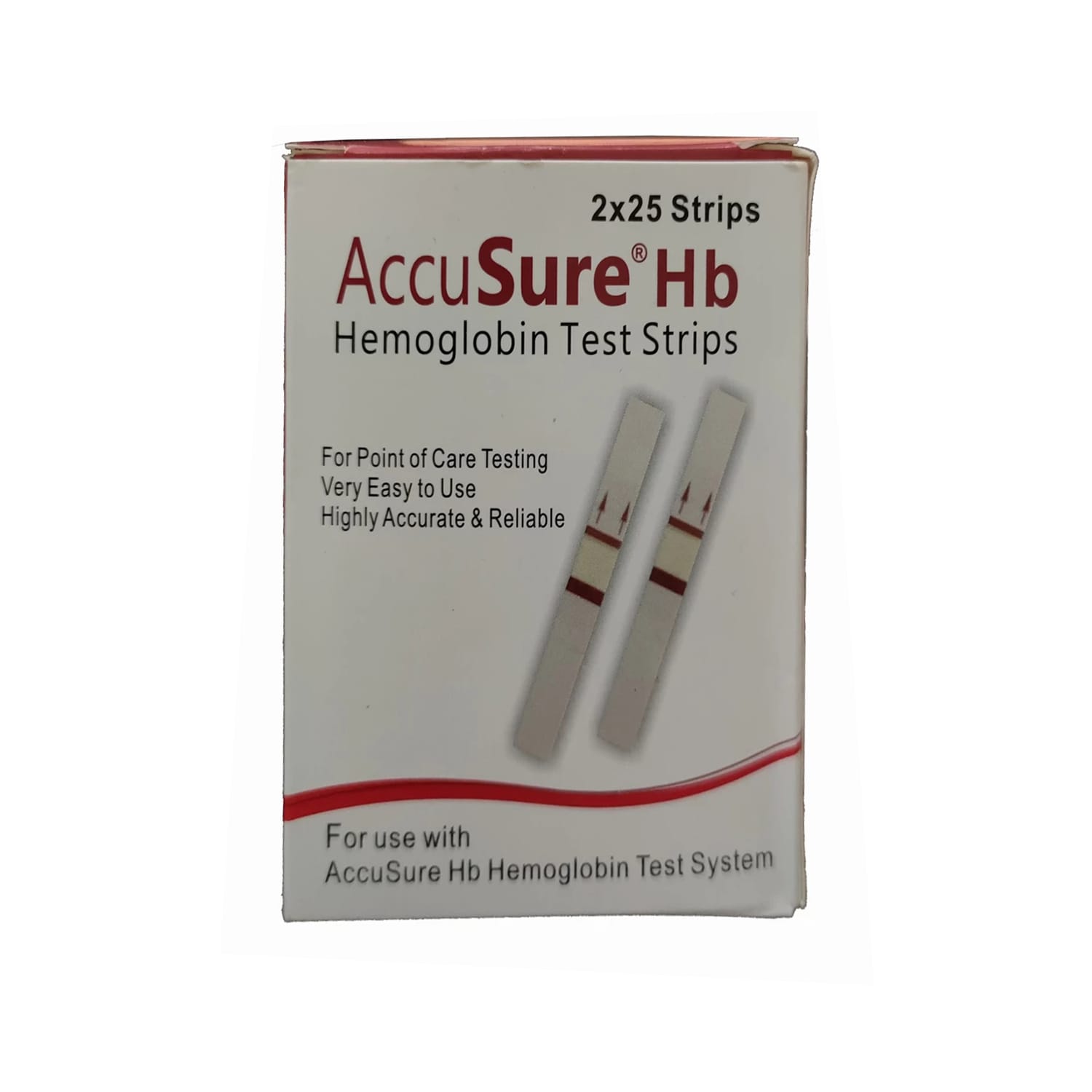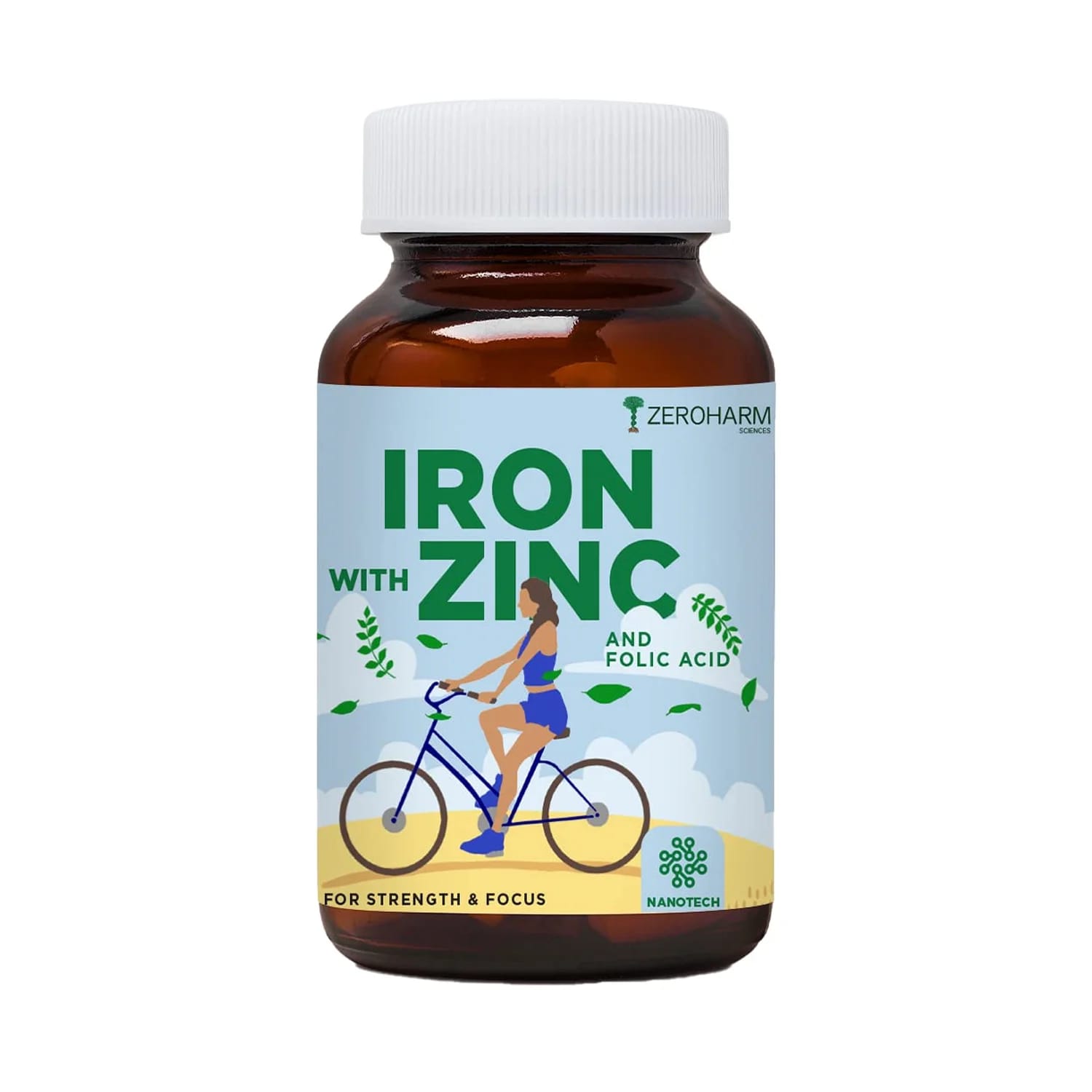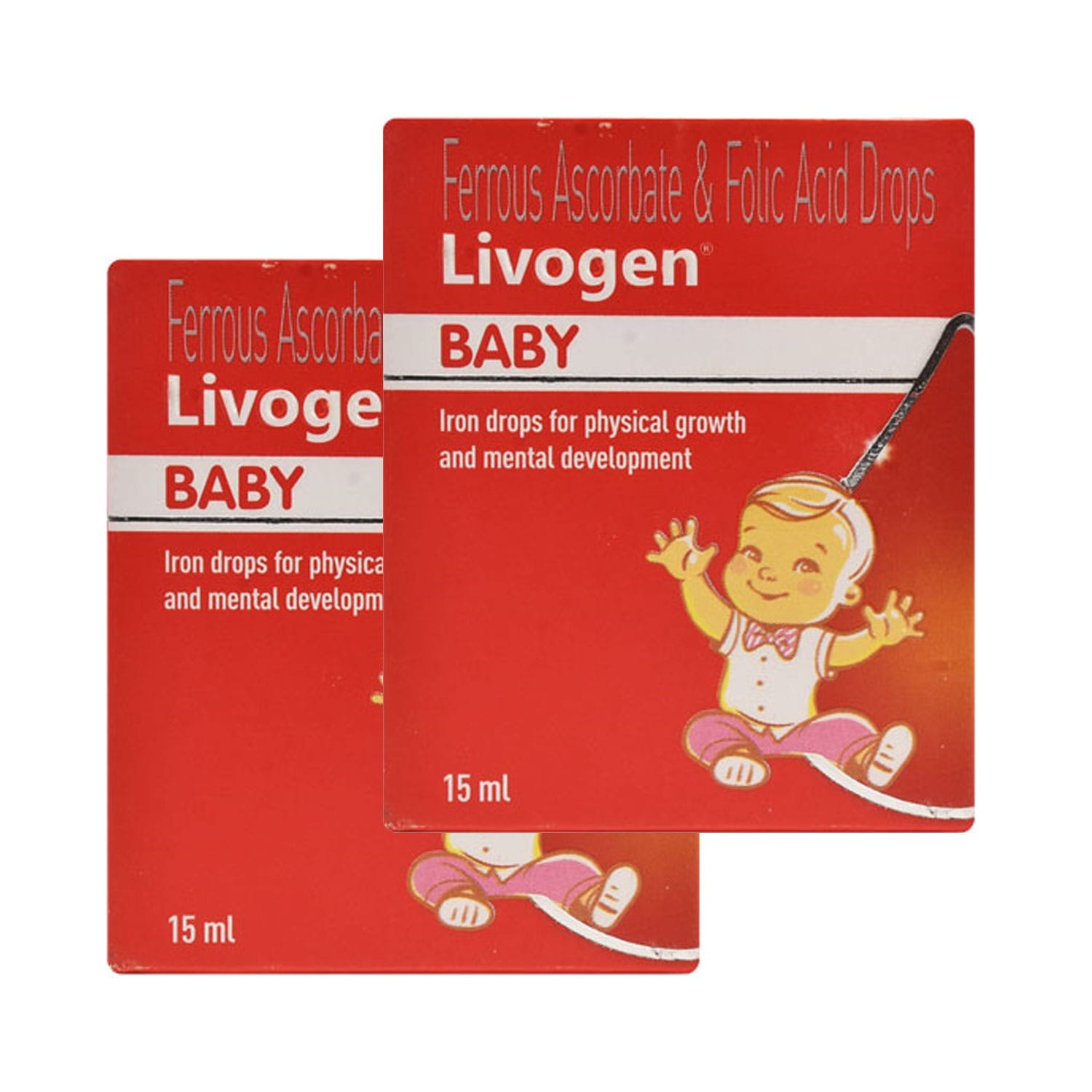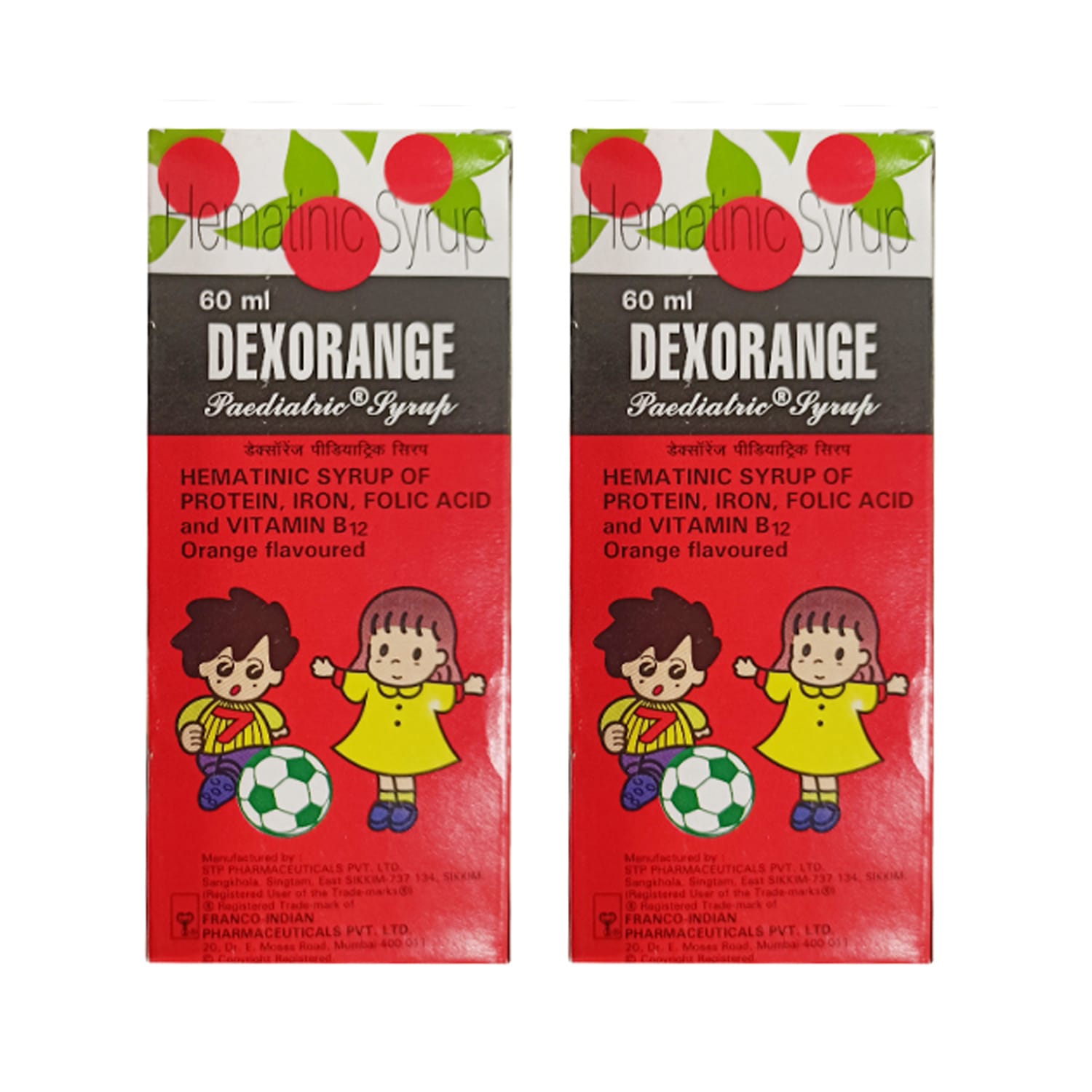


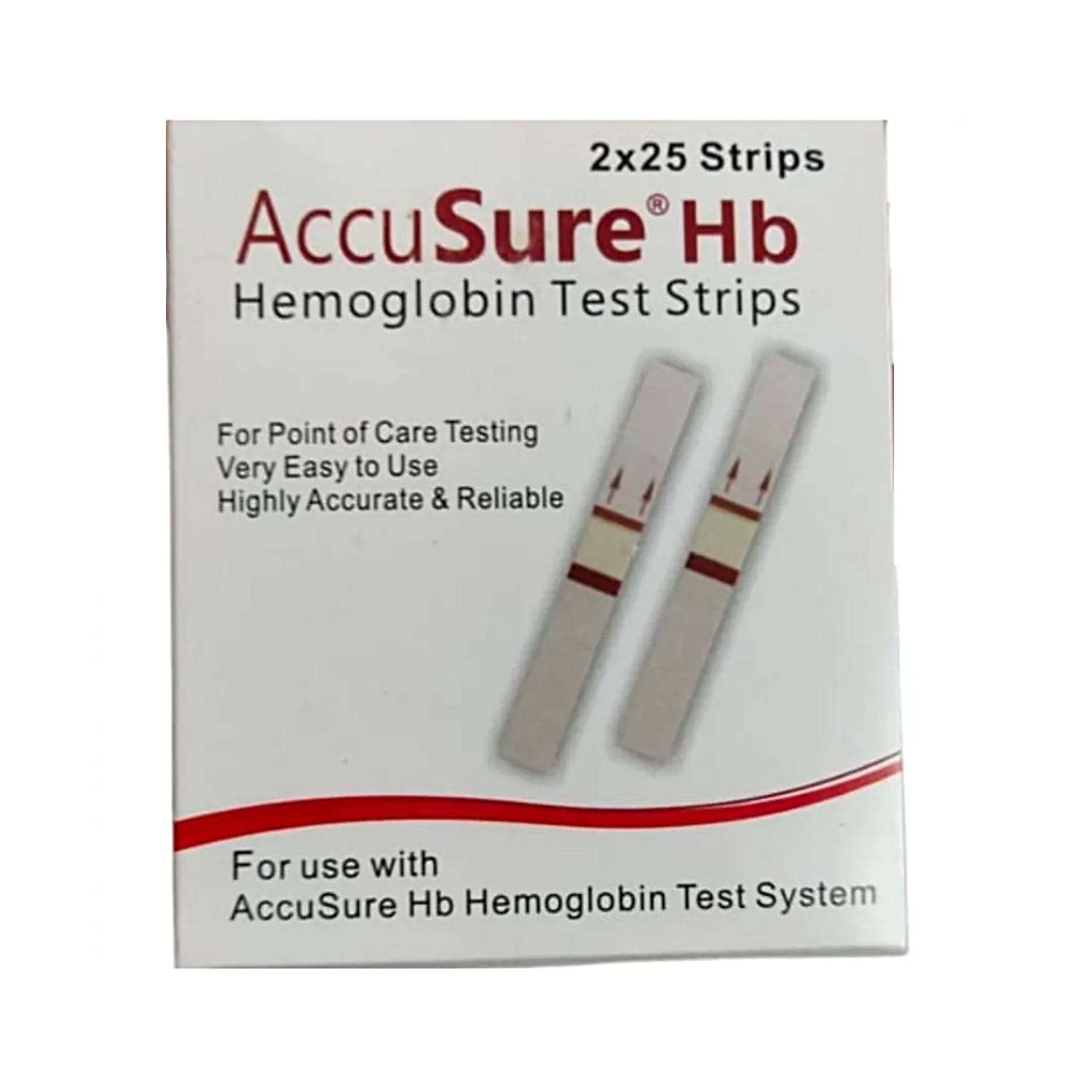
AccuSure Hb Hemoglobin 2x25 Test Strips
Accu Sure
₹3,75020% off₹4,688
Anemia
Ever felt unusually tired or short of breath? It might be more than just fatigue. Anemia could be the cause. Understanding this condition and taking proactive steps can help you manage its impact on your health.
What is Anemia?
Anemia is a condition where the body lacks enough healthy red blood cells to carry adequate oxygen to the tissues. This can lead to fatigue, weakness, and a variety of other symptoms. It can be caused by different factors, including nutritional deficiencies, chronic diseases, or genetic conditions.
Types of Anemia
Iron-Deficiency Anemia: The most common type, caused by a lack of iron which is necessary for hemoglobin production.
Vitamin Deficiency Anemia: Caused by a deficiency in vitamins B12 or folate.
Hemolytic Anemia: Occurs when red blood cells are destroyed faster than they can be made.
Aplastic Anemia: A rare condition where the body stops producing enough new blood cells.
Sickle Cell Anemia: A genetic disorder that causes red blood cells to be misshapen and break down.
Causes of Anemia
Nutritional Deficiencies: Inadequate intake of iron, vitamin B12, or folate can impair red blood cell production.
Chronic Diseases: Conditions like chronic kidney disease, cancer, and rheumatoid arthritis can interfere with red blood cell production.
Genetic Conditions: Inherited disorders such as sickle cell anemia and thalassemia affect the red blood cells.
Blood Loss: Heavy menstrual periods, ulcers, or gastrointestinal bleeding can lead to significant blood loss.
Bone Marrow and Stem Cell Problems: Diseases affecting bone marrow, such as leukemia, can disrupt blood cell production.
Symptoms of Anemia
Fatigue and Weakness: Feeling unusually tired and weak.
Shortness of Breath: Difficulty breathing during normal activities.
Pale or Yellowish Skin: A noticeable change in skin color.
Irregular Heartbeats: Heart palpitations or a fast heartbeat.
Dizziness or Lightheadedness: Feeling faint or unsteady.
Cold Hands and Feet: Sensation of coldness in extremities.
Headaches: Frequent headaches.
Diagnosis and Treatment
Diagnosis:
Blood Tests: Complete blood count (CBC) to check hemoglobin and hematocrit levels.
Iron Studies: To measure iron levels and assess iron deficiency.
Vitamin Levels: Tests to check levels of vitamin B12 and folate.
Bone Marrow Tests: To examine bone marrow function if needed.
Treatment:
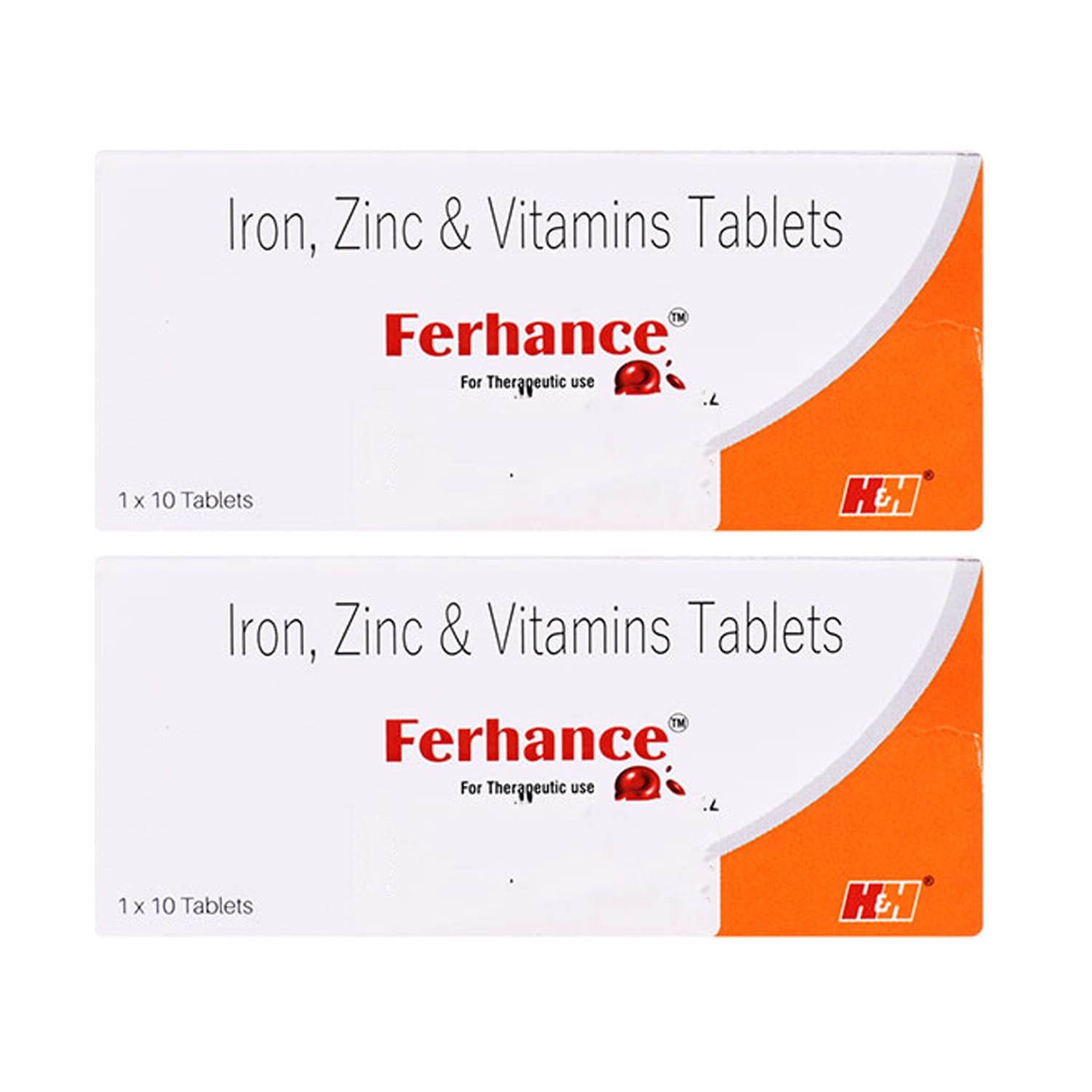
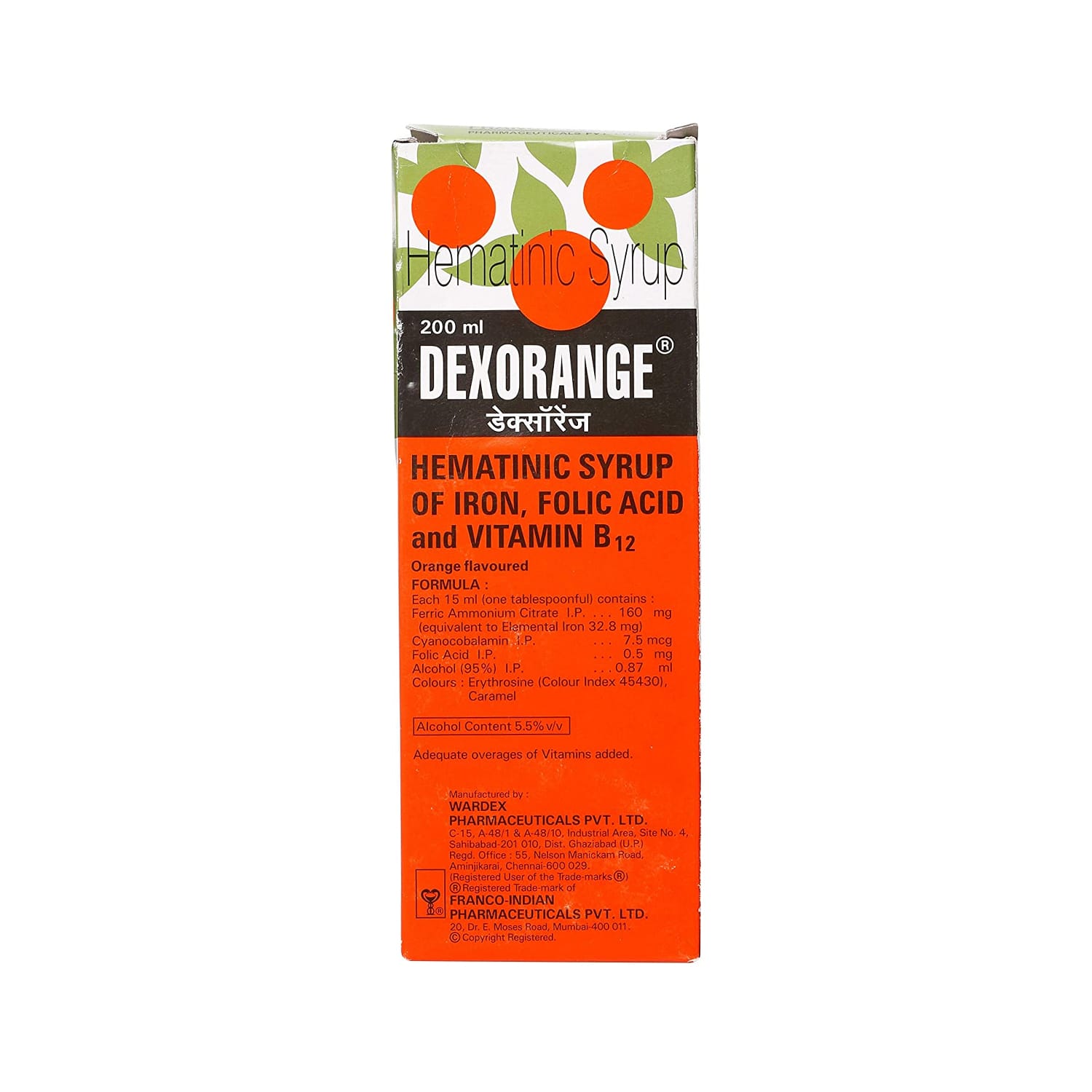
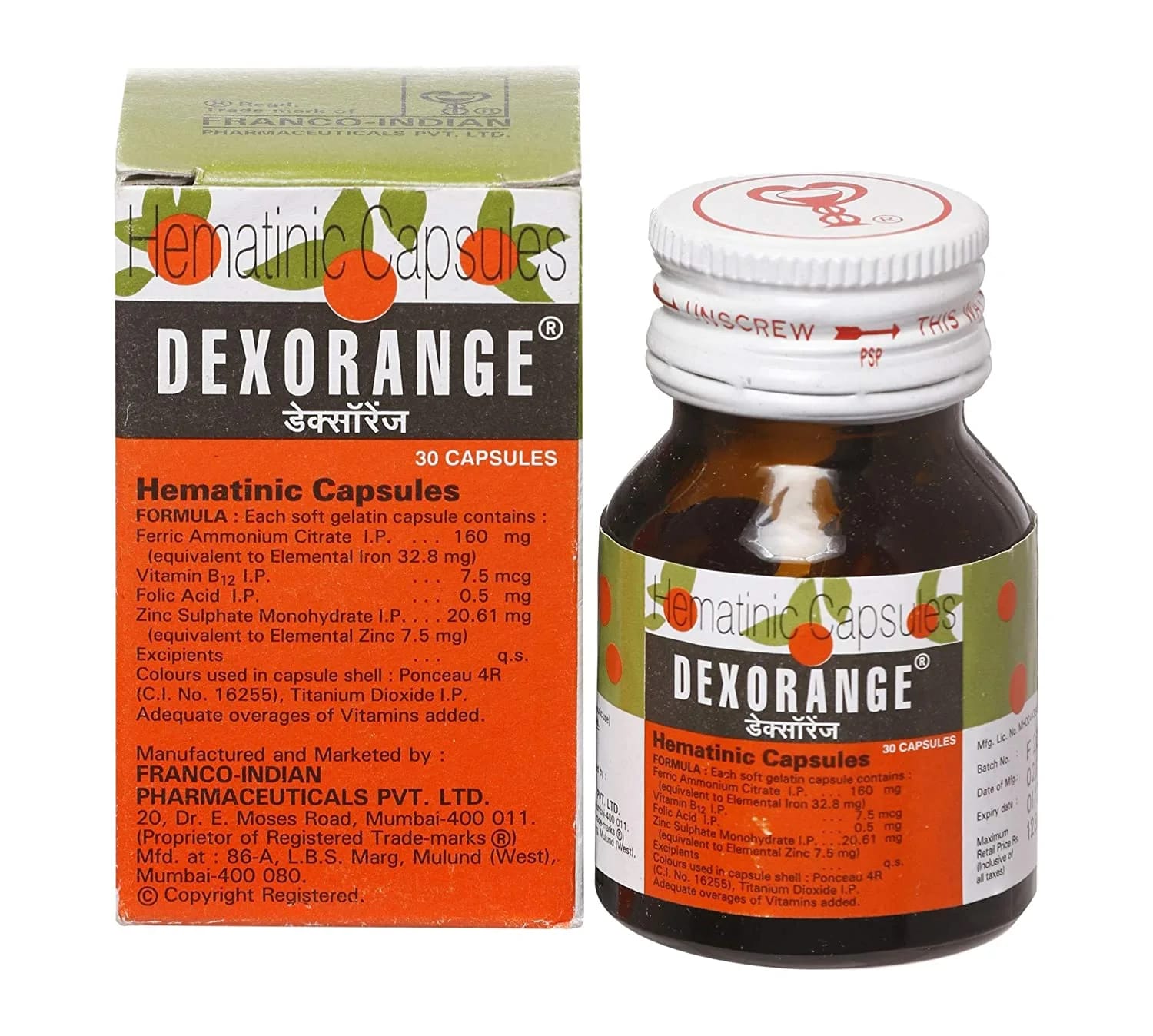
Iron Supplements: Oral or intravenous iron to treat iron-deficiency anemia.
Vitamin Supplements: Vitamin B12 or folate supplements for deficiency anemias.
Medications: Drugs to stimulate red blood cell production or treat underlying conditions.
Blood Transfusions: For severe anemia or acute blood loss.
Dietary Changes: Eating iron-rich foods (red meat, beans, spinach), vitamin B12 (meat, dairy), and folate (leafy greens, nuts).
Prevention
Balanced Diet: Eating a diet rich in iron, vitamins B12 and folate.
Regular Check-ups: Monitoring blood levels and addressing any deficiencies early.
Healthy Lifestyle: Maintaining a healthy weight, exercising regularly, and avoiding excessive alcohol consumption.
Specialist to Consult
Hematologist: For diagnosis and treatment of blood disorders.
Dietitian: For dietary advice to manage and prevent anemia.
Primary Care Physician: For routine monitoring and management of overall health.