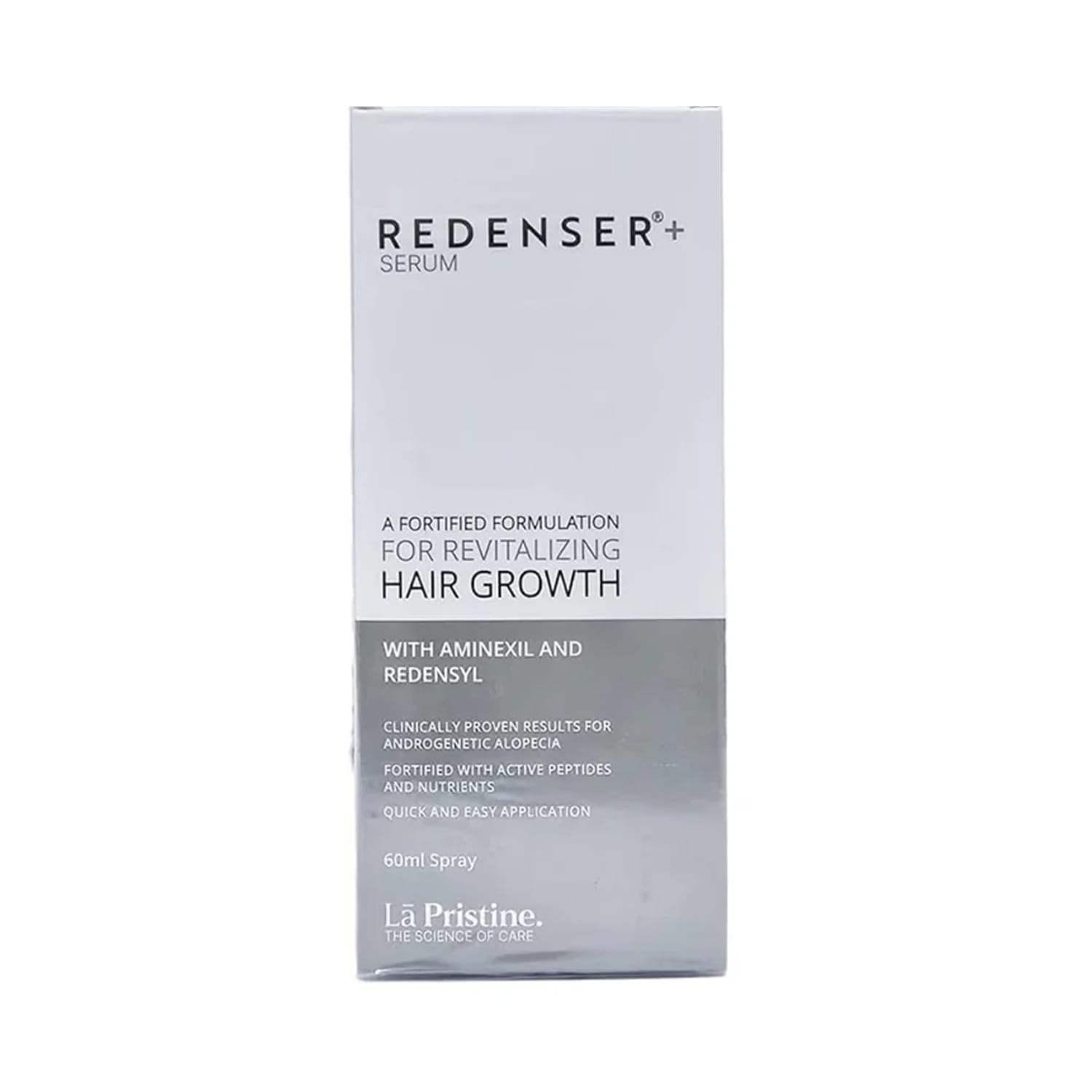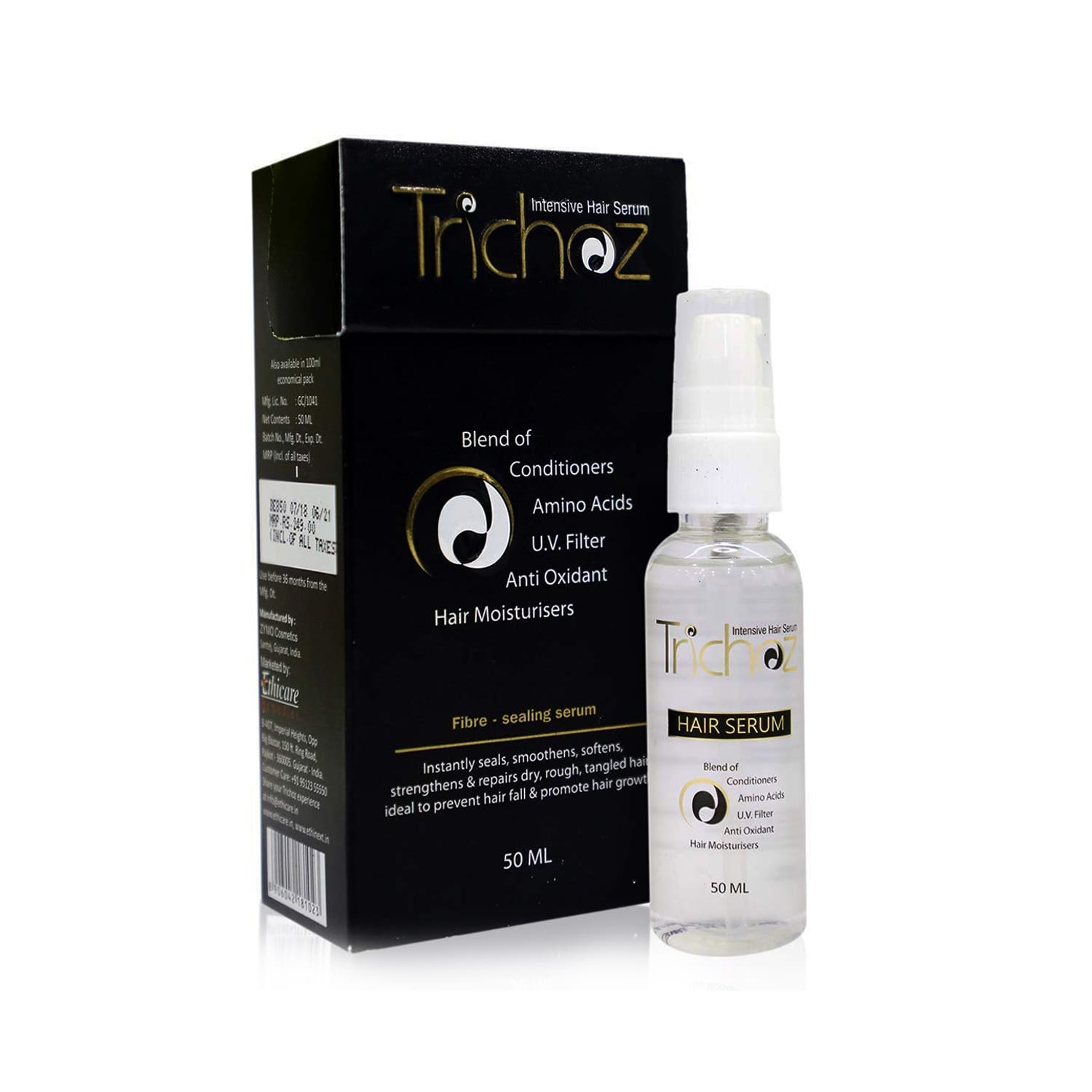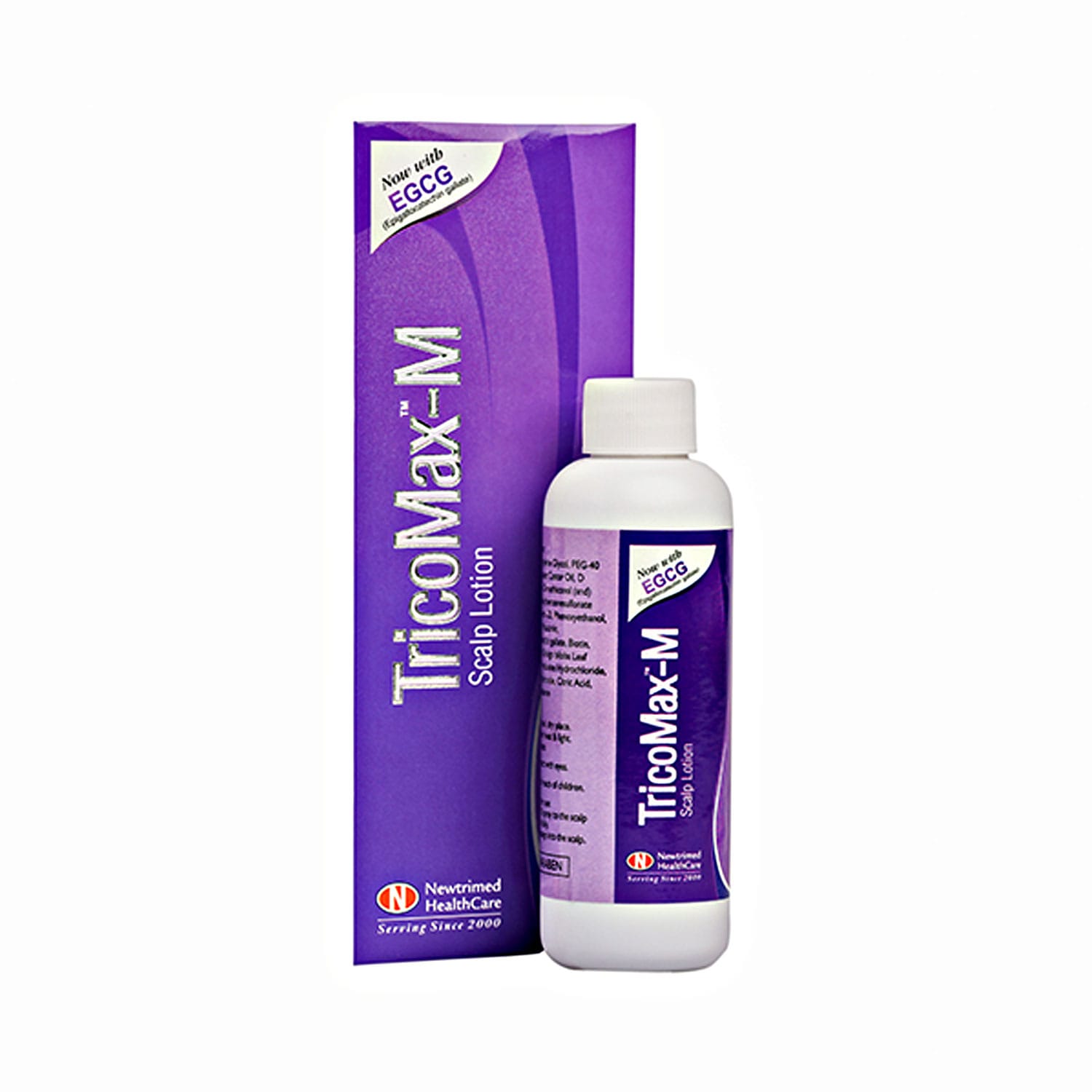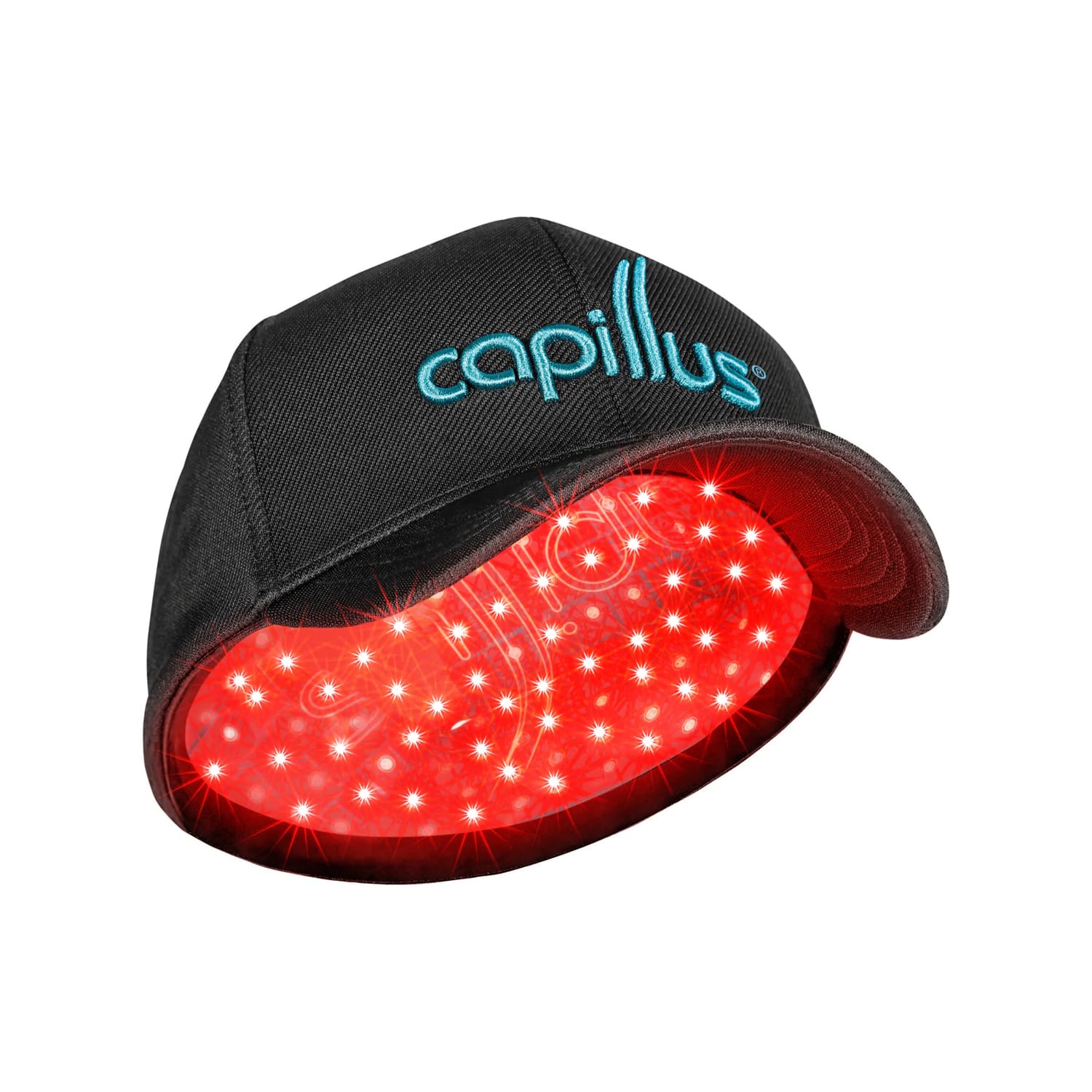


Bestseller
Health etc Hair Health Gummy for Men and Women (30 Gummies)
Health etc.
₹8188% off₹889
Hair Loss/ Alopecia or Baldness
Ever wondered why you’re losing more hair than usual? Hair loss, or alopecia, can be alarming, but with the right knowledge and preventive measures, you can manage and possibly reverse the condition.
What is Hair Loss?
Hair loss is a natural part of the hair growth cycle, with most people losing up to 100 strands of hair daily. For many, these strands are replaced by new growth, maintaining a full head of hair. However, various factors such as illness, hormonal changes, stress, aging, and genetic conditions can disrupt this cycle, leading to excessive hair loss where new strands do not grow back.
Types of Alopecia
Androgenic Alopecia: Commonly referred to as male or female pattern baldness, this hereditary condition affects both genders.
Alopecia Areata: An autoimmune disorder causing hair loss on the scalp and body.
Telogen Effluvium: Rapid hair shedding due to physical or emotional stress or sudden hormonal changes.
Anagen Effluvium: Quick hair loss typically resulting from medical treatments like chemotherapy.
Causes
Nutritional Deficiencies: Iron, protein, vitamins (D, B12), minerals (zinc, selenium), and fatty acids are crucial for hair health.
Physical or Emotional Stress: Surgery, severe illness, extreme weight loss, and traumatic events can trigger hair loss.
Environmental Factors: Pollution and UV radiation can damage hair follicles.
Hairstyles and Hair Treatments: Tight hairstyles and chemical treatments can cause traction alopecia and hair damage.
Lifestyle Factors: Smoking, poor diet, and excessive alcohol consumption negatively impact hair health.
Hormonal Changes: Pregnancy, menopause, thyroid disorders, and other hormonal fluctuations affect hair growth.
Medical Conditions and Treatments: Autoimmune diseases, scalp infections, chemotherapy, and certain medications can lead to hair loss.
Genetics (Hereditary Hair Loss): Androgenic alopecia is influenced by genetic factors and the hormone DHT.
Symptoms
Thinning Hair: General thinning across the scalp, common in female pattern baldness.
Receding Hairline: Common in male pattern baldness.
Burning or Stinging: Before sudden hair loss in alopecia areata.
Intense Itching: Burning and tenderness at the hair loss site.
Complete Hair Loss: Loss of hair on the scalp and body.
Treatment
Medications:
Capixyl: Peptide complex that helps reduce hair loss and promote hair growth.
Redensyl: Plant-based compound that targets hair follicle stem cells.
Protein Extract: Natural ingredient that strengthens and nourishes hair.
Minoxidil: Over-the-counter topical solution to stimulate hair growth.
Finasteride: Prescription medication for men to slow hair loss and promote regrowth.
Corticosteroids: Injections or topical applications to reduce inflammation in alopecia areata.
Supplements: Biotin, vitamins E and C, zinc, folic acid and amino acids strengthen hair follicles, reduce shedding, and nourish the scalp.
Hair Transplants: Surgical options for permanent hair restoration.
Lifestyle Changes: Healthy diet, reducing stress, and proper hair care practices.
Hair Care Products: Gentle shampoos and conditioners, avoiding excessive styling or heat treatments.
Prevention
Healthy Diet: Consuming a balanced diet with essential vitamins and minerals.
Stress Management: Practicing relaxation techniques and maintaining a healthy lifestyle.
Gentle Hair Care: Using mild shampoos, avoiding excessive styling or heat treatments.
Regular Check-ups: Monitoring hormonal levels and addressing any underlying health conditions.
Specialist to Consult
Dermatologist: For diagnosis and treatment of hair loss and scalp conditions.
Endocrinologist: For hormonal-related hair loss.
Psychologist: For coping with the emotional impact of hair loss.