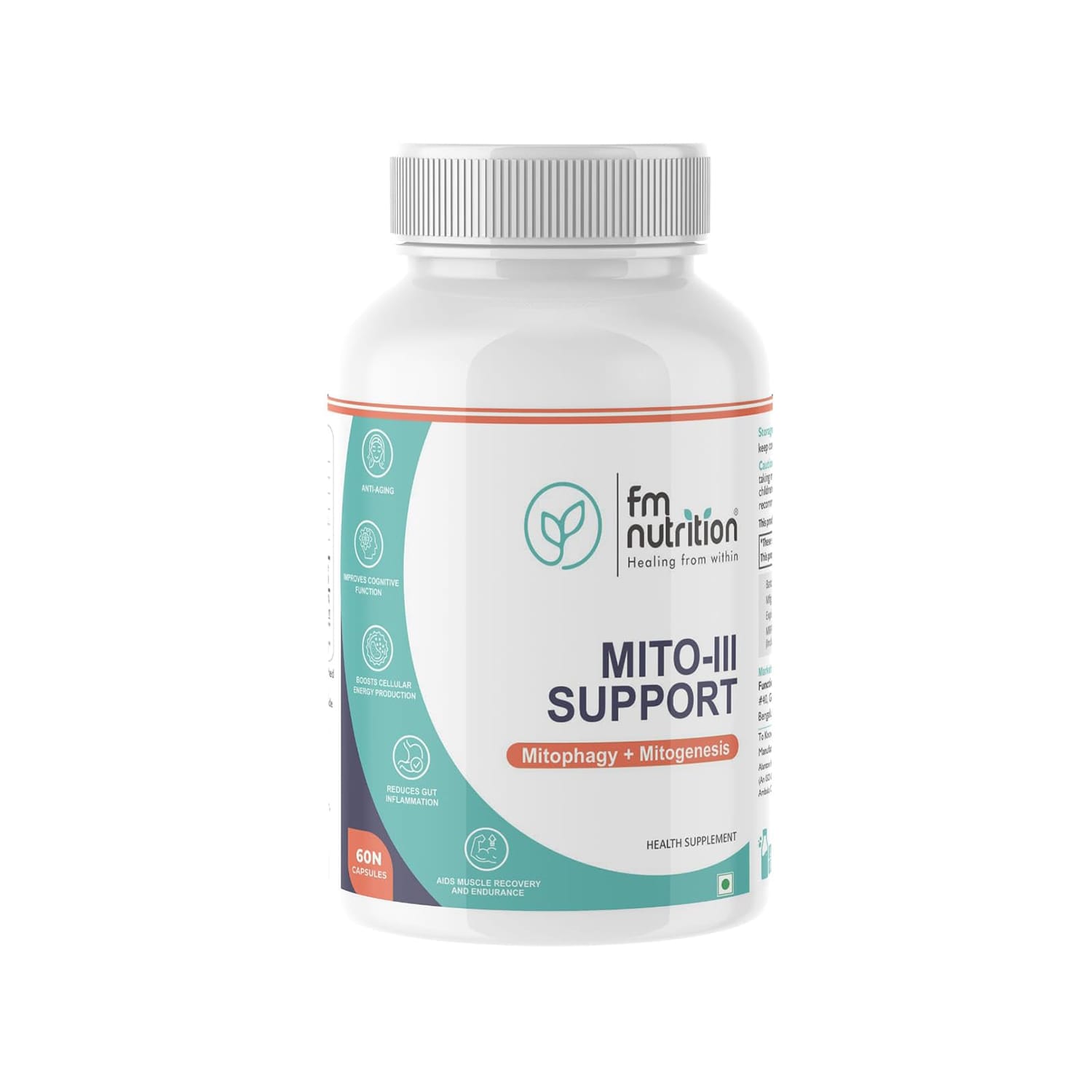



FM Nutrition Liposomal CoQ10 Ubiquinol 100mg (30 Capsules)
fm nutrition
₹1,199₹1,199
Aging / Age Spots
Do you often notice dark patches or spots appearing on your skin as you age? If yes, you're among many who experience the common signs of aging, including age spots. These skin changes can be effectively managed with the right knowledge and treatment.
What are Age Spots?
Age spots, also known as liver spots or solar lentigines, are flat, brown, gray, or black spots that typically appear on areas of the skin exposed to the sun. They vary in size and usually appear on the face, hands, shoulders, and arms. Age spots are very common in adults over 50, but younger people can get them too, especially if they spend a lot of time in the sun.
Key Facts
Risk Factors: Include prolonged sun exposure, hormonal changes, improper use of cosmetics and age.
Complications: Generally harmless but can sometimes be mistaken for skin cancer.
Lifestyle Changes: Using sunscreen, wearing protective clothing, and avoiding the sun during peak hours can help prevent age spots.
Symptoms
Flat Patches: Flat, oval areas of increased pigmentation.
Varied Color: Spots that are brown, black, or gray.
Common Locations: Often found on the face, back of hands, shoulders, and upper back.
Causes
Sun Exposure: Ultraviolet (UV) light accelerates the production of melanin, the natural pigment that gives skin its color.
Aging: As you age, melanin production can become uneven.
Hormonal Changes: Fluctuations in hormone levels, such as during pregnancy or menopause, can lead to the development of age spots.
Improper Use of Cosmetics: Using cosmetics that irritate the skin or contain harmful chemicals can trigger melanin overproduction, resulting in age spots.
Treatment
Medications:
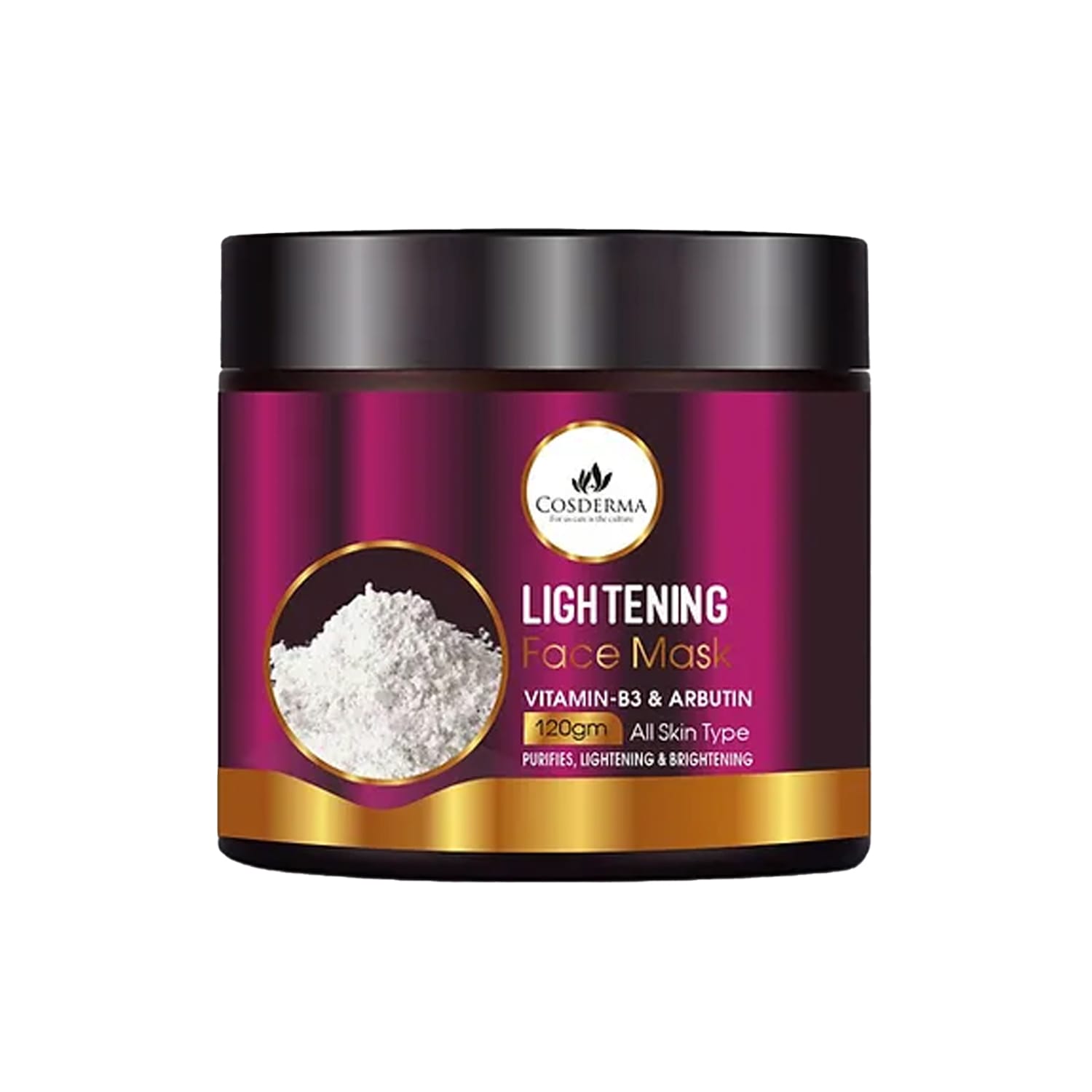
Topical Creams: Lightening creams containing skin lightening ingredients, retinoids, and mild steroids.
Chemical Peels: To remove the outer layer of skin, allowing new skin to grow.
Laser Therapy: Targets and destroys melanocytes without damaging the skin’s surface.
Cryotherapy: Freezing age spots with liquid nitrogen.
Dermabrasion: Sands down the surface layer of the skin, allowing new skin to grow.
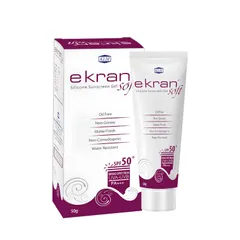
Skincare: Use of broad-spectrum sunscreen with SPF 30 or higher, moisturizing regularly.
Lifestyle Changes: Avoid sun exposure between 10 a.m. and 4 p.m., wear protective clothing.
Prevention
Sun Protection: Use sunscreen daily, wear wide-brimmed hats, and sunglasses.
Healthy Diet: Foods rich in antioxidants can help protect your skin.
Regular Skin Checks: Monitor your skin for changes and consult a dermatologist with any concerns and use dermatologist recommended products.
Specialist to Consult
Dermatologist: For diagnosis and treatment of age spots and other skin concerns.
Cosmetic Dermatologist: For advanced treatment options like laser therapy and dermabrasion.
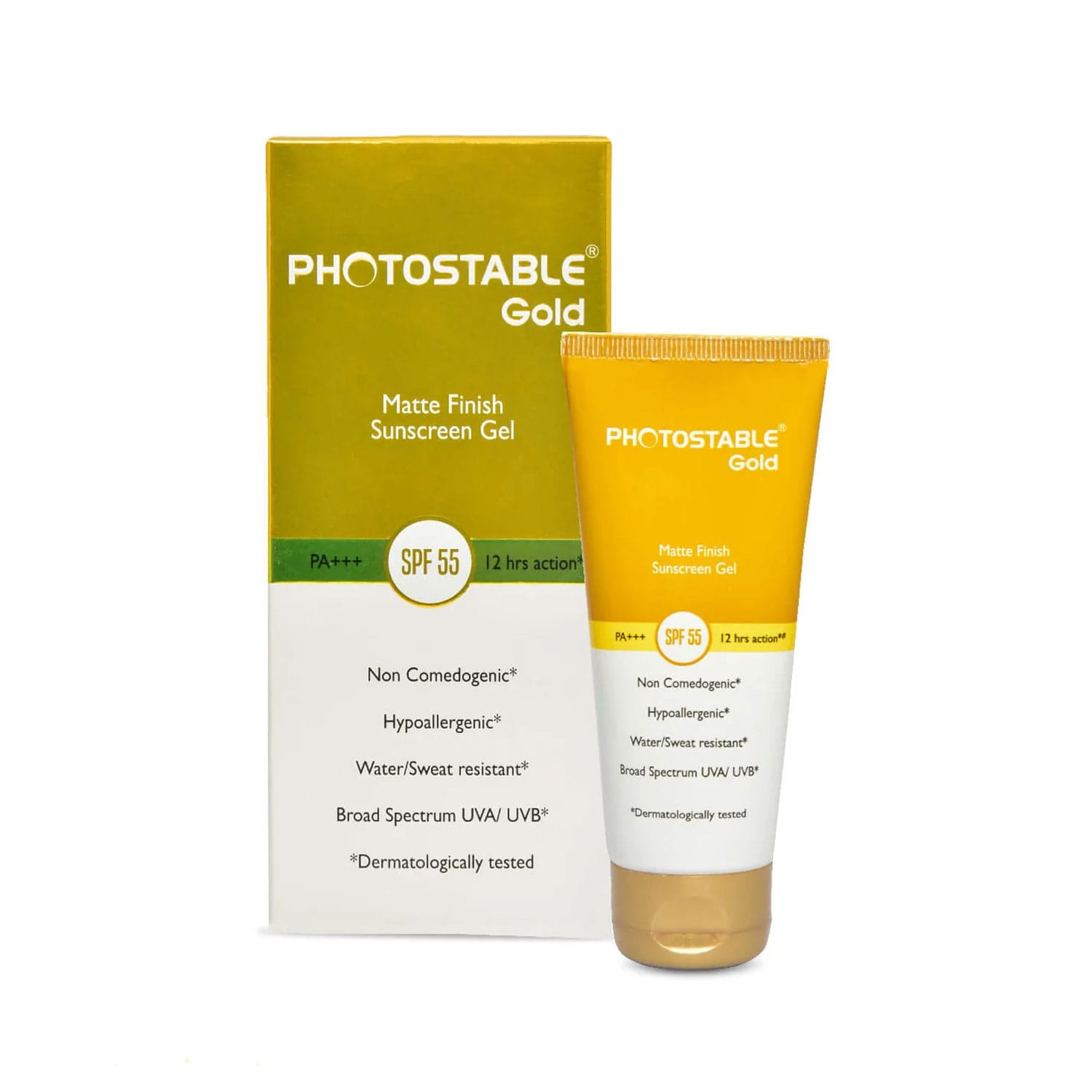
SUN PHARMA
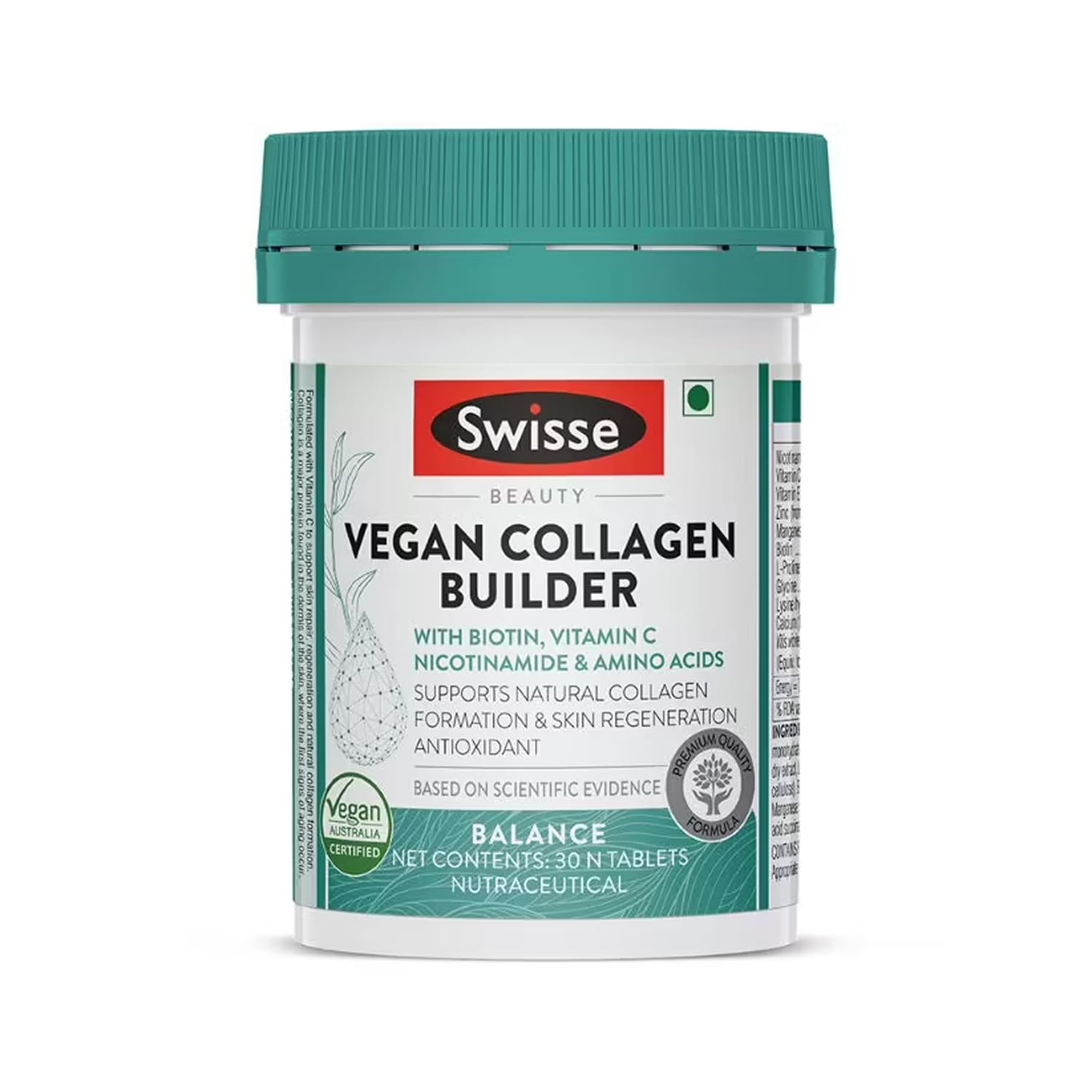
Swisse