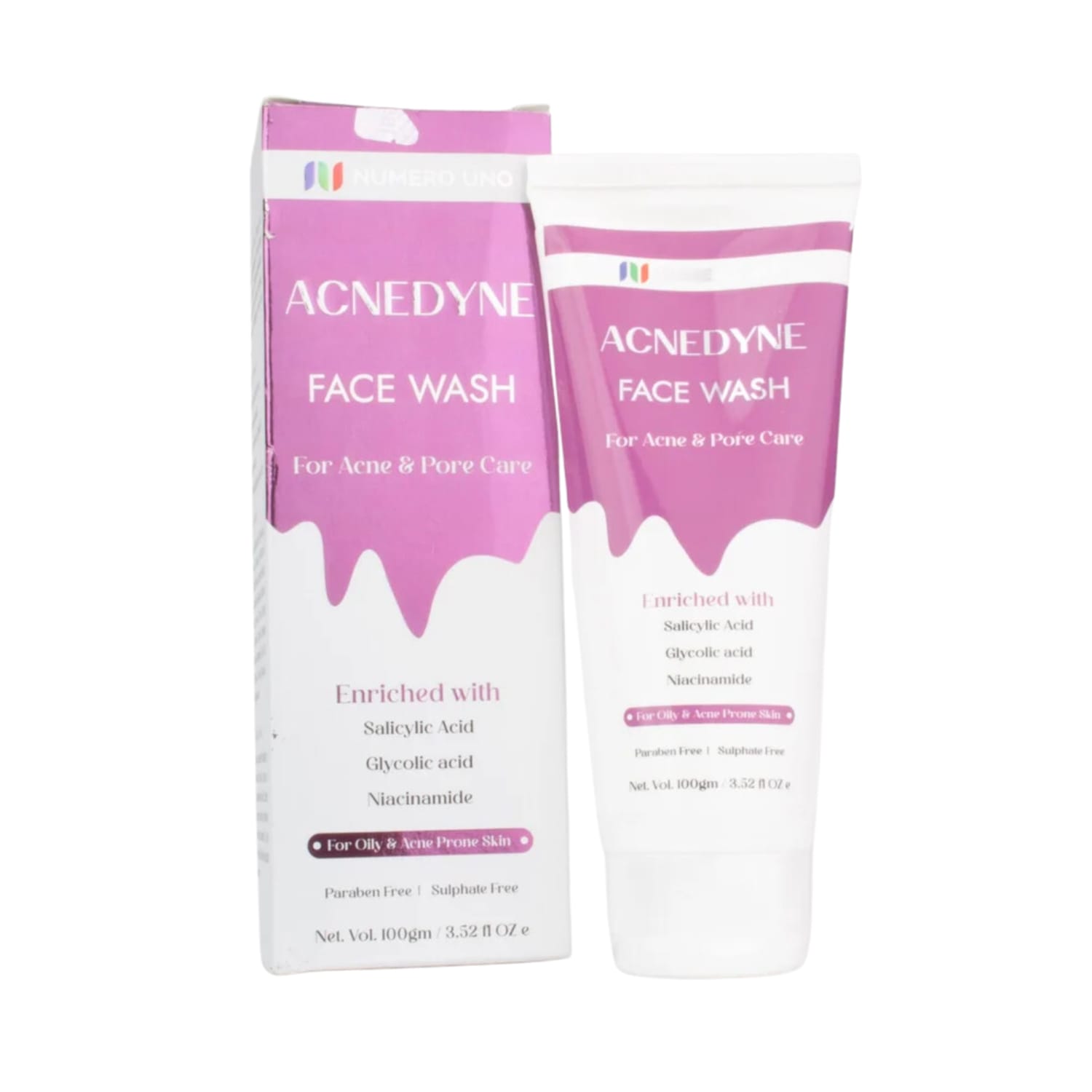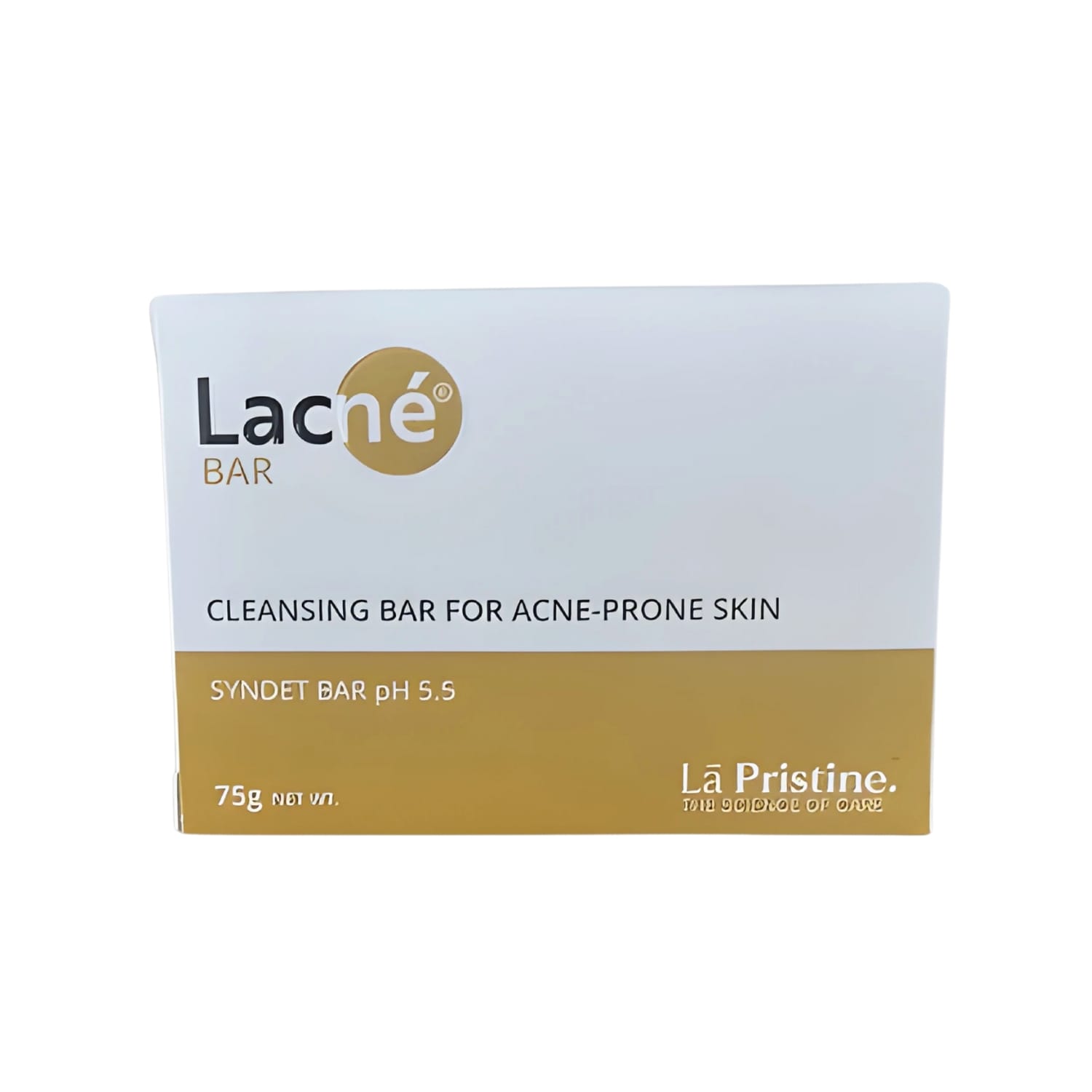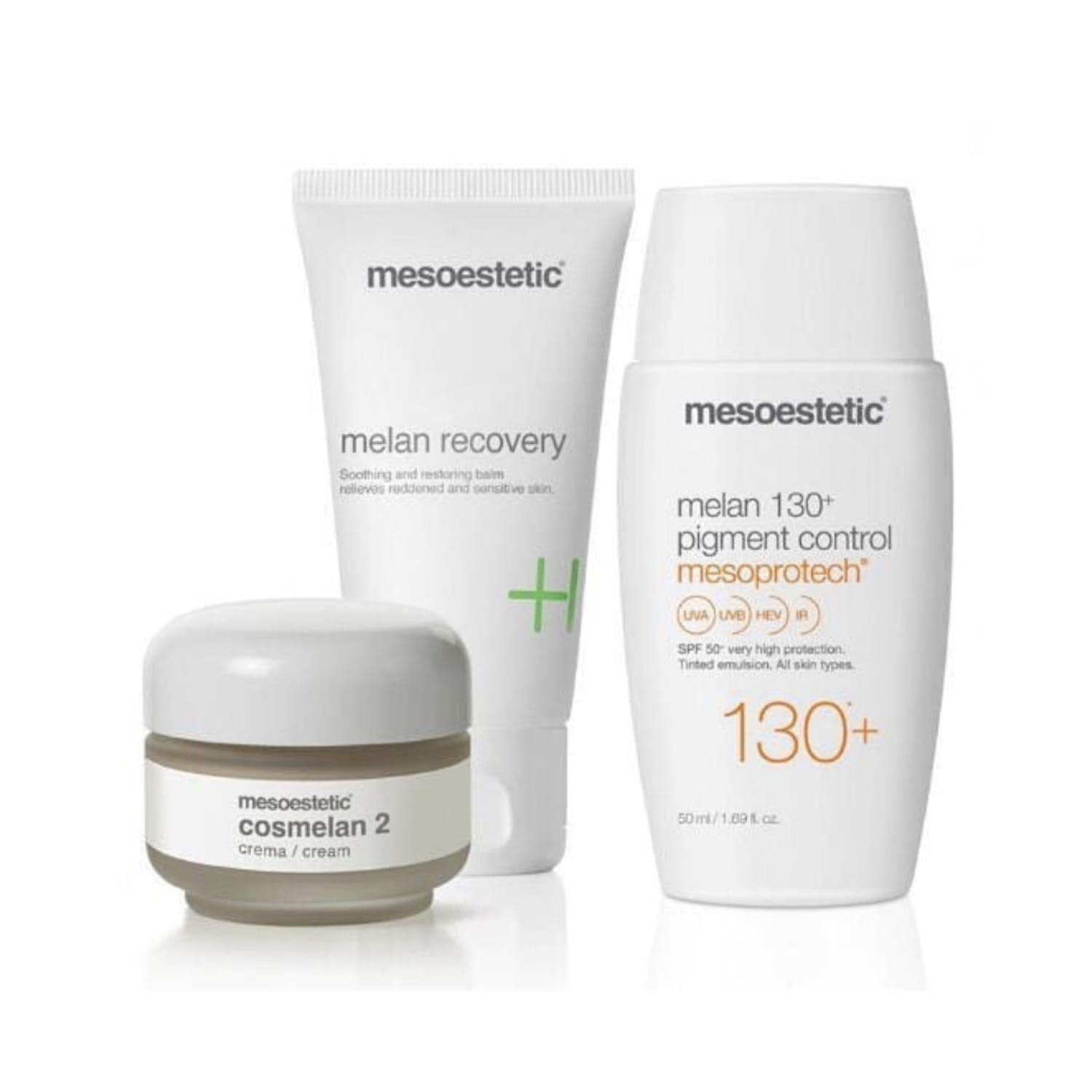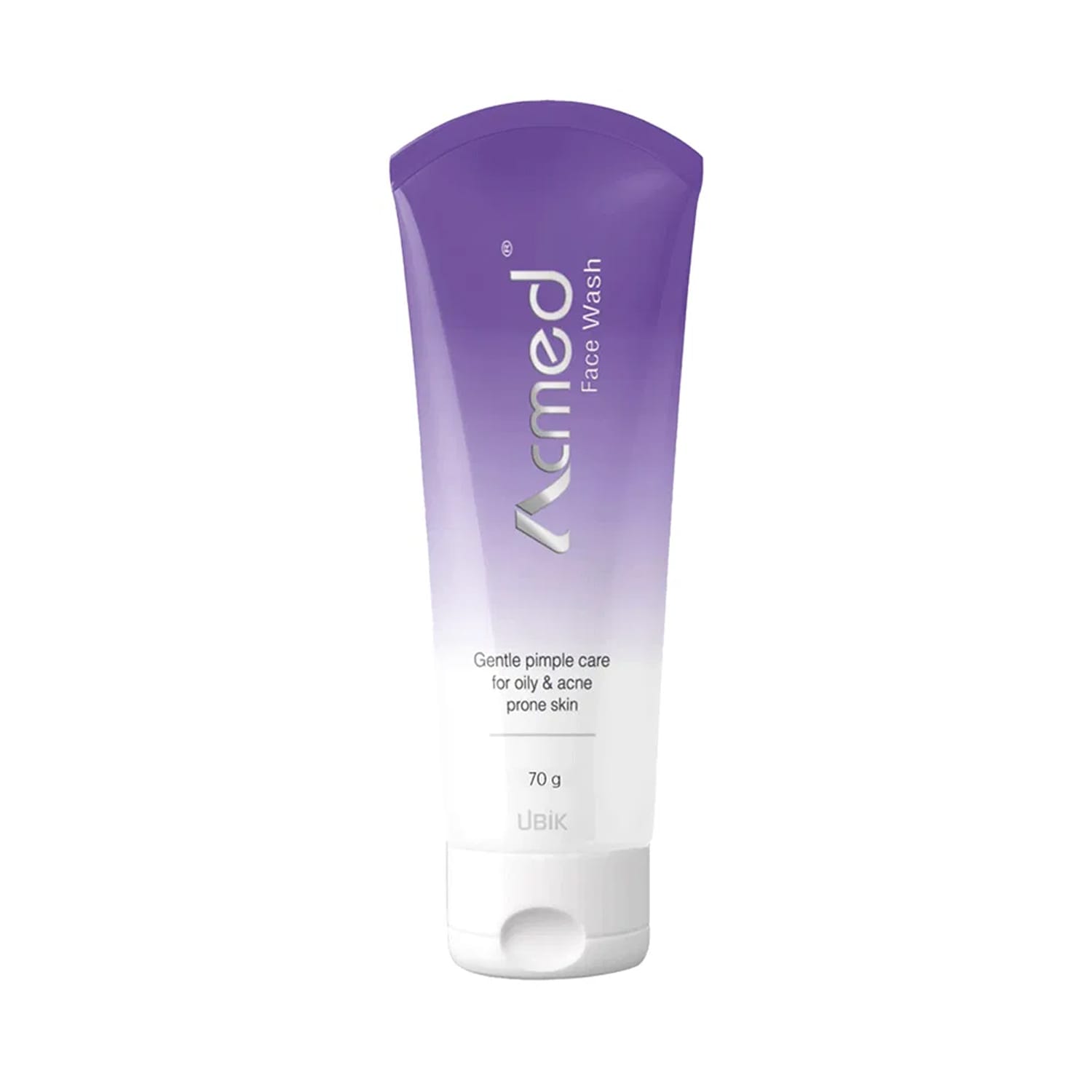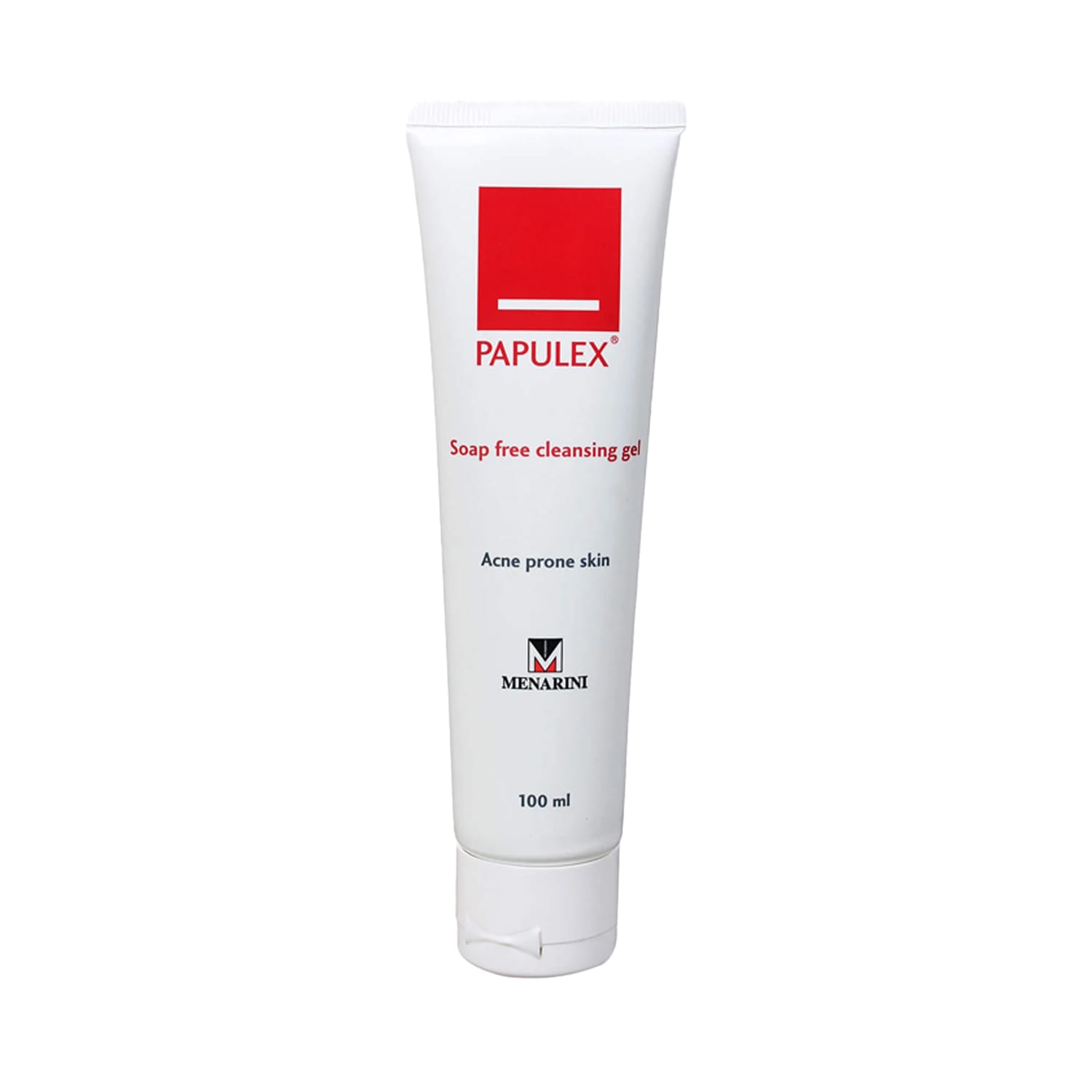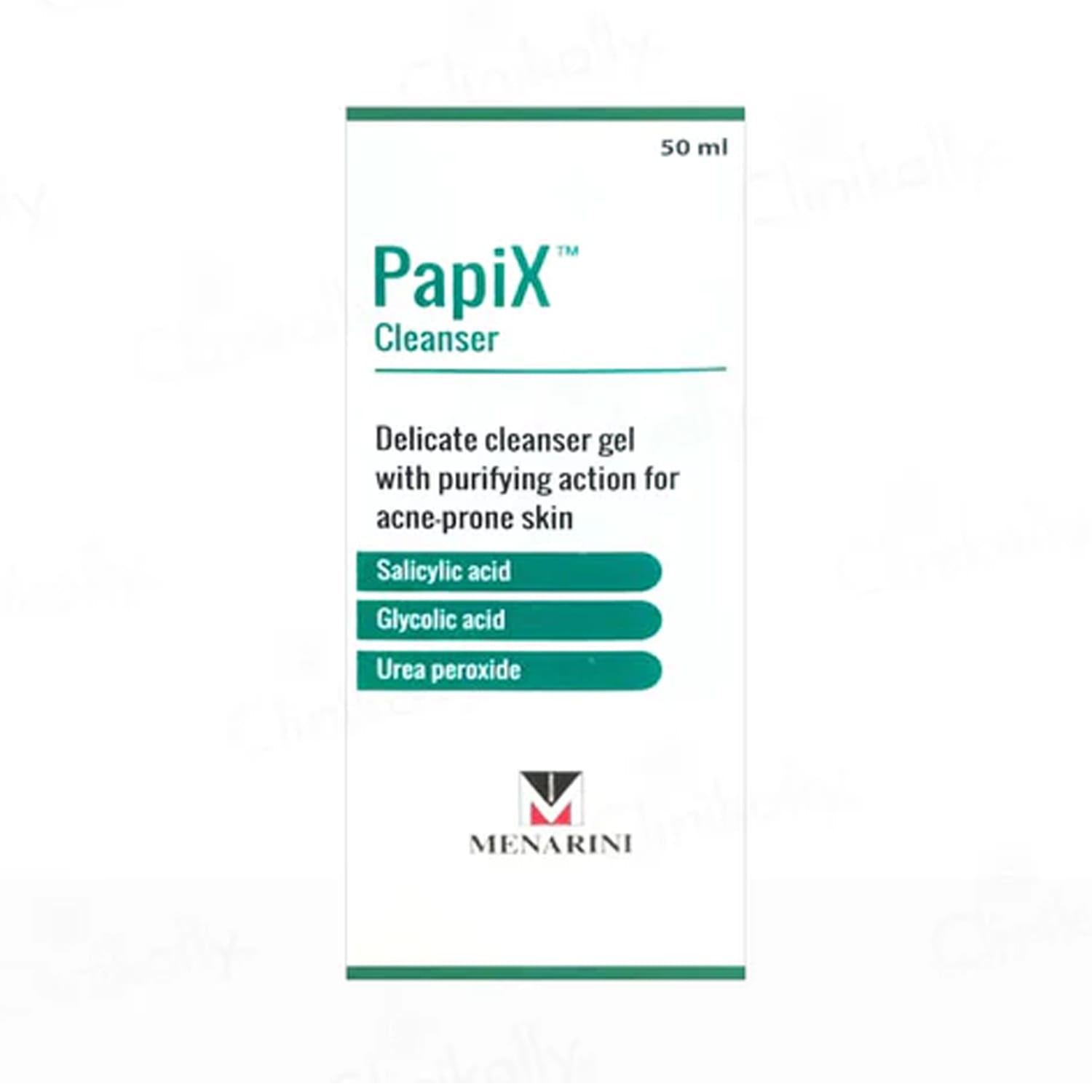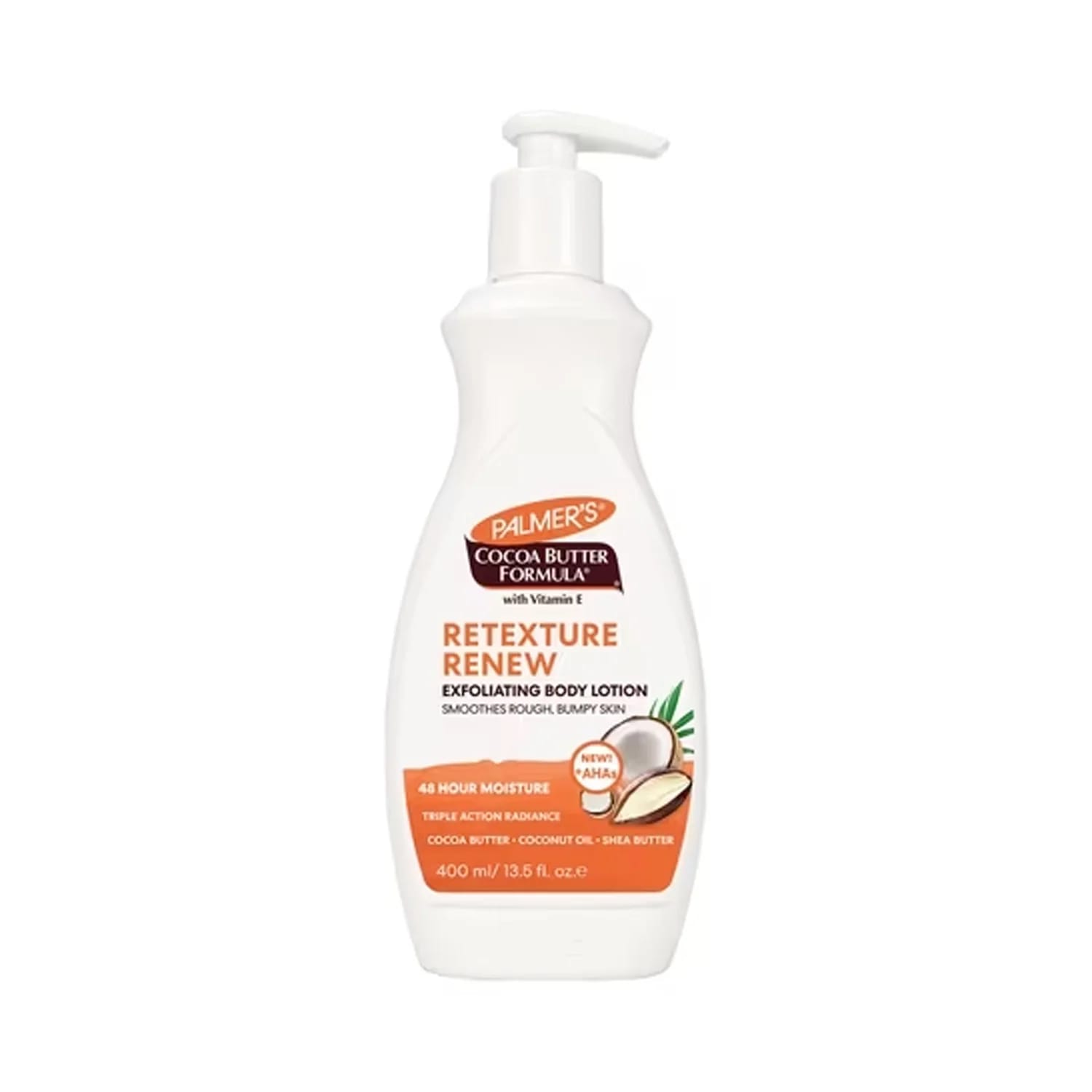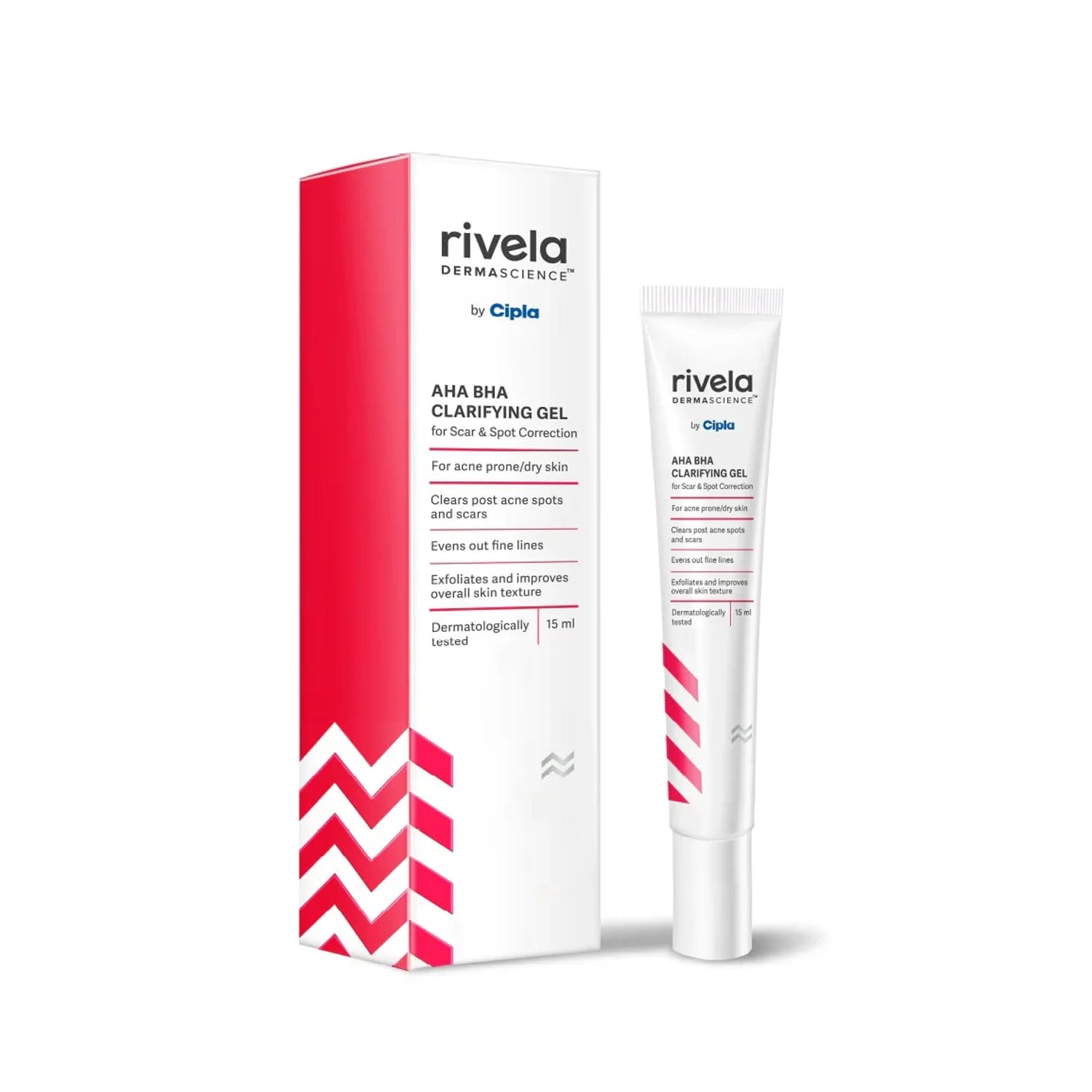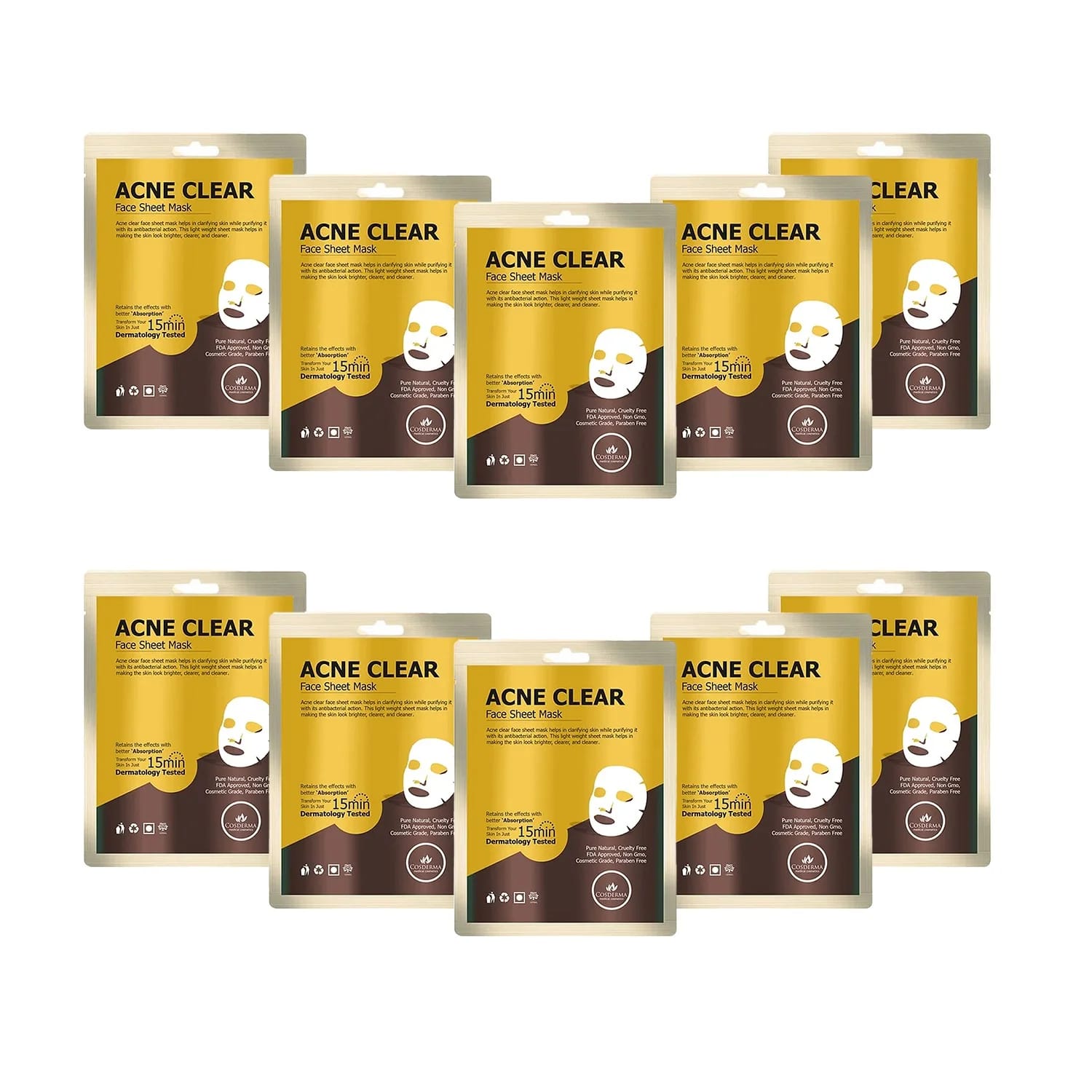


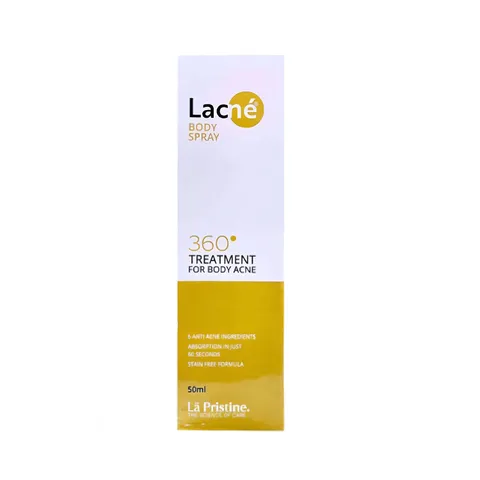
Lacne Body Spray 50ml
LaPristine
₹45020% off₹563
Acne
Do you often find yourself struggling with pesky pimples, blackheads, or even painful cysts on your skin? This common skin condition called acne, marked by inflamed or clogged pores and oil glands, can be effectively managed with the right knowledge and treatment.
What is Acne?
Acne is a skin condition that occurs when your pores become plugged with oil and dead skin cells. It often causes whiteheads, blackheads, or pimples, and usually appears on the face, forehead, chest, upper back, and shoulders. Acne is most common among teenagers, though it affects people of all ages.
Key Facts
Risk Factors: Include hormonal changes, certain medications, diet, and stress.
Complications: Can include scarring, dark spots, and psychological issues like low self-esteem.
Lifestyle Changes: Adopting a good skincare routine, managing stress, and avoiding triggers can significantly reduce symptoms.
Symptoms
Whiteheads: Closed plugged pores.
Blackheads: Open plugged pores, which turn black due to exposure to air.
Papules: Small red, tender bumps.
Pimples (pustules): Papules with pus at their tips.
Nodules: Large, solid, painful lumps beneath the surface of the skin.
Cystic Lesions: Painful, pus-filled lumps beneath the surface of the skin.
Causes
Hormonal Changes: Fluctuations during puberty, menstruation, pregnancy, and use of oral contraceptives.
Stress: Can increase acne severity.
Greasy or Oily Substances: Exposure to oil or greasy substances can trigger acne.
Friction or Pressure: From items like helmets, tight collars, or backpacks.
Treatment
Medications:
Topical Creams: Help prevent clogging of pores and acts as an anti fungal agent that prevent breakouts.
Antibiotics: Reduce inflammation and bacteria on the skin.
Oral Contraceptives: Can be effective in women by regulating hormones.
Anti-androgen Agents: Reduce the effect of androgens on sebaceous glands Consult your doctor for drugs containing anti androgen agents.
Isotretinoin: A powerful medication for severe acne that doesn’t respond to other treatments. Isotretinoin is an oral retinoid and cannot be taken without prescription of a doctor. Always consult with your dermatologist and only if they advise to take isotretinoin, it should be taken to avoid side effects.
Skincare: Use gentle cleansers, avoid excessive washing, and use non-comedogenic products.
Lifestyle Changes: Manage stress, avoid touching or picking your skin, and maintain a healthy diet.
Procedures: Chemical peels, light therapy, and drainage and extraction for large cysts.
Prevention
Proper Skincare: Use a gentle cleanser and oil-free products.
Healthy Diet: Avoid foods that trigger your acne.
Hydration: Drink plenty of water to keep your skin hydrated.
Stress Management: Practice relaxation techniques like yoga or meditation.
Regular Exercise: Helps reduce stress and improve skin health.
Specialist to Consult
Dermatologist: For diagnosis and treatment of moderate to severe acne.
Endocrinologist: For hormonal evaluation and treatment, especially in cases of hormonal imbalance.
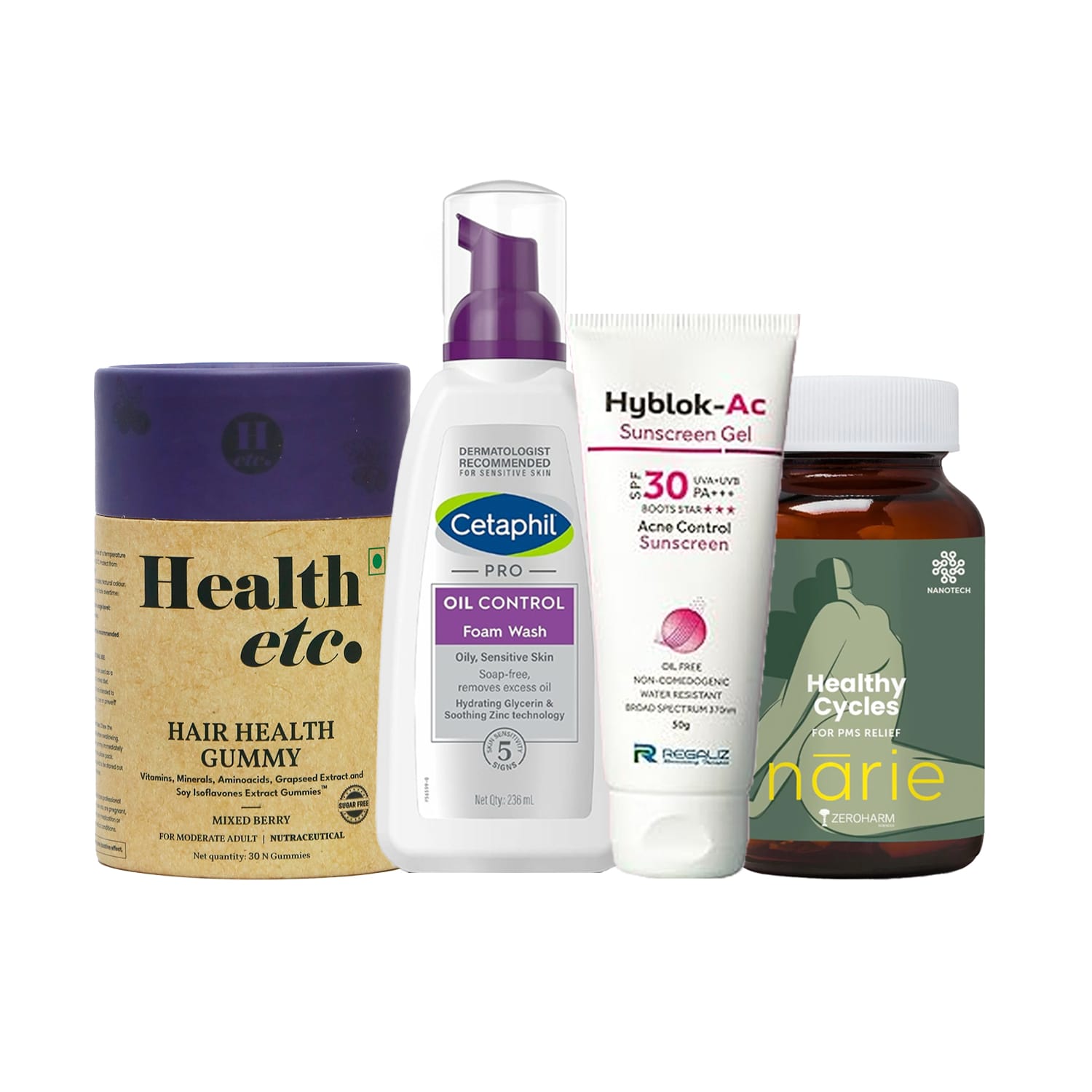
Combo
ETHIGLO