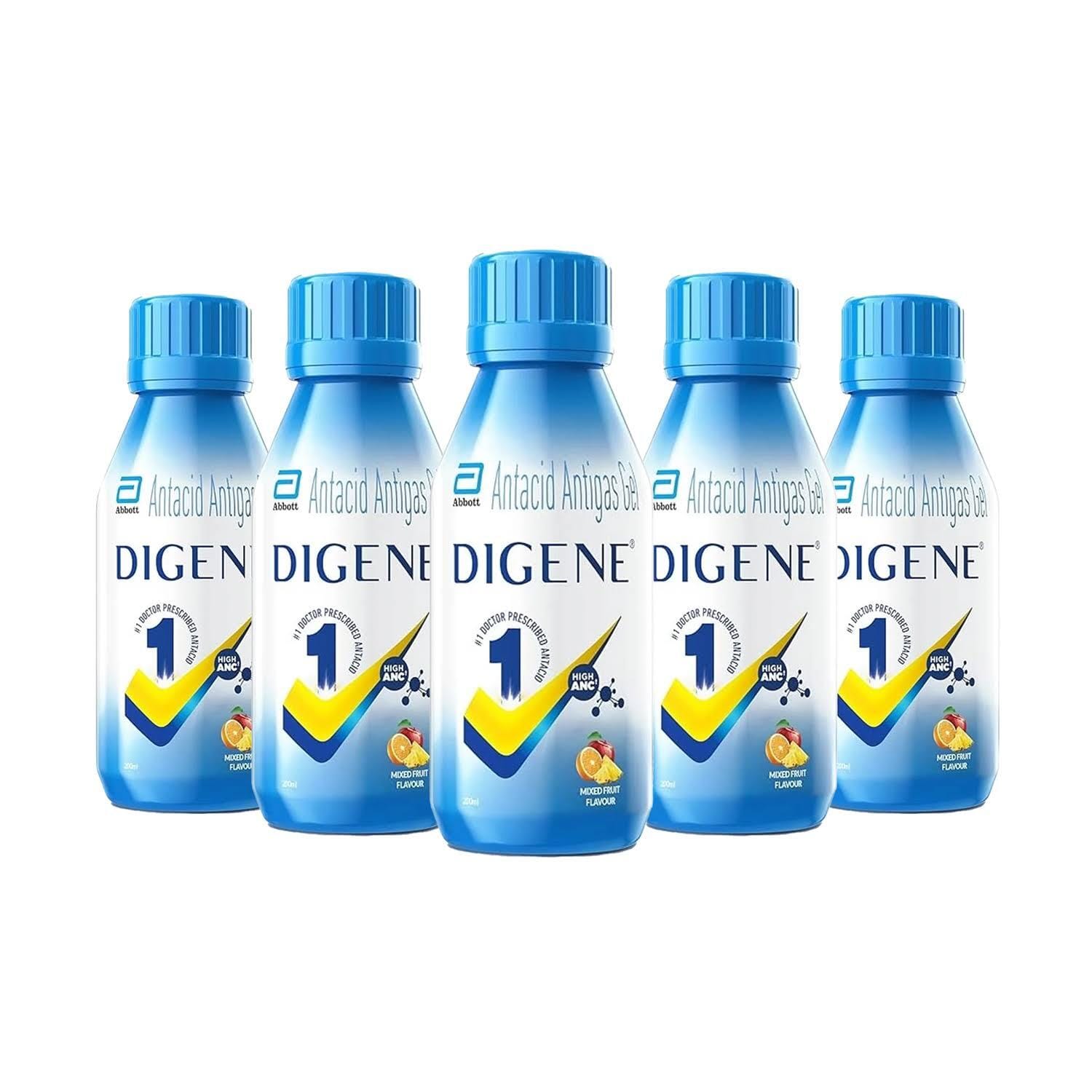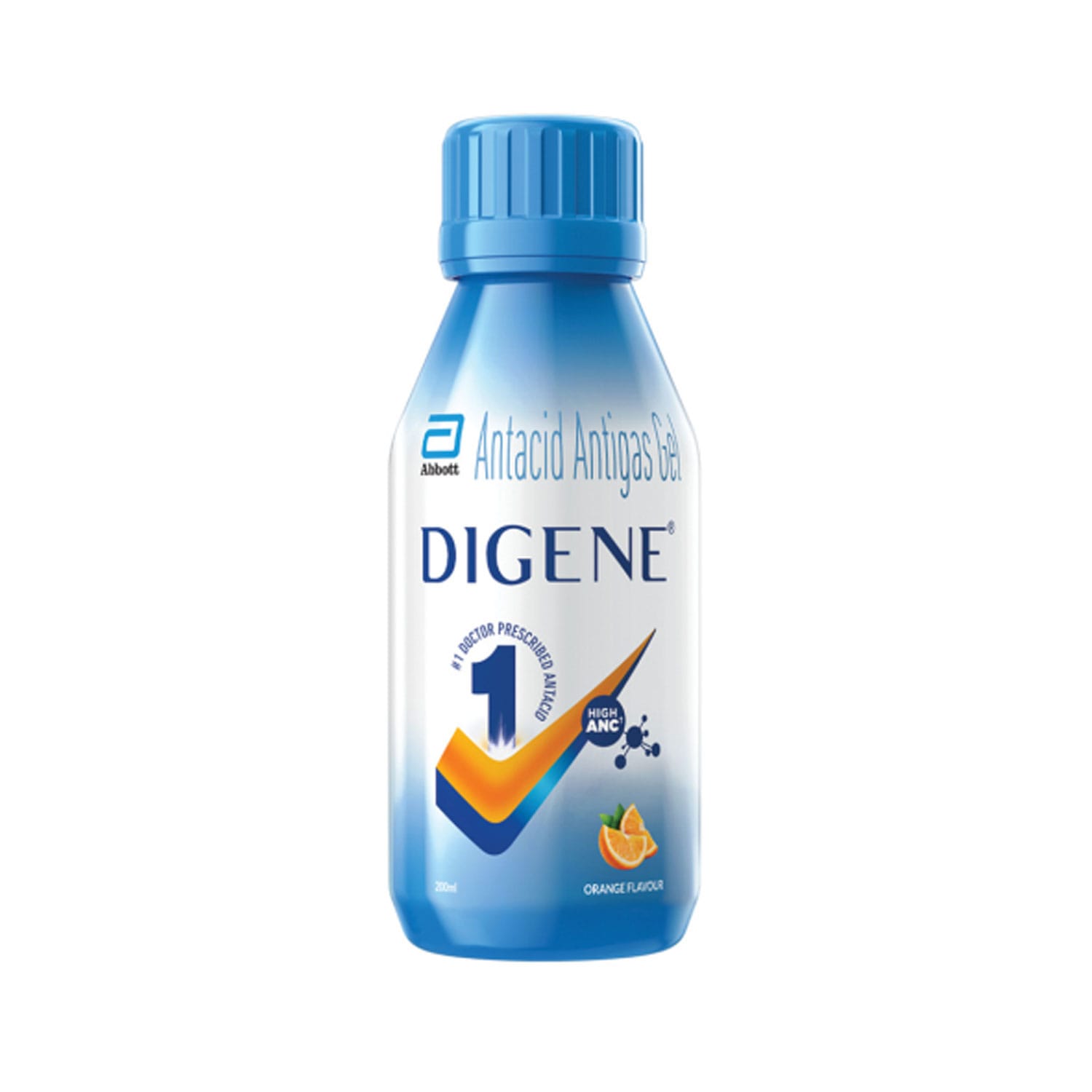


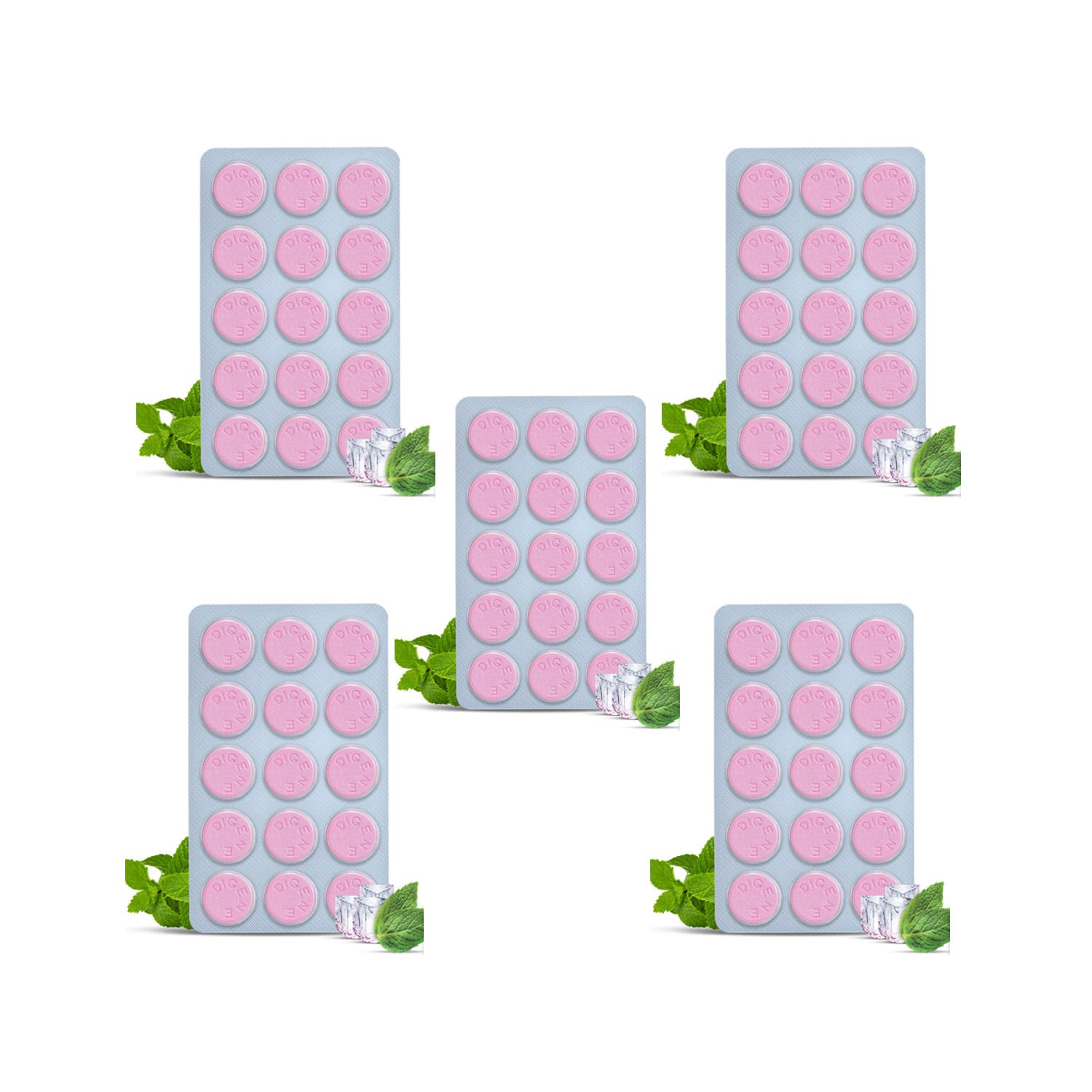
Abbott Digene Antacid Antigas Tablet Mixed Fruit Flavour (15 Tablets) Pack of 5 - Mint
Abbott
₹120₹120
Acidity
Do you often find yourself feeling a burning sensation in your chest or throat after meals? If yes, you're among many who deal with the discomfort of acidity. This common condition, characterized by excessive stomach acid production, can be managed effectively with the right knowledge and treatment.
What is Acidity?
Acidity, also known as acid reflux or gastro esophageal reflux disease (GERD), occurs when stomach acid flows back into the esophagus. This backflow irritates the lining of the esophagus, causing discomfort and other symptoms. Although not typically a serious medical condition, it can significantly impact your quality of life and lead to more severe health issues if left untreated.
Key Facts
Risk factors: Include obesity, pregnancy, smoking, and certain foods.
Complications: Can include esophagitis, Barrett's esophagus, and esophageal cancer.
Lifestyle changes: Incorporating a healthy diet, weight management, and avoiding triggers can significantly reduce symptoms.
Symptoms
Heartburn: A burning sensation in the chest, often after eating, which might be worse at night.
Regurgitation: Sour or bitter-tasting acid backing up into the throat or mouth.
Difficulty swallowing: A sensation of food being stuck in the throat.
Chronic cough: Especially at night, caused by irritation of the throat by stomach acid.
Hoarseness or sore throat: Due to acid irritating the vocal cords.
Causes
Diet: Consumption of spicy foods, citrus, chocolate, caffeine, and fatty foods can trigger acidity.
Obesity: Excess weight can put pressure on the abdomen, pushing stomach contents into the esophagus.
Pregnancy: Hormonal changes and pressure on the stomach from the growing uterus can cause acid reflux.
Smoking: Weakens the lower esophageal sphincter, allowing acid to escape from the stomach.
Hiatal hernia: A condition where a part of the stomach moves above the diaphragm, making it easier for acid to move up into the esophagus.
Treatment
Medications:
Antacids: Neutralize stomach acid and provide quick relief.
H2 blockers: Reduce acid production (e.g., ranitidine).
Proton pump inhibitors (PPIs): Block acid production and heal the esophagus (e.g., omeprazole).
Diet: Avoid trigger foods, eat smaller meals, and do not lie down immediately after eating.
Lifestyle changes: Lose weight if overweight, quit smoking, and elevate the head of the bed.
Surgery: In severe cases, procedures like fundoplication can help strengthen the lower esophageal sphincter.
Prevention
Healthy diet: Avoid foods and drinks that trigger acidity.
Regular exercise: Maintain a healthy weight through regular physical activity.
Proper meal habits: Eat smaller meals and avoid lying down after eating.
Avoid tight clothing: Wear loose-fitting clothes to avoid pressure on the abdomen.
Elevate the head of the bed: Helps prevent nighttime acid reflux.
Specialist to Consult
Gastroenterologist: For diagnosis and treatment of severe or chronic acidity.
Dietitian/Nutritionist: For dietary advice to manage and prevent symptoms.
Surgeon: For surgical options in severe cases of GERD.