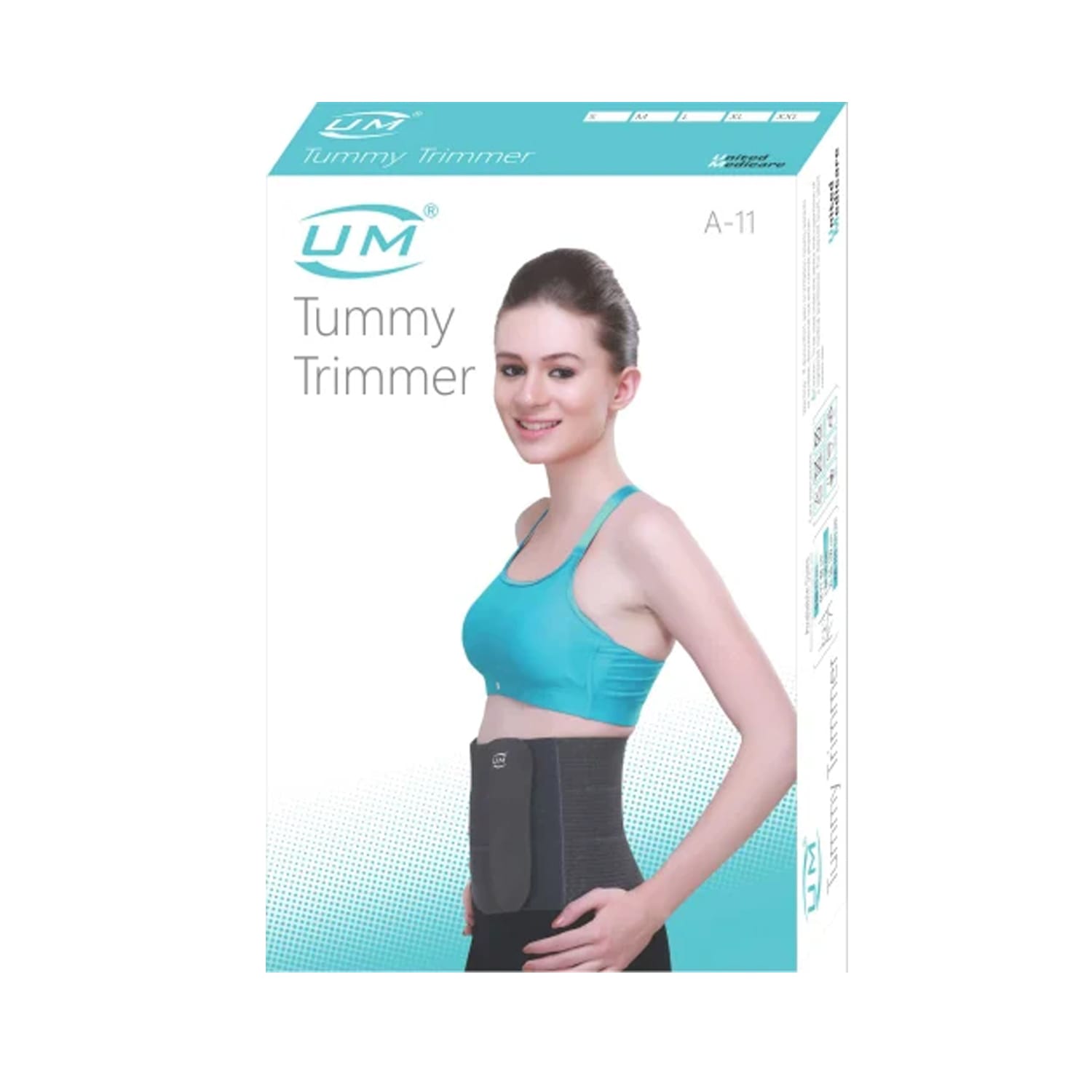



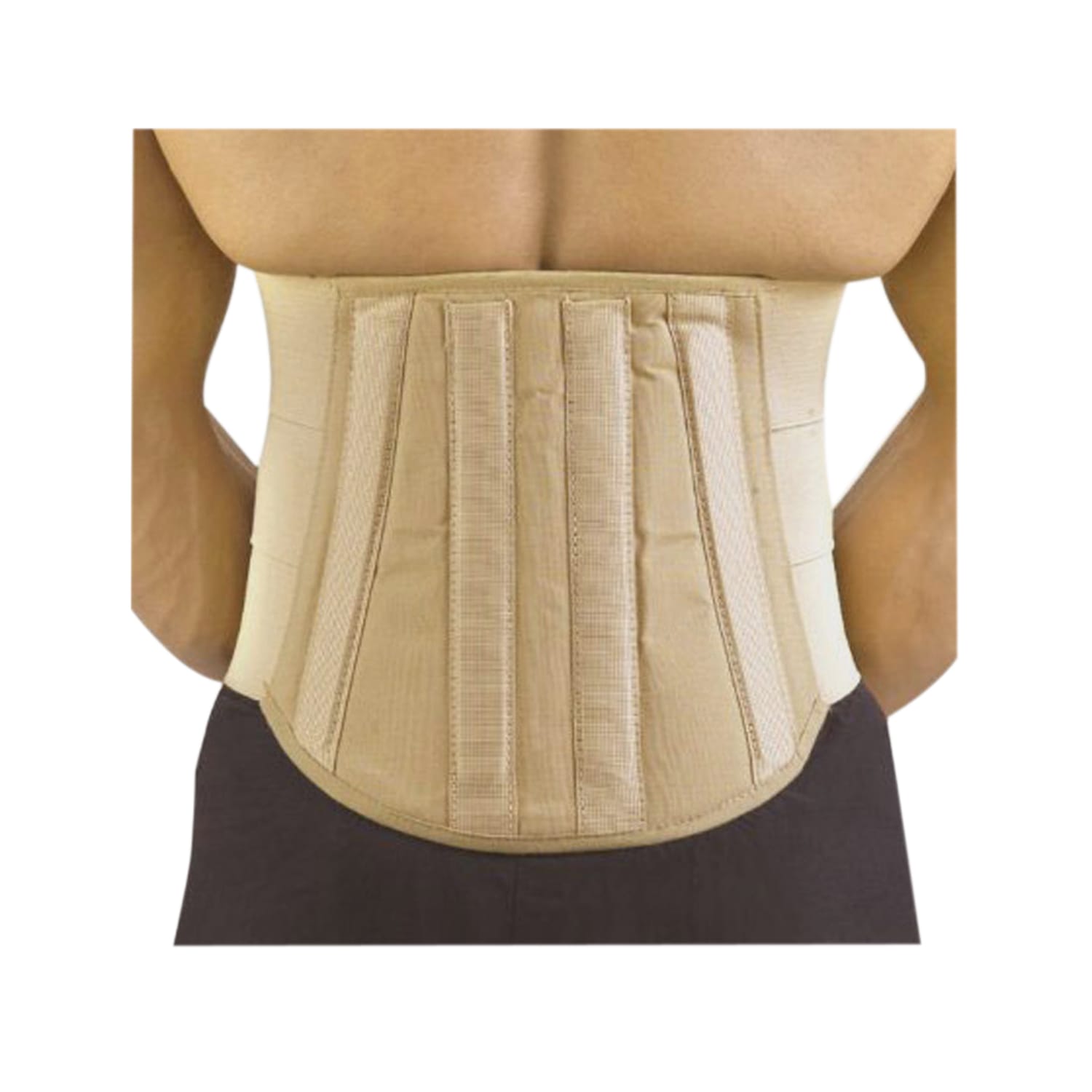
Dyna Surgical Abdominal Corset Large
DYNAMIC TECHNO MEDICALS
₹55123% off₹715
Abdominal Laxity / Loose Belly
Are you tired of looking in the mirror and seeing a saggy stomach staring back at you? If so, you're not alone. Many people struggle with abdominal wall laxity, a condition characterized by loose, drooping skin and muscles in the stomach area. But don't worry, there is hope!
What is Abdominal Laxity?
Abdominal laxity is also known as loose belly. In this condition the muscles and skin of the abdomen lose tone and firmness which leads to sagging. Although this is not a serious medical condition, psychologically this can cause depression. It can significantly impact your self-esteem and confidence, making you feel insecure about your appearance.
The abdominal wall consists of four main muscle groups:
Rectus abdominis (abs)
External obliques
Internal obliques
Transverse abdominis (deepest muscle layer)
Pyramidalis
These muscles work together to support the spine, maintain posture, and facilitate movement. When they weaken or stretch, abdominal laxity occurs.
Key Facts
Risk factors: Include pregnancy, obesity, and a sedentary lifestyle.
Complications: Can include hernias, back pain, and posture problems.
Lifestyle changes: Incorporating regular physical activity and a balanced diet can significantly improve abdominal tone.
Symptoms
Sagging skin: Noticeable loose skin around the abdomen.
Weak muscles: Reduced strength in the abdominal muscles, making it hard to maintain a firm belly.
Stretch marks: Often accompany loose skin due to rapid stretching and shrinking of the skin.
Lower back pain: Can occur due to weak abdominal muscles failing to support the spine properly.
Causes
Fascia is a layer of connective tissue that surrounds muscles, organs, and other structures in the abdominal cavity. It provides support, stability, and flexibility. When fascia weakens, the abdominal muscles and skin can bulge outward, leading to the characteristic sagging appearance of abdominal laxity.
Fascia can weaken due to:
1. Chronic strain from excessive weight or pregnancy
2. Aging and reduced collagen production
3. Sedentary lifestyle and lack of exercise
4. Poor posture and muscle imbalances
Prolonged fat storage in the abdominal area can lead to chronic inflammation, oxidative stress, and fibrosis (scarring) in the fascia and abdominal muscles. This can cause the fascia to weaken and lose its elasticity, leading to abdominal laxity. Fat gain and weight fluctuations can occur at various life stages, with significant changes typically happening during puberty, pregnancy, menopause, and middle age. During these periods, hormonal changes, such as the surge of estrogen during puberty and pregnancy, and the decline of estrogen during menopause, can lead to increased fat storage and stretching of the abdominal muscles and skin. Estrogen plays a role in fat distribution, and its decline during menopause can lead to increased fat storage around the midsection, contributing to weakened fascia and abdominal laxity.
Treatment
Exercise: Regular strength training and core exercises can help tone the abdominal muscles. Exercises like planks, crunches, and leg raises are particularly effective.
Diet: A balanced diet can help manage weight and reduce the fat that contributes to a loose belly.
Surgery: In severe cases, surgical options like abdominoplasty (tummy tuck) can remove excess skin and tighten abdominal muscles.
Topical treatments: Creams and lotions that improve skin elasticity can sometimes provide minor improvements.
Prevention
Regular exercise: Engage in regular physical activities that target the abdominal muscles.
Healthy diet: Maintain a balanced diet to avoid significant weight fluctuations.
Proper hydration: Drink plenty of water to keep the skin hydrated and maintain its elasticity.
Gradual weight loss: If losing weight, aim for a gradual process to minimize excess skin.
Specialist to Consult:
Dermatologist: For skin treatments and elasticity improvement.
Physiotherapist: For exercise programs to strengthen abdominal muscles.
Nutritionist/Dietitian: For dietary advice to manage weight and improve skin health.
Plastic Surgeon: For surgical options like abdominoplasty.