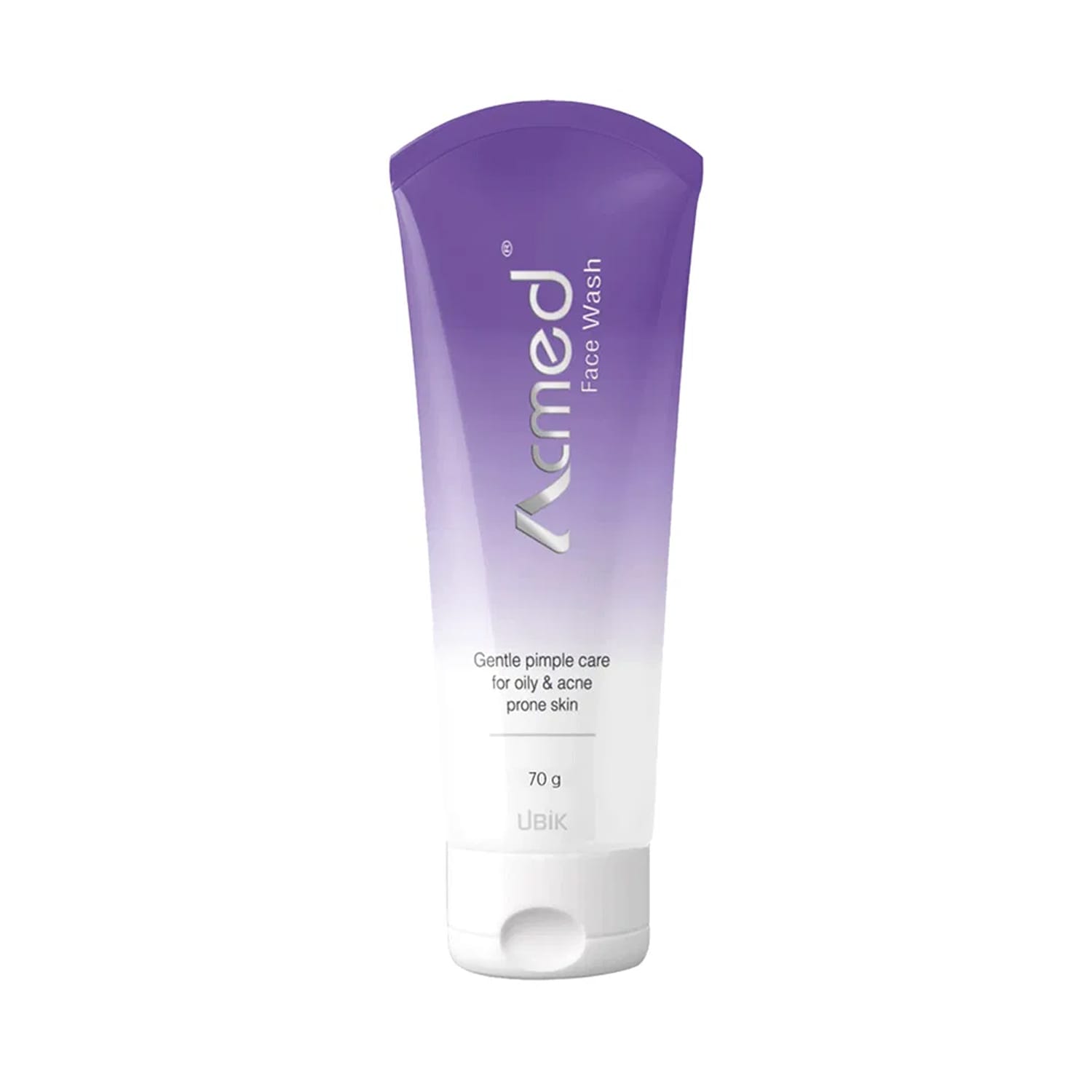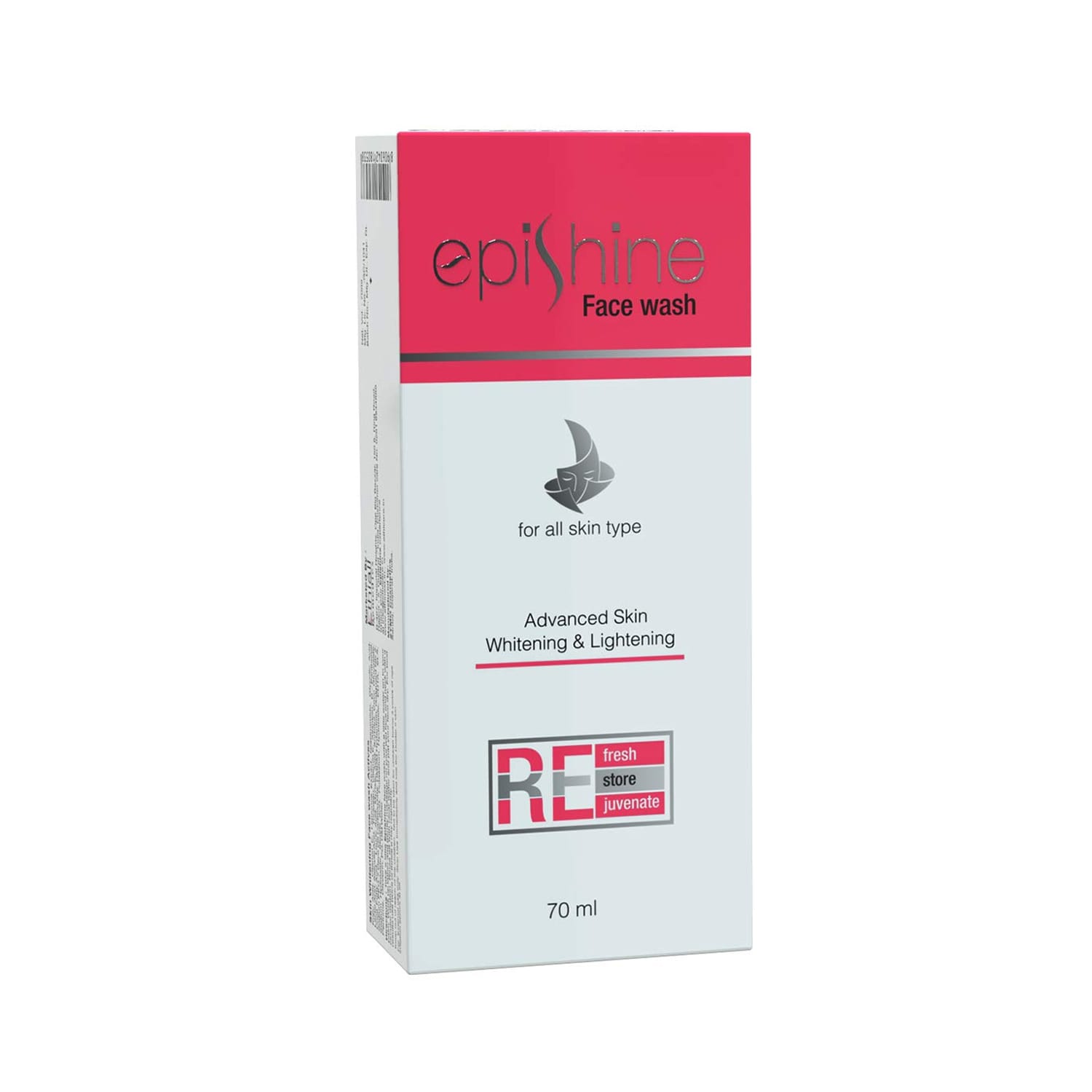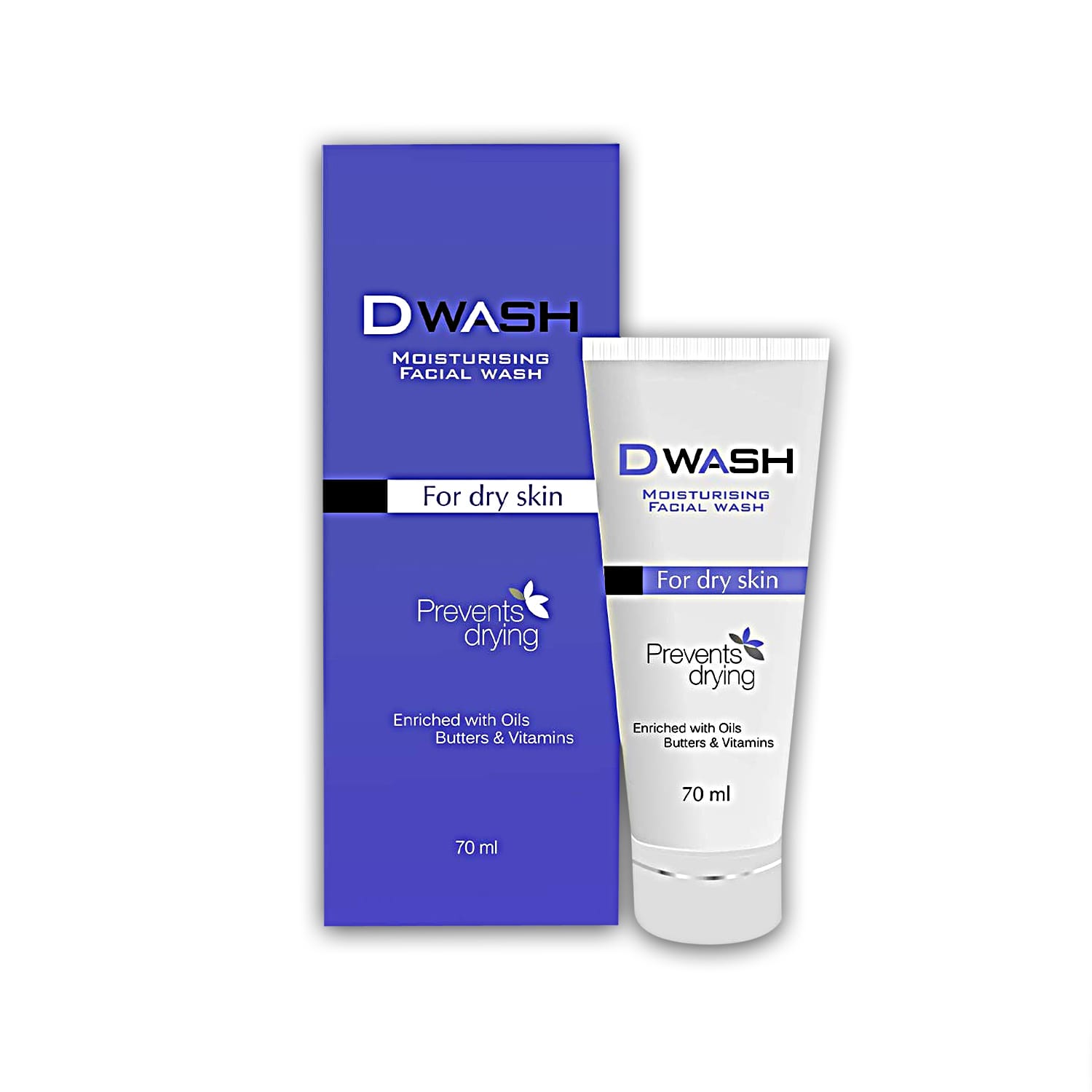
If you have that greasy and a sticky face even after a good cleanse, then it is time to change your cleanser. There are many cleansers in the market which aim to give you a clear and oil free skin, but these products work in such a way that they work too well and even cleanse the skin off its natural oils which leaves your skin dry, and patchy. Also over cleansing the skin can cause acne and pimple to breakout too. It is time that you know and understand the cleansing needs of your skin and act accordingly.
What is a Cleanser?
A cleanser is a skin care product that is used to remove oil, make-up, dust, dirt, dead skin cells and other pollutants from the surface of the skin and helps keep the pores clear. It prevents skin issues like acne breakout and pimples.
Finding the best cleanser can be difficult as there are so many options. But understanding the differences between the cleansers will let you know which one will suit your skin best.
How to Choose a Cleanser:
Before you think of buying a cleanser, rethink about your skin type. Before you jump to conclusions, there are four types of skin type namely,
Oily skin
Normal skin
Combination skin
Your T-zone on the face might feel oily around noon if you have normal skin type, but in oily skin there is oil all over the face.
Oily Skin
The sebaceous gland that is present in the middle layer of the skin is responsible for providing sebum (i.e., oil). When this gland is overactive it produces excess oil that causes oily skin. It is not in our hands to control how much oil the sebaceous gland makes. Due to excess oil, the skin is prone to acne breakout often. There are ways and methods you can follow that help control an oily skin type.
Acne Prone Skin
Acne is the most common skin issue that occurs on the face, shoulders, neck, chest and back. It usually occurs in oil prone skin. Excess sebum (oil) production, bacteria, inflammation and clogged pores are the reasons for acne occurrence.
Importance of Cleansing
Cleansing is the first step to any skin care routine. Its primary function is to eliminate any presence of dust, make-up, dirt, pollutants and oil. A cleanser prepares your skin to the next step which is the application of products on the face. Cleansers contain surfactants which are cleansing agents that have water loving head and oil loving tail. When the cleansing process takes place the tail part of the surfactant attach to the oil or grease on the skin while the head part gets attached to the water on the skin and together they form the structure called micelles.
This is the process of how a cleanser draws impurities away from the skin. Throughout the day, the skin is continually exposed to bacteria, pollutants, dead skin cells, dirt and dust. Cleansing removes any such residue from the skin.
How to Choose a Good Cleanser
For getting results of a healthy skin, choose a cleanser that is light weight, non-comedogenic, Sulfate free, Fragrance free and gentle on the skin.
Ingredients to Look Out for:
Glycolic acid – It is an AHA that is used in most cleansers, toners and moisturizers. It has a good penetrating effect and is very useful on an oily and acne prone skin. It prevents clogging of pores that cause acne breakouts and is an excellent exfoliator.
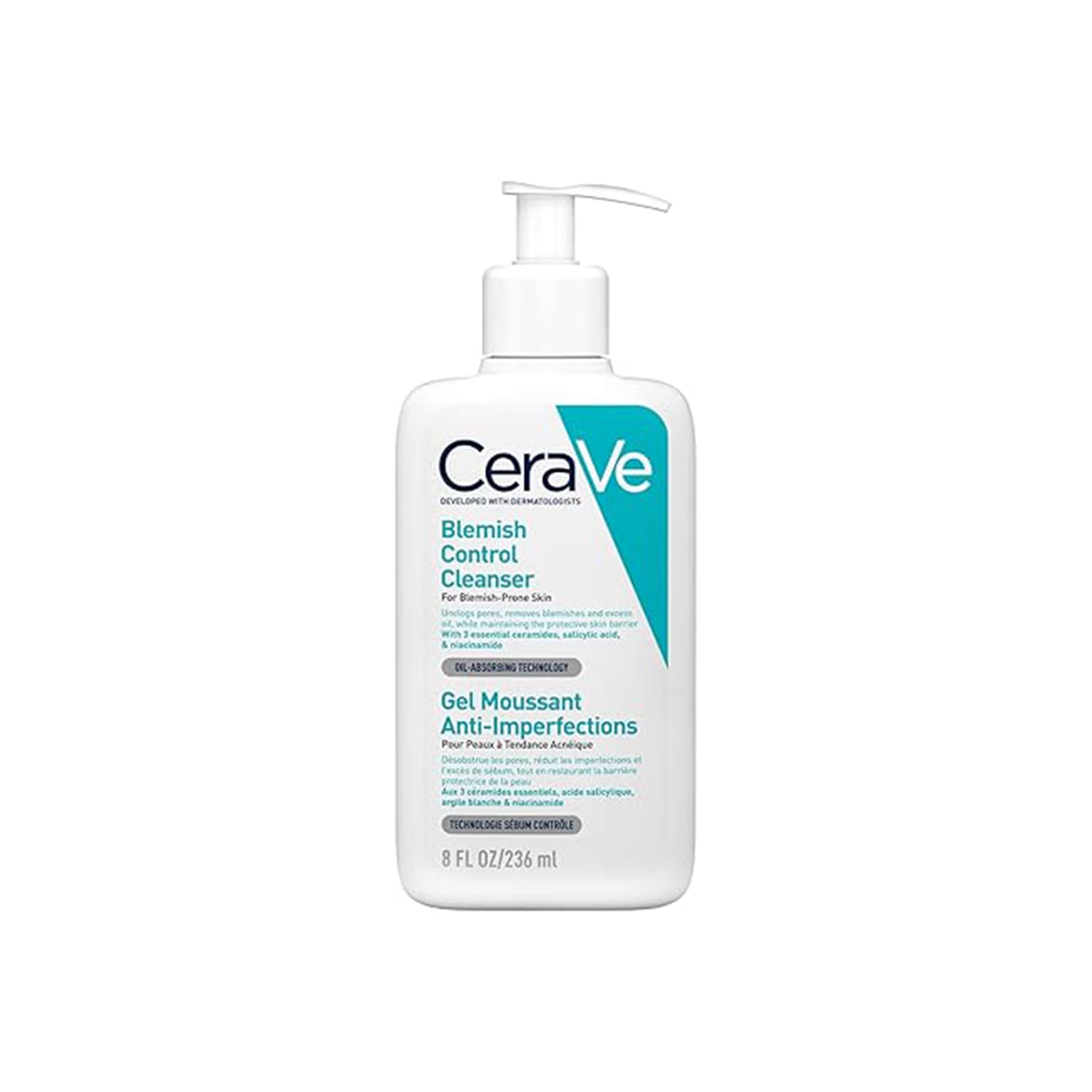
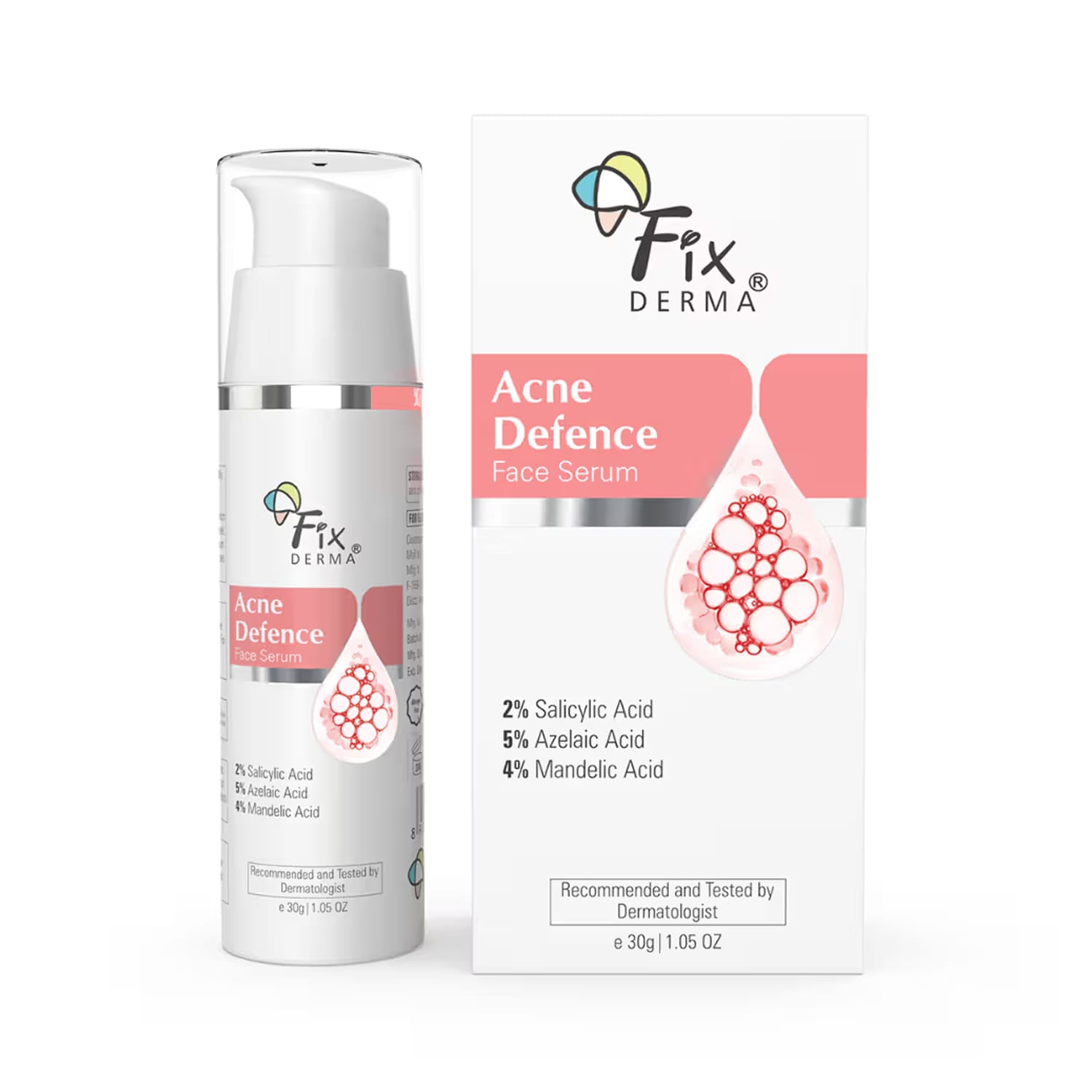
Salicylic acid – Salicylic acid removes the excess oil from the skin. It removes the top layer on the skin that is formed by dead skin cells.
Benzoyl peroxide – It is an exfoliating agent. It can remove the extra oil from the skin and prevents acne breakout.
Niacinamide – Niacinamide is a type of vitamin B3 that has huge benefits on the skin. It controls the oil secretion on the skin and controls any existing acne on the skin.
Steps to Follow While using a Cleanser
Below are some steps which you can adhere to while using a cleanser.
Do not scrub very aggressively
Do not over-wash
Remove your make-up
Use the correct moisturizer
Use a sunscreen
Do not touch your face often
Conclusion
The best cleanser for an oily and acne prone is the one suits your skin type and has all the right ingredients. Washing your acne prone skin about twice a day makes sure that you get a clean, healthy and gentle skin.