Cureka — Your guide for a better living!
Cart
INDIA'S 1ST PREVENTIVE HEALTHCARE STORE – CURATED BY DOCTORS!|

10 facts about Moisturizers

Dr. Hema Sathish, Dermatologist

Medically Reviewed By

Dr. Hema Sathish, M.B.B.S., D.D (UK)

Dermatologist • Founder of Cureka

Reviewed for medical accuracy and evidence-based information

Cream forms would be suitable for those with dry, cracked skin and a compromised skin barrier. Body moisturizers may not be suitable for face.

20th Oct 2020•1 Min read+Cureka Editorial
10 facts about Moisturizers

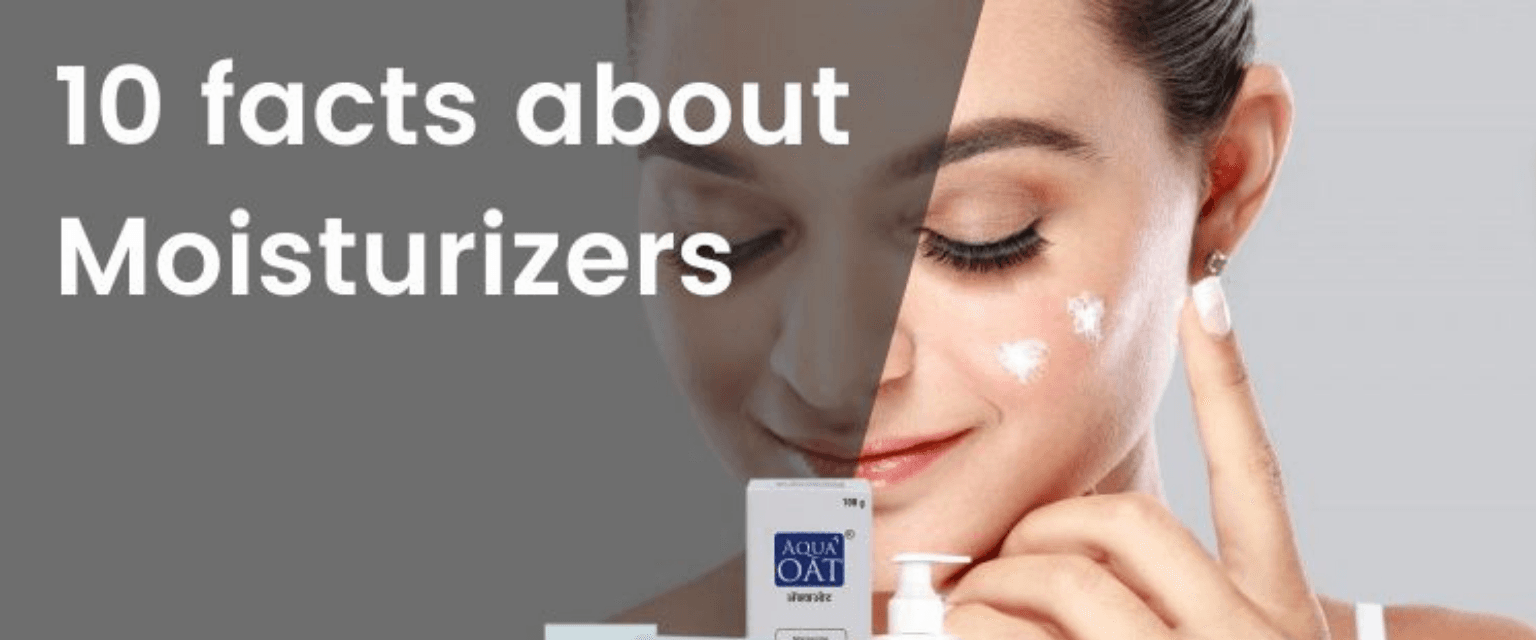
  1. Choose moisturizers free of fragrance.

  2. Body moisturizers may not be suitable for face.

  3. Creams are best for very dry skin while lotions are easy to spread and suitable for all.

  4. Cream forms would be suitable for those with dry, cracked skin and a compromised skin barrier.

  5. The best time to apply would be immediately after a bath, followed by towel drying (within 3 minutes), when the skin is still damp.

  6. Use liberally over all areas, especially hands and legs.

  7. Moisturize through all seasons; but modify type of moisturizers based on the skin’s needs. Avoid thick creams during the summers.

  8. Moisturizers containing barrier reparative ingredients like ceramides are good for people with skin allergies.

  9. While using on the face, moisturizers should be used first, then followed by other medications. Skin lightening creams, spot treatments and sunscreen are to be saved for last.

  10. Children and adults with skin allergies and eczema can avoid flare-ups of the skin disease. Moisturising can also reduce the need for frequent consultations and treatment by regular use of appropriate moisturizers.

Frequently Asked Questions

  • The best time to apply moisturizer is within 3 minutes after a bath, once you have towel-dried while the skin is still slightly damp.

  • Not always. Body moisturizers may not be suitable for the face, so moisturizers should be chosen according to the area and skin’s needs.

  • Cream-based moisturizers are suitable for very dry, cracked skin and skin with a weakened or damaged protective barrier.

  • Yes. Moisturizing is important in all seasons, but the type of moisturizer should be adjusted according to your skin’s needs, avoiding thick creams during summer.

  • For the face, apply moisturizer first, followed by other medications. Skin treatments and sunscreen should be applied afterward.

Comments

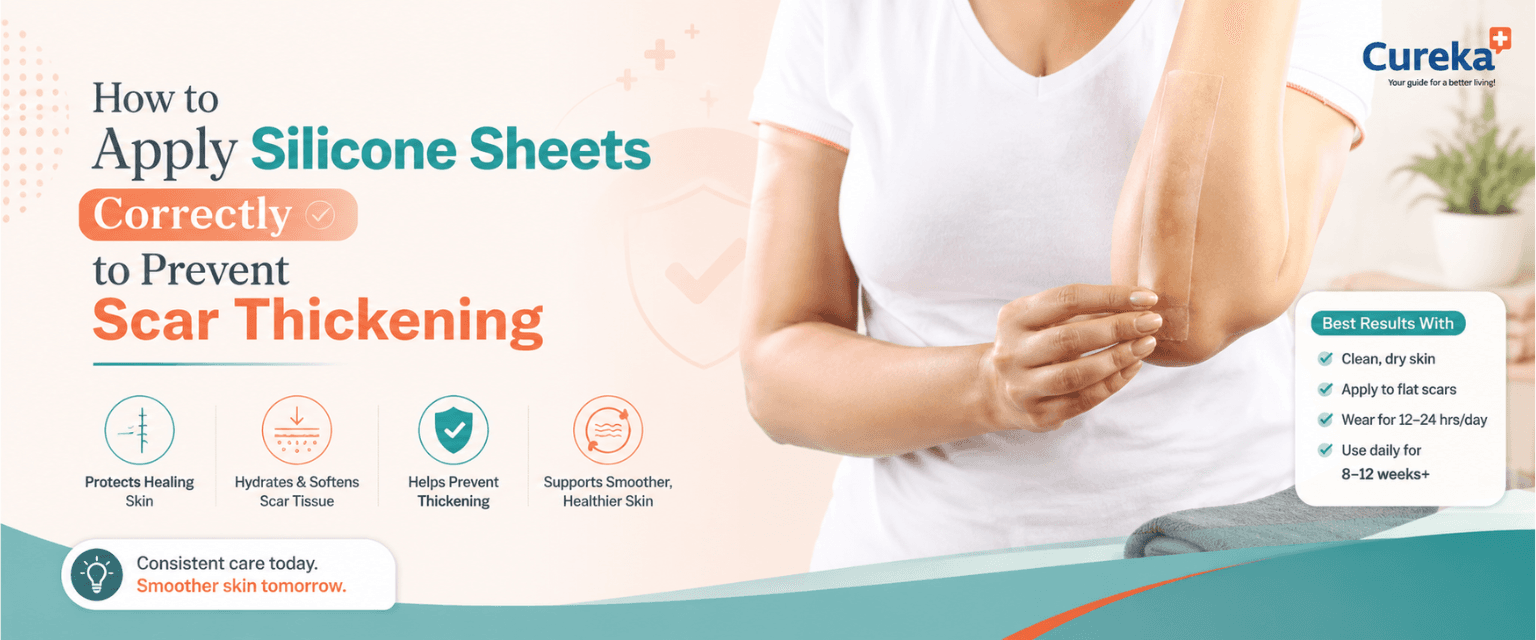
How to Apply Silicone Sheets Correctly to Prevent Scar Thickening
Featured

How to Apply Silicone Sheets Correctly to Prevent Scar Thickening

Raised, thick scars aren't permanent. Learn the step-by-step method for applying silicone sheets correctly to flatten, soften, and fade scars over time.

Read More
Psoriasis Skin Care Myths That Could Be Making Your Condition Worse
Featured

Psoriasis Skin Care Myths That Could Be Making Your Condition Worse

Could your psoriasis routine be making flare-ups worse? See which common skincare myths may be doing more harm than good.

Read More
5 Surprising Reasons Your Skincare Routine Isn’t Working (And How to Fix It)
Featured

5 Surprising Reasons Your Skincare Routine Isn’t Working (And How to Fix It)

Your skincare routine may be failing for simple reasons. See the five mistakes that could be sabotaging your results.

Read More
Melasma and Skin Aging: Why Internal Inflammation Plays a Bigger Role Than You Think
Featured

Melasma and Skin Aging: Why Internal Inflammation Plays a Bigger Role Than You Think

Melasma keeps coming back despite your skincare routine? Inflammation, hormones, and lifestyle may be driving both pigmentation and premature skin aging.

Read More
Acne Isn’t Just Cosmetic: The Hormonal Triggers Behind Adult Acne
Featured

Acne Isn’t Just Cosmetic: The Hormonal Triggers Behind Adult Acne

Still breaking out as an adult? Your hormones could be behind those stubborn breakouts. Find out how periods, stress, PCOS, and diet can affect your skin, even when your skincare routine is on point.

Read More
Managing Vitiligo Naturally: How Targeted Skincare Supports Skin Health
Featured

Managing Vitiligo Naturally: How Targeted Skincare Supports Skin Health

Vitiligo isn’t just about changing skin colour. See how protecting the skin barrier, managing oxidative stress, and supporting pigmentation can make a difference in everyday vitiligo care.

Read More

No comments yet. Be the first to share your thoughts.